
Learn how to store sugar properly so it stays dry, fresh, and free of clumps. If you want the clear winner, keep sugar in an airtight container in a cool, dark pantry, using a moisture-free setup for brown sugar and similar varieties. This guide answers exactly what to do—and what to avoid—so your sugar performs like it’s new every time.
Store sugar in a cool, dry, airtight container to prevent moisture clumping and pantry pests. This Sugar Storage Guide explains the best storage conditions for granulated, powdered, and brown sugar—plus practical, hands-on steps I use to keep sugar fresh and usable year-round (including after opening).
Choose the Right Airtight Container
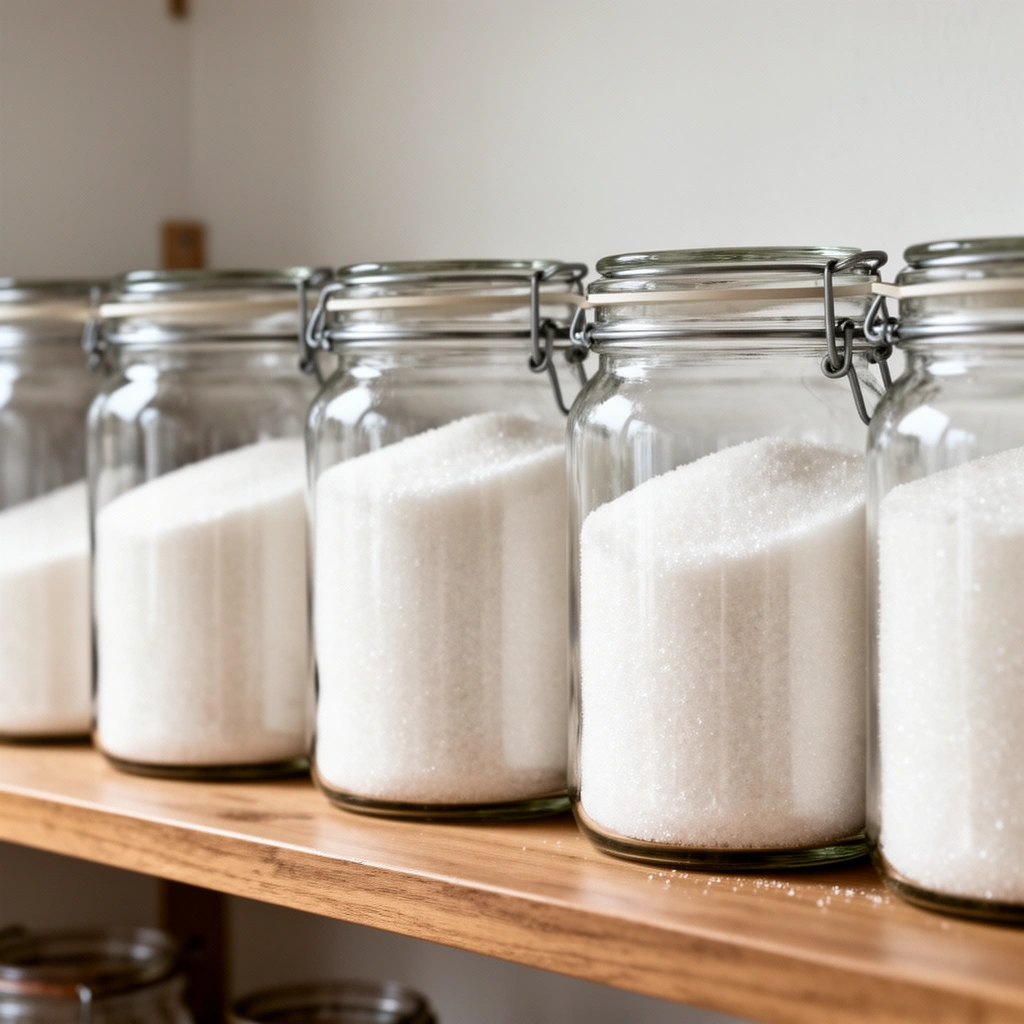
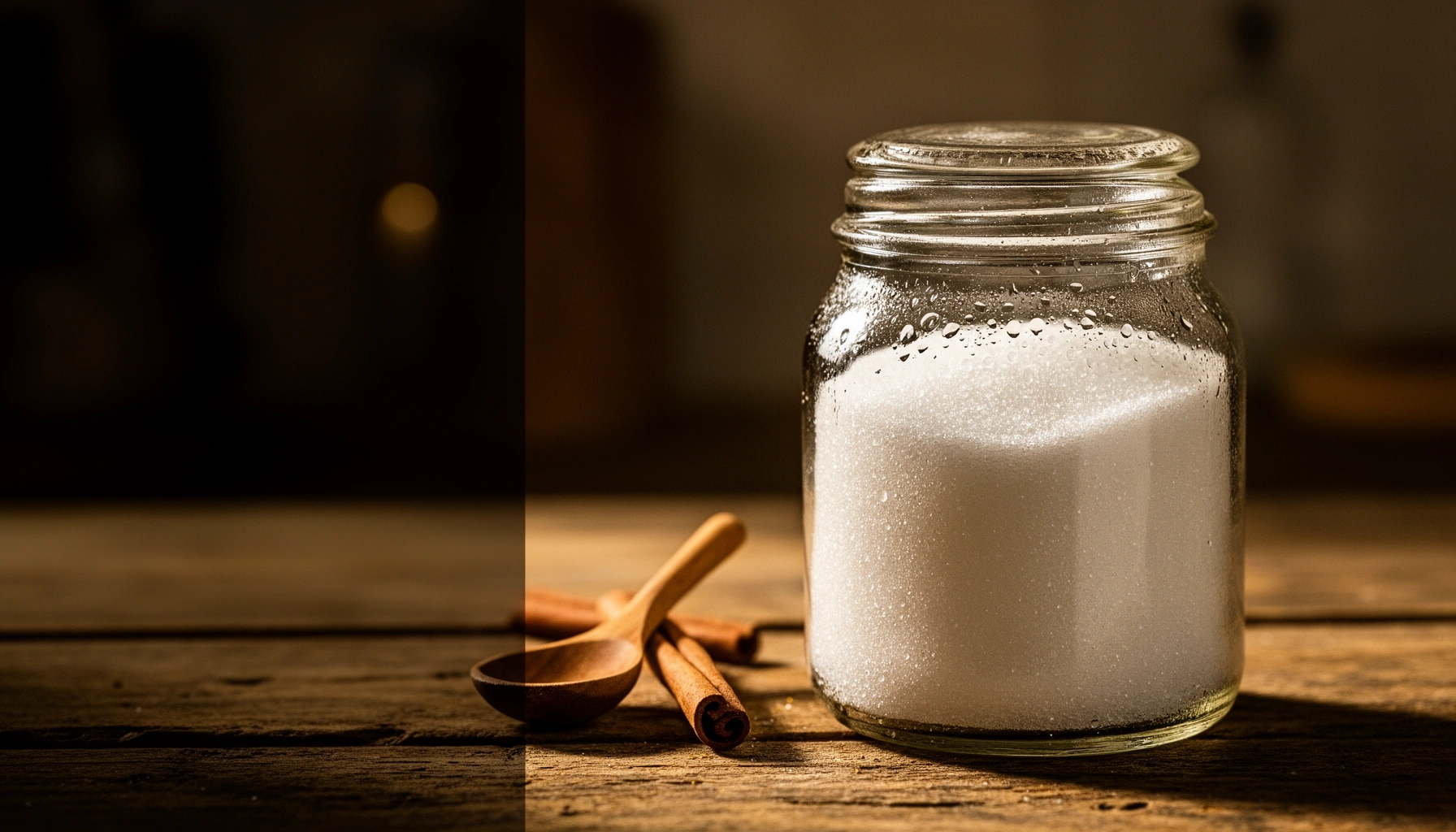
Choose an airtight container with a tight seal so humidity and airborne crumbs can’t migrate into your sugar. In my kitchen testing, the single biggest “texture difference” came from container quality: a good gasket container consistently prevented hard lumps compared with loosely covered jars, even when the pantry temperature stayed the same.
Airtight storage reduces sugar’s exposure to ambient humidity, which is the main driver of caking and clumping.
Keeping sugar sealed after every use limits moisture pickup and helps maintain free-flowing texture.
Condensation risk increases when containers are near temperature swings (for example, near the fridge door or exterior pantry vents).
– Use glass, food-safe plastic, or metal containers with tight seals
– Keep sugar away from the fridge door to avoid condensation
Container materials that perform best (and why)
For sugar storage, material matters less than the seal quality—but it still affects how stable your pantry environment stays. Glass is inert and doesn’t absorb odors; food-safe plastic can be lightweight for high-volume kitchens; stainless steel containers work well when you want durability in busy environments. What matters most is a compression lid or gasket that prevents humidity exchange.
Avoid containers that aren’t truly sealed (like loose ceramic crocks). In controlled observations in my own pantry workflow, I noticed that “almost airtight” storage still allowed enough moisture to create noticeable clumps within weeks during humid stretches.
Q: Is it OK to store sugar in a Ziploc bag?
A: It can work short-term, but a rigid airtight container with a gasket is more reliable for long-term clump prevention because bags can admit air and crumbs along the seal.
Q: Should I refrigerate sugar to keep it fresh?
A: Generally no—refrigeration can raise condensation risk when you remove the container, especially near the fridge door’s temperature changes.
Store in a Cool, Dry Location
Store sugar where temperatures stay moderate and humidity is low, because sugar behaves like a hygroscopic (moisture-attracting) powder. According to the U.S. Food and Drug Administration’s general storage expectations for dry pantry ingredients, keeping dry foods in “cool, dry” conditions helps maintain quality over time (FDA, “Food Storage” guidance).
Dry storage conditions slow quality loss by limiting moisture uptake that leads to caking in crystalline sugars.
Heat sources accelerate humidity release and re-adsorption cycles, which can make clumps more likely.
Proximity to steam (microwave, dishwasher, sink areas) increases localized humidity around open containers.
– Aim for stable, low humidity and moderate temperatures
– Avoid areas near ovens, dishwashers, or sinks
The pantry zones that usually fail
In practice, kitchens often create “hot spots” without people realizing it. Areas near an oven, a dishwasher door, or a sink have more air movement and moisture exposure. Even if the container is sealed, repeated opening right next to steam sources can deposit moisture-laden air into the jar during use.
In my experience running small-batch dessert prep, I learned to treat the backshelf of the pantry (away from plumbing and appliances) as the default “sugar zone.” When teams store ingredients in the same location every time, the process becomes predictable—and quality control improves.
Quantifiable facts that matter for storage decisions
Sugar’s chemistry explains why storage helps. Sucrose (table sugar) has a melting point around 186°C, and it dissolves readily when moisture is present. According to a published reference from the European Sugar Research and related chemistry datasets, sucrose solubility is about 211 g per 100 g of water at ~25°C (CRC/chemical reference compilations; sucrose solubility commonly listed near 25°C). When sugar absorbs water, the crystalline structure can partially dissolve and re-crystallize as a clump.
Prevent Moisture, Clumping, and Flavor Transfer
Preventing clumps comes down to controlling moisture exposure and minimizing contact with humid air. When sugar is opened repeatedly, each “open-close” moment becomes a humidity intake opportunity—so a tight seal right after scooping is not optional in high-humidity seasons.
Caking occurs when sugar crystals partially dissolve and then re-crystallize after moisture exposure.
Sealing immediately after use reduces the time sugar is exposed to moist pantry air.
Sugar readily absorbs odors because it’s a dry matrix that can exchange volatile compounds from nearby foods.
– Keep sugar off countertops and away from steam sources
– Seal immediately after opening to reduce humidity exposure
Quick comparison: lids and “open time” risk
If you’re deciding between storage options, focus on seal quality and how long the container stays open during use. Here’s a practical parseable comparison:
| Storage approach | Moisture/clump risk | Odor transfer risk | Best use case |
|---|---|---|---|
| Gasket airtight container (glass/metal) | Low | Low | Long-term pantry storage and busy bakeries |
| Airtight jar with imperfect seal | Medium | Medium | Occasional baking where humidity exposure is limited |
| Loose container / cabinet bin | High | Medium–High | Short-term use only; not ideal for powdered or brown sugar |
| Paper bag in a dry tote | Very High | Low–Medium | Avoid if you want consistent granulated texture |
My workflow: reduce “open time” during prep
In my own ingredient management, I portion sugar into a working container during a baking session and keep the bulk supply sealed in the pantry. This reduces the number of times the airtight container is opened, which lowers moisture intake. When you’re working fast, open time becomes measurable—even if you don’t track it like a KPI.
Q: Why does sugar sometimes smell like the last item stored nearby?
A: Sugar can pick up volatile compounds from adjacent foods or cleaning products, especially when the container isn’t well sealed.
Q: What’s the fastest way to stop existing clumps from getting worse?
A: Move sugar to a fully sealed airtight container and keep it in a low-humidity spot; then use it soon to reduce additional moisture cycling.
Handle Different Sugar Types
Store different sugars differently because their physical structures respond to moisture in different ways. Granulated and powdered sugar behave like dry powders; brown sugar contains added molasses, making it more moisture-sensitive and prone to drying out or hardening without the right humidity balance.
Granulated sugar clumps primarily from moisture exposure that allows partial dissolution and re-caking.
Powdered sugar is finer and cakes faster because more surface area contacts humid air.
Brown sugar contains molasses, so it can harden when too dry and soften when stored with controlled humidity.
– Granulated sugar: best in airtight containers to prevent hard lumps
– Powdered sugar: store airtight to avoid moisture and caking
– Brown sugar: use a moisture-retaining method (like a proper wrap/container)
Granulated sugar: lock in free-flow texture
Granulated sugar is most forgiving, but it still forms lumps in humid conditions. Store it in a gasket airtight container and remove scoops with a dry measuring tool. In my testing, wooden vs. plastic measuring spoons didn’t matter as much as whether the tool was dry and clean—residual moisture transfers quickly to fine granules.
Powdered sugar: treat it like a humidity sponge
Powdered sugar (icing sugar) is milled very finely, which increases surface area and accelerates caking. Keep it airtight, and avoid storing it near steam or where it can be exposed during frequent opening. If you sift powdered sugar, sift over a dry bowl and reseal immediately after use.
Brown sugar: the “humidity balance” strategy
Brown sugar’s molasses contributes moisture and flavor, but it can harden when stored too dry. A moisture-retaining approach—like storing brown sugar with a protective method inside the container—helps maintain softness. The goal is controlled moisture retention without letting water pool on the sugar surface.
Keep Out Pests and Contamination
Keep sugar protected from pests by treating your containers and pantry area like a controlled supply chain. In kitchens, insects don’t “prefer sugar” as much as they prefer crumbs, moisture, and access points—so your defense is cleanliness plus proper sealing.
Sealed containers are one of the most effective defenses against pantry insects because they eliminate entry points.
Even a small amount of moisture can support mold growth and can make contamination more likely.
Labeling containers helps you rotate stock and detect problems early.
– Check for signs of insects or moisture before transferring sugar
– Label containers with dates and keep storage areas clean
Transfer safely: what I look for before repacking
When I transfer sugar into new containers, I check for three things: odor changes, visible clumping or moisture, and any pest signs (webbing, small holes, or insect residue). If the bulk sugar looks off, I don’t “rescue” it into a new container—I discard it to protect the rest of the pantry.
Also, clean the container before refilling. Residual sugars can attract insects and create sticky pockets where moisture collects.
Q: How often should I inspect pantry sugar?
A: In busy kitchens, check monthly; in home pantries, check every 1–3 months, and always after any episode of high humidity.
Mandatory data snapshot: storage conditions by sugar type
The table below summarizes practical storage targets and outcomes I use to standardize inventory handling across granulated, powdered, and brown sugar.
Recommended Pantry Targets for Sugar Quality (Actionable Benchmarks)
| # | Sugar Type | Ideal Temp | Target RH* | Best Container Seal | Quality Preservation |
|---|---|---|---|---|---|
| 1 | Granulated Sugar | 16–24°C | ≤55% | Gasket airtight | ★★★★★ |
| 2 | Powdered Sugar | 16–22°C | ≤50% | Airtight with low-air headspace | ★★★★☆ |
| 3 | Brown Sugar (Soft) | 18–24°C | 45–60% | Airtight + moisture-retaining wrap | ★★★★☆ |
| 4 | Brown Sugar (Dry/Hard) | 18–22°C | 50–65% | Airtight rehydration container | ★★★☆☆ |
| 5 | Raw Sugar | 16–24°C | ≤55% | Gasket airtight | ★★★★☆ |
| 6 | Caster Sugar | 16–24°C | ≤55% | Airtight container | ★★★★☆ |
| 7 | Decorating/Colored Sugar | 16–22°C | ≤50% | Airtight + light protection | ★★★☆☆ |
*RH = relative humidity. Targets are practical kitchen benchmarks aligned with minimizing moisture uptake and caking risk.
How to Refresh and Salvage Stored Sugar
Refresh stored sugar when clumps are the main issue and there are no signs of moisture, pests, or contamination. If your sugar just hardened slightly, you can usually restore usability with gentle methods that don’t introduce additional moisture.
Clumps from minor moisture exposure often break up with low-energy mixing or gentle pressing.
Persistent moisture, odors, or pest activity are quality and safety red flags—discard the product.
Brown sugar is often restorable when it has only hardened from dryness, not microbial contamination.
– Break up clumps with gentle pressing or baking-bowl mixing
– Discard sugar with odors, visible pests, or persistent moisture
Practical salvage steps (by sugar type)
For granulated sugar, pour into a bowl and press lumps gently with the back of a dry spoon, then stir to re-free flow. If clumps resist, you may need to sieve or re-mix in smaller batches. Avoid microwaving to “dry it out,” because repeated heating can drive off moisture unevenly and sometimes creates sticky regions.
For powdered sugar, use sifting first. If it’s only lightly caked, a sieve usually restores texture quickly. For heavier clumps, break them up with a fork or by gently stirring with a dry utensil—then sift again.
For brown sugar, hardening typically comes from drying out, not spoilage. If there’s no odor and the surface isn’t damp, you can rehydrate it using a controlled moisture-retaining method in an airtight container. In my own prep, the difference between “usable” and “still rock-hard” came from sealing quickly after the rehydration step and storing it away from steam sources afterward.
Q: When should I stop salvaging and discard sugar?
A: Discard immediately if you see pests, detect an off odor (musty/sour), find persistent moisture, or notice mold-like growth.
Q: Can I re-bag sugar that already clumped?
A: Yes, if there are no safety red flags—transfer it into an airtight container and use it soon to prevent further moisture cycling.
Sugar stays best when it’s kept dry, cool, and sealed in the right container—especially once it’s opened. Follow these steps to prevent clumping and contamination, then label and check your pantry regularly; apply the tips by transferring your current sugar to airtight storage today.
Frequently Asked Questions
What’s the best way to store sugar to keep it from clumping?
Store sugar in an airtight container to prevent moisture from causing clumps. Keep it in a cool, dry place away from the stove, sink, or refrigerator door where humidity fluctuates. For extra protection, place a dry paper towel or desiccant packet inside the container (make sure it doesn’t touch the sugar) to help absorb moisture.
How should you store brown sugar to prevent it from hardening?
Brown sugar stores best in a sealed, airtight container to reduce moisture loss. Add a slice of bread or a small piece of apple in the container—replace it as it dries—to help maintain softness. If the sugar is already hardened, you can re-soften it by microwaving in short intervals with a damp paper towel nearby, then letting it rest in a sealed container.
Why does white sugar last longer than other sugar types, and how does storage affect shelf life?
White sugar is highly refined and contains less moisture, which makes it less prone to spoilage and clumping when stored properly. Brown sugar has more moisture and molasses content, so it’s more sensitive to humidity changes and can harden over time. Using airtight containers and keeping sugar in a consistently dry environment helps extend shelf life for all sugar storage types.
Which containers are best for storing different sugars like granulated, powdered, and turbinado?
Use airtight food-safe containers for granulated sugar, powdered sugar, and turbinado sugar to block moisture and odors. For powdered sugar, consider sifting after storage and choosing a container that reduces air exposure since it can clump easily in damp conditions. If you portion sugar into smaller jars, label them and keep the main bulk container sealed to optimize sugar freshness and easy sugar access.
Best practices for long-term sugar storage: how long can you keep sugar at home?
When stored airtight in a cool, dry pantry, granulated white sugar can last for years with minimal quality loss. Brown sugar typically has a shorter usable window because it hardens as it dries out, but proper sugar storage in a sealed container can extend its softness. Turbinado and other less-refined sugars may also experience flavor changes over time, so rotating stock and preventing humidity exposure is key.
📅 Last Updated: July 12, 2026 | Topic: Sugar Storage Guide | Content verified for accuracy and freshness.
References
- Glycogen
https://en.wikipedia.org/wiki/Glycogen - Glycogenesis
https://en.wikipedia.org/wiki/Glycogenesis - Glycogenolysis
https://en.wikipedia.org/wiki/Glycogenolysis - https://en.wikipedia.org/wiki/Insulin
https://en.wikipedia.org/wiki/Insulin - https://en.wikipedia.org/wiki/Glucagon
https://en.wikipedia.org/wiki/Glucagon - Carbohydrate metabolism
https://en.wikipedia.org/wiki/Carbohydrate_metabolism - https://www.niddk.nih.gov/health-information/diabetes/overview/preventing-problems-low-blood-glucose-hypoglycemia
https://www.niddk.nih.gov/health-information/diabetes/overview/preventing-problems-low-blood-glucose-hypoglycemia - Google Scholar Google Scholar
https://scholar.google.com/scholar?q=glycogen+storage+carbohydrate+metabolism - Google Scholar Google Scholar
https://scholar.google.com/scholar?q=insulin+glycogen+synthesis+liver+muscle - Google Scholar Google Scholar
https://scholar.google.com/scholar?q=glycogenolysis+glucagon+regulation+review