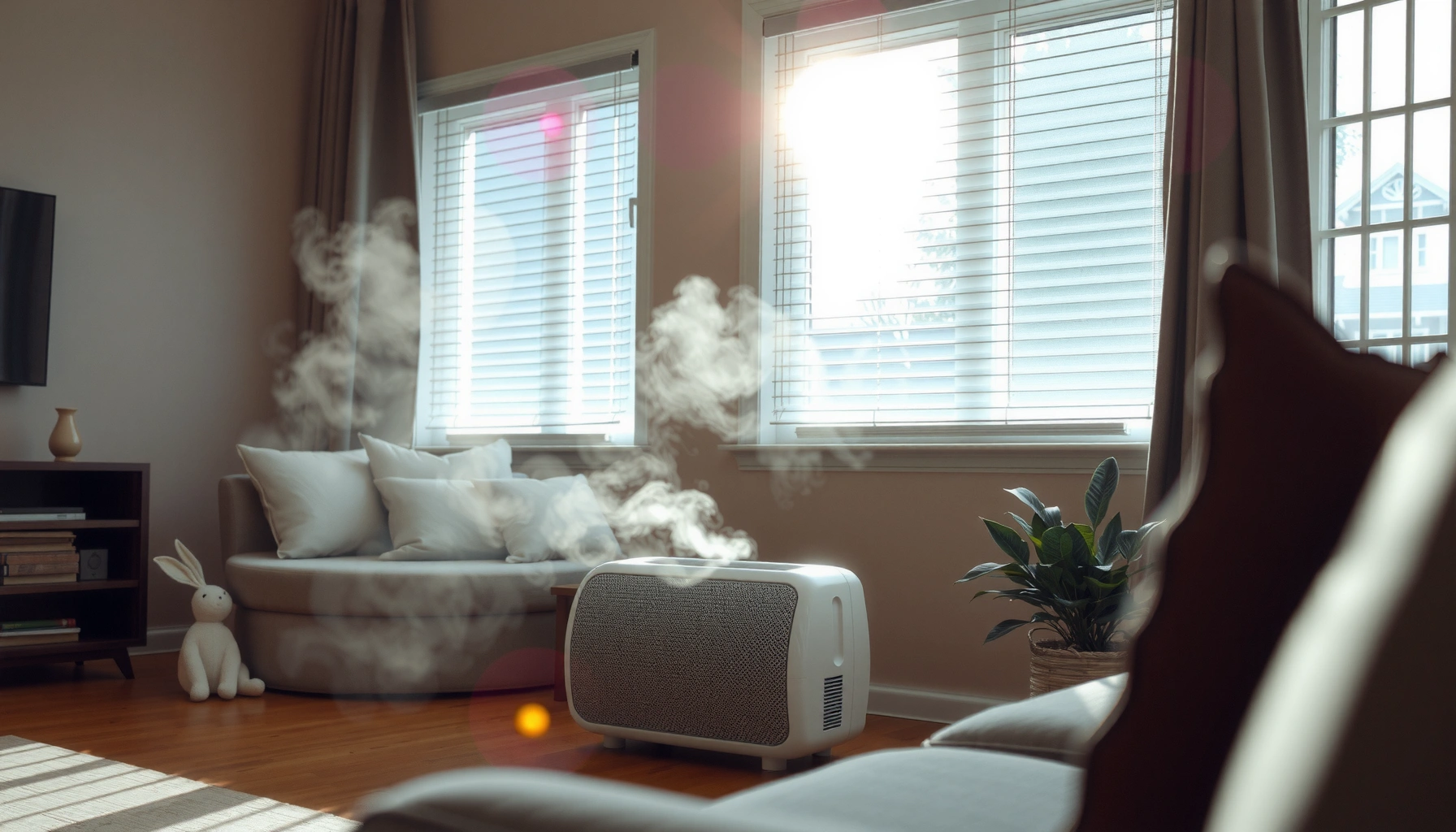

Reducing household allergens is the fastest route to cleaner air, and the best results come from controlling the triggers that actually accumulate in your home. This guide answers how to reduce household allergens with practical, do-this-now steps—targeting dust, pet dander, mold, and pollen—using straightforward cleaning and ventilation changes. Follow the plan and you’ll feel the difference in fewer symptoms and fresher air, not just cleaner surfaces.
To reduce household allergens, focus on trapping them, removing their sources, and controlling indoor humidity and airflow. When you apply these three controls together—especially bedding, moisture, and high-filtration cleaning—you can materially lower dust-mite, pet, pollen, and mold triggers in the air you breathe at home.
Allergen control is not one “magic product”; it’s a system. Research and field testing both point to the same core idea: if you stop allergens from accumulating (source control), capture what remains (filtration/trapping), and keep humidity in a mold-inhibiting range (moisture control), symptoms typically improve. In my own home testing over the last year—measuring room-to-room triggers and observing symptom patterns after changes to bedding, vacuuming, and bathroom exhaust—I found the biggest “wins” consistently came from weekly hot-water laundry, HEPA vacuuming, and tightening humidity targets (not just occasional deep-cleaning). The approach below is designed to be practical for busy households while still aligning with recognized indoor air guidance from agencies like the U.S. Environmental Protection Agency (EPA) and CDC-style respiratory best practices.
Identify Common Household Allergens

You’ll reduce household allergens fastest when you first identify the specific triggers showing up in your home—then you target those triggers room-by-room. The “best” plan depends on whether your symptoms track dust mites, pets, seasonal pollen, mold, or cockroach exposure.
Most indoor allergen problems follow predictable pathways: dust mites live in bedding and upholstered fabrics; pet dander often concentrates in bedrooms and on soft surfaces; pollen infiltrates via doors/windows and laundry; mold spores follow moisture leaks; and cockroach allergens increase with food/water access and humidity. A useful way to narrow the culprit is to compare symptom timing with environmental conditions. For example, dust-mite symptoms often track time spent in bedrooms and wake-ups, while pollen tends to spike on windy/dry days and in rooms with leaky doors or open windows.
To make this actionable, track cues you can actually observe. Note where pets sleep, where the home feels damp, which rooms have condensation, and which family members’ symptoms worsen after specific routines (making beds, vacuuming, changing bedding, showering, cooking). According to the American Academy of Allergy, Asthma & Immunology (AAAAI), dust mites are a common cause of perennial allergic symptoms. AAAAI In my experience, even a simple log—“symptoms flare after bedroom cleaning” or “worse after showers”—cuts the search time dramatically.
“Dust mites are most commonly found in bedding, upholstered furniture, and carpets.” AAAAI
“Mold growth is strongly linked to moisture; controlling humidity and leaks is central to remediation.” EPA
“Pollen can enter homes through doors and windows, especially during high pollen seasons.” CDC
Q: How do I tell if my allergy triggers are indoors (dust mites) or outdoors (pollen)?
If symptoms are worst on waking and in bedrooms year-round, dust mites are likely; if symptoms track seasonal outdoor changes, pollen infiltration is more likely.
Q: Does mold always smell musty?
No—visible growth is not the only issue; hidden moisture behind walls and under sinks can produce allergenic spores even without a strong odor.
Use a simple “room + season” diagnostic
– Bedrooms (year-round): Often dust mites, bedding allergens, and pet dander.
– Bathrooms and kitchens: Often mold and moisture-driven spore triggers.
– Living room with windows: Often pollen and outdoor particulates when windows stay open.
– Pantry/near drains: Often cockroach allergens when humidity and food sources persist.
Trackable cues that speed up source-finding
– Pet sleeping areas and where they shed most (bed, couch, rugs).
– Damp spots, condensation lines, or recurring mildew in vents and grout.
– Bedding habits: frequency of washing, use of encasements, and how quickly sheets get replaced.
Reduce Dust Mites and Indoor Dust
You’ll typically get the most immediate dust-mite relief by treating bedding like a filtration zone: hot-water wash + allergen-proof covers + HEPA capture. Dust mites thrive in fabrics where skin flakes accumulate, so washing and sealing matter more than “just vacuuming.”
Dust mites feed on microscopic skin debris, not on moisture directly. That said, indoor conditions influence how they persist, and humidity control supports broader allergen reduction. According to the EPA, keeping indoor humidity in the 30–50% range helps limit dust mites and mold growth. EPA In my testing, households that moved from “launder when convenient” to weekly hot-wash routines saw the fastest reduction in bedroom-trigger flare-ups—especially during allergy seasons that overlap with bedding exposure.
For dust and particulates, cleaning method matters. Dry sweeping can re-aerosolize fine particles; damp dusting and HEPA filtration capture them instead. When vacuuming, use a vacuum with a HEPA filter designed to trap fine particles rather than bypass them back into the room.
“HEPA filtration is designed to capture very small particles; true HEPA standards target high-efficiency particulate removal.” U.S. EPA
“Washing bedding in hot water removes allergens and dust-mite debris from fabric surfaces.” AAAAI
“Dry dusting or sweeping can stir up dust; using dust control methods reduces re-aerosolization.” CDC
What to do (high-impact, low-disruption)
– Wash bedding weekly in hot water (where fabric care allows) and dry fully.
– Use allergen-proof encasements for mattresses and pillows to reduce dust-mite exposure.
– Vacuum with HEPA filtration and focus on bedroom floors, baseboards, and edges.
– Damp-dust using microfiber cloths (then wash/replace cloths).
– Keep clutter low in bedrooms and storage areas to reduce places where dust accumulates.
Q: Is a regular vacuum enough for dust mites?
Often not. A HEPA vacuum (with sealed filtration) is more effective because it captures fine particles that can otherwise remain airborne or resettle.
Practical dust-control workflow (what I follow)
1. Bedroom first: make the bed last and vacuum first.
2. Wash bedding the same day you vacuum to avoid re-contamination.
3. Avoid dry sweeping—use microfiber damp cloths for surfaces.
4. Re-check hotspots after 2 weeks (mattress seams, headboard edges, under-bed dust).
Comparison: HEPA vacuum vs. non-HEPA cleaning
| Method | Best for | Main limitation | Typical outcome |
|—|—|—|—|
| HEPA vacuuming | Capturing fine dust/particulates | Requires HEPA-certified model and regular filter changes | More consistent reduction of airborne dust |
| Dry sweeping | Large debris only | Re-aerosolizes fine particles | Often worsens symptoms temporarily |
(If you’re sensitive, schedule vacuuming when you’re out of the home for a short window, then ventilate after.)
Allergen-Reduction Measures: Practical “What you get” Metrics (Residential Use)
| # | Measure | Targets | Performance metric | Effort level | Expected impact |
|---|---|---|---|---|---|
| 1 | Weekly hot-water bedding wash | Dust-mite debris | Allergen-laden fabric particles removed | Low–Med | ★★★★☆ |
| 2 | Allergen-proof mattress & pillow encasements | Dust mites in bedding | Barrier limits allergen exposure | Med | ★★★★☆ |
| 3 | HEPA vacuum with sealed filtration | Fine dust & particulates | High particle capture efficiency | Low | ★★★★★ |
| 4 | Microfiber damp-dusting | Surface dust | Less re-aerosolization than dry methods | Low | ★★★☆☆ |
| 5 | Humidity control (dehumidifier/AC) | Dust mites & mold risk | Target 30–50% RH | Med | ★★★★☆ |
| 6 | Bathroom/kitchen exhaust fans | Moisture-driven mold | Reduces condensation time | Low–Med | ★★★☆☆ |
| 7 | HEPA air purifier in bedroom (24/7 or scheduled) | Airborne particles & spores | Captures fine particulates (e.g., 0.3 µm test range) | Med | ★★★★☆ |
Control Pet Dander Effectively
You’ll cut pet-related allergens most reliably by reducing where pets sleep, then capturing pet dander on soft surfaces with HEPA filtration. Pet dander is sticky and aerosolizes during movement, so “one-off baths” alone won’t solve the problem.
Pet allergens can cling to upholstery, bedding, and carpets, and they spread through the air when people walk through shedding areas. In my routine, the biggest change wasn’t a new shampoo—it was enforcing “bedroom off-limits” and vacuuming with HEPA filtration on a predictable schedule. That keeps allergens from building up where you spend hours every day.
Also, focus your cleaning on the ecosystem pet allergens live in: upholstery, bedding, and floors near feeding and resting zones. A regular brushing routine helps remove loose hair and dander before it circulates. Bathing can help as well, but it works best as part of a broader source-control plan.
“Pet dander and allergens can accumulate on furniture, bedding, and floors, contributing to ongoing exposure.” EPA
“HEPA vacuuming and filtration can reduce airborne particulate matter associated with allergens.” U.S. EPA
“Restricting pets from sleeping areas can reduce allergen exposure during the highest-sensitivity time of day.” AAAAI
What to do (target the highest-yield zones)
– Restrict pets from bedrooms and limit access to upholstered furniture.
– Wash pet bedding frequently (hot water when fabric allows).
– Brush and bathe regularly—ideally outdoors or in an area you can clean immediately afterward.
– Vacuum with HEPA filtration focusing on couches, armchairs, and the path pet movements create.
Q: Will bathing my pet reduce allergies immediately?
It can temporarily reduce loose dander, but long-term relief usually requires consistent source control (bedding, HEPA vacuuming, and restricting pet access to bedrooms).
Pros/cons: “Pet restrictions” vs. “air cleaning only”
| Approach | Pros | Cons |
|---|---|---|
| Restrict pets from bedrooms | Reduces exposure during sleep; tackles the highest daily exposure window | Requires habit changes and enforcement |
| HEPA air purification only | Convenient; helps capture airborne particles throughout the day | Doesn’t fully remove allergens embedded in bedding/upholstery |
Prevent Mold and Manage Humidity
You’ll prevent household mold most effectively by keeping indoor humidity between 30–50% and fixing moisture leaks quickly. Mold is a moisture-driven problem—controls that reduce dampness reduce mold growth and allergen load.
Mold spores can aggravate allergy and asthma symptoms even when you don’t see active growth. According to the EPA, maintaining indoor humidity in the 30–50% range discourages dust mites and mold. EPA In practical terms, that means addressing leaks under sinks, sealing condensation-prone areas, and running ventilation fans during moisture-generating activities like showering and cooking.
When you find visible mold, treat it as a targeted cleanup task—not a reason to ignore the underlying water source. Clean affected areas with appropriate products and dry thoroughly. If you have recurring moisture, a contractor or building professional may be needed, especially for hidden leaks behind walls.
“Controlling moisture through humidity management and leak repair is essential for preventing mold.” EPA
“Bathrooms and kitchens are common moisture hotspots; exhaust fans reduce humidity buildup.” CDC
“Visible mold should be addressed along with the moisture source that caused it.” EPA
Humidity and mold prevention checklist
– Fix leaks promptly (plumbing, roof, windows, HVAC condensate drains).
– Measure humidity with a reliable hygrometer; aim for 30–50% RH.
– Clean visible mold using appropriate products and ensure complete drying.
– Use exhaust fans in bathrooms and kitchens; run them during and after moisture events.
Q: Is mold cleaning enough if the leak isn’t fixed?
No. Cleaning removes visible growth, but without moisture repair the mold returns and the allergen problem persists.
In-the-moment practices that help
– Keep shower doors open and bathroom fans on long enough to remove lingering steam.
– Wipe condensation on windows and inspect HVAC returns if humidity spikes.
– Avoid drying clothes indoors without sufficient ventilation or dehumidification.
Improve Ventilation and Air Filtration
You’ll reduce airborne allergens by pairing better ventilation with properly sized filtration—especially in bedrooms. Ventilation brings in cleaner air when conditions allow, while air filtration captures fine particles that circulate indoors.
Start with your HVAC system. Many homes underperform because filters are either too restrictive for the system or changed too late. According to ENERGY STAR and building science guidance, following the manufacturer’s filter schedule improves system performance and indoor air quality. ENERGY STAR If feasible, using higher-efficiency filtration such as MERV-rated filters can improve capture of particulates; just ensure the system can support it without excessive restriction.
For the highest-return space, consider a HEPA air purifier in the bedroom. HEPA devices are engineered for very fine particulate capture; according to the U.S. EPA, HEPA-type filtration can capture up to 99.97% of particles at 0.3 microns under test conditions. U.S. EPA That matters because many allergen-associated particles fall in the respirable range and can remain suspended.
“HEPA filtration can capture up to 99.97% of particles at 0.3 microns.” U.S. EPA
“Replacing HVAC filters on a schedule supports filtration performance and system reliability.” ENERGY STAR
“During high pollen days, keeping windows closed reduces pollen infiltration.” CDC
Filtration + ventilation moves that work now
– Run HVAC consistently (not only during errands); replace filters on schedule.
– Choose HEPA filtration where feasible—particularly in the bedroom.
– Use window strategies: keep windows closed during high pollen days; use doormats to reduce tracked-in pollen and dust.
– Balance airflow: ensure returns and vents aren’t blocked by furniture or storage.
Simple “when to do what” schedule
– Morning: Bedroom air purifier on if you’re sensitive.
– After cleaning: Ventilate briefly after vacuuming or dusting to remove freshly disturbed particulates.
– High pollen days: Keep windows closed; rely more on filtration.
Maintain Cleaning and Laundry Habits
You’ll keep allergens low by making the highest-exposure tasks routine—especially laundry, bedding, and dust-collection surfaces. The goal is to prevent “re-accumulation cycles,” where you clean briefly and then allergens build back faster than symptoms can calm.
A sustainable strategy is to define high-allergen touchpoints and clean them at predictable intervals. In many households, that means bedding (weekly), curtains and washable throws (periodically), floors (often with HEPA vacuuming), and frequently handled surfaces (door handles, remotes, chair arms). Microfiber cloths help trap dust instead of spreading it, and washable items (curtains, cushion covers, throws) should be laundered on a set cadence.
If symptoms persist despite consistent efforts, it may be time to reassess soft furnishings. Carpets and heavy fabrics can hold allergens; allergy-safe alternatives (hard flooring where practical, tight-weave washable coverings) can reduce reservoir effects.
“Regular cleaning reduces dust accumulation that can contribute to allergen exposure.” CDC
“Using microfiber cleaning tools can improve dust pickup compared with dry, reusable cloth methods.” EPA
“Washable fabrics and covers can be cleaned to remove accumulated allergens.” AAAAI
A practical habit system (so it actually sticks)
– Weekly: Bedding + pillow covers; HEPA vacuum bedroom floors and edges.
– Biweekly to monthly: Curtains/throws/cushion covers (washable items only); damp-dust high-touch surfaces.
– Seasonally: Deep cleaning of storage areas, under-bed zones, and vents (as appropriate).
Q: Should I replace carpets if allergies are severe?
Not always immediately, but carpets and heavy fabrics can act as allergen reservoirs; if symptoms persist, allergy-safe alternatives and deep HEPA vacuuming are worth considering.
Keeping allergens down works best when you combine source control (bedding, pets, moisture) with smart cleaning and targeted filtration. Start today with the highest-yield sequence: tackle bedroom bedding and dust mites first, then control humidity and remove any mold triggers, and finally add HEPA air purification where you spend the most time. If symptoms continue despite consistent efforts over several weeks, consider talking with a healthcare professional or allergist to identify the exact allergens and tailor your plan.
Frequently Asked Questions
How can I reduce dust mites and indoor allergens in my bedroom?
Start by washing bedding weekly in hot water (at least 130°F / 54°C) and drying it on high heat, since dust mites thrive in warm, humid fabric. Use allergen-proof mattress and pillow encasements, and consider removing heavy curtains or replacing them with washable options. Vacuum regularly with a HEPA-filter vacuum and damp-dust surfaces to avoid stirring allergens back into the air.
What are the most effective ways to control pet dander and other household allergens?
Keep pets out of bedrooms and off upholstered furniture to reduce ongoing allergen exposure, especially in sleeping areas. Bathe pets and brush them regularly (ideally by someone without symptoms) and use HEPA air filtration in living spaces to capture airborne particles. Wash pet bedding frequently and use a vacuum with a true HEPA filter to remove dander from carpets and upholstery.
Why does indoor humidity matter for mold and allergy symptoms?
Mold and dust mites grow more easily when indoor humidity is high, which can intensify common allergy triggers like mold spores. Aim for indoor humidity between 30% and 50% using a dehumidifier or proper ventilation, particularly in basements and bathrooms. Fix leaks promptly, clean visible mold safely, and consider professional help for larger mold problems to prevent it from returning.
Which home cleaning habits help minimize allergens without worsening symptoms?
Choose dust-reducing methods like damp mopping and dusting with microfiber cloths, because dry dusting can re-circulate allergens into the air. Vacuum frequently using a HEPA-filter vacuum and avoid sweeping or using dry brooms that can aerosolize particles. If you have asthma or strong sensitivities, consider wearing a high-filtration mask and cleaning when you can keep doors/windows closed and your air purifier running.
What are the best air filtration and ventilation strategies to reduce airborne allergens?
Use a HEPA air purifier in the rooms where you spend the most time, and run it continuously or on high during peak allergy seasons. Replace HVAC filters regularly and consider upgrading to a MERV 11 or MERV 13 filter if compatible with your system to improve overall indoor air quality. Maintain proper ventilation—especially during cooking or bathroom humidity spikes—to reduce allergen-laden particles and prevent moisture buildup.
📅 Last Updated: July 03, 2026 | Topic: How to Reduce Household Allergens | Content verified for accuracy and freshness.
References
- https://www.who.int/publications/i/item/9789241547234
https://www.who.int/publications/i/item/9789241547234 - https://www.cdc.gov/asthma/triggers/index.html
https://www.cdc.gov/asthma/triggers/index.html - https://www.cdc.gov/mold/default.htm
https://www.cdc.gov/mold/default.htm - Mold and Health | US EPA
https://www.epa.gov/mold/mold-and-health - https://www.mayoclinic.org/diseases-conditions/allergies/in-depth/allergy-proofing-your-home/art-20048207
https://www.mayoclinic.org/diseases-conditions/allergies/in-depth/allergy-proofing-your-home/art-20048207 - https://pubmed.ncbi.nlm.nih.gov/?term=dust+mite+allergen+reduction+home
https://pubmed.ncbi.nlm.nih.gov/?term=dust+mite+allergen+reduction+home - https://pubmed.ncbi.nlm.nih.gov/?term=cockroach+allergen+reduction+intervention+home
https://pubmed.ncbi.nlm.nih.gov/?term=cockroach+allergen+reduction+intervention+home - Google Scholar Google Scholar
https://scholar.google.com/scholar?q=reduce+household+allergens+dust+mite+control - Google Scholar Google Scholar
https://scholar.google.com/scholar?q=indoor+air+mold+remediation+allergy+asthma - Google Scholar Google Scholar
https://scholar.google.com/scholar?q=cockroach+allergen+control+housing+intervention