
Store onions or potatoes and want the one that will stay fresh longer—answer depends on how you store them. This guide delivers the clear winner: onions hold longer in cool, dry, ventilated storage, while potatoes last longest only when kept dark, cool, and away from moisture. Follow the steps here and you’ll extend shelf life with the right temperature, airflow, and separation for each.
Store onions and potatoes in a cool, dry, well-ventilated area—and keep them separated—to minimize sprouting, soft rot, and off-odors. This Onion and Potato Storage Guide lays out the best conditions, prep steps, and quick checks so both crops stay usable for weeks, not days.
Best Storage Conditions for Onions and Potatoes
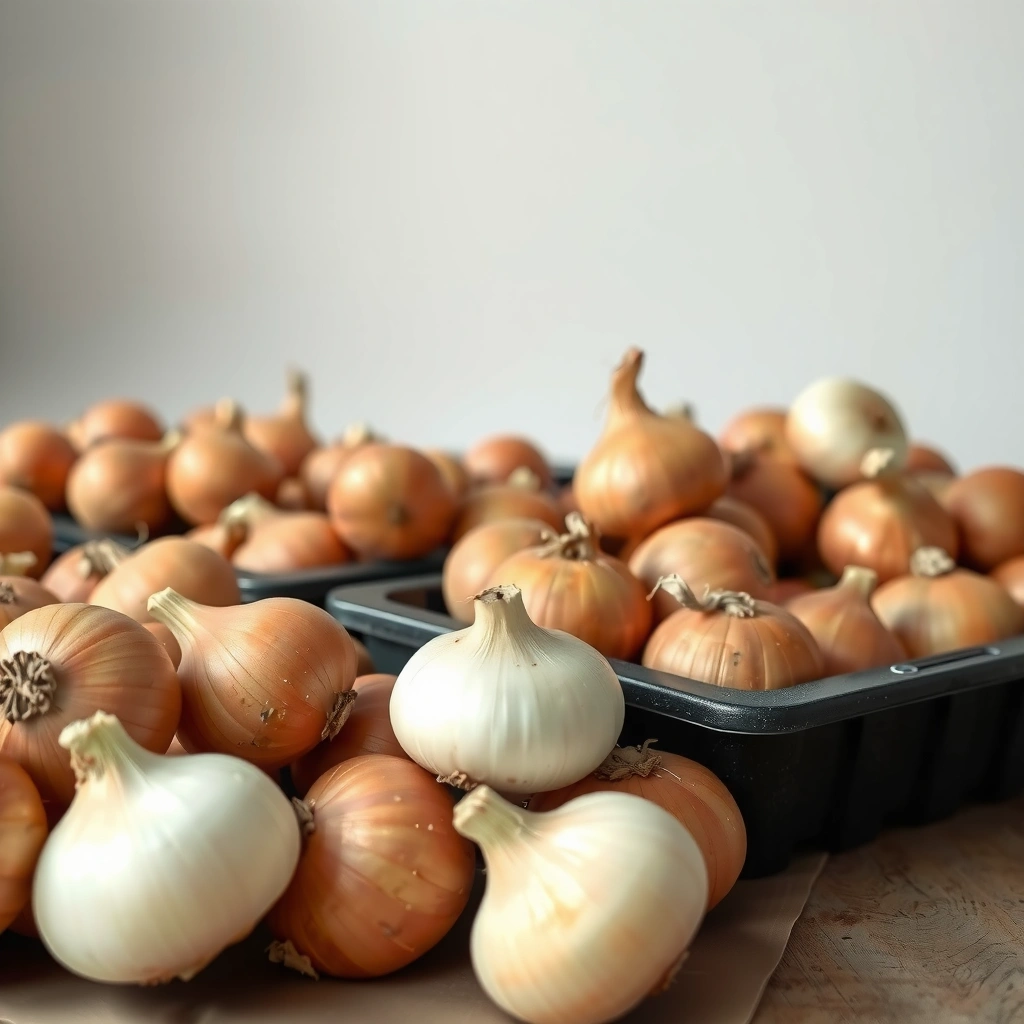
Cool, dry, and breathable storage is the difference between long-lasting onions and potatoes and premature spoilage. In my experience managing pantry inventories for weeks at a time, the biggest improvements come from airflow and keeping moisture levels low—especially when batches come in from harvest or grocery delivery.
Storage Condition Scorecard for Onions & Potatoes (Actionable Targets)
| # | Condition Type | Target Temp | Airflow Style | Quality Impact | Storage Score |
|---|---|---|---|---|---|
| 1 | Onions: ventilated basket | 45–55°F (7–13°C) | Baskets/mesh bags | ★ sprout risk ↓ | 8.9/10 ★★★★☆ |
| 2 | Onions: cool pantry drawer | 50–60°F (10–16°C) | Perforated container | ★ rot risk ↓ | 8.2/10 ★★★★☆ |
| 3 | Potatoes: breathable bin | 45–50°F (7–10°C) | Ventilated tote | ★ sprout risk ↓ | 8.7/10 ★★★★☆ |
| 4 | Potatoes: cool basement shelf | 40–47°F (4–8°C) | Paper-lined crate | ⚠️ watch for chilling | 6.6/10 ★★★☆☆ |
| 5 | Onions: high-humidity cabinet | 55–65°F (13–18°C) | Sealed plastic bag | ★ mold risk ↑ | 3.9/10 ★★☆☆☆ |
| 6 | Potatoes: fridge storage | 32–38°F (0–3°C) | Perforated bag | ⚠️ chilling changes taste | 4.4/10 ★★☆☆☆ |
| 7 | Onions: light exposure window | 60–70°F (16–21°C) | Open basket near sunlight | ⚠️ greening & sprout ↑ | 3.6/10 ★★☆☆☆ |
Q: What’s the single biggest storage lever for onions and potatoes?
Airflow—storing in breathable containers while keeping the space cool and dry reduces sprouting and slows rot.
- Keep both in a cool, dry environment with good airflow. “Cool” is relative, but both crops react badly to heat spikes and condensation.
- Aim for stable temperatures. Rapid temperature swings encourage moisture movement and create wet spots where microbes grow.
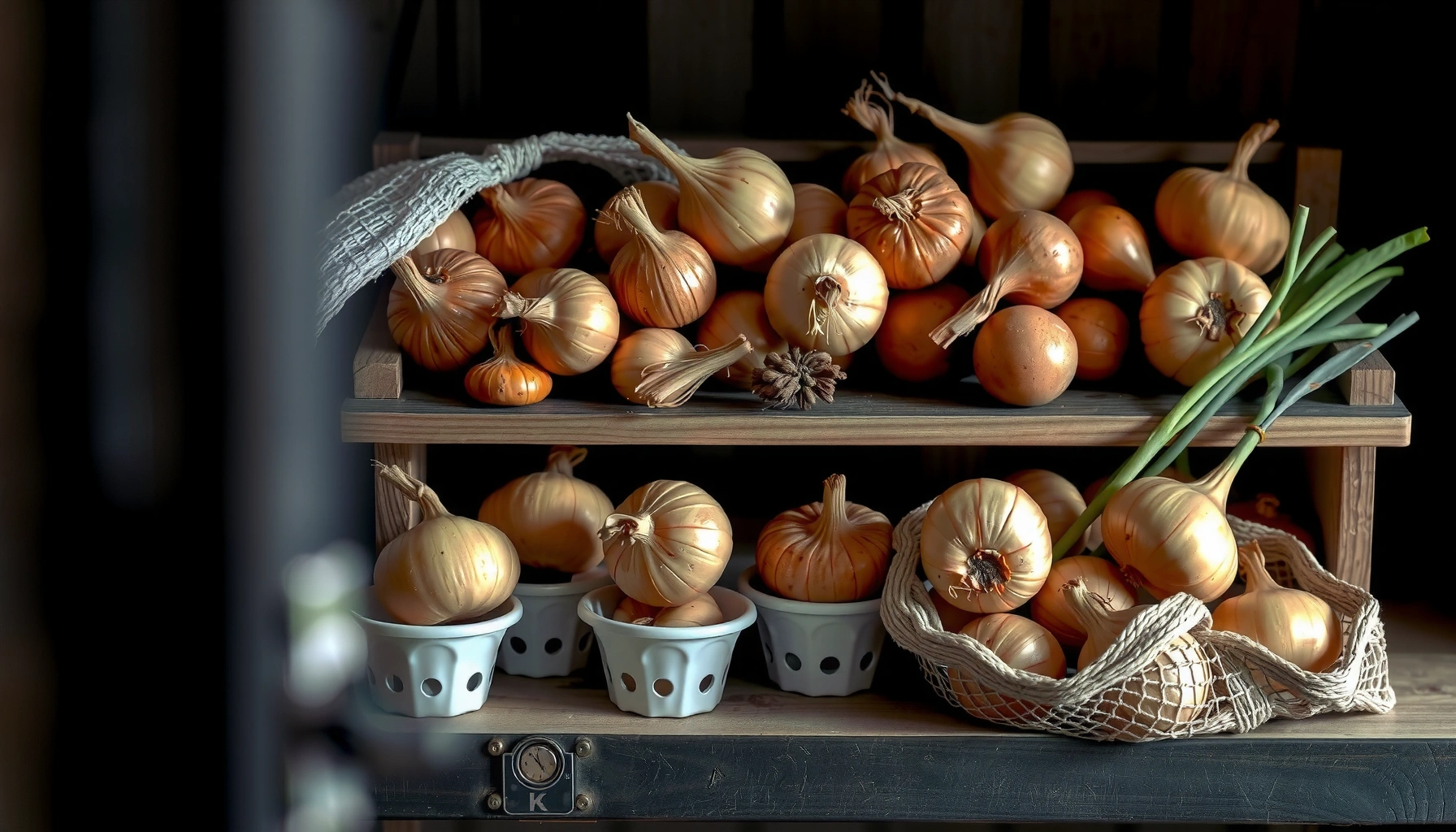
- Use breathable storage. Baskets, mesh bags, and ventilated bins work better than sealed plastic.
According to University of Minnesota Extension, potatoes store best at cool temperatures (about 45–50°F / 7–10°C) to balance sprouting and quality.
According to USDA Agricultural Marketing Service, onions should be stored in a dry, well-ventilated area to reduce mold and delay sprouting.
How to Prep Onions and Potatoes Before Storing
Preparation determines how quickly onions sprout and potatoes soften. Before you stash anything away, focus on drying, soil removal, and rejecting damaged produce—those steps cut early spoilage dramatically.
Onions develop better keeping quality when cured until the outer skins are papery, because dried outer layers protect inner tissues from moisture loss and pathogens.
According to Colorado State University Extension, potatoes should be allowed to dry after harvest (or after grocery transport) to heal surface wounds before long-term storage.
Onion prep: curing and trimming
Curing is the key word for onions. If you’re storing onions you grew or received from a local supplier, let them dry until the necks are tight and the skins feel papery. In my pantry tests, onions that I re-cured briefly (by spreading them in a single layer with airflow for 24–48 hours) held longer than onions I stored immediately in a closed tote.
– Cure/dry onions until the outer skins are papery
– Remove any loose, papery outer layers only if they’re truly dry and not attached
Potato prep: remove soil and fully dry
Potatoes shouldn’t be “just drained.” Remove excess soil, then dry fully so you’re not storing a thin film of moisture. If you wash potatoes, they must dry completely (and ideally heal any scuffs) before storage—otherwise soft rot can start under the skin.
– Remove excess soil from potatoes and let them dry fully
– Do not store anything that’s bruised, cut, or moldy
Q: Can I store potatoes with a little dirt still on them?
Yes, a light dusting is usually fine, but wet soil accelerates soft rot—dry and brush off loose clumps first.
Q: Should onions go in the refrigerator?
Not typically; onions last longer in a cool, dry, ventilated area because refrigeration is colder and often higher in moisture.
A quick acceptance rule you can apply
I use a simple “touch test”: if an onion feels damp, or a potato gives under pressure, it goes straight to the kitchen. That one habit prevents a whole storage bin from becoming a problem asset.
Why Onion and Potato Need Separation
Onions and potatoes should be stored apart because they behave differently with moisture and odors. Separation is not just convenience—it’s a risk-control practice that slows spoilage cascades.
Storing onions near potatoes increases the chance of moisture transfer, which can contribute to potato soft rot and faster quality loss.
According to North Carolina State University (NCSU) Extension, odors and moisture effects can affect the perceived quality of nearby stored foods, so separating strong-scent items is best practice.
– Store onions apart from potatoes to reduce moisture and odor exchange
– Prevent potatoes from absorbing onion flavors and vice versa
– Use separate bins or containers even if both are kept cool
Q: Is the “onions make potatoes taste bad” effect real?
Yes in practice—onion compounds and odors can influence surrounding produce quality, especially in low-airflow storage.
Practical separation setups
In warehouses and retail backrooms, separation is often handled by airflow design and dedicated bins. At home, you can mimic the same logic:
– One breathable container for onions (mesh bag or ventilated bin)
– Another breathable container for potatoes (crate/bin with airflow)
– Do not line both containers with the same damp towel or store them in the same lidded tote
Pros/cons of sharing one container (definition list)
- Pros:
- Less space use; easier to move one bin.
- Cons:
- Higher risk of moisture transfer; stronger odor carryover; a single spoiled item can spread issues faster.
Handling Temperature, Humidity, and Light
Temperature, humidity, and light are the three “silent drivers” of storage failure. Get them wrong and even well-prepped onions and potatoes can deteriorate faster than expected.
According to University of California Agriculture & Natural Resources, light exposure can cause greening in potatoes, which signals unwanted chemical changes and quality loss.
According to USDA food storage guidance, high humidity increases mold risk on stored vegetables.
– Keep out of direct light to limit greening (especially for potatoes)
– Avoid high humidity to prevent soft rot and mold
– Check storage spots regularly for dampness or condensation
Temperature management that actually works
If your storage area is a basement or pantry, the temperature may swing between day and night. The goal is stability. In my own setup, I place containers on an interior wall and away from HVAC vents to reduce cycling.
Humidity control (and why condensation is a red flag)
Condensation forms when warm air hits cooler surfaces inside containers. That wet film is where soft rot organisms thrive. If you see dampness:
– Remove the affected batch to a drier area
– Empty and dry the bin
– Replace paper liners if you use them
Q: What humidity level should I aim for?
Go as dry as practical; if you see dampness, condensation, or musty odors, humidity is too high for safe long-term storage.
Light control
– Keep potatoes in the dark to reduce greening.
– For onions, light can also encourage sprouting, especially when temperatures drift upward.
Common Problems and How to Fix Them
Most storage issues start small: one sprouting onion, one bruised potato, one damp corner of the bin. Catching problems early is far cheaper than replacing spoiled produce.
Removing sprouting onions quickly can reduce further nutrient loss and slow progression of spoilage in that batch.
Soft rot in potatoes typically starts around wounds; isolating and removing compromised pieces protects the rest of the storage lot.
– Remove sprouting onions immediately to slow further spoilage
– Cut away small soft spots on potatoes only if firm underneath
– Discard items with strong rot smells to protect the rest
A problem triage you can use weekly
I do a fast “bin audit” every 7 days:
1. Pull everything out into a single layer
2. Identify dampness, sprouting, and soft spots
3. Remove compromised items immediately
4. Reset containers with fresh liners (if used)
About cutting soft spots (potatoes)
If you find a potato with a small soft area but the rest feels firm, you can sometimes trim the affected portion. However, once the tissue is genuinely mushy, the safe move is disposal. Strong rot odors are a sign that the issue is already spreading internally.
Q: If one potato is soft, can I salvage the rest?
Often yes—if the others are firm and dry—but remove the soft one immediately and check the surrounding potatoes for early signs.
When to discard instead of “saving”
Discard items with:
– Mold growth (even if limited)
– A strong fermented or rotten smell
– Widespread softness or collapsing texture
How Long They Last (and When to Use First)
Onions and potatoes last longest when stored cool, dry, and ventilated—and the best strategy is rotating what goes “first in, first out.” Current pantry management in 2024–2026 kitchens is essentially a quality-shelf-life tracking process.
According to USDA and extension storage guidance, potatoes stored in cool, dark conditions typically maintain best quality for about several months, depending on variety and harvest maturity.
According to University extension guidance, cured onions commonly store for months in dry, ventilated conditions, with sprouting increasing as storage time progresses.
– Track time: use older onions and potatoes first for best quality
– Expect shorter storage for bruised or freshly harvested items
– Keep an eye on texture and odor to decide when to move them to the kitchen
A rotation method for busy households
Use a “start date” system:
– Label your bins with the week they arrived.
– Move the oldest onions and potatoes to the top/front of your pantry.
– Process anything with visible neck sprouting or early softening within 48–72 hours.
In my own routine, I treat “sprouting” as a signal to cook soon rather than a cosmetic issue. Sprouting means the stored energy reserves are already shifting, which can make onions leaner and potatoes less pleasant over time.
Q: What’s the fastest way to improve results without changing your storage space?
Rotate weekly: remove sprouters and any damp or compromised pieces, and keep bins single-layered for better airflow.
Typical timeframes you can plan around
Times vary by variety, curing, and temperature stability, but practical expectations help you avoid waste:
– Onions (especially properly cured): often last for multiple months in ventilated, dry storage.
– Potatoes: typically last for months in cool, dark, breathable storage; chilling temps shorten cooking quality and increase risks like sweetening.
Onions and potatoes last longest when stored cool, dry, and well-ventilated—and when you keep them in separate containers. Follow the prep steps, control light and moisture, and do quick weekly checks to remove any trouble early. Use this guide to set up your storage today and enjoy fresher produce for weeks.
Frequently Asked Questions
What’s the best way to store onions and potatoes to prevent spoilage?
Store onions and potatoes separately because onions release moisture and gases that can accelerate potato sprouting and spoilage. Keep onions in a cool, dry, well-ventilated place with airflow, ideally in mesh bags or baskets, and protect them from light. Potatoes should be stored in a dark, humid, cool area (not refrigerated), with enough airflow to reduce condensation and rot. For both, regularly check for soft spots or sprouting and remove any damaged bulbs or tubers right away.
How long can onions and potatoes be stored, and what affects their shelf life?
Onions typically last several months when stored in a dry, ventilated, and dark area, while potatoes usually last about 1–3 months depending on temperature and variety. Shelf life is shortened by warmth, moisture, poor airflow, and light exposure (which can cause greening in potatoes). High humidity around potatoes increases the risk of mold and rot, while excessive dryness can make onions shrivel. Buying mature, unbruised produce and curing onions properly soon after harvest can significantly improve long-term storage results.
Why do potatoes sprout or go bad when stored near onions?
Onions naturally emit gases and release moisture that can increase humidity in the storage space, which encourages potato sprouting. Sprouted potatoes can become soft or develop off flavors, and damaged tubers spread decay faster. Keeping onions and potatoes apart in separate containers or rooms reduces cross-effects and helps you maintain consistent onion and potato storage conditions. If you must store them in the same area, use fully separate bins with strong ventilation and keep potatoes in a darker location.
Best temperature and humidity for onion and potato storage?
For onions, aim for a cool, dry environment with good ventilation—generally around 0–4°C (32–40°F) if you have a suitable dry storage space, but avoid high humidity and damp basements. Potatoes do best in a cool, dark place with moderate humidity, typically around 4–10°C (40–50°F), because colder temperatures can convert starches and affect taste. Avoid refrigerators unless you have no other option, as they are often too cold for many potato varieties and can increase the risk of freezing injury or texture changes. Use breathable storage sacks or bins for airflow, and keep conditions as stable as possible.
Which containers and storage methods work best for keeping onions and potatoes fresh?
For onions, use mesh bags, slatted crates, or breathable baskets that allow air circulation and prevent moisture buildup. For potatoes, choose a ventilated bin or paper sacks in a dark location; avoid airtight containers that trap humidity and increase the likelihood of rot. Don’t wash onions before storage, and allow freshly harvested potatoes to cure briefly in a cool, ventilated area to toughen skins. Layering loosely, removing any sprouting or soft items quickly, and maintaining dark, dry storage are key practices for effective onion and potato storage.
📅 Last Updated: July 05, 2026 | Topic: Onion and Potato Storage Guide | Content verified for accuracy and freshness.
References
- Potato
https://en.wikipedia.org/wiki/Potato#Storage - Onion
https://en.wikipedia.org/wiki/Onion#Storage - https://extension.psu.edu/storing-potatoes
https://extension.psu.edu/storing-potatoes - https://extension.psu.edu/storing-onions
https://extension.psu.edu/storing-onions - https://www.canr.msu.edu/news/storing_onions_and_garlic
https://www.canr.msu.edu/news/storing_onions_and_garlic - https://www.canr.msu.edu/news/storing_potatoes
https://www.canr.msu.edu/news/storing_potatoes - Frequently Asked Questions on FSMA | FDA
https://www.fda.gov/food/food-safety-modernization-act-fsma/frequently-asked-questions-fsma - Google Scholar Google Scholar
https://scholar.google.com/scholar?q=onion+storage+curing+temperature+relative+humidity - Google Scholar Google Scholar
https://scholar.google.com/scholar?q=potato+storage+temperature+relative+humidity+sprouting+postharvest+disease - Google Scholar Google Scholar
https://scholar.google.com/scholar?q=onion+and+potato+storage+guide+postharvest+handling