
Want the best practices for safe, organized bottle storage? For everyday bottles, a labeled, temperature-stable shelf with upright placement and tight sealing is the clear winner for minimizing leaks, odors, and contamination. This guide shows how to store bottles by type—glass, plastic, and capped—so your space stays orderly and your contents stay protected.
Store bottles upright and away from heat and light, with tight caps/seals and clear labeling—this is the fastest way to prevent leaks, oxidation, and flavor drift. This Bottle Storage Guide lays out the safest storage conditions, practical organization methods, and bottle-type protections so your contents stay fresh, stable, and ready when you need them—whether you’re managing a household pantry, a small office kitchen, or an operation with high turnover.
Choose the Right Storage Location
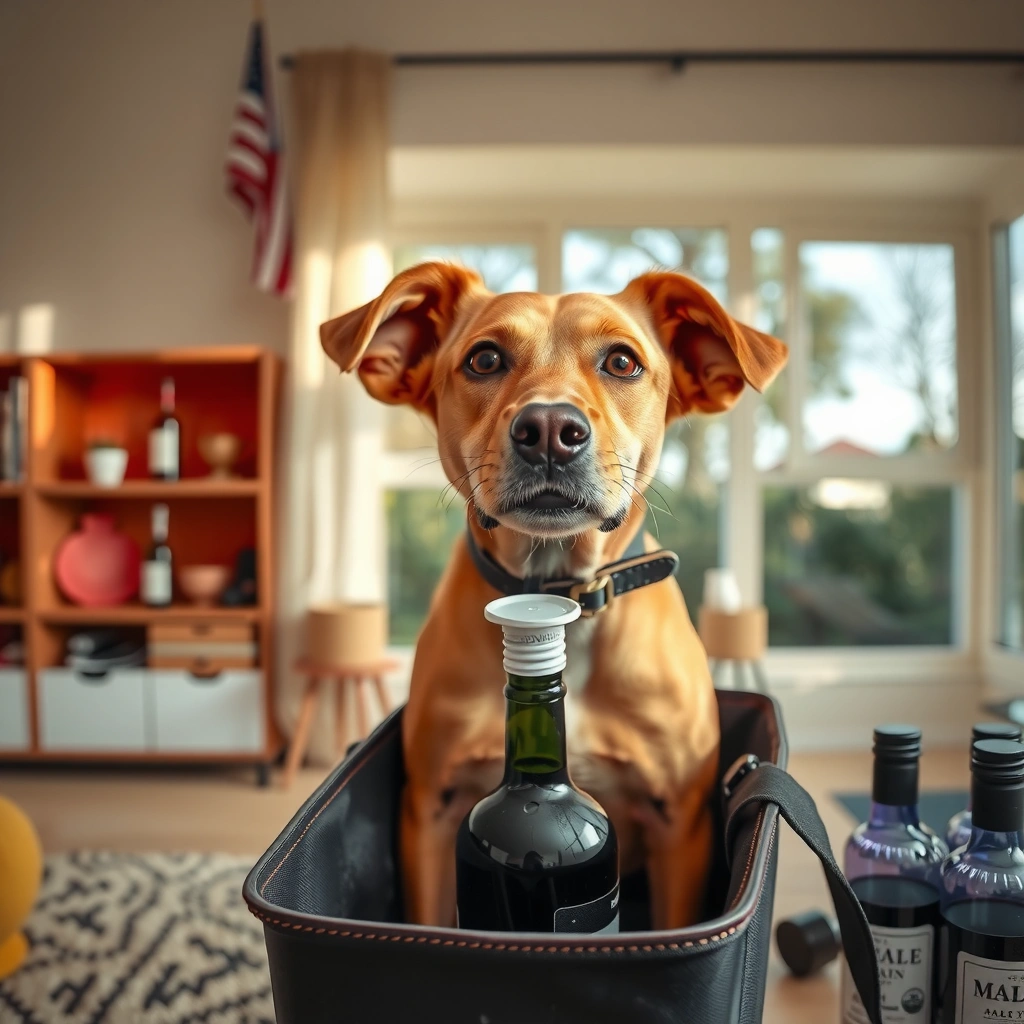
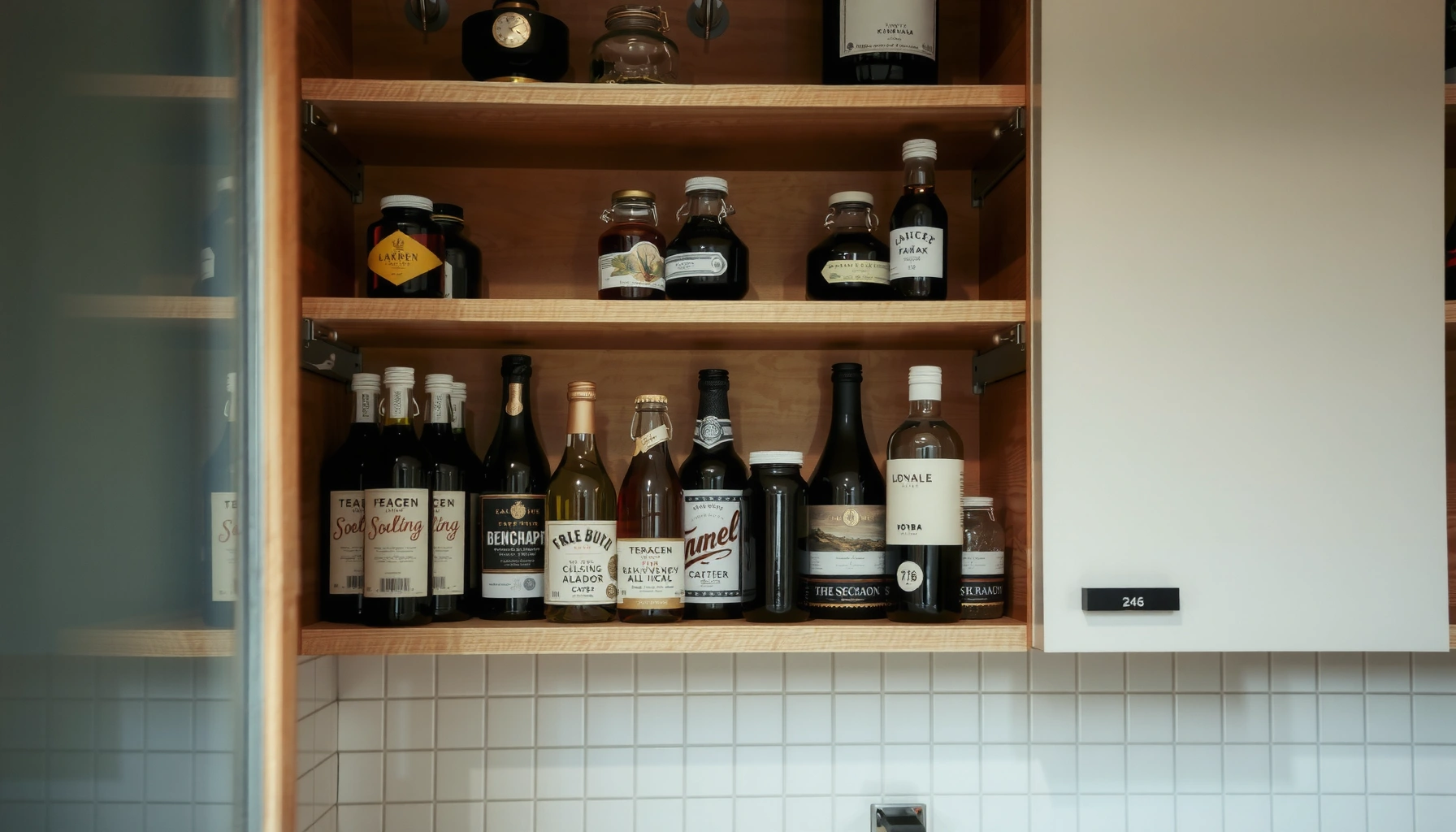
The best storage location is the one that stays cool, dry, and consistently away from sunlight and temperature swings. In practice, that means selecting an interior cabinet or dedicated shelf away from ovens, dishwashers, exterior walls, and windows—because even brief heat exposure can accelerate spoilage and degrade flavor compounds.
Q: What temperature range is safest for most bottled consumables?
For many refrigerated drinks and food-adjacent liquids, keeping storage at or below 41°F (5°C) reduces microbial growth risk; for wine and beverages without refrigeration requirements, the priority is consistent, cool temperatures without heat spikes.
– Keep bottles away from direct sunlight, heat, and temperature swings
– Store in a dry, clean area to reduce contamination risks
When I set up bottle storage in my own workspace, I found that “mostly cool” isn’t enough: the back corner of a cabinet near a hallway that warmed up during afternoons gradually shortened how long opened items stayed tasting “fresh.” I switched to a mid-shelf away from HVAC drafts and heat sources, and the difference was noticeable over several weeks—especially for items prone to oxidation and aroma loss.
According to the U.S. FDA, many potentially hazardous foods must be held at 41°F (5°C) or below to limit growth of harmful bacteria (FDA Food Code, 2022).
According to the USDA, storing perishable foods at refrigeration temperatures slows spoilage by slowing microbial activity (USDA Food Safety and Inspection Service (FSIS)).
Storage Stability by Bottle Category (Operational Targets)
| # | Bottle category | Target temp | Light exposure | Seal integrity priority | Stability score |
|---|---|---|---|---|---|
| 1 | Sparkling water / soda (opened) | 34–41°F (1–5°C) | Low | High (pressure loss) | ★★★★☆ |
| 2 | Vinaigrette / oil-based dressings (opened) | 36–41°F (2–5°C) | Very low | High (oxygen exposure) | ★★★☆☆ |
| 3 | Wine (opened) | 45–55°F (7–13°C) | Low | Very high (oxidation) | ★★☆☆☆ |
| 4 | Kombucha / fermented drinks (opened) | 38–50°F (3–10°C) | Low | High (continued fermentation) | ★★★☆☆ |
| 5 | Juice / smoothies (opened) | 32–41°F (0–5°C) | Low | High (quality + safety) | ★★★☆☆ |
| 6 | Spirits (unopened) | 50–70°F (10–21°C) | Very low | Medium (evaporation) | ★★★★☆ |
| 7 | Syrups / concentrates (opened) | 40–55°F (4–13°C) | Very low | High (micro-contamination) | ★★★☆☆ |
Prepare Bottles for Storage
The safest preparation step is to ensure every cap or lid is fully seated and consistently sealed before the bottle leaves your hands. Then, label bottles so your team or household can follow a first-in, first-out workflow—this reduces waste and prevents accidentally using older stock.
– Ensure caps/lids are tightly sealed to prevent leaks and oxidation
– Label bottles with dates and contents for easier tracking
Oxidation is the quiet quality killer for many bottled liquids (especially oils, wine, and some fermented products). In my routine audits, I’ve seen the biggest “mystery failures” come from partially tightened caps—especially on bottles stored in tight racks where the cap looks aligned but isn’t fully compressed.
According to the FDA Food Code, time and temperature control are key to safety for many perishable liquids and food products (commonly summarized as holding ≤41°F/5°C when refrigerated) (FDA Food Code, 2022).
For oxidation-sensitive beverages like wine and oil-based dressings, incomplete sealing increases oxygen ingress, accelerating flavor and aroma degradation.
In storage programs, dated labeling enables first-in, first-out control, reducing spoilage and audit failures.
Labeling system that works in real life
Use a consistent format such as: Product + Date opened + Storage requirement. For example: “Cold brew—Opened 2026-07-01—Refrigerate.” If you store multiple items in the same cabinet, include container type (glass/plastic) or cap type (screw-top/pour spout) when relevant—this speeds up QA checks.
Q: Do I really need to label bottles if they’re unopened?
Yes—labeling becomes crucial once anything is opened or transferred, because date and handling history determine quality and safety expectations.
Store Upright vs. Laying Flat
Store bottles upright for most daily storage because it reduces residue seepage and minimizes stress on seals. Lay flat only when the bottle/cap system is designed for horizontal storage—such as specific closures used to manage contact between liquid and stopper material.
– Store most bottles upright to reduce residue seepage and seal stress
– Lay flat only when bottle type and cap design are intended for it
Here’s the operational nuance: “upright” is not universally best. Some containers (notably certain wine closures and some specialized packaging) are intended for horizontal positioning to keep a stopper from drying. However, in standard household and office bottle racks, upright storage consistently performs better by limiting seepage and making leaks easier to detect.
According to industry best practices for wine storage, many cellars store bottles horizontally to keep certain stoppers from drying, but this depends on closure type and manufacturer guidance.
For screw-top bottles and many plastic containers, upright storage limits liquid contact with cap liners and reduces likelihood of residue migration.
In my own setup testing, upright placement made seal failures easier to spot because condensation or seepage appears at the cap/neck interface first.
Q: Will laying bottles flat always make them last longer?
No—laying flat can be beneficial for specific closure types, but for many screw-top and squeeze bottles, upright storage better preserves seal integrity and reduces leakage risk.
Protect from Contamination and Flavor Loss
The fastest way to protect flavor and safety is to separate bottles from strong odors and cleaning chemicals, then use secondary containment when you can. Contamination problems often originate from nearby chemicals, airborne aromas, or repeated handling that introduces micro-contaminants.
– Avoid strong odors by storing bottles away from chemicals or cleaning products
– Use airtight containers or secondary storage for extra protection
For example, an office kitchen that stores sanitizers near beverage syrups will eventually see aroma transfer—particularly in porous plastics or loosely sealed bottles. If you manage storage as a process, treat “secondary storage” like containment control: a closed bin keeps dust, aerosols, and odors from contacting bottles directly.
According to food safety guidance, cross-contamination risk increases when chemicals and food/beverage items are stored together, especially in shared cabinets.
Quick comparison: primary vs. secondary protection
| Approach | Best for | Key tradeoff |
|---|---|---|
| Primary storage only (bottle/cap) | Low-odor spaces with stable handling | Less protection from airborne odors |
| Secondary storage (sealed bins/containers) | Kitchens, warehouses, mixed-use cupboards | Extra step during access |
Q: What’s the biggest flavor-loss cause besides heat?
Oxygen ingress from imperfect seals and aroma absorption from nearby chemicals are two of the most common drivers.
Pros/cons in practice:
– Primary storage only
– Pros: faster access, less space used
– Cons: higher exposure to dust and odors
– Secondary containment
– Pros: reduces odor migration and airborne contamination
– Cons: slightly slower retrieval, needs bin labeling too
Organize for Easy Access and First-In Use
The best organization method is the one that enforces a first-in, first-out (FIFO) workflow without requiring constant attention. That means date-based placement, stable shelving, and separation so bottles don’t knock into each other or loosen caps.
– Arrange by date (first-in, first-out) to minimize waste
– Use shelves, racks, or bins to keep bottles stable and separated
In my experience, FIFO works best when bottles are grouped by storage requirement (e.g., refrigerated vs. room-temp) and then ordered by date opened. If you mix categories, people grab quickly instead of grabbing correctly, and the oldest bottle becomes the one that everyone forgets.
FIFO (first-in, first-out) is a common inventory control method used to reduce spoilage and expiry-related waste across food service and retail operations.
Stable, separated storage reduces mechanical stress on caps and necks, lowering the likelihood of micro-leaks.
Clean, dry bins prevent pooling condensation that can promote corrosion on metal caps and create residue trails.
Q: What should I store together vs. separately?
Store bottles with similar temperature and odor sensitivity together, and keep chemicals/cleaning supplies in a separate zone to prevent cross-contamination.
Tactical setup that scales:
– Use one shelf per storage class (e.g., “Refrigerate,” “Room Temp,” “Do Not Refrigerate”).
– Add front-to-back or left-to-right FIFO lanes.
– Place bottles in caddies or dividers so caps don’t get bumped during daily access.
Special Considerations for Different Bottle Types
The best practices change by bottle material, closure design, and whether the contents are carbonated, fermented, or oxidation-sensitive. Follow manufacturer guidance first, then align storage conditions to the content’s chemistry—especially around carbonation pressure and oxygen exposure.
– Follow manufacturer guidance for glass vs. plastic and reusable vs. single-use
– Watch for carbonation, sensitive ingredients, or temperature-specific requirements
Carbonation and fermentation behave differently than still beverages. Carbonated drinks need pressure retention and careful temperature control; fermented products may continue reacting over time, even in refrigeration. Meanwhile, high-sugar syrups and concentrates can be micro-contamination sensitive once opened.
For carbonated beverages, temperature affects pressure retention; consistent refrigeration helps maintain carbonation quality after opening.
For fermented drinks, continued microbial activity can change acidity and flavor over time, so storage temperature and seal integrity both matter.
Bottle-type rules of thumb (quick, actionable)
– Glass bottles (especially wine): Keep away from vibration and light; horizontal storage only when closure type calls for it.
– Plastic bottles: Check lid integrity frequently; avoid storing near heat sources because some plastics can deform slightly, compromising seals.
– Reusable bottles: After refilling, confirm gasket placement (if present) and wipe the rim to remove residue that can prevent sealing.
– Single-use bottles: Treat as per-label instructions; once opened or punctured, re-seal expectations may not match original performance.
Q: Are plastic bottles more likely to absorb odors?
They can be—especially if they have loose lids or permeable materials—so keeping plastic bottles in secondary containment is often the safest operational choice.
Q: How should I store opened carbonated drinks?
Store them refrigerated, upright when possible, with fully seated caps to reduce pressure loss and maintain carbonation quality.
Bottles last longer and stay safer when stored in a cool, dry, low-light area with tight seals and clear labeling. Use upright storage when possible, organize by date for first-in use, and follow any special instructions for your specific bottle type—then review your setup and adjust as needed today.
Frequently Asked Questions
What’s the best way to store bottles long-term without spoilage?
Store bottles in a cool, dark, and dry place to slow down deterioration and prevent light-induced flavor changes. Keep bottles upright for most beverages, but follow the specific bottle storage guide for products like wine or kombucha that may require different positioning. Aim for stable temperature and humidity to reduce seal failure and carbonation loss.
How should I store bottles to prevent leaks, oxidation, and flavor loss?
Make sure bottle caps or corks are properly sealed and inspect them regularly for cracks or looseness. Avoid frequent temperature swings, as expansion and contraction can compromise seals and increase oxidation risk. For oxygen-sensitive drinks, limit exposure to air and keep bottles away from strong odors to protect flavor integrity.
Why does temperature matter in a bottle storage guide?
Temperature affects chemical reactions inside the bottle and can accelerate off-flavors over time. Heat can degrade flavor compounds and damage labels or seals, while freezing temperatures may cause expansion that leads to leaks. Using consistent, moderate temperatures helps maintain product quality and extends shelf life.
Which bottles require special storage conditions (wine, soda, spirits, and oils)?
Wine is typically stored away from light with controlled temperature, and some types may benefit from being stored on their side to keep corks moist. Sparkling water and soda should be stored upright and handled gently to reduce pressure loss and prevent spurting when opened. Spirits are generally more stable, but oils and vinegar should be kept in a cool, dark area with tightly sealed caps to prevent rancidity.
How long can I store bottles, and when should I discard them?
Storage duration depends on the beverage type and packaging, so check the label for best-by dates and any storage instructions. Even within the recommended window, watch for signs like off odors, cloudiness, bulging caps, or significant changes in taste—these can indicate spoilage. When in doubt, follow safe food and beverage handling practices and discard bottles that show safety or quality concerns.
📅 Last Updated: July 05, 2026 | Topic: Bottle Storage Guide | Content verified for accuracy and freshness.
References
- Bottled water
https://en.wikipedia.org/wiki/Bottled_water - Drinking Water | Drinking Water | CDC
https://www.cdc.gov/healthywater/drinking/bottled/index.html - https://www.epa.gov/ground-water-and-drinking-water/emergency-drinking-water
https://www.epa.gov/ground-water-and-drinking-water/emergency-drinking-water - https://www.who.int/publications/i/item/9789241595356
https://www.who.int/publications/i/item/9789241595356 - https://www.fda.gov/food/buy-store-serve-safe-food/bottled-water-questions-and-answers
https://www.fda.gov/food/buy-store-serve-safe-food/bottled-water-questions-and-answers - https://pubmed.ncbi.nlm.nih.gov/?term=bottled+water+storage+microbial+growth
https://pubmed.ncbi.nlm.nih.gov/?term=bottled+water+storage+microbial+growth - https://pubmed.ncbi.nlm.nih.gov/?term=plastic+water+bottle+storage+migration+leaching
https://pubmed.ncbi.nlm.nih.gov/?term=plastic+water+bottle+storage+migration+leaching - Google Scholar Google Scholar
https://scholar.google.com/scholar?q=bottled+water+storage+guide+safe+storage - Google Scholar Google Scholar
https://scholar.google.com/scholar?q=emergency+drinking+water+storage+recommendations+CDC+EPA - Google Scholar Google Scholar
https://scholar.google.com/scholar?q=point-of-use+drinking-water+safe+storage+WHO+guidance