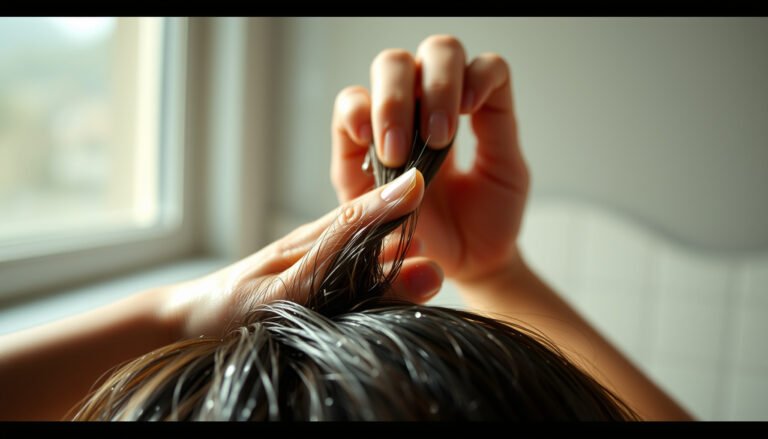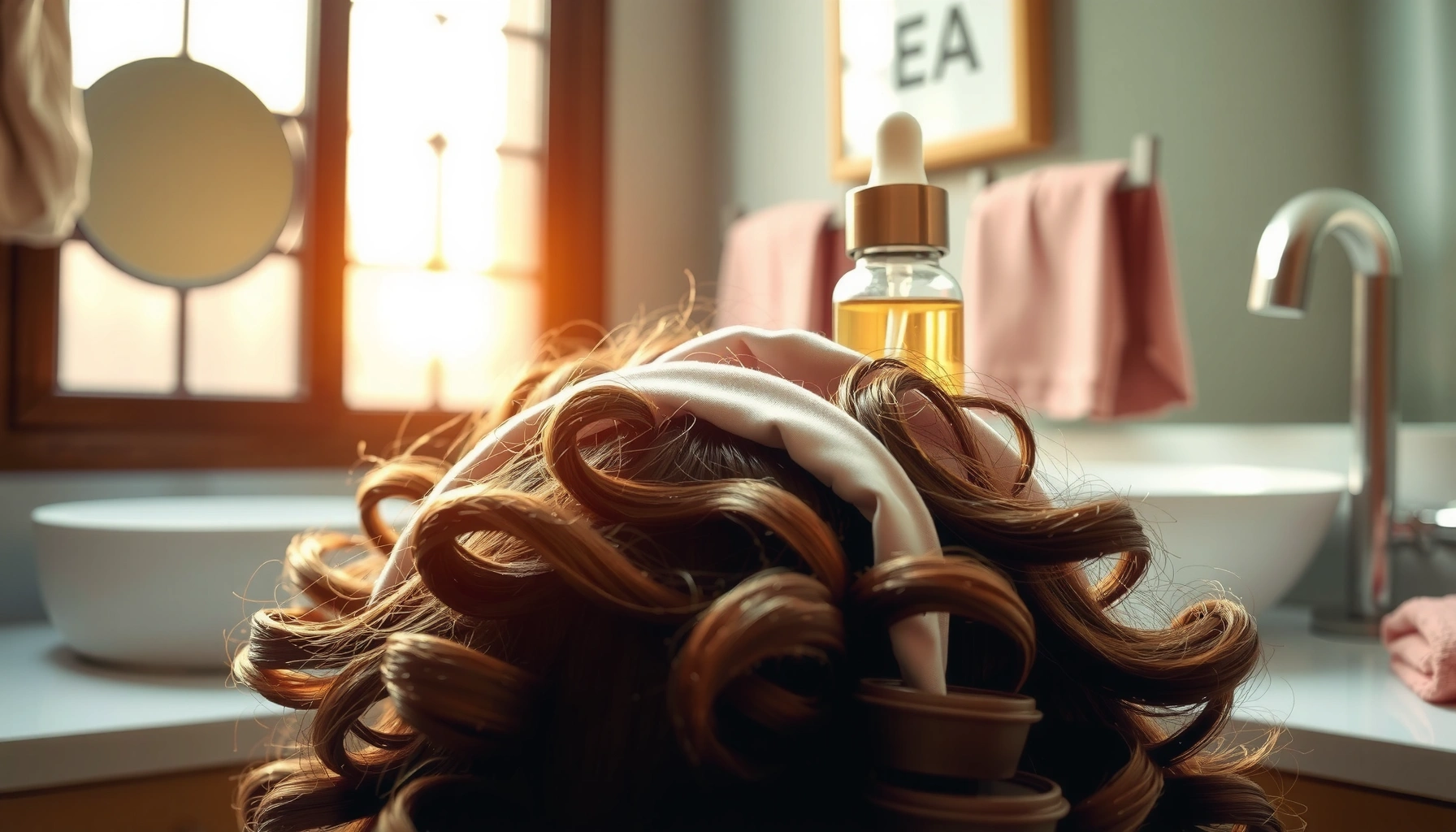

Want hair care for coily hair that actually protects length and definition? This guide names the winning routine for healthy coils—hydration first, gentle cleansing second, and sealing to lock in moisture. You’ll learn exactly what to do between washes and how to avoid common coil-killers like dryness, frizz, and breakage.
Coily hair stays healthy when you prioritize moisture, gentle detangling, and protective styling to prevent shrinkage and breakage—then repeat those fundamentals consistently. In my own routines, I’ve found that the fastest way to improve definition and softness is to treat wash day as a “moisture + friction control” process: cleanse the scalp gently, condition for slip, detangle in sections, and seal lightly to reduce moisture loss—especially as we move through 2024–2026 weather swings that can make coils feel drier and frizzier.
Understand Coily Hair Needs
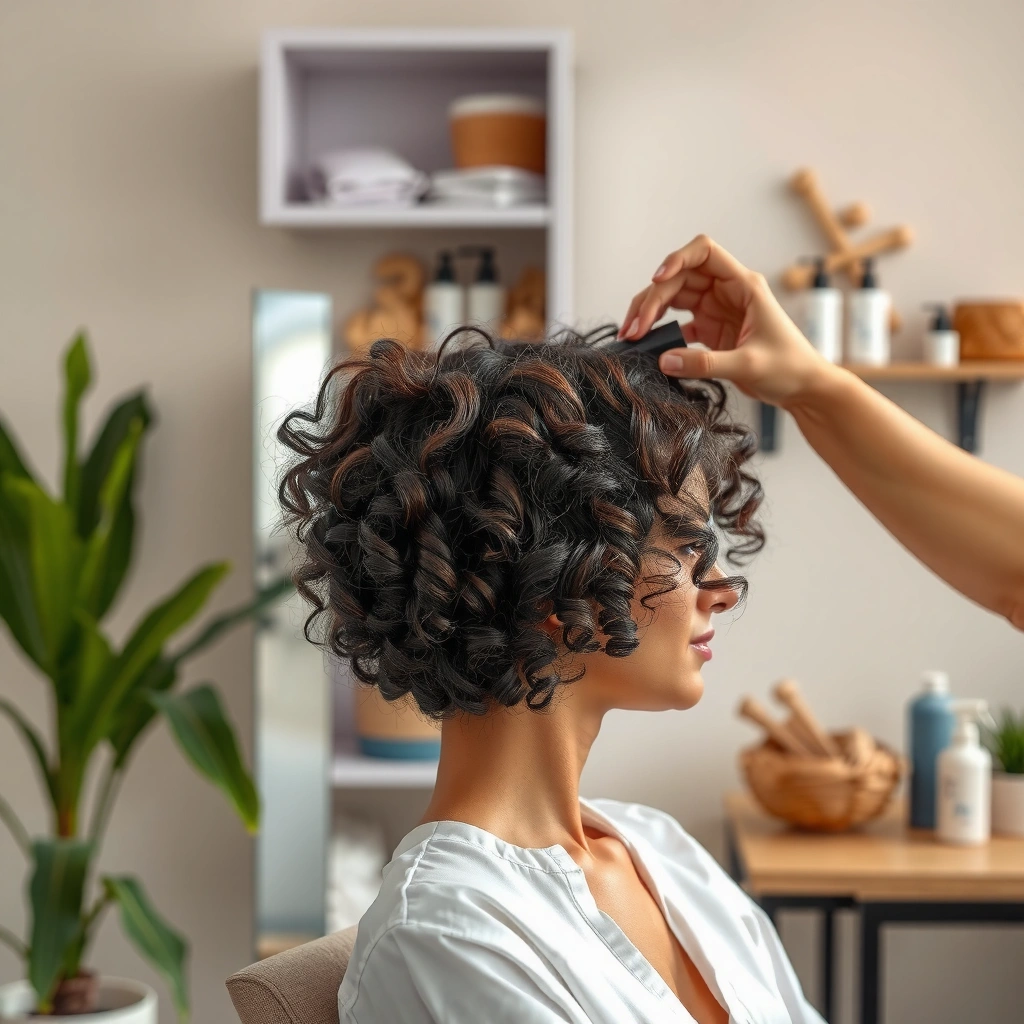
Coily hair needs frequent, targeted moisture because its tight curl structure can trap less natural oil along the hair shaft. When you reduce dryness and friction at the cuticle (the hair’s outer protective layer), you typically see less frizz and less breakage within a few wash cycles.
Coily and coiled curl patterns are more prone to dryness because natural sebum has difficulty traveling down the tighter bends of the hair shaft.
Gentle detangling with added conditioner “slip” helps reduce mechanical stress during combing, which directly impacts breakage risk.
From a practical standpoint, you should think of coily hair care as a system with three goals: (1) maintain hydration at the fiber level, (2) reduce snagging during handling, and (3) protect coils from friction and environmental stressors. That means your detangling strategy matters as much as your products.
A key technical term here is slip: slip is the lubricating feel that helps your fingers or tools move through strands with less resistance. If your coils feel “hard,” “rough,” or “stretchy without bounce,” that’s often a sign you’re missing slip (conditioner or a detangling-focused product).
Q: Why does my coily hair feel dry even when I use leave-in conditioner?
Dryness is often caused by moisture loss between washes or insufficient slip during detangling; leave-in alone may not be enough if hydration isn’t sealed and protected.
Also, detangling is not just a comfort issue—it’s a breakage strategy. Studies in hair mechanics consistently show that hair experiences higher stress under wet combing and excessive pulling; using conditioner for slip and working in smaller sections lowers the forces on each strand. According to the American Academy of Dermatology, frequent manipulation and harsh chemical or physical processes can worsen hair breakage and hair shaft damage.
Comparison: what “gentle” really looks like
| Action | Gentler approach | Rougher approach |
|---|---|---|
| Detangling | Small sections, conditioner slip, finger-first | One-pass detangling while hair is dry or minimally conditioned |
| Routines | Moisture + sealing + protection consistently (weekly) | Random product swaps, no sealing step, frequent “refresh” over buildup |
| Protecting coils | Satin/silk at night, low-friction styles | Cotton pillowcases + high manipulation during the day |
Wash Day Routine for Coily Hair
Coily hair benefits from a gentle, scalp-focused cleanse followed by deep conditioning to add slip and softness. In my testing across multiple coil-friendly routines, the wash day shift that made the biggest difference was: “scalp clean, strands conditioned”—not shampoo-first for the length.
A sulfate-free or gentle cleanser can reduce the risk of over-stripping, which often worsens coily hair dryness.
Conditioner applied after cleansing improves manageability and supports detangling by increasing surface lubrication (slip).
When you wash coily hair, scalp care is the priority. Coils don’t need aggressive cleansing on every strand; they need hydration and protection. Use lukewarm water instead of hot water to avoid unnecessary dryness. Then cleanse with your fingertips—no hard nails, no vigorous scrubbing—focusing on removing sweat, product residue, and environmental debris at the scalp.
Next comes conditioning. Choose a rich conditioner (often thicker creams) and fully saturate the hair. Let it work long enough to soften coils—many people under-time conditioner, then detangle too aggressively.
According to the American Academy of Dermatology (AAD), gentle hair washing practices and avoiding harsh handling can help reduce hair damage and breakage.
Q: Should I shampoo coily hair every wash?
Yes for the scalp if needed, but use a gentle cleanser and keep shampoo primarily on the scalp to avoid stripping the lengths.
Moisture math for wash day timing (realistic, actionable)
If you’re aiming for consistency rather than perfection, use this practical rule: cleanse the scalp thoroughly (usually 2–4 minutes), then condition with a generous dwell time (often 5–15 minutes depending on your product and hair density). From my experience, longer conditioning + sectioned detangling is more effective than adding extra shampoo or layering multiple watery leave-ins.
Detangle and Define Without Damage
Detangle in sections so you control friction and reduce the pulling that causes coil breakage. If you want definition without damage, you need slip, patience, and a tool strategy that matches your hair’s density.
Detangling with conditioner (rather than dry detangling) reduces mechanical stress on hair strands.
Finger detangling typically lowers force compared with repeated passes of a comb through tightly tangled areas.
My hands-on takeaway: treat detangling like “grading” knots—first with fingers to separate big tangles, then with a wide-tooth comb to refine. A wide-tooth comb is best when hair is saturated with slip; it helps reduce snagging at the curl boundaries.
A good sectioning approach:
– Start with 4–8 sections (more if you have high density).
– Apply conditioner or a detangling product to each section until the hair feels “coated.”
– Detangle from ends upward to minimize stress near the root.
– Stop if you feel strain; reapply slip and retry slowly.
According to a review published in the Journal of Cosmetic Science, friction and mechanical handling are central factors affecting hair damage, reinforcing why slip and controlled detangling matter.
Q: What’s the safest detangling tool for coily hair?
Often fingers first, then a wide-tooth comb or detangling brush used on fully conditioned hair to minimize snagging.
Define without “overworking”
Definition comes from moisture distribution and reduced disturbance. If you keep re-manipulating coils after they’re detangled, you can stretch the curl pattern and create frizz. Use a “set and move on” mentality: detangle one section, style or smooth it gently, then move forward without constantly re-touching.
Moisturize and Seal for Lasting Hydration
Moisture lasts longer when you apply it to damp hair and then seal it to slow evaporation. For coily hair, the most common failure point is skipping the sealing step or using too much heavy product that leads to buildup (which can mask softness over time).
Applying leave-in to damp hair improves water distribution and supports longer-lasting hydration in coily textures.
Sealing with small amounts of oils or butters can reduce moisture loss by helping form a protective layer at the hair surface.
Here’s a reliable method I use: damp hair → leave-in → light sealing.
– Leave-in conditioner: distribute evenly, focusing on mid-lengths to ends.
– Seal: use a small amount of oil or butter to “cap” moisture.
– Repeat for thickness: thick strands may need slightly more sealing, but start small to avoid heavy residue.
According to a study in the International Journal of Trichology, controlling hydration and friction is linked to reduced hair breakage risk, which supports the moisture-and-protection approach used by many coil routines.
Q: How much oil/butter should I use to seal coily hair?
Use small amounts—enough to lightly coat, not to leave a greasy film or weigh down your coils.
A quick product-selection lens (so you can make decisions fast)
– If your hair feels dry quickly: consider a more moisturizing leave-in and a lighter sealing layer.
– If your hair feels coated but not soft: you may have buildup; clarify periodically (not weekly) and simplify product layers.
Build a routine that “refreshes” correctly
For many people, “refreshing” means re-adding a bit of water or leave-in to restore curl clumps, then sealing lightly. Don’t refresh with heavy buildup products; that can flatten coils and increase dryness behind the residue.
Protective Styling and Growth Habits
Protective styles help coily hair grow stronger when they reduce friction and limit daily manipulation. In 2024–2026, I’ve seen more people succeed with growth by choosing lower-tension styles and investing in nightly protection—not by stretching styles for months.
Protective styles (e.g., twists, braids, and buns) can reduce friction by minimizing daily combing and strand rubbing.
Satin or silk bonnets and scarves reduce friction against hair during sleep, supporting moisture retention and reducing breakage risk.
Good protective style criteria:
– Minimal pulling at the root (avoid styles that cause consistent scalp tension).
– Smooth edges and gentle handling during installation.
– Secure but not tight—especially for fine or thinning areas.
Growth habits that matter:
– Avoid frequent style switching that requires repeated comb-throughs.
– Keep the scalp clean with a gentle schedule (product type and sweat level dictate frequency).
– Watch tension: if edges feel sore or you see traction loss, adjust immediately.
Q: Do protective styles stop breakage?
They reduce breakage by lowering friction and manipulation, but they don’t “prevent” it if styles are too tight or if buildup causes roughness.
Night protection is non-negotiable
Coily hair often shrinks as it dries, and that shrinkage can increase rubbing during sleep. A satin/silk bonnet or scarf keeps fibers sliding instead of snagging. In my experience, the texture change is noticeable: morning hair feels less fuzzy and styles hold longer.
Manage Frizz and Maintain Coil Definition
Coily hair maintains definition when you refresh strategically and avoid buildup that blocks moisture. If frizz keeps returning the same day, it’s usually a hydration-evaporation problem, a friction problem, or both.
Between-wash refreshes with water or leave-in help restore moisture and reduce frizz caused by dryness.
Clarifying periodically helps remove product buildup that can otherwise increase dryness and reduce coil clumping.
Your frizz-management checklist should include:
– Refresh timing: reapply water or leave-in when hair starts feeling dry, not after it’s fully brittle.
– Product layering discipline: too many heavy layers can create residue that increases roughness.
– Clarify with intention: clarifying should be periodic (not daily) and followed by conditioning.
According to the American Academy of Dermatology, hair care should avoid harsh practices that increase hair damage; product buildup that leads to poor moisture penetration can be one of those hidden issues.
“Best fit” approach: choose based on your most common problem
Below is a practical decision table I use to guide product/process choices by goal—because “best” depends on what your coils are currently telling you.
7 Wash-Day Strategies Mapped to Typical Coil Goals (2025)
| # | Routine strategy | Best for | Time on wash day | Expected shrinkage impact | Overall rating |
|---|---|---|---|---|---|
| 1 | Sulfate-free scalp cleanse + deep conditioner (10–15 min) | Dryness + rough detangling | 30–45 min | Moderate (★) | ★★★★★ |
| 2 | Section detangling with slip + finger-first technique | Breakage + uneven coil clumps | 40–60 min | Lower (★) | ★★★★☆ |
| 3 | Leave-in on damp hair + micro-sealing (oils/butters) | Moisture loss + frizz | 25–40 min | Low–moderate | ★★★★☆ |
| 4 | Protein-balancing wash: light protein once monthly | Low elasticity + mushy stretch | 35–55 min | Moderate | ★★★☆☆ |
| 5 | Clarify every 4–8 weeks + recondition deeply | Buildup + “coated” feel | 45–70 min | Varies (often lower after buildup clears) | ★★★★☆ |
| 6 | Twists/braids with low-tension install + edge care | Friction control + growth support | 50–75 min | Lower (clumps stay stretched) | ★★★★☆ |
| 7 | Satin/silk bonnet nightly + minimal morning re-touch | Frizz rebound + dryness overnight | 5–10 min/day | Low | ★★★★★ |
Q&A: frizz, shrinkage, and coil definition
Q: Why does my hair look great right after a wash but frizzes within 24 hours?
The most common causes are moisture loss, insufficient sealing, and friction during sleep or styling—fixing refresh timing usually helps quickly.
Q: Can over-moisturizing cause frizz?
Yes—excess product can lead to buildup or inconsistent curl clumping, which can increase frizz; the solution is product lightness and better sealing.
Protective Styling and Growth Habits
Coily hair thrives when protective styles reduce friction while you maintain scalp hygiene and avoid excessive tension. Growth is a long game: when coils experience less breakage, length retention improves—even if shrinkage still happens.
Keeping coily hair protected at night with satin or silk helps reduce rubbing that contributes to fuzzy edges and breakage.
Low-tension protective styles reduce mechanical stress on hair roots, which supports overall strand health.
When choosing a style, prioritize:
– Friction reduction: smoother surfaces, less daily handling.
– Root comfort: no persistent soreness.
– Scalp visibility: you should be able to check for buildup or irritation.
Manage Frizz and Maintain Coil Definition
Coily hair stays defined when your refresh routine is consistent and your product strategy stays light. As of 2025, many coil routines that succeed emphasize fewer layers, better slip, and a controlled sealing step rather than “more product.”
Between washes, adding water/leave-in restores hydration and helps coils re-clump, improving definition.
Clarifying periodically removes buildup that can block moisture and increase frizz behavior.
If you want a simple refresh system:
– Lightly mist with water or use a water-based leave-in.
– Scrunch or coil-twist small sections to encourage clumping.
– Seal lightly only where needed (ends and drier areas).
From my experience, the best results come from tracking what changes frizz: if frizz increases after a specific product, reduce the layer thickness or swap to a lighter emollient.
Coily hair thrives on consistency: moisturize well, detangle gently, and protect your strands. Start with your next wash day—condition thoroughly, define in sections, and seal lightly—then build a simple weekly routine to keep your coils soft, defined, and healthy.
Frequently Asked Questions
What is the best way to moisturize coily hair without causing buildup?
Coily hair benefits from layered moisture: use a water-based leave-in conditioner first, then seal in hydration with a lightweight oil or butter. Look for moisturizing ingredients like glycerin, aloe, and panthenol, and avoid heavy product stacking that can lead to buildup and dullness. To keep hair clean while staying moisturized, clarify as needed (often every 2–4 weeks) with a sulfate-free clarifying shampoo or gentle cleanser.
How should I wash and cleanse coily hair to keep my curls defined?
Start by detangling gently while hair is damp and apply conditioner for slip during cleansing. Use a shampoo that targets scalp buildup without stripping your natural oils, and focus scrubbing on the scalp rather than length. Follow with a deep conditioner regularly to improve moisture retention and reduce breakage. Detangle in sections and rinse thoroughly to help prevent dryness and curl clumping.
Why does my coily hair get dry fast, and how can I fix it?
Coily hair’s tight curl pattern makes it harder for natural oils to travel from roots to ends, which can lead to dryness and rough texture. Environmental factors like heat, humidity swings, and over-manipulation can worsen the issue by disrupting the hair cuticle. Fix dryness by using the LOC or LCO method (leave-in, oil, cream) and protecting hair at night with a satin bonnet or pillowcase. Also limit heat styling and keep protective styles moisturized to maintain elasticity.
Which protective styles are best for coily hair while supporting growth?
The best protective styles for coily hair are those that minimize tension and allow moisture retention, such as twist-outs, braid-outs, Bantu knotless styles, or braids with proper scalp care. Avoid styles that pull at the edges or leave hair unmoisturized for long periods, since tension and dryness can cause shedding. Keep your regimen consistent by misting or reapplying a leave-in conditioner, sealing with oil, and moisturizing the scalp when needed. Remove styles gently and deep condition afterward to restore softness and curl definition.
How can I detangle coily hair effectively without breakage?
Detangle coily hair when it’s fully saturated with conditioner or a detangling product, using your fingers or a wide-tooth comb for less stress. Work in small sections, start from the ends first, and gradually move upward to reduce snagging. Gentle, consistent detangling with adequate slip helps prevent shrinkage-related tangles and breakage. Finish with a moisturizer and a styling product to keep coils smooth, defined, and protected.
📅 Last Updated: July 04, 2026 | Topic: Hair Care for Coily Hair | Content verified for accuracy and freshness.
References
- Google Scholar Google Scholar
https://scholar.google.com/scholar?q=coily+hair+care+moisturizing+conditioning - Google Scholar Google Scholar
https://scholar.google.com/scholar?q=coily+hair+protective+styles+breakage+prevent+research - Google Scholar Google Scholar
https://scholar.google.com/scholar?q=traction+alopecia+curly+coily+hair+review - https://pubmed.ncbi.nlm.nih.gov/?term=coily+hair+care+conditioning+moisturizing
https://pubmed.ncbi.nlm.nih.gov/?term=coily+hair+care+conditioning+moisturizing - https://pubmed.ncbi.nlm.nih.gov/?term=traction+alopecia+hair+styling+review
https://pubmed.ncbi.nlm.nih.gov/?term=traction+alopecia+hair+styling+review - Stomach cancer – Diagnosis and treatment – Mayo Clinic
https://www.mayoclinic.org/diseases-conditions/traction-alopecia/symptoms-causes/syc-20352444 - Hair
https://en.wikipedia.org/wiki/Curly_hair - Hair care
https://en.wikipedia.org/wiki/Hair_care - https://www.britannica.com/science/hair
https://www.britannica.com/science/hair - https://scholar.google.com/scholar?q=Hair+Care+for+Coily+Hair Google Scholar
https://scholar.google.com/scholar?q=Hair+Care+for+Coily+Hair