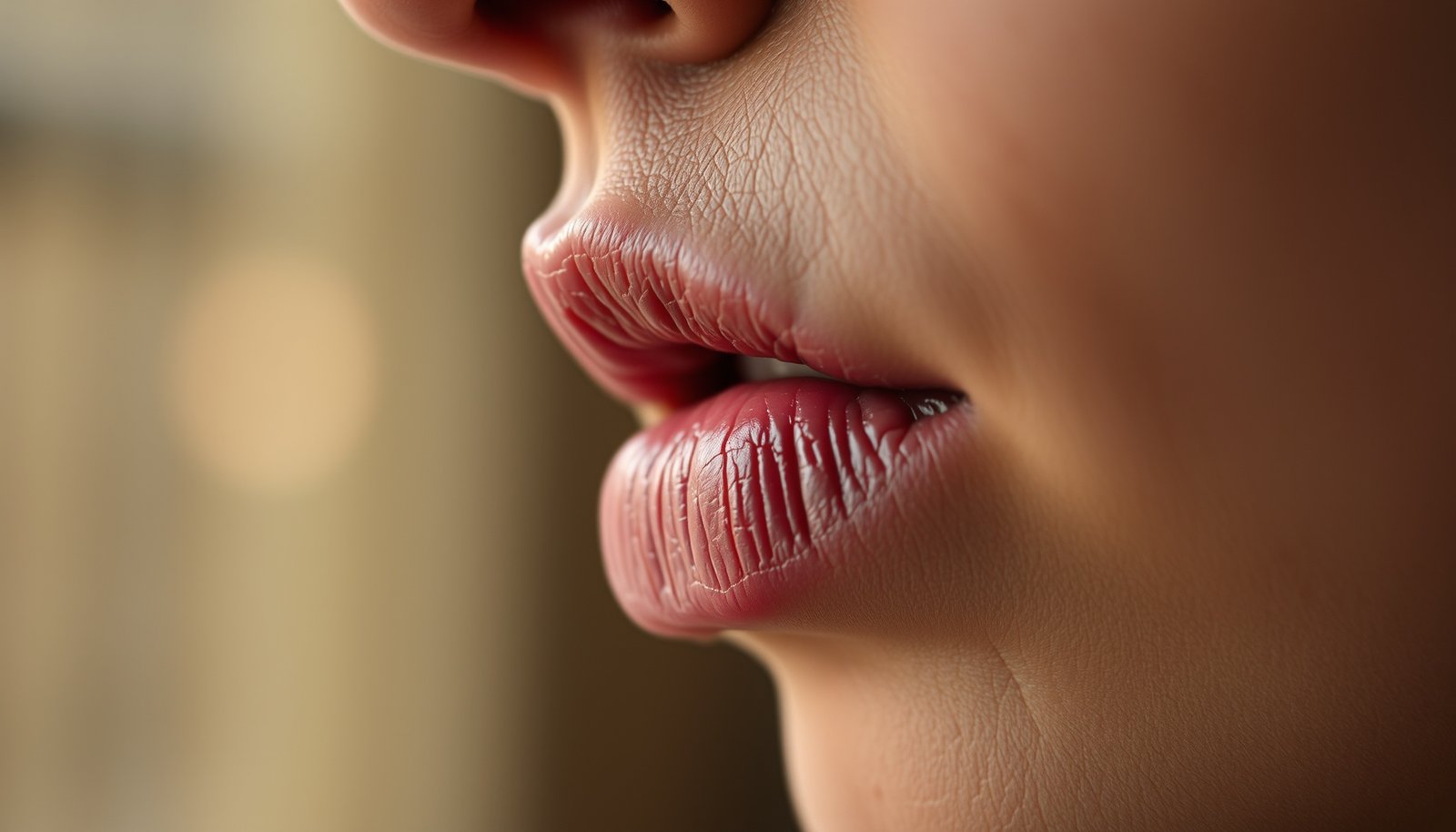

If your lips stay chapped, the most common culprit is ongoing irritation—usually from licking, dry air, or a lip product with a harsh fragrance or ingredient. This guide explains the specific causes that keep chapped lips from healing and pinpoints the fastest fixes for each trigger. By the end, you’ll know exactly what to stop and what to switch so your lips recover and stay smooth.
If your lips stay chapped, it’s usually because they’re getting repeatedly irritated or stripped of moisture—most often from lip licking, weather exposure, toothpaste ingredients, or a compromised lip barrier. The good news is you can usually improve things by cutting the trigger and using a protective, fragrance-free balm consistently, rather than swapping products endlessly. This guide helps you pinpoint the most likely cause and choose the right next steps.
If you’ve tried “just use lip balm” and it keeps coming back, this is for you—especially if your chapping worsens with dry air, spicy/acidic foods, new skincare, or specific toothpastes. It’s also helpful if your symptoms feel more like irritation or allergy than simple dryness.
Common reasons your lips won’t stop getting chapped
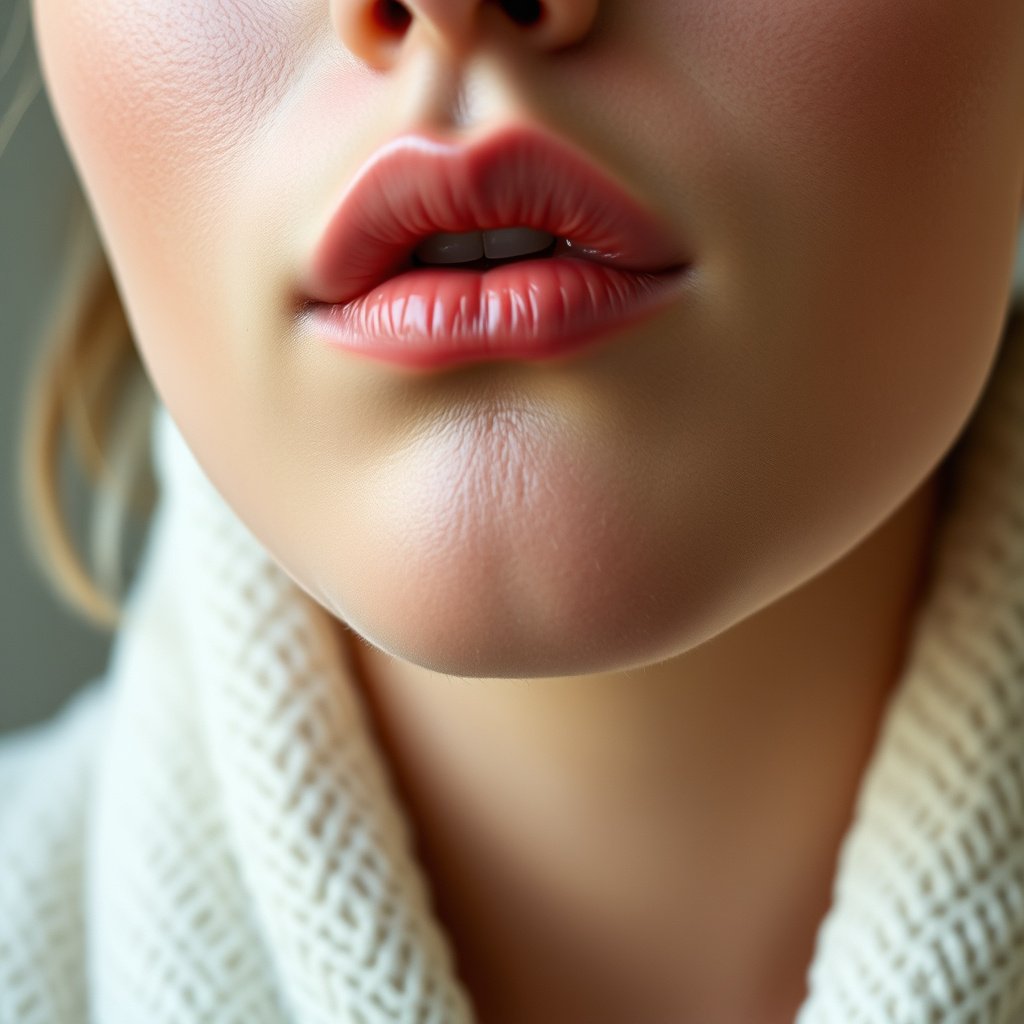
If your lips won’t stop getting chapped, the most common culprit is a repeating irritant that breaks down the lip barrier faster than it can recover. Most cases are driven by a dry cycle: the surface gets damaged, it stings, you lick or rub, and the barrier takes another hit—so the “fix” never sticks.
Licking the lips can worsen chapping because saliva evaporates quickly and leaves the lip surface drier and more vulnerable.
Cold wind and low indoor humidity increase dehydration and make the lip border more reactive.
Flavored or cooling lip products can irritate sensitive lips, turning a dryness problem into a barrier inflammation problem.
– Irritation from lip licking or picking: Saliva evaporates quickly and can further break down the skin barrier, leading to a cycle of dryness and cracking. When you lick, you temporarily wet the lips, but the next step—evaporation—removes water and can leave the tissue more inflamed than before. Picking off flakes also reopens micro-damage, which makes redness and stinging linger.
– Weather and airflow: Cold, wind, and low humidity strip moisture and increase sensitivity. Lips have a thinner, more fragile barrier than surrounding skin, so they respond quickly to drying conditions. This is why symptoms often flare in winter, after time outdoors, or when heaters run indoors.
– Drying or irritating products: Fragrance, menthol, camphor, essential oils, and certain “flavored” lip balms can worsen the problem for some people. Even if a balm “feels soothing” at first (cooling agents can temporarily numb), it can still keep the barrier from repairing by maintaining irritation.
Toothpaste, mouthwash, and skincare triggers
If your lips stay chapped despite balm use, toothpaste and other oral-area products are a frequent hidden trigger. Many people treat the outside lip skin while continuing exposure to irritants that contact the lip border every day during brushing, rinsing, or eating.
Toothpaste can contact the lip border during brushing and swallowing or spitting, making “non-lip” ingredients a common cause of contact irritation.
Whitening and strong mint flavors often correlate with higher sensitivity for people who develop contact cheilitis.
Skin products can aggravate lip irritation when they transfer to the lip line from sunscreen, moisturizers, or hair products.
– Toothpaste ingredients can be a big culprit: Whitening agents, strong mint flavors, and certain preservatives may irritate the lip border. Some toothpastes include ingredients designed for breath freshness or stain reduction that can be drying or irritating to already-compromised tissue. If your chapping started after a toothpaste change (or intensifies right after brushing), this pattern is a strong clue.
– Lip products that don’t play well with you: Matte lip products, long-wear glosses, and exfoliating balms can leave your lips less able to retain moisture. “Long-wear” formulas often reduce transfer or feel dry by design, which can worsen barrier weakness. Exfoliating balms add friction and micro-abrasion, especially if you reapply repeatedly.
– Skin contact matters: Facial moisturizers, sunscreen, and hair products that touch your lips can transfer irritating ingredients over time. This can be especially relevant if you apply products with your fingers (creating a mild smear onto the lip line) or if hair styling products drift toward the mouth.
7 Common Lip Irritation Triggers Found in Oral & Lip Products (Practical Risk Ranking)
| # | Trigger (label may vary) | Where you’ll see it | Typical “lip contact” pathway | What it can do to the barrier | Sensitivity signal |
|---|---|---|---|---|---|
| 1 | Sodium lauryl sulfate (SLS) / strong foaming agents | To toothpaste | Brushing + lip border contact | Can feel “cleaning-drying” on reactive lips | ★★★★☆ |
| 2 | Menthol / “cooling” flavor systems | To toothpaste & lip balms | Flavor contact + reapplication | Can irritate the lip border and perpetuate burning | ★★★★☆ |
| 3 | Fragrance & essential-oil components | Lip balms, gloss, “natural” products | Frequent occlusive/transfer exposure | Some people develop allergic/irritant contact reactions | ★★★★★ |
| 4 | Cinnamon / “spice” flavorings (cinnamyl derivatives) | Lip balms, gloss, flavored toothpastes | Direct lip contact + repeated dosing | Can inflame reactive skin at the vermilion border | ★★★★☆ |
| 5 | Propylene glycol (common preservative/humectant) | Some balms, mouth products, creams | Transfer from nearby skincare | Can trigger irritant/allergic reactions in sensitive users | ★★★☆☆ |
| 6 | Camphor (and similar “medicated” additives) | Some balms/“pain relief” lip products | Medication-type direct lip contact | Can be irritating to compromised lip skin | ★★★☆☆ |
| 7 | Exfoliating acids/actives near the lip line | Serums, masks, “lip scrubs” | Indirect transfer + friction | Can deepen barrier damage when lips are already inflamed | ★★☆☆☆ |
How to stop the chapped cycle (practical steps)
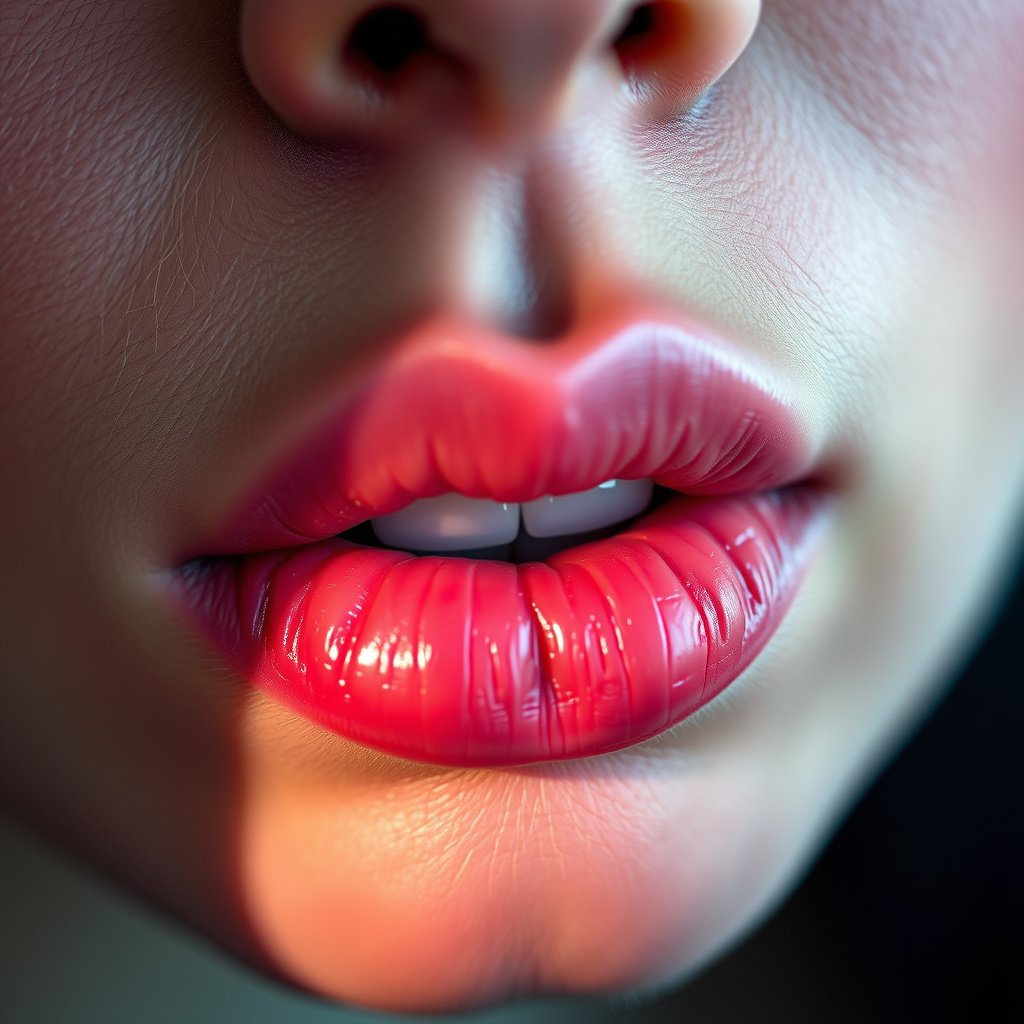
If you want your lips to stop staying chapped, the fastest path is usually to remove the trigger first and then rebuild the barrier with a simple, bland ointment. In 2026, the most reliable approach remains: reduce irritation sources (especially toothpaste and flavorants) and apply a fragrance-free protective layer consistently.
Barrier repair generally requires repeated reapplication, not a one-time “rescue” layer.
If you re-expose irritated tissue (brushing with a sensitizing toothpaste or licking), the barrier can’t fully recover.
A bland, fragrance-free occlusive or semi-occlusive balm is usually better tolerated than flavored or “medicated” lip products.
– Remove the “friction” triggers first: Avoid licking your lips, wipe gently instead of rubbing, and minimize exposure to wind/cold. Even small habits matter because lips are constantly in motion—talking, eating, breathing—and friction can turn micro-damage into visible cracking.
– Switch to a simple barrier balm: Use a bland, fragrance-free ointment or balm and reapply regularly—especially before bed and before going outside. Look for products designed as protectants (often petrolatum- or mineral-oil based) and avoid added flavors, menthol, camphor, essential oils, and “cooling” sensations during the repair phase.
– Give it time while staying consistent: Barrier repair often needs repeated application; don’t judge results after a day or two. If the trigger remains active (like toothpaste contact or an occlusive product that irritates you), symptoms can persist even when you’re “using balm.”
A quick decision rule you can use this week
– If your lips sting during brushing or immediately after, treat toothpaste/contact first.
– If your lips worsen with spicy/acidic foods, treat both barrier weakness and exposure triggers.
– If your lips improve with a bland balm but flare when you switch products, treat it as likely ingredient sensitivity.
When it might be more than dryness (allergy, infection, or conditions)

If your lips are staying chapped despite trigger removal, you may not be dealing with simple dryness—you could be seeing contact cheilitis, angular cheilitis, or an infection. The key is recognizing patterns: persistent redness at the lip border, corner cracking, crusting, or one-sided sores suggest causes beyond hydration.
Contact cheilitis often presents as persistent irritation or burning at the lip border after exposure to a specific product or ingredient.
Angular cheilitis commonly involves painful cracks at the mouth corners that worsen with moisture pooling and saliva exposure.
If sores crust, spread, or become significantly painful, a clinician evaluation can be important to rule out infection.
– Contact cheilitis (irritant/allergic reaction): Signs include persistent redness, burning, scaling at the lip border, and flares after using a specific product. This diagnosis is often “pattern-based”: symptoms track with exposure to a toothpaste, mouthwash, lip balm, or nearby facial product.
– Angular cheilitis: Cracks at the corners of the mouth that may worsen with saliva pooling or frequent facial moisture. People often interpret it as “dryness,” but the corners behave differently from the center of the lips because saliva and facial folds increase moisture and friction.
– Fungal or bacterial issues: If you have worsening soreness, crusting, or spreading areas, dryness-only routines may not be enough. In these cases, barrier-focused care may help comfort, but it won’t address the underlying driver.
– Vitamin or skin conditions (less common): Ongoing symptoms can overlap with eczema or other inflammatory issues. This is especially relevant if you also have dry, itchy skin elsewhere on the face or body.
- Dryness-focused problem
- Usually improves with fragrance-free barrier protection and trigger avoidance within days, without significant crusting or spreading.
- Contact cheilitis pattern
- Persists or repeatedly flares when you reintroduce a specific toothpaste/lip/skin ingredient, often with burning and border redness.
- Infection/other condition pattern
- May show crusting, increasing pain, spreading redness, or one-sided sores—situations where medical guidance is prudent.
What can go wrong (common mistakes and edge cases)
If you keep doing the wrong “lip care logic,” the chapped cycle can become longer and harder to break. The most common failures are over-exfoliating, inconsistent balm use, and continuing the original trigger even while adding new products.
Scrubs and exfoliating lip products can worsen barrier damage by adding mechanical irritation to already inflamed tissue.
Inconsistent balm application can prevent the barrier from staying protected long enough to recover.
Even “natural” lip products can contain fragrances or essential oils that irritate reactive lips.
– Over-exfoliating: Scrubs and “lip renewal” products can make barrier damage worse. If flakes appear, the safest approach is usually gentle protection rather than removal.
– Using balm only once when it feels dry: If you apply inconsistently, you may never fully restore the moisture barrier. Lips need frequent re-covering because eating and drinking disrupt the layer.
– Assuming every balm is “safe”: Some contain flavors, menthol, or fragrances that can irritate sensitive lips. During the repair phase, fewer ingredients typically means better tolerance.
– Missing a persistent trigger: If the cause is toothpaste, a mask brand, or a skincare ingredient, chapping may keep returning even with good hydration. Triggers can hide in daily routines—like minty toothpastes, mouthwash rinses, or facial sunscreen that transfers to the lip line.
– When to pause DIY: If you develop significant swelling, pus, severe pain, or symptoms don’t improve after a structured change, you may need medical guidance.
Verdict / tip: what to try first (and when to skip)
Start with the simplest plan: stop licking, switch to a fragrance-free barrier balm, and temporarily simplify your toothpaste/lip products to reduce possible triggers. The downside is that this approach can be slow if the cause is an allergy, infection, or an underlying skin condition—so if symptoms are severe, spreading, or persistent, don’t keep cycling through new balms.
A short “simplify and protect” phase is often the most informative way to distinguish irritation from simple dryness.
Seek evaluation sooner if there’s significant swelling, spreading redness, or crusting—signs that can indicate infection or more than barrier damage.
Skip self-treatment and seek professional help sooner if you have corner cracking with worsening redness, oozing/crusting, one-sided sores, fever, or no improvement after consistent trigger removal. If you suspect a specific product is responsible, stop that item and consider asking a clinician about possible contact cheilitis.
According to the American Academy of Dermatology, contact and irritant reactions to skin products are recognized causes of persistent lip inflammation and can require avoiding the culprit ingredient(s) rather than repeating the same exposure.
Quick scan checklist (save this)
– [ ] Am I licking or rubbing my lips when they feel dry?
– [ ] Did I recently change toothpaste, lip balm, lipstick, sunscreen, or skincare?
– [ ] Do I flare after cold/windy weather?
– [ ] Is it mainly the lip border or the corners of the mouth?
– [ ] Am I using a fragrance-free, bland balm consistently (especially overnight)?
– [ ] Are there signs like burning, significant redness, swelling, crusting, or spreading?
Sources
– American Academy of Dermatology (AAD): guidance on irritant/contact reactions and lip/skin barrier care.
– Cleveland Clinic: patient education on angular cheilitis / lip inflammation.
– Mayo Clinic / NHS: patient guidance on contact dermatitis and when to seek care.
– FDA / manufacturer ingredient documentation where formulation details are referenced.
– Peer-reviewed dermatology literature on barrier repair and contact cheilitis (for ingredient-related irritation concepts).
If your lips keep staying chapped, the most actionable takeaway is to treat this as a barrier + trigger problem, not just a hydration problem: simplify what touches your lip border, switch to a bland fragrance-free protectant, and give consistent coverage time. If you notice burning, persistent border redness, corner cracking with crusting, or spreading/worsening sores, don’t keep “trying new balms”—get clinical input to rule out contact cheilitis or infection.
Frequently Asked Questions
Why do my lips stay chapped even with lip balm?
Chapped lips that don’t improve often come from ongoing irritants like flavored or fragranced lip products, toothpaste ingredients (especially menthol, cinnamon, or strong mint), or environmental factors such as cold, wind, and dry indoor air. Frequent licking can also worsen lip dryness by breaking down the skin barrier. If you’re using medicated or heavily fragranced balm repeatedly, your lips may become more inflamed from contact dermatitis rather than simply needing more moisture.
How can I tell if my chapped lips are caused by dehydration or a lip condition?
Persistent lip dryness can be from dehydration, but signs that point to a condition include burning, redness at the lip border, scaling that won’t heal, or worsening after specific products. Angular cheilitis (cracks at the corners) may be related to irritation, saliva pooling, or sometimes yeast overgrowth. If you notice thick crusting, significant swelling, or sores that last more than 2–3 weeks, consider a clinician or dermatologist to rule out eczema, allergy, or infection.
What ingredients in lip products can make lips stay chapped?
Some people react to ingredients like menthol, camphor, essential oils, fragrance, flavoring, and chemical exfoliants that can trigger irritation and prolong chapped lips. Lip products that feel “tingly” or “cooling” often worsen the problem for sensitive skin. Look for barrier-supporting options with simple, gentle ingredients such as petrolatum (petroleum jelly) or ceramides, and avoid products that cause stinging or redness.
Which habits make chapped lips worse, and what should I change?
The biggest habit culprits are lip licking, picking at flakes, and using matte lip products that dry out the surface. Breathing through your mouth at night, smoking or vaping, and drinking lots of caffeine or alcohol can also contribute to lip dryness. Try to stop licking, apply an occlusive balm frequently throughout the day, use a humidifier indoors, and protect your lips outdoors with a plain SPF lip balm.
Best ways to heal long-lasting chapped lips at home?
Start by switching to a fragrance-free, gentle lip balm and apply a thick layer of petrolatum regularly, especially after eating and before bed. Avoid exfoliating scrubs and stay away from spicy, salty, or acidic foods that can sting cracked lips while they heal. If your lips are very inflamed, consider a short trial of a bland barrier ointment only, and seek medical advice if symptoms persist beyond a few weeks or if you develop blisters, pus, or worsening pain.
📅 Last Updated: October 12, 2026 | Topic: Why Do My Lips Stay Chapped? | Content verified for accuracy and freshness.
References
- Cheilitis
- MedlinePlus – Health Information from the National Library of Medicine
- MedlinePlus – Health Information from the National Library of Medicine
- https://pubmed.ncbi.nlm.nih.gov/?term=cheilitis+causes+diagnosis
- https://pubmed.ncbi.nlm.nih.gov/?term=contact+cheilitis+irritant+allergic+dermatitis
- https://scholar.google.com/scholar?q=chapped+lips+cheilitis+causes Google Scholar
- https://scholar.google.com/scholar?q=contact+cheilitis+lip+irritant+allergy+dermatitis Google Scholar
- https://scholar.google.com/scholar?q=angular+cheilitis+nutritional+deficiency+diagnosis Google Scholar