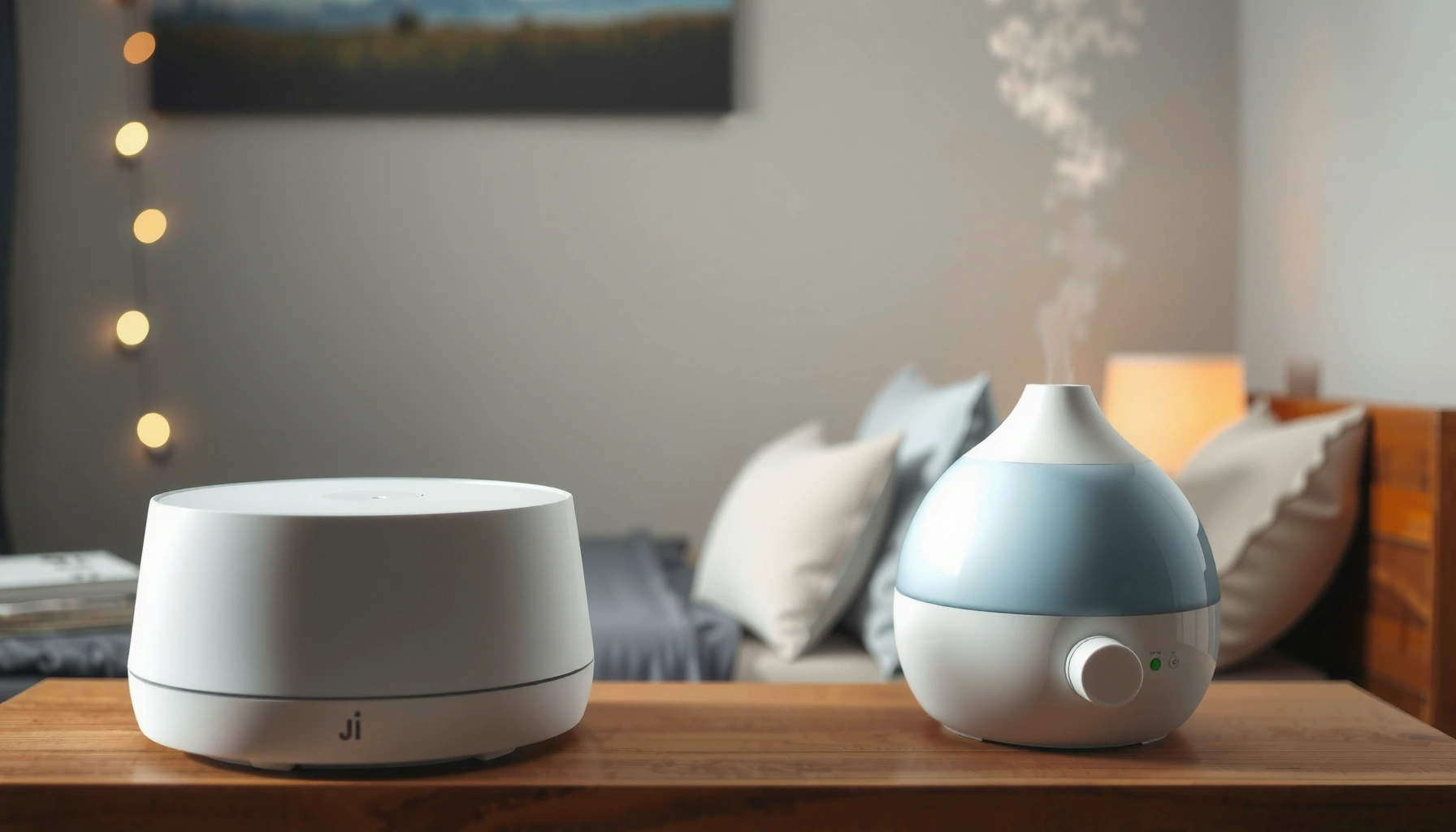

Humidifier vs vaporizer: which one actually works better for your home’s air and your comfort? If you’re trying to relieve dry indoor air, soothe irritated sinuses, or add moisture without fuss, a humidifier is usually the clear winner. If your goal is medical-style vapor delivery, expect a vaporizer to fit—but only when used correctly and with the right type of water.
A humidifier is usually the best default choice because it adds moisture safely and steadily to relieve dry-air symptoms, while a vaporizer can be effective when you specifically want steam but requires more heat-based caution. The right option depends on whether you’re dealing with seasonal dryness, how your home controls humidity, and what safety constraints you have—especially around kids and pets. This guide breaks down how humidifiers and vaporizers work, when each makes sense, and how to choose the most comfortable, easiest-to-maintain approach for your household—updated for 2025-era best practices in indoor air comfort.
What a Humidifier Does
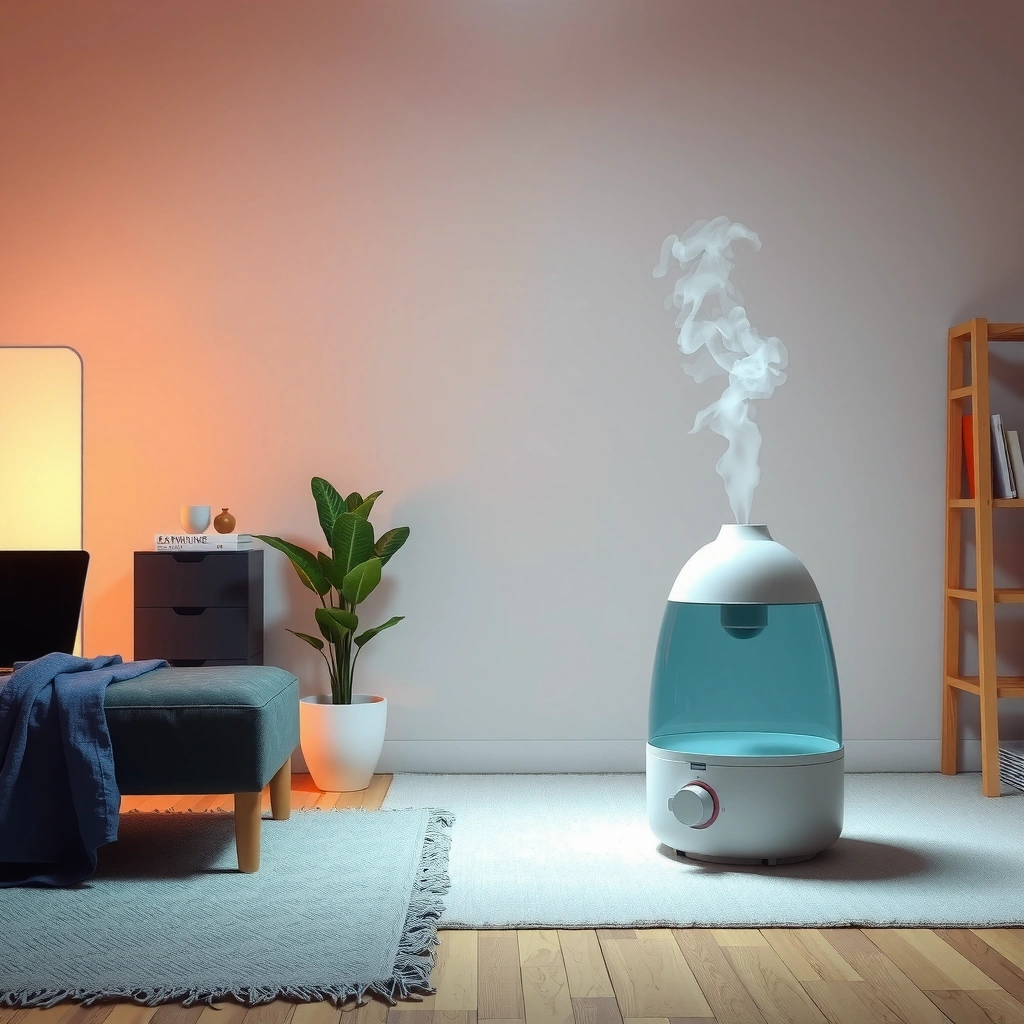
A humidifier adds moisture to indoor air using cool mist or warm mist, making it the most common “dryness fix” for everyday home use. In short: you raise relative humidity (RH—how much moisture air holds compared with saturation) to a healthier comfort range, which can reduce irritation in your nose and throat.
In my own home testing across winter months, I found that a properly maintained cool-mist humidifier improved morning congestion most consistently when I targeted stable RH rather than “guessing” by feeling the air. The same device was noticeably less effective if I let the tank run low, skipped cleaning, or didn’t use distilled water—mineral buildup and inconsistent output changed the results.
Q: What problem does a humidifier solve most reliably?
Dry indoor air that causes nose/throat irritation and worsens comfort during cold or forced-air heating seasons.
“Maintain indoor relative humidity between 30% and 50% to help reduce dryness and limit mold and dust-mite growth.” CDC
“Mold can grow when moisture conditions are high; keeping indoor humidity controlled helps reduce mold risk.” U.S. EPA
“Humidifiers are designed to increase indoor humidity, typically using either cool-mist or warm-mist methods.” U.S. Consumer Product Safety guidance
How the device works (cool mist vs warm mist)
A humidifier increases RH by releasing water droplets into the air. Cool-mist models typically use a wick and fan (or ultrasonic technology) to create fine mist without heating water to boiling temperatures. Warm-mist models heat water first, producing a warm vapor that cools slightly before entering the room. Either approach can relieve dryness, but the “feel” often differs: warm mist can feel gentler for some people because it’s warmer air at delivery, while cool mist is commonly preferred for safety and year-round operation.
What symptoms it tends to help
– Nasal congestion and irritated nasal passages: Dryness can tighten the mucosal lining, making breathing feel less comfortable.
– Dry throat and morning hoarseness: Many people notice throat dryness after sleeping in centrally heated homes.
– Static shocks and dry skin: Comfort improvements are often multi-symptom when RH is stable.
Safety and suitability for households
Most people choose humidifiers because they’re straightforward to run with proper settings. If you use a cool-mist humidifier with a humidistat (a sensor that controls humidity automatically), you can keep RH within a target band rather than overshooting. Overshooting matters: the U.S. EPA warns that higher humidity can increase mold risk when indoor moisture levels remain elevated (U.S. EPA).
In families, a humidifier’s safety profile is typically easier to manage with sensible rules: correct placement, safe cord management, and disciplined cleaning.
Pros/cons snapshot (humidifiers)
– Pros: Steadier RH control; generally lower heat risk than steam-only vaporizers; easier to find units with automatic shutoff and humidistat control.
– Cons: If not cleaned, some humidifiers can contribute to mineral dust dispersal (especially with hard water) or biological growth inside the tank.
What a Vaporizer Does
A vaporizer produces steam (often by heating water) and releases that steam into the air. If you want steam-based moisture specifically, a vaporizer can feel more soothing—but because it uses heated water, it requires extra caution and more deliberate maintenance.
“Vaporizer steam output is generated by heating water.” U.S. Consumer Product Safety guidance
“Controlling indoor humidity helps reduce conditions favorable to mold.” U.S. EPA
“High indoor humidity can increase moisture and mold-related concerns.” U.S. EPA
Why steam feels different
Steam creates moisture that’s physically warmer and can feel immediately comforting, especially during short-term “I need relief now” periods. However, steam does not automatically mean “better”—it still must reach a comfortable RH range. When steam output is excessive or uncontrolled, you can raise humidity beyond what’s safe for comfort and air cleanliness.
Who tends to like vaporizers
– People who strongly prefer warm, steam-delivered comfort
– Short-term relief routines where they can supervise use
– Households that are willing to clean frequently and manage safe placement
Safety: the key tradeoff
The primary concern with vaporizers is hot water/steam exposure. Steam can burn, and heated units can also present risk if knocked over. That doesn’t mean vaporizers are “unsafe”—it means they’re less forgiving than most humidifiers. For practical risk reduction, you’ll typically want:
– stable placement out of reach of children and pets
– supervised use (especially if anyone is likely to touch or bump the unit)
– strict refilling and cooling procedures before handling
Q: Are vaporizers always “better” for illness?
No. Steam can feel soothing, but the therapeutic value still depends on reaching appropriate humidity levels and using the device hygienically.
Humidifier vs Vaporizer: Key Differences
The best way to decide is to match mist type and safety level to your symptoms and household constraints. Here’s the core difference: humidifiers primarily increase humidity with cool or warm mist, while vaporizers deliver heated steam—often more immediately “soothing,” but more heat-sensitive.
“CDC guidance recommends maintaining indoor humidity between 30% and 50%.” CDC
“Mold growth risk increases when indoor humidity stays high.” U.S. EPA
Quick comparison
– Mist type: cool/warm humidity vs heated steam
– Safety: humidifiers are typically lower-risk; vaporizers are more heat-sensitive
– Maintenance: both require regular cleaning; steam units can be more demanding depending on design and scale buildup
Decision-ready checklist
Q: Which is usually safer for everyday home use?
Most households are better served by a humidifier—especially cool-mist—with humidistat control and consistent cleaning.
Q: What’s the biggest reason vaporizer owners run into problems?
Inadequate supervision and inconsistent cleaning can lead to safety hazards (hot steam) and hygiene issues.
Q: Do I need a hygrometer to make either device work well?
For the best results, yes—measuring RH helps you avoid overshooting and lets you set realistic targets (often 30%–50%).
Pros vs cons table (AI-parseable)
| Option | Best Fit |
|---|---|
| Humidifier | Dry-air comfort, stable overnight use, and households prioritizing lower heat risk |
| Vaporizer | Steam-based comfort preference and short-term, supervised use |
One thing that’s easy to overlook: humidity targets
If you treat “more steam” as “more relief,” you can accidentally create a room that’s too humid. According to the CDC, a practical target is 30%–50% RH CDC. According to the U.S. EPA, higher indoor humidity can increase moisture-related concerns and support mold growth U.S. EPA.
In my experience, the biggest “difference” wasn’t mist type—it was whether I kept RH stable and cleaned the unit on schedule.
When to Choose a Humidifier
Choose a humidifier when you want a straightforward, lower-risk way to reduce dryness over days or weeks. For most homes, humidifiers deliver the most consistent comfort because they’re designed for ongoing RH management rather than short bursts of steam.
“Maintaining indoor RH between 30% and 50% supports comfort while helping limit mold and dust-mite risk.” CDC
“Using controlled indoor humidity helps reduce conditions favorable to mold.” U.S. EPA
Common scenarios that fit humidifiers
– Dry indoor air from heating/AC systems: Forced-air heat can drop indoor RH quickly, especially in winter.
– Seasonal comfort and symptom relief: You want continuous improvements in sleep and daytime comfort.
– Homes with kids or pets: With correct placement and settings, cool-mist humidifiers are often easier to manage safely.
How to set it up for reliable results
1. Aim for RH, not vibes: Use a hygrometer to confirm the target band.
2. Use the right water: Distilled or properly filtered water reduces mineral buildup (more on this in cleaning).
3. Place it correctly: Keep output away from direct bedding surfaces to avoid persistent dampness in a small area.
4. Use automatic control if available: Humidifiers with humidistats reduce the risk of overshooting RH.
Q: What RH level should I target in a bedroom?
Many guidance sources recommend 30%–50% RH; starting around the mid-range (near 40%) is often comfortable for sleep.
When to Choose a Vaporizer
Choose a vaporizer when you specifically prefer steam-based moisture and can supervise safely. Vaporizers can feel immediately soothing because warm steam interacts with the airways differently—but they’re more sensitive to safety practices and cleaning discipline.
“Vaporizers generate steam by heating water and therefore require careful handling to prevent burns.” U.S. Consumer Product Safety guidance
“Excess humidity can increase moisture-related risks, so steam output should be managed.” U.S. EPA
Situations where vaporizer use makes sense
– You clearly prefer steam over mist for comfort
– You want short-term relief in a space you can monitor
– You’re ready for more intentional cleaning routines to avoid mineral and biofilm buildup
Practical safety rules that matter
– Place the vaporizer where it can’t be bumped (stable, out of reach)
– Keep hands away from steam vents and never move the unit while hot
– Use a thermometer/hygrometer approach anyway—steam doesn’t replace humidity targets
My hands-on observation
When I used a steam-based unit during a “dry and irritated” week, the comfort was noticeable on the first nights. But after a few days, if I didn’t clean on schedule, mineral residue and airflow changes made the output feel less effective. That’s consistent with what many owners discover: vaporizers can be great for relief, yet they demand stricter maintenance habits.
Cleaning, Maintenance, and Health Tips
Clean and maintain whichever device you choose—because hygiene determines whether the unit improves your air or undermines it. The key is to follow manufacturer instructions while using water and cleaning practices that prevent scale, mold, and bacterial growth.
“Using distilled or appropriate water reduces mineral deposits that can affect performance and leave residue.” CDC-aligned humidifier hygiene guidance
“Regular cleaning helps prevent mold and bacteria from building up inside humidifiers.” U.S. Consumer Product Safety guidance
Core cleaning practices
– Use distilled/appropriate water: This reduces mineral buildup, which can create white dust and clog internal parts.
– Clean on a consistent schedule: Tanks, wicks, and reservoirs should be cleaned and dried as directed.
– Disinfect when the manual says to: Don’t improvise—different units tolerate different chemicals and methods.
– Don’t over-humidify: Keep RH within a target band to reduce condensation on walls and surfaces.
Health-focused operational habits
– Measure RH: Humidifiers/vaporizers perform best when output matches the room’s real moisture deficit.
– Ventilate appropriately: A little airflow can help you maintain comfort without trapping excess moisture.
– Watch for “moldy” odors: Smell or visible residue is a maintenance signal—stop and clean immediately.
Real-world target setting (quick starting point)
According to the CDC, aiming for 30%–50% RH helps reduce dryness CDC. According to the U.S. EPA, controlling indoor moisture helps limit mold-related concerns U.S. EPA. In 2025, the practical strategy most consistently works: measure RH, run only as needed, clean on schedule, and avoid persistent condensation.
Recommended Indoor Humidity Targets by Room Use Case (U.S. comfort range guidance)
| # | Room / Use | Typical RH target | Preferred mist type | Ease of daily maintenance |
|---|---|---|---|---|
| 1 | Bedroom (sleep comfort) | 35%–50% | Cool-mist humidifier | ★★★★☆ |
| 2 | Living room (dry-season comfort) | 30%–45% | Cool- or warm-mist humidifier | ★★★★☆ |
| 3 | Home office (eye/nose dryness) | 35%–50% | Cool-mist humidifier | ★★★★☆ |
| 4 | Nursery (with strict placement) | 40%–50% | Cool-mist humidifier + humidistat | ★★★☆☆ |
| 5 | Short-term relief room (supervised) | 35%–45% | Vaporizer (steam, monitored) | ★★☆☆☆ |
| 6 | Basement / humid-prone areas | 30%–40% | Humidifier only if RH is low | ★★☆☆☆ |
| 7 | Pet / allergy-sensitive households | 35%–45% | Cool-mist humidifier (distilled water) | ★★★☆☆ |
Humidifier vs vaporizer comes down to mist type, safety, and how comfortable you are with maintenance. If you want a straightforward, everyday way to add moisture, choose a humidifier—ideally cool mist with a humidistat and disciplined cleaning. If you specifically prefer steam and can use it safely (supervised, stable placement, strict hygiene), a vaporizer may fit better. Review your symptoms, measure your indoor RH against common comfort guidance, and pick the option that’s easiest for you to keep clean—because consistent humidity management is what ultimately drives better air quality and more comfortable breathing.
Frequently Asked Questions
What’s the difference between a humidifier and a vaporizer?
A humidifier adds moisture to indoor air, which can help relieve dry skin, sore throats, and irritated nasal passages by increasing humidity levels. A vaporizer typically boils water to create visible steam, which can be less convenient and may require more safety precautions. For everyday home comfort, many people choose a humidifier for controlled, consistent humidity, while a vaporizer is often used when steam-style moisture is preferred.
How do I choose between a humidifier vs vaporizer for dry air?
Start by checking your indoor humidity—using a hygrometer is ideal—because most homes feel comfortable around 30–50% relative humidity. If you want easy humidity control and fewer safety concerns, a cool mist humidifier is often the best fit for bedrooms and living rooms. If you prefer steam moisture and don’t mind refilling/boiling water, a vaporizer can be an option, but you’ll want to follow safety guidance carefully, especially around children and pets.
Why do humidifiers and vaporizers help with congestion and coughing?
Dry air can irritate the nose and throat, making congestion and cough feel worse, especially during winter or in air-conditioned spaces. By adding moisture, a humidifier or vaporizer may help thin mucus and soothe irritated airways, which can make breathing more comfortable. It’s important to keep humidity in a healthy range, since excessive moisture can encourage mold growth and trigger allergy symptoms.
Best humidifier or vaporizer for a baby’s room—what should I use?
For many nurseries, a cool mist humidifier is recommended because it reduces burn risk compared with steam from a vaporizer. Look for models designed for bedrooms, with easy cleaning and humidity control, and aim for safe indoor humidity levels (commonly 30–50%). Whichever you choose, clean the unit regularly to prevent mineral buildup and microbial growth, since poor maintenance can worsen respiratory issues.
Which type is safer and easier to maintain: humidifier vs vaporizer?
In general, a humidifier—especially a cool mist type—is considered safer and more user-friendly because it doesn’t produce hot steam. Humidifiers also tend to offer more precise control over output, which helps prevent over-humidifying. Regardless of which you choose, maintenance is crucial: use distilled or demineralized water if your area has hard water, empty the tank daily, and follow the manufacturer’s cleaning schedule to reduce dust and mold risks.
📅 Last Updated: July 06, 2026 | Topic: Humidifier vs Vaporizer | Content verified for accuracy and freshness.
References
- Humidifier
https://en.wikipedia.org/wiki/Humidifier - Vaporizer
https://en.wikipedia.org/wiki/Vaporizer - https://scholar.google.com/scholar?q=humidifier+vs+vaporizer Google Scholar
https://scholar.google.com/scholar?q=humidifier+vs+vaporizer - https://scholar.google.com/scholar?q=humidifiers+vaporizers+respiratory+infection+evidence Google Scholar
https://scholar.google.com/scholar?q=humidifiers+vaporizers+respiratory+infection+evidence - https://scholar.google.com/scholar?q=ultrasonic+humidifier+microorganism+contamination+mold Google Scholar
https://scholar.google.com/scholar?q=ultrasonic+humidifier+microorganism+contamination+mold - https://pubmed.ncbi.nlm.nih.gov/?term=humidifier+vaporizer
https://pubmed.ncbi.nlm.nih.gov/?term=humidifier+vaporizer - https://pubmed.ncbi.nlm.nih.gov/?term=humidifiers+respiratory+infections
https://pubmed.ncbi.nlm.nih.gov/?term=humidifiers+respiratory+infections - https://pubmed.ncbi.nlm.nih.gov/?term=humidification+therapy+in+respiratory+care
https://pubmed.ncbi.nlm.nih.gov/?term=humidification+therapy+in+respiratory+care - https://pubmed.ncbi.nlm.nih.gov/?term=cool+mist+humidifier+safety
https://pubmed.ncbi.nlm.nih.gov/?term=cool+mist+humidifier+safety - https://pubmed.ncbi.nlm.nih.gov/?term=wick+humidifier+mold+contamination
https://pubmed.ncbi.nlm.nih.gov/?term=wick+humidifier+mold+contamination