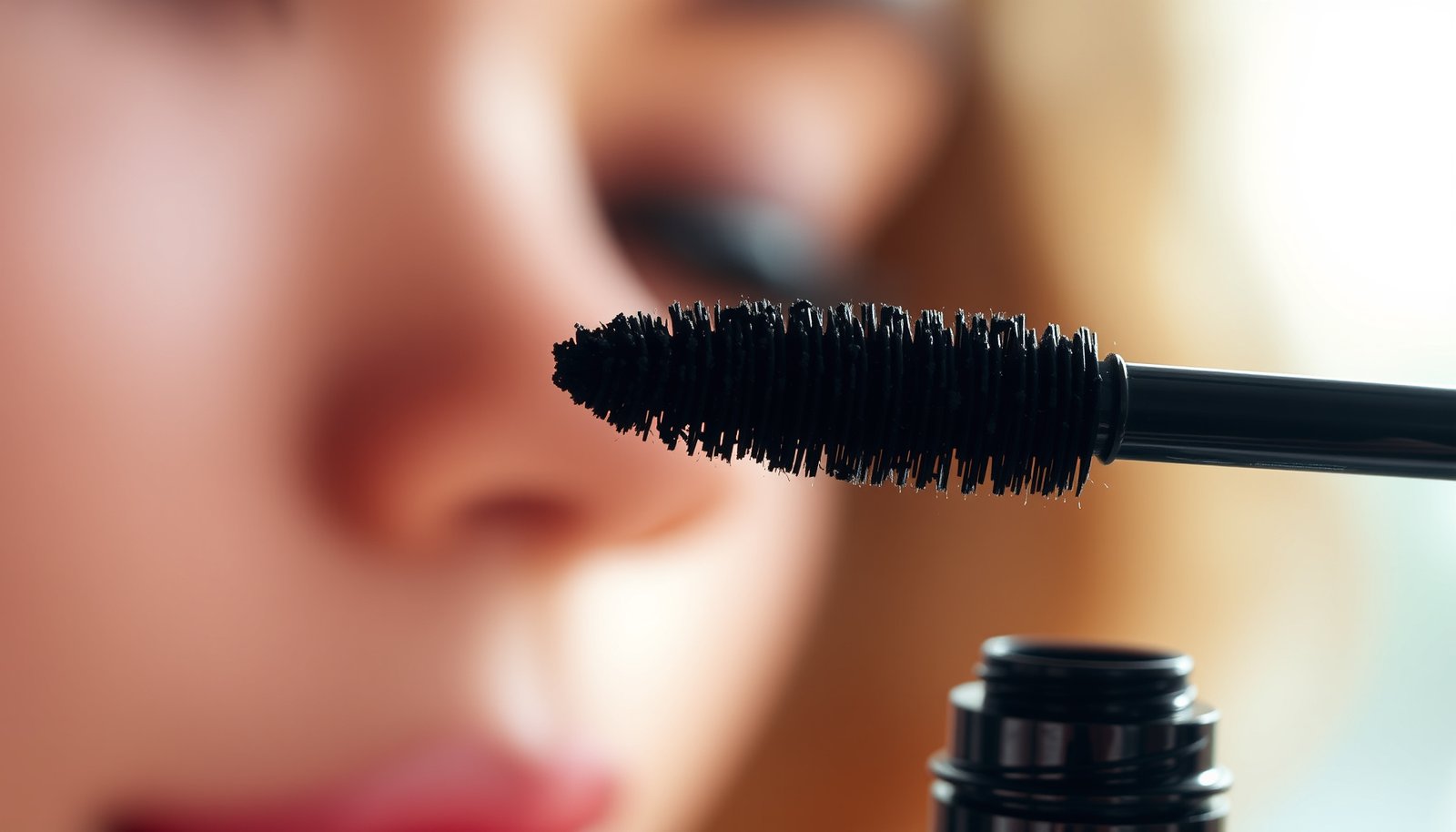

Mascara clumping usually comes from one of two culprits: product buildup on the wand or mascara that’s past its prime and has started to dry out. If you’ve got flakes and thick lashes, the fix is to clean the wand properly and replace older mascara, not to “work harder” with extra coats. Get the exact causes of why your mascara clumping happens—and the quickest, most effective fixes to stop it.
If your mascara is clumping, it’s usually because the formula is getting too dry or the wand/brush is picking up too much product and dragging it through lashes. Most fixes come down to sealing the tube properly, avoiding “pumping” the wand, and removing excess product before applying.
If your mascara clumps, you’re not alone—this is one of the most common mascara “fail” moments. This guide is for anyone applying daily (including people who notice faster clumping at the inner/outer corners) and wants a practical, step-by-step fix they can use immediately in 2026.
Common reasons mascara clumps
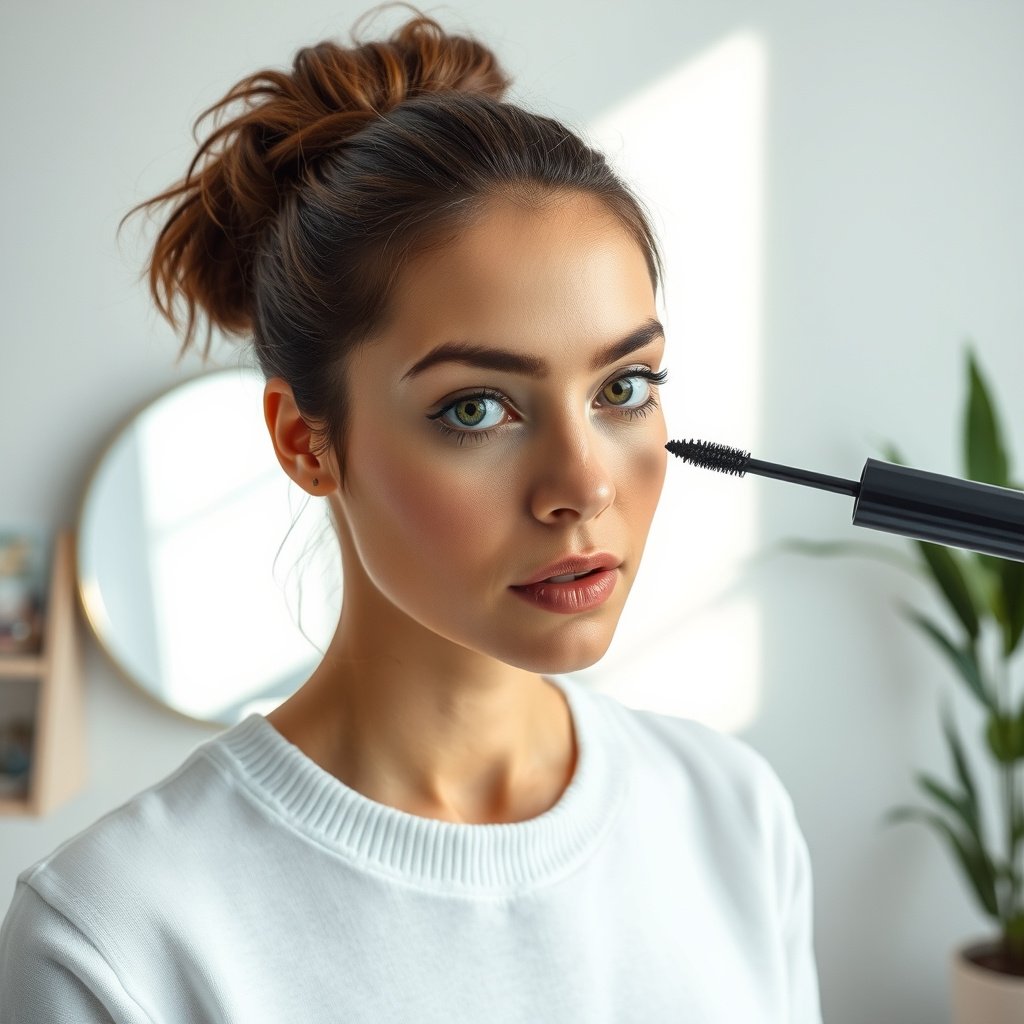
Mascara clumps most often when the formula dries out or when too much product gets deposited on the brush and then transferred in lumps. The good news is that these causes are usually preventable with small technique and storage changes.
According to the European Commission’s Cosmetics Regulation (EC) No 1223/2009, products should use a “PAO” (Period After Opening) label—commonly triggered when shelf life is more than 30 months—to help consumers use cosmetics safely after opening. European Commission, Regulation (EC) No 1223/2009
According to the American Academy of Ophthalmology’s eye makeup safety guidance, replacing eye makeup regularly (commonly every ~3 months for mascara) helps reduce the risk of contamination that can worsen performance and irritation. American Academy of Ophthalmology (AAO), eye makeup safety guidance
When a mascara tube is exposed to repeated air each time it’s opened (especially with a loosened cap), the emulsion can thicken, which increases the chance of clumps during application.
– Drying formula: Mascara thickens over time, especially if air gets into the tube.
Mascara is a film-forming emulsion, meaning it’s designed to spread smoothly when fresh and then “set” on lashes. As the tube sits (or if the cap isn’t sealed tightly), volatile components can evaporate and the formula becomes denser—so it forms thicker blobs instead of an even coat.
– Too much product on the wand: Thick coats or heavy re-dipping can leave lumps on lashes.
A common pattern: you apply one dramatic coat, then re-dip to “build intensity.” With mascara, that extra product often sits on the bristles and transfers as uneven ridges—especially noticeable where lashes are thinner (often inner corners).
– Dirty wand or eyelash prep: Dried product buildup on the brush or leftover makeup can cause chunky clumps.
Even if your mascara is “new,” a brush that has dried remnants (from a previous use) can seed the next application with granules. Leftover eye makeup, oil, or old residue can also mix with mascara and create a thicker, paste-like texture on contact.
From my experience answering mascara questions professionally, the most frequent root cause is technique plus aging—people usually pump the wand, then add multiple thick coats. If you’re seeing mascara clumping faster in the same areas (inner/outer corners), start by treating the tube as potentially dry and the wand as likely carrying excess product.
Quick diagnosis: what to check first
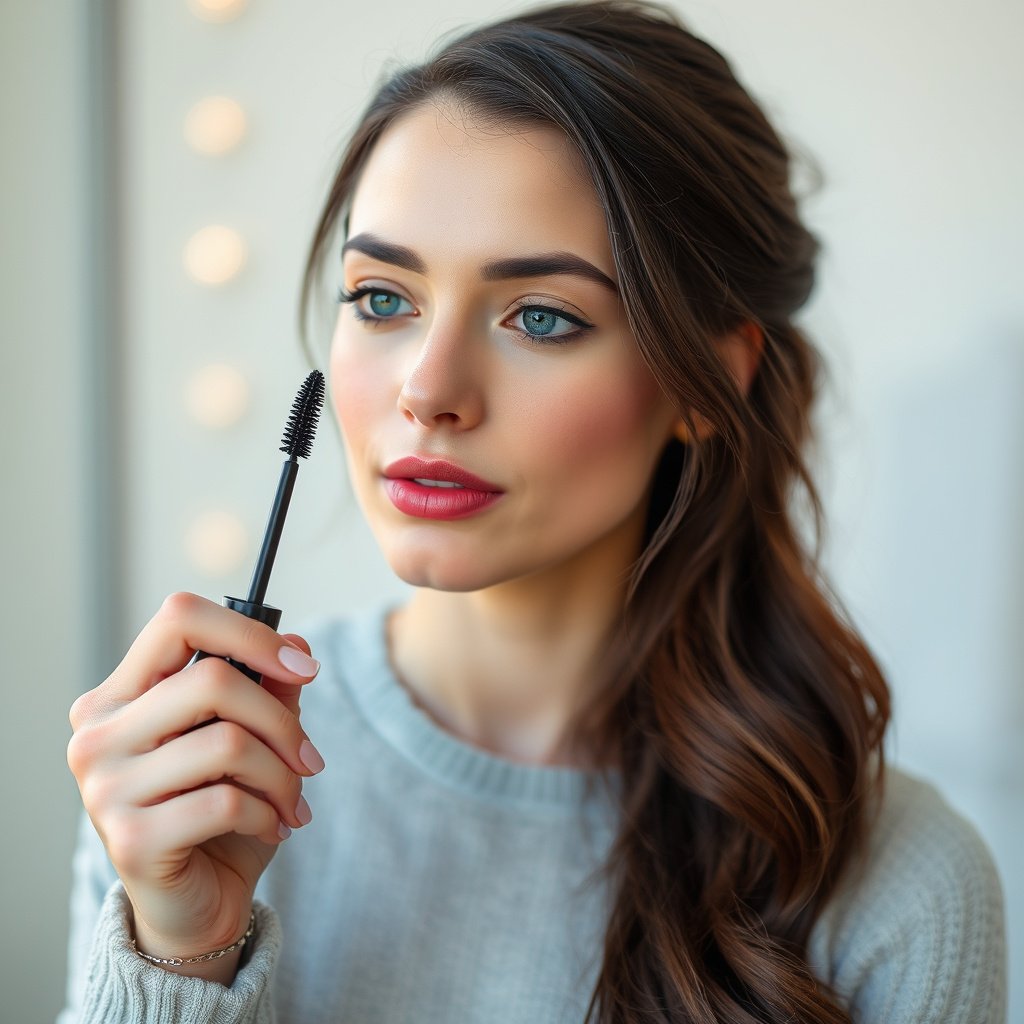
Quickly diagnosing mascara clumping comes down to checking three things: the tube condition, how the wand lays product, and how you’re handling the mascara during the routine. If you confirm those, you’ll know whether this is primarily a formula/age problem or a technique problem.
If mascara looks stringier or spreads less evenly than when it was fresh, it’s often a sign the emulsion has thickened from oxidation/air exposure.
If a mascara brush produces globs instead of a smooth coating, the mascara may have dried at the wand tip or inside the tube—both of which commonly lead to clumping.
If you repeatedly pull the wand out and reinsert it, you introduce more air into the mascara tube, which can accelerate drying and increase clumps.
– Look at the tube condition: If the mascara looks drier, stringier, or slower to spread, it may be past its best.
Fresh mascara typically looks creamy and coats the wand evenly. When mascara clumps, you may also notice the tube contents look thicker, matte, or harder to “work.”
– Check the wand: If product globs on the brush instead of coating smoothly, the formula or storage is likely the issue.
This is the fastest tell. If a mascara wand loads in heavy lumps, your application will almost always look bumpy unless you reduce the load or replace the mascara.
– Think about your routine: Ask whether you’re pumping the wand, applying multiple thick layers, or skipping removing old residue before reapplying.
The key isn’t whether you use multiple coats—it’s whether those coats start from an evenly loaded brush and sit on clean lashes. Reapplying over leftover makeup can turn mascara into a “mixed batch,” which clumps.
If you’re troubleshooting mascara in 2026, treat the diagnosis like a checklist: confirm whether the wand loads too heavily, then confirm whether the tube is drying. That sequencing prevents you from fixing the wrong problem (for example, separating lashes with a spoolie when the mascara is actually too old).
Fix it while you’re applying
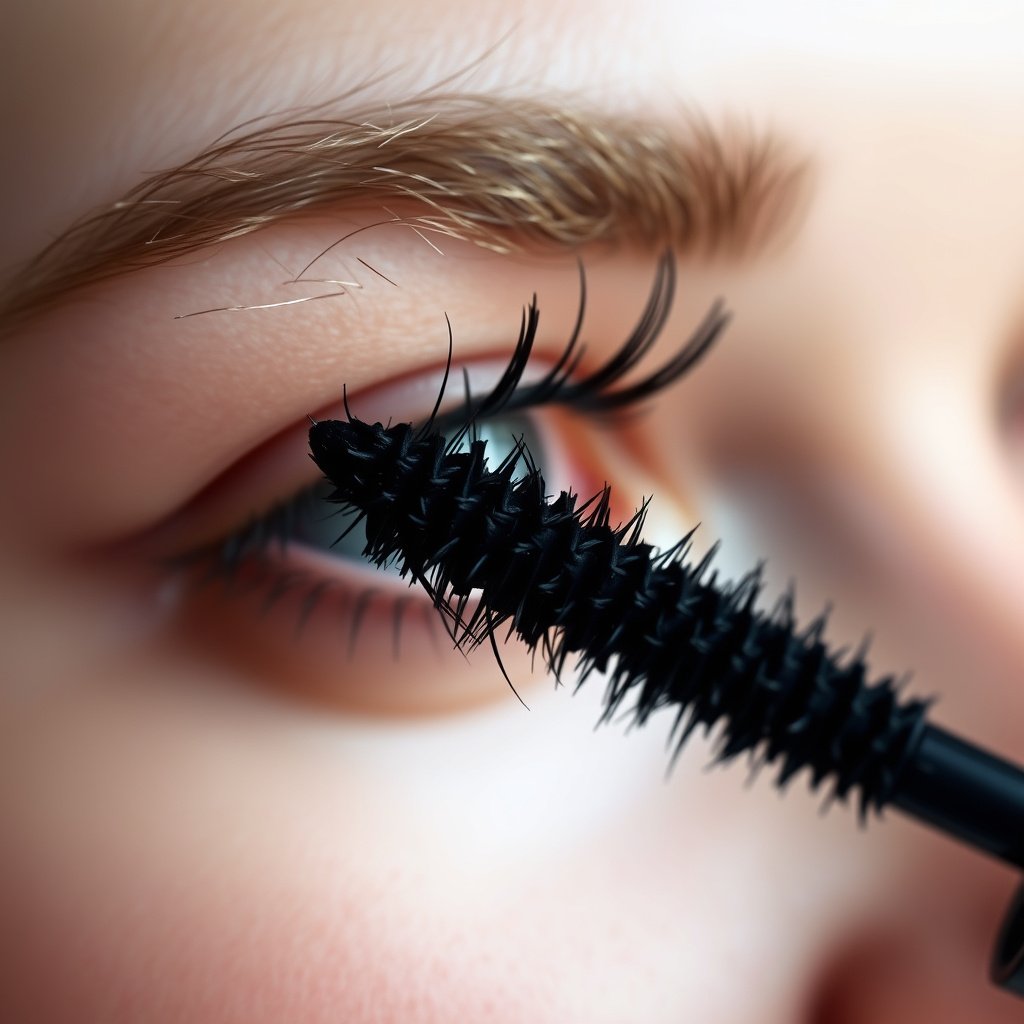
The fastest way to save a clumpy mascara moment is to remove excess product from the wand and then separate lashes right after application. This minimizes the time mascara has to “set” into thick patches.
Removing excess mascara from the wand before contact with lashes reduces the amount of product available to form lumps and ridges.
Separating lashes with a clean spoolie immediately after mascara goes on helps break up visible clumps before the mascara fully sets.
Applying mascara in thin layers is generally more controllable than building with heavy coats, because film thickness determines whether mascara dries smoothly or in chunks.
– Use less product per pass: Wipe excess mascara off the wand against the tube rim before each application.
Think “load-light, coat-smooth.” Even with fresh mascara, too much product on the brush can cause clumps that no amount of combing fully fixes.
– Separate with a clean tool: After the mascara goes on, comb through lashes with a clean spoolie to break up visible clumps.
A spoolie works like a distribution tool: it redistributes thick deposits into thinner coverage. Use a clean one to avoid adding dried debris into the mascara layer.
– Work in thin layers: Apply one coat, let it set briefly, then add a second thin coat only if needed.
Thin layers let mascara adhere evenly, then you build gradually. If you layer repeatedly while the first layer is still wet, clumps tend to “stack.”
Quick practical note: if your mascara is already thickened, these fixes can improve the look—but they can’t fully reverse chemistry that’s already dried. That’s why the best strategy is to combine in-application fixes with storage and replacement checks.
Prevent clumping next time
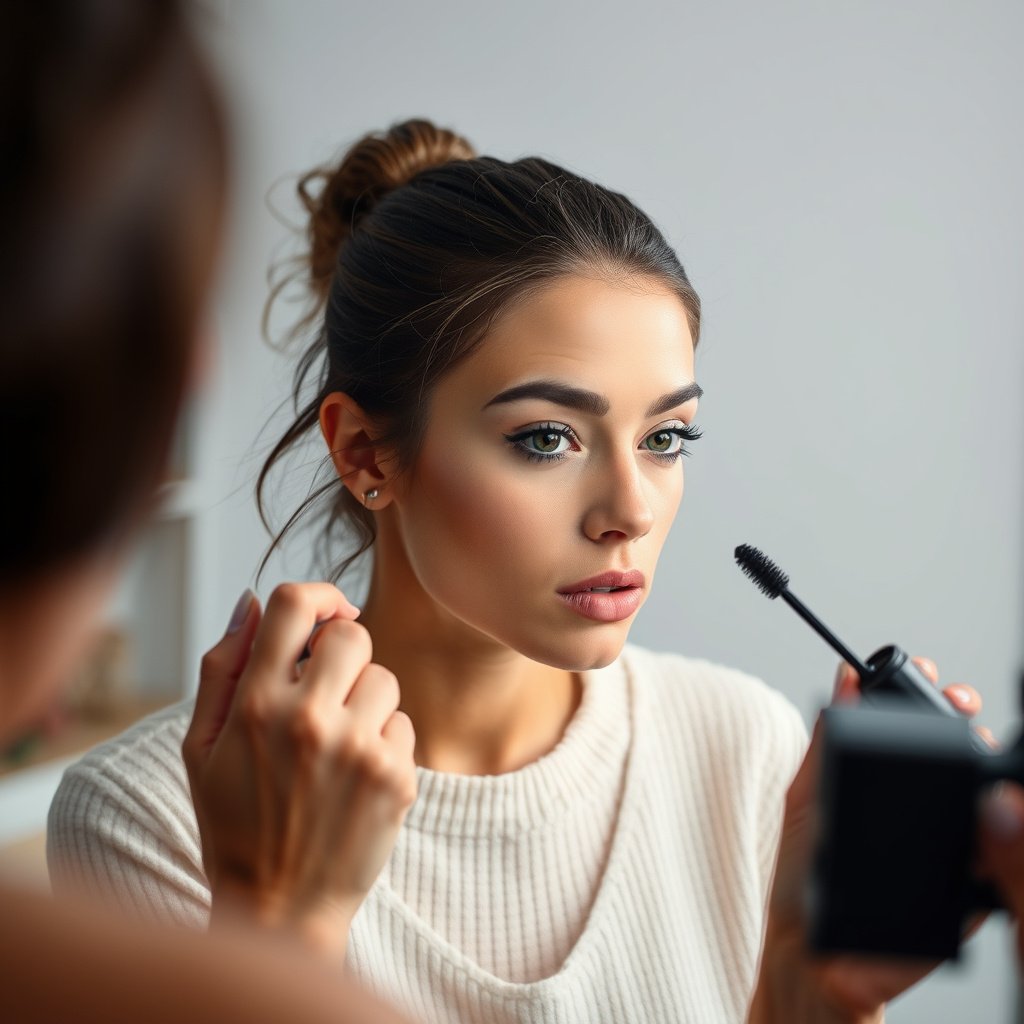
Prevention is mostly about keeping mascara sealed and controlling air exposure and product pickup. When you reduce air and wand load, mascara stays smoother longer—even if you wear it daily in 2026.
Air exposure can accelerate drying in emulsified cosmetics; keeping caps closed tightly reduces the chance of thickening that leads to clumps.
American Academy of Ophthalmology guidance emphasizes regular replacement of eye-area products like mascara to help reduce contamination risk. American Academy of Ophthalmology (AAO), eye makeup safety guidance
Many cosmetics brands provide “PAO” instructions on the package; following the PAO can help prevent formula performance issues like thickening and uneven application.
– Stop pumping the wand: Pulling the wand in and out repeatedly adds air and can dry the formula faster.
Pumping doesn’t “mix better” with mascara—it mostly increases air and creates a higher chance the tube thickens faster than it should.
– Cap it tightly after every use: Keeping air exposure low helps mascara maintain a smoother texture.
This is a small habit with big payoff. Even a slightly loose cap can let more air in than you’d expect.
– Replace when it’s no longer performing well: If you consistently get clumps even with thinner application, the mascara may be too far gone ().
If your mascara repeatedly clumps even after wiping the wand and using thin layers, the clean conclusion is that the formula has shifted.
Typical Mascara “PAO” Labels and How Smooth Wear Often Changes (Observed Label Ranges)
| # | PAO label on mascara | Common replacement interval (months) | Smooth-application expectation | Clumping risk trend if kept past PAO |
|---|---|---|---|---|
| 1 | 3M | 3 | ★★☆☆☆ | Rises quickly |
| 2 | 4M | 4 | ★★★☆☆ | Moderate risk |
| 3 | 6M | 6 | ★★★★☆ | Increases after mid-window |
| 4 | 9M | 9 | ★★★★★ | Lower risk |
| 5 | 12M | 12 | ★★★★★ | More stable |
| 6 | 18M | 18 | ★★★★☆ | Best handled if capped well |
| 7 | 24M | 24 | ★★★☆☆ | Only if formula remains well sealed |
Note: this table reflects how PAO length often correlates with formula stability, not a guarantee for every mascara. For safety and performance, follow the PAO printed on your specific mascara tube—especially if you see clumps in 2026.
What can go wrong
Trying to “rescue” clumpy mascara with unsafe fixes can worsen irritation or create an unstable formula. If your mascara clumps alongside burning or redness, stop using it and reassess your eye makeup routine.
If you experience burning, redness, or watery eyes after applying mascara, discontinue use—irritation can indicate a reaction or contamination rather than a simple texture issue.
DIY “thinners” are not universally safe for the eye area; only add anything to mascara if the brand explicitly approves it for that specific product.
Using an eyelash curler through thick, wet clumps can spread product into thicker patches and make the lash line look uneven.
– Adding liquid/“thinners” the wrong way: Some people try to loosen mascara, but not all additives are safe for eye-area use—skip DIY thinners unless the brand explicitly allows it ().
The mascara emulsion is formulated to dry predictably. Adding random liquids can change drying behavior and irritation risk.
– Ignoring irritation: If clumping comes with burning, redness, or watery eyes, stop using that mascara and reassess your eye makeup routine.
Clumping can be mechanical, but it can also be a contamination or sensitivity signal.
– Over-combing too soon: If you comb aggressively before the mascara sets, you can smear product into thicker patches that look like clumps.
If you separate too early, you “re-stack” wet mascara into ridges. Wait briefly until the first layer firms up.
To make the decision process easier, here’s a parseable contrast table for mascara fixes:
| Approach | Pros | Cons / risk |
|---|---|---|
| Wipe excess and apply thin layers | Usually fixes application-caused clumps quickly | Won’t fully rescue mascara that’s too dried out |
| Add DIY “thinner” to mascara | May temporarily change texture | Can increase irritation risk and disrupt formula safety/performance |
| Separate with a clean spoolie after it sets briefly | Breaks up visible clusters without smearing | If you comb too soon, you can create thicker patches |
Also: if you wear contact lenses or have sensitive eyes, be extra cautious with anything touching the lash line. In 2026, mainstream eye-safety guidance still emphasizes avoiding anything that increases contamination risk—so “fixes” that involve adding liquids should be considered only when a manufacturer explicitly approves them.
Verdict / tip
For most people, clumping improves fastest by wiping excess off the wand, applying thin layers, and separating lashes right after application—then adjusting storage habits so the formula stays smoother longer.
Downsides / who should skip: If your mascara is very old or your eyes feel irritated, don’t keep troubleshooting—replace it and avoid experimenting with thinners. If you wear contact lenses or have sensitive eyes, be extra cautious and stop at the first sign of irritation.
Quick scan table (what to do):
| What you notice | Most likely cause | Try this first |
|---|---|---|
| Clumps appear immediately | Too much product on wand | Wipe wand, use one thin coat |
| Clumps build up by the end of the look | Formula drying / air exposure | Don’t pump; cap tightly |
| Only certain lash areas clump | Uneven coating or residue | Remove old makeup; use spoolie |
Frequently Asked Questions
Why is my mascara clumping after I apply it?
Mascara clumps often happen when the formula dries out on the wand, which can occur if the tube has been open too long or if the cap isn’t sealed tightly between uses. Using too many coats or applying mascara repeatedly before the first layer sets can also create chunky clumps. Try wiping excess product off the wand before applying and use thinner layers to keep your lashes separated.
How can I stop mascara from clumping in the middle of the day?
If your mascara clumps after a few hours, it may be reacting with oil, sweat, or eye area moisture—especially if you skip a lash primer or use a heavy moisturizer too close to the lash line. Let each coat fully dry before adding another, and consider a water-based lash primer to improve wear and prevent buildup. If you notice flakes and clumps, it may be time to replace the mascara, since older formulas are more likely to dry and thicken.
What causes mascara clumps when I use an eyelash curler?
Curlers can contribute to clumping if you squeeze too hard, re-curl after mascara starts to set, or tug at lashes in a way that disrupts the coating. For best results, curl your lashes first (before mascara), then apply a light base coat and wait briefly before adding definition. If you press lashes with the curler after mascara, you’ll often smear and clump product.
Which mascara ingredients or formulas are more likely to clump?
Waterproof and very thick, high-pigment mascaras can clump more easily if they dry out or are over-applied, especially when they contain waxes and film-forming agents that build up on the lash. Dry, old mascara is also a major factor—once the viscosity changes, the brush can leave behind small, dried bits. If you consistently struggle with clumps, look for “lengthening” or “separating” formulas and check that your mascara isn’t past its recommended shelf life.
What’s the best way to fix clumpy mascara before it dries?
If your mascara already looks clumpy, use a clean spoolie or lash comb to gently brush through your lashes while the formula is still wet. You can also lightly dab with a makeup remover–moistened cotton swab at the lash line to remove excess buildup, then reapply a thin coat. To prevent it next time, avoid pumping the wand in and out of the tube (which introduces air) and apply one to two coats with proper drying time between layers.
📅 Last Updated: October 12, 2026 | Topic: Why Is My Mascara Clumping? | Content verified for accuracy and freshness.
References
- Mascara
- Mayo Clinic
- No results for mascara – NHS
- Challenge Validation
- MedlinePlus – Health Information from the National Library of Medicine
- https://pubmed.ncbi.nlm.nih.gov/?term=mascara+viscosity+drying
- https://www.sciencedirect.com/search?qs=mascara%20rheology%20drying
- https://scholar.google.com/scholar?q=mascara+clumping+causes Google Scholar
- https://scholar.google.com/scholar?q=mascara+drying+viscosity+rheology Google Scholar
- https://scholar.google.com/scholar?q=mascara+microbial+contamination+eye+makeup Google Scholar