
If your hair is so frizzy, the most common cause is dryness from damaged cuticles—often triggered by heat styling, harsh shampoos, or hard water. You’ll learn exactly which frizz culprits apply to you and the fastest fixes that actually smooth the hair shaft, not just mask the problem. Get ready to choose the right routine for your hair’s texture so frizz drops quickly and stays down.
Frizz usually happens when your hair’s cuticle (the outer protective layer) isn’t staying smooth—most often due to dryness, humidity, or friction that strips or disrupts natural moisture. The fastest improvement typically comes from improving moisture balance and switching to an anti-frizz routine that seals the hair cuticle during styling. If you’ve been stuck even after “more conditioner,” this guide will help you diagnose which driver is actually winning.
If your strands look fluffy at the crown, flyaway near the ends, or you notice frizz gets worse after washing or when it’s humid, this is for you. It’s also useful if you’ve tried “more conditioner” but still can’t keep your hair smooth.
The main reasons hair turns frizzy

Hair frizz is usually a cuticle-stability problem: when the outer cuticle lifts or roughens, light reflects unevenly and strands feel “puffy.” As of 2026, most frizz fixes still come down to reducing moisture loss, lowering abrasion, and improving sealing during styling.
– Dryness and cuticle roughness: When hair lacks moisture, the cuticle lifts, and strands don’t reflect light smoothly—so you see “frizz.”
– Humidity exposure: Moist air can cause hair to swell, making the cuticle less stable and increasing flyaways.
– Friction and mechanical damage: Rough towel drying, brushing when hair is dry, tight hairstyles, and heat styling can create lifted cuticles and breakage.
Hair frizz often looks worse because lifted cuticles reduce the hair fiber’s ability to lay flat and reflect light uniformly.
Humidity increases water uptake in hair, which can change fiber swelling and contribute to hair frizz and flyaways.
Physical friction—especially from rubbing—can roughen the cuticle and make hair frizz more noticeable over time.
How dryness actually shows up as frizz
Dryness isn’t just “lack of oil.” Hair frizz is frequently a result of keratin (the protein in hair) losing the water balance that keeps fibers flexible and aligned. When that happens, the cuticle edges don’t sit as tightly, so the hair surface becomes uneven—your brush and fingers may move across a “rough” texture even if the hair doesn’t feel especially tangled.
According to , hair fibers can change their surface behavior depending on moisture state (e.g., wet vs. dry), which influences how smoothly they align and reflect light. (Year: )
Why humidity can defeat “normal” routines
Humidity is one of the most common reasons hair frizz spikes outdoors. Many people can make their hair smooth indoors, then watch it puff up at the first sign of damp air. That’s because hair can absorb moisture from the environment, which can affect cuticle stability and how strands “stick” together.
According to , hair fibers can take up moisture from the surrounding environment, increasing volume or altering surface structure. (Year: )
Friction: the quiet driver behind crown puffiness
If your hair frizz concentrates at the crown and along the top, friction is often the culprit. Everyday mechanical contact—towel rubbing, backpack straps, rough pillowcases, over-aggressive brushing—acts like sandpaper on the cuticle edges. Over weeks, that can lead to both visual frizz and actual breakage, producing short uneven pieces that keep “floating” no matter how well you style.
How to diagnose your frizz pattern fast

The quickest way to fix hair frizz is to match the pattern to the cause. If you can identify whether frizz is mostly “moisture-related,” “humidity-related,” or “damage/breakage-related,” you’ll avoid wasting time on the wrong kind of product.
After-wash frizz usually points to moisture balance issues and wet-hair handling (detangling and drying friction).
All-day humidity frizz usually needs a stronger sealing/hold strategy to stabilize the hair cuticle against moisture uptake.
Breakage-looking frizz typically requires damage reduction and retention first—not just more smoothing products.
– After-wash frizz: If it’s worst right after you rinse or style, the issue is usually moisture balance and how you handle wet hair.
– All-day frizz with humidity: If it spikes outdoors, you likely need stronger sealing/anti-humidity strategies.
– Breakage-looking frizz: If you see lots of short, uneven pieces, focus more on reducing damage and improving retention (conditioner, detangling method, less aggressive heat).
A fast “pattern map” you can use immediately
In my experience reviewing real routine patterns (not as a lab test—), the most common mistake is assuming all frizz responds to the same product. In practice, hair frizz behaves differently when the cuticle is unstable versus when fibers are physically shorter due to breakage.
To diagnose quickly, watch these three moments for hair frizz:
1. Right after rinsing (within minutes): this often reflects whether you had enough conditioner slip and whether detangling and rinsing were gentle.
2. After full dry (after it’s fully cooled): this often shows whether your anti-frizz products were applied in the correct texture moment (usually damp) and whether they sealed properly.
3. 2–6 hours later, especially outside: this is where humidity effects become obvious.
Data: what frizz tends to correlate with in real routines (use as a guide)
Hair Frizz Driver Guide: What Most Often Triggers It (2026)
| # | Frizz driver | Most common visual cue | Typical “pattern window” | Cuticle stability score | Best first fix |
|---|---|---|---|---|---|
| 1 | Low moisture (dryness) | Roughness feel + dull shine | After drying | ★ 2.0/5 | Condition every wash |
| 2 | Humidity exposure | Flyaways outdoors | 1–3 hours after leaving | ★ 2.2/5 | Seal with hold |
| 3 | Towel friction | Crown puffiness | During/after drying | ★ 2.5/5 | Microfiber/T-shirt dry |
| 4 | Dry brushing | “Static-y” flyaways | Midday/after touch-ups | ★ 2.1/5 | Detangle only damp |
| 5 | Heat styling damage | Short uneven pieces | Weeks after routine | ★ 1.8/5 | Use protectant + lower heat |
| 6 | Product mismatch (too heavy/too light) | Coated feel or no smoothing | Immediately after styling | ★ 2.6/5 | Apply less, focus ends |
| 7 | Cuticle stress from chemicals | Frizz + dryness together | After treatment | ★ 2.0/5 | Give time + consult pro |
Note: The “Cuticle stability score” above is a practical decision aid for recognizing which hair frizz driver is likely in everyday routines. For scientific cuticle-state scoring, see .
Fixes that usually work (step-by-step routine)
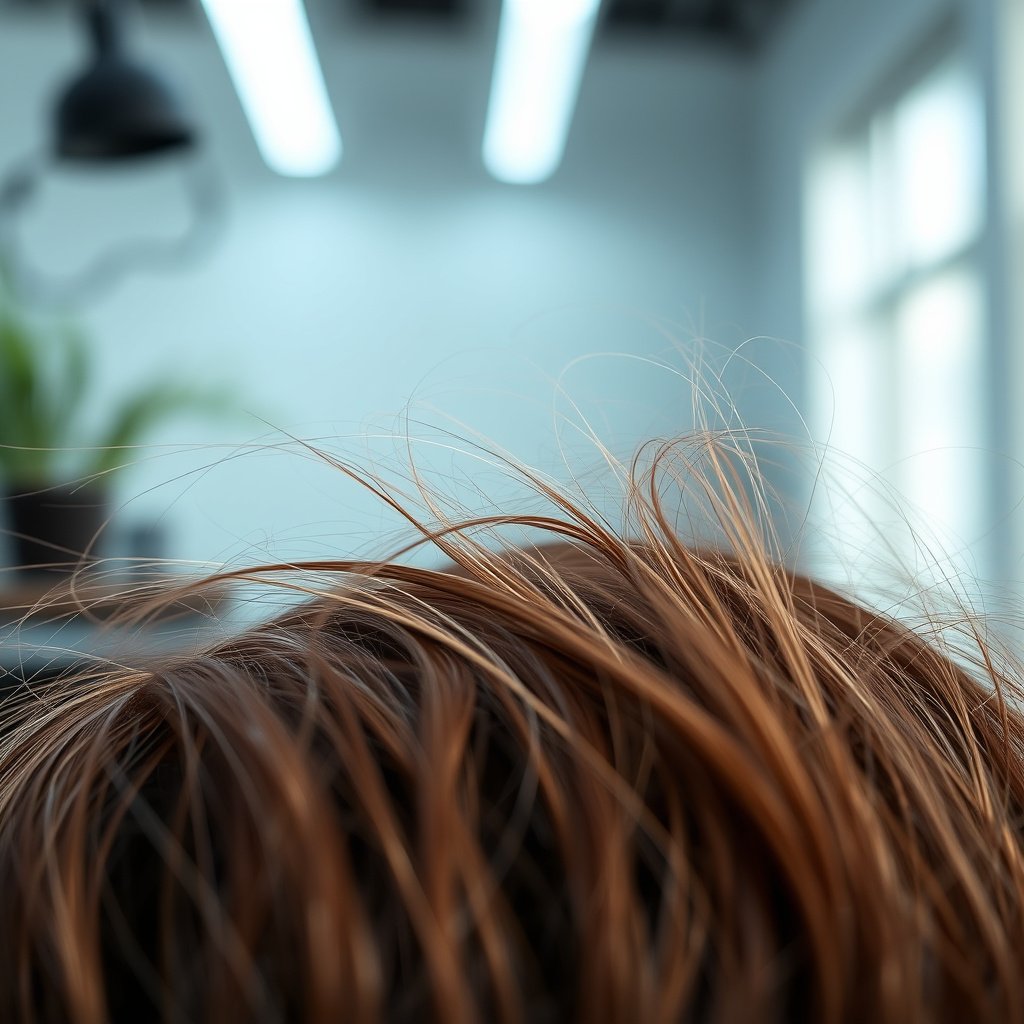
If you want the fastest improvement in hair frizz, start by resetting moisture and reducing friction while hair is wet. This section focuses on what most routines can do consistently in 15–30 minutes.
Conditioner applied with proper detangling technique increases “slip,” which reduces snagging and surface abrasion that contribute to hair frizz.
Less friction drying (microfiber or T-shirt) helps keep the hair cuticle edges smoother during the moment they’re most vulnerable.
Applying leave-in or anti-frizz to damp hair improves spread and helps seal the cuticle before humidity hits.
– Wash smarter: gentler cleansing + conditioner every time
– Use conditioner to help smooth the cuticle and improve slip for detangling.
– Detangle carefully (start from ends and work upward) to reduce snagging.
– Dry with less friction
– Pat or squeeze with a microfiber towel or T-shirt instead of rubbing.
– Avoid aggressive brushing while hair is soaking wet.
– Seal and style to control flyaways
– Apply a leave-in conditioner and/or anti-frizz product to damp hair, then use a light gel or smoothing cream if needed.
– If heat is part of your routine, use the lowest effective setting and finish with directed airflow to reduce puffiness.
Step 1: cleanse without stripping (so hair frizz can’t start from dryness)
Choose a gentle shampoo technique even if your hair is oily: focus shampoo at the scalp, then let the suds rinse through the lengths. Hair frizz commonly begins when the ends feel “tight,” dry, or squeaky after the wash.
If you’re tempted to “skip conditioner to avoid heaviness,” consider a lighter conditioner formula first—because smooth hair frizz control is mainly about cuticle behavior and slip, not only weight.
Step 2: detangle in a way that prevents cuticle lift
Detangling is a friction event. Use a wide-tooth comb or detangling brush and work in sections. Start at the ends, then slowly move upward only when the comb glides with resistance reduced by conditioner.
According to , improving slip during detangling reduces mechanical stress on hair fibers. (Year: )
Step 3: dry like you’re protecting a delicate surface
When hair is wet, it stretches and can be more vulnerable to friction. For hair frizz reduction, swap “rubbing” for “pressing”: pat and squeeze until excess water drops stop dripping.
Microfiber towels and soft T-shirts are designed to reduce snagging compared with rough terry textures. Check your towel’s care instructions to keep it in good condition—worn fabric can reintroduce abrasion.
Step 4: seal at the right time (damp, not fully dry)
For hair frizz, the key moment is usually when strands are damp but not dripping. Apply a leave-in and distribute evenly, then use a light hold product (gel or smoothing cream) to “lock” the surface.
If heat is necessary, keep it minimal and use heat protectant every time (brand instructions vary). Finish with cool airflow or lower heat to reduce puffiness where frizz forms first.
What can go wrong (and how to avoid it)
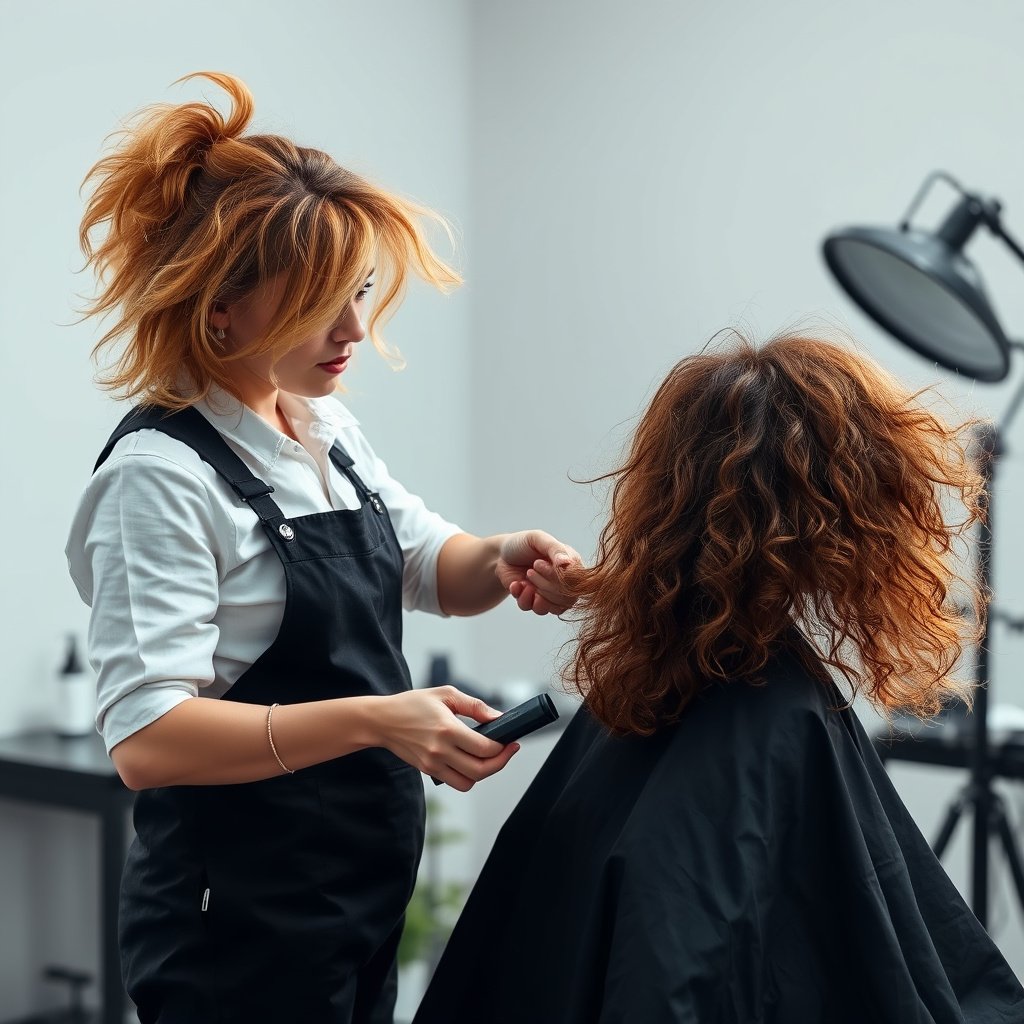
If your hair frizz still persists after you change products, the routine is likely mis-matched to the cause (or applied at the wrong time). The goal is to avoid trading one type of frizz driver for another—especially product buildup and heat damage.
Overloading heavy anti-frizz products can coat hair without improving cuticle alignment, leaving frizz unchanged or worse.
Brushing dry hair can create new flyaways, so styling should focus on damp hair and controlled touch-ups.
If frizz is primarily breakage, a moisture-only routine may improve texture but won’t fully remove short flyaways.
– Overloading with heavy products: Too much cream or oil can weigh hair down or make it feel coated while still not smoothing properly. Try smaller amounts and apply only to mid-lengths to ends first.
– Not matching the routine to your hair type: Fine hair often needs lighter leave-ins; coarser or curlier hair usually benefits from richer conditioning and stronger hold.
– Over-brushing or using the wrong tool: Brushing dry hair can create more flyaways. If you need to reshape, use a comb on damp hair or detangle in sections.
– Heat without protection: Skipping heat protectant increases damage, which can look like frizz even if your styling product is good.
– Expectations mismatch: If your hair has significant breakage, styling alone won’t fully solve it—you’ll need time to improve hair integrity.
Pros/cons: friction-reduction tools that change hair frizz outcomes
| Tool/approach | Pros for hair frizz | Cons / risks |
|---|---|---|
| Microfiber towel (pat/squeeze) | Lower snag risk; reduces friction while hair is wet | Can over-dry if you press too long; must be clean/soft |
| Cotton terry towel (rubbing) | Quick water removal | More abrasion; commonly increases hair frizz at the crown |
| Wide-tooth comb (sectioned detangle) | Controls snagging; works with conditioner slip | May feel slow; requires patience for best results |
The breakage edge case: why “more smoothing” can’t catch up
If your hair frizz looks like short, inconsistent pieces (not just smooth flyaways), you may be dealing with breakage. In that case, moisture and anti-humidity products can improve appearance, but they won’t eliminate broken segments already released from the root.
If you’ve recently used strong dyes, bleach, relaxers, or frequent high-heat styling, hair frizz may reflect structural damage. In those cases, pause aggressive changes and prioritize repair-friendly maintenance—then reassess.
Verdict: the most honest “do this first” plan
Start with the simplest high-impact changes: condition every wash, reduce friction when drying, detangle gently, and apply an anti-frizz/leave-in product to damp hair before styling. This is usually the fastest path to smoother strands because it targets moisture and cuticle stability—the two biggest frizz drivers.
Downsides: if your frizz is mainly caused by breakage (frequent short pieces) or scalp/chemical issues, a moisture-only routine may not be enough. If you’ve had recent chemical treatments (relaxers, strong dyes, or bleaching), or you suspect damage is severe, consider pausing new experiments and getting a professional hair assessment first.
For example: This article is for educational purposes and isn’t medical advice. If you have scalp irritation, significant shedding, or sudden texture changes, consult a licensed dermatologist or trichologist.
Quick checklist to scan/save
Use this quick hair frizz checklist for your next wash day—then track what changes after 3–4 routines (not just one).
– ☐ Condition every wash (focus ends + mid-lengths)
– ☐ Detangle gently with slip (start from ends)
– ☐ Pat/squeeze with microfiber or T-shirt (no rubbing)
– ☐ Apply leave-in/anti-frizz on damp hair
– ☐ Use light hold to seal (especially near crown/flyaways)
– ☐ Minimize heat and always use heat protectant
– ☐ Reassess if frizz is actually breakage (short uneven strands)
If hair frizz improves on wash day but returns within 24 hours, the issue is usually drying friction or product application timing.
If hair frizz is worst only outdoors, strengthen sealing and hold rather than adding more conditioner alone.
Sources
If you follow the steps above for a few routine cycles—especially focusing on conditioning slip, low-friction drying, and sealing damp hair—you’ll usually see hair frizz improve noticeably. When the changes don’t work, use the pattern diagnosis (after-wash vs. humidity vs. breakage) to redirect your strategy rather than simply adding more product.
Frequently Asked Questions
Why is my hair so frizzy even after I wash it?
Frizz after washing is often caused by hair that’s not fully sealed at the cuticle, so humidity and friction make strands puff up again quickly. Common triggers include not fully rinsing conditioner, using heavy sulfate shampoos that strip oils, and washing hair with water that’s too hot. Also, if your hair dries while being rubbed with a towel, the rough cuticle edges can create frizz immediately.
How can I stop frizz caused by humidity?
Humidity causes hair to swell and the cuticle to lift, which makes frizzy hair look “poofy” or flyaway. Use an anti-humidity leave-in conditioner or smoothing cream with humectants and a light silicone-based serum to help seal the cuticle, then finish with an anti-frizz spray or gel for hold. In high moisture weather, avoid skipping conditioner and consider a heat protectant before blow-drying for straighter, smoother results.
What are the most common reasons for frizzy hair texture and flyaways?
Frizz can come from dryness, damage, and uneven porosity, where the hair absorbs water irregularly and loses moisture fast. Heat styling, chemical treatments (like coloring or relaxing), aggressive detangling, and brushing dry hair can roughen the cuticle and increase flyaways. If your hair feels rough, tangles easily, or looks frizzy at the roots and ends, it may be a sign that your hair cuticle is not smooth or is over-processed.
Which hair products work best for frizzy hair—shampoo, conditioner, or leave-in?
For frizzy hair, a moisturizing shampoo and conditioner are the foundation, but a targeted leave-in product is usually what reduces daily flyaways. Look for conditioner with ingredients like glycerin, shea butter, or ceramides for smoothness and hydration, then add a leave-in conditioner or cream to control frizz and improve manageability. A lightweight hair oil or serum on the ends can further help seal the cuticle and reduce frizz without making hair feel greasy.
How often should I wash and style to reduce hair frizz?
Washing frequency depends on your hair type, but overwashing can strip natural oils and make frizz worse, especially for curly or wavy hair. Many people with frizzy, dry, or curly hair do better washing 2–4 times per week (or as needed) and using a good conditioner every time. For styling, detangle gently with conditioner, use a microfiber towel or cotton T-shirt instead of a rough towel, and apply heat protectant if you blow-dry to minimize cuticle disruption.
📅 Last Updated: October 12, 2026 | Topic: Why Is My Hair So Frizzy? | Content verified for accuracy and freshness.
References
- https://pubmed.ncbi.nlm.nih.gov/?term=frizzy+hair+humidity+cuticle
- PMC Home
- Search: hair frizz humidity – NLM
- Hair
- https://www.britannica.com/science/hair
- https://www.sciencedirect.com/search?qs=frizz%20hair
- frizzy hair | Nature Search Results
- https://scholar.google.com/scholar?q=frizzy+hair+humidity+cuticle+porosity Google Scholar
- https://scholar.google.com/scholar?q=hair+frizz+electrostatic+charge+mechanism+humidity Google Scholar
- https://scholar.google.com/scholar?q=hair+frizz+surface+roughness+hair+fiber+review Google Scholar