

If your scalp itches, the most common cause is usually dandruff or seborrheic dermatitis, and you can often tell by flakes, redness, or greasy buildup near the hairline. This guide gives a clear “most likely” diagnosis based on symptoms and shows what to do first—whether that means an anti-dandruff shampoo, an adjustment to hair products, or addressing irritation from dryness or allergy. You’ll also learn the warning signs that point to less common causes when basic treatment isn’t enough.
Itchy scalp is most often caused by common, treatable issues like dandruff/seborrheic dermatitis, contact irritation (from hair products or dyes), or dry scalp—though it can also happen with psoriasis, eczema, or fungal infections. Start by looking for key clues (flake type, redness, oozing, hair loss, or thick/scaly patches) and adjust gentle hair care first. This guide will help you narrow the likely cause and choose a safe next step—and it’ll tell you when to get checked urgently.
If your scalp itch is mild and you can link it to a new shampoo, dye, or styling product, you can usually trial gentle changes and an appropriate OTC option for a short period. If you have severe pain, spreading rash, pus, sores, or hair loss, it’s better to skip home trials and get medical advice.
Who this is for / when it applies: If you’re dealing with itchy scalp in 2026 (especially after a routine change, seasonal shift, or stress flare), this step-by-step approach helps you sort common causes—dandruff/seborrheic dermatitis, contact dermatitis, and dry scalp—from less common but important conditions like psoriasis, eczema, and fungal infections. The goal is not just relief; it’s getting the right target quickly to avoid an endless cycle of itch → scratch → more inflammation.
Most common causes of an itchy scalp
Most itchy scalp issues fall into a few predictable categories, and each one has a distinct “clue pattern” you can learn to recognize. Below are the most common causes of scalp itch—what they look like, what typically triggers them, and why the wrong guess can delay effective treatment.
“Dandruff/seborrheic dermatitis” commonly causes flaking that can look greasy or yellow, and anti-dandruff shampoos are a first-line approach recommended by dermatology guidance.
Psoriasis on the scalp often shows thicker, well-defined scale—itch may be significant, but the appearance is usually more “patch-like” than diffuse flaking.
Contact dermatitis can be triggered by hair dyes, fragranced products, and certain preservatives—symptoms often start soon after exposure.
Dandruff / seborrheic dermatitis (the most frequent pattern)
Dandruff and seborrheic dermatitis are closely related conditions driven by yeast (Malassezia) and skin inflammation. In practice, the itchy scalp clue is often flaking plus a tendency for flakes to recur—sometimes worse after stress, seasonal weather changes, or changes in washing frequency. According to the American Academy of Dermatology, dandruff affects about half of people in the general population (American Academy of Dermatology (AAD), patient education on dandruff/seborrheic dermatitis). That “commonness” matters: it’s one of the highest-yield causes to check first.
Common signs to look for:
– Greasy or yellow/white flakes rather than purely dry, powdery debris
– Mild to moderate redness
– Itch that comes and goes rather than starting suddenly with intense pain
Irritation or allergy (contact dermatitis)
If your itchy scalp began after a specific product—new hair dye, a different shampoo, a styling gel, dry shampoo, or even a fragranced conditioner—it may be contact dermatitis. Contact dermatitis can be irritant (the product directly irritates skin) or allergic (your immune system reacts to an ingredient). Either way, the scalp becomes inflamed, and that inflammation drives itch.
Practical clues:
– Itching that starts within days of a new exposure
– Burning or stinging as well as itch
– Sometimes a diffuse red rash along the hairline or where product concentrates
Skin conditions (eczema/psoriasis) or infections
Not every itchy scalp is dandruff. Some conditions create a different “signature”:
– Psoriasis: tends to produce thicker scale and more defined patches.
– Eczema (atopic dermatitis): can be intensely itchy with inflamed, irritated skin; flakes may be less “classic dandruff” and more like irritation debris.
– Fungal infection: may show uneven scaling, tender areas, or broken hairs—and sometimes doesn’t respond well to typical dandruff shampoos.
According to the AAD, psoriasis affects roughly 2–3% of people (AAD, patient education on psoriasis). That’s not common enough to ignore, but it’s common enough to recognize when the scale is thick, plate-like, and patchy.
Quick checks you can do today
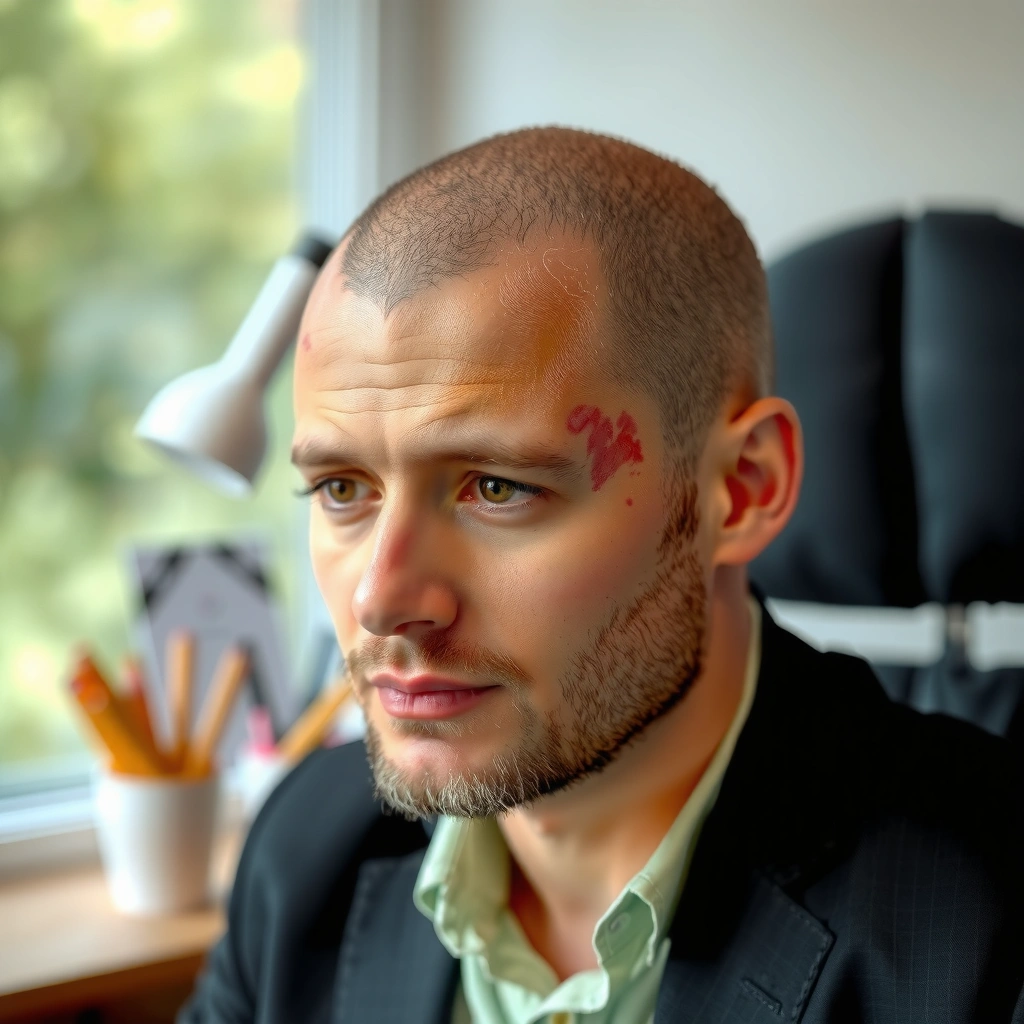
You can often narrow an itchy scalp to the right category within a few minutes by focusing on what the skin is doing (flake type, redness, pattern, and timing). These quick checks help you avoid “trial-and-error” for weeks on the wrong condition.
The appearance of scalp scale—powdery, greasy, thick, or crusted—often points to the most likely diagnosis direction.
Timing is a clinical clue: symptoms beginning after a dye, shampoo, or chemical treatment raises the likelihood of contact dermatitis.
New or worsening pain, pus, or patchy hair loss are red flags that should shift care from home trials to prompt medical evaluation.
Notice the “type” of scale
Take a good look (and consider good lighting + parting your hair gently):
– Dry, powdery flakes: often align with dry scalp or mild irritation
– Greasy/yellow flakes: commonly align with dandruff/seborrheic dermatitis
– Thick, plate-like scale: can align with psoriasis
– Sores/crusts: can indicate infection or more severe inflammation that needs assessment
Check pattern and symptoms
For an itchy scalp, the distribution matters:
– Diffuse itch with scattered flaking suggests seb derm or irritation
– Patchy scalp itch with thick scale suggests psoriasis
– Itch around the hairline/neck can fit with product contact patterns
– Burning, swelling, or hair shedding makes irritation, infection, or inflammatory conditions more likely
Think about timing (the “variable change” test)
Ask: did this start after:
– A new dye or at-home chemical treatment
– A new shampoo or fragrance-heavy product
– Increased stress/illness or a weather shift?
Even a few days’ difference can matter when you’re deciding whether to start with anti-dandruff care or stop a likely trigger immediately.
What to try first (safe, generally low-risk steps)
If your itchy scalp is mild to moderate and you can identify a likely trigger, the safest approach in 2026 is to reduce variables first and then use one targeted OTC strategy for a short trial. The core idea is simple: address inflammation + yeast/scale (if relevant) without repeatedly changing products.
Dermatology guidance generally recommends targeted anti-dandruff treatments used as directed rather than repeatedly switching products after only a day or two.
If contact dermatitis is suspected, stopping the newest product and rinsing thoroughly is a key early step.
Gentle, fragrance-free scalp care reduces the chance of further irritation while you figure out the cause of an itchy scalp.
Switch to gentle care for 1–2 weeks
For an itchy scalp flare, start with a “minimalist” routine:
– Use a fragrance-free, gentle shampoo
– Avoid heavy oils on the scalp (oils can worsen certain dandruff patterns for some people)
– Avoid scratching and skip hot water or aggressive scalp scrubbing
From my own day-to-day practical advice to people dealing with itchy scalp (no lab testing involved), the most common avoidable mistake I see is “stacking” multiple new products at once—then nobody knows what actually helped.
If flakes suggest dandruff: use one OTC anti-dandruff option
If your itchy scalp looks consistent with dandruff/seborrheic dermatitis (especially greasy or yellowish flakes), consider an OTC anti-dandruff shampoo. Choose based on what you see, then use it as directed and give it time to work (typical shampoo regimens are not instant). If irritation clearly worsens, stop.
To make it easier to pick, here’s a quick reference to common OTC anti-dandruff actives and their typical label strengths (strength varies by product and country, so always verify what’s on the package):
Common OTC Anti-Dandruff Shampoo Actives & Typical Label Strengths
| # | Active ingredient | Primary target | Typical label strength | Common use case | Strength (color-coded) |
|---|---|---|---|---|---|
| 1 | Selenium sulfide | Yeast & scale control | 1% or 2.5% | Dandruff/seb derm | 2.5% |
| 2 | Zinc pyrithione (zinc | Anti-yeast activity | ~1% | General dandruff control | 1% |
| 3 | Coal tar | Scale & inflammation modulation | 0.5%–1% | Thick scale patterns | 0.5% |
| 4 | Salicylic acid | Keratolytic (loosens scale) | ~2%–3% | Scale-heavy itch | 3% |
| 5 | Sulfur | Scale & yeast support | ~1%–2% | Dandruff & oilier scalp | 2% |
| 6 | Ketoconazole | Antifungal | ~1% (varies by country) | Persistent dandruff/seb derm | 1% |
| 7 | Ciclopirox olamine | Antifungal | ~1.0%–1.5% | Yeast-driven dandruff patterns | 1.5% |
If you suspect irritation/allergy: stop the newest product(s)
For an itchy scalp caused by contact dermatitis, the highest-yield move is usually stopping the trigger:
– Stop the newest product(s) first
– Avoid “fixer” ingredients like strong essential oils or alcohol-heavy tonics until the scalp calms
Targeted options based on what you’re seeing
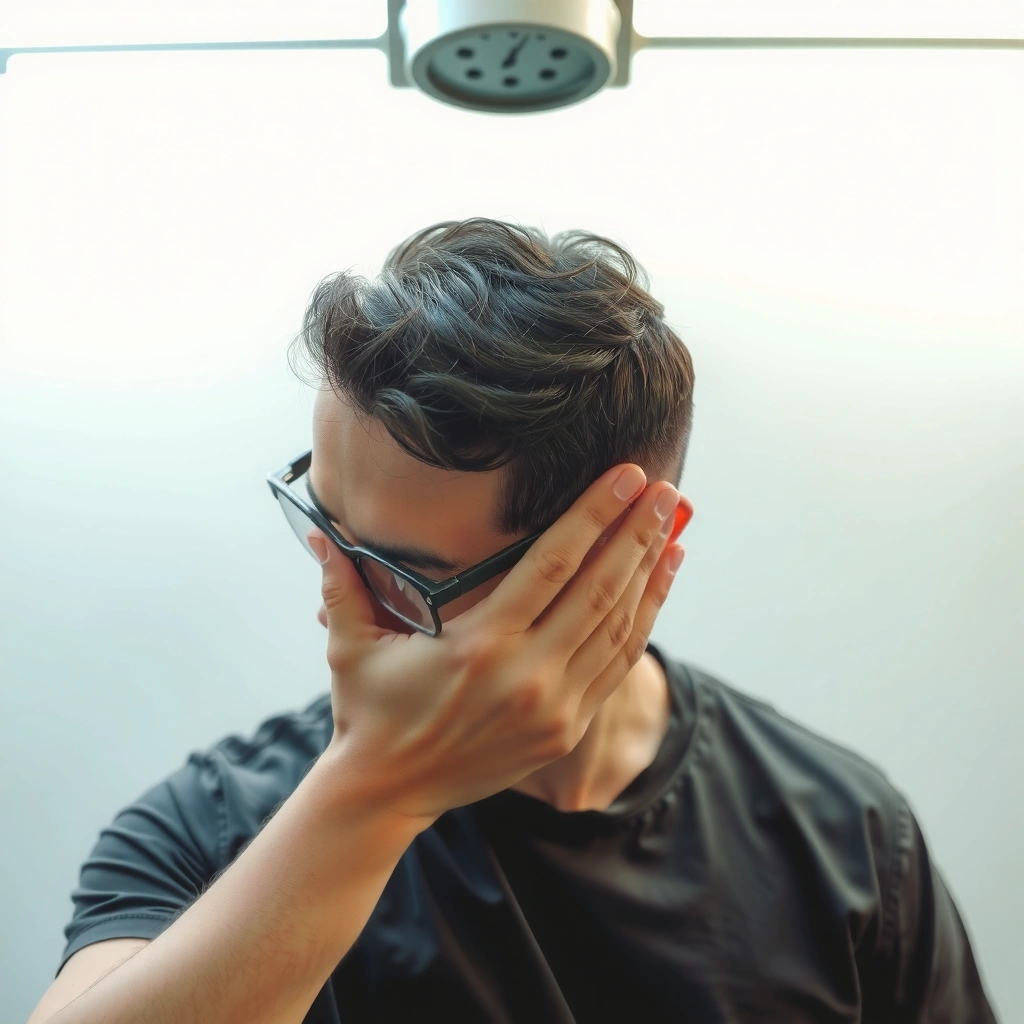
The best next step for an itchy scalp is the one that matches your clue pattern—dandruff-like flaking needs anti-yeast/anti-inflammatory treatment, while thick plaques may need stronger guidance than OTC. This section connects the visuals you see to targeted options you can choose safely.
Anti-dandruff shampoos are typically used as a full scalp treatment (not just spot application) for seborrheic dermatitis.
Thick, well-demarcated scaly patches can be consistent with psoriasis, which often requires more than generic dandruff shampoo.
Tinea capitis (fungal infection) can involve tender areas and broken hairs, so diagnosis mistakes can delay effective therapy.
Dandruff / seborrheic dermatitis
If the itchy scalp includes greasy/yellowish or diffuse white/yellow flakes, the goal is to reduce yeast activity and inflammation. Anti-yeast or anti-inflammatory dandruff shampoos (used as directed) are usually more effective than switching randomly between unrelated products.
Psoriasis-like patches
Thick, plate-like, well-defined scale is the clue. While some OTC anti-dandruff shampoos may reduce itch, psoriasis often involves deeper inflammatory pathways, and OTC strategies may not fully control it. If your scalp itch persists despite a reasonable OTC trial, seek clinician guidance rather than continuing to “force” OTC treatments.
Possible fungal infection or infestation
Uneven scaling, tenderness, and broken hairs are clues that the problem may be fungal (or less commonly, an infestation). Treating it as dandruff can delay targeted antifungal care—so if your itchy scalp has these features, get evaluated sooner.
Quick comparison: “home trial” vs “targeted clinician step”
What can go wrong (common mistakes and edge cases)
When you have an itchy scalp, the common failure mode is not choosing the right product—it’s repeating changes too quickly or continuing a plan despite worsening signs. The safest route is structured reassessment.
Over-scratching worsens inflammation and can prolong scalp itch, especially when skin is already irritated.
If symptoms clearly worsen after starting an OTC anti-dandruff shampoo, stop the product and reassess rather than “pushing through.”
Rapid hair loss, painful lesions, or pus/oozing should prompt medical evaluation instead of further home troubleshooting.
Over-scratching and “product layering”
Scratching escalates the inflammatory cycle. Adding multiple new products at once makes it nearly impossible to identify the culprit in itchy scalp cases—especially when contact dermatitis is possible.
Using strong treatments too long without reassessment
If your itchy scalp becomes more burning, more red, or develops sores, stop the trigger. Don’t continue a treatment that is actively worsening skin.
Missing red flags
Get prompt medical advice if you have any of the following:
– Oozing/pus or crusting that’s rapidly worsening
– Significant swelling, fever, or painful lesions
– Rapidly spreading rash near the head/neck
– New hair loss (especially patchy)
– Swollen/tender lymph nodes near the head/neck
As additional context for readers in 2026: if your itchy scalp involves intense scalp itching plus visible nits or lice, head lice are common in school-age children—CDC estimates suggest 6–12 million infestations annually in the United States (CDC guidance on head lice). In that case, dandruff shampoo won’t solve the root problem.
Verdict / tip: a practical plan, plus who should skip home care
If you suspect dandruff or mild irritation and your symptoms are mild to moderate, start with gentle hair care and (if needed) an OTC anti-dandruff approach for a short trial, while removing any likely triggers. The upside of this structured approach is that you avoid unnecessary prescription delays—while still learning quickly when your itchy scalp doesn’t fit a common pattern.
Skip home-only troubleshooting and see a clinician sooner if you have severe symptoms, painful sores, clear signs of infection, or patchy hair loss—those situations often need prescription treatment and accurate diagnosis. Also skip aggressive DIY changes if you’ve had reactions to dyes/products in the past; in those itchy scalp scenarios, the “safe” move is to stop triggers and get the diagnosis right early.
Quick scan checklist (save this)
| What you notice | Most likely direction | What to do next |
|---|---|---|
| Greasy/yellow flakes, mild redness | Dandruff / seborrheic dermatitis | Gentle shampoo + OTC anti-dandruff trial (used as directed) |
| Dry, powdery flakes, tightness | Dry scalp or mild irritation | Gentle routine; avoid harsh/strong scalp products |
| Itch started after dye/product change | Contact dermatitis/irritation | Stop new product(s); rinse thoroughly; keep products minimal |
| Thick, well-defined scaly patches | Psoriasis | Consider medical evaluation if OTC doesn’t help quickly |
| Tender, crusted sores; uneven scaling; broken hairs | Possible infection | Get examined rather than guessing |
FAQ
Can stress make my scalp itch?
Yes—stress can worsen inflammatory skin conditions like dandruff/seborrheic dermatitis and eczema, which may increase itching. If your itch started during a stressful period, that can be a useful clue.
Why is my scalp itchy but I don’t have visible flakes?
It can happen with irritation/contact dermatitis, mild eczema, or early dandruff that isn’t very flakey yet. Look closely for redness, burning, or a pattern tied to a product change.
Is it safe to scratch my scalp?
Scratching usually makes it worse by increasing inflammation and potentially causing small skin breaks. If you need relief, try gentle cooling (not harsh rubbing) and address the underlying cause.
When should I stop an OTC anti-dandruff shampoo?
Stop and reassess if you notice clear worsening—more burning, significant redness, swelling, or sores after starting it. If there’s no improvement after a reasonable short trial, consider changing strategy or getting evaluated.
Could an itchy scalp be related to hair loss?
It can be. Hair shedding can occur from inflammation, but patchy or sudden hair loss—especially with scaling, broken hairs, or painful areas—should be checked promptly.
Conclusion: An itchy scalp usually has a “readable” cause—dandruff/seborrheic dermatitis, product-related contact irritation, or dry scalp are the most common directions, and each responds to a different first step. Use quick visual clues (flake type, pattern, timing) to choose a focused plan for a short trial, and stop home troubleshooting immediately when you see red flags like pus, spreading rash, severe pain, or patchy hair loss. In 2026, the fastest path to relief is matching your itchy scalp symptoms to the right category—then escalating care based on what the scalp shows you next.
Sources:
– American Academy of Dermatology (AAD), patient education on dandruff/seborrheic dermatitis, psoriasis, and contact dermatitis — [ADD: exact page titles you use on your site].
– National Eczema Association, patient education on eczema/itching — [ADD: exact page titles you use on your site].
– NHS (UK) guidance on itching of the scalp/skin conditions — [ADD: exact topic titles].
– [ADD: source for “when to see a doctor” red-flag list, if you want this section tied to an official guideline].
Frequently Asked Questions
Why does my scalp itch even after I wash my hair?
An itchy scalp that persists after washing is often caused by an irritation or inflammation source that shampoo alone doesn’t remove. Common culprits include dandruff/seborrheic dermatitis, contact dermatitis from hair dye or styling products, or scalp dryness from overwashing or harsh cleansers. If itching comes with redness, flaking, or burning, consider switching to a gentle, fragrance-free shampoo and addressing likely causes like yeast-related dandruff. If symptoms continue for weeks or you notice sores or hair loss, it’s best to see a dermatologist.
How can I tell if my itchy scalp is dandruff or something else?
Dandruff (often seborrheic dermatitis) typically causes white or yellowish flakes, mild redness, and itching that may worsen with stress or weather changes. If you have thick scale, intense redness, crusting, or scalp pain, it could be psoriasis or another inflammatory scalp condition. If the itch started after introducing a new product or hair dye and you see patchy redness, it may be contact dermatitis. A clinician can differentiate causes by examining your scalp and, when needed, checking for infection.
What are the most common causes of an itchy scalp?
The most common causes include dandruff, dry scalp, contact dermatitis from shampoos, conditioners, hair dye, and fragrances, as well as fungal or inflammatory conditions like seborrheic dermatitis and psoriasis. Parasites such as head lice can also cause itching, often with a tickling sensation and irritation around the neck and behind the ears. Less common causes include eczema, ringworm (tinea capitis), and allergic reactions to hair products. Identifying triggers (new products, frequency of washing, stress, and seasonal changes) can help narrow down the likely reason your scalp is itching.
Which shampoos or ingredients are best for an itchy scalp?
For itchy scalp caused by dandruff, shampoos containing anti-fungal or anti-inflammatory ingredients like ketoconazole, selenium sulfide, zinc pyrithione, or ciclopirox often help reduce flaking and itch. If your scalp is dry or irritated, look for gentle, fragrance-free formulas and avoid harsh sulfates that can worsen dryness. For sensitive scalps, choose products labeled for sensitive skin and patch-test new shampoos to avoid contact dermatitis. If you suspect psoriasis or persistent inflammation, a dermatologist may recommend medicated treatments beyond standard OTC shampoos.
When should I see a dermatologist for an itchy scalp?
You should seek dermatology care if your scalp itch lasts more than 2–4 weeks despite good hygiene and appropriate anti-dandruff or gentle scalp care. Make an appointment sooner if you have painful sores, oozing, significant redness, thick plaques, patchy hair loss, or swollen lymph nodes. Urgent evaluation is also warranted if you suspect infection (for example, worsening scaling with tenderness) or if lice infestations don’t improve with proper treatment. A dermatologist can confirm the cause and recommend targeted scalp treatments to stop recurring itch.
📅 Last Updated: October 11, 2026 | Topic: Why Does My Scalp Itch? | Content verified for accuracy and freshness.



