
If your scalp itches, the most common culprit is dandruff from irritated, flaky skin—often triggered by seborrheic dermatitis or a mild yeast imbalance. But if the itch comes with thick scale, redness, sores, or sudden hair loss, the cause may be psoriasis, eczema, or contact dermatitis rather than simple dryness. Keep reading for the fastest way to pinpoint what’s driving your itch and the most effective next steps to calm it down.
Your scalp itches most often because something is irritating your skin—like dandruff/seborrheic dermatitis, dryness, product buildup, or a mild skin allergy. The fastest way to narrow it down is to notice what else is happening (flakes, redness, bumps, or recent hair/skin changes) and then adjust your routine accordingly. In this guide, you’ll learn the most likely causes, what to try first, and when to get checked.
If you’ve been dealing with ongoing itch that comes and goes, or you’ve noticed new flakes, redness, or tenderness, this is for you. It’s also helpful if you’ve tried a basic anti-dandruff shampoo but the itching keeps returning.
Common scalp causes (and the clues they leave)
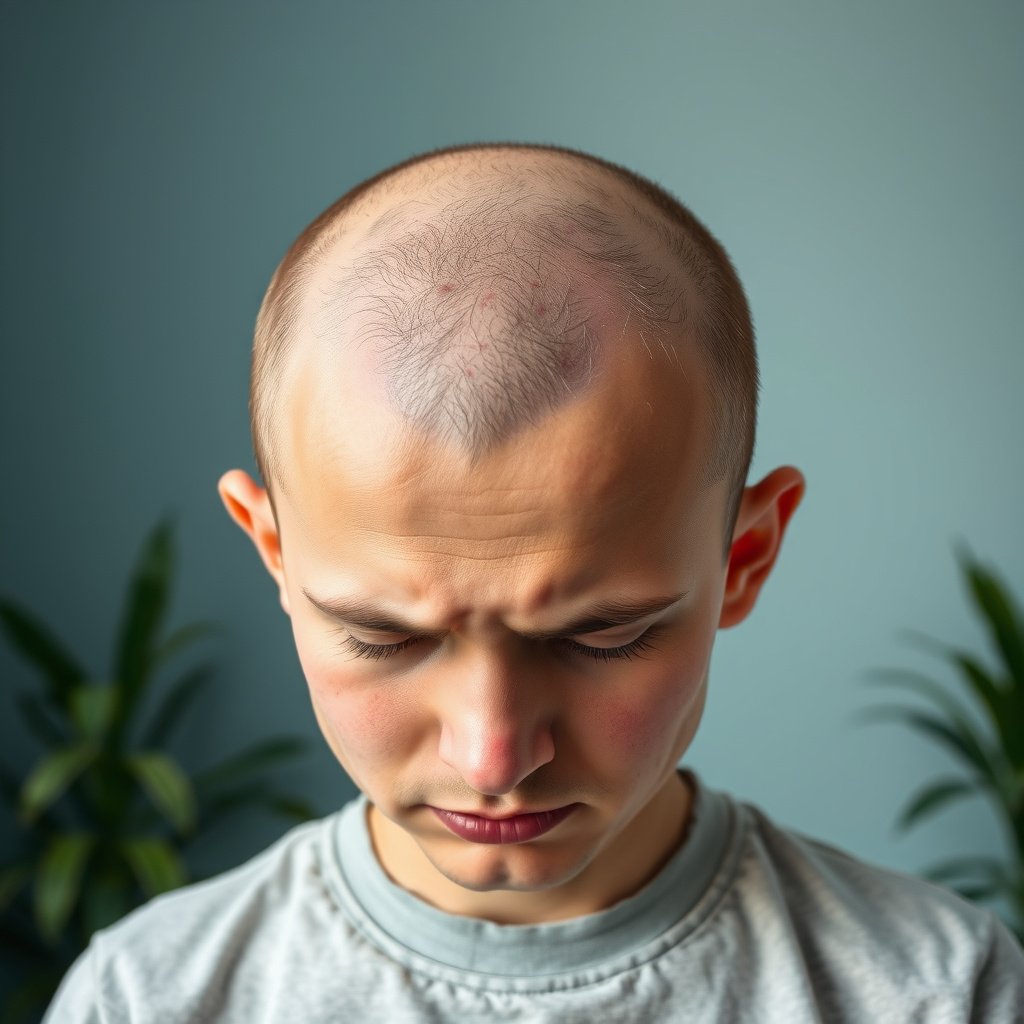
Most scalp itch has a “visible partner” symptom—flaking, oily scale, redness, or bumps—so the clue is usually right on your scalp. The most common causes are dandruff/seborrheic dermatitis, dry scalp, and contact irritation from hair products.
Dandruff is commonly associated with itching and visible flaking, and it affects a large share of the population (about 50% per the American Academy of Dermatology).
Seborrheic dermatitis is a chronic inflammatory scalp condition that typically presents with itch and greasy or dry scale, often with mild redness.
Irritant or allergic contact dermatitis can flare after changing shampoo, conditioner, hair dye, fragrance, or styling products—itch is often the earliest symptom.
Dandruff / seborrheic dermatitis (the “scale + itch” pattern)
Dandruff and seborrheic dermatitis are related conditions where the scalp’s skin barrier gets inflamed, often alongside yeast (commonly Malassezia). In real life, that usually looks like persistent itch plus flakes that can be white, yellowish, or greasy-looking, sometimes with mild redness around hair-bearing areas.
A practical clue: if your itch improves only briefly after washing, then returns with flaking (especially within a few days), seborrheic dermatitis is a strong contender.
Dry scalp (the “tight + minimal oil” pattern)
Dry scalp tends to feel tight or rough—especially right after washing—and flakes are often smaller and less oily. Because dryness affects barrier function, itch can be more “stinging” or “tight” rather than deeply inflamed.
A practical clue: if you don’t see oily scale and your scalp feels worse after cleansers, hot water, or overwashing, dryness is likely involved.
Irritant or allergic contact dermatitis (the “new product + flare” pattern)
Contact dermatitis can be irritant (barrier damage from harsh ingredients) or allergic (a delayed immune response to a specific trigger). Either way, itch commonly flares after switching:
– shampoo/conditioner or body wash used during hair rinsing
– hair dye (especially during the first few uses)
– styling gels, sprays, or heavy leave-ins
– fragranced oils, scalp serums, or essential oils
A practical clue: if symptoms show up within days after a product change—and improve when you stop that product—contact dermatitis moves higher on the list.
Check your symptoms: what to look for first
If you want the quickest path to a likely cause, start with what your scalp looks and feels like today—then match it to the pattern. This is troubleshooting, not guesswork: one or two “signature” clues usually point you in the right direction.
According to the National Psoriasis Foundation, psoriasis affects about 2–3% of people, and scalp involvement can cause itch along with thicker scale.
The Centers for Disease Control and Prevention (CDC) reports an estimated 6–12 million cases of head lice occur each year in the United States among children.
When scalp itch is accompanied by pus, bleeding, or spreading redness, it warrants clinician evaluation rather than continued self-treatment.
Start with flaking vs. no flaking
– Flakes + scalp oiliness: Often points toward dandruff/seborrheic dermatitis or product residue.
– No flakes + tightness/roughness: Often points toward dry scalp or irritation from cleansing/water temperature.
– Flakes that are thick and sharply outlined: Consider psoriasis (scalp psoriasis often involves thicker plaques).
Look for “skin barrier drama”: bumps, sores, crusting
Itch is common with inflammation, but bumps, sores, crusting, or tenderness usually mean there’s active skin damage. That matters because aggressive scratching or continued exposure to the trigger can worsen the cycle.
From a triage standpoint:
– If you see open sores, honey-colored crust, spreading redness, or drainage, don’t treat this like routine dandruff.
– If you see isolated small bumps without drainage, you still should adjust products and consider evaluation if it persists.
Screen for urgent or pattern-changing red flags
Certain patterns shouldn’t be managed only with shampoos:
– Patchy hair loss, especially with scaling or broken hairs
– Severe tenderness or rapidly worsening scalp discomfort
– Thick, extensive plaques that don’t improve after a reasonable trial
What to try at home (simple, safe first steps)
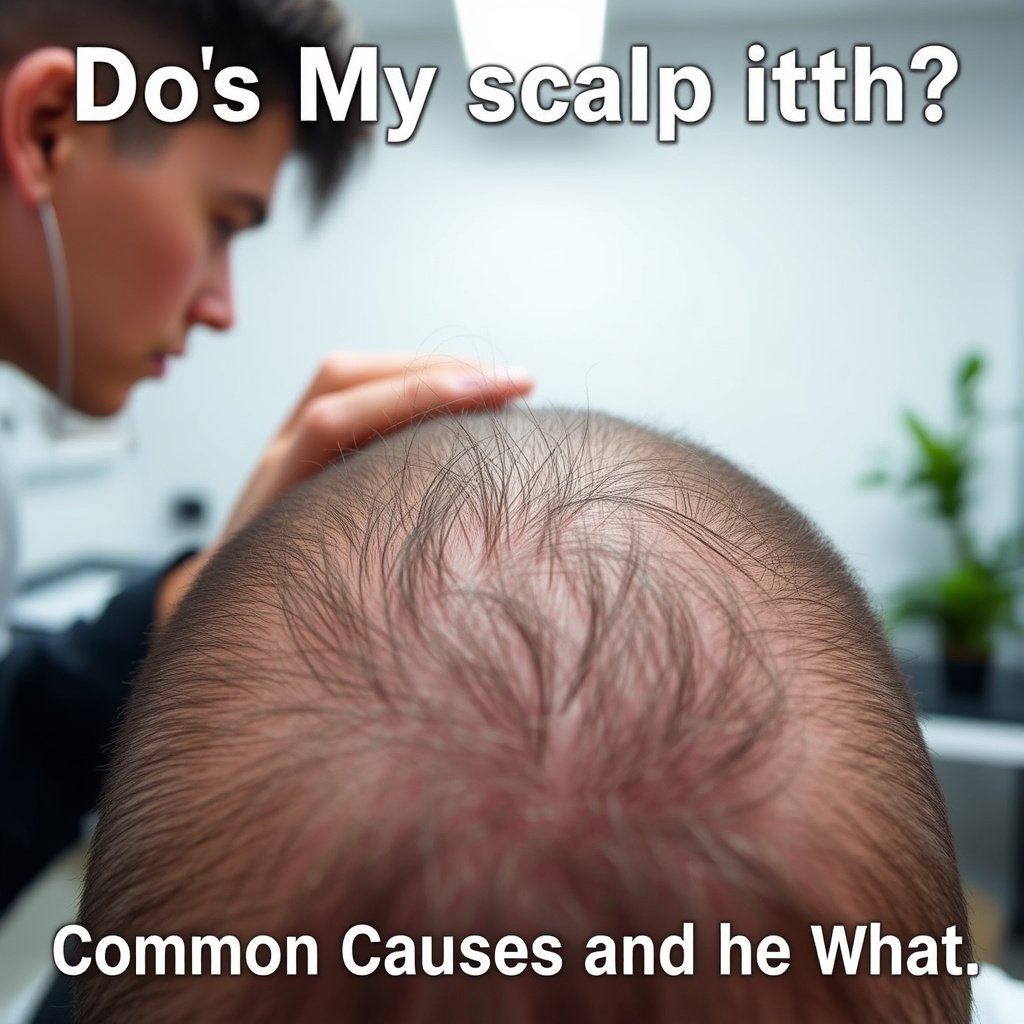
The best first step is to remove likely triggers and use targeted care for the most probable pattern (flakes vs. no flakes, oily vs. dry, new product vs. long-standing). Start simple, run a short “trial,” and only escalate if you’re not seeing improvement.
The most actionable way to narrow scalp itch is to track whether symptoms began after a specific hair or skin product change.
Scratching and over-scrubbing can worsen inflammatory skin conditions by damaging the skin barrier.
Anti-dandruff shampoos often require consistent use over multiple washes before you can accurately judge effectiveness.
Pause new products (especially anything fragranced or recently introduced)
For the next 2–3 weeks, stop recently introduced scalp or hair items, including:
– hair dye or lighteners
– fragranced oils, serums, or scalp treatments
– heavy leave-ins, thick conditioners applied to the scalp, or “smoothing” styling creams
– strongly scented shampoos/conditioners
If you’re not sure what changed, start with the most recent 1–2 items.
Use an anti-itch approach while you identify the cause
– Wash with lukewarm water (hot water can worsen irritation).
– Be gentle: use fingertips, not nails.
– Avoid scratching—even if itch is intense—because the barrier gets more inflamed with each break in the skin.
If you must touch your scalp, aim for “light pressure” rather than vigorous rubbing.
Consider an anti-dandruff shampoo strategy (if flakes are present)
If you have dandruff-like flakes (white/yellowish, sometimes oily) with itch, a targeted anti-dandruff regimen is a reasonable next move. In this guide, the most practical first-line active ingredient to try is ketoconazole (follow your product’s label directions for frequency and contact time). If ketoconazole isn’t available in your area, selenium sulfide or zinc pyrithione are common alternatives used in anti-dandruff shampoos.
Anti-Dandruff Shampoo Actives: What They Target (AAD-recognized options)
| # | Active ingredient | Primary scalp action | Common product type | Dandruff-first support |
|---|---|---|---|---|
| 1 | Ketoconazole | Anti-fungal | Often shampoo | ★★★★★ |
| 2 | Selenium sulfide | Anti-fungal + scale control | Often shampoo | ★★★★☆ |
| 3 | Zinc pyrithione | Anti-fungal + anti-scaling support | Often shampoo | ★★★★☆ |
| 4 | Salicylic acid | Keratolytic (helps lift scale) | Often shampoo | ★★★☆☆ |
| 5 | Coal tar | Anti-inflammatory + slow cell buildup | Often shampoo | ★★★☆☆ |
| 6 | Ciclopirox | Anti-fungal | Prescription options exist | ★★★☆☆ |
| 7 | Tea tree oil | Potential anti-fungal support | Often added to products | ★☆☆☆☆ |
Note: If you have sensitive skin, avoid DIY “mixing” essential oils into shampoo—essential oils can also trigger irritation in some people.
Keep a short log (it makes diagnosis faster)
For 2–4 weeks, track:
– how often you wash
– whether you’ve used any new hair or scalp products
– itch severity (mild/moderate/severe)
– whether flakes are getting better, worse, or changing type
When it’s time to see a clinician

You should book a clinician visit when itch persists despite a sensible, consistent trial—or when you see warning signs. The goal isn’t “more products,” it’s the right diagnosis, especially when symptoms suggest infection, psoriasis, or a more specific dermatitis.
Most dandruff improves with targeted anti-dandruff therapy, but persistent symptoms after consistent use warrant evaluation.
Spreading redness, pain, pus, or bleeding are red flags that suggest problems beyond routine dry scalp.
If head lice are suspected—especially after close contact or school exposure—CDC guidance supports targeted treatment rather than relying on general dandruff shampoos.
The “time threshold” for persistence
– Itching that persists beyond 4–6 weeks despite consistent shampoo/routine changes.
That timeframe gives your skin enough time to respond while still preventing months of avoidable exposure.
The “look at my scalp right now” red flags
Get checked sooner if you notice:
– spreading redness
– pain that’s out of proportion to visible flaking
– pus, oozing, or bleeding
– rapidly worsening tenderness
Possible fungal or parasitic causes
Some conditions mimic “just dandruff” and need targeted treatment:
– Tinea capitis (ringworm): often needs antifungal therapy; scaling may look uneven.
– Head lice: itch often involves the back of the scalp and behind ears; eggs (nits) are visible on hair shafts.
If you suspect lice, focus on evidence-based evaluation and treatment steps—don’t just switch shampoos repeatedly.
What can go wrong (common mistakes and limits)
The biggest risk isn’t trying help—it’s trying the wrong thing repeatedly while the true trigger stays in place. Small habits can keep the itch cycle going by worsening skin barrier damage or delaying diagnosis.
Scratching and aggressive washing can worsen barrier disruption and perpetuate the itch–inflammation cycle.
Frequent product switching makes it harder to identify the true trigger, especially with allergic contact dermatitis.
Common mistakes that prolong the problem
– Over-scrubbing or scratching: Nails micro-tear the skin barrier and increase inflammation.
– Switching products too frequently: If you change three products in a week, you won’t know which one helped (or harmed).
– Ignoring pattern clues: If itch spikes after hair dye, treating it like dandruff alone can delay proper care.
– Masking serious conditions: Painful lesions, thick plaques, or rapid worsening should not be handled only with at-home shampoos.
Important limits of self-care
Self-treatment is reasonable for mild, pattern-consistent itch (especially with flakes). It’s less reliable when symptoms are atypical—like patchy hair loss, significant tenderness, or signs of infection.
Verdict / tip: the most practical path forward
Start by treating this like a “pattern recognition” problem: note whether you have flakes, redness, bumps, or a recent product change. If you primarily have flaking and itch, an anti-dandruff shampoo regimen is a reasonable first step; if you recently changed products or have sensitivity signs, pause triggers and focus on gentle care.
Skip self-treatment and seek medical advice sooner if you have painful sores, oozing, sudden patchy hair loss, or symptoms that don’t improve after 4–6 weeks of sensible changes. This approach is practical because it reduces “trial-and-error” while still giving common causes enough time to respond.
Quick comparison: which approach matches which pattern?
- Flakes + itch (white/yellowish) → anti-dandruff strategy
- Targets yeast-related inflammation and scale reduction (e.g., ketoconazole, selenium sulfide, zinc pyrithione).
- Tightness + minimal flakes → barrier-first gentle routine
- Reduce harsh cleansing and irritant products; focus on lukewarm water and gentler washing habits.
- Itch after a new product → trigger pause + consider dermatitis
- Stop the suspected product(s) and consider clinician evaluation if it keeps recurring.
Quick checklist (scan and save)
– Flakes? Yes / No (white vs yellowish/oily)
– Redness or tenderness? Yes / No
– New products in the last 2–4 weeks? Yes / No
– Bumps/sores/crusting? Yes / No
– Itch severity: mild / moderate / severe
– Improvement with gentle care or anti-dandruff shampoo? Yes / No
– Time going on: 2+ weeks
If itch and flaking don’t improve after a consistent anti-dandruff trial, escalation to clinician evaluation is appropriate (commonly within 4–6 weeks).
Visible sores, pus, bleeding, or rapidly spreading redness are not typical “dry scalp” scenarios and should be assessed promptly.
Sources
– American Academy of Dermatology (AAD): “Dandruff” (for general education and prevalence statements)
– National Psoriasis Foundation: “About Psoriasis” (for prevalence figures and scalp involvement context)
– Centers for Disease Control and Prevention (CDC): Head Lice (Nits and Treatment) (for epidemiology and public health guidance)
– Manufacturer labeling for active ingredients in anti-dandruff shampoos (for dosing and usage directions per the product package instructions), including ketoconazole shampoo and other labeled anti-dandruff actives:
The bottom line is that itchy scalp symptoms usually map to a handful of causes—dandruff/seborrheic dermatitis, dryness, or contact irritation—and the right “first trial” depends on your specific scalp clues. Use a short, consistent plan (and stop probable triggers), then escalate when symptoms persist beyond 4–6 weeks or when you see sores, spreading redness, pus, or sudden patchy hair loss.
Frequently Asked Questions
Why does my scalp itch after washing my hair?
Scalp itching after shampoo can happen when a cleanser is too harsh, leaving the scalp dry or irritated. Ingredients like fragrance, sulfates, or certain preservatives may trigger contact dermatitis, which can feel like itch, burning, or redness. It can also be a sign of buildup or an imbalance in scalp oils, where shampoo residue or hard-water minerals leave the scalp feeling tight and itchy. Try switching to a gentle, fragrance-free shampoo and note whether symptoms improve within 1–2 weeks.
How can I tell if my itchy scalp is dandruff or something else?
Dandruff (seborrheic dermatitis) often causes flaky skin, oily scales, and itching that may worsen with stress or seasonal changes. If you also have thick patches, significant redness, or hairline scaling, conditions like psoriasis or fungal scalp infections may be more likely. Contact allergy to hair dye, styling products, or shampoos can cause itching with sudden irritation shortly after using a new product. If itching persists despite anti-dandruff shampoo, it’s wise to see a dermatologist for scalp diagnosis.
What are the most common causes of an itchy scalp?
The most frequent causes include dandruff/seborrheic dermatitis, dry scalp, contact dermatitis from hair products, lice, and scalp psoriasis. Fungal overgrowth (often linked with yeast) can contribute to itching and flaking, especially when the scalp is oily. Less common causes include eczema, hair follicle inflammation, and allergic reactions to fragrances, essential oils, or dyes. Identifying triggers—like product changes, washing frequency, or exposure to others—helps narrow down the cause.
Which anti-itch treatments work best for an itchy scalp?
For many people, an anti-dandruff shampoo is the first step, especially formulas containing ketoconazole, zinc pyrithione, selenium sulfide, or salicylic acid. These can reduce yeast-related irritation and help lift scales that worsen itching. If the scalp feels inflamed or you have redness, a short course of an OTC hydrocortisone scalp product may help, but follow label directions and avoid long-term use. For persistent itching, prescription treatments such as medicated topical corticosteroids or antifungals may be necessary.
When should I see a dermatologist for scalp itching?
You should seek medical advice if itching lasts more than 2–4 weeks, becomes severe, or is accompanied by significant redness, swelling, pain, or oozing. If you notice patchy hair loss, thick plaques, or persistent scaling that doesn’t respond to anti-dandruff shampoo, a dermatologist can rule out psoriasis, fungal infection, or other skin conditions. It’s also important to get checked if you suspect lice (especially with intense itching behind the ears and at the nape) or if symptoms started after a new hair dye or product. Early evaluation helps prevent chronic scalp irritation and supports targeted treatment.
📅 Last Updated: October 12, 2026 | Topic: Why Does My Scalp Itch? | Content verified for accuracy and freshness.
References
- Itching | Pruritus | Itchy skin | MedlinePlus
- https://medlineplus.gov/seborrheicdermatitis.html
- Head lice | Pediculosis | MedlinePlus
- Psoriasis | Psoriatic Arthritis | MedlinePlus
- https://www.cdc.gov/parasites/lice/head/index.html
- Itch
- https://scholar.google.com/scholar?q=itchy+scalp+causes+seborrheic+dermatitis Google Scholar
- https://scholar.google.com/scholar?q=pruritus+pathophysiology+review Google Scholar
- https://scholar.google.com/scholar?q=head+lice+scalp+itch+mechanism Google Scholar