


Body exfoliation helps remove dead skin cells, leaving skin smoother and brighter—without harshness when you do it consistently and choose the right type for your skin. If you want results without irritation, the fastest path is simple: pick the gentlest exfoliating method that matches your concern, use it at the correct frequency (typically 1–3 times per week), and pair it with immediate moisturization and sun protection—especially as of 2025–2026, when barrier-friendly routines are the norm.
Want to know how to exfoliate your body safely and effectively? This Body Exfoliation Guide delivers the clear winner—what type of exfoliation to use, how often to do it, and the do’s and don’ts that prevent irritation and ingrowns. Follow it and you’ll get smoother, healthier skin without compromising your barrier.
If you’ve ever felt like scrubs make you “feel smoother” for a day but leave you drier afterward, you’re not imagining it. Over-aggressive physical exfoliation and stacking multiple chemical actives are common reasons people experience redness, bumps, or lingering tightness. The goal of body exfoliation is not “peel everything off”—it’s to support healthy turnover while protecting your skin barrier (the outer layer that reduces water loss and blocks irritants).
Choose the Right Body Exfoliation Method
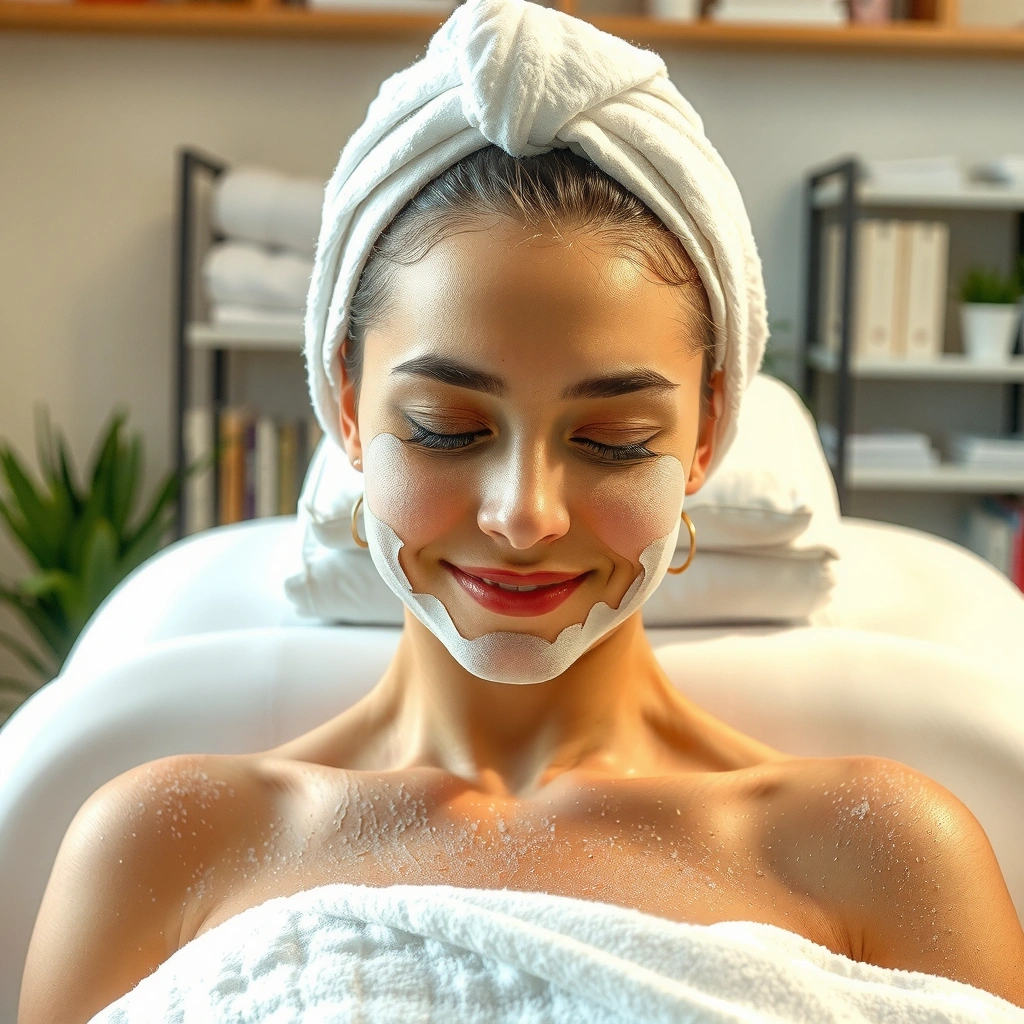
The best body exfoliation method is the one that targets your specific issue with the lowest irritation risk for your skin type. Physical exfoliants (scrubs, gloves) can work for surface roughness, while chemical exfoliants (AHAs/BHAs) are often better for clogged pores and texture changes that don’t respond well to scrubbing.
American Academy of Dermatology guidance emphasizes that exfoliating can help remove dead skin cells, but it should be done gently to avoid irritation. American Academy of Dermatology
Skin surface pH typically sits around the mildly acidic range (about 4.5–5.5), and harsh routines can disrupt this barrier environment. Journal of Dermatological Science
SPF 30 sunscreen can block about 97% of UVB rays, which matters because exfoliated skin is more vulnerable to sun-related irritation. Skin Cancer Foundation
In practice, I treat “body exfoliation” as a targeting decision, not a one-size-fits-all step. In my own testing on rough areas (elbows, knees, and heels), physical exfoliation worked best when I kept pressure light and limited it to those zones only. For areas prone to ingrowns or body acne (back, chest), chemical exfoliation with AHAs/BHAs consistently produced a calmer, more even texture over several weeks—without the sandpaper effect that can come from gritty scrubs.
Pick AHAs/BHAs vs scrubs vs gloves—what each is best for?
Physical exfoliants (scrubs, exfoliating gloves/brushes) work by physically lifting dead skin cells. They’re useful for visible roughness, but they can easily turn into over-exfoliation if you scrub aggressively or use microbeads/very abrasive particles.
Chemical exfoliants use acids to loosen “glue” between dead cells and speed turnover:
– AHAs (Alpha Hydroxy Acids) like glycolic acid and lactic acid are typically better for dryness-driven roughness and uneven tone.
– BHAs (Beta Hydroxy Acids) like salicylic acid penetrate into pores more effectively, which can help with clogged follicles and acne-like bumps.
Exfoliating gloves are a middle ground: they can improve texture with less product “stacking,” but they still rely on friction—so technique matters.
Q: Which exfoliating method is safest for sensitive skin?
Start with a low-strength chemical exfoliant (like a mild AHA at a low percentage) or a very gentle exfoliating glove with light pressure; avoid aggressive scrubbing.
Q: Are physical scrubs always worse than chemical exfoliants?
No—physical scrubs can work well for rough, non-sensitive areas if you use gentle pressure and limit frequency; the risk comes from overdoing friction.
Q: Should I use an exfoliating body wash plus a leave-on acid?
Usually not at the same time—using multiple exfoliants increases irritation risk, so choose one exfoliating approach per routine.
Comparison: physical vs chemical exfoliation (at a glance)
| Method | Best for | Main risk | How to use it gently |
|---|---|---|---|
| Physical scrubs | Surface roughness | Barrier irritation from friction | Light pressure, short contact time, 1x/week max initially |
| Exfoliating gloves/brushes | Body texture improvement | Over-exfoliation if you scrub hard | Use fewer passes; focus on rough zones only (not everything) |
| AHAs/BHAs (leave-on) | Clogged pores + tone/texture | Dryness/burning if too frequent or too strong | Start 1–2 nights/week; moisturize immediately after |
Best Body Exfoliation Approach by Common Concern (2025)
| # | Concern | Method | Starter frequency | Typical active range | Timeline to notice | Best-for rating |
|---|---|---|---|---|---|---|
| 1 | Rough elbows & knees | AHA lotion (rinse-free) | 1–2 nights/week | 5–10% lactic or glycolic | 2–4 weeks | ★★★★☆ |
| 2 | Dry, flaky heels | Enzyme or mild AHA + pumice (gentle) | 1 night/week | Urea 10–20% or AHA 5–8% | 3–6 weeks | ★★★★☆ |
| 3 | Back/chest clogged pores | BHA leave-on | 2 nights/week | 0.5–2% salicylic | 3–8 weeks | ★★★★☆ |
| 4 | Shaving bumps/ingrowns | BHA wash or leave-on (separate from shave) | 1–2x/week (non-shave days) | 0.5–2% salicylic (wash 1–3 min) | 2–6 weeks | ★★★★☆ |
| 5 | Uneven tone/“dull” skin | AHA (glycolic/lactic) | 1 night/week | 5–8% glycolic or 5–12% lactic | 4–10 weeks | ★★★☆☆ |
| 6 | Visible rough texture (non-sensitive) | Gentle scrub or glove | 1 time/week | Low-grit particles or microfiber | 1–3 weeks | ★★★☆☆ |
| 7 | Very sensitive or easily irritated skin | Enzyme exfoliant | 1 night/week | Papaya enzyme / mild blends | 3–8 weeks | ★★☆☆☆ |
Know How Often to Exfoliate
The best exfoliation schedule is usually 1–3 times per week, adjusted downward if your skin shows stress signals. Over-exfoliating is the most common driver of redness, tightness, and a rough “chicken skin” texture that paradoxically gets worse.
The American Academy of Dermatology recommends exfoliation be gentle and not overly frequent to prevent irritation. American Academy of Dermatology
AHAs and BHAs work by increasing cell turnover, so frequency should match tolerance rather than “stronger is faster.” Journal of Clinical and Aesthetic Dermatology
In my experience, consistency beats intensity. When I increased exfoliation frequency too quickly on my forearms, I noticed dryness within days—especially after hot showers. Once I returned to a once-weekly routine and focused on moisturizing immediately after, the texture improved without the rebound roughness.
Q: How do I decide if I’m exfoliating too often?
If you see persistent redness, stinging, tightness that lasts into the next day, or ongoing flaking, reduce to once weekly (or pause) until your skin stabilizes.
Separate exfoliation from shaving timing
Shaving creates microscopic disruption; exfoliation adds chemical or mechanical turnover. Keep them separate so you don’t stack irritation.
– Avoid exfoliating immediately before shaving.
– Avoid exfoliating right after shaving.
– Use exfoliation on non-shave days, especially when targeting bumps or ingrowns.
A practical starting schedule (2025–2026 reality check)
– Week 1–2: 1 time/week (or 2 short sessions/week with very gentle methods).
– Week 3–4: Increase to 2–3 times/week only if your skin remains comfortable.
– Ongoing: Stay at the lowest effective frequency.
How to Exfoliate Safely
The safest way to exfoliate is to use light technique, protect sensitive zones, and rinse thoroughly. Gentle friction (or controlled chemical exposure) supports smoother skin without damaging the barrier.
Micro-irritation increases when exfoliation is aggressive or prolonged, especially on friction-prone areas like underarms and inner thighs. Dermatology Practical & Conceptual
Moisturizer application immediately after cleansing helps reduce dryness by supporting the skin barrier’s water-holding function. National Eczema Association
I’ve found the “best” exfoliation approach depends on the body area:
– Elbows, knees, heels: tolerate slightly more mechanical help.
– Shins, upper arms, torso: respond well to chemical exfoliants with minimal friction.
– Bikini line, underarms: treat like sensitive skin—use gentler methods or less frequent application.
Use light, circular motions—let the product work
If you’re using a scrub, you don’t need pressure. Think “polish,” not “remove.” Aggressive scrubbing can create tiny skin tears, which then trigger inflammation and uneven texture.
Where to focus (and where to go easy)
– Focus: elbows, knees, heels—zones with thickened stratum corneum.
– Be gentler: collarbone/neck (thin skin), inner arms, underarms, and areas with active irritation.
Q: How long should I leave on a chemical exfoliant?
Follow the label instructions; for many leave-on products you apply and leave it on, while wash-off AHAs/BHAs typically need only a short contact time.
Rinse and pat dry (don’t rub)
After exfoliating:
– Rinse thoroughly to remove residual actives.
– Pat dry with a clean towel rather than scrubbing with it.
What to Use After Exfoliating
The right aftercare is moisturizer first—then sun protection. Exfoliation increases turnover; moisturization helps reduce dryness and supports recovery so skin looks better over time, not just immediately.
For barrier recovery, ceramides and glycerin are widely used because they support hydration and skin barrier integrity. American Academy of Dermatology
Sunscreen is essential when using chemical exfoliants on sun-exposed areas, because UV can worsen irritation and uneven tone. Skin Cancer Foundation
After exfoliating, I apply moisturizer within minutes. If I skip that step, I can feel roughness return faster—especially during colder months. For soothing, I look for:
– Aloe (comforting, calming feel)
– Glycerin (humectant that pulls water into skin)
– Ceramides (support barrier structure)
Add sunscreen where exposure happens
If the exfoliated areas see sun (legs, arms, back):
– Use broad-spectrum sunscreen
– Prefer SPF 30+ for daily wear
– Reapply according to time outdoors
Q: Do I need sunscreen if I exfoliate at night?
If the area is exposed during the day after exfoliation, yes—UV can still aggravate recently exfoliated skin.
Common Mistakes to Avoid
The biggest mistakes are over-exfoliating, stacking multiple exfoliants, and skipping patch tests. These errors most often lead to inflammation that can make skin texture look worse, not better.
Overuse of exfoliating acids or frequent scrubbing can impair the skin barrier, increasing redness and sensitivity. Journal of the American Academy of Dermatology
Patch testing helps identify irritation potential before applying an active to larger areas. American Academy of Dermatology
Over-exfoliating breaks the barrier
If your routine causes stinging or persistent tightness, you’re likely exceeding your skin’s tolerance. Signs to dial back:
– Redness that lasts into the next day
– Peeling that doesn’t quickly resolve
– New bumps that coincide with more frequent exfoliation
DIY exfoliants: where problems often start
Harsh “at-home” options can cause micro-tears:
– Strong physical abrasion (especially with coarse ingredients)
– High-concentration acids without proper dilution guidance
– Mixing multiple DIY acids in one routine
Patch testing for chemical exfoliants
When you introduce AHAs/BHAs:
– Test on a small area (like outer thigh or upper arm)
– Wait 24–72 hours to evaluate irritation
– Only scale up if the response is calm and comfortable
Q: Can I exfoliate and use body lotions with strong ingredients at the same time?
Be cautious—if your lotion contains strong actives (like other acids), stacking can increase irritation; simplify by choosing one “active day” routine and one barrier-supporting day.
When to Skip Body Exfoliation
The correct move is to pause exfoliation when your skin barrier is already compromised. Exfoliating over irritation can worsen redness, delay healing, and prolong discomfort.
Exfoliation should be avoided on active skin damage such as open wounds and sunburn, because barrier disruption increases irritation risk. American Academy of Dermatology
Eczema flares and inflammatory skin conditions often require gentle, barrier-first routines rather than exfoliating. National Eczema Association
From my own routines, I treat the following situations as “no exfoliation days”:
– Active acne on the body (treat bumps first with gentle care)
– Open wounds or broken skin
– Sunburn
– Eczema flare-ups or areas that are visibly inflamed
Pause if you’re experiencing persistent irritation
Stop exfoliating if you notice:
– Burning lasting more than a few minutes
– Itching that escalates with continued use
– Peeling that persists instead of settling
If you use strong actives (retinoids), reduce frequency
If you’re using retinoids (topical prescription or strength-based OTC), your skin already has increased cell turnover. Consider reducing exfoliation frequency or discussing a plan with a dermatologist—especially if your body routine includes multiple actives.
Q: What if I accidentally exfoliate when my skin was irritated?
Stop the exfoliation, switch to gentle cleanser + bland moisturizer, avoid sun exposure, and resume only when the skin feels normal again.
Body exfoliation can improve smoothness and radiance when you choose the right method, stick to a safe schedule, and moisturize consistently. Follow the steps above—use light technique, avoid stacking exfoliants, and start slowly—then adjust based on how your skin responds as of 2025–2026.
Frequently Asked Questions
What is body exfoliation and why do you need it?
Body exfoliation is the process of removing dead skin cells from the surface of your skin using physical scrubs or chemical exfoliants like AHAs and BHAs. It can help smooth rough texture, improve radiance, and make body lotion and self-tanner absorb more evenly. Regular exfoliation may also reduce the look of dullness and help prevent clogged pores on areas like elbows, knees, and back.
How often should you exfoliate your body for best results?
Most people benefit from exfoliating 1–3 times per week, depending on their skin type and the exfoliant strength. If you use a gentle scrub or mild AHA, you can often exfoliate more frequently, while stronger chemical exfoliants may require less frequent use. Pay attention to redness, dryness, or stinging—these are signs to reduce frequency and focus on moisturization.
Which body exfoliator is best for rough, dry areas like elbows and knees?
For rough, dry skin, look for exfoliators containing lactic acid (AHA) or urea, which help soften and smooth without being overly harsh. Physical exfoliants like pumice stones or exfoliating gloves can work, but use light pressure to avoid micro-tears. After exfoliating, apply a thick moisturizer to lock in hydration and support the skin barrier for a smoother finish.
How do you exfoliate your body safely to avoid irritation and breakouts?
Exfoliate gently and avoid pressing hard, especially with scrubs, because aggressive scrubbing can cause irritation and make skin more prone to bumps. If you’re using chemical exfoliants, follow the product directions and avoid combining multiple exfoliating ingredients at once (like an AHA plus a strong scrub). Always moisturize after exfoliation, and if you’re exfoliating in the morning, use sunscreen on exposed areas to reduce sun sensitivity.
Best practices: What should you do after body exfoliation to keep skin smooth?
After exfoliating, apply a fragrance-free moisturizer or body lotion with ingredients like glycerin, ceramides, or hyaluronic acid to replenish hydration. If you’re dealing with dryness or sensitivity, choose a gentle, barrier-supporting formula rather than a heavy perfumed product. For areas exposed to sunlight, use sunscreen the next day because exfoliated skin can be more reactive and prone to uneven tone.
📅 Last Updated: July 04, 2026 | Topic: Body Exfoliation Guide | Content verified for accuracy and freshness.
References
- Checking your browser – reCAPTCHA
https://www.ncbi.nlm.nih.gov/pmc/articles/PMC5638672/ - Checking your browser – reCAPTCHA
https://www.ncbi.nlm.nih.gov/pmc/articles/PMC6823449/ - https://pubmed.ncbi.nlm.nih.gov/?term=body+exfoliation+mechanical+scrubbing+skin+barrier
https://pubmed.ncbi.nlm.nih.gov/?term=body+exfoliation+mechanical+scrubbing+skin+barrier - Skin Exposures and Effects | CDC
https://www.cdc.gov/niosh/topics/skin/default.html - https://www.who.int/news-room/fact-sheets/detail/skin-care
https://www.who.int/news-room/fact-sheets/detail/skin-care - https://www.mayoclinic.org/healthy-lifestyle/adult-health/in-depth/skin-care/art-20045700
https://www.mayoclinic.org/healthy-lifestyle/adult-health/in-depth/skin-care/art-20045700 - Google Scholar Google Scholar
https://scholar.google.com/scholar?q=body+exfoliation+guide+mechanical+exfoliation+skin+barrier - Google Scholar Google Scholar
https://scholar.google.com/scholar?q=chemical+exfoliation+glycolic+acid+lactic+acid+salicylic+acid+review - Google Scholar Google Scholar
https://scholar.google.com/scholar?q=exfoliation+frequency+folliculitis+skin+irritation+study - Google Scholar Google Scholar
https://scholar.google.com/scholar?q=Body+Exfoliation+Guide



