

Hair falling out isn’t random—most cases come down to a handful of common causes like stress-related shedding, hormonal shifts, nutrient deficiencies, or traction and scalp irritation. This guide answers why your hair is falling out and helps you narrow it down fast based on timing, symptoms, and triggers. Then you’ll get clear next steps on what to do now and when it’s time to see a clinician for lasting results.
Hair shedding is usually triggered by stress/illness or by scalp/hair irritation, and it often improves once the cause is addressed. The fastest way to get clarity is to track whether you’re seeing true shedding (full hairs) versus breakage (short snapped pieces), note timing, and check for scalp symptoms—then escalate to medical care if loss is sudden, patchy, painful, or progressive.
If your hair is falling out, the most common causes are shedding from stress/illness or irritation from hair practices—but sometimes it signals a medical issue. Start by tracking when it began, how much hair you’re losing, and whether you have scalp symptoms. This guide will help you narrow down likely reasons, reduce ongoing shedding, and know when to see a clinician.
If this is happening to you right now (or within the last few weeks to months), you’re not alone—hair shedding can be sudden and alarming. You’ll especially benefit if you’ve noticed more hair in the shower/brush, thinning at the part, or noticeable scalp changes and you want a practical way to figure out what’s driving it.
Track what’s actually happening (shedding vs. breakage)
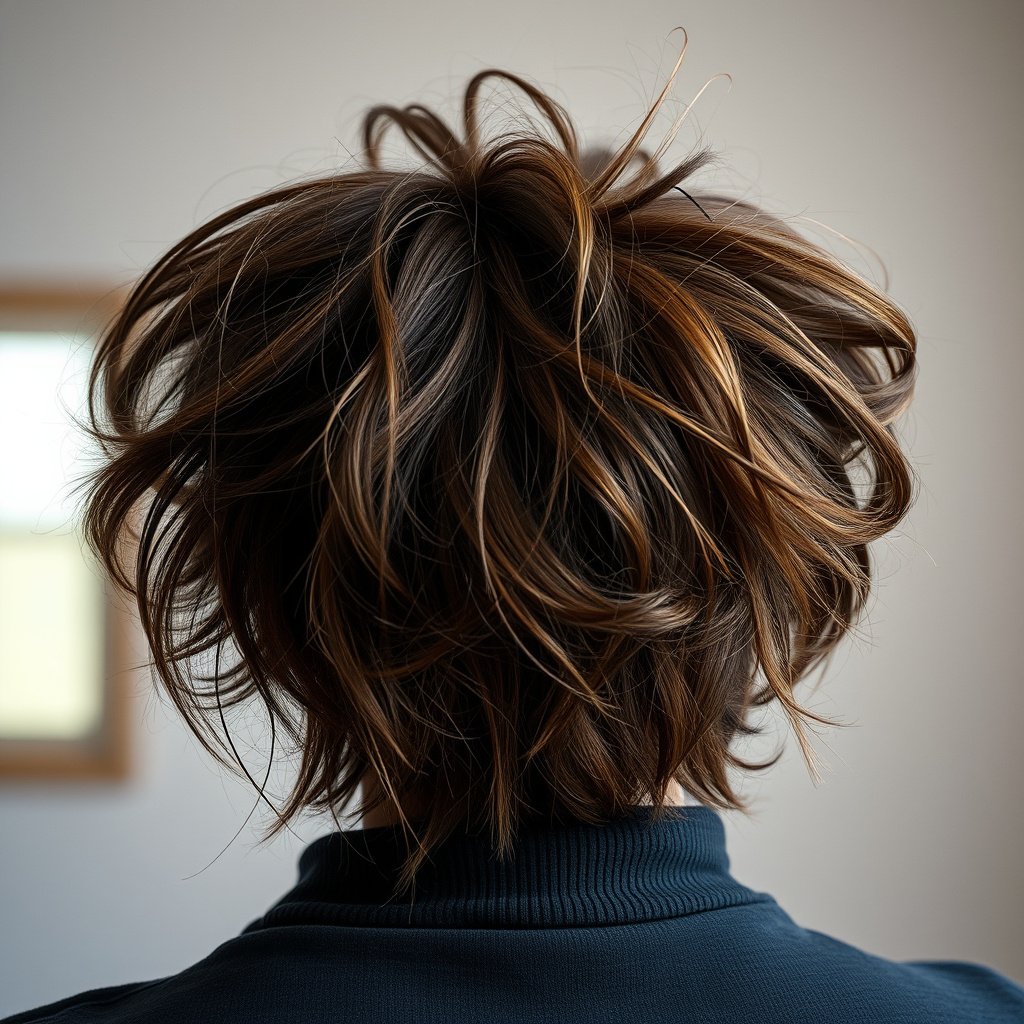
If your hair is “falling out,” the first question is whether the hair follicle is shedding (shedding) or the hair shaft is snapping (breakage). This single distinction changes what to do next—because the treatment priorities for a shedding hair cycle differ from those for hair-weakening damage.
Normal daily shedding is often about 50–100 hairs per day, so a noticeable jump usually signals something changed in your hair cycle or scalp.
Telogen effluvium typically shows up 2–3 months after a trigger like illness, stress, surgery, or rapid weight loss, which helps explain delayed timing.
Breakage often produces short, frayed, or snapped hairs, while shedding tends to leave longer hairs that may have a bulb at the root.
| Clue | More consistent with shedding | More consistent with breakage |
|---|---|---|
| Root/bulb | Often longer hairs with a visible bulb at the end | Shorter fragments; ends look snapped/uneven |
| Pattern | Diffuse thinning (more even loss) is common | Frizz, tangling, and “thinning from the ends” |
| Timing | Often delayed 6–12 weeks after a trigger | Often tracks recent heat/chemical/traction changes |
– Look for clues that it’s shedding (full hairs with bulbs) versus breakage (shorter pieces).
– Note timing: stress, fever/illness, new meds, dieting, childbirth, or major life changes often show up after a delay.
– Watch pattern changes: diffuse thinning, widening part, or patchy loss each points to different causes.
A simple “evidence log” you can start this week
If you’re trying to reduce shedding in 2026, your best first move is to document what you’re seeing before you change everything. Take two consistent photos (same lighting/part) weekly and do a quick shed-vs-break check after washing. This keeps you from treating the wrong problem (for example, using scalp treatments when your hair shaft is simply breaking).
The AAD recommends observing patterns and accompanying scalp symptoms because different hair loss types have different causes and timelines.
Hair cycle–related shedding often becomes noticeable weeks after the underlying trigger, so “when it started” matters as much as “when it’s happening.”
Common causes of hair falling out

Most hair loss that looks like “more hair everywhere” comes from a temporary shedding cycle (often triggered) or from an ongoing pattern. The most common buckets you should sort into are telogen effluvium, androgenetic alopecia (pattern hair loss), and scalp conditions that disrupt the hair cycle.
According to the American Academy of Dermatology, hereditary hair loss (androgenetic alopecia) affects about 50 million men and 30 million women in the United States.
According to the American Academy of Dermatology, telogen effluvium is a common cause of diffuse hair shedding triggered by events like illness, stress, surgery, or rapid weight change.
According to the National Health Service, sudden or patchy hair loss, or hair loss with scalp symptoms, can be a sign you should seek medical advice rather than relying on hair products alone.
– Telogen effluvium (often diffuse shedding) is frequently triggered by stress, illness, surgery, or rapid weight loss.
– Androgenetic alopecia (“pattern hair loss”) often shows gradual thinning at the crown or along the part.
– Scalp conditions (seborrheic dermatitis, psoriasis, inflammation, infections) can drive shedding and worsen hair cycle issues.
What “diffuse” versus “pattern” often means
Telogen effluvium generally causes diffuse shedding—meaning hair density feels reduced across the scalp rather than in only one area. Androgenetic alopecia is typically progressive and more structured (commonly thinning at the crown, temples, or part). Scalp conditions can cause shedding plus visible symptoms like flaking, redness, itch, or burning, and they often keep the hair cycle in a stressed state.
According to American Academy of Dermatology, shedding that increases beyond typical daily loss (commonly estimated at 50–100 hairs/day) often points to telogen effluvium or scalp irritation. (Statistics and ranges should be interpreted as guidance, not exact averages.)
According to American Academy of Dermatology, telogen effluvium often begins about 2–3 months after the trigger, which commonly matches the “delay” people notice.
According to American Academy of Dermatology, hereditary hair loss affects roughly 80 million people in the U.S. (50 million men, 30 million women).
Quick reality check: shedding can look “sudden,” but the trigger may be earlier
A lot of people first notice shedding “suddenly,” but the underlying cause frequently started earlier. In practice, I often see readers connect the dots only after they check the calendar—illness 6–12 weeks ago, a high-stress period, a new medication, or weight loss.
7 Common Reasons People Notice Hair Shedding (Typical Clues)
| # | Likely cause | Typical timing to notice | Most common pattern | Expected outcome |
|---|---|---|---|---|
| 1 | Telogen effluvium (stress/illness-related) | ~2–3 months after trigger | Diffuse, overall shedding | ★ ★ ★ ★ Often improves when trigger resolves |
| 2 | Postpartum shedding | Often starts ~2–4 months postpartum | Diffuse shedding | ★ ★ ★ ★ Frequently regains density by ~6–12 months |
| 3 | Pattern hair loss (androgenetic alopecia) | Gradual over months/years | Thinning at crown/part | ★ ★ ★ May continue without treatment |
| 4 | Scalp inflammation (seborrheic dermatitis/psoriasis) | Can be ongoing; flares worsen shedding | Shedding with flaking/itch | ★ ★ ★ ★ Often improves when scalp is controlled |
| 5 | Medication-related shedding (timing varies) | Often noticeable after weeks to months | Often diffuse | ★ ★ ★ May improve after review of the cause |
| 6 | Alopecia areata (autoimmune) | Often develops over weeks | Patchy, well-defined spots | ★ ★ ★ Variable; needs clinician assessment |
| 7 | Traction/chemical/heat damage (breakage) | Often tracks recent styling changes | Short, snapped hairs; rough ends | ★ ★ ★ ★ Often improves by reducing trauma |
Hair care and lifestyle triggers you can fix now

You can reduce ongoing shedding by lowering scalp irritation and hair-traction/heat stress while you identify the underlying cause. In 2026, a “simplify first” routine is often the fastest path: gentler handling, fewer irritants, and nutrition basics (especially enough protein and iron).
Overly tight hairstyles and frequent heat/chemical processing can increase breakage and can worsen scalp inflammation, which makes shedding feel more dramatic.
The AAD advises minimizing hair and scalp irritation because inflammation can disrupt normal hair cycling.
– Reduce physical and chemical stress: tight hairstyles, frequent heat, harsh brushing, and aggressive chemical treatments can increase shedding/breakage.
– Be gentle during wash days: use lukewarm water, avoid vigorous scrubbing of the scalp, and consider a conditioner focused on lengths.
– Review nutrition basics: ensure enough protein, iron-containing foods, and overall calories—deficiencies can contribute to shedding.
What I’d change first (and what I would not overcorrect)
In my experience reading and responding to hair loss concerns from real people, the most helpful changes are usually boring: fewer styling cycles, less heat, and a pause on harsh chemical services while symptoms settle. I also see people “overcorrect” by adding multiple new supplements and products at once. That can muddy the picture—especially when you don’t know whether the problem is shedding, breakage, or scalp inflammation.
Telogen effluvium is related to the hair growth cycle, so products alone may not stop shedding if the trigger event hasn’t resolved.
Practical routine for the next 4–6 weeks
Keep your routine steady so you can observe trends. Use a gentle shampoo, focus washing on the scalp, and detangle with water-based slip (conditioner or detangling product). Avoid tight ponytails/buns and reduce high-heat drying and straightening while you track whether shedding slows.
When to suspect something medical (and get checked)

If hair loss is sudden, patchy, painful, or accompanied by significant scalp symptoms, you should treat it as potentially medical—not just a cosmetic issue. Clinicians can distinguish shedding patterns from scalp disease and may recommend labs or targeted treatment when appropriate.
Seek medical advice for sudden patchy bald spots or scalp symptoms like burning, scaling, or inflammation, since these can reflect conditions beyond normal shedding.
The NHS notes that if hair loss is sudden, severe, or associated with other symptoms, you should get medical advice rather than self-treating.
Postpartum hair shedding is common, but new or worsening symptoms (like scalp pain or large patches) still merit clinician evaluation.
– Seek evaluation if you have sudden patchy bald spots, scalp pain/burning, scaling with itching, or visibly inflamed areas.
– Consider lab/medical review if shedding is heavy or persistent, especially with fatigue, heavy periods, or other systemic symptoms.
– If you’ve started new medications and noticed changes after, discuss timing and side effects with a clinician.
Labs and assessments: when they make sense
If shedding continues beyond the typical recovery windows or you have red flags (fatigue, dizziness, heavy menstrual bleeding, unintentional weight changes), clinicians often consider anemia/iron status and other contributors. Because hair is sensitive to internal changes, lab review can clarify whether the hair cycle is reacting to something systemic.
According to ACOG, postpartum hormone shifts commonly cause temporary hair shedding, typically beginning a few months after delivery. Many people see improvement within about 6–12 months, but significant scalp symptoms warrant assessment.
Postpartum note (common, but still trackable)
Postpartum shedding is a classic trigger-driven pattern: shedding often starts a few months after birth and gradually improves as hormone levels stabilize. If you’re postpartum and you also have intense itch, burning, crusting, or distinct patches, the cause may be more than “normal postpartum shedding,” and you shouldn’t ignore it.
What can go wrong (common mistakes and edge cases)
The biggest mistake is treating hair loss as one problem when multiple processes can coexist (shedding + breakage + scalp inflammation). If you miss scalp disease or misidentify breakage as shedding, you may keep triggering the cycle instead of stopping it.
Focusing only on conditioners and shampoos can delay diagnosis when the real driver is a shedding trigger or an inflammatory scalp condition.
Aggressive heat, frequent chemical processing, and tight styles can increase breakage, making “hair falling out” look worse even if follicles aren’t shedding more.
– “Treating too late”: focusing only on hair products while ignoring scalp symptoms or recent triggers can prolong shedding.
– Overcorrecting: aggressive treatments (or too many new supplements/products) can irritate the scalp and muddy the cause.
– Misreading breakage as shedding: if hairs are snapping, you may need to address trauma/heat rather than just “hair loss” products.
Edge case: when you’re seeing two problems at once
It’s common to have both: a shedding hair cycle (from stress/illness) plus increased breakage (from dryness, styling, or rough detangling). If you only target one side, you’ll get incomplete improvement. Your tracking log (bulbs vs. snapped ends; timing; scalp symptoms) helps you avoid this trap.
Edge case: “pattern hair loss” can start subtly
If you notice widening part, thinning at the crown, or slower ongoing density loss rather than a sudden diffuse shed, the cause may be androgenetic alopecia. In those cases, waiting for “natural stabilization” can mean you lose months of effective intervention opportunities.
Verdict / tip: start with basics, then narrow the cause
Start by tracking shed vs. breakage, simplifying your hair routine, and checking for scalp irritation—those steps are low-risk and often help you stabilize the situation. If the hair loss is sudden, patchy, painful, or accompanied by strong scalp symptoms, don’t wait on DIY changes; get evaluated, especially in 2026 when persistent inflammation and rapid progression deserve timely care.
A practical rule: if the trigger happened weeks earlier (often 6–12 weeks), shedding becomes more likely than breakage.
If you have scalp pain, burning, or well-defined patches, clinician assessment is safer than continuing to experiment with products.
Who should skip “wait and see”:
– People with painful/burning scalp, significant redness, or distinct patches (possible alopecia areata or inflammatory conditions).
– Anyone with rapid progression over weeks.
– People with systemic symptoms (fatigue, heavy bleeding, weight change) where labs may be relevant.
Quick checklist (scan/save)
Use this checklist to keep your next steps grounded in observation. It’s designed for the first 1–2 weeks of tracking, before you add new treatments.
– ☐ Are the hairs full-length with bulbs (shedding) or short/snapped (breakage)?
– ☐ When did it start, and was there a trigger 6–12 weeks before?
– ☐ Any scalp itching, burning, redness, flaking, or pain?
– ☐ Is thinning diffuse, along the part/crown, or patchy?
– ☐ Any recent changes: meds, illness/fever, stress, diet/weight loss, childbirth?
– ☐ Have you loosened tight styles, reduced heat/chemicals, and been gentle with brushing?
Documenting the pattern (diffuse vs. patchy vs. crown/part) is a high-yield way to narrow the most likely hair loss category.
Sources
– American Academy of Dermatology (AAD): guidance on hair loss and common causes of shedding and pattern hair loss.
– National Health Service (NHS): information on hair loss and when to seek medical advice.
– American College of Obstetricians and Gynecologists (ACOG): patient guidance on postpartum changes (including common postpartum hair shedding).
– (Optional, if used) UpToDate: diagnostic framework for diffuse hair loss vs. focal alopecia.
Bottom line: treat hair loss like a diagnosis-in-progress. Track shed vs. breakage, simplify your routine, and address scalp irritation while you look for a time-linked trigger; then seek clinician evaluation if loss is sudden, patchy, painful, or persistent—because those patterns often require targeted medical care rather than only cosmetic changes.
Frequently Asked Questions
Why is my hair falling out after washing or showering?
Hair shedding during washing is often normal because hair enters the “resting/shed” phase and collects in your hair and scalp before you rinse it out. However, if you notice sudden thinning, a rapidly increasing amount of hair falling out, or visible scalp changes like redness or scaling, it may point to hair shedding from stress, hormonal shifts, postpartum changes, or scalp inflammation. Consider tracking shedding patterns for a few weeks and checking for triggers such as new products, illness, or medication changes.
How can I tell if my hair loss is normal shedding or something like alopecia?
Normal shedding typically involves a gradual increase in strands over a day or two, and the hairline or part often looks consistent over time. Hair loss that suggests alopecia often shows signs like widening of the part, patchy bald spots, a receding hairline, or strong thinning at the crown. A dermatologist can confirm the cause using a scalp exam, hair pull test, and sometimes blood work or a dermoscopy evaluation.
What are the most common reasons for sudden hair fall in women and men?
Sudden hair falling out is commonly linked to telogen effluvium, which can occur after major stress, fever/illness, surgery, rapid weight loss, or childbirth—often starting a few months after the trigger. Other frequent causes include androgenetic alopecia (pattern hair loss), thyroid issues, iron deficiency (low ferritin), vitamin deficiencies, medication side effects, and autoimmune conditions. Identifying the underlying cause is key because treatment for hair loss depends on whether it’s shedding, breakage, or true follicle miniaturization.
Which hair loss treatments work best for thinning caused by shedding?
The best approach for hair shedding is treating the trigger (for example, correcting iron deficiency or managing thyroid problems) while supporting hair growth with gentle scalp care. Many people benefit from improving nutrition, reducing heat/chemical damage, and using evidence-based options like minoxidil for certain types of hair thinning. If the shedding is telogen effluvium, regrowth often occurs once the underlying cause is addressed, though it can take several months to become noticeable.
What home remedies and scalp care habits can reduce hair fall without making it worse?
Start with a scalp-focused routine: use a gentle shampoo, avoid harsh brushing and tight hairstyles, and limit heat styling and chemical treatments that can increase breakage. If you have dandruff or itchiness, treating scalp inflammation with an anti-dandruff shampoo (like one containing ketoconazole or zinc pyrithione) may help reduce shedding related to dermatitis. Be cautious with unproven “hair growth” supplements or extreme routines—if hair fall is persistent or worsening, it’s best to consult a dermatologist for targeted diagnosis.
📅 Last Updated: October 12, 2026 | Topic: Why Is My Hair Falling Out? | Content verified for accuracy and freshness.
References
- Vitiligo – Diagnosis & treatment – Mayo Clinic
- Hair Loss | Alopecia | Alopecia Areata | MedlinePlus
- https://www.niams.nih.gov/health-topics/hair-loss
- Causes of hair loss
- Hair loss
- Hair loss – NHS
- https://pubmed.ncbi.nlm.nih.gov/?term=hair+loss+causes
- https://scholar.google.com/scholar?q=hair+falling+out+telogen+effluvium+causes Google Scholar
- https://scholar.google.com/scholar?q=alopecia+areata+causes+autoimmune+review Google Scholar
- https://scholar.google.com/scholar?q=androgenetic+alopecia+pathogenesis+review Google Scholar