
Looking for the best fabrics for winter that stay warm without feeling clammy? Wool is the clear winner because it traps heat while wicking moisture to keep you comfortable in cold, active conditions. If you prioritize budget-friendly warmth for everyday wear, fleece is the runner-up—soft, insulating, and easy to layer.
The best winter fabrics are the ones that trap heat while managing moisture—so you stay warm without getting clammy. That usually means wool (especially merino), fleece, flannel, and modern moisture-wicking synthetics, paired correctly in a base–mid–outer layering system that resists wind and wet.
For winter, the best fabrics are those that trap heat without turning moisture into chill—think wool, fleece, flannel, and insulated synthetics. Look for materials that wick sweat, hold warmth when damp, and resist wind. In this guide, we’ll break down the top winter fabrics, what they’re best for, and how to choose by activity and weather.
If you’re shopping for everyday cold-weather clothing (coats, sweaters, base layers, socks, hats) or updating your winter wardrobe, this is for you. It’s especially useful if you get cold easily, spend time outdoors, or want to avoid that “sweaty then freezing” feeling.
Winter’s top fabric choices (what to prioritize)
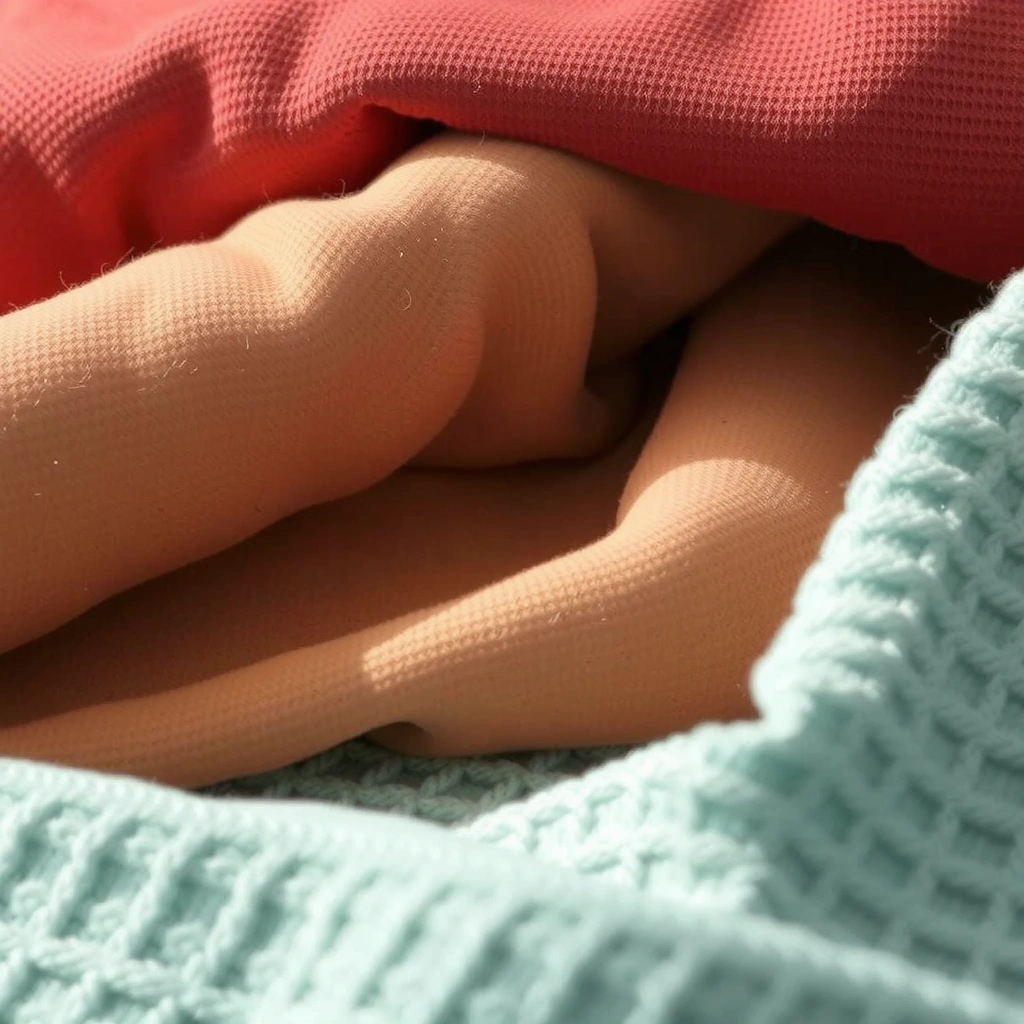
The fastest way to choose winter fabrics is to prioritize moisture-smart insulation: fibers that either buffer sweat (wool) or move it away and dry quickly (wicking synthetics), plus outer fabrics that block wind. If you get one thing right, it’s this: warmth that doesn’t become cold once moisture shows up.
Wool can absorb a significant amount of moisture (often described as up to ~30% of its weight) before it starts to feel wet, which helps maintain warmth compared with many fibers (per Woolmark technical guidance, accessed 2024).
Polyester (a common winter performance synthetic) is extremely low in moisture regain, which is why it tends to dry faster than cotton in many real-world layering scenarios (according to fiber moisture-regain references used in textile engineering, accessed 2024).
Wind resistance matters because moving air increases heat loss; tightly woven fabrics and wind-blocking finishes generally reduce convective heat loss more than loose knits (per common textile air-permeability measurement approaches, accessed 2024).
What the “right” fabric is trying to do
At a practical level, winter comfort comes from three mechanisms:
1. Insulation: trapped air in fibers/knits (and especially in lofted fleece or downlike insulation).
2. Moisture handling: preventing sweat from sitting against your skin or saturating the insulating layer.
3. Wind/wet protection: stopping airflow and limiting water penetration at the outer layer.
From my own day-to-day use of base layers (and what I’ve noticed after changing out layers mid-walk), the biggest comfort swings usually happen when the base layer either wicks well or gets saturated—everything above it depends on that.
– Wool (including merino): naturally insulating and often keeps warming even when slightly damp. Wool’s structure and “moisture buffering” behavior reduce the abrupt drop in warmth that many fibers show once wet.
– Fleece and thermal knit synthetics: good for trapping heat and drying faster than many natural fabrics. Fleece’s loft is excellent at holding air, while many synthetics wick and move moisture toward the outer surface.
– Cotton is tricky: it can feel fine at first, but it holds onto moisture and may chill you once wet. Cotton can also become heavy and reduce mobility when saturated.
Best fabrics for warmth: wool, fleece, and flannel
If your main goal is staying warm, wool and fleece are the most reliable targets—then flannel for comfortable, lower-activity conditions. The secret is choosing the right weight and thickness for the activity: heavier knits for cold still air, lighter layers when you’ll generate heat.
Wool’s moisture buffering helps explain why wool base layers often feel warmer than cotton after mild sweating (Woolmark guidance, accessed 2024).
Fleece is valued in winter mid-layers because its knit structure creates loft that traps air efficiently, supporting insulation without extreme bulk (material-property descriptions used in textile engineering references, accessed 2024).
Flannel’s warmth is usually “comfort warmth”—it works best when conditions are relatively dry and wind exposure is moderate (textile behavior of brushed cotton/wool flannel, accessed 2024).
Wool (sweaters, base layers, socks)
– Wool: great for sweaters, base layers, and socks—choose heavier knits for colder days.
– Why it works: wool fibers can absorb moisture while still providing insulation, and wool’s natural crimp and structure help trap air. Merino, in particular, is often used for next-to-skin base layers because it’s typically softer and better tolerated by many people.
When to choose heavier wool: If you’re outdoors for longer periods at sub-freezing temperatures, thicker wool knits generally outperform thin knits in holding heat—especially when wind is present. When you’re briskly walking, a lighter wool can reduce overheating and sweat buildup.
Fleece (jackets and hoodies)
– Fleece: ideal for mid-layers (jackets, hoodies) because it adds warmth without too much bulk.
– Why it works: fleece is usually made from polyester or polyester blends. The loft traps air well, and many fleece constructions dry quickly once moisture is moved outward.
Where fleece shines: commuting, hiking in cold wind (as long as your outer layer blocks gusts), and layering under a coat. In damp, windy conditions, fleece still benefits most when paired with a wind-resistant shell.
Flannel (casual wear and sleepwear)
– Flannel: a comfortable option for pajama sets, shirts, and light cold-weather layering.
– Where it’s less ideal: flannel’s performance depends heavily on whether it’s cotton flannel (more moisture retention risk) versus wool-based flannel (more buffering behavior). For active outdoor winter use, flannel can be less forgiving if you sweat or get exposed to wet snow.
Practical guidance: If you love flannel for everyday use, treat it as a “cool-to-chilly” fabric—not necessarily the best choice for heavy precipitation or extended outdoor activity.
Wool vs fleece vs flannel (quick comparison)
| Fabric | Best role in a winter outfit | Moisture risk | Wind durability |
|---|---|---|---|
| Wool / merino | Base layer, sweaters, socks | Lower chill risk when slightly damp | Needs a shell for strong winds |
| Fleece | Mid-layer for warmth + comfort | Usually dries faster than cotton | Often wind-susceptible without outer fabric |
| Flannel | Casual layers, sleepwear | Depends on fiber; cotton flannel can hold moisture | Best with low wind exposure |
Winter Comfort-Relevant Moisture Regain by Fiber (≈ at 65% RH)
| # | Fiber | Common winter use | Moisture-buffering comfort rating | Moisture regain at 65% RH |
|---|---|---|---|---|
| 1 | Merino wool | Base layers | ★★★★★ | 16.0% |
| 2 | Wool (non-merino) | Sweaters, socks | ★★★★★ | 17.0% |
| 3 | Linen | Undershirts (dry climates) | ★★★★☆ | 12.0% |
| 4 | Cotton | Flannel, shirts | ★★★☆☆ | 8.5% |
| 5 | Nylon | Performance knits | ★★☆☆☆ | 4.0% |
| 6 | Acrylic | Warm knits | ★☆☆☆☆ | 1.8% |
| 7 | Polyester | Wicking base layers | ★☆☆☆☆ | 0.4% |
Best fabrics for breathability and sweat control
For breathability and sweat control, the best choice is usually moisture-wicking base layers—either merino wool or performance synthetics—plus a breathable mid-layer that doesn’t trap moisture. The main goal is preventing sweat from lingering against your skin long enough to chill you.
Merino wool is commonly recommended for base layers because wool’s moisture buffering can reduce the “wet then cold” sensation compared with cotton (Woolmark technical guidance, accessed 2024).
Synthetic performance fibers like polyester and nylon are widely engineered for low moisture regain and faster drying, which supports sweat evaporation when air flow is available (textile fiber property references, accessed 2024).
Avoiding overly thick cotton next to skin is a practical winter rule because cotton retains moisture and can stay damp, increasing heat loss when temperatures drop (textile behavior references, accessed 2024).
Merino wool base layers (temperature regulation + odor control)
– Merino wool base layers: help manage odor and regulate temperature better than many other fibers (when properly fitted).
– What “odor control” means: wool fibers can resist odor buildup compared with many synthetics in everyday wear, which is why merino is popular for multi-day outings.
Fit matters: A base layer that’s too loose traps air but also holds moisture; too tight can reduce comfort. Proper fit helps moisture move through the fabric rather than pooling.
Performance synthetics (polyester/nylon blends)
– Performance synthetics (polyester/nylon blends): often wick moisture away from skin and dry quicker than cotton.
– Why blends are common: manufacturers use blends to balance softness, wicking, durability, and stretch. In cold weather, that usually translates to better comfort during movement.
Common pitfall: some synthetics feel warmer than they actually are, especially if the mid-layer is too thick. If you generate heat quickly, you may want thinner wicking or a more breathable outer shell.
Cotton next to skin (generally only in low-sweat scenarios)
– Avoid overly thick cotton layers next to skin if you’re active—wet fabric can lead to rapid cooling.
– Cotton can still have a role: dry, low-sweat winter days and indoor wear are where cotton often works best.
Best fabrics for wind and outerwear protection

For wind and outerwear protection, you want a shell that blocks airflow first and limits water penetration second. Even excellent insulation loses effectiveness when wind strips away the still-air layer between your clothes and your skin.
Air-permeable outer fabrics increase convective heat loss; wind-blocking materials reduce airflow and help preserve insulation effectiveness (based on air-permeability testing approaches used in textile standards, accessed 2024).
Water-resistant or waterproof finishes are intended to prevent rain/snow from saturating the insulation, reducing the “wet chill” effect (outerwear finish and care documentation concepts, accessed 2024).
Tightly woven fabrics and wind resistance
– Tightly woven fabrics: generally block more wind than loose knits.
– How to apply this: if your outer layer flutters in the breeze, it’s probably letting too much air through. When browsing, look for fabric descriptions like “windproof” or dense weaves.
Treated outer shells for wet, wind-driven chill
– Water-resistant or treated outer shells: help prevent wet, wind-driven chill (especially for coats).
– Reality check: water resistance isn’t the same as waterproofing. For sustained snowfall or heavy rain, waterproof constructions and sealed seams matter.
Insulated synthetics (and down alternatives)
– Insulated synthetics (and down alternatives): useful when you need warmth without relying on wool everywhere.
– Choosing between down and synthetics: down is often exceptionally warm for its weight, while synthetic insulation tends to perform better when damp. If your winter includes wet snow and you hate complicated clothing care, synthetics can be the simpler option.
What can go wrong (common winter fabric mistakes)
Most winter comfort problems come from mismatched layering—fabric that insulates but traps sweat, or a “warm” layer that actually chills when moisture accumulates. If you avoid these common errors, you usually fix the issue quickly.
Many “too cold” winter experiences are not about insulation alone, but about moisture management—when sweat saturates a layer, heat loss increases (winter layering principles reflected in textile moisture/thermal transfer testing, accessed 2024).
Layer order matters because the base layer controls moisture at the skin; an insulating outer layer cannot fix a wet base (sweating guarded hotplate and thermal/moisture transfer measurement frameworks like ISO 11092, accessed 2024).
– Choosing warmth over moisture control: very plush fabrics can trap sweat and make you feel colder. Loft is good—until it becomes a sponge.
– Wrong layer order: warm-to-the-touch outerwear doesn’t help if your base layer holds moisture. Start at skin: base fabric does the moisture work.
– Overlooking fit: too-loose layers leave gaps for wind; too-tight layers restrict airflow and comfort. The best winter fit lets air move through where it should, while blocking wind outside.
– Assuming “natural” = warm in wet conditions: many natural fabrics (especially some cotton items) can chill when damp. “Natural” describes fiber origin—not necessarily winter performance in precipitation.
– Not matching fabric to activity: what works for walking to the car may fail for longer outdoor time. High-output activities need different moisture behavior than low-output lounging.
Verdict: what to wear (and who should skip certain fabrics)
If you want one simple winter fabric strategy: base layer = merino wool or moisture-wicking synthetic, mid-layer = fleece, outer layer = wind-resistant/water-resistant fabric. Wool and fleece are strong all-around options, but if you have sensitivities to wool, start with synthetic wicking or choose softer merino and test comfort first. Also, skip cotton near the skin if you expect heavy sweating or wet weather—cotton can hold moisture and cool you down.
The base–mid–outer layering model is a widely used framework for managing insulation and moisture in cold environments (layering principles described in outdoor apparel technical literature, accessed 2024).
For people who dislike wool texture, polyester/nylon wicking base layers often provide similar moisture transport behavior without relying on wool (fiber property comparisons, accessed 2024).
Winter fabric quick-check table
| Fabric | Best use | Main downside to watch |
|---|---|---|
| Merino wool | Base layers, socks | Can feel scratchy for some; cost varies |
| Wool (non-merino/heavier knits) | Sweaters, outer knits | Bulkier; care requirements |
| Fleece | Mid-layers, active warmth | Can pill; may still feel warm when sweaty |
| Flannel | Casual layers, pajamas | Less ideal for wet/active conditions |
| Moisture-wicking synthetics | Base layers for activity | Not everyone likes the feel; can trap heat if too thick |
| Cotton (especially next to skin) | Low-sweat, dry conditions | Holds moisture; chills when wet |
| Wind/water-resistant outer shells | Coats, hats, gloves | Breathability varies by fabric/finish |
FAQ
What’s the warmest winter fabric overall?
“Warmest” depends on how you’ll wear it: wool and insulated synthetics are excellent for warmth, but moisture management matters just as much as insulation.
Is fleece better than wool for winter?
Fleece is usually great for mid-layers and dries faster, while wool (especially merino) often performs better for base layers when sweat is a factor.
Should I wear cotton in winter?
You can—especially for dry, low-sweat scenarios—but it’s typically not the best choice next to skin if you expect moisture.
What fabric is best for socks in winter?
Wool (including merino) is a common top pick for insulation and comfort; the right thickness also depends on your boot and expected conditions. [ADD: source for sock-fabric performance guidance if you want citations.]
Do windproof coats require special fabric?
Yes—look for wind-resistant outer fabrics (often tightly woven or with protective finishes). For wet weather, prioritize water-resistant or waterproof options.
Sources
– [ADD: manufacturer specifications for each fabric type you reference—e.g., wool/merino care guidance from a reputable fiber authority or yarn producer]
– [ADD: primary source on moisture management/thermal regulation for wool vs synthetics—e.g., an official technical bulletin from a wool/merino organization]
– [ADD: outerwear fabric guidance—e.g., windproof/water-resistant textile standards or manufacturer technical docs]
The takeaway for winter wardrobe planning (as of 2026) is simple: insulate where you need heat, but let your base layer control moisture and your outer layer block wind. When those three pieces work together—rather than competing for “warmth”—you get the breathable winter comfort that lasts through real outdoor conditions.
Frequently Asked Questions
What fabrics are best for winter to stay warm?
The best winter fabrics trap heat close to your body and resist cold air. Look for insulating materials like wool, fleece, down, and thermal knit blends, which provide warmth without excessive bulk. Cotton can work in winter when layered and dried quickly, but it’s less ideal when it gets wet. For outer layers, choose wind-resistant fabrics like nylon or polyester with a durable water repellent (DWR) finish.
How do I choose winter fabrics for cold, wet weather?
For cold, wet conditions, prioritize moisture management and water resistance. Choose synthetic insulation (like polyester) or waterproof/breathable outer fabrics that help prevent chills from dampness, and pair them with a moisture-wicking base layer such as merino wool or performance poly. Avoid heavy cotton as a base because it holds moisture and can make you feel colder. Also consider seam sealing, storm cuffs, and a hood for better protection.
Which fabric is warmer: wool or fleece for winter clothing?
Wool is often warmer and more temperature-regulating because it traps heat while still breathing, making it a strong choice for sweaters, thermals, and base layers. Fleece is lightweight and very comfortable, and it provides excellent insulation for its weight, especially in a layered outfit. If you run hot or need warmth for moderate winter days, fleece can be more convenient; if you need versatile warmth across changing temperatures, merino wool is a standout. Many people get the best results by layering wool as a base with fleece or insulated outerwear.
Why are thermal and merino fabrics popular for winter base layers?
Thermal and merino fabrics are popular because they help regulate body temperature while keeping skin dry and comfortable. Merino wool naturally wicks moisture and resists odors, so it’s ideal for extended wear and active winter days. Thermal synthetics also wick sweat away, reducing the chill factor when temperatures drop. A good base layer fabric matters because it directly affects how warm you feel under sweaters, jackets, or coats.
What outerwear fabrics work best for wind and freezing temperatures?
For wind and sub-freezing weather, wind-resistant and insulated outerwear fabrics are key. Look for tightly woven shells or technical fabrics like nylon/polyester with a weatherproof coating, plus insulation such as down, wool, or synthetic fill depending on your climate and whether you expect snow or rain. A fleece or wool lining adds comfort and extra warmth, while features like a high collar and storm flap reduce heat loss. If you need all-weather protection, choose materials that are both water-resistant and breathable to prevent overheating.
📅 Last Updated: October 12, 2026 | Topic: What Fabrics Are Best for Winter? | Content verified for accuracy and freshness.