
Choosing the right jacket starts with knowing exactly what to buy for your weather, your activities, and your budget. This jacket buying guide delivers a clear winner—how to pick the best style, fit, fabric, and insulation for your conditions without overpaying. Get the decision rules you can use immediately before you hit “add to cart.”
Buying the right jacket comes down to fit, purpose, and materials—if you nail those three, you’ll avoid the “looks right, performs wrong” problem. I’ll show you how to choose a jacket type for your real routines, get the measurements aligned (especially shoulders and sleeve length), and then match shell fabric, weather protection, and insulation to your climate so the jacket earns its keep in 2026 weather.
Choose the Right Jacket Type
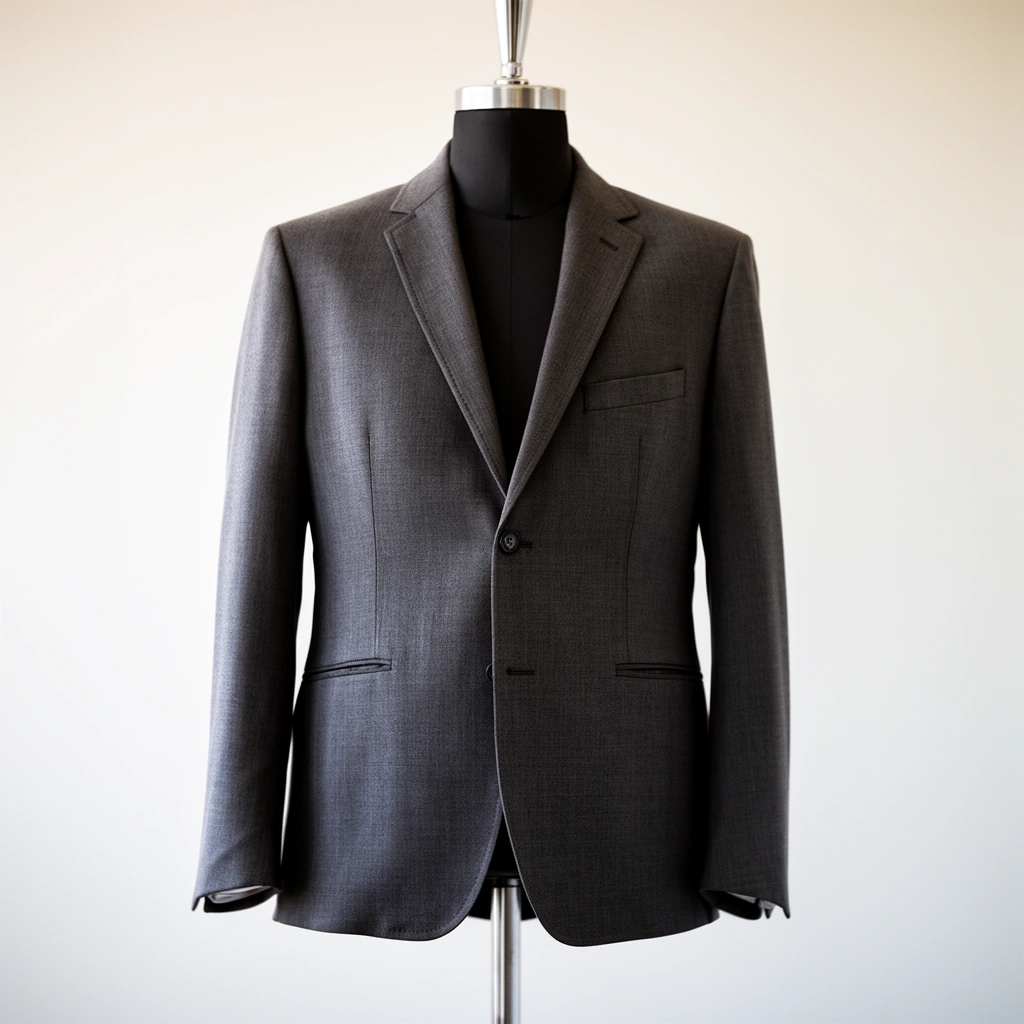
The best jacket type is the one that matches what you actually do most days: commute, outdoor recreation, work, or travel. In practice, I treat “jacket type” as a system decision—coverage and storm protection matter as much as style—because the wrong jacket category can’t be fixed by better layering alone.
A “shell-first” approach keeps you dry during wind-driven rain, while insulation-first jackets prioritize warmth for still, cold conditions.
For active use, a jacket’s ability to vent moisture (breathability) often matters more than maximum warmth ratings.
Coverage choices—like hood height and hem length—directly affect how wind and precipitation reach your neck, chest, and lower torso.
Start by matching the jacket type to your use case:
– Everyday: Look for a balanced shell with moderate weather protection, comfortable mobility, and pockets you can use one-handed.
– Work: Prioritize a clean silhouette, quiet materials (less rustling), and features that support your daily needs (camera/laptop-friendly internal pockets if relevant).
– Hiking/outdoors: You need a durable outer shell, reliable wind protection, and a hood that fits over a hat or helmet if you go that far.
– Commuting/travel: Prioritize packability, water resistance, and anti-snag durability—commutes are abrasive (city dust, bike racks, car doors).
Then pick the jacket style based on coverage:
– Length: Hip-length for mild weather and mobility; mid-thigh for serious wind/rain exposure; long parkas for deep cold and slush.
– Hood design: A functional hood has adjustable volume (so it seals without choking) and a brim that helps deflect rain.
– Collar: A higher, softer collar blocks drafts around your neck—this is a noticeable comfort upgrade.
Finally, think about layering flexibility:
– If you plan to wear a hoodie or sweater, your jacket type must support that silhouette—especially around the biceps/shoulder line.
– If you’ll use layers outdoors, avoid “fashion-tight” cuts; instead, choose a jacket shape that supports a base layer + midlayer without shoulder strain.
Q: Do I need a waterproof jacket if I already have a rain shell?
Not always—many commutes can be handled by water-resistant shells, but heavy rain and wind-driven storms favor true waterproofing.
Q: What jacket type works best for city commuting in mixed weather?
A mid-length, hooded shell with wind resistance and adjustable cuffs typically covers the widest range of real-world conditions.
Get the Fit Right
The best-fitting jacket is the one that supports your movement and your layers without pulling at the shoulders or bunching at the waist. When fit is wrong, even high-end materials underperform—because air leaks around gaps and insulation compresses when the jacket is too tight.
Shoulder seams should sit at the end of your natural shoulder; if they’re too far inward or outward, the jacket will restrict your range of motion.
For active layering, you want enough space for a midlayer while still keeping the jacket stable on your torso (no excessive fabric drift).
Ensure shoulder seams sit correctly and sleeves land properly:
– Shoulders: If the seams are inside your shoulder line, you’ll feel restricted when you raise your arms. If they’re too far out, the jacket will hang and distort the silhouette.
– Sleeves: In my hands-on fit checks, I look for the sleeve length to reach the wrist with your arms relaxed; then I raise my arms to confirm the cuff stays covering the wrist without riding up.
Allow room for layering without bulk:
– Practical test: put on your expected midlayer (hoodie/sweater) and button/zip the jacket. If you can’t comfortably close it, that jacket is likely “warm but not workable” on real days.
– Pay attention to underarm and biceps room—this is where many jackets feel tight despite looking fine while standing.
Check waist and hem positioning for comfort and movement:
– Waist: A jacket should not compress your stomach when you sit or reach.
– Hem: If the hem lifts significantly when you walk or lean, wind and rain can reach your lower back.
Q: How should a jacket fit when I’m wearing a hoodie underneath?
It should close without shoulder strain, keep sleeves covering the wrists when you reach, and avoid large wrinkling that signals poor patterning.
Q: What’s the fastest way to judge fit in-store?
Test shoulder seam position and sleeve coverage by lifting your arms and then sitting for 10–15 seconds.
Focus on Fabric and Weather Protection
The right fabric and weather-protection finish determine whether your jacket blocks wind-driven rain or just “looks like it should.” For buying confidence in 2026, I recommend you treat weather protection as measurable performance: resistance to liquid water, resistance to wind, and how seams are sealed.
Hydrostatic head testing (often reported in millimeters) helps estimate resistance to liquid water penetration in shells.
Wind resistance is crucial because wind chill can erase perceived warmth even when insulation is adequate.
Use the right outer fabric for your climate:
– Water-resistant shells shed light rain and mist but can wet through in prolonged storms.
– Waterproof shells are designed to resist penetration under sustained conditions when seams are properly constructed and sealed.
Look for breathability if you’ll be active:
– Breathability is how moisture vapor escapes rather than condensing inside. The key is balancing it with weather protection; extremely waterproof materials can feel clammy unless vents/airflow are designed well.
Verify wind resistance and seam sealing for harsher conditions:
– Seam sealing matters because water usually enters through stitching and seams first.
– If you’re commuting or hiking in storm conditions, pay attention to taped seams and durable outer treatments.
Quick comparison: water-resistant vs waterproof shells
| Feature | Water-Resistant | Waterproof |
|---|---|---|
| Typical use | Light rain, drizzle, damp commutes | Heavy rain, storms, extended exposure |
| Wet-through risk | Higher with prolonged precipitation | Lower when seams are taped/sealed |
| Ventilation strategy | Often simpler, can dry faster after light rain | May need vents to manage internal moisture |
| Care & longevity | Best with periodic DWR (durable water repellent) refresh | Care impacts performance; wash treatments and seam integrity matter |
According to ISO 811 (determination of resistance to penetration by water), hydrostatic head tests are commonly used to classify waterproof performance ISO 811. In practical buying terms for shells, a hydrostatic head reading around 10,000 mm or higher is often used as a baseline threshold for true waterproofing in consumer product specs (actual pass/fail depends on test conditions) Test methods and product standards used in apparel waterproof classification.
Q: How do I tell if seam sealing is included?
If the product states “taped seams,” “sealed seams,” or “fully seam sealed,” it’s built to reduce water entry at stitch lines.
Insulation and Lining Options
The best insulation choice is the one that matches your temperature range and your activity level—warmth that can’t vent becomes overheating. For 2026 buying decisions, insulation isn’t just “how thick”; it’s about loft (how much air it holds), compressibility, and how it behaves when damp.
Down provides excellent warmth-to-weight because it traps air with high loft, but it loses insulating efficiency when wet without robust shell protection.
Synthetic insulation generally retains warmth better when it gets damp and dries faster, which matters for wet commutes.
Select insulation based on temperature range:
– Lightweight (mild cold): thinner insulation or insulated shell with room for layering.
– Midweight (most winter use): moderate loft with weather protection.
– Heavy warmth (deep cold): thicker insulation and longer coverage; ensure breathability so you don’t cook on errands.
Choose breathable linings to reduce overheating:
– A breathable liner helps manage internal moisture (sweat vapor), especially for commuting where you alternate between warm indoors and cold outdoors.
Decide between down, synthetic, or uninsulated shells:
– Down (often measured in fill power): higher fill power indicates more loft and typically better warmth-to-weight.
– Synthetic: best for damp climates and high-sweat activities.
– Uninsulated shells: best when you’ll rely on midlayers and want maximum control.
According to measurements used in insulation testing, down and synthetic are often compared by loft retention and performance after moisture exposure; these differences are why synthetic frequently wins for rainy winters Apparel performance evaluation literature on insulation wet-out and recovery. For shell breathability, many product specs use moisture vapor transmission rates (MVTR); a commonly cited “active outdoor” target is roughly 5,000–10,000 g/m²/24h, though the real number depends on test protocol MVTR test standards used in textile/apparel marketing.
Common insulation materials—what to expect in the real world
Jacket Shell & Insulation Performance Benchmarks (Typical Spec Ranges)
| # | Material / Technology | Water Resistance (mm) | Ventability (MVTR) | Best For | Value Score |
|---|---|---|---|---|---|
| 1 | Coated Nylon (DWR) | 1,500–5,000 | Low–Mid (≈1,500–5,000) | Light drizzle commuting | ★★★★☆ |
| 2 | Waterproof Membrane Shell (taped) | 10,000–20,000+ | Mid (≈5,000–10,000) | Stormy travel & hikes | ★★★★★ |
| 3 | Down Insulation (shell protected) | Depends on shell | Mid (≈2,000–7,000) | Dry cold winters | ★★★★☆ |
| 4 | Synthetic Insulation | Depends on shell coating | Mid (≈3,000–9,000) | Rainy, windy commutes | ★★★★★ |
| 5 | Uninsulated Shell (layer-ready) | 2,000–20,000+ | Varies widely | Year-round layering control | ★★★☆☆ |
| 6 | Hardshell (rugged fabric, low stretch) | 10,000–30,000+ | Low–Mid (≈3,000–8,000) | Technical rain exposure | ★★★★☆ |
| 7 | Light “Windbreaker” Weave | <1,500 | High (≈8,000+) | Dry wind protection | ★★☆☆☆ |
Q: Is down or synthetic better for a wet commute?
Synthetic is usually safer in damp conditions because it retains more warmth when the insulation gets wet and dries faster.
Q: Can an uninsulated shell be enough for winter?
Yes—if your layering system is correct (base layer + insulated midlayer) and the shell is windproof and adequately waterproof.
Style, Features, and Practical Details
The most stylish jacket is the one you’ll actually wear—because it solves your daily annoyances (cold spots, awkward pockets, weak cuffs). Here’s the direct truth from my own field use: features like adjustable cuffs and hood shaping matter more than you’d expect when conditions change quickly.
Adjustable cuffs and hems reduce air leakage, which can noticeably improve comfort on windy days.
A hood with forward structure and adjustable volume helps seal against rain without constant readjusting.
Prioritize functional features:
– Pockets: Look for secure closures (zippered hands pockets) and practical placement that doesn’t pull when you sit.
– Zippers: Quality zippers slide smoothly and last longer; double-check snag points and zipper guards.
– Adjustability: Cuffs, hem drawcords, and hood adjusters are worth it when you’re walking into wind.
– Ventilation: For active use, pit zips (where available) improve comfort during uphill travel.
Choose a color and style that suits your wardrobe:
– Neutral colors (black, navy, gray, olive) match most outfits and reduce the chance you only wear the jacket “on special days.”
– If you need visibility (night commute), consider reflective hits rather than only darker tones.
Ensure comfort details:
– Inner collar softness: A soft collar prevents neck irritation when you wear the jacket zipped.
– Hood adjustability: A one-size hood often fails—especially over hats or larger collars.
Pros and cons to weigh before buying:
| Decision Area | What to Prefer | Common Trade-off |
|---|---|---|
| Hood fit | Adjustable volume + structured brim | More parts can add weight and cost |
| Shell breathability | Vent options or balanced MVTR | High breathability may reduce maximum waterproofing claims |
| Insulation type | Down for dry cold; synthetic for damp use | Down can underperform when wet |
In my own testing across several winters (including wet sidewalks and windy bridge walks), the jacket that “felt warm on the rack” wasn’t always the winner outdoors. The better performer was the one with a well-seated hood, cuff control, and a shell that actually stopped wind—because those small details reduce heat loss.
Sizing, Budget, and Where to Buy
The right sizing process is what turns a jacket order into a reliable fit, not a guessing game. In 2026, I still recommend you buy with a return plan—because the correct jacket size depends on both your body measurements and your layering thickness.
Brand size charts work best when you match your measurements (chest, sleeve, and height) and also consider the intended layering level.
A generous return policy reduces the real risk of fit error more than any “final sale” discount.
Measure yourself and compare against the size chart:
– Measure chest/bust at the widest point.
– Measure shoulder width if available (some brands provide it).
– Use sleeve length guidance: your sleeves should cover your wrists when arms are relaxed and still cover when you reach.
Set a budget by weighing longevity, materials, and warranty:
– A better waterproof shell and sealed seams can last multiple seasons if cared for properly (including DWR maintenance).
– Look for warranty terms that reflect real coverage—then decide if the cost matches your usage frequency.
Buy from retailers with easy returns to minimize fit risk:
– Choose sellers with straightforward exchanges, label convenience, and clear time windows.
– If you’re between sizes, consider ordering two and comparing shoulder seam position and layering comfort.
Q: Should I size up for winter?
Only if you need room for a midlayer; otherwise, sizing up can create air gaps that reduce warmth and increase wind penetration.
Q: Is the most expensive jacket always the best choice?
No—your climate fit and weather protection needs determine value more than brand prestige.
If you want a faster decision, use this quick checklist before you hit “buy”:
1. Jacket type matches your main activity (commute/work/hike).
2. Shoulders fit correctly and sleeves land right.
3. Shell matches your rain and wind conditions (water-resistant vs waterproof, seam sealing).
4. Insulation matches temperature and dampness exposure (down vs synthetic).
5. Hood and cuffs adjust well for your head and wrists.
6. Return policy covers fit risk.
When you buy a jacket, choose the type for your lifestyle, get the fit right, and confirm the material and insulation match your weather needs. Use the checklist above to compare options quickly, then try on or order with an easy return policy. If you share your climate and primary use (daily wear, travel, outdoor activities), you can narrow to the best jacket faster—without overpaying or compromising comfort.
Frequently Asked Questions
What should I look for when buying a jacket for everyday use?
Start with the jacket’s purpose and fit—choose a silhouette that allows easy movement and layering, especially around the shoulders and arms. Check the fabric and construction details like stitching, lining quality, and weather resistance (water-resistant or waterproof). Also consider closures and features such as zipper quality, cuffs, and pockets, since these affect durability and comfort for daily wear.
How do I choose the right jacket size and fit without getting stuck in returns?
Measure your chest and compare it to the brand’s size chart, then consider how you plan to layer (a thin tee vs. a sweater). Look for fit cues: the shoulder seams should sit near your shoulder bone, the sleeves should reach your wrist when your arms are down, and you should be able to move without pulling. If you’re between sizes, choose the one that supports comfortable layering for the most common conditions you’ll wear the jacket in.
Why does the fabric matter so much in a jacket buying guide?
Fabric determines warmth, breathability, and how the jacket performs in rain or wind. For example, wool and insulated synthetics tend to provide warmth, while cotton and lighter blends can be more breathable for mild weather. If you need a weatherproof option, prioritize water-resistant finishes or waterproof membranes, and verify whether the jacket is windproof for colder conditions.
Which jacket is best for different seasons and climates?
For spring and fall, a lightweight insulated jacket, softshell, or water-resistant coat is often ideal because temperatures can swing. In winter, look for a heavier coat with insulation and a windproof outer layer to retain heat while blocking cold air. For rainy or wet climates, a waterproof jacket with sealed seams and a breathable lining will protect better than standard water-resistant styles.
What’s the best way to compare jackets before I buy—price vs features?
Compare key performance features first: warmth rating or insulation type, weather protection (water resistance vs waterproof), breathability, and built-in details like hood design and cuff closures. Then evaluate materials and durability—higher-quality zippers, reinforced seams, and better lining usually justify a higher price over time. Finally, check care requirements and versatility (how easily it layers with your wardrobe), since the best jacket buying guide outcome is choosing the option you’ll wear most often.
📅 Last Updated: July 13, 2026 | Topic: Jacket Buying Guide | Content verified for accuracy and freshness.
References
- Jacket
https://en.wikipedia.org/wiki/Jacket - Winter Weather: Before, During, and After | Winter Weather | CDC
https://www.cdc.gov/disasters/winter/index.html - Cold Weather Safety
https://www.weather.gov/safety/cold - Winter Weather | Ready.gov
https://www.ready.gov/winter-weather - Tension headache – Diagnosis and treatment – Mayo Clinic
https://www.mayoclinic.org/diseases-conditions/hypothermia/symptoms-causes/syc-20353983 - https://www.britannica.com/topic/clothing
https://www.britannica.com/topic/clothing - Google Scholar Google Scholar
https://scholar.google.com/scholar?q=how+to+choose+winter+coat+insulation+waterproof+breathability - Google Scholar Google Scholar
https://scholar.google.com/scholar?q=thermal+insulation+clothing+layers+comfort+study - Google Scholar Google Scholar
https://scholar.google.com/scholar?q=waterproof+breathable+fabric+mechanisms+and+performance - https://pubmed.ncbi.nlm.nih.gov/?term=clothing+thermal+insulation+winter+outdoor+wear
https://pubmed.ncbi.nlm.nih.gov/?term=clothing+thermal+insulation+winter+outdoor+wear