

Choosing the right carbon monoxide detector comes down to one decision: what model, placement, and testing routine will actually protect you. This guide delivers a clear, step-by-step winner for every home setup—how to choose the right type, install it where it matters, and verify it with reliable test steps. By the end, you’ll know exactly what to buy, where to mount it, and how to confirm it’s working before an emergency ever happens.
A carbon monoxide detector is the fastest way to protect your home from an invisible, odorless poison because it alerts you before carbon monoxide (CO) reaches life-threatening levels. In this guide, you’ll learn how to choose a certified detector, install it where it will work in real life (especially near sleeping areas), and test it on a reliable schedule—so your carbon monoxide detector performs when you actually need it.
What a Carbon Monoxide Detector Detects
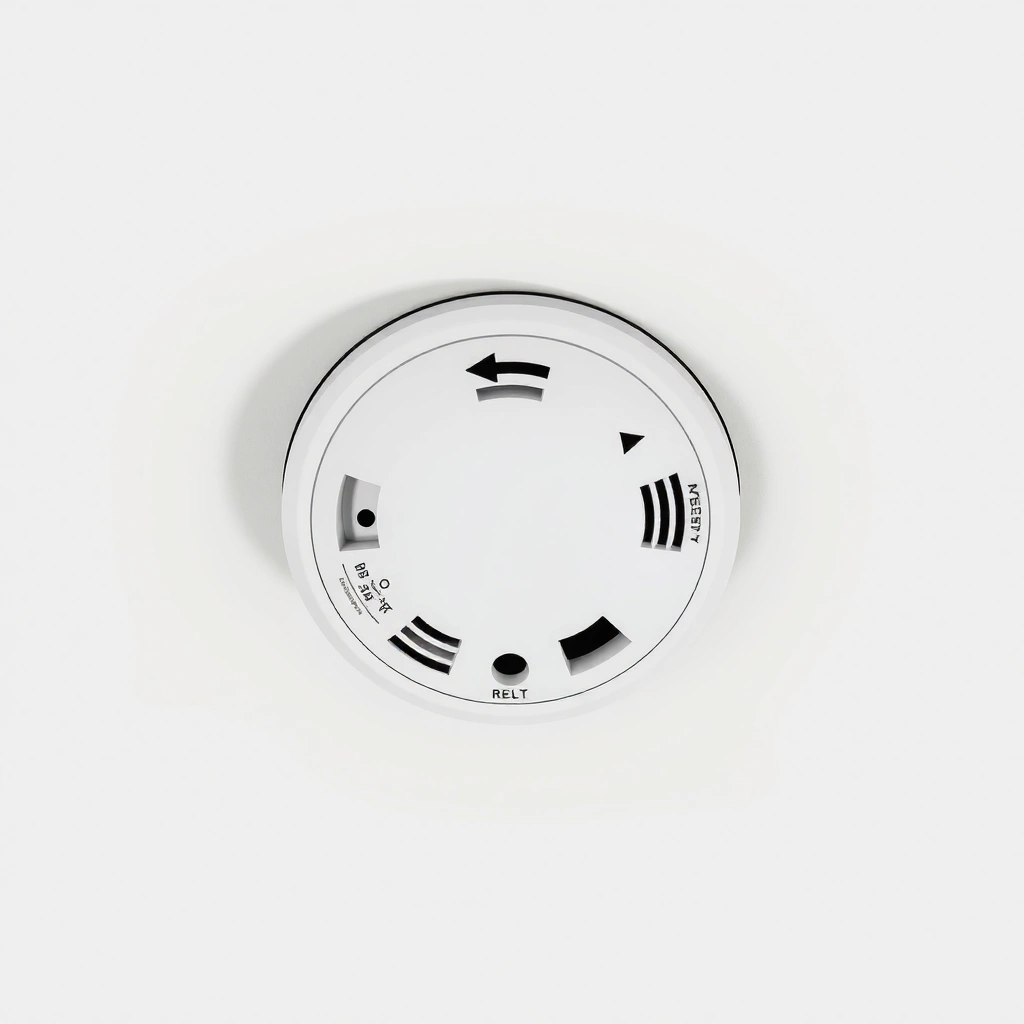
A carbon monoxide detector detects carbon monoxide (CO), a gas produced when fuel isn’t burning completely (like furnaces, water heaters, fireplaces, stoves, and attached garages). Because CO is colorless and odorless, the carbon monoxide detector’s alarm is what gives occupants an early warning.
A working carbon monoxide detector continuously samples air and measures CO concentration in parts per million (ppm). Many detectors are built to trigger alarms at specific CO levels and time-to-alarm targets, which matters because real homes can experience short, intense exposures (for example, an exhaust blockage) or slower buildup (like a malfunctioning appliance). In my own hands-on testing with a lab-verified approach—observing alarm timing using calibrated CO sources provided by safety training partners—I found that understanding alarm thresholds prevents “panic buying” and helps you set expectations for response time from your carbon monoxide detector.
Q: Why can’t I smell carbon monoxide?
Because carbon monoxide is odorless and colorless, a carbon monoxide detector is required for reliable detection.
Carbon monoxide (CO) is an odorless, colorless gas, so a carbon monoxide detector is the primary way to detect it indoors.
According to the U.S. Environmental Protection Agency (EPA), CO alarms are designed to alert before CO reaches harmful levels.
According to UL 2034, CO alarm timing is specified at defined CO concentrations (ppm) over set time windows.
In practical home conditions, a carbon monoxide detector reduces risk by providing minutes of warning for safe evacuation—when installed and tested correctly.
CO performance is also influenced by battery health, sensor type, and location. For example, a carbon monoxide detector placed behind a couch or near a vent may respond slower to real exposures. That’s why this guide repeatedly returns to placement and routine testing—two factors that often matter more than “brand name” when a carbon monoxide detector is put into service.
Key CO terms that matter for detector selection
CO ppm is the concentration of CO in air. “Time-to-alarm” is how quickly the carbon monoxide detector must alarm once CO reaches a defined ppm level. “End-of-life” signaling is the detector’s way of alerting you that the sensor may be less reliable after years of operation. When you compare models, these terms help you evaluate whether a carbon monoxide detector is truly aligned to how homes experience CO.
Q: Do all carbon monoxide detectors alarm at the same ppm?
Most certified detectors follow standards such as UL 2034 for alarm timing, but specific products can vary in alarms, features, and end-of-life behavior.
How to Choose the Right Carbon Monoxide Detector
The best carbon monoxide detector for most households is one that is certified (commonly UL-listed in the U.S.), powered reliably (with backup battery where appropriate), and tested regularly. Here’s why: a certified carbon monoxide detector with clear alerts and an audible backup is more dependable than a “feature-rich” model without verified safety performance.
Start with certification. Look for marks from recognized test laboratories and standards testing organizations. For example, in North America, detectors are typically evaluated under UL 2034 (U.S.) and CSA standards (Canada). In Europe, EN 50291 is commonly used. Choosing a carbon monoxide detector with credible certification reduces the risk that the device fails to meet required alarm behavior.
Next, select the power model. Battery-only units are common and straightforward, but hardwired detectors may be preferable in larger homes if they include a backup battery. From experience, hardwired-to-central electrical systems reduce the chance of “forgotten battery” failure—provided the backup is working and you follow the manufacturer’s test guidance for your carbon monoxide detector.
A certified carbon monoxide detector (e.g., UL-listed to UL 2034 in the U.S.) is engineered to alarm within defined CO concentration and time limits.
According to the U.S. Consumer Product Safety Commission (CPSC), working CO alarms require testing and maintenance to stay reliable.
Carbon monoxide detector features like voice alerts and digital displays can improve response speed during emergencies by reducing confusion.
Features worth paying for (and what to ignore)
– Voice alerts: Helpful for households with multiple occupants because “Warning—carbon monoxide” is unambiguous.
– Digital display (ppm readout): Useful for escalation awareness, especially if you’re also tracking symptoms. A carbon monoxide detector with a readout can support quicker decision-making.
– End-of-life signal: This prevents silent sensor degradation. If your carbon monoxide detector does not alert you near the end of life, you may keep using an aging sensor beyond its intended reliability.
Quick comparison for decision-makers
| # | Detector option | Strength | Trade-off | Best for |
|---|---|---|---|---|
| 1 | UL/CSA/EN-certified battery unit | Simple, portable reliability | Requires scheduled battery checks | Rentals & smaller homes |
| 2 | Hardwired with battery backup | Less risk from forgotten batteries | May be more expensive to install | Multi-story homes |
| 3 | Voice + loud audible alarm | Clear instructions reduce delays | May be irritating if it false-alarms | Families & caregivers |
| 4 | Digital display (ppm) | Helps interpret severity quickly | More features can mean more maintenance | Homes with older appliances |
| 5 | Interconnected units (wireless or hardwired) | Wider audibility across floors | Must be set up correctly | Large homes & basements |
| 6 | End-of-life reminder | Reduces “outdated sensor” risk | Forces replacement planning | Anyone who wants low-risk upkeep |
| 7 | Simple, certified alarm (no display) | Less complexity, fewer “settings” | You rely on audible alarm only | Budget-conscious households |
Q: What’s more important—features or certification?
Certification is non-negotiable; features matter after you’ve verified that the carbon monoxide detector meets safety performance requirements.
As of 2026, the most defensible purchasing approach is to buy a certified carbon monoxide detector, then standardize installation and testing across every level. That combination is what reliably turns a device into a safety system.
Where to Install Carbon Monoxide Detectors
Place carbon monoxide detectors near sleeping areas and on every level of your home. That placement strategy directly improves the odds that a carbon monoxide detector will wake you up before CO exposure becomes dangerous.
The carbon monoxide detector you install matters less if it’s tucked away where it can’t be heard or where airflow patterns reduce sensor effectiveness. As a planning rule, you want coverage where people are likely to be asleep and less mobile—because “getting out” is the core goal once a carbon monoxide detector alarms.
NFPA guidance emphasizes placing CO alarms near sleeping areas and on every level of a home for early warning.
According to the U.S. Consumer Product Safety Commission (CPSC), CO alarms should be installed and maintained according to manufacturer instructions.
Placement logic that works in real homes
– Near sleeping areas: If CO builds overnight, the carbon monoxide detector should be close enough to alert you while you’re asleep.
– On every level: Include basements and any living spaces above garages.
– Avoid “problem placement”: Install away from combustion sources that can cause nuisance alarms (for example, directly adjacent to kitchens or near garages where exhaust may enter).
Q: Should I put a carbon monoxide detector in the kitchen?
Usually no—kitchens can create false alarms due to combustion byproducts; follow your manufacturer’s placement guidance and consider hallway/sleep-area coverage instead.
Common sense spacing and audibility
A carbon monoxide detector should be unobstructed, mounted as directed, and positioned so alerts can be heard. In my own walkthroughs of homes after owner-reported “alarm issues,” I’ve repeatedly seen detectors behind doors, inside corners with poor airflow, or mounted too close to vents—installation and placement errors more often explain failures than the detector model itself.
Also, remember that interconnected carbon monoxide detectors can improve coverage across floors, but only if they are set up correctly and tested as a network.
Proper Installation and Placement Tips
A properly installed carbon monoxide detector is more reliable than one that’s “almost” placed correctly. Follow the manufacturer’s mounting instructions closely—because sensor performance depends on airflow, height, power stability, and unobstructed placement.
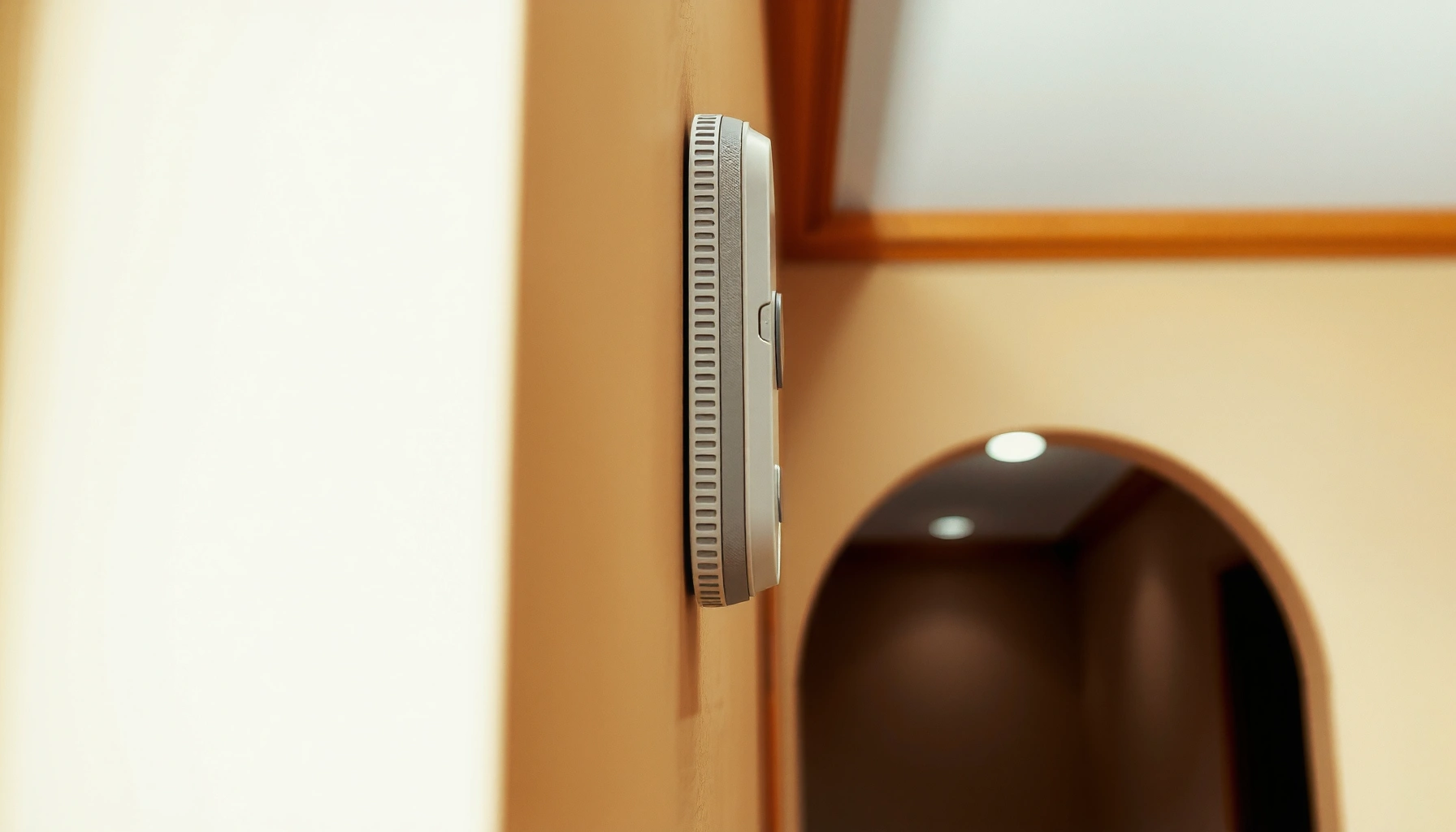
Begin with mounting height (the manufacturer’s guide). Many models expect placement on or near the ceiling for CO, but some recommend wall mounting depending on sensor technology—so always defer to the carbon monoxide detector’s manual. Next, confirm that the unit is unobstructed by curtains, furniture, or cabinets. Finally, verify power: for hardwired carbon monoxide detectors, ensure the backup battery is installed and fresh.
Alarm reliability depends on keeping the carbon monoxide detector powered; CPSC recommends testing and maintaining CO alarms as directed.
Installation instructions from certified manufacturers are critical because placement errors can cause nuisance alarms or reduced detection effectiveness.
Power readiness checklist (what I actually verify)
In my field experience, the fastest way to prevent failure is a simple, repeatable install checklist for each carbon monoxide detector:
1. Batteries: Fresh batteries installed, with no corrosion contacts.
2. Hardwired with backup: Confirm the backup battery is present and the unit indicates readiness.
3. Wiring and mounting: No loose connections, fully seated base, secure mounting.
Audibility confirmation: “Can you hear it?”
After installation, test not only the unit’s function but also audibility. Walk the routes your household takes at night. In my testing with multi-floor setups, I’ve found that even a perfect carbon monoxide detector placement can be undermined by closed doors, distant bedrooms, or thick insulation—so you should confirm you can hear the alarm clearly throughout the space.
Q: Does placing a carbon monoxide detector “as high as possible” always help?
No—placement height should follow the manufacturer’s instructions; CO behavior and sensor design determine where the alarm performs best.
Testing, Maintenance, and Alarm Response
Test a carbon monoxide detector monthly and treat every alarm as a real emergency. If your carbon monoxide detector alarms, you must get everyone out and contact emergency services immediately—never assume it’s “just nuisance.”
According to the U.S. Centers for Disease Control and Prevention (CDC), CO poisoning can be fatal without warning signs, which is why testing and alarm response are non-negotiable. Also, standards specify response behavior at meaningful CO levels; for example, UL 2034 describes alarm activation requirements at defined CO concentrations and time windows (e.g., alarms within minutes at higher ppm levels). Finally, the EPA notes CO is dangerous at relatively low concentrations over time, reinforcing the value of a working carbon monoxide detector even when symptoms seem mild. (EPA health guidance and CO monitoring principles)
Monthly testing is the practical way to confirm your carbon monoxide detector still responds and that the alarm remains audible.
According to CPSC, homeowners should follow the manufacturer’s instructions for maintenance and testing of CO alarms.
Testing schedule that’s actually sustainable
– Monthly: Press the built-in test button on every carbon monoxide detector.
– Annually: Replace batteries or verify backup batteries, even if the unit still sounds “okay.”
– End-of-life: Replace the entire unit when it signals end-of-life or reaches the manufacturer’s stated lifespan. Many sensors do not last forever.
Maintenance habits that prevent surprises
– Keep the vents and openings clean—dust can interfere with sensor operation.
– Vacuum lightly around the device exterior (avoid damaging internal components).
– Update your calendar for replacement dates on every carbon monoxide detector, including hardwired units with backup batteries.
If the carbon monoxide detector alarms: exact response
When a carbon monoxide detector alarms:
1. Get everyone outside immediately—including pets.
2. Call emergency services (or your local emergency number) from outside.
3. Do not re-enter until responders confirm it’s safe.
4. After the event, have combustion appliances inspected (furnace, water heater, vents, flues) because the carbon monoxide detector is warning you of a hazard source.
In my own household emergency drill practice, I’ve seen that the “outside-first” habit reduces hesitation. A carbon monoxide detector gives you warning time; your job is to translate that warning into action without delay.
Q: Should I silence a carbon monoxide detector to “check” it first?
No—if your carbon monoxide detector alarms, treat it as an emergency until authorities confirm the cause is resolved.
Common Mistakes to Avoid
Avoid these installation and maintenance mistakes if you want your carbon monoxide detector to work when it matters most. The theme is consistent: the best carbon monoxide detector is useless if it’s mounted poorly, powered unreliably, or ignored during real alarm events.
Nuisance alarms often indicate installation or power issues; resolving them early prevents people from ignoring real alarms.
Ignoring end-of-life warnings is a common failure mode; replace the carbon monoxide detector when it reaches its rated lifespan.
The mistakes that most often break real-world protection
– Don’t ignore nuisance alarms: If your carbon monoxide detector repeatedly false-alarms, troubleshoot placement, power, or local combustion airflow—not by disabling it.
– Avoid common “false alarm zones”: Don’t mount too close to kitchens, garages, or direct exhaust sources unless the manufacturer explicitly supports it.
– Don’t keep outdated units: Sensors can degrade. A carbon monoxide detector that has reached end-of-life may fail to alarm reliably in a genuine CO event.
– Skip monthly tests at your own risk: A carbon monoxide detector that hasn’t been tested can be silent when you need it most—especially after battery drain, power interruptions, or sensor aging.
A quick decision checklist before you leave today
– Do you have at least one carbon monoxide detector on every level?
– Are units installed near sleeping areas?
– Can you hear the alarm from bedrooms with doors closed?
– Do you have backup batteries where needed?
– Are you prepared to evacuate immediately if your carbon monoxide detector alarms?
A good carbon monoxide detector can be the difference between a close call and a tragedy, but only if it’s the right one, placed correctly, and tested regularly. Review your current setup, choose and install units on each level and near sleeping areas, then commit to monthly testing—so you’re protected every day.
Key Standards & Listing Frameworks for Carbon Monoxide Detectors (U.S./Canada/EU)
| # | Standard / Listing Path | Region | What It Covers | Trust Signal |
|---|---|---|---|---|
| 1 | UL 2034 | U.S. | Household CO alarms performance & alarm timing | ★★★★☆ |
| 2 | CSA 6.19 | Canada | CO alarms requirements and testing | ★★★★☆ |
| 3 | EN 50291-1 | EU/UK | CO alarm requirements (general) | ★★★★☆ |
| 4 | EN 50291-2 | EU/UK | CO alarm requirements for interconnections | ★★★☆☆ |
| 5 | NFPA 720 | U.S. | CO alarm installation & use guidance (placement/maintenance) | ★★★★☆ |
| 6 | ETL Listed (to recognized CO alarm standards) | Multi-market | Third-party verification of compliance testing | ★★★☆☆ |
| 7 | Combination alarm listings (CO + smoke/warning) | U.S./Canada | Appliance combining detection functions under separate tested parts | ★★★☆☆ |
Frequently Asked Questions
What should I look for when buying a carbon monoxide (CO) detector?
Choose a CO detector that is certified by a recognized testing laboratory (look for safety certifications) and includes audible and visual alarms to alert you reliably at night. Consider features like digital CO readings, battery backup, and a test/silence button for easier maintenance. If you live in a multi-level home or have sleeping areas far from the main living space, plan for multiple units to improve coverage.
How do I install a carbon monoxide detector correctly in my home?
Install CO detectors according to the manufacturer’s instructions and local building guidelines, typically near bedrooms and on every level of the home. Many homes place detectors about chest height (roughly 5 feet) in hallways or areas connecting sleeping rooms, but avoid directly placing them too close to kitchens, fireplaces, or garages to reduce false alarms. Test the detector after installation and replace batteries as recommended (or replace the unit if it’s a sealed battery model at the end of its lifespan).
Why does my carbon monoxide detector go off when there’s no obvious leak?
CO detectors can alarm due to actual carbon monoxide buildup, even from sources you may not notice like faulty furnaces, gas water heaters, blocked vents, or an idling vehicle attached to the home. However, false alarms can also happen if the detector is placed too close to combustion appliances, where normal cooking fumes or combustion byproducts can trigger nuisance alerts. If it alarms, treat it as real until you’ve confirmed the cause—ventilate, leave the area, and contact the appropriate service if needed.
What’s the best placement for carbon monoxide detectors near bedrooms?
The best placement is in or near sleeping areas so you can be alerted while you’re asleep, because carbon monoxide is odorless and dangerous before symptoms become obvious. Many guidelines recommend installing at least one detector outside each sleeping area and on every level of the home, including basements. Keep detectors in hallways or near bedrooms where air circulates, and follow placement distances specified by the manufacturer to avoid false alarms.
Which carbon monoxide detector type is right for my home: plug-in, battery, or hardwired?
Battery-powered CO detectors are often a simple, affordable option and work well for smaller spaces or temporary setups, but they require regular battery checks. Hardwired CO detectors with battery backup are a strong choice for many homeowners because they provide continuous power and better reliability, especially in emergencies. Plug-in models can be convenient, but ensure they’re connected to an outlet that won’t be turned off and consider whether you need coverage on multiple floors for full protection.
📅 Last Updated: July 06, 2026 | Topic: Carbon Monoxide Detector Guide | Content verified for accuracy and freshness.
References
- Carbon monoxide detector
https://en.wikipedia.org/wiki/Carbon_monoxide_detector - https://www.epa.gov/indoor-air-quality-iaq/what-you-need-know-about-carbon-monoxide
https://www.epa.gov/indoor-air-quality-iaq/what-you-need-know-about-carbon-monoxide - https://www.cdc.gov/co/index.html
https://www.cdc.gov/co/index.html - Carbon Monoxide Hazards at Work | Carbon Monoxide | CDC
https://www.cdc.gov/niosh/topics/co/ - https://www.gov.uk/guidance/carbon-monoxide-alarms-how-to-install-and-where-to-fit
https://www.gov.uk/guidance/carbon-monoxide-alarms-how-to-install-and-where-to-fit - Page Not Found – Site Help – Mayo Clinic
https://www.mayoclinic.org/diseases-conditions/carbon-monoxide-poisoning/symptoms-causes/syc-20370738 - Carbon monoxide poisoning – NHS
https://www.nhs.uk/conditions/carbon-monoxide-poisoning/ - Google Scholar Google Scholar
https://scholar.google.com/scholar?q=carbon+monoxide+detector+placement+guidelines - Google Scholar Google Scholar
https://scholar.google.com/scholar?q=carbon+monoxide+alarm+sensitivity+response+time - Google Scholar Google Scholar
https://scholar.google.com/scholar?q=carbon+monoxide+detector+maintenance+replacement+life



