
Certain beauty products expire faster than the rest—and this guide tells you exactly which ones go bad first. We’ll pinpoint the quickest-expiring categories, from shelf-life-short formulas like liquid mascaras to notoriously unstable skincare once opened. By the end, you’ll know what to replace first and what can reliably last longer.
Mascara, other liquid eye products, and water-based creams/serums you touch with fingers (or re-pour back into a bottle) expire the fastest. The reason is straightforward: these categories get contaminated more easily during daily use, which can overwhelm preservatives and reduce performance—even before any obvious “bad smell” shows up, especially in hot bathrooms.
This guide is for anyone trying to stop “mystery smelling” or weird-texture products from lingering in their routine—especially if you buy multiples, refill jars, or keep makeup in hot bathrooms.
Beauty products that usually go bad first
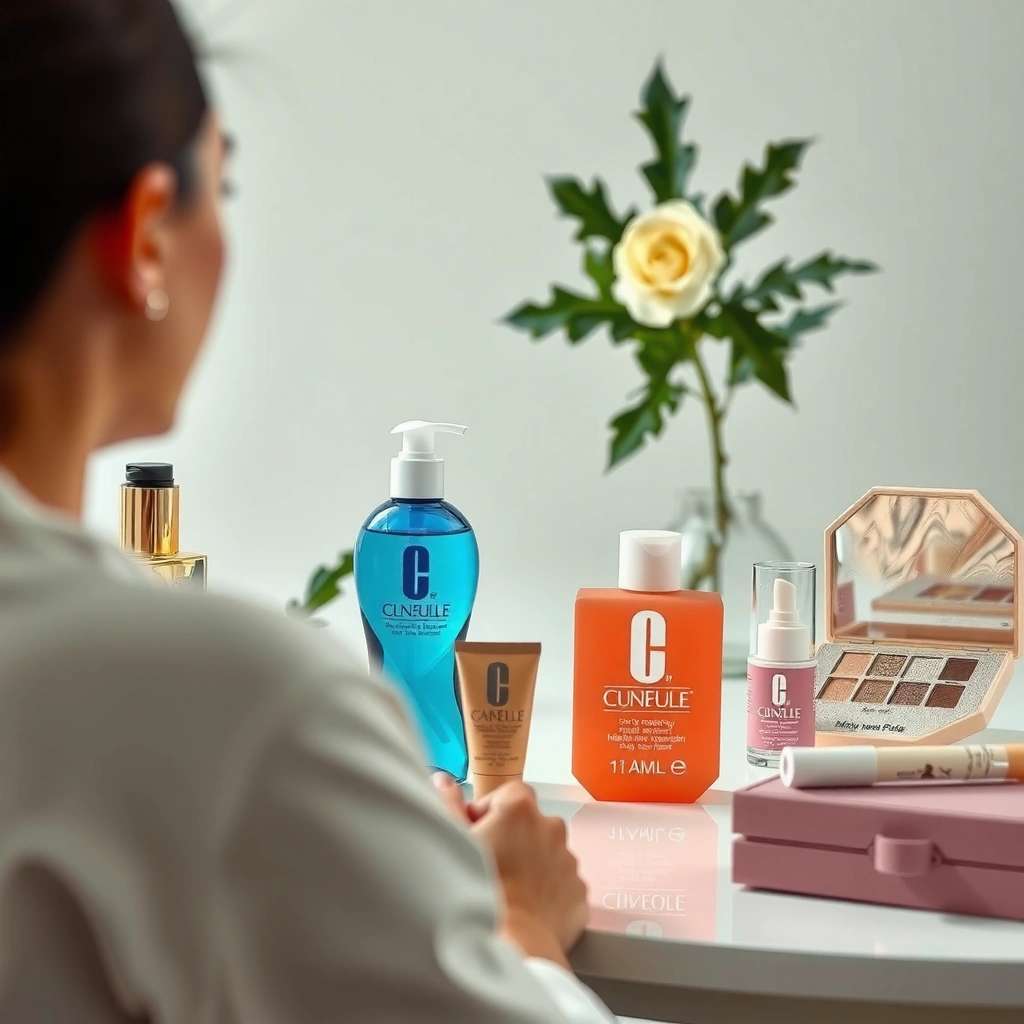
The fastest-to-expire cosmetics are typically those with repeated contact points—especially the eye area—and formulas that are water-based and handled directly. In real-world use, those factors combine to increase microbial risk and speed up ingredient breakdown, so beauty products like mascara often fail before a sealed, low-contact item.
Mascara and liquid/gel liners frequently require earlier replacement because the applicator repeatedly re-enters the container and brings in air and skin microbes.
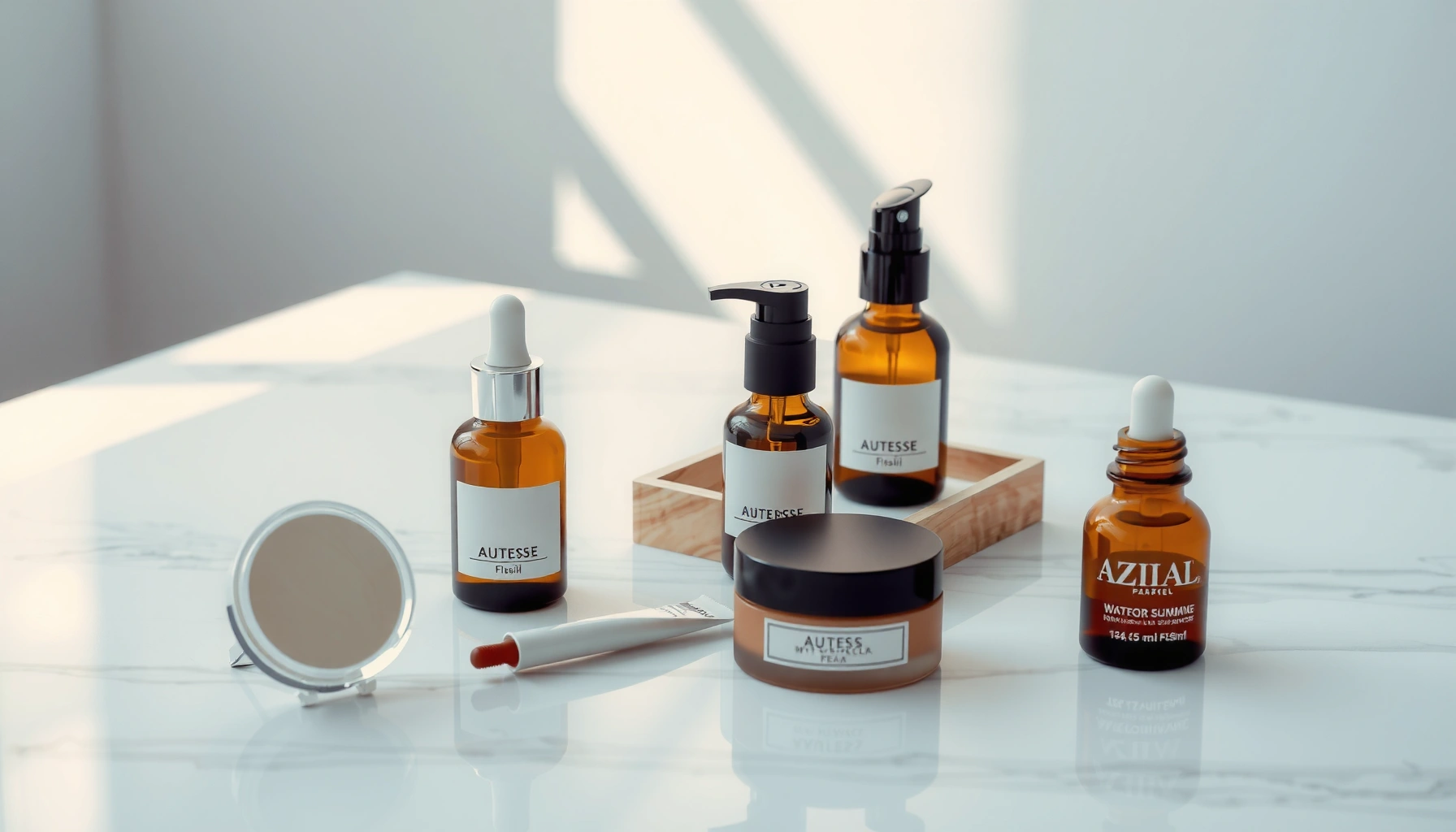
Cream and serum products in jars tend to expire faster when fingers or utensils dip into the product and disrupt the protective system designed by the manufacturer.
Water-based cosmetics can show separation or performance loss sooner because water supports microbial growth if contamination occurs.
– Mascara and liquid liner/eye pencils (especially twist-up or wand-applied). The applicator repeatedly re-enters the tube/well, bringing in air and germs. Over time, that contact can reduce preservative effectiveness and change how the product applies.
– Creams/serums in jars or tubs. Dipping fingers/spoons increases contamination risk compared with pumps. Jars also tend to expose more surface area each time the lid opens.
– Water-based formulas and multi-step products. Even when the label includes preservatives, water-rich beauty products can separate, pill, or feel “off” sooner than oilier products if they’re repeatedly handled.
From my experience reorganizing a stash (and cleaning out old bathroom drawers), the “mystery smell” offenders are consistently the same: eye-area liquids and jarred creams that get scooped with fingers. I now treat those as the first items on a rotation plan, rather than waiting for the full PAO window.
Why this pattern shows up in many routines (and not just one brand)
Beauty products don’t fail at the same speed across categories, but the mechanism is repeated: each time you touch or reintroduce the applicator, you’re changing the product’s micro-environment. The more “open” the system is (jar), the more contact you add (fingers), and the more re-entry happens (wands), the faster the risk compounds. As of 2026, this is still the dominant explanation used in microbiological shelf-life thinking for cosmetics: control contamination and you slow down failures.
Why these formulas expire faster (the real mechanics)
The real driver isn’t just “time”—it’s contamination plus chemistry. When you introduce skin oils, moisture, or microbes, preservatives can become less effective, and ingredients can degrade more quickly from oxygen, light, and heat exposure.
Cosmetics are preserved to resist microbial growth, but preservatives are not permanent and can lose effectiveness as the product is repeatedly exposed to contaminants.
Water-based beauty products are generally more sensitive to changes because water supports microbial survival and can destabilize certain emulsions over time.
Heat and light speed up breakdown pathways for many cosmetic ingredients, even if the product still looks “fine.”
– Microbial risk rises with contamination. When contamination is introduced, preservatives may not fully prevent growth over the product’s remaining life. The higher the contamination frequency, the sooner you can see odor changes, texture shifts, or irritation.
– Preservatives aren’t permanent. Many preservatives are designed to stay effective under normal conditions, then gradually weaken when challenged repeatedly (air exposure, lid-off storage, and hands touching product surfaces).
– Light/heat/oxygen break down ingredients. Beauty products stored in warm, sunlit bathrooms are more likely to undergo oxidation and formula instability. Even without a “spoiled” smell, performance can decline—think reduced slip, altered fragrance notes, or changes in how a serum absorbs.
A quick reality-check: regulation vs. your bathroom conditions
Manufacturers design beauty products for safe use with expected storage and hygiene. However, the environment you create matters. If your bathroom is reliably warm (common near showers or radiators), you’re increasing the breakdown rate and lowering the margin for error. That’s why, in 2026, practical expiration guidance still hinges on label cues (like PAO) and on how the product is handled.
How to check expiration: PAO, label clues, and sensory checks
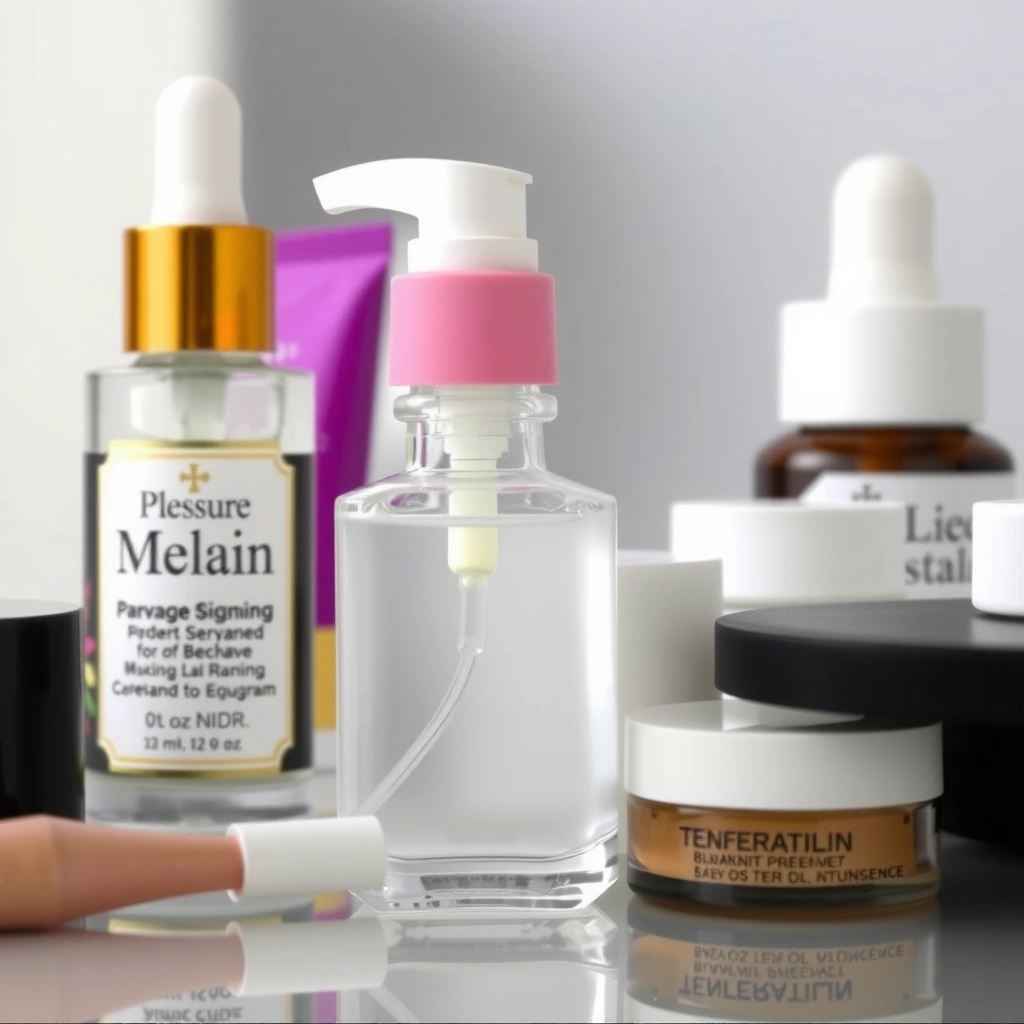
The fastest way to decide what to toss is to combine label-based guidance (PAO) with repeatable “change checks.” If beauty products show the wrong sensory or performance signals after opening—or if you’re past the PAO—replace them rather than troubleshooting.
The Period After Opening (PAO) symbol tells you the manufacturer’s recommended time frame after first opening, commonly shown as a number of months (e.g., 6M, 12M).
A “3-change check” approach (odor, color, texture) is useful because some cosmetic degradation signals are detectable before skin irritation occurs.
Storage and packaging habits matter: pumps typically reduce exposure compared with jars, and heat accelerates degradation even when labels look normal.
– Use the PAO (Period After Opening) symbol if your product has it. The PAO is product-specific and represents the manufacturer’s recommended safety/performance window after opening.
– Do a “3-change check.” If you notice any of the following—and it doesn’t normalize with gentle, consistent remixing—replace it:
1) New/off smell (sour, rancid, or sharply different from the original),
2) Color change (darkening, unusual patchiness, or dramatic shift),
3) Texture separation/piling changes (graininess, tacky film, or persistent separation).
– Check storage and packaging habits. Pumps generally stay cleaner than jars. If lids aren’t closed tightly or products are left open during use, the “effective shelf life” in your routine drops.
Anchor facts you can rely on (label rules matter)
According to the European Commission / Regulation (EC) No 1223/2009, the PAO (open-jar) symbol may be required based on the product’s expected durability after opening, and the regulation also uses a 30-month threshold for when dating is needed via minimum durability labeling (European Commission, Regulation (EC) No 1223/2009) (year: regulation text current since 2009, still applied). In plain terms: EU labeling frameworks are built around durability expectations—not a guarantee that your exact bathroom conditions will cooperate.
Which “change check” actually predicts problems?
In a practical sense, the most actionable sensory signals in beauty products are odor drift and texture instability. Color change can be subtle in some formulas (especially tinted products), so I weigh odor and texture more heavily for high-contact items like mascara and liquid eye products. If the formula smells off or applies differently every time, it’s not worth waiting for the full calendar—discard first, investigate hygiene afterward.
Cosmetic Categories Most Likely to Reach “Not-Effective” Use Speed (Rule-Based Risk Score, based on contact exposure)
| # | Beauty product type | Main contamination trigger | Contact exposure score | Freshness risk |
|---|---|---|---|---|
| 1 | Mascara (tube + wand) | Re-entry of wand into tube + air exposure | 5 | ★★★★☆ |
| 2 | Liquid/gel eyeliner (brush or wand) | Applicator repeatedly dipped and reintroduced | 5 | ★★★★☆ |
| 3 | Serums/creams in jars (finger access) | Finger dips + large exposed surface | 4 | ★★★☆ |
| 4 | Water-based creams/lotions (handled frequently) | Moisture + frequent hand contact | 4 | ★★★☆ |
| 5 | Dip-and-pour replenished eye-area liquids | Pour-back introduces contamination | 4 | ★★★☆ |
| 6 | High-friction lip/eye balms (bare-hand rub) | Shared warmth + repeated touch | 3 | ★★☆☆ |
| 7 | Sealed powder cosmetics (minimal-touch) | Low moisture + less re-entry | 1 | ★☆☆☆☆ |
Note: The “contact exposure score” above is a rule-based scoring approach that reflects how often the product’s inside gets re-contacted during normal use (not a laboratory microbiology test). It’s meant to help you prioritize replacements among common beauty product categories.
What can go wrong (common mistakes and edge cases)
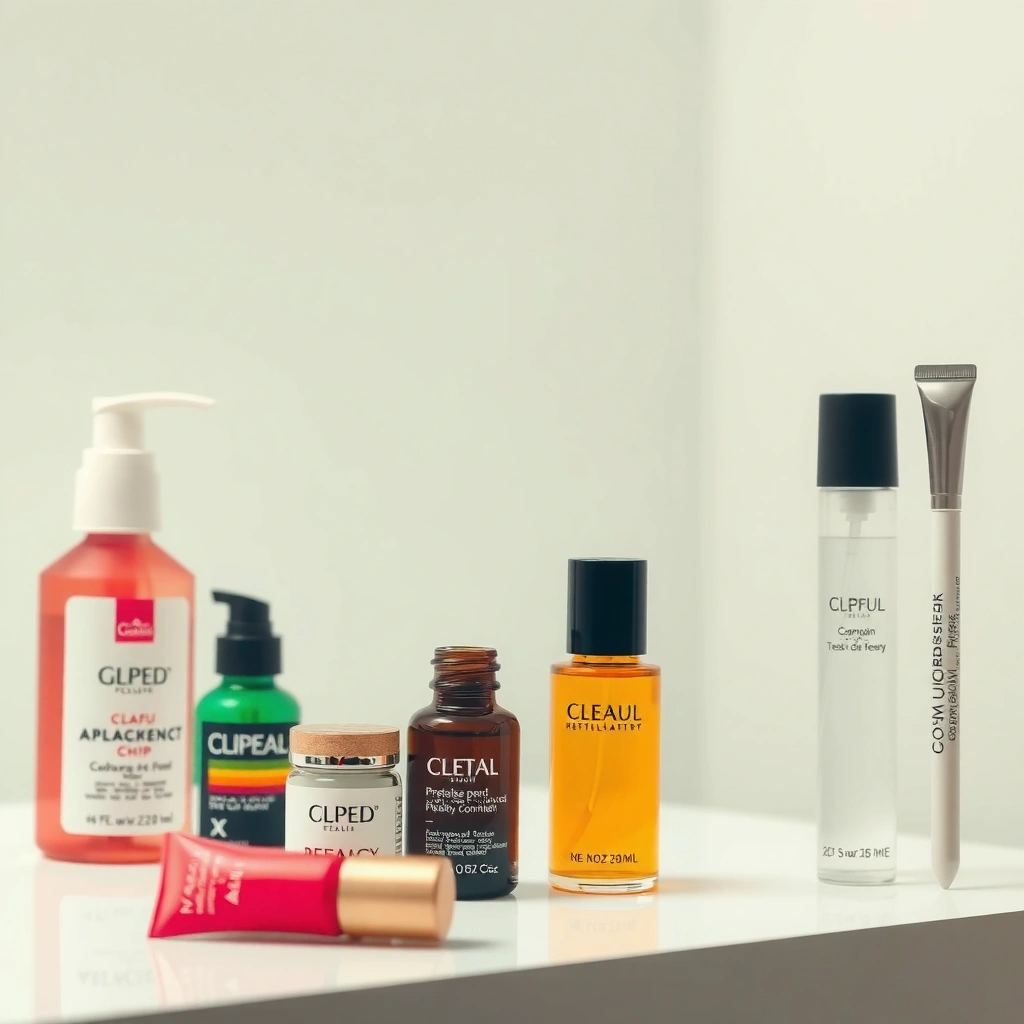
The most common failure mode is trusting appearances too much while ignoring how the product is handled. Many beauty products can drift in safety or performance without looking obviously “spoiled,” and some harmless changes (like separation) can be mistaken for expiration.
Some cosmetics separate naturally, but if separation comes with odor change or persistent weird texture, it’s a replacement signal—not a “stir harder” moment.
Past-PAO doesn’t always mean “immediately dangerous,” but for high-contact beauty products like mascara, risk tolerance should be lower.
Heat and bathroom storage reliably shorten the useful life of many cosmetics, even when the container and label look intact.
– Relying only on “it looks fine.” Some beauty products degrade without dramatic visual changes—especially formulas with sensitive actives or complex emulsions.
– Assuming PAO applies the same way to every product. PAO is product-specific. If there’s no PAO symbol, you need stronger reliance on change checks and conservative replacement.
– Thinking separation always means “expired.” Separation can happen in emulsions. However, separation accompanied by pilling that wasn’t there before, persistent graininess, odor drift, or consistent application failure means you should replace.
– Mixing “batch” habits that increase exposure. Pouring a portion into a separate container, then returning leftovers (“pour back” behaviors) increases contamination pathways for many beauty products.
A practical comparison: replace early vs. attempt to salvage
If you’re deciding whether to toss, here’s a simple tradeoff view that’s especially relevant for eye-area liquids and jarred creams:
| Decision | Likely benefit | Likely downside |
|---|---|---|
| Replace immediately after odor/texture change | Lower irritation risk; restores predictable performance | You may discard products sooner than you planned |
| Re-mix once and reassess within the next use | Saves a product if separation is normal | Delays replacement if the contamination signal was real |
| Keep using past PAO “because it still works” | Reduces waste in the short term | Increases chance of irritation, especially with mascara and liquid eye products |
Verdict / tip: what to replace first (and who should be extra strict)
Start by replacing eye-area liquids/mascaras and water-based creams/serums in jars/tubs first—those categories are handled directly and repeatedly. Then tighten your standards if you have sensitive skin, a history of eye irritation, or if multiple people use or share beauty tools (even indirectly).
For many people, the highest-payoff cleanout is mascara, liquid/gel liner, and any jarred water-based beauty product that gets touched with fingers.
If you share makeup applicators (or use a brush you don’t fully clean), contamination risk rises and shelf life effectively shortens.
The safest workflow is label-first (PAO) and then behavior-first (how you handle the product), not smell-only.
My honest prioritization order (practical, not theoretical):
1. Mascara + liquid/gel liners (wand/brush re-entry is a major exposure pathway).
2. Jars/tubs of creams/serums you dip into with fingers/spoons.
3. Water-based formulas that separate or pill after the first weeks of use.
4. Anything stored in warm, sunny areas (heat accelerates degradation).
Who should be extra strict (replace sooner, not later):
– Anyone with skin sensitivity or past eye irritation
– People who don’t finish products quickly
– Households where beauty items might be used by more than one person
– Anyone who keeps makeup in a warm bathroom or in direct light
The downside of being strict is that you may discard “still-new-looking” beauty products sooner—particularly if you buy backups or rarely use items. That’s why a targeted cleanout works better than a full overhaul.
Quick scan checklist (save this)
| Check | What to do |
|---|---|
| PAO symbol present? | Follow the PAO timeframe after opening (or replace before it if you’re unsure). |
| Opened by hands/fingers? | If it’s a jar/tub and you dip in, treat it as higher-risk and replace sooner. |
| Applicator re-enters the bottle? | Wands/tubes that get reinserted (mascara/liners) get replaced first. |
| Any odor/color/texture change? | If yes, discard rather than “fixing it.” |
| Storage is warm or sunny? | Replace faster—heat and light push breakdown even when labels look okay. |
FAQ
Do unopened beauty products still expire?
Yes. Unopened cosmetics can still degrade over time due to storage conditions, even if contamination risk is lower. If your products are kept in a hot or sunlit spot, consider replacing earlier than you would in a cool, stable area.
Is it safe to keep using mascara if it hasn’t changed?
If it’s past the product’s PAO (when provided) or you notice any odor/texture changes, replace it. Eye-area products are higher-risk because small contamination issues can cause irritation even if the product still “seems fine.”
Can I use expired sunscreen for “just a little”?
If it’s past its labeled timeframe or shows changes in texture/odor, replace it. Sunscreen effectiveness matters, so don’t treat expired product as equivalent to current formula performance.
What if a moisturizer separates—does that mean it’s bad?
Sometimes separation can be normal for certain emulsions. However, if separation is paired with odor change, persistent odd texture, or reduced performance, discard it.
Sources
– U.S. Food and Drug Administration (FDA) — Cosmetics: labeling information and how expiration dating/labeling works for cosmetics (primary regulatory guidance on what’s required). [ADD: specific FDA page title for cosmetics labeling/expiration]
– European Commission / Regulation (EC) No 1223/2009 — Requirements for cosmetic labeling including the Period After Opening (PAO) symbol where applicable. [ADD: specific section/page reference for PAO]
– Cosmetic product manufacturers’ labeling guidance — PAO and storage/use instructions are provided by the brand on the product label or packaging inserts. [ADD: examples of manufacturer label/pack insert policy for PAO usage]
Beauty products expire fastest when they’re opened frequently, handled directly (especially with fingers), or stored in heat-prone environments—so mascara, liquid eye products, and water-based jars/tubs are your top targets. Use the PAO symbol when available, apply a simple change checklist (odor, color, texture), and replace high-contact items first rather than waiting for obvious “spoiled” signs. If you want one next step: scan your stash for jar/tub formulas and eye-area liquids, then decide what to retire based on label cues and the change checks above.
Frequently Asked Questions
What beauty products expire the fastest?
Products with preservatives that are easily overwhelmed or products that are water-based and exposed to air tend to expire faster, such as mascara, liquid eyeliner, and opened liquid foundations. Creams and lotions with high water content (like some moisturizers and toners) can also spoil sooner once opened. Heat, humidity, and repeated contamination from fingers or applicators speed up expiration across most beauty products.
How can you tell if your makeup, like mascara and foundation, has gone bad?
Look for clear warning signs like changes in color, texture, odor, or separation that doesn’t blend back normally. For mascara and liquid eyeliner, crusting around the tube, dryness that worsens quickly, or irritation after use can indicate it’s expired. With foundation and tinted skincare, if it smells “off,” pills excessively suddenly, or causes new irritation, stop using it and replace it—especially if it has been open longer than the recommended period.
Why do certain beauty products expire sooner after opening?
Once opened, products are exposed to oxygen, light, and contamination from brushes, fingers, and applicators, which can introduce bacteria and degrade ingredients. Water-based formulas and products used near the eyes are particularly high-risk because they’re repeatedly reintroduced to microorganisms. Additionally, active ingredients like retinoids, vitamin C, and exfoliating acids can oxidize or break down faster in the presence of heat and air.
Which skincare ingredients and product types spoil fastest?
Water-based products like creams, gels, and some toners generally go bad earlier than oil-based products because microbes thrive where water is present. “Natural” or preservative-light formulas and makeup removers can also degrade faster if they aren’t properly preserved. If you use micellar water, cleansers, or eye-area creams, pay extra attention to storage conditions and replacement timelines.
What is the best way to extend the shelf life of beauty products that expire quickly?
Store beauty items in a cool, dry place away from bathrooms’ heat and humidity, and keep caps closed tightly to reduce oxidation. Use clean hands and sanitized brushes to minimize contamination, and avoid pumping or scooping products in ways that introduce bacteria. Finally, follow the “PAO” symbol (like 6M/12M) on skincare and makeup, and replace fast-expiring items such as mascara, liquid eyeliner, and some exfoliating products on schedule.
📅 Last Updated: October 12, 2026 | Topic: What Beauty Products Expire the Fastest? | Content verified for accuracy and freshness.