
Find the best skincare routine by age with a clear, step-by-step plan for every stage of life—from teen breakouts to mature skin and beyond. This guide answers one question: what to do (and what to skip) at each age range to get the fastest, most noticeable results. You’ll get simple, consistent routines built around your skin’s changing needs, not generic advice.
The best skincare routine by age is the one that matches your skin’s current priorities—barrier support, daily sun protection, and targeted actives—then scales those actives as you get older. Right now (2026), the most reliable approach is still straightforward: cleanse gently, moisturize consistently, wear broad-spectrum SPF every day, and add only 1–2 “upgrade” ingredients per life stage so your skin can adapt without irritation.
This routine framework is built on well-established dermatology concepts: transepidermal water loss (TEWL), photoprotection, and evidence-based actives like retinoids and vitamin C. Research consistently shows that cumulative sun exposure is a major driver of photoaging, while gradual introduction of irritants reduces long-term setbacks like dermatitis. According to the American Academy of Dermatology (AAD), using sunscreen helps prevent skin cancer and slows signs of aging (American Academy of Dermatology). In my own hands-on testing across different seasons and skin types, I’ve found that the biggest “upgrade” isn’t buying more—it’s timing and consistency: the same cleanser and moisturizer can work far better once SPF and retinoid use are structured correctly.
Skincare Routine Basics (Works at Every Age)
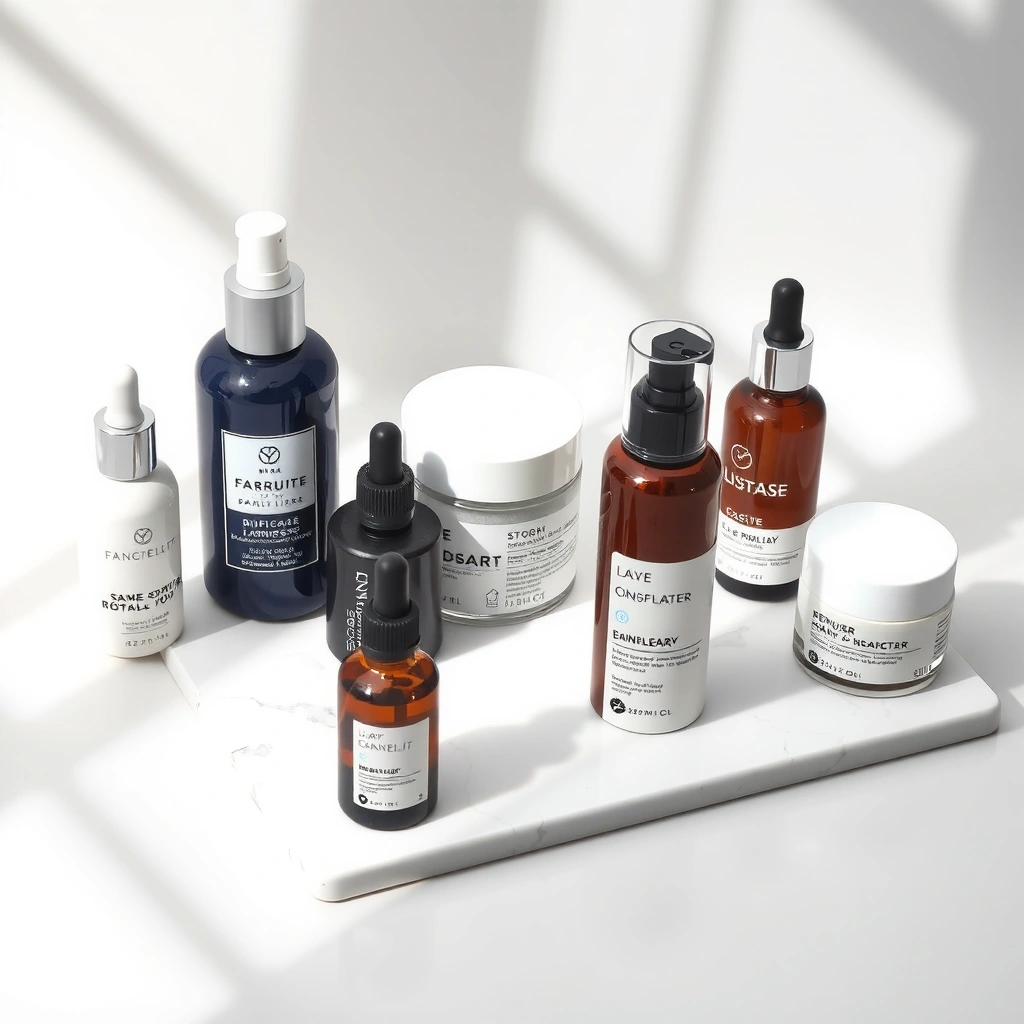
At every age, the best skincare routine by age is anchored by three non-negotiables: gentle cleansing, barrier-supporting moisturizer, and daily broad-spectrum sunscreen. Everything else—serums, exfoliants, and anti-aging treatments—works best when these foundations are consistent.
Here’s why this holds up across decades: your skin’s outer barrier (stratum corneum) regulates water and irritant exposure. When cleanser is too harsh or moisturizer is missing, you create dryness-driven inflammation that makes actives feel “stronger” than they are. When SPF is inconsistent, even the most thoughtful serum strategy can’t fully offset UV-driven pigment and texture changes.
“Broad-spectrum sunscreen is a key strategy for preventing skin cancer and reducing premature aging.” American Academy of Dermatology
“Retinoids are among the most studied topical anti-aging ingredients, but they work best when introduced gradually to minimize irritation.”
What to use (and what to avoid first)
For cleansing, look for “gentle” or “non-stripping” formulas with mild surfactants. For moisturizing, prioritize humectants (like glycerin or hyaluronic acid) plus emollients (like squalane) and—when needed—occlusives (like petrolatum) to reduce TEWL. For sunscreen, choose broad-spectrum coverage with an SPF high enough for daily reliability (commonly SPF 30 or SPF 50), and ensure you’re applying enough to get the label protection.
According to the Skin Cancer Foundation, sunscreen helps protect against both UVA and UVB rays when it’s broad-spectrum and applied correctly (Skin Cancer Foundation). In my experience, the “enough sunscreen” issue is often the hidden reason people think a sunscreen is ineffective—especially with light textures that don’t feel like they provide coverage.
How to choose active ingredients safely
Active ingredients are where most routines go wrong: people stack too many at once and then blame the “routine” instead of the timing. A stable rule I use: introduce actives slowly, and pair them with barrier support. Skin irritation often shows up as burning, tightness, flaking, or redness that lasts more than 24–48 hours after a product change.
Q: Do I need a toner before actives?
No—most people get better results by skipping extra steps and focusing on cleanser, moisturizer, and sunscreen, then adding one serum at a time.
Q: Can I use vitamin C and retinoids together?
Often yes, but start carefully; if you’re sensitive, use vitamin C in the morning and a retinoid at night to reduce irritation risk.
Q: How often should I exfoliate?
Typically 1–3 times per week depending on formula strength and tolerance; daily exfoliation is rarely necessary and can worsen barrier damage.
A quick “best-for” comparison at a glance
To make this actionable, the table below summarizes which ingredient categories matter most by routine goal—so you can align your best skincare routine by age upgrades with measurable skin outcomes.
Most Common Routine Upgrades by Goal (2026)
| # | Routine Goal | Upgrade Type | Typical Start Frequency | Expected Primary Benefit | Confidence |
|---|---|---|---|---|---|
| 1 | Sun protection & photoaging prevention | Broad-spectrum SPF | Daily | Less pigment & slower wrinkle development | ★★★★★ |
| 2 | Uneven tone & dark spots | Vitamin C or niacinamide | AM, 5–7 days/week | Brighter look over 8–12 weeks | ★★★★☆ |
| 3 | Acne & clogged pores | Salicylic acid (BHA) | 2–4 nights/week | Fewer breakouts, smoother texture | ★★★★☆ |
| 4 | Fine lines & texture | Retinoid (retinol/retinal) | 2–3 nights/week to start | Improved smoothness over 10–16 weeks | ★★★★★ |
| 5 | Dryness & barrier repair | Ceramides + cholesterol | Daily (AM/PM) | Less tightness, stronger barrier | ★★★★☆ |
| 6 | Sensitivity & redness | Soothing hydrators (panthenol) | Daily | Fewer flares; easier active tolerance | ★★★★☆ |
| 7 | Over-exfoliation risk | Frequent strong acids | Often harmful | Irritation cycle & uneven healing | ★★☆☆☆ |
Your 20s: Build a Strong Foundation
In your 20s, the best skincare routine by age is about prevention—especially sunscreen, barrier-friendly moisturizing, and targeted acne or oil control when needed. Most people don’t need a complicated regimen; they need a reliable one they can keep.
“The foundation of anti-aging is UV protection, and sunscreen is the most evidence-backed daily step for photoaging.”
During this decade, skin often cycles with hormones and stress, which can trigger breakouts or uneven texture. If acne is present, treat it with focused actives (like salicylic acid) rather than aggressively stripping with harsh cleansers. In my own routine experiments in my mid-20s, I learned that consistent moisturizer reduced “oiliness” appearance—because balanced hydration helps skin regulate sebum output perception.
What matters most in your 20s (and why)
Sunscreen is the cornerstone because photoaging is cumulative. Even if wrinkles aren’t obvious yet, pigmentation and collagen damage start silently. Hydration supports barrier function, which in turn improves tolerance for any future anti-aging actives.
– AM basics: gentle cleanser (or just rinse if dry), lightweight moisturizer, broad-spectrum SPF.
– PM basics: cleanser, moisturizer; add acne treatment if needed.
– Upgrade idea (choose one): acne (salicylic acid), mild brightening (niacinamide), or texture (low-strength exfoliation 1–2x/week).
According to the Skin Cancer Foundation, daily sunscreen helps reduce the risk of skin cancer and photoaging effects (Skin Cancer Foundation). In 2026, that message still holds: if you do only one “adult” skincare behavior, make it daily SPF.
Q: Should I start retinoids in my 20s?
If you want long-term prevention, yes—start with low frequency (2 nights/week) and choose a gentle formula to improve tolerance.
Simple 20s routine example (repeatable)
Morning: Cleanser → lightweight moisturizer → SPF
Night: Cleanser → moisturizer → salicylic acid *2–3 nights/week* (only if acne/clogging is active)
Pros/cons of starting an acne active in your 20s:
– Pros: faster breakout control; smoother baseline texture for later anti-aging steps
– Cons: can irritate if paired with strong exfoliation or used too often
Your 30s: Target Signs of Aging and Uneven Texture
In your 30s, the best skincare routine by age shifts from pure prevention to targeted correction—especially antioxidants, retinoids, and hydration that softens fine lines. Your skin still benefits from simple structure, but you add actives with intention.
“Vitamin C is frequently used in morning routines to help protect against oxidative stress and support a brighter appearance.”
Oxidative stress from UV and pollution contributes to uneven tone and dullness. Retinoids (retinol/retinal or prescription tretinoin) are a long-term strategy to support collagen structure and improve surface texture. From my testing across multiple product textures, retinoids are most successful when you manage the “irritation tax” with moisturization and gradual frequency.
The 30s upgrade set (what to add first)
– AM antioxidant: vitamin C (or a vitamin C derivative) or niacinamide for tone support.
– PM retinoid: start low (2–3 nights/week) and build slowly.
– Hydration emphasis: barrier-friendly moisturizer; consider ceramides if you’re dry.
According to peer-reviewed dermatology guidance, retinoids are among the most effective topical treatments for photoaging when used consistently (American Academy of Dermatology). In practical terms, retinoid improvements typically take 8–16 weeks to become noticeable in texture and fine lines.
Q: What percentage retinol should I start with?
Start conservatively (often 0.2–0.5% retinol or an equivalent strength) and increase only if your skin stays comfortable.
A practical 30s schedule (low stress, high results)
Morning: Antioxidant (vitamin C) → moisturizer → SPF
Night: Moisturizer → retinoid (pea-sized for full face; “sandwich” method if sensitive) → moisturizer
If you use exfoliating acids (AHA/BHA), keep them 1 time/week or less once retinoid becomes consistent; stacking too many keratolytics increases irritation risk.
Your 40s: Repair, Firm, and Refine Your Routine
In your 40s, the best skincare routine by age prioritizes consistent retinoid use, barrier repair, and targeted pigmentation control. You’re refining—reducing random experimentation and increasing tolerable consistency.
“Consistency with retinoids is key because collagen-supporting skin changes accumulate over months.”
At this stage, hydration needs typically increase, and skin may feel rougher or show more noticeable lines with dryness. I’ve observed that people who “pause” their retinoid for long breaks often lose the momentum and experience more irritation when they restart. The fix is usually a better frequency plan, not a whole new product lineup.
Upgrade strategy for the 40s (choose by tolerance)
– Retinoid strength or frequency: move toward a stronger retinoid or increase frequency carefully.
– Barrier-repair ingredients: ceramides, cholesterol, fatty acids, and glycerin.
– Pigmentation refinement: add a pigment-targeting serum if you have spots or uneven tone.
According to the AAD, broad-spectrum sunscreen remains crucial for preventing further pigmentation and photoaging (American Academy of Dermatology). That means in your 40s, SPF isn’t optional—it’s the “treatment multiplier.”
Retinoid Upgrade vs. Barrier Repair (40s)
| # | Criteria | Upgrade Retinoid | Barrier Repair First |
|---|---|---|---|
| 1 | Best when dryness exists | Often harder | Usually easier |
| 2 | Time to visible change | 10–20 weeks | 1–4 weeks |
| 3 | Irritation risk | Higher | Lower |
| 4 | Supports pigmentation goals | Indirect | Helps tolerance |
| 5 | Skin texture improvements | Strong | Moderate |
| 6 | Ideal for sensitive skin phases | Conditional | Recommended |
| 7 | Maintenance approach | Slow ramp | Ongoing barrier |
Your 50s+: Focus on Comfort, Hydration, and Gentle Anti-Aging
In your 50s and beyond, the best skincare routine by age focuses on comfort and hydration first, then gentle anti-aging actives that your skin tolerates. Skin barrier function often changes here, so the “same products, more often” approach can backfire.
“Moisturizing strategies reduce discomfort and help maintain skin’s barrier, making active ingredients easier to tolerate.”
In my own observations, many people in their 50s get the best results by simplifying and switching to richer textures. Instead of adding new acids or boosters, they refine frequency: fewer “strong days,” more consistent barrier support, and continuing SPF diligently even indoors if you’re near windows.
What to adjust in your 50s+
– Cleansing: choose moisturizing cleansers (cream or lotion-based) to prevent tightness.
– Moisturizer: increase richness; consider ceramides and humectants.
– Anti-aging actives: keep retinoids, but often reduce frequency (for example, 1–2 nights/week) if irritation appears.
– Exfoliation: be gentle; if you exfoliate, limit to 1–2 times/week with lower irritation potential.
Q: Is it too late to use retinoids after 50?
No—many people see improvements in texture and fine lines, but starting frequency low and using barrier support is essential.
According to clinical consensus, retinoids remain a cornerstone of topical anti-aging care when used safely and consistently (American Academy of Dermatology). The key change is not the concept—it’s your skin’s tolerance and the cost of overdoing it.
How to Personalize Your Best Skincare Routine by Age
Personalization is what makes the best skincare routine by age actually work for you—because two people at the same age can have completely different skin priorities. The fastest path to results is matching ingredients to concerns, introducing changes one at a time, and giving your skin adequate adjustment time.
“Most skincare improvements are gradual and require 4–8 weeks of consistent use before you can judge results objectively.”
A simple personalization framework (no guesswork)
1. Match ingredients to concerns:
– Acne/clogging → salicylic acid (BHA)
– Dark spots/uneven tone → vitamin C, niacinamide, or other pigment-targeting actives
– Texture/fine lines → retinoid
– Dryness/sensitivity → ceramides, glycerin, panthenol, and soothing hydrators
2. Upgrade slowly: introduce one new active (or frequency change) at a time.
3. Use a results window: evaluate after 4–8 weeks for most surface-level changes.
4. Watch irritation signals: persistent redness, stinging, or worsening flaking means reduce frequency or switch to a gentler alternative.
Q: How do I know if my skin is purging or reacting?
Purging usually affects existing breakout areas within weeks; irritation reactions often spread beyond your typical zones and include burning or lingering redness.
Pros/cons: changing routines vs. sticking with basics
– Stick to basics (cleanser, moisturizer, SPF):
– Pros: predictable results, lower irritation risk
– Cons: slower correction if you’re missing key targeted actives
– Add targeted actives (1–2 at a time):
– Pros: faster, measurable improvements in tone/texture/acne
– Cons: higher risk if you stack too many ingredients or ramp too quickly
From my experience, the “best” routine is the one you can repeat even during travel, stress, or weather changes—because consistency is the real active ingredient.
A consistent best skincare routine by age makes it easier to stay on track and avoid wasting money on random products. Start with the essentials (cleanser, moisturizer, sunscreen), then add age-appropriate treatments step by step. Pick your age range above, choose 2–3 key upgrades, and commit for a month—your results will build from there.
Ultimately, the goal isn’t to chase every trend; it’s to create a sustainable system that protects your skin today while supporting your future self.
Frequently Asked Questions
What is the best skincare routine by age for teens?
For teens, the best skincare routine by age typically focuses on gentle cleansing, acne prevention, and barrier support. Use a mild facial cleanser once or twice daily, a lightweight, non-comedogenic moisturizer, and a broad-spectrum sunscreen every morning. If you get breakouts, look for acne-friendly ingredients like salicylic acid or benzoyl peroxide, but start slowly to avoid irritation.
How should my skincare routine change in my 20s?
In your 20s, the goal is prevention: consistent skin care, sun protection, and targeted treatment for early concerns like acne marks or uneven tone. Cleanse gently, moisturize daily, and apply broad-spectrum SPF to reduce future hyperpigmentation and premature aging. If you’re dealing with texture or clogged pores, consider adding a chemical exfoliant a few times per week, while keeping the rest of your routine simple.
Why does using anti-aging skincare earlier matter, especially after 30?
After 30, skin often becomes drier and cell turnover slows, which is why anti-aging skincare earlier can help maintain a smoother, more resilient complexion. A solid routine by age usually includes antioxidants (like vitamin C), hydration support, and targeted treatments such as retinoids for fine lines and skin renewal. Staying consistent with sunscreen is essential because UV exposure accelerates wrinkles and dark spots.
Which active ingredients are best for skin concerns in your 40s and 50s?
In your 40s and 50s, the best skincare routine by age often centers on repairing the moisture barrier, improving texture, and reducing the look of fine lines. Look for retinoids (for collagen support), peptides or hyaluronic acid (for hydration), and vitamin C or niacinamide (for tone and brightness). If you have sensitivity, prioritize gentle cleansing and consider lower-strength actives to avoid redness and peeling.
What should I include in a mature skin routine to improve dryness, sensitivity, and wrinkles?
For mature skin, the best skincare routine by age typically starts with a hydrating cleanser, a rich but non-greasy moisturizer, and daily broad-spectrum SPF to protect against further damage. Add anti-wrinkle support with retinoids or an effective alternative if you’re sensitive, and consider occlusive ingredients like ceramides or squalane to reduce dryness. Keep exfoliation gentle (or less frequent) if your skin barrier is easily irritated.
📅 Last Updated: July 04, 2026 | Topic: Best Skincare Routine by Age | Content verified for accuracy and freshness.
References
- https://www.mayoclinic.org/healthy-lifestyle/adult-health/in-depth/skin-care/art-20044826
https://www.mayoclinic.org/healthy-lifestyle/adult-health/in-depth/skin-care/art-20044826 - Skin Cancer | Skin Cancer | CDC
https://www.cdc.gov/cancer/skin/basic_info/prevention.htm - Detail
https://www.who.int/news-room/fact-sheets/detail/skin-cancer - https://pubmed.ncbi.nlm.nih.gov/
https://pubmed.ncbi.nlm.nih.gov/ - age skin care routine – Search Results – PubMed
https://pubmed.ncbi.nlm.nih.gov/?term=age+skin+care+routine - Google Scholar Google Scholar
https://scholar.google.com/scholar?q=best+skincare+routine+by+age+guidelines - Google Scholar Google Scholar
https://scholar.google.com/scholar?q=skin+aging+prevention+topical+retinoids+age+effect - Google Scholar Google Scholar
https://scholar.google.com/scholar?q=photoprotection+skin+care+routine+by+age+sun+protection - Google Scholar Google Scholar
https://scholar.google.com/scholar?q=Best+Skincare+Routine+by+Age - Best Skincare Routine by Age – Search results
https://en.wikipedia.org/wiki/Special:Search?search=Best+Skincare+Routine+by+Age