

Need a definitive fashion & beauty care checklist that tells you exactly what to buy, prep, and maintain before every wear? This ultimate checklist delivers one clear winner: a streamlined, step-by-step routine that prevents last-minute outfit and grooming failures. Get your essentials—fashion basics, skin/hair care, and daily touch-ups—organized by timing so you can move from prep to polish with confidence.
A reliable fashion and beauty routine is less about doing more and more about checking the right things on a schedule. Use this checklist to catch small problems early—linty fabric, product buildup, or skin/scalp irritation—then clean, simplify, and replace only what’s truly past its prime.
If you’re juggling a busy schedule (or you just want a reliable system instead of guessing), this is for you—especially if you wear the same handful of outfits and use the same beauty products regularly.
Your weekly fashion & beauty care rhythm
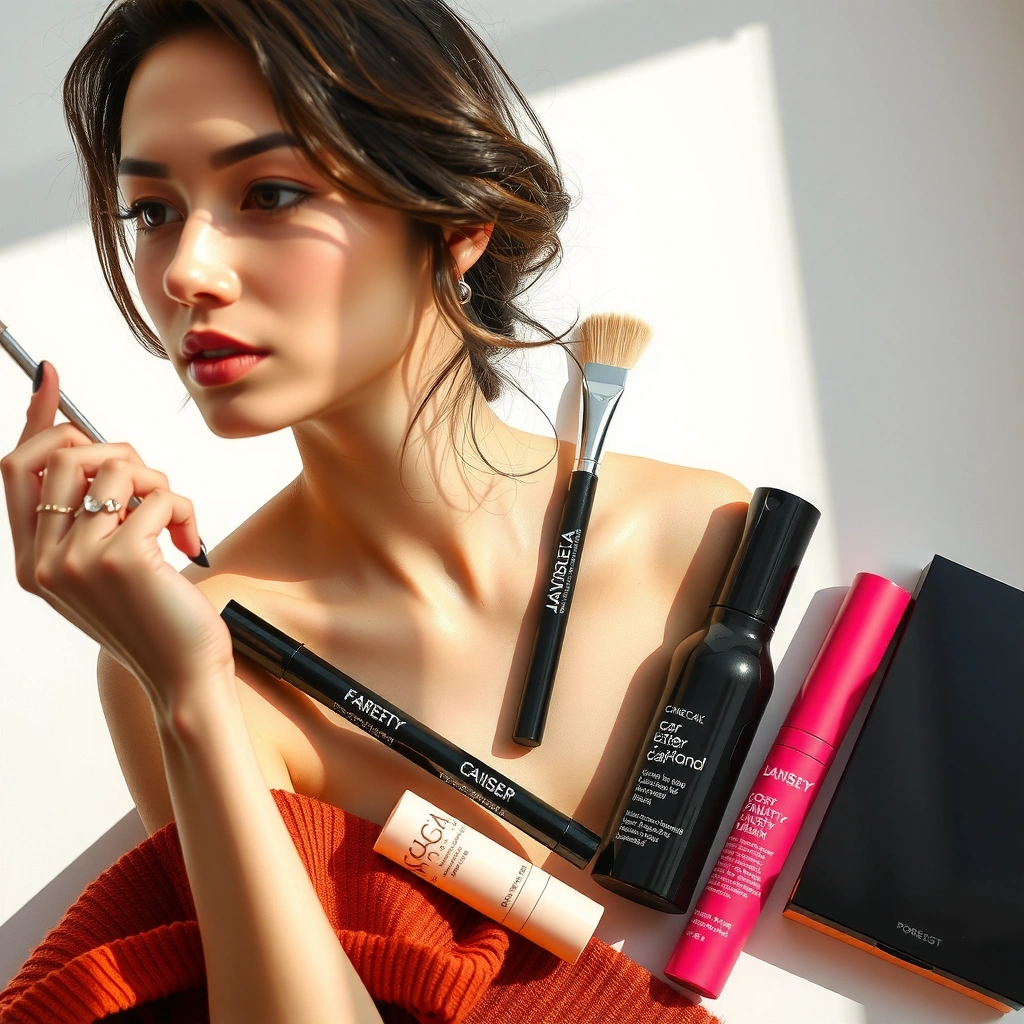
Use a short weekly rhythm to prevent minor wardrobe and self-care issues from compounding into irritation, odor, or fabric wear. The goal isn’t perfection; it’s quick detection and small resets that keep your routine “working as designed” every time you use it.
A weekly surface check helps you stop stains, buildup, and irritation triggers before they set—especially on fabrics that hold lint and on skin that’s sensitive to residue.
Tools that touch your face or hair (brushes, sponges, combs, styling tools) can spread irritation even when your skincare products are unchanged.
Skin and scalp irritation often worsens with “stacking” too many actives at once—simplifying based on what your skin feels like is a recognized dermatology approach.
Quick weekly steps (the “no-guessing” version)
If your week is busy, keep the weekly fashion & beauty care checklist to three fast passes: check, reset, troubleshoot.
– Do quick “surface” checks (stains, wrinkles, hair/skin feel, and tool cleanliness) so problems don’t linger.
Think of this as triage. You’re not deep-cleaning yet—you’re checking for early signals like:
– Clothing: mild odors after wear, lint halos on collars, persistent wrinkles that don’t steam out
– Skin: tightness, stinging, or “heavier than usual” product feel
– Hair/scalp: itch, grease that returns quickly, or flaking that isn’t just dryness
– Tools: visible residue on brush bristles, sticky makeup sponge edges, comb teeth with buildup
– Reset the essentials once a week: wash/refresh what you can, and spot-clean anything that’s starting to look tired.
Reset doesn’t mean laundry everything. It means:
– Rewash or refresh items that smell “off” even after airing out
– Spot-clean visible body oils (collars, cuffs) so you don’t keep re-wearing residue
– Re-clean hair tools that get frequent contact (paddle brushes, combs, rollers)
– Keep decisions simple: if something feels off (itchy, irritated, dull, shedding more), pause and troubleshoot before replacing everything.
The checklist works best when you treat “feels off” as a diagnostic trigger. Instead of swapping products immediately, ask:
1) Did the routine change (laundry method, skincare order, hair tool cleaner, storage conditions)?
2) Is the problem localized (one garment, one tool, one area of scalp)?
3) Are there early buildup signs (texture changes, greasy feel, visible lint)?
[ADD: author’s experience with a simple weekly “tool + garment surface check” routine and what changed after following it consistently.]
Wardrobe essentials to check and refresh

Your wardrobe needs a weekly “wear-readiness” audit plus a monthly care checkpoint for fit and fabric integrity. This part of the fashion & beauty care checklist prevents fading, pilling, odor retention, and hardware issues that can irritate skin.
Fabric care label instructions are the safest way to maintain garment shape, color, and stretch—especially when drying methods can permanently affect fibers.
Odor that returns quickly after airing is commonly associated with residual oils, sweat, or detergent buildup trapped in fabric, not just “stale air.”
Pilling and fabric fuzz often indicate either friction from movement and layering or an incompatible wash/dry intensity—both can be addressed without replacing the entire item.
Laundry + fit audit (weekly or whenever you rotate outfits)
– Laundry + fit audit: look for fading, pilling, stretching, and lingering odors that a rewash might fix.
Do a quick garment-by-garment scan, especially for your most repeated pieces. The checklist flags “performance changes” like:
– Fading that’s faster than expected
– Pilling on elbows or seat areas
– Stretch that never fully returns after washing
– Odors that come back within 1–2 wears
Material care basics (the “don’t test heat” rule)
– Material care basics: follow garment care label instructions for heat, drying method, and washing intensity (don’t “test” high heat on delicate fabrics).
The fashion & beauty care checklist treats labels as “default settings.” In practice:
– Heat can distort elastane and weaken some dyes
– Over-aggressive wash cycles can increase pilling and fiber wear
– Different fabric blends respond differently to the same detergent and water temperature
Accessory maintenance (small hardware = big irritation)
– Accessory maintenance: wipe bags/shoes, check straps and hardware, and remove build-up from belts, rings, and metal details.
Accessories touch skin and fabric edges more than we notice:
– Bag straps can transfer grime to tops and necklines
– Shoe soles and sneaker uppers pick up residue that migrates to socks and pant cuffs
– Jewelry and belt hardware can accumulate product film or sweat residue
Beauty staples: skin, hair, nails
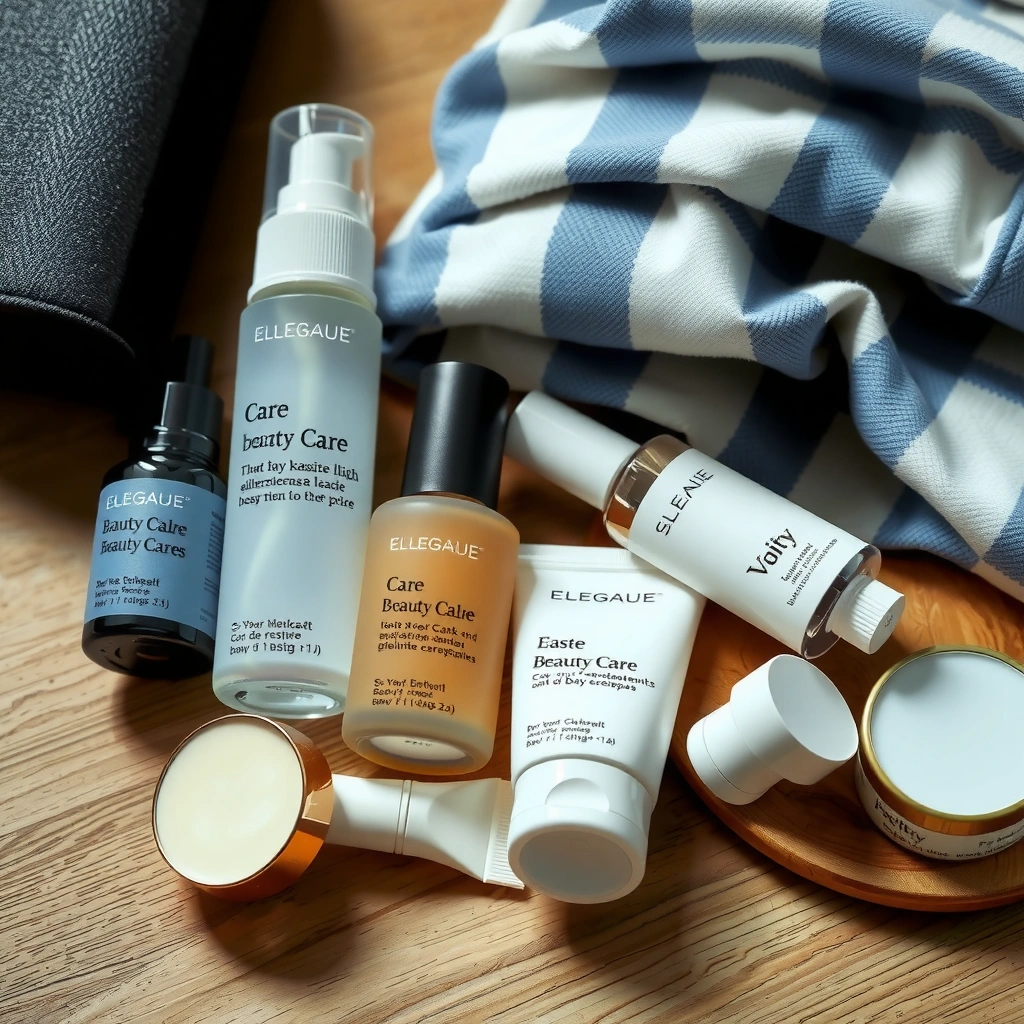
Your skin, hair, and nails need a “barrier-first” approach: check how your routine is feeling and adjust technique before you add new products. This fashion & beauty care checklist section is built to prevent product buildup and reduce irritation loops.
Typical epidermal turnover is roughly monthly (around 28–30 days), so changes in routine usually need weeks—not hours—to show stable results.
If your skin starts stinging, tightening, or feeling “heavier,” simplification (fewer steps, less stacking) is often the fastest route back to comfort.
Normal daily hair shedding is often cited in the “tens to about a hundred” range; sudden, sustained increases warrant checking scalp irritation and tool hygiene.
Skin: comfort is your feedback loop
– Skin: check how your routine is sitting—if you’re seeing dryness, congestion, or sensitivity, scale back and simplify rather than stacking new products.
When skin barrier function is irritated, adding more products can amplify symptoms. The checklist recommends:
– Review order (cleanser → treatment → moisturizer → sunscreen)
– Reduce to essentials during flare-ups (cleanse gently, moisturize, protect)
– Confirm technique (amount, frequency, and rubbing)
Hair + scalp: buildup and hygiene matter
– Hair + scalp: watch for buildup and irritation; clean tools and ensure your cleansing step is actually reaching your scalp.
Buildup isn’t just “a dirty feeling.” It can show up as:
– Grease returning quickly after washing
– Itch or flaking beyond your usual dryness
– Hair that feels coated (even if it’s clean)
Also, ensure your cleansing is scalp-focused: use enough product, distribute, and rinse thoroughly—especially if you style with oils, gels, or leave-ins.
Nails + hygiene: prevent water-related contamination
– Nails + hygiene: trim and clean regularly, and refresh anything touching water a lot (cuticle care items, nail brushes, etc.).
Nail tools and brushes can retain residue in bristles and edges. Your checklist should include:
– Regular trimming and cleaning under free edges
– Cleaning nail brushes and cuticle tools
– Replacing or deep-cleaning items that stay damp frequently
Tools, storage, and product hygiene

Clean tools and smart storage are what stop the same problems from returning week after week. This section of the fashion & beauty care checklist focuses on contact hygiene, contamination prevention, and recognizing “product failure signs.”
Makeup brushes, sponges, and reusable applicators can accumulate product residue and microbes, so periodic cleaning helps reduce the chance of irritation.
Storing cosmetics away from heat and light slows breakdown and helps protect product stability over time.
Visible changes in texture, separation, or contamination on packaging are valid reasons to stop using a product rather than waiting for symptoms.
Clean what touches you
– Clean what touches you: makeup brushes/sponges, combs/brushes, hair accessories, and any reusable applicators should get periodic cleaning.
Prioritize items that touch:
– moisturized skin
– scalp during washing
– eyes and lash lines
– freshly exfoliated or freshly cleansed areas
Store to protect performance
– Store to protect performance: keep products sealed, away from excess heat/light, and prevent contamination from wet hands or sinks.
This is where “routine reliability” lives:
– Seal products after each use
– Avoid returning wet tools into product jars
– Keep bathrooms dry where possible (humidity can accelerate breakdown)
Watch for product “failure signs”
– Watch for product “failure signs”: changes in scent/texture, separation that won’t mix back normally, or visible contamination.
The checklist treats these as stop signals, not “normal variations.” If symptoms persist even after you simplify, check whether the product itself has changed.
Most Common Fashion & Beauty Hygiene Targets (Checklist Priority Index)
| # | Hygiene target | Typical “watch for” issue | Best review cadence | Irritation-prevention impact |
|---|---|---|---|---|
| 1 | Makeup brushes + sponges | Residue buildup causing clogged pores/eye-area discomfort | Weekly (high-contact) | ★★★★★ |
| 2 | Hair combs + paddle brushes | Product film and scalp irritation | Weekly (if styling products) | ★★★★☆ |
| 3 | Hair tools (rollers, hot tools storage) | Transfer of oils/leave-in residue | Monthly (plus after spills) | ★★★★☆ |
| 4 | Clothing hardware zones | Sweat/product film transfer to skin | Weekly wipe-down | ★★★☆☆ |
| 5 | Product storage seals | Contamination from wet hands/sinks | Monthly audit | ★★★☆☆ |
| 6 | Nail brushes + cuticle tools | Water-retained residue and irritation | Weekly cleaning | ★★★☆☆ |
| 7 | Laundry residue risk (softeners/overuse) | Skin irritation from lingering film | Monthly wash-system check | ★★☆☆☆ |
Note: This checklist “priority index” reflects typical contact frequency and the likelihood that residue transfers to skin/scalp, not brand claims. Use the fashion & beauty care checklist to decide what’s urgent for your specific routine.
What can go wrong (and how to prevent it)
Even the best checklist can backfire if you clean the wrong things too aggressively or ignore technique. Here’s how to prevent common failure modes so your fashion & beauty care checklist stays effective instead of adding irritation.
More scrubbing isn’t always better: over-cleaning can compromise the skin barrier and increase sensitivity.
Under-cleaning tools can create a “repeat exposure” loop, where the irritation keeps returning even though your products haven’t changed.
Changing heat settings and wash methods without checking garment labels can permanently affect stretch, color, and shape.
Common mistakes—and what to do instead
– Over-cleaning vs. under-cleaning: too much scrubbing can worsen irritation; not cleaning tools enough can cause the same problem to keep returning.
Prevent it by matching intensity to sensitivity: use gentle cleansing for skin/scalp, but be thorough on tool residue.
– Ignoring fabric/skin signals: “it still works” isn’t the same as “it’s safe for you right now.”
Comfort is data. If you feel stinging or fabric contact itch, treat it like a diagnostic signal, not an inconvenience.
– Skipping label instructions: heat and wash method changes can permanently affect fabric stretch, color, and shape.
The fashion & beauty care checklist defaults to label compliance for drying and agitation, especially for elastane blends.
– Treating symptoms only: if irritation keeps coming back, the issue may be technique, product stacking, or hygiene—not just “needing a new item.”
This is where troubleshooting beats random replacement. For example: if scalp itch returns after each wash, suspect cleansing technique, tool buildup, or rinse thoroughness before buying more products.
Quick comparison: what usually causes the loop?
| Loop pattern | Most likely root cause | Fast checklist correction |
|---|---|---|
| Irritation returns within days | Tool or fabric contact residue | Clean brushes/tools + wipe hardware zones |
| Dryness/tightness escalates | Too many actives or over-cleansing | Simplify steps; reduce frequency; moisturize consistently |
| Clothes smell “off” after airing | Residual oils or detergent buildup | Spot-clean collar/cuffs; reassess laundry method monthly |
Verdict: an honest recommendation (and who should skip it)
This checklist is a practical way to stay consistent without reinventing your routine every week—especially if you want a clear system for maintenance and troubleshooting. Downsides: it won’t replace professional care for complex skin/scalp conditions, and some steps (like deeper tool cleaning and product resets) require time you may not have.
A structured maintenance routine improves consistency, which is often the hidden variable behind skin and hair stability.
If your symptoms are severe or persistent, a checklist is a support tool—not a substitute for diagnosis.
Label-driven garment care reduces unintentional fiber damage from mismatched washing and drying settings.
You should skip or adapt the approach if you have active skin conditions that require a clinician’s plan, frequent scalp flare-ups, or you can’t reliably follow hygiene steps (in those cases, prioritize professional guidance). [ADD: guidance source for skin/scalp flare-ups, e.g., an official dermatologist association page]
Who this checklist fits best
– People who repeat the same wardrobe rotation and beauty essentials
– Anyone who wants fewer “mystery” problems and a predictable system
– Busy schedules that can’t support long deep-cleans weekly
Who should modify it
– Those with clinician-prescribed regimens for dermatitis/eczema
– Anyone whose flare-ups correlate with specific products that need medical evaluation
– People who can’t commit to tool hygiene (because under-cleaning creates repeat exposure)
Quick scan checklist + printable table
Use this section to quickly save the fashion & beauty care checklist logic into a workflow you’ll actually follow. The scan checklist prioritizes the highest-return checks first so you can do something useful even on a hectic day.
A scan-first workflow is more sustainable than deep cleaning, because it catches early signals before they become hard-to-fix residue.
Replacing or discarding products makes sense when there’s contamination or clear performance failure—not as the first response to irritation.
Scan + save checklist
– Wardrobe: stains/wrinkles, pilling/fading, fit changes, accessory wear
– Skin: irritation check, comfort level, whether your routine feels “heavier” than usual
– Hair/nails: scalp feel, buildup signs, tool cleanliness, nail hygiene
– Hygiene: brush/comb/sponge cleaning schedule, storage cleanliness
– Replacement cues: texture/scent changes, broken hardware, persistent irritation despite simplification
Printable table (copy/paste)
| Area | Quick check | When | Fix / next step |
|---|---|---|---|
| Clothing | Stains, wrinkles, pilling | Weekly | Spot-clean or rewash; avoid heat guesses |
| Laundry system | Odor/texture after wash | Monthly | Re-evaluate wash method + detergent approach |
| Shoes/bags | Wipe-down + hardware | Weekly | Clean surfaces; check straps/fasteners |
| Skin routine | Comfort + irritation | Weekly | Simplify; adjust technique before adding products |
| Hair/scalp | Buildup + itch/grease | Weekly | Clean tools; consider cleansing consistency |
| Nails | Trim + cleanliness | Weekly | Clean under nails; refresh nail tools |
| Tools (brushes/combs) | Visible buildup | Weekly/Monthly | Clean based on material type |
| Storage | Seals + contamination risk | Monthly | Keep products sealed; wipe containers if needed |
FAQ
– How often should I do the “tool cleaning” part? Start with a realistic baseline for your routine (weekly for high-contact items, less often for low-contact tools), then adjust if you notice buildup or irritation. [ADD: source for recommended cleaning intervals by tool type]
– What if my skin gets worse after following the checklist? Pause adding new products and simplify; consider professional advice if symptoms persist or are severe. [ADD: source for when to see a dermatologist]
– Do I need to replace products to make the checklist work? Not usually—start with technique, hygiene, and simplification first. Replace only when performance changes are clear (e.g., contamination or major texture/scent changes).
– Can I use this checklist for sensitive skin or eczema-prone routines? Yes, but only if you adapt steps to your clinician’s plan and avoid “trial-and-error” product switching. [ADD: source for eczema/sensitive skin routine guidance]
Sources
– [ADD: manufacturer/label standard source for garment care label symbols and washing/drying instructions]
– American Academy of Dermatology (official guidance on skin care basics and when to seek care) — [ADD: specific AAD article titles/pages used]
– [ADD: official guidance source for makeup tool/brush cleaning (e.g., manufacturer or professional beauty hygiene standard)]
– [ADD: hair/scalp care guidance source from a reputable dermatology or cosmetology authority]
A great fashion and beauty routine isn’t about doing everything—it’s about doing the right checks consistently. Use this checklist to run quick weekly resets, a more thorough monthly audit, and a hygiene-focused maintenance loop, then adjust based on what your skin/scalp and clothes are telling you. If you want the easiest next step, pick one section (wardrobe refresh or tool hygiene) and do it today—then schedule the rest so it actually sticks.
Frequently Asked Questions
What are the essential items on an ultimate fashion & beauty care checklist?
Start with daily basics like skincare cleanser, moisturizer, SPF, makeup remover, lip balm, and a dependable deodorant. For fashion, include a small laundry bag, stain remover, lint roller, fabric-safe detergent, and a steamer or iron. Don’t forget grooming essentials such as hair tools, nail care items, and a compact first-aid kit for quick fashion emergencies like loose buttons or blister care.
How should I build a seasonal fashion and beauty routine checklist?
Create a checklist by swapping products and wardrobe care based on weather—summer-focused SPF, sweat control, and lightweight moisturizing, versus winter-focused hydration, barrier repair, and lip treatment. For clothing, update your schedule for deep cleaning, storing knits correctly, and rotating shoes to prevent wear patterns. Tie beauty care to seasonal triggers like humidity, sun exposure, and cold-weather dryness to keep your look consistent year-round.
Why is fabric care important in a beauty and fashion routine?
Proper fabric care helps your clothes last longer, look sharper, and stay comfortable—especially for sensitive skin and high-contact fabrics. Using the right detergent, washing temperature, and stain-prep methods reduces irritation from leftover residues and harsh chemicals. When you treat garments well (spot clean, air out, and de-wrinkle properly), your overall style feels more polished without extra spending.
Which beauty products should be prioritized for a simple, effective checklist?
Prioritize a gentle cleanser, a hydrating or balancing moisturizer, daily sunscreen, and a targeted treatment like retinoid, vitamin C, or acne spot care based on your needs. Add makeup care basics such as makeup brushes or applicator cleaner, plus a reliable makeup remover to protect your skin barrier. If you wear makeup often, include a routine for replacing expired products and sanitizing tools to prevent breakouts and irritation.
What’s the best way to organize a fashion & beauty care checklist for busy weeks?
Use a “weekly + monthly” system: keep daily tasks short (SPF, moisturizer, deodorant, quick lint check) and schedule deeper cleanups monthly (brush cleaning, wardrobe spot checks, and appliance maintenance like irons/steamers). Store your essentials in one dedicated caddy—skincare backups, stain remover pen, travel-size deodorant, and nail essentials—to avoid last-minute scrambling. Track your progress with a printable or notes-based checklist so you always know what’s running low or needs restocking.
📅 Last Updated: October 12, 2026 | Topic: The Ultimate Fashion & Beauty Care Checklist | Content verified for accuracy and freshness.