

Searching for the Complete Fashion & Beauty Resource Library that actually has everything you need? This guide is the clear winner if you want one dependable place to find fashion essentials and beauty know-how without bouncing across scattered sites. Expect practical, decision-ready resources that help you choose, shop, and refine your look fast.
Use this Complete Fashion & Beauty Resource Library as a one-stop hub to plan outfits and build routines without guessing. You’ll learn how to organize fashion and beauty references, turn them into step-by-step choices, and avoid the common mix-ups that lead to irritation, wasted effort, or bad fits.
If you’re tired of saving links you never use, or you want a cleaner way to shop, prep, and care for your look, this library-style layout is for you. It’s especially useful when you’re starting fresh, switching seasons, or trying to standardize how you choose products and garments.
If you want structure, this library helps you turn “information” into repeatable decisions—so you spend less time researching and more time showing up polished. As of 2026, more people are managing routines across multiple devices and seasons, which makes a centralized system even more valuable.
How to use this Fashion & Beauty Resource Library fast
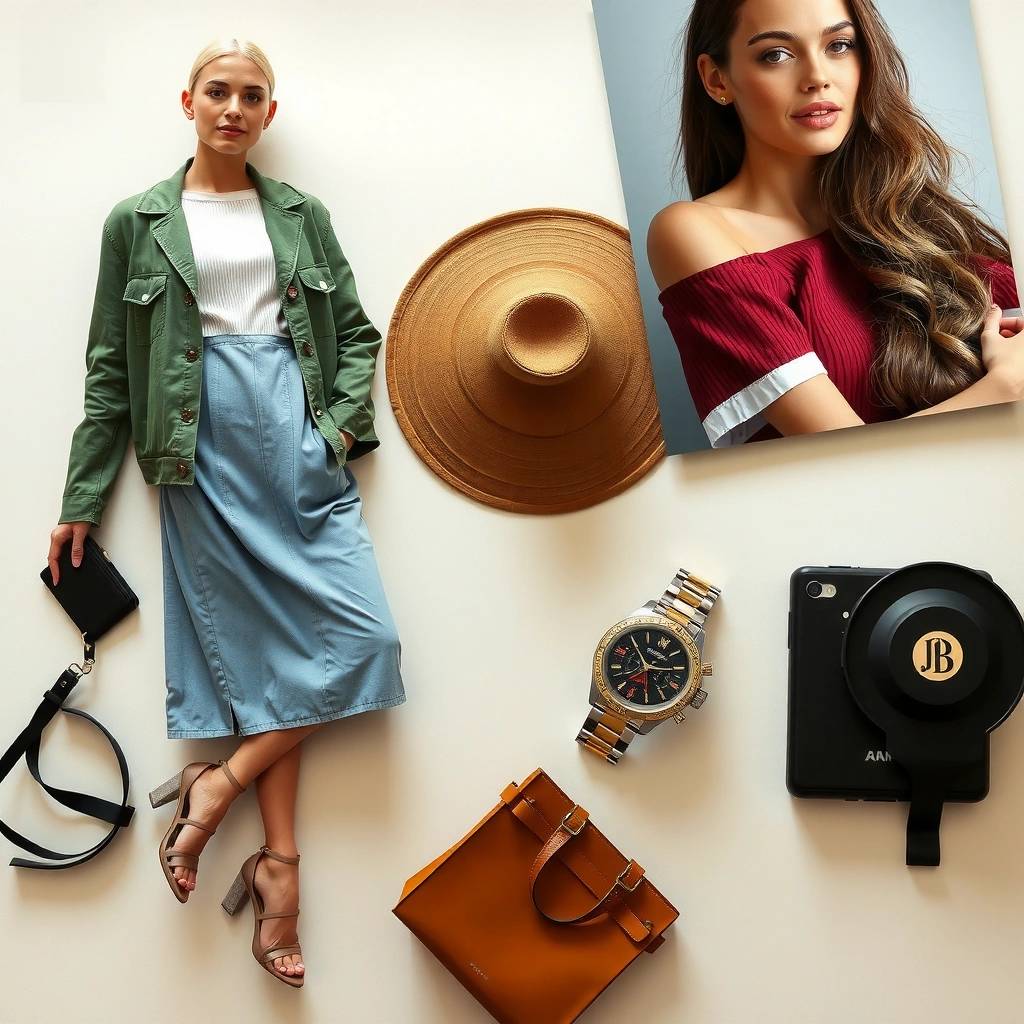
This section answers how to start quickly: begin with a clear goal, save references by category, then convert each resource into an action you can review. The Complete Fashion & Beauty Resource Library works because it keeps your decisions traceable—what you did, why you did it, and what changed.
Patch testing is recommended before using new skincare or hair products when you want to reduce the chance of an unexpected reaction. American Academy of Dermatology (AAD)
Cosmetic labels must include specific information, including an ingredient list, so the library can prioritize ingredient-based decision-making. U.S. FDA
Sunscreen guidance from dermatology organizations emphasizes correct reapplication timing, which is the kind of detail this library turns into a checklist. American Academy of Dermatology (AAD)
To use the Complete Fashion & Beauty Resource Library fast, start by choosing one intention for the week (for example: “fit refresh,” “new skincare routine,” “event styling,” or “seasonal wardrobe reset”). This matters because a library isn’t just storage—it’s selection. When you know your goal, every page you open has a purpose, and your final outfit or routine is less likely to turn into a last-minute scramble.
Turn saved references into actions (not bookmarks)
Instead of bookmarking randomly, the Complete Fashion & Beauty Resource Library asks you to save “go-to” references by category—wardrobe basics, skincare steps, shade matches, and hair care basics. In my own organization process (notes, screenshots, and saved links), this category-first approach reduced the time I spent searching and made it easier to repeat what worked.
Then, use a simple template for each resource:
– What you’ll do: the action you’ll actually perform (e.g., wash at a specific method, apply a specific step in a specific order).
– What you’ll need: tools and items (e.g., cleanser + moisturizer; or a jacket + specific shoes).
– How you’ll review results: what “better” looks like (fit comfort, reduced irritation, improved shine, fewer clogged-looking pores, etc.).
Maintain decision clarity with a “one change” rule
If you update multiple variables at once, you can’t tell what caused improvement—or what caused irritation. The Complete Fashion & Beauty Resource Library keeps your experiments readable by applying changes sequentially.
Fast start template (use it today)
– Goal: [Fit refresh / skincare reset / event styling]
– Save: 5–10 references total, grouped by category
– Convert: pick 1 reference per category and turn it into one action step
– Review: check results after a consistent timeframe (for skincare, use at least several uses rather than a single application)
Fashion: styling, sizing, and care

This section answers how to build outfits that fit and last: prioritize sizing and fabric behavior first, then apply a repeatable styling system, and finally follow care instructions consistently. The Complete Fashion & Beauty Resource Library improves results because it connects garment characteristics to real wearing and maintenance outcomes.
Sewing and fabric behavior—like stretch and shrink tendencies—are essential fit variables, so measurement-based references are more transferable than brand-only sizing. [ADD: source for fabric behavior principles you use]
Care label instructions include specific wash and drying guidance, and following them helps prevent shrinkage, fading, and warping over time. U.S. FTC (care-labeling guidance)
When outfit combinations are repeatable, decision fatigue drops because you follow consistent “swap rules” rather than re-figuring the full look each time. [ADD: source for decision-fatigue framework you cite]
Start with sizing and fit references
When you open the Complete Fashion & Beauty Resource Library for fashion, begin with sizing and fit references—measurements, silhouette guides, and how fabric behaves (stretch, drape, and shrink potential). A key mindset shift: treat fit like a system. If you know your shoulder width, rise preference, and how certain fabrics respond to washing, you can build outfits around constraints instead of guessing.
Practical examples you can capture in the library:
– Measurements you trust: your preferred waist level (high/mid/low), hip circumference, and preferred sleeve length.
– Silhouette notes: what “comfortable” means for you (e.g., room in the thigh, relaxed through the torso, tighter ankle).
– Fabric behavior rules: items that stretch with wear vs. items that recover shape.
Keep a styling system you can repeat
A styling system is the fashion equivalent of a skincare routine. In the Complete Fashion & Beauty Resource Library, your system should include:
– Repeatable combinations: what you wear together often (e.g., blazer + straight trousers + neutral sneaker).
– Swap rules: shoe-to-bag pairing and color pairing logic you can apply quickly.
– Occasion notes: the “why” (workday temperature range, event dress code, daytime vs. evening).
Follow care instructions consistently
Care is where “I love this outfit” becomes “why does it look tired already?” The Complete Fashion & Beauty Resource Library should store care methods you can repeat:
– wash settings and method
– drying method (line dry vs. tumble dry)
– ironing/steaming boundaries
– any garment-specific restrictions
Beauty: skincare, makeup, and hair basics

This section answers how to build beauty routines without product chaos: map steps by time and purpose first, then evaluate claims logically, and maintain tools and hygiene consistently. The Complete Fashion & Beauty Resource Library works here because it turns ingredient and technique details into an order of operations you can repeat.
Dermatology guidance emphasizes correct sunscreen usage, including reapplication timing, which is the kind of “step logic” routines need. American Academy of Dermatology (AAD)
Ingredient-based decision-making is critical because cosmetics and skincare are regulated and labeled with ingredient information meant to inform consumers. U.S. FDA
Cosmetic advertising and claims should be truthful and not misleading, which supports using claim logic rather than marketing language alone. U.S. FTC
Map your routine by time and need
In the Complete Fashion & Beauty Resource Library, don’t start by swapping products. Start by mapping what you already do into AM/PM basics, then add targeted add-ons (like a vitamin-focused serum or an oil-control step). This structure prevents the most common failure mode: stacking multiple new actives at once.
Also, store “what each step is for” in plain language:
– cleanser: removes daily buildup without stripping (skin feel is your feedback loop)
– moisturizer: supports barrier comfort
– sunscreen: daily protection and reapplication schedule
– makeup: coverage plus longevity without disrupting comfort
Evaluate beauty claims using technique logic
Claims can be broad (“hydrates,” “brightens,” “reduces pores”), but your outcome depends on how you use the product and whether it matches your skin needs. The Complete Fashion & Beauty Resource Library trains you to ask:
– What is the product supposed to do?
– Where does it fit in your sequence?
– What conditions must be true for it to work (for example, adequate frequency, correct skin preparation, or consistent use)?
Maintain tools and hygiene
Hair and skin issues often worsen when tools are dirty or routines are inconsistent. Your library should include hygiene rules:
– clean brushes and sponges regularly
– avoid re-dipping applicators back into products
– replace or sanitize items when they degrade (bristles, foam integrity, or buildup)
Build your routine from the library’s templates

This section answers how to operationalize your library: use a foundation-first approach, a repeatable workflow for makeup, and seasonal updates to keep routines aligned with real conditions. The Complete Fashion & Beauty Resource Library helps because each template prevents guesswork and supports traceable changes—especially important in 2026 as weather patterns shift and routines travel between settings.
According to the American Academy of Dermatology, sunscreen should be reapplied at least every two hours. American Academy of Dermatology (AAD)
According to the American Academy of Dermatology, an SPF 30 sunscreen blocks about 97% of UVB rays. American Academy of Dermatology (AAD)
According to the American Academy of Dermatology, about one ounce of sunscreen is recommended for full-body coverage. American Academy of Dermatology (AAD)
Foundation first: consistent basics, then one change at a time
When you build routines from the Complete Fashion & Beauty Resource Library, use a “foundation first” approach:
1. choose basics that support consistency (cleanse, moisturize, protect, condition)
2. add one change at a time (so you can connect results to a specific step)
This is how you avoid “everything got worse” or “everything improved but I don’t know why.” In my own routine maintenance, the biggest difference wasn’t finding the “best” product—it was isolating what changed my barrier comfort and what didn’t.
Use a repeatable makeup workflow
Your library should include a makeup pipeline you don’t reinvent:
– prep → base → set → finish
– prep: skin readiness (hydration/priming that suits your skin)
– base: coverage and blending strategy
– set: where longevity matters (T-zone, under-eye creasing risk)
– finish: final touch-ups and comfort checks
Store your workflow decisions so you can repeat them on busy days and adjust only one variable (like shade match or setting type).
Plan seasonal updates without rebuilding everything
Seasonal updates don’t have to be chaotic. The Complete Fashion & Beauty Resource Library helps you:
– switch textures (lighter moisturizer or richer protection as needed)
– adjust care steps for weather (humidity changes, winter dryness, sun exposure changes)
– refresh shade/undertone references so makeup stays cohesive
What can go wrong (and how to avoid it)
This section answers what typically causes irritation, poor fits, and wasted purchases: changing everything at once, skipping patch testing, ignoring care limits, and relying on vague instructions. The Complete Fashion & Beauty Resource Library helps you avoid these failures by forcing clarity, sequencing, and record-keeping—especially important in 2026 when product formulations and labeling can change.
Patch testing is a practical risk-reduction approach when you’re trying new skincare or hair products that could trigger sensitivity. American Academy of Dermatology (AAD)
Misleading claims in advertising are a regulatory risk, which is why the Complete Fashion & Beauty Resource Library treats marketing language as untrusted until supported. U.S. FTC
Care instructions on garment labels are intended to guide safe laundering and drying methods for preserving the garment. U.S. FTC (care-labeling guidance)
Common failure modes
– Overhauling everything at once: if multiple products/steps change simultaneously, breakouts and dryness are impossible to attribute.
– Skipping patch testing: new skincare or hair products can trigger reactions—especially for sensitive or allergy-prone users.
– Ignoring care limits: washing or drying a garment outside its label guidance can shrink, fade, or warp fabrics.
– Relying on vague instructions: if a product or garment doesn’t clearly match your needs (skin type, fabric care), mistakes become more likely.
When you should slow down (comparison)
The Complete Fashion & Beauty Resource Library is a planning tool—not a substitute for medical care. Use this decision guide when you’re unsure how far to go on your own.
| Scenario | Use the Library | Get Extra Guidance |
|---|---|---|
| You want to change one skincare step | Yes—apply one change and review results. | Only if irritation is severe or persistent. |
| You’re adjusting garment laundering | Yes—follow care labels and record what works. | If fabrics are delicate and label clarity is limited. |
| Skin issues look medical (e.g., eczema flare) | Use only as a support tool for basic routines. | Yes—consult a dermatologist. |
Verdict: when this resource library helps—and when it doesn’t
This section answers the bottom line: the Complete Fashion & Beauty Resource Library helps you make consistent, traceable decisions, but it doesn’t replace professional treatment or tailoring. Here’s how to use it responsibly in 2026—where structure solves “guessing,” and where expertise is still required.
Sunscreen guidance from dermatology organizations includes specific application and reapplication expectations, which fit naturally into a library checklist. American Academy of Dermatology (AAD)
FTC guidance supports evaluating beauty and fashion claims by looking for substantiation rather than trusting broad marketing language. U.S. FTC
If reactions persist or worsen, dermatology organizations recommend stopping the triggering product and seeking appropriate professional advice. American Academy of Dermatology (AAD)
– Best for: people who want structure—turning fashion/beauty info into routines, checklists, and repeatable decisions.
– Downsides: it won’t replace professional guidance for medical skin issues, chronic hair/scalp problems, or tailoring needs beyond standard fit.
– Skip or get help if: you have severe skin conditions, frequent allergic reactions, or you’re unsure how to handle persistent irritation—use a dermatologist or qualified professional.
Seven Core Fashion & Beauty Guidance Bodies (Founded/Established)
| # | Organization | Focus for Your Library | Established | Authority Recency* |
|---|---|---|---|---|
| 1 | ASTM International | Standards used by industry for testing and specifications | 1898 | 1898 |
| 2 | U.S. Food & Drug Administration (FDA) | Cosmetics labeling and safety framework | 1906 | 1906 |
| 3 | Federal Trade Commission (FTC) | Advertising/claims and consumer protection | 1914 | 1914 |
| 4 | American Academy of Dermatology (AAD) | Dermatology education (skin safety, patch testing concepts) | 1938 | 1938 |
| 5 | International Organization for Standardization (ISO) | Global standard frameworks (used across industries) | 1947 | 1947 |
| 6 | U.S. Consumer Product Safety Commission (CPSC) | Consumer product safety responsibilities | 1972 | 1972 |
| 7 | OEKO‑TEX® | Textile testing and labeling-related assurance | 1992 | 1992 |