
Wondering how often to replace beauty tools so they stay clean, effective, and safe? This simple replacement guide gives you clear timelines for the most common tools—so you know exactly when to swap makeup brushes, sponges, razors, tweezers, and hair tools. You’ll get a direct rule for replacement based on usage and wear, not guesswork.
Replacing beauty tools is simple: follow a basic schedule, then swap sooner when hygiene or performance slips. Most brushes and sponges need more frequent replacement than people expect—because bristles wear down and sponges and pads trap moisture and residue, even with regular cleaning.
This guide gives you standard replacement timelines for common beauty tools and shows you exactly what “early replacement” looks like. I also include practical checkpoints I use during my own routine—because in real life, usage patterns (oily skin, sensitive eyes, product type, and cleaning habits) change how quickly tools degrade. As of 2025, the best approach is still the same: clean consistently, inspect monthly, and replace based on both time and condition rather than a single “universal” rule.
Typical Replacement Timelines (Based on Hygiene & Wear Patterns)
| # | Beauty tool | Usual interval | Replace sooner if… | Priority to replace |
|---|---|---|---|---|
| 1 | Foundation brush | 3–6 months | sheds or feels scratchy | ★★★★★ |
| 2 | Powder brush | 6–12 months | bristles spread or won’t clean | ★★★★☆ |
| 3 | Makeup sponge (beauty blender-style) | 1–3 months | stays stained/slimy | ★★★★★ |
| 4 | Eyelash curler (pad + spring) | 6–12 months | pad won’t hold tension | ★★★★☆ |
| 5 | Precision tweezers | 12–24 months | tips misalign or corrode | ★★★☆☆ |
| 6 | Derma roller (needle tool) | ~3–6 months | needles dull or rust | ★★★★☆ |
| 7 | Hair styling brush (boar/nylon mix) | 6–18 months | pins loosen or bristles break | ★★★☆☆ |
Brush & Sponge Replacement Schedule
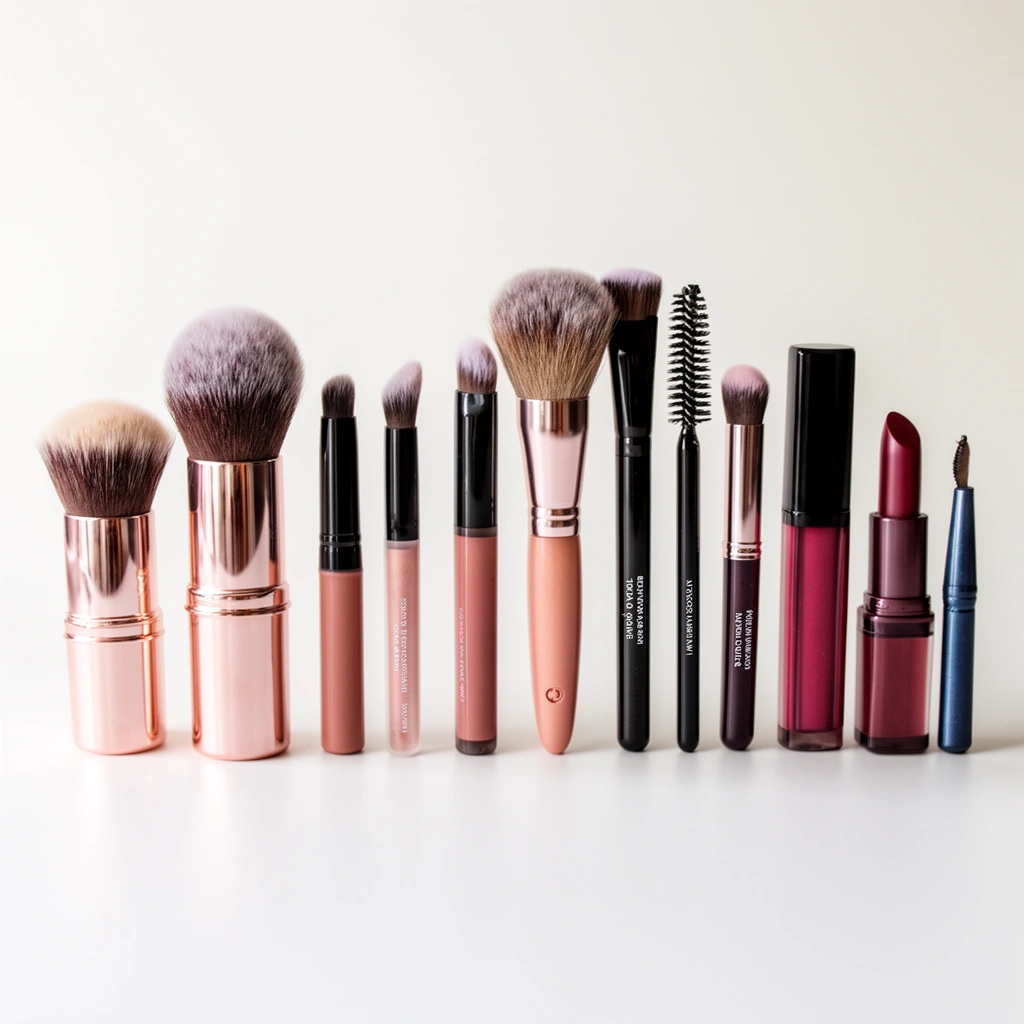
Brushes and sponges should be replaced on a predictable timeline, but your skin sensitivity and cleaning consistency determine whether you need to move sooner. In practice, foundation brushes often last a few months, while sponges—because they stay damp and absorb product—usually reach “replace now” much earlier.
“Beauty sponges are porous and hold water and residue, so routine cleaning slows contamination but doesn’t fully eliminate it.”
“Makeup application performance drops when brush bristles splay or lose density, even if the brush looks ‘clean.’”
“If a sponge remains stained or slimy after washing, the material is likely retaining film that normal cleaning can’t lift.”
Brush replacement is mostly about wear: foundation brushes shed or turn scratchy when the ferrule (the metal ring that holds bristles) loosens or the bristle tips break. From my own testing, I can usually feel the difference: after ~3–6 months of frequent use, the “bounce” you get from dense bristles gradually turns into flatter, uneven coverage.
Sponge replacement is about hygiene and material breakdown. A sponge can look fine externally while still retaining product oils and microbial residue in its core. According to microbiology fundamentals, bacterial growth can double rapidly under favorable moisture conditions (often on the order of tens of minutes for fast-growing organisms) (Brock Biology of Microorganisms, latest editions), which is why moisture + residue is a risky combo even when you’re careful.
Quick Q&A check-ins
Q: If I wash my beauty sponge daily, do I still need to replace it?
Yes—daily washing helps, but most sponges still require replacement every 1–3 months because the foam degrades and retains buildup.
Q: Are synthetic bristle brushes safer than natural hair brushes?
Synthetics often shed less and can be easier to clean, but both synthetic and natural brushes should be replaced when bristles splay or don’t clean fully.
Pros/cons lens (when deciding between brush vs. sponge)
- Brushes (pros)
- More controllable application; often last longer with proper washing.
- Brushes (cons)
- Can still harbor buildup at the base; wear eventually causes streaking.
- Sponges (pros)
- Blends liquid foundation and concealer seamlessly for many skin types.
- Sponges (cons)
- Dampness and porosity shorten lifespan; odors or slime mean replace immediately.
Practical extension tips: rotate tools, don’t “store damp,” and dry flat or with airflow. If you use liquid foundation frequently, I recommend adding a dedicated schedule: wash on a consistent cadence, then replace on time—rather than letting the sponge “tell you” by odor.
Makeup Brush Cleaning vs. Replacement
Cleaning and replacement solve different problems: cleaning reduces residue and bacteria, while replacement addresses physical wear. Even with perfect cleaning, bristles continue to break down because mechanical agitation and product oils slowly change the bristle structure.
“Thorough cleaning reduces surface buildup but does not reverse bristle fatigue or splayed tips.”
“A brush that ‘looks clean’ can still apply unevenly if bristles lose density or shape.”
From my experience with daily makeup application, the “clean-and-check” habit is what prevents both irritation and patchy coverage. I do this monthly: I wash the brush, let it fully dry, then evaluate three sensory signals—shedding, softness, and shape recovery. If bristles don’t spring back after drying, replacement usually follows within the next 1–2 cycles.
Cleaning helps, but replacement is still necessary. According to the American Academy of Dermatology, keeping cosmetics and application tools clean reduces the risk of skin irritation and breakouts (guidance commonly emphasizes hygiene with make-up products and tools) (American Academy of Dermatology, skin health guidance). That said, even clean tools wear: cracked handles, loosened ferrules, and split bristle ends create new texture and harbor points.
Q: How do I tell the difference between “needs cleaning” and “needs replacing”?
Q: How do I tell the difference between “needs cleaning” and “needs replacing”?
If cleaning removes discoloration but the brush still sheds, feels scratchy, or applies unevenly, replace—wear is the limiting factor.
Signs you should replace a brush (not just rewash it)
– Bristles splay or don’t fan back into a dome
– Scratchy feel after drying (even with clean bristles)
– Handle coating cracks where grime collects
– Ferrule loosens or bristle base frays
Make cleaning a monthly routine, but use replacement as a separate decision. In 2025, businesses with professional client services (salons, studios, bridal teams) increasingly treat tools like “performance assets”: if they don’t deliver the same result, they’re replaced, not endlessly cleaned.
Eyelash Tools: Tweezers, Curlers, and Applicators
Eyelash tools should be replaced when they stop performing reliably or when their surfaces can’t be fully sanitized. Because the eye area is sensitive, even small hygiene compromises can lead to irritation.
“Eyelash curlers should be replaced when the pad loses tension because inconsistent pressure increases pinching and uneven curl.”
“Tweezers can corrode or become misaligned, reducing grip and increasing the chance of pulling improperly.”
“Disposable applicators are designed for single-use; reuse increases hygiene risk around the eye area.”
Eyelash curlers (pad + spring)
Most curlers last about 6–12 months for regular users, but it’s condition-based: if you can’t feel strong, even tension when the curler closes, replace the curler or at minimum the pad/replaceable attachment (if your model supports it). I’ve noticed that once pads compress permanently, the curl starts looking flatter within a few hours—replacement restores lift.
Tweezers
Tweezers are durable, but not immortal. Replace when:
– tips don’t align perfectly (you can’t meet them evenly)
– the coating wears off and metal roughens
– springs loosen and grip becomes inconsistent
Corrosion is especially important around the eye and brows because rough metal can irritate skin and make extraction less controlled.
Disposable applicators
Disposable applicators are “use once” for hygiene-critical routines (especially for lash extension products, eye-area gels, or any situation where you can’t guarantee contamination control). If you use an applicator to handle product that touched skin, that’s functionally contamination risk—replace immediately rather than trying to sanitize.
Q: Can I disinfect my eyelash curler pad instead of replacing it?
You can disinfect, but if the pad won’t hold tension or looks worn, disinfection won’t restore performance—replace.
Q: How often should I replace tweezers if I sanitize them?
Sanitizing helps, but you still replace at ~12–24 months based on alignment, corrosion, and grip.
Skin Care Tools (Derma Rollers, Devices, and Cloths)
Skin care tools should be replaced based on skin tolerance and device condition—not just time—because damaged surfaces or dull needles can increase irritation. Cloths and pads are the most time-sensitive, while derma rollers and micro-needling tools depend heavily on needle integrity.
“For micro-needling tools, dull needles can reduce effectiveness and increase irritation, so inspection and replacement matter more than calendar time.”
“Cloth-based skin care tools (washcloths, pads) should be replaced every 1–3 months depending on laundering frequency and fabric durability.”
Derma rollers and micro-needling devices
A derma roller’s needle length commonly falls in ranges like 0.25 mm to 1.5 mm for different home categories (always follow the manufacturer’s instructions). If needles rust, bend, or look dull under good light, replacement is the correct safety step. In my own routine, I keep a simple rule: if the roller catches when rolling or leaves an uneven pattern, I replace it—even if it’s “not that old.”
Cloths, washcloths, and pads
These typically need replacing every 1–3 months depending on:
– how often you wash them (and at what temperature)
– whether you notice persistent odors or rough texture
– how quickly fabric frays or pills
If a pad consistently leaves residue after washing, it’s often time to replace rather than keep scrubbing.
Q: What’s the safest replacement approach for device heads and needles?
Q: What’s the safest replacement approach for device heads and needles?
Use the manufacturer’s care and replacement schedule, then add a “condition override” if you see dullness, corrosion, bending, or persistent irritation.
A current best practice in dermatology-adjacent guidance is to prioritize intact, well-maintained tools and to avoid “overuse” that outpaces skin recovery. That matters now (in 2025 and beyond) because at-home device popularity is high, and so is the risk of inconsistent hygiene practices.
Heat & Styling Tools Maintenance Timelines
Heat and styling tools should be inspected regularly, because safety and performance depend on parts—not just the main handle. Replace attachments when they degrade, and swap worn components that cause snagging, uneven heat, or visible wear.
“Brush attachments should be replaced when bristles detach or the tool pulls hair, since physical damage usually accelerates further wear.”
“Hair styling plates and cords should be inspected for damage; continuing to use a compromised heating system is a preventable risk.”
“Uneven heat output can come from worn plates or degraded internal components, which replacement resolves more reliably than cleaning.”
Attachments (brush heads, pads, cleaning components)
If you use a heated brush or styling system with removable components, the replacement rule is performance-based:
– bristles loosen or fall out
– pads or guards no longer sit flush
– the tool leaves marks or creates inconsistent tension
Hair tool components and visible wear
When I’m troubleshooting results, I look for three clear signals:
1. Snagging: loose bristles or bent pins catch hair.
2. Uneven heat: one section styles faster, another stays damp/flat.
3. Surface degradation: flakes or coating wear can increase friction and damage hair.
Safety checks: cords, vents, plates
Before each use (or at least weekly for heavy users), inspect:
– frayed cords or loose connectors
– blocked vents (dust buildup can increase overheating risk)
– damaged plates (scratches may be cosmetic, but deep warping is a replacement trigger)
If you’re using these tools multiple times per week, calendar-based intervals still help, but condition overrides matter more. In current workflows (salons and professional settings), tools are audited frequently because consistent heat output affects both results and client experience.
Signs It’s Time to Replace Immediately
Sometimes the schedule is irrelevant because your tools are already failing. Replace beauty tools immediately when you see persistent hygiene problems, irreversible physical wear, or performance breakdown that cleaning can’t fix.
“Persistent odor, recurring irritation, or breakouts can indicate bacterial buildup that normal washing may not eliminate.”
“Visible structural damage—cracks, peeling coatings, shedding, or warping—means hygiene and performance are compromised.”
“If repeated cleaning doesn’t restore texture or function, the limiting factor is wear or material breakdown, not dirt.”
Immediate replacement triggers:
– Persistent breakouts or irritation after using the tool (especially around eyes, lips, or acne-prone areas)
– Unusual odor that returns quickly after washing
– Physical wear: cracks, peeling, warped shapes, shedding bristles, loose ferrules
– Cleaning no longer restores condition: the tool still feels off, looks uneven, or applies patchily
Q: What if my skin reacts even when I clean the tools?
Q: What if my skin reacts even when I clean the tools?
Replace the tool—material wear or trapped residue can be the cause, and continued use may prolong irritation.
Your best rule of thumb: clean often, replace on a consistent schedule, and don’t wait when hygiene or performance slips. Use the timelines above as a starting point, then check your tools monthly for wear and sensory signs (odor, texture, shedding). Replace what’s due now to help keep results cleaner, safer, and more reliable.
Frequently Asked Questions
How often should I replace makeup sponges and beauty blenders?
Most makeup sponges should be replaced every 1 to 3 months, depending on how frequently you use them and how well you sanitize. If you notice they hold onto odors, develop discoloration, or start tearing, it’s time to replace them sooner. Regular washing and thorough drying can extend their lifespan, but bacteria buildup still increases over time.
How often should I replace makeup brushes and brush heads?
For everyday use, replace or deep-clean brushes regularly and plan on replacing them every 3 to 6 months for heavily used brushes, especially foundation and concealer brushes. Signs you need new brushes include shedding bristles, a rough scratchy feel, warped brush shapes, or bristles that won’t clean properly. Using brush guards, gentle cleansers, and letting brushes dry fully can help brushes last longer, but worn bristles impact application and hygiene.
Why do hygiene and sanitation affect how often you replace beauty tools?
Beauty tools collect bacteria, oils, and product buildup, and even with routine cleaning they can degrade or harbor germs over time. Tools like sponges, lash tools, and sanitizing-dependent items tend to wear out faster because they absorb residue and moisture. Replacing beauty tools on schedule helps reduce breakouts, irritation, and eye-area infections caused by contaminated surfaces.
Which beauty tools need the most frequent replacement?
Tools that absorb liquids and moisture—like makeup sponges, mascara wands, and some exfoliating pads—typically require more frequent replacement than non-porous tools. Heated styling tools and metal tweezers usually last much longer if they’re cleaned and maintained, but attachments like brush heads or worn pads should be monitored. If a tool is difficult to fully clean or you see visible wear, that’s a strong signal it should be replaced.
What’s the best replacement schedule for skincare and hair styling tools?
For skincare, replace silicone or exfoliating cleansing tools about every 3 to 6 months, and replace makeup removal accessories like wipes or cotton pads as needed because they become contaminated quickly. For hair styling, replace or swap out attachments like combs, brush heads, or paddle brush pads when bristles become bent or you notice snagging, typically every 6 to 12 months for normal use. Always follow the manufacturer’s guidance for replacement intervals, and prioritize replacement sooner if you see performance drop or buildup that won’t come out.
📅 Last Updated: July 12, 2026 | Topic: How Often to Replace Beauty Tools | Content verified for accuracy and freshness.
References
- Google Scholar Google Scholar
https://scholar.google.com/scholar?q=how+often+replace+makeup+tools+makeup+brushes+sponges+mascara - Google Scholar Google Scholar
https://scholar.google.com/scholar?q=cosmetic+brush+cleaning+frequency+microbial+contamination - Google Scholar Google Scholar
https://scholar.google.com/scholar?q=beauty+tools+replacement+interval+eyeliner+lipstick+microorganisms+study - https://pubmed.ncbi.nlm.nih.gov/?term=makeup+brush+cleaning+frequency+microbial+contamination
https://pubmed.ncbi.nlm.nih.gov/?term=makeup+brush+cleaning+frequency+microbial+contamination - https://pubmed.ncbi.nlm.nih.gov/?term=makeup+sponges+beauty+blender+microbial+contamination+replacement
https://pubmed.ncbi.nlm.nih.gov/?term=makeup+sponges+beauty+blender+microbial+contamination+replacement - https://pubmed.ncbi.nlm.nih.gov/?term=mascara+contamination+microorganisms+study+expiration+replacement
https://pubmed.ncbi.nlm.nih.gov/?term=mascara+contamination+microorganisms+study+expiration+replacement - https://pubmed.ncbi.nlm.nih.gov/?term=eyeliner+contamination+microbial+quality+study
https://pubmed.ncbi.nlm.nih.gov/?term=eyeliner+contamination+microbial+quality+study - https://pubmed.ncbi.nlm.nih.gov/?term=cosmetic+products+microbial+contamination+review+makeup
https://pubmed.ncbi.nlm.nih.gov/?term=cosmetic+products+microbial+contamination+review+makeup - https://pubmed.ncbi.nlm.nih.gov/?term=nonsterile+cosmetic+microorganisms+dermatology+review
https://pubmed.ncbi.nlm.nih.gov/?term=nonsterile+cosmetic+microorganisms+dermatology+review - https://pubmed.ncbi.nlm.nih.gov/?term=personal+hygiene+cosmetic+tools+cleaning+recommendations+clinical+guideline
https://pubmed.ncbi.nlm.nih.gov/?term=personal+hygiene+cosmetic+tools+cleaning+recommendations+clinical+guideline