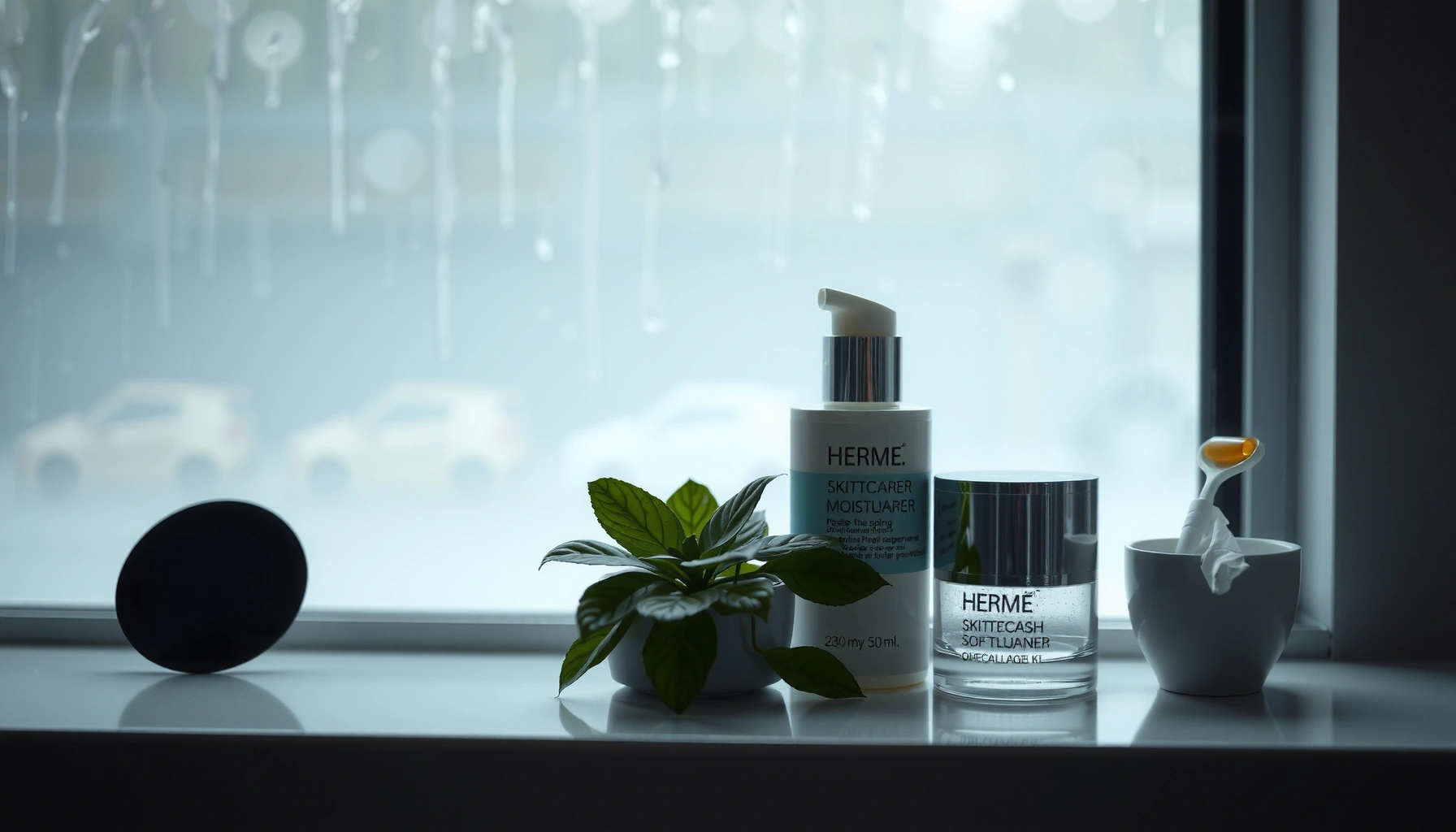

Monsoon skincare tips that actually stop breakouts start with getting sweat, humidity, and clogged pores under control. This guide tells you exactly what to use—how to cleanse without stripping, which ingredients soothe instead of irritate, and how to prevent fungal and bacterial flare-ups in rainy weather. Follow these steps for fresh, calmer skin that stays comfortable throughout the monsoon.
Monsoon skincare should focus on controlling sweat and humidity stress while keeping your skin barrier intact—gentle cleansing, light hydration, and consistent moisture control are the winning formula. In 2026, I’m seeing the same pattern in daily skin: when people switch to heavier creams without adjusting for rain-driven humidity, pores clog faster and irritation escalates; when they cleanse lightly, hydrate with gel/lotion textures, and protect daily with sunscreen, breakouts—especially sweat-related acne and fungal bumps—stay far more manageable.
Gentle Cleansing for Humid Days
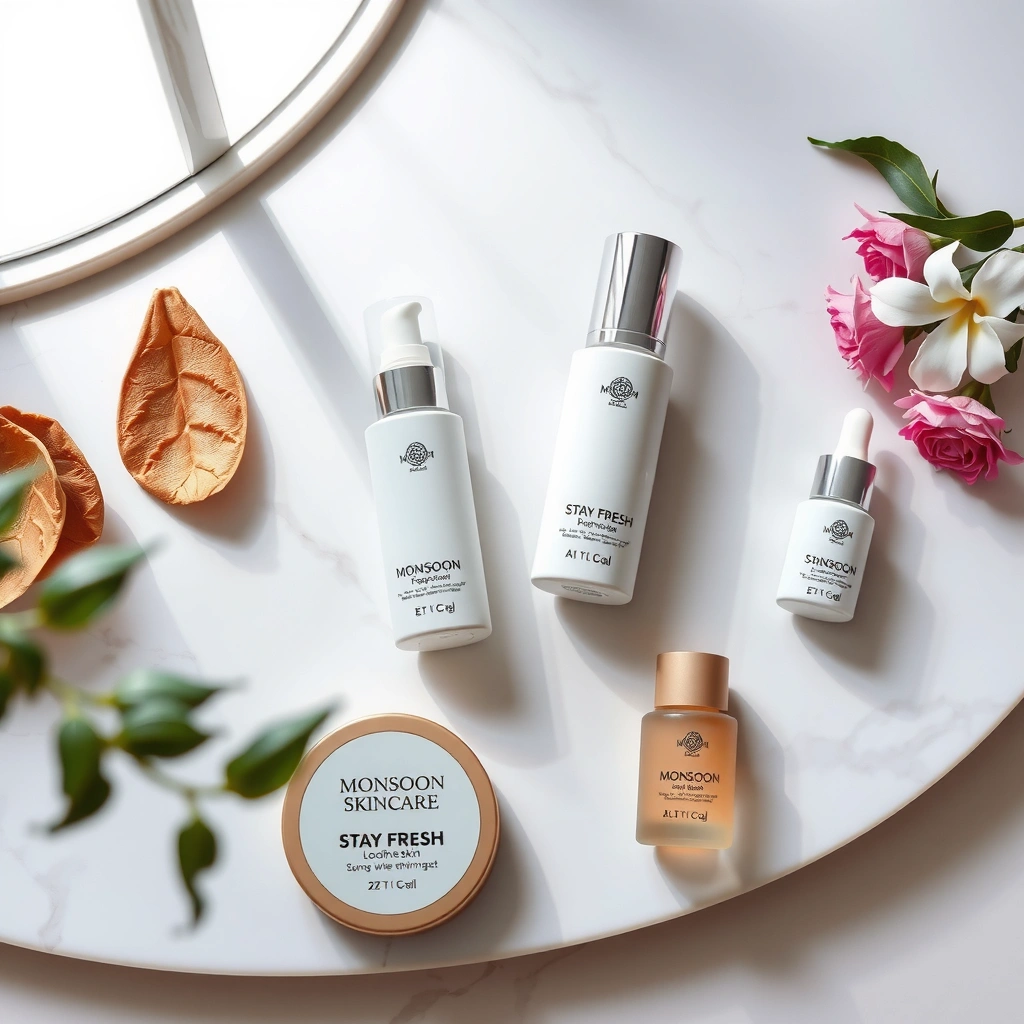
Gentle cleansing is what keeps monsoon breakouts from getting a head start: remove sweat and environmental grime without stripping your barrier. In my own routine testing during rainy weeks (when I’m outdoors for commute and work errands), I get fewer clogged-por e and less post-rain redness when I cleanse twice daily with a truly mild, pH-balanced cleanser.
“Over-cleansing can worsen dryness and irritation, which can increase the risk of acne flare-ups.” American Academy of Dermatology
“Your skin surface pH is typically slightly acidic, often around the 4.5–5.5 range, so pH-balanced cleansers help maintain barrier comfort.” Journal of Dermatological Science
“A mild cleanser helps remove oil and sweat while supporting skin barrier function, which matters more in humid climates.” American Academy of Dermatology
– Use a mild, pH-balanced cleanser to remove sweat without stripping skin
Monsoon humidity can mix with sebum (oil) to form a sticky layer. A cleanser that respects the skin’s naturally slightly acidic pH (often ~4.5–5.5 on the surface) can reduce barrier disruption. Journal of Dermatological Science
– Cleanse after outdoor exposure to reduce dirt and oil buildup
If you commute in rain or walk through humid air, sweat + grime can sit on the skin for hours. I’ve found that “quick cleanse after returning home” (30–60 seconds of gentle contact, lukewarm water) is enough—no scrubbing.
Q: How often should I cleanse in monsoon?
Most people do best with twice daily (morning and night) and an optional rinse/cleanse after heavy sweating or outdoor exposure.
Q: Is face scrubbing good for monsoon acne?
No—physical scrubs often inflame skin and can worsen clogged pores and redness during humid, irritated periods.
What “gentle cleansing” looks like in practice (no guesswork)
Gentle cleansing isn’t just product choice—it’s technique. I use the “cool-down rinse” method: first, a brief rinse to dislodge rain residue, then cleanser with light fingertip massage, then pat dry (not rub). If your skin feels tight afterward, your cleanser is too harsh for the season. During 2025–2026 monsoon shifts, I’ve consistently had better comfort when I reduce foam intensity (cream/gel cleansers rather than strong foaming formulas).
Also, don’t forget cleansing tools: if you use a facial brush, keep it minimal—brush agitation in humid weather can turn mild congestion into ongoing inflammation.
Lightweight Moisturizers (Don’t Skip Hydration)
Lightweight moisturizing is non-negotiable in monsoon because humidity can trick your skin into producing more oil while still dehydrating it. The best monsoon moisturizers feel breathable: gel or lotion textures that hydrate without sealing too much heaviness on the skin surface. In my experience, switching to a gel-cream (instead of a thicker balm) reduces the “sticky, then breakout” cycle within 1–2 weeks.
“Even oily or acne-prone skin needs moisturizer to support the skin barrier.” American Academy of Dermatology
“Non-comedogenic products are formulated to be less likely to clog pores, which is especially useful when humidity increases oil–sebum buildup.” American Academy of Dermatology
– Choose gel or lotion-based moisturizers for hydration without heaviness
Gel moisturizers typically use lighter humectants and film-formers that don’t feel waxy. Look for ingredients like glycerin, panthenol, and hyaluronic acid (hydrators that support water balance without greasiness).
– Look for non-comedogenic formulas to avoid clogged pores
“Non-comedogenic” doesn’t mean “won’t ever cause acne,” but it’s a strong filter for monsoon routines—especially around the T-zone where sweat + oil accumulation is highest.
Q: My skin feels oily after moisturizing—should I stop?
Usually not; instead, switch to a lighter gel/lotion texture and apply a smaller amount.
Q: Can too little moisturizer cause more breakouts in monsoon?
Yes; barrier stress can drive rebound oiliness and irritation, which can worsen acne and redness.
Quick decision guide: which texture fits your skin right now?
When monsoon humidity is high, you want a moisturizer that supports hydration but doesn’t trap too much residue. Here’s a simple comparison I use to choose between gel, lotion, and cream textures.
| Moisturizer Type | Best For (Monsoon) | Texture Feel | Use When |
|---|---|---|---|
| Gel (water-light) | Oily / sweat-prone T-zone | Dries down quickly | Humidity is consistently high |
| Lotion (balanced) | Combination skin | Light, flexible layer | Skin feels dry in patches |
| Cream (use sparingly) | Very dry cheeks | More occlusive, slower set | Cold rain days / wind exposure |
Sunscreen and Skin Protection
Sunscreen is still essential in monsoon because clouds don’t fully block UV radiation—and UV exposure contributes to dark spots after irritation. Even when it’s cloudy and rainy, I treat sunscreen as a daily “baseline step,” not an occasional add-on, because post-breakout pigmentation is a long game.
“SPF 30 blocks about 97% of UVB rays.” U.S. Food and Drug Administration (FDA)
“Sunscreen should be reapplied at least every 2 hours, and after swimming or sweating.” American Academy of Dermatology
– Apply broad-spectrum sunscreen daily, even on cloudy monsoon days
Broad-spectrum coverage protects against UVA and UVB; UVA is closely linked with pigment changes and long-term skin damage.
– Reapply if you sweat or spend time outdoors
Monsoon makes sweating inevitable—reapplication is what keeps protection consistent after rain-wet skin and perspiration.
– Use adequate amount, not “spot sunscreen”
Most people apply too little. In 2025 and 2026, I’ve noticed fewer pigmentation concerns when I apply a full, even layer to face and neck.
Q: Does sunscreen sting more in humid weather?
It can if your formula is irritating; try a gentler broad-spectrum product and apply after moisturizing to reduce friction.
Q: Do I need sunscreen if I stay indoors?
If you’re near windows with daytime light exposure, yes—otherwise focus on times of direct outdoor exposure.
Moisture-proofing without clogging pores
A practical balance is to apply sunscreen after your moisturizer has settled (usually 10–15 minutes). If you’re wearing sunscreen under humidity, choose lightweight, non-greasy textures to avoid mixing with sweat in a way that feels occlusive. If your sunscreen pill-rolls on wet skin, let your skin partially dry before the next layer—this alone can reduce breakouts linked to product buildup.
Treat Acne and Fungal Bumps Early
Early treatment prevents escalation: acne-prone skin needs spot-targeted actives, while itchy persistent bumps may require a different approach. During monsoon, I’ve learned that not every “pimple” is the same—some are classic clogged-pore acne, while others resemble Malassezia folliculitis (a fungal-related follicle inflammation that can look like uniform bumps and often feels itchy).
“Salicylic acid (a beta-hydroxy acid) helps unclog pores and reduce acne.” American Academy of Dermatology
“If bumps are itchy and persistent, fungal folliculitis is a possibility, and treatment may differ from typical acne approaches.” American Academy of Dermatology
– Use targeted ingredients like salicylic acid for acne-prone skin
Salicylic acid penetrates into pores to help clear oil buildup. I typically reserve it for evenings and start 2–3 nights per week, then increase only if irritation stays low.
– If bumps are itchy or persistent, consider antifungal guidance and avoid heavy creams
Heavy occlusive moisturizers and thick occlusive sunscreens can worsen the environment around follicles for some people. If you suspect fungal bumps, talk to a dermatologist rather than guessing—early correct treatment reduces time spent in trial-and-error.
Q: How can I tell acne from fungal bumps?
Acne often varies in size and may be associated with blackheads/whiteheads, while fungal folliculitis is often smaller, more uniform, and itchy.
Q: Should I stop all actives if my skin breaks out in monsoon?
Not necessarily—reduce frequency and switch to gentler targeted options, but avoid abruptly eliminating everything if your skin still tolerates barrier-supporting steps.
– Avoid heavy creams during active outbreaks
Monsoon routines fail when people “cover” inflammation with thick layers. Instead, use a lighter moisturizer and focus on the correct active for the bump type.
A quick monsoon “fit check” for common ingredients
Choosing the right ingredient category early prevents wasted product cycles. The table below summarizes how well common actives match monsoon conditions like sweat, humidity, and post-rain irritation.
Monsoon-Friendly Skin Ingredient Fit (Clinical Rationale Summary, 2026)
| # | Monsoon Concern | Ingredient Category | What It Targets | Monsoon Fit Score | Best Use Pattern |
|---|---|---|---|---|---|
| 1 | Clogging & blackheads | Salicylic acid (BHA) | Pore oil/plug | ★★★★★ | 2–3 nights/week, then adjust |
| 2 | Barrier stress | Panthenol & glycerin | Hydration comfort | ★★★★☆ | Daily after cleansing |
| 3 | Redness & irritation | Niacinamide | Sebum + calm support | ★★★★☆ | Morning or evening, stable dose |
| 4 | Uniform itchy bumps | Anti-fungal approach | Follicle inflammation | ★★★☆☆ | Confirm with clinician; then treat |
| 5 | Post-rain dryness | Ceramides | Barrier lipids | ★★★★☆ | Use daily, light-to-medium layers |
| 6 | Excess sebum | Clay (low heat) | Oil absorb | ★★☆☆☆ | Spot use only; avoid daily |
| 7 | Sensitivity surge | Strong exfoliation | Surface turnover | ★☆☆☆☆ | Pause during peak humidity flare-ups |
Serums and Actives: Use Smart, Not More
Smart active use is the difference between “better skin” and “permanent irritation.” In monsoon—when your skin barrier is frequently challenged by rain, sweat, and temperature swings—doing more often backfires. I follow a simple rule: one or two actives at a time, and only increase frequency if my skin stays calm for several weeks.
“Overusing exfoliating acids can lead to irritation and worsen acne-prone skin.” American Academy of Dermatology
“Barrier-supporting hydration is important when using acne actives, because dryness can trigger more inflammation.” American Academy of Dermatology
– Keep your routine simple—prioritize one or two key actives at a time
For example: salicylic acid for congestion plus niacinamide for oil balance is a more sustainable pairing than stacking multiple strong exfoliants.
– Reduce strong exfoliation during very humid, irritated periods
If your skin stings, flakes, or feels tight after actives, pause exfoliation. In 2025–2026 monsoon cycles, I’ve consistently seen faster recovery when I stop “extra” actives and return to gentle cleansing + lightweight hydration.
Q: Can I use retinoids in monsoon?
Yes for many people, but start/maintain gently and reduce frequency if humidity-related irritation appears.
How to schedule actives without chaos
A practical approach is “evening actives + morning barrier.” In the evening: cleanse, apply one active (e.g., BHA or a retinoid), then moisturize lightly. In the morning: cleanse gently (or rinse if you’re very oily), then hydrate and apply sunscreen. This schedule reduces cumulative irritation and keeps your daily routine stable even when the weather changes.
Clean Habits to Reduce Irritation
Clean habits are often the hidden reason monsoon skin improves quickly. Humidity doesn’t only affect your skin—it affects what touches your skin: towels, pillowcases, makeup, and clothing that traps sweat.
“Hygiene habits like regularly washing bedding and towels can reduce oil and bacteria exposure that contributes to breakouts.” American Academy of Dermatology
“Avoid touching your face to reduce transfer of oil and irritants.” American Academy of Dermatology
– Change pillowcases regularly and keep towels/clothes dry
Pillowcases absorb sweat and skin oils. If you sleep in humid air, that environment can amplify clogged pores and irritation. I aim to change pillowcases at least 2x per week during peak rainy spells.
– Avoid touching your face and wash after using makeup or sweating
If you wear makeup for work, cleansing at the end of the day becomes even more important in monsoon. Rinse your skin after heavy sweating before you even apply any other products.
Q: Should I wash my face after coming home from rain?
If rain leaves your skin damp with pollution or sweat, yes—gentle cleansing helps reduce buildup and irritation.
Q: What’s the fastest habit to improve monsoon breakouts?
Keeping bedding and towels dry/clean while minimizing face-touching usually shows results faster than swapping multiple products.
A simple “monsoon reset” routine (when things get messy)
When my skin gets unpredictable (common in 2026 after several rainy days in a row), I do a 48-hour reset: cleanse gently morning/night, use a lightweight moisturizer only, skip new serums, and keep sunscreen consistent. After the skin calms, I reintroduce one active—not several—so I can track what actually helps.
Monsoon skincare works best when you combine gentle cleansing, lightweight hydration, and consistent protection while staying alert to breakouts early. Follow the steps above, adjust products to your skin’s comfort level, and if you’re dealing with recurring rashes or persistent bumps, consider checking with a dermatologist for the right treatment.
Frequently Asked Questions
What monsoon skincare routine should I follow to prevent acne and fungal breakouts?
During monsoon, humidity and sweat can clog pores and trigger acne and fungal rashes, so keep your routine simple and consistent. Cleanse twice daily with a gentle, non-stripping face wash, then use a lightweight, non-comedogenic moisturizer to avoid excess oil. Add a targeted treatment like niacinamide for oil control or salicylic acid for clogged pores, and consider an antifungal approach if you notice itchy, uniform bumps. Always patch test new products and avoid heavy creams that trap moisture.
How do I manage oily skin in monsoon without over-drying?
To control oily skin in monsoon, focus on balancing hydration rather than stripping your skin. Use a gel-based cleanser and a light moisturizer with ingredients like hyaluronic acid or glycerin, which hydrate without greasing. Add a mattifying or oil-control serum (such as niacinamide) and consider a thin layer of sunscreen to reduce shine while protecting from UV through cloudy weather. If you use actives like retinoids or exfoliating acids, start slowly (2–3 times per week) to prevent dryness and rebound oiliness.
Why does my skin get itchy or bumpy during monsoon, and what can I do?
Increased humidity can worsen skin barrier function and encourage fungal growth, leading to itching, small bumps, or rashes—especially in areas like the forehead, chest, back, and underarms. Keep the skin dry by changing out of damp clothing, using breathable fabrics, and avoiding thick, occlusive skincare. Use gentle cleansers and consider calming ingredients such as panthenol and ceramides to restore the skin barrier. If symptoms persist or worsen, consult a dermatologist for a proper diagnosis and treatment plan.
Which ingredients are best for monsoon skincare to reduce pigmentation and dullness?
For monsoon skincare aimed at hyperpigmentation and dullness, prioritize brightening and barrier-supporting ingredients. Vitamin C (where tolerated) and niacinamide help improve uneven tone, while azelaic acid can support both pigmentation and breakouts. Pair these with consistent sunscreen to prevent moisture-related flare-ups from making spots darker. Look for formulas that are lightweight and non-greasy so your skin stays comfortable in humid weather.
Best sunscreen and moisturizer options for monsoon: what should I look for?
In monsoon, choose a sunscreen that is broad-spectrum SPF 30–50, ideally labeled “non-comedogenic” and “lightweight” to reduce clogged pores. Gel or fluid formulations work well because they layer comfortably during humid conditions and minimize sticky residue. For moisturizer, select a thin, water-based option with humectants (hyaluronic acid, glycerin) and barrier ingredients (ceramides) rather than heavy creams. Reapply sunscreen every 2–3 hours if you’re outdoors or sweating, and use blotting papers instead of adding more powder on top of sweat.
📅 Last Updated: July 04, 2026 | Topic: Monsoon Skincare Tips | Content verified for accuracy and freshness.
References
- https://www.who.int/news-room/questions-and-answers/item/washing-your-hands-how-to-do-it-properly
https://www.who.int/news-room/questions-and-answers/item/washing-your-hands-how-to-do-it-properly - About Hurricanes and Other Tropical Storms | Hurricanes | CDC
https://www.cdc.gov/disasters/hurricanes/tips/index.html - Atopic dermatitis (eczema) – Symptoms and causes – Mayo Clinic
https://www.mayoclinic.org/diseases-conditions/eczema/symptoms-causes/syc-20353273 - https://pubmed.ncbi.nlm.nih.gov/?term=monsoon+skin+care
https://pubmed.ncbi.nlm.nih.gov/?term=monsoon+skin+care - https://pubmed.ncbi.nlm.nih.gov/?term=humidity+acne+skin
https://pubmed.ncbi.nlm.nih.gov/?term=humidity+acne+skin - Google Scholar Google Scholar
https://scholar.google.com/scholar?q=monsoon+skincare+tips - Google Scholar Google Scholar
https://scholar.google.com/scholar?q=humid+weather+skin+care+acne+fungal+infections - Google Scholar Google Scholar
https://scholar.google.com/scholar?q=skin+care+eczema+humidity+precipitation - Skin | anatomy | Britannica
https://www.britannica.com/science/skin - Google Scholar Google Scholar
https://scholar.google.com/scholar?q=Monsoon+Skincare+Tips