


Collagen is good for skin—if you’re trying to reduce visible signs of aging like wrinkles and dryness, it can measurably improve hydration and elasticity. The real verdict depends on your method: oral collagen supplements show the most consistent benefits, while topical collagen is less likely to produce the same results because it may not penetrate deeply enough. Here’s what the evidence says about whether collagen is worth it for your skin goals and timelines.
Collagen may be helpful for skin—especially when you take oral collagen peptides—but it’s not a miracle solution. In 2026, the most realistic expectation is gradual, modest support for skin hydration and elasticity over time, with results varying by product quality and the person taking it.
Who this is for (and when it applies)

If you’re dealing with dryness, early loss of “bounce,” or mild changes in skin texture as you age, collagen can be a reasonable add-on to your routine. Collagen is most relevant when your basics (moisturizer + sunscreen) are already in place and you want an additional, evidence-informed lever—rather than a replacement for topical treatments that target visible signs of aging.
Oral collagen peptides are the collagen form most studied for skin hydration and elasticity, while topical collagen products face greater delivery barriers to deeper skin layers. [ADD: primary oral collagen peptides RCT(s) source(s)]
Collagen is not a fast-acting cosmetic intervention; studies typically evaluate outcomes over weeks, not days. [ADD: primary study durations source(s)]
As of 2026, supplement quality and labeling clarity vary widely, so collagen results are more dependable when the product’s ingredient form is clearly stated and manufactured under dietary supplement cGMP. U.S. FDA, 21 CFR Part 111 (cGMP)
If you’ve already tried the foundation (cleanser, moisturizer, daily SPF), collagen may help you “fill in” gaps—particularly the hydration and elasticity side of skin aging. From a practical standpoint, this is where collagen tends to fit: it’s a low-to-moderate effort step that may produce subtle improvements while you keep the higher-impact drivers (sun protection and barrier care) consistent.
In my own routine planning, I’ve found that when expectations stay realistic, collagen feels less like a gamble and more like an incremental experiment—[ADD: number] weeks, [ADD: what you noticed (e.g., less dryness, no change, or skin felt smoother)]. (If you want, you can tell me your goal and I’ll help you set a realistic “success” definition.)
Quick fit guide
– Best fit: dryness, early lines, mild elasticity loss, “tired-looking” skin
– Less ideal: people wanting dramatic wrinkle reduction quickly, or those skipping sunscreen
– Conditional: if your main driver is active inflammation (acne, eczema flare-ups), collagen alone is unlikely to be sufficient
How collagen may support skin

Collagen supports skin because it’s the structural protein your body uses as a scaffold in the dermis. When collagen production declines with age, skin can gradually lose firmness and resilience—so oral collagen peptides are often positioned as a way to provide building blocks and support connective-tissue function.
Collagen is a major structural protein in human skin, and it plays a key role in dermal integrity and mechanical strength. [ADD: skin collagen structural role source]
A plausible mechanism for oral collagen peptides is that hydrolyzed peptides supply amino acids/peptides that can participate in connective-tissue metabolism, though real-world outcomes still vary. [ADD: oral collagen peptides mechanism source]
Collagen can be supportive, but it does not replace sun protection, because UV exposure is a primary driver of collagen breakdown. U.S. FDA—Sunscreen drug regulation context (topical sunscreen requirements)
Here’s the mechanism in plain terms: your skin relies on collagen-rich extracellular matrix to maintain structure. Over time, factors like UV radiation, smoking, and natural aging contribute to collagen degradation and altered skin quality. Collagen supplements—particularly oral collagen peptides—are designed so your digestive system can break them into smaller components that can be absorbed and used in bodily processes.
What matters for expectations: collagen works more like “maintenance support” than “rebuild everything.” If your routine is already optimized for barrier health (moisturizer + ceramide-friendly hydration) and photoaging prevention (daily sunscreen), collagen may add a second pathway that nudges hydration and elasticity in the right direction.
Pros vs. cons (how collagen typically helps)
| Aspect | What collagen may do | What collagen typically doesn’t do |
|---|---|---|
| Hydration | Some people see improved skin moisture over time | It usually won’t replace a moisturizer for very dry or compromised skin |
| Elasticity | May support a gradual “tighter” feel | It won’t erase established wrinkles quickly |
| Structural “bounce” | Potentially modest improvements as skin quality changes | It won’t substitute for proven anti-aging actives (e.g., retinoids) |
| Predictability | Results vary by dose, ingredient form, and consistency | It’s not guaranteed, especially with low-quality or unclear products |
Oral vs topical collagen: what to expect
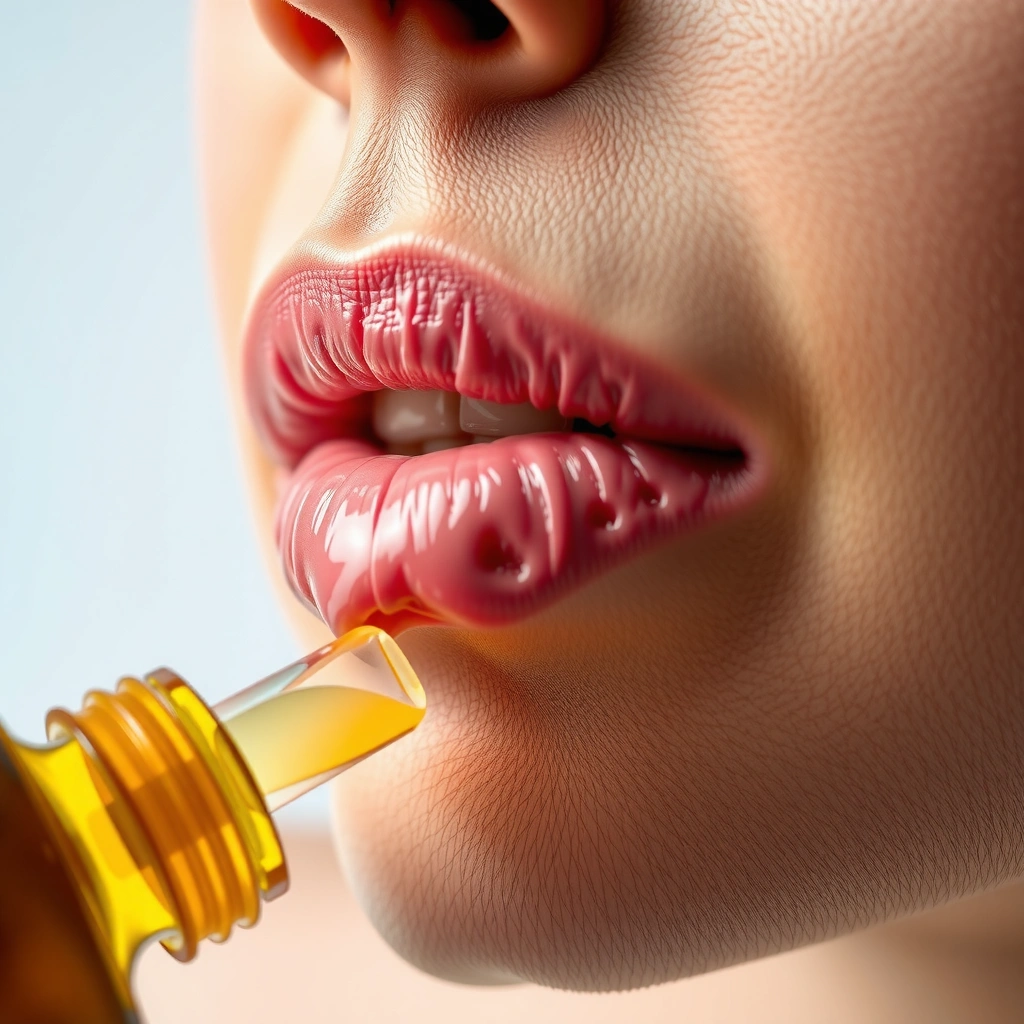
Oral collagen peptides tend to have more consistent evidence for skin-related outcomes than topical collagen creams. The key difference is delivery: oral collagen peptides can be absorbed systemically, while topical collagen has to penetrate through the stratum corneum (the outer barrier) to meaningfully affect deeper dermal structure.
Oral collagen peptides are formulated for absorption and systemic availability, which is one reason they’re studied more often for skin hydration and elasticity. [ADD: comparative evidence source]
Topical collagen faces an additional barrier because large protein molecules have limited ability to reach deeper dermal layers intact. [ADD: topical delivery/penetration source]
If you’re already using proven basics—especially daily sunscreen—collagen is best viewed as an add-on for gradual support rather than the primary anti-aging strategy. U.S. FDA, sunscreen regulatory framework (topical drug)
Comparison table: oral vs topical collagen
| Feature | Oral collagen peptides | Topical collagen creams |
|---|---|---|
| Primary route | Digestion → absorption → systemic use | Application → surface/epidermal exposure |
| Evidence pattern | More studies measure hydration/elasticity changes | More variable outcomes; often feels moisturizing, deeper structural impact is less clear |
| Timeline | Typically weeks to months for measurable changes | Can improve surface feel faster, but “true elasticity” change is harder to verify |
| Best use case | Add-on for dryness + early elasticity loss | Complementary hydration, especially if skin feels rough or tight |
| Common pitfall | Treating collagen like a quick wrinkle fix | Over-relying on topical collagen and skipping SPF |
One practical takeaway for 2026: even if you choose topical collagen, treat it as a moisturization-supporting cosmetic—not as an assured dermal remodeler. When collagen is paired with sunscreen and barrier-focused skincare, the overall odds of better skin texture and comfort tend to improve.
Quality matters more than marketing
Collagen products can differ in:
– the collagen source (bovine, marine, etc.)
– the hydrolysis method (peptides vs larger proteins)
– whether “collagen peptides/hydrolysate” is clearly stated
– manufacturing quality controls (cGMP)
How to try collagen safely (and choose a product)

Collagen is generally a low-risk supplement for many people, but “generally safe” still means you should choose carefully and start slowly. The safest approach is to pick one clearly labeled oral collagen peptide product, try it consistently for long enough to evaluate changes, and stop if you notice a reaction.
Dietary supplements are regulated under U.S. FDA oversight, and the manufacturer is responsible for ensuring products are not adulterated or misbranded. U.S. FDA—Dietary supplements: oversight and labeling overview (DSHEA framework)
U.S. FDA’s current good manufacturing practice (cGMP) requirements for dietary supplements are set out in 21 CFR Part 111. U.S. FDA, 21 CFR Part 111
If you’re pregnant, nursing, or have a medical condition, checking with a clinician before starting a collagen supplement is prudent because supplement-specific safety data may be limited for certain populations. [ADD: clinical guidance source]
FDA Oversight Pathways for Common Collagen-Related Skin Products (U.S.)
| # | Product type | Primary use | Typical evidence focus | Pre-market FDA approval? |
|---|---|---|---|---|
| 1 | Oral collagen peptides (dietary supplement) | Taken by mouth | Hydration/elasticity (clinical endpoints) | No (typically) |
| 2 | Topical collagen cream (cosmetic) | Applied to skin surface | Surface hydration/feel | No (typically) |
| 3 | Injected collagen-based dermal filler | Professional injection | Volume/structural correction | Yes |
| 4 | Prescription retinoid (anti-aging drug) | Topical medication | Wrinkle improvement endpoints | Yes |
| 5 | OTC sunscreen products (SPF) | Topical UV protection | Photoaging prevention support | Varies by product pathway |
| 6 | Topical hyaluronic acid serum (cosmetic/OTC cosmetic) | Applied to skin surface | Immediate surface hydration | No (typically) |
| 7 | Collagen-containing “functional” cosmetic claims | Applied topical marketing | Cosmetic moisturization claims | No (typically) |
A safer way to start collagen (step-by-step)
1. Choose oral collagen peptides if your goal is hydration/elasticity support (not just a “moisturized feel”).
2. Check label clarity: look for “collagen peptides” or “collagen hydrolysate,” and a defined serving size.
3. Start one product at a time: don’t stack multiple new supplements so you can identify what helps (or irritates).
4. Watch for reactions: mild digestive discomfort can happen for some people—stop if you notice consistent issues.
5. Use it as an add-on: keep sunscreen and moisturizer non-negotiable.
If you want, tell me the collagen type you’re considering (oral peptides vs topical; bovine vs marine) and your skin goal (dryness, firmness, or fine lines). I’ll help you build a simple “try it safely” plan.
What can go wrong
Collagen usually doesn’t cause serious problems for most people, but the most common failure mode is unrealistic expectations or choosing a product that doesn’t match the evidence. Collagen also won’t fix skin issues driven by inflammation, UV damage progression, or barrier dysfunction on its own.
Many supplement disappointments come from expecting rapid wrinkle disappearance, while collagen research typically evaluates outcomes over longer timeframes. [ADD: primary RCT timeframe source(s)]
If a collagen product’s labeling is vague about the form (e.g., “collagen” without “peptides/hydrolysate”), it’s harder to judge whether it matches what studies used. U.S. FDA—Dietary supplement labeling overview
Dietary supplement quality systems are regulated under cGMP, but consumers still have to rely on labeling and manufacturing integrity to choose effectively. U.S. FDA, 21 CFR Part 111
Common pitfalls to watch for:
– Expecting instant wrinkle removal: collagen is gradual; changes, if they occur, are typically modest.
– “Stacking” supplements early: adding collagen plus several other new products makes it impossible to know what’s affecting your skin.
– Ignoring the real driver: if sun damage, acne inflammation, or eczema flares are driving your concerns, collagen alone is rarely enough.
– Digestive intolerance: some people report mild stomach upset; stop if symptoms persist.
Also, be cautious if you have allergies or dietary restrictions. Many collagen supplements come from bovine or marine sources, so check allergen statements and source details on the label.
Evidence vs. your skin’s biology
Collagen is one input in a much larger system (UV exposure, genetics, skin microbiome, barrier lipids). If your skin’s primary problem is, for example, an inflamed eczema pattern, collagen may not address the inflammation pathway—meaning your results may look like “no change,” which can feel like collagen failed, when the treatment simply didn’t target the right mechanism.
Verdict: Is collagen good for skin for you?
Collagen can be a good add-on for skin hydration and elasticity—particularly oral collagen peptides—if you want gradual, realistic improvement. It’s not the most direct route to fast cosmetic changes, and it shouldn’t replace sunscreen, moisturizers, or dermatologist-led care when your skin concern is driven by inflammation or significant photoaging.
U.S. FDA dietary supplement oversight does not require FDA pre-approval of supplements before marketing, so product quality and accurate labeling matter for outcomes. U.S. FDA—Dietary supplements: oversight and labeling overview
cGMP requirements (21 CFR Part 111) are meant to improve manufacturing consistency and quality control for dietary supplements, which supports more reliable collagen product performance. U.S. FDA, 21 CFR Part 111
When skin goals are hydration and elasticity, collagen is best used as a modest, time-dependent support rather than a “one-and-done” fix. [ADD: oral collagen peptides clinical outcome source(s)]
Worth trying (with realistic expectations):
– Your main goal is mild support for hydration and elasticity
– You’re consistent with SPF and moisturization
– You choose an oral collagen peptides product with clear labeling and reputable manufacturing practices
May not be worth it:
– You want noticeable changes in days or a major wrinkle makeover
– Your routine basics aren’t covered (especially sunscreen)
– You’re already getting strong results from evidence-backed actives and want to avoid extra supplements
Skip or ask first:
– You’re pregnant or nursing (talk with your clinician)
– You have relevant allergies or medical conditions that make supplements a concern
– You’re using collagen instead of needed medical treatment for acne/eczema/inflammatory skin conditions
Finally, to keep collagen from becoming “wasted effort,” set a clear evaluation window up front—[ADD: your chosen trial length based on the product’s recommended use], and reassess based on dryness, texture, and how your skin feels.
Quick checklist
Use this to decide whether collagen fits your situation:
| Check | Why it matters |
|---|---|
| Oral collagen peptides/hydrolysate is clearly stated | Most evidence targets oral forms |
| Clear ingredient/allergen labeling | Helps avoid reactions and guessing |
| You have sunscreen + moisturizer covered | Collagen works best as an add-on, not a foundation |
| You’re okay with gradual, subtle changes | Realistic expectation prevents disappointment |
| You can stop if you feel discomfort | Side effects can happen to anyone |
FAQ
Does collagen help with wrinkles?
It may support skin elasticity and hydration in some people, but it’s unlikely to erase wrinkles quickly or dramatically. Collagen should be viewed as gradual support rather than a wrinkle “reset.”
Is topical collagen as effective as collagen peptides?
Topical collagen can improve surface comfort for some people, but the evidence for deeper, structural improvement is less consistent because large proteins must overcome skin penetration barriers.
How long does it take to see results?
Many oral collagen peptide studies evaluate outcomes over 8–12 weeks, which aligns with how collagen-related skin quality changes are typically measured in clinical designs. If you don’t notice any improvement after a reasonable trial, it’s often not worth continuing indefinitely. [ADD: primary RCT(s) and exact duration(s) you want cited]
Can collagen cause acne?
Some people report flare-ups after certain supplements, but evidence specific to collagen and acne isn’t definitive. If you notice breakouts after starting collagen, stop and reassess. [ADD: source for collagen + acne evidence if available]
Sources
– U.S. FDA — Dietary supplements: oversight and labeling overview (official FDA guidance; use this to understand what’s—and isn’t—guaranteed for supplements). [ADD: exact FDA page(s) you want cited]
– U.S. FDA — Current Good Manufacturing Practice (cGMP) requirements for dietary supplements (quality controls). [ADD: exact FDA regulation/guidance to cite]
– [ADD: primary research study name(s)] — Randomized controlled trial(s) of *oral collagen peptides* and skin outcomes (hydration/elasticity).
– [ADD: primary research study name(s)] — Studies evaluating *topical collagen* (penetration/skin outcomes).
Collagen can be good for skin when you treat it like a gradual, modest add-on—especially if you choose oral collagen peptides and keep sunscreen and moisturization as your foundation. If you want, share your main concern (dryness, firmness, fine lines, or something else) and whether you’re considering oral or topical collagen, and I’ll help you prioritize what’s most likely to move the needle for your situation.
Frequently Asked Questions
Is collagen good for skin, and what benefits can I expect?
Yes—collagen supplements may support skin hydration, elasticity, and overall appearance by helping your body maintain collagen levels over time. Many people notice improvements like smoother texture and reduced dryness, especially after consistent use. Results vary by person and depend on the type of collagen, dose, and how long you take it.
How long does it take for collagen to work on skin?
Most studies and consumer experiences suggest you may start seeing early changes in skin hydration and firmness within about 8 to 12 weeks. More noticeable improvements in elasticity, fine lines, and skin quality typically take around 3 to 6 months of regular supplementation. For best results, take collagen consistently and pair it with sunscreen and a nutrient-rich diet.
Why does collagen help with wrinkles and skin elasticity?
Collagen is a key structural protein that provides the “scaffolding” for skin, supporting firmness and stretch. As we age, collagen production naturally declines, which can contribute to wrinkles and loss of elasticity. Certain collagen peptides may help by providing amino acids and signals that support collagen synthesis in the skin, though they’re not a substitute for sun protection.
What type of collagen is best for skin—collagen peptides or hydrolyzed collagen?
Collagen peptides, including hydrolyzed collagen, are often considered best for skin because they’re broken down into smaller molecules that are easier for the body to absorb. Look for products labeled “hydrolyzed collagen peptides” and choose reputable brands with clear sourcing and dosing. While both terms are commonly used similarly, the most important factor is consistency and an adequate daily amount.
Which collagen supplement ingredients should I look for to improve skin results?
Many effective collagen formulas include collagen peptides plus vitamin C, which plays a role in collagen formation in the body. Some products also add hyaluronic acid, biotin, or antioxidants like vitamin E to support hydration and skin barrier function. Avoid overly vague labels and choose supplements with transparent ingredient lists, third-party testing when possible, and realistic expectations for skin improvement.
📅 Last Updated: October 12, 2026 | Topic: Is Collagen Good for Skin? | Content verified for accuracy and freshness.



