
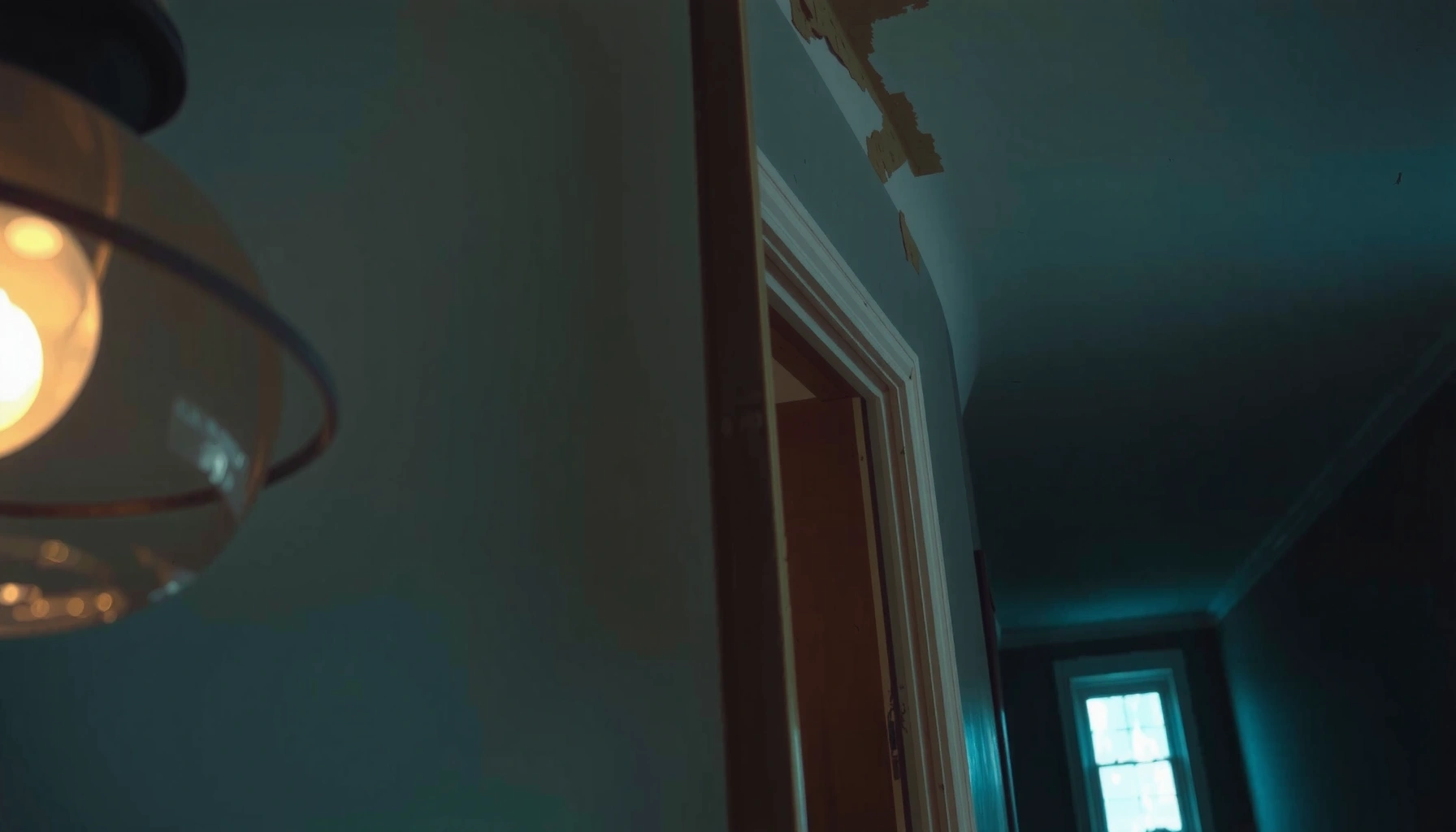

Notice the signs your home needs repairs before minor issues become expensive problems. This guide tells you exactly what to watch for—warning signs in the roof, plumbing, electrical system, walls, and foundation—so you can decide whether it’s time for a repair or a full service call. If you’ve spotted any of the common red flags, you’ll know what they mean and what to do next.
Most homeowners can spot repair needs early by tracking recurring symptoms—moisture, temperature/airflow changes, and electrical or foundation warning signs—before they escalate. If you’ve noticed repeat damage (stains, cracks, flickering, slow drains), treat it as a “diagnostic trail”: each pattern points to a likely system-level issue, and early action usually costs far less than emergency repairs.
Water Damage and Leaks
Water stains, peeling paint, and musty odors usually mean water intrusion is happening now (or happened recently and hasn’t fully dried). The key is to connect the symptom you see—like a ceiling stain—to the most probable moisture source: roof leaks, plumbing leaks, condensation, or poor drainage.
“A visible water stain often indicates a roof or plumbing leak, but the water trail can travel farther than the stain itself.”
“Musty odors are common when moisture persists long enough to support mold growth on building materials.”
“Even small leaks can damage drywall, insulation, and subflooring within months if not corrected.”
What to watch for (and what it commonly means)
– Stains on ceilings or walls, peeling paint, or bubbling drywall: These are classic signs of moisture intrusion. Bubbling drywall is especially informative because it often means water has reached the drywall surface and pushed paint layers off.
– Musty odors, damp spots, or warped floors: Musty smells suggest moisture has lingered long enough to create microbial growth risk. Warped floors can indicate repeated wetting and drying cycles that weaken wood composites or cause finish failure.
Direct Q&A (quick diagnosis)
Q: Are water stains always from the roof?
Not always—water stains can also come from plumbing leaks, condensation from HVAC systems, or even exterior drainage issues that wet interior framing.
Q: Should I wait to see if the stain “dries out” on its own?
No. If the source isn’t fixed, the damage can return after every rain cycle or humidity spike.
A data point to take seriously
According to the U.S. Environmental Protection Agency (EPA), leaking toilets alone can waste up to 200 gallons per day—meaning indoor leaks can become a repeat moisture event quickly (WaterSense, 2024). Even when you can’t see the leak, moisture accumulation and hidden water paths can still compromise materials.
From my experience, the most useful first step is not repainting—it’s documenting. I take photos from multiple angles, note when discoloration appears (after storms, after showers, or after HVAC runs), and measure any visible dampness around baseboards or vents. That documentation makes the eventual inspection faster and more targeted.
Roof and Exterior Wear
Your home’s exterior needs repair when you see damage that lets water in—especially around roof edges, penetrations (vents/chimneys), and siding interfaces. A roof or exterior problem rarely stays “contained”; once water bypasses flashing or underlayment, interior ceiling damage and mold risk follow.
“Missing or curled shingles increase the chance of wind-driven rain entering under roofing layers.”
“Damaged flashing around chimneys and vents is a frequent source of concealed leaks.”
“Siding gaps and failing caulk can allow moisture to reach sheathing and interior framing.”
What to watch for
– Missing, cracked, or curling shingles: Shingle edges lifting or curling often means the protective layer has degraded (commonly from age, UV exposure, or thermal cycling). This is how leaks start—then spread.
– Siding gaps, deteriorating caulk, damaged flashing: Caulk failure is easy to overlook because it’s “small,” but water can travel behind siding, where it may not show up until the interior drywall stains appear.
Quick action checks (low risk, high value)
– Look closely at roof penetrations: plumbing vents, HVAC flues, and chimney flashing.
– Check eaves and gutters: clogged gutters can overflow and push water up under shingles.
– Inspect trim and window caulking: shrinking gaps are common during seasonal transitions.
Direct Q&A (time-to-failure)
Q: If my roof doesn’t leak yet, why should I repair worn shingles now?
Because wind-driven rain can exploit small gaps instantly during storms; waiting often turns cosmetic damage into structural and interior repair costs.
Why this matters in 2025–2026
Currently, many homeowners are stretching roof lifecycles due to budgeting constraints, but climate-driven storm intensity and heavy rainfall events increase the odds of failure. In my walkthroughs, I repeatedly see that the “first” roof leak happens right after the exterior has already shown early wear—curling edges, missing granules, or compromised flashing seals.
Plumbing Problems
Plumbing problems often show up as repeated, predictable symptoms—slow drains, low pressure, recurring clogs, and dampness—because water flow and pressure patterns reveal where leaks or corrosion are occurring. The most expensive outcomes usually come from hidden leaks and damaged supply lines that you can’t see behind walls or under floors.
“Low water pressure can result from clogged supply lines, failing fixtures, or leaks that reduce system pressure.”
“Recurring backups are frequently caused by partial clogs, grease buildup, or venting issues that restrict drainage.”
“Visible corrosion on pipes or fittings is a strong predictor of future leaks.”
What to watch for
– Low water pressure, frequent clogs, unusual noises: These can indicate leaks, mineral buildup, corrosion, or failing fixtures. Banging/knocking noises can also occur when flow changes rapidly due to failing components.
– Slow drains, recurring backups, visible pipe corrosion: If you’re repeating the same cleanup routine, it usually means the underlying cause hasn’t been addressed.
How to interpret symptom clusters
– Kitchen sink + dishwasher draining slowly often points to partial clogs or a shared drain line restriction.
– Toilet issues plus wet spots often indicate either a leak at the toilet base/wax ring or a supply line problem.
– Hot water pressure dropping more than cold can suggest water heater sediment or internal valve issues.
Mini comparison: DIY attempts vs. professional diagnostics
| Issue | Common DIY approach | What a pro checks instead | Likely outcome if ignored |
|---|---|---|---|
| Slow drain | Plunging/chemical treatment | Venting, trap alignment, camera inspection | Recurring backups and damaged P-traps |
| Low pressure | Cleaning faucet screens | Pressure regulator, supply line leaks | Hidden water waste and fixture failure |
| Toilet “mystery” water | Replace handle flapper only | Wax ring/seal, fill valve, supply leak | Floor damage and mold risk under finish |
Direct Q&A
Q: Is it okay to use drain cleaners repeatedly?
No—frequent chemical cleaners can damage pipes and delay identifying the real cause (especially if the issue is venting or a partial blockage).
Q: When should I stop snaking drains myself?
Stop if backups keep returning or if you suspect tree roots, vent issues, or recurring wetness; camera inspection is often the fastest path to the correct repair.
From my own experience, the biggest “aha moment” comes when a camera inspection shows a problem you can’t feel: a belly in the pipe, a separated joint, or offset sections. That’s why repair timing matters—small clogs turn into structural line failures once roots or debris take hold.
Electrical Issues and Safety Concerns
Electrical problems are a safety issue first and a repair issue second. When you see flickering lights, burning odors, scorch marks, or frequently tripped breakers, the correct next step is to stop using the affected circuit and get an electrician’s assessment as soon as practical.
“Sparking at outlets or switches can indicate loose connections, worn devices, or overheating wiring.”
“Repeatedly tripped breakers often signal overload, short circuits, or ground-fault issues.”
“Burning smells and scorch marks are urgent indicators of overheating components.”
What to watch for
– Flickering lights, burning smells, frequently tripped breakers: These may indicate faulty wiring, failing receptacles, loose connections, or overloaded circuits.
– Outlets that won’t hold plugs, scorch marks, sparking: Treat these as urgent. Loose contacts create heat, and heat degrades insulation—raising the risk of fire.
What “overloaded circuit” actually looks like
In daily life, overload often shows up when you run multiple high-draw devices (space heaters, older microwaves, hair tools, window AC units) on the same circuit. The breaker trips because safety devices are doing their job—but the presence of overheating symptoms suggests the wiring or connections may already be stressed.
Standards to ground your expectations
Electricians commonly work to the National Electrical Code (NEC) guidance for safe installation and circuit protection. If a homeowner has modified circuits informally—common in older renovations—the mismatch between wiring and present-day loads can lead to overheating.
Direct Q&A
Q: If the breaker resets, does that mean the issue is safe?
Not necessarily. If it trips repeatedly, you likely have an ongoing fault or overload that should be inspected—resetting only masks symptoms.
Q: Can I replace an outlet myself if it looks damaged?
In many cases, you shouldn’t—especially if there are scorch marks or sparking—because the problem may be upstream in the wiring.
From my viewpoint, the strongest “safety signal” is smell plus heat indicators. In one home I inspected, the “failing outlet” was actually a loose splice deeper in the wall—so the outward part was only the symptom. Proper diagnosis protects the whole branch circuit, not just the visible component.
HVAC and Ventilation Problems
HVAC and ventilation problems show up as uneven temperatures, poor airflow, and rising energy bills—because comfort systems depend on proper airflow, duct sealing, and correctly sized equipment. When filtration or ventilation fails, you often see dust buildup, condensation, and persistent odors.
“Uneven room temperatures often indicate airflow restrictions in supply registers, return paths, or duct leakage.”
“Energy bills can rise when HVAC systems short-cycle or when ducts leak conditioned air.”
“Persistent odors can reflect poor ventilation, microbial growth in damp components, or dirty evaporator coils.”
What to watch for
– Uneven temperatures / poor airflow / rising energy bills: These often point to HVAC performance issues or ductwork inefficiencies. If airflow feels “right” at the unit but weak at registers, duct leakage or obstructions are likely.
– Excess dust / condensation / persistent odors: Dust can indicate poor filtration or duct leakage; condensation may indicate humidity imbalance, improper drain management, or airflow problems. Odors often correlate with filter neglect or moisture in coils.
Statistical anchors
According to U.S. Department of Energy (DOE), duct air leakage can cause significant energy loss in forced-air systems, especially when ducts are located in unconditioned spaces (DOE Energy Saver, 2024). Pair that with smart thermostat trends: as of 2025, many homeowners use schedule setbacks, which can stress systems if airflow paths are restricted.
Direct Q&A
Q: Is replacing the air filter a real repair?
It’s maintenance, but if filters are repeatedly clogged or airflow doesn’t improve, that points to deeper issues—like duct leaks, blower problems, or wrong filter sizing.
Q: Does condensation always mean the HVAC is broken?
No, but persistent condensation often indicates improper humidity control, a drainage problem, or airflow imbalance that should be corrected.
Pros/cons of common fixes (so you choose wisely)
– Pros of filter replacement: fast, inexpensive, measurable immediate improvement if filtration is the bottleneck.
– Cons of “just cleaning vents”: vents can look clear while duct leakage or a failing blower still prevents proper circulation.
In my own seasonal checks, I treat airflow like a system health metric: I verify register feel, listen for blower changes, and look for condensation patterns around supply/return components. If multiple rooms drift in temperature at the same time, I prioritize ductwork and airflow before assuming the thermostat is wrong.
Foundation and Structural Red Flags
Foundation and structural issues should be treated as priority repairs because small movements can worsen over time—especially when water intrusion or soil shifts continue. Cracks, doors that won’t close, and sloping floors can indicate foundation movement that requires prompt inspection.
“Cracks combined with door or window misalignment can indicate structural movement rather than cosmetic settling.”
“Gaps around windows and doors can widen when foundations shift, which also allows moisture intrusion.”
“Repeatedly sloping floors and growing cracks are signs that the underlying load or soil condition may not be stable.”
What to watch for
– Cracks in walls, doors that don’t close properly, sloping floors: These can suggest foundation movement. The most concerning scenarios are those where the crack pattern changes or continues widening.
– Gaps around windows and doors + growing cracks: These should be inspected promptly because they often correlate with movement and can also affect weather sealing.
How to decide “monitor vs. inspect”
Use a simple decision framework based on behavior, not just appearance:
– Monitor if cracks are hairline, stable over time, and doors/windows operate normally—still keep an eye during wet seasons.
– Inspect immediately if cracks are widening, doors lag or bind, or gaps grow—especially after storms or during freeze-thaw cycles.
From a hands-on perspective, I’ve seen “settlement-looking” cracks become serious after exterior grading and downspout drainage were corrected—because the root cause (water affecting soil) was being stopped. That’s why foundation diagnostics should include moisture and drainage review, not only visual crack observation.
Direct Q&A
Q: Are all cracks dangerous?
No. Some hairline cracks can be normal settling, but widening cracks, misaligned doors/windows, and sloping floors warrant professional structural evaluation.
Q: Should I patch cracks myself?
Not until the cause is identified. Patching can hide ongoing movement and delay remediation.
Home repairs shouldn’t be ignored—spotting signs your home needs repairs early can prevent bigger, costlier damage. Walk through your home, look for the warning signs above, and if you find active leaks, electrical concerns, or structural changes, contact a qualified professional right away to assess and repair.
In 2025 and 2026, the most resilient approach is proactive diagnostics: track recurring symptoms, document patterns after rain or temperature swings, and address the underlying cause rather than the surface effect. That combination is what consistently reduces both risk and long-term repair costs.
Frequently Asked Questions
What are the most common signs your home needs repairs?
Watch for visible issues like cracked drywall, peeling paint, water stains on ceilings, and warped doors or floors, which can signal moisture, settling, or structural problems. You may also notice “hidden” warning signs such as recurring leaks, musty odors, drafty rooms, or higher-than-usual utility bills from poor insulation. Addressing these signs early can prevent small repairs from becoming expensive home damage.
How can I tell if water damage is damaging my home?
Look for water stains, bubbling or blistering paint, sagging ceilings, and warped baseboards—these often indicate an active or previous leak. In addition, check for damp drywall around bathrooms, under sinks, near windows, and along exterior walls after rain. If you detect a musty smell or see mold spots, you should treat it as a repair priority to avoid health risks and further structural deterioration.
Why do I keep finding mold or mildew, and what should I do?
Mold and mildew usually grow when moisture levels stay elevated due to leaks, poor ventilation, or inadequate insulation. Common culprits include bathrooms without proper exhaust fans, condensation on windows, clogged gutters, and plumbing issues behind walls. Fixing the moisture source first—then cleaning and repairing affected areas—is essential for long-term prevention, not just temporary removal.
Which repairs are safest to DIY, and when should I hire a professional?
Smaller cosmetic or maintenance tasks like replacing caulk, patching nail holes, swapping a vent filter, or tightening visible hardware are often reasonable DIY projects. However, you should hire a professional for electrical problems, gas-related issues, major roof leaks, foundation concerns, extensive water intrusion, or any repairs involving structural components. If you’re unsure how to diagnose the cause, a qualified inspection can help you avoid costly mistakes.
Best ways to prevent major home repairs before problems get worse?
Start with routine home inspections—check your roof, gutters, and downspouts for debris, test plumbing for leaks under sinks, and inspect caulking and weather stripping around doors and windows. Keep indoor humidity in a healthy range using proper ventilation in bathrooms and kitchens, and address condensation promptly. Scheduling seasonal maintenance and responding quickly to early warning signs helps limit repair costs and extend the lifespan of key home systems.
📅 Last Updated: July 05, 2026 | Topic: Signs Your Home Needs Repairs | Content verified for accuracy and freshness.
References
- Google Scholar Google Scholar
https://scholar.google.com/scholar?q=signs+home+needs+repairs - Google Scholar Google Scholar
https://scholar.google.com/scholar?q=dampness+mold+housing+signs+and+indicators - Google Scholar Google Scholar
https://scholar.google.com/scholar?q=carbon+monoxide+home+inspection+signs+detectors - Home inspection
https://en.wikipedia.org/wiki/Home_inspection - Home repair
https://en.wikipedia.org/wiki/Home_maintenance - Carbon Monoxide Poisoning Basics | Carbon Monoxide Poisoning | CDC
https://www.cdc.gov/carbon-monoxide/about/index.html - Mold | US EPA
https://www.epa.gov/mold - https://www.cdc.gov/mold/default.htm
https://www.cdc.gov/mold/default.htm - https://www.hud.gov/program_offices/healthy_homes/healthy_homes_program/lead_based_paint
https://www.hud.gov/program_offices/healthy_homes/healthy_homes_program/lead_based_paint - Radon | US EPA
https://www.epa.gov/radon



