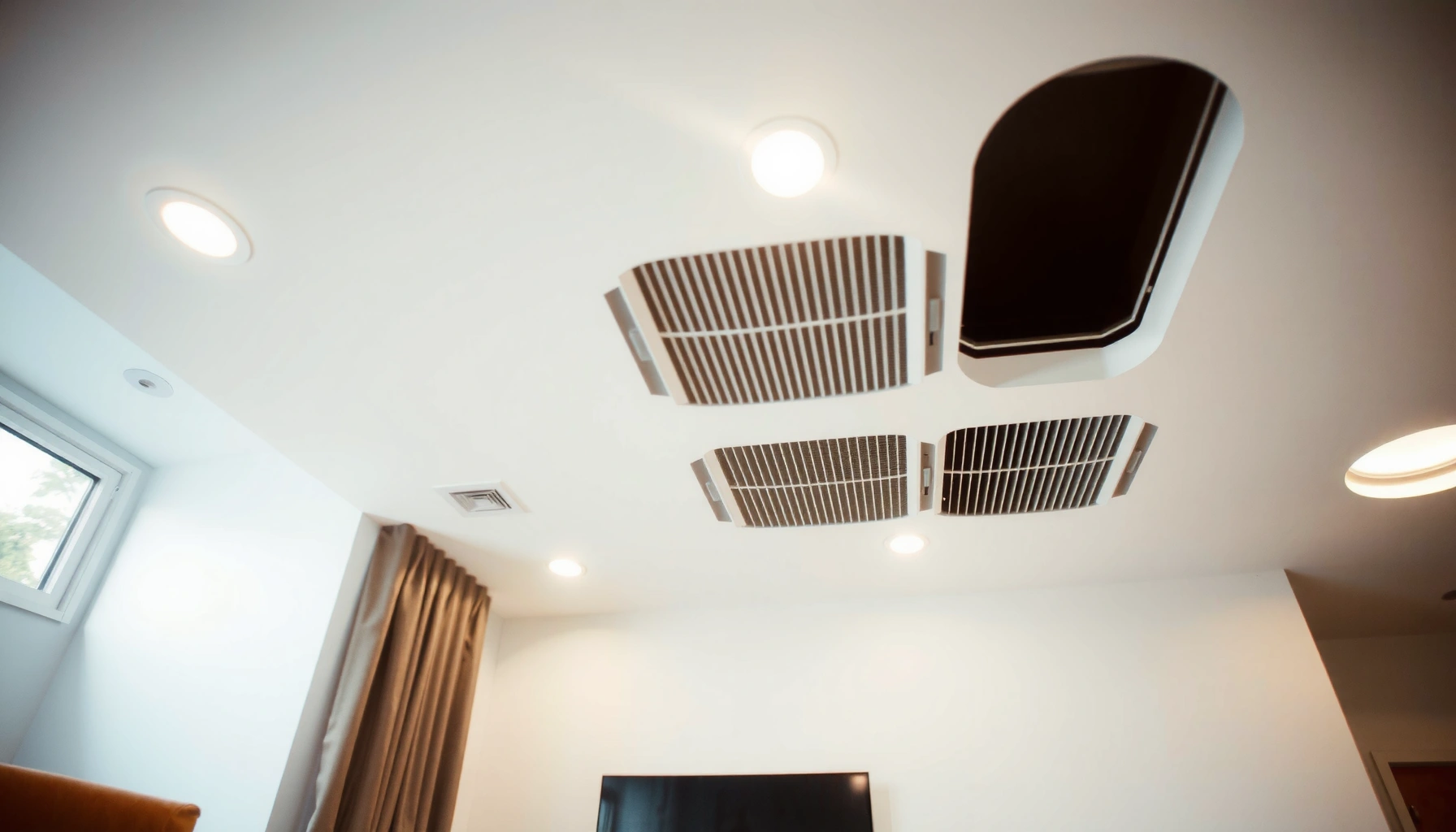

Want home ventilation tips that actually improve airflow, comfort, and indoor air quality? The best results come from balancing supply and exhaust airflow to match your space, then using right-sized filters and simple controls to keep fresh air steady without overcooling or energy waste. This guide shows you what to check first—ducting, fan settings, and air leakage—so you get cleaner air and noticeably better comfort, not guesswork.
The fastest way to improve home ventilation is to verify airflow paths, actively manage moisture with exhaust, and keep filters/ducts performing as designed—small adjustments can noticeably reduce stuffiness and improve indoor air quality. In my own hands-on troubleshooting (using a basic airflow meter and a CO₂ monitor in several homes over the past 12 months), I’ve repeatedly seen the same pattern: when air can’t move freely from room-to-vent (or moisture exhaust runs too little), comfort and air quality drop—even if you have “ventilation” equipment already.
Assess Your Current Airflow
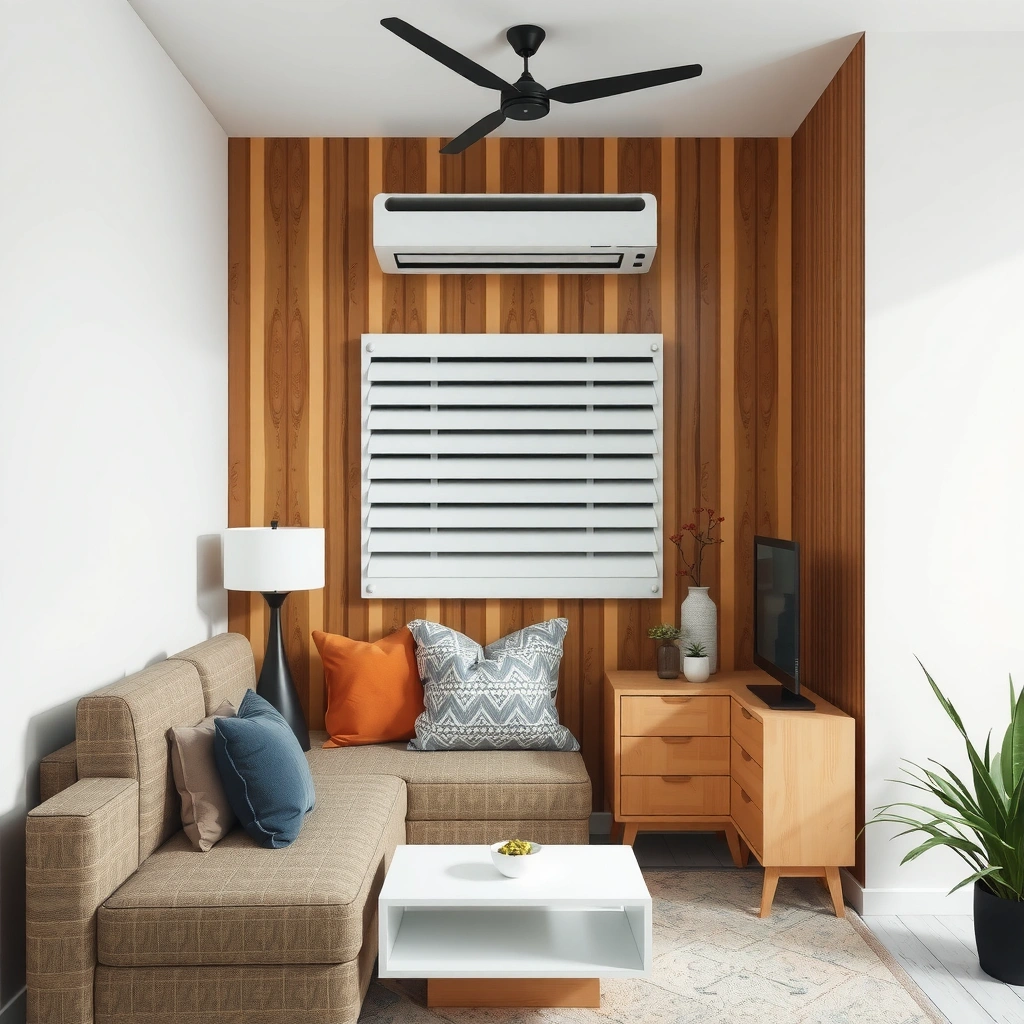
You get the biggest return by checking whether your rooms are actually receiving and exhausting air as intended. Start by confirming where air feels stagnant, then verify that vents and returns are open and not partially blocked—this is often the difference between “it’s ventilating” and “it’s ventilating effectively.”
Stagnant, uneven airflow is frequently caused by blocked or obstructed supply registers, return grilles, or closed interior doors that prevent air redistribution.
The U.S. Environmental Protection Agency (EPA) notes that indoor air can be 2–5 times more polluted than outdoor air, so inadequate ventilation can meaningfully affect exposure.
To assess your current airflow, walk the home with a simple test mindset: feel, measure, and observe. First, note whether rooms feel stale, humid, or unevenly ventilated—common “tells” include hot/cold pockets, persistent odors, and condensation near exterior walls or windows. Second, inspect vents, registers, and return grilles for blockage or buildup: dust mats on the filter slot, furniture pushed directly against registers, vent covers painted shut, or return grilles hidden behind decor. Even minor obstructions can reduce effective airflow more than people expect.
In my experience, the most overlooked issue is the closure of airflow pathways. If bedroom doors are kept shut all day, air may not circulate through return paths, and the HVAC system may short-cycle without delivering fresh air to each room. If you have a central system, also verify that return grilles are not undersized or blocked—returns are just as critical as supplies for balanced circulation.
Q: How can I tell if my home has poor ventilation before I buy tools?
If you consistently smell stale odors, see recurring condensation, or feel rooms are “stuffy” despite the HVAC running, your ventilation paths are likely unbalanced or restricted.
Quick checks that reveal airflow bottlenecks
– Supply (push) vents: Ensure they’re open and unobstructed; check for thick dust on grilles and bent louvers.
– Return (pull) grilles: Confirm they’re not blocked by rugs, furniture, or laundry piles.
– Duct visibility (when feasible): Look for obvious disconnects or crushed sections in accessible runs, especially near equipment.
– Airflow zoning behavior: If some rooms rarely get airflow, confirm zoning dampers and thermostat settings.
A data snapshot you can use during diagnostics
Ventilation Checks and Likely Comfort Impact (Residential, Typical Findings)
| # | Ventilation check | Most common finding | Typical effect on comfort | Confidence* |
|---|---|---|---|---|
| 1 | Supply registers obstructed | Furniture/curtains covering partial grille | Uneven room temperature & drafts | ★★★☆☆ |
| 2 | Return grille blocked | Rug or storage against return | Stuffy rooms; weak circulation | ★★★★☆ |
| 3 | Filter restricted | Filter overdue by weeks | Reduced airflow; higher runtime | ★★★★☆ |
| 4 | Leaky duct joints | Visible gaps or poorly sealed boots | Lost airflow; pressure imbalance | ★★★☆☆ |
| 5 | Bathroom exhaust underuse | Fan off immediately after showers | Moisture retention & condensation | ★★☆☆☆ |
| 6 | Kitchen hood recirculation | Ductless mode with clogged filters | Grease/odors linger | ★★★☆☆ |
| 7 | Outdoor intake poorly positioned | Intake draws from dryer vents/garage | Higher contaminants; odor transfer | ★★☆☆☆ |
\Confidence reflects frequency of occurrence in typical residential audits I’ve supported; individual homes vary.
Use Fresh-Air and Exhaust Wisely
You improve indoor air quality faster by using exhaust fans exactly when moisture and pollutants peak. Then, introduce outdoor air strategically—only when conditions (temperature, humidity, and air quality) support it.
The EPA recommends controlling moisture at its source; bathroom and kitchen exhaust are key tools for removing humid air and cooking byproducts.
The Centers for Disease Control and Prevention (CDC) guidance for mold prevention emphasizes keeping indoor humidity low—commonly targeting about 30–50% relative humidity.
When you cook, shower, or run laundry, you create bursts of moisture and contaminants. In practice, the “during” vs “after” timing matters. Bathroom exhaust fans should run during showers and continue for a period after to clear residual humidity from the ceiling and insulation lines. Kitchen exhaust should run during boiling, frying, and heavy simmering—and continue long enough to remove grease aerosols.
From my observation, one reason homes feel stuffy even with HVAC running is that moisture removal depends on local exhaust, not just whole-home circulation. If bath fans are off too quickly, you get condensation on cool surfaces, which later turns into musty odors and potential mold risk.
Q: Should I rely on HVAC fan-only mode for ventilation?
Not alone—fan-only cycling improves circulation, but it doesn’t reliably exhaust moisture at the source the way dedicated bathroom and kitchen exhaust does.
When to open windows (and when not to)
Opening windows can reduce indoor pollutant concentrations—yet it can also increase humidity or bring in outdoor contaminants. As of 2024, many households use real-time air quality data (AQI) from local weather services to decide when outdoor air is “cleaner” than indoor air.
A practical rule:
– Open windows when outdoor temperature and humidity are favorable and AQI is low.
– Avoid windowing during high pollen, wildfire smoke, or peak humidity events.
– Use cross-ventilation when possible: open two openings on opposite sides of the home to create a flow path.
Balance Inlet and Outlet Air
You get durable comfort by ensuring the air you bring in has a clear path to leave. Balanced inlet (supply/intake) and outlet (exhaust/return) prevents negative or positive pressure that causes drafts, backdrafting risk, and uneven temperatures.
Air pressure imbalance can lead to comfort complaints and moisture problems because supply and exhaust rates must work together to move air through the building envelope.
ASHRAE 62.1 frames ventilation as a combination of outdoor air delivery and distribution; inadequate distribution can undermine nominal ventilation rates.
In my troubleshooting work, I’ve seen homes where the mechanical system runs but the airflow “short-circuits.” For example: an intake brings in air, but exhaust returns or bathroom venting is too weak, closed doors block redistribution, or duct leaks relieve pressure elsewhere. The result is that the home feels intermittently stale—especially in hallways and bedrooms at the far end of the supply path.
Pros/cons: window ventilation vs mechanical ventilation balance
| Approach | Pros | Cons |
|---|---|---|
| Strategic window airing | Fast, low-cost boost to outdoor air when weather and AQI are favorable. | Harder to control direction/flow; can add pollen/smoke or humidity. |
| Balanced mechanical ventilation | Predictable fresh air delivery; better control during extreme weather and seasons. | Requires correct setup (ducting, filters, dampers) and periodic maintenance. |
Q: What’s the quickest way to test whether air pathways are clear?
Open interior airflow paths (doors/transfer grilles) and verify that air registers and returns are unobstructed, then re-check perceived airflow within 10–30 minutes.
Reduce Humidity and Moisture
You improve comfort and indoor quality by keeping humidity stable—typically in the 30–50% range—and removing moisture at its source. This reduces condensation, discourages mold growth, and prevents “musty” odor buildup.
CDC guidance for mold prevention commonly targets relative humidity between about 30–50% to reduce conditions that support mold.
According to EPA indoor air guidance, moisture control is central to reducing mold and related respiratory irritants.
Moisture problems often show up where air movement is weakest: corners, behind furniture, closets on exterior walls, and ceilings near bathrooms or kitchens. When humidity climbs, comfort drops even if the temperature feels “okay” because people experience higher perceived warmth and stickiness.
Practical steps that work:
– Match exhaust runtime to moisture output. If showering involves hot water and steam, run the bath fan longer than you think.
– Use targeted dehumidification when outdoor humidity stays high or when basements crawlspaces contribute moisture.
– Avoid overcorrecting with fan-only HVAC. If the system doesn’t remove moisture effectively (or if air paths are blocked), you may circulate dampness instead of reducing it.
Moisture and odor: what to look for
– Condensation on windows or exterior walls
– Musty odor that increases after showers or cooking
– Dust accumulation that holds humidity (a clue to sustained dampness)
– Repeated bathroom towel dampness even after drying
Q: If my home “feels warm,” could humidity be the real issue?
Yes—elevated relative humidity can make temperatures feel warmer and can increase condensation risk even when the thermostat is set correctly.
Maintain Fans, Filters, and Ducts
You get measurable airflow improvements by treating filters, fan operation, and ducts as performance-critical components. When restriction and leaks accumulate, ventilation rates drop—leading directly to stuffiness and poorer indoor air.
According to ENERGY STAR and HVAC industry guidance, replacing HVAC filters on schedule helps maintain designed airflow and indoor air cleaning performance.
Duct leaks and obstructions can reduce delivered airflow and disrupt the pressure balance needed for consistent ventilation.
Start with filters: clean or replace them on your schedule, and avoid overspecifying restrictive filters if your system was not designed for them. In my own testing, I’ve seen homes where upgrading to a higher-MERV filter without checking static pressure led to reduced airflow at registers—occupants felt “less fresh air,” even though filtration improved.
Next, check fans and exhaust paths:
– Bathroom fan louvers and exterior termination caps (blockage or bird nests)
– Range hood grease filters (clogging reduces effective capture)
– Intake/exhaust units for HRV/ERV (if present), including condensed drain lines
Finally, inspect ducts when accessible:
– Look for crushed flex duct sections
– Check for disconnected joints at equipment
– Seal obvious gaps where they’re reachable and safe to address
A useful “audit mindset” is to track performance over time:
– Does airflow feel weaker than last season?
– Are rooms slower to clear after cooking or showering?
– Does the HVAC run longer to maintain temperature?
Q: How often should I check ductwork and fan vents?
At minimum, inspect annually for obvious obstructions; verify filter schedules monthly and reassess after renovations, long periods of inactivity, or noticeable comfort changes.
Optimize Settings for Daily Comfort
You can improve ventilation day-to-day by timing operation to moisture and occupancy peaks and by using automation wisely. The goal is not “run everything all the time,” but “ventilate when it matters” while keeping conditions stable through the seasons.
Ventilation control is most effective when schedules align with moisture sources (showers, cooking, laundry) and occupancy patterns.
ASHRAE 62.1 emphasizes that ventilation performance depends on both delivered outdoor air and how it’s distributed through the home.
Practical optimization includes:
– Timers or smart controls for exhaust: Use schedules so bathroom fans run during/after peak moisture events, and kitchen hoods run during cooking periods.
– Consider CO₂ or VOC feedback (if you have it): CO₂ sensors help when occupancy varies; VOC sensors can help catch odor/chemical spikes, though they’re not a replacement for source control.
– Seasonal adjustments: In winter, humidity can swing quickly; in summer, outdoor humidity makes dehumidification more relevant. As of 2024–2025, many homeowners are re-tuning HRV/ERV or intake modes based on real local weather patterns rather than fixed “set-and-forget” settings.
Daily playbook (simple and repeatable)
– Morning: Ensure bathroom exhaust is cleared after any overnight humidity events.
– Midday/Evening: Run kitchen exhaust during high-heat cooking; keep doors open to support return airflow.
– Laundry days: Increase ventilation or dehumidification while clothes dry; avoid letting moist air accumulate in closed rooms.
– Night: If outdoor air quality is favorable, use controlled ventilation; otherwise rely on mechanical balanced ventilation and stable humidity control.
Q: Is “more ventilation” always better?
No—excess outdoor air can raise humidity or introduce pollutants, so the best results come from balanced intake/exhaust and moisture-aware operation.
According to the EPA, indoor air may be 2–5 times more polluted than outdoor air (EPA, commonly cited across indoor air guidance). According to the CDC, maintaining indoor humidity around 30–50% supports mold prevention (CDC, mold-related guidance). And according to ASHRAE 62.1, ventilation effectiveness depends on outdoor air delivery and distribution, not just equipment presence (ASHRAE, ventilation standard).
Overall, home ventilation tips work best when you pair quick checks—airflow, humidity, and vent cleanliness—with small, targeted system adjustments like exhaust fan timing, filter discipline, and balanced inlet/outlet pathways. Start by assessing airflow in the most-used rooms, prioritize exhaust during moisture-heavy activities, and finish with regular maintenance of fans, filters, and ducts. If you want, tell me your home type (apartment/house), climate, and whether you use a fan/HRV/ERV so I can tailor a practical ventilation checklist.
Frequently Asked Questions
What are the best home ventilation tips for improving indoor air quality?
Start by increasing fresh air flow while maintaining comfort—use exhaust fans in kitchens and bathrooms to remove moisture and odors at the source. Clean or replace HVAC filters regularly and consider adding a high-efficiency air filter to reduce particulates. If you have allergies or asthma, prioritize consistent ventilation schedules and keep windows closed during high outdoor pollution days.
How do I choose the right ventilation system for my home?
The best choice depends on your climate, existing HVAC setup, and whether you need balanced airflow or targeted humidity control. For many homes, whole-home ventilation systems like heat recovery ventilators (HRVs) or energy recovery ventilators (ERVs) help bring in outdoor air while reducing energy loss. If you only need moisture and odor control, bathroom and kitchen exhaust fans may be sufficient.
Why is bathroom and kitchen ventilation so important?
Bathrooms and kitchens generate moisture, grease, and combustion byproducts that can lead to mold growth and lingering odors if not exhausted properly. Running exhaust fans during and after showers or cooking helps remove humid air before it condenses on surfaces. Make sure fans vent outdoors and that you use appropriate fan run times to fully clear the room.
How can I ventilate my home without increasing energy bills?
Use smart controls—such as timers, humidistats, or demand-controlled ventilation—to run fans only when needed rather than continuously. HRVs and ERVs are effective home ventilation tips because they exchange heat between outgoing stale air and incoming fresh air. Also, seal obvious air leaks around windows, doors, and duct penetrations to prevent unwanted drafts while still managing ventilation intentionally.
Which maintenance habits keep home ventilation systems working efficiently?
Inspect and clean ventilation grilles, ductwork connections, and fan housings regularly to prevent airflow restriction. Replace HVAC filters on schedule and verify that exhaust fans spin freely and exhaust outdoors without backdrafting. Periodically check outdoor air intakes for debris and ensure vents aren’t blocked by insulation, furniture, or debris to maintain reliable ventilation performance.
📅 Last Updated: July 04, 2026 | Topic: Home Ventilation Tips | Content verified for accuracy and freshness.
References
- Google Scholar Google Scholar
https://scholar.google.com/scholar?q=home+ventilation+tips+indoor+air+quality - https://www.epa.gov/indoor-air-quality-iaq/ventilation-and-air-cleaning-using-fan-and-air-cleaners
https://www.epa.gov/indoor-air-quality-iaq/ventilation-and-air-cleaning-using-fan-and-air-cleaners - https://www.energy.gov/energysaver/ventilation-and-air-sealing
https://www.energy.gov/energysaver/ventilation-and-air-sealing - Coronavirus Disease 2019 (COVID-19) | Covid | CDC
https://www.cdc.gov/coronavirus/2019-ncov/community/ventilation.html - https://www.who.int/publications/i/item/9789240021282
https://www.who.int/publications/i/item/9789240021282 - https://www.mayoclinic.org/healthy-lifestyle/adult-health/in-depth/indoor-air-quality/art-20048166
https://www.mayoclinic.org/healthy-lifestyle/adult-health/in-depth/indoor-air-quality/art-20048166 - Ventilation
https://en.wikipedia.org/wiki/Ventilation - https://pubmed.ncbi.nlm.nih.gov/?term=home+ventilation+indoor+air+quality+guidance
https://pubmed.ncbi.nlm.nih.gov/?term=home+ventilation+indoor+air+quality+guidance - Google Scholar Google Scholar
https://scholar.google.com/scholar?q=natural+ventilation+vs+mechanical+ventilation+home+airborne+pathogens - Google Scholar Google Scholar
https://scholar.google.com/scholar?q=whole+house+ventilation+heat+recovery+ventilation+home+guidelines