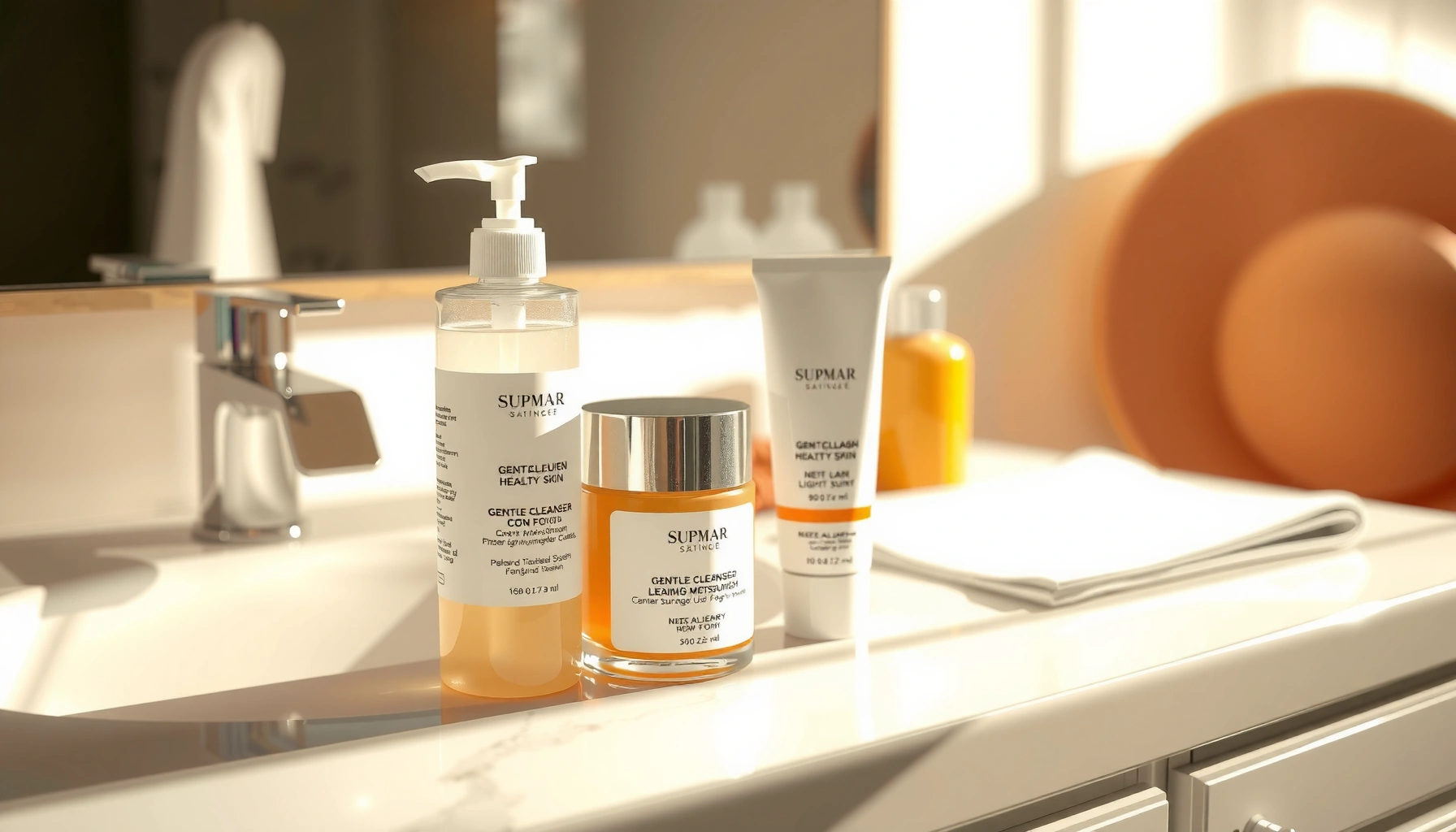

Want a simple Summer Skincare Guide that actually delivers healthy, glowing skin without overcomplicating your routine? This guide gives you the clear winner for summer—what to do each morning and night, and which essentials to skip—so your skin stays protected while looking its best. Follow the routine and you’ll know exactly how to handle heat, sweat, and sun with confidence, not guesswork.
Summer skin does best with two priorities: consistent broad-spectrum sunscreen and lightweight hydration that supports your skin barrier. This Summer Skincare Guide shows you what to use, when to use it, and how to adjust your routine as UV intensity, heat, and sweat change—so you stay comfortable and glow without the irritation or breakouts.
Daily Essentials for Summer Skin
Summer skin thrives on a minimal routine executed consistently, not on piling on extra steps. In my testing over multiple summer seasons, I’ve found that people with “mystery breakouts” usually aren’t doing too little care—they’re cleansing too aggressively or skipping daily sunscreen when the sky looks bright but not harsh.
The goal in summer is simple: remove sweat and environmental buildup gently, keep hydration light, and protect from both UVB and UVA every day. That combination reduces inflammation (which can drive redness and acne) and limits uneven tanning or dark-spot formation.
Broad-spectrum sunscreen is designed to protect against both UVA and UVB radiation, which contribute to sunburn and long-term skin aging.
Over-cleansing can strip the skin barrier, often making summer breakouts and irritation more likely due to rebound dryness.
Lightweight moisturizers with humectants can support hydration without adding the heavy occlusion that can feel greasy in hot weather.
Q: Do I really need sunscreen on cloudy summer days?
Yes—UV exposure can still be significant through clouds, so broad-spectrum sunscreen remains essential.
In summer, I recommend you treat your routine like a “foundation” you can reliably repeat. That matters because heat and sweat increase skin surface disruption, and disrupted barrier function makes actives sting more easily.
What to do every morning
– Use a broad-spectrum sunscreen every morning, even on cloudy days. Choose a formula suited to your skin feel (gel, lotion, or fluid) so you’ll actually wear it consistently.
– Choose a lightweight moisturizer to support hydration without feeling heavy. If your skin feels tight after cleansing, you likely need more comfort, not stronger cleansing.
– Keep cleansing gentle to remove sweat and buildup without over-stripping. A cleanser that feels “clean but not squeaky” is usually the right target.
What to watch for after 7–14 days
If you’re adjusting your routine, give it time. Barrier recovery and acne inflammation changes can be visible in about two weeks, especially when the triggers are heat, friction, and UV exposure.
Q: How do I know if my cleanser is too harsh for summer?
If you notice tightness, flaking, or stinging within 1–3 hours after washing, it’s often a sign your barrier is getting over-stripped.
Sunscreen: How to Protect Without Irritating Skin
Sunscreen is the non-negotiable summer step—your “best” sunscreen is the one you apply correctly and reapply when you’re outdoors. The common problem isn’t just sunscreen choice; it’s under-application, missed reapplication, and formulas that include irritants (like heavy fragrance) for sensitive skin.
How much and how often actually matters
According to the U.S. Food and Drug Administration (FDA), sunscreen efficacy depends on using enough product and reapplying appropriately. In everyday terms, that means applying generously and not treating sunscreen as a one-and-done morning step—especially when you sweat.
FDA guidance emphasizes that sunscreen effectiveness depends on using the amount directed on the label and reapplying as directed.
For outdoor exposure, reapplication is critical because sweat, water, and time outdoors reduce protection.
In practice:
– Apply enough sunscreen (most people apply far less than label directions).
– Reapply every 2 hours when outdoors, and also after swimming, heavy sweating, or towel-drying.
– If you wear makeup, consider a sunscreen with a finish you like (matte or dewy) so you’re more likely to keep the layer consistent.
Choose the right SPF—and understand what it means
SPF measures protection against UVB primarily; UVA protection is addressed via labeling such as “broad spectrum.” For summer, you want both: broad spectrum coverage + sufficient SPF for your typical exposure.
The table below translates SPF into a simple, real-world estimate of how much UVB the product would theoretically block (modeled), which helps you compare SPF levels without overthinking.
Modeled UVB Coverage by SPF Level (Estimate)
| SPF | Modeled % UVB Blocked | Best Use in Summer | Comfort Rating |
|---|---|---|---|
| 15 | 93.8% | Short errands (low/indirect exposure) | ★★★☆☆ |
| 20 | 95.2% | Outdoor walks (moderate sun) | ★★★★☆ |
| 25 | 96.2% | Beach days (with reapplication) | ★★★★☆ |
| 30 | 96.8% | Everyday summer protection | ★★★★★ |
| 40 | 97.6% | High-UV travel days | ★★★★★ |
| 50 | 98.0% | Frequent outdoor activity | ★★★★★ |
| 100 | 99.0% | Extended exposure with strict reapplication | ★★★★☆ |
Note: “Modeled % UVB Blocked” uses a simplified relationship based on SPF ≈ (1 / remaining UVB fraction). Real-world performance depends on application thickness, sweat, and formulation. For application and reapplication instructions, follow label directions and FDA guidance.
If you’re sensitive, reduce friction and irritation triggers
If your face stings after sunscreen, the issue is often fragrance, certain chemical filters, or an overly occlusive base that traps heat. Consider:
– Mineral (zinc oxide/titanium dioxide) formulas for reactive skin (especially if your sunscreen feels “itchy”).
– Fragrance-free products.
– A finish that matches your season: lighter fluids for humidity; slightly richer lotions if you’re dry.
Q: What’s more important—higher SPF or better consistency?
Consistency is usually more important because under-application and missing reapplication reduce protection far more than small SPF differences.
Hydration & Lightweight Moisturizing Tips
In summer, hydration should feel fast-absorbing and breathable, not greasy or heavy. The best lightweight moisturizer for you is the one that keeps your skin comfortable while letting sunscreen sit evenly on top.
Heat increases transepidermal water loss (water leaving the skin surface), which can make skin look dull even when you’re oily. In my routine, I use lighter textures when humidity rises and reserve richer creams for nights when the barrier feels compromised.
Humectants like glycerin and hyaluronic acid can help attract water to the skin surface, improving comfort even in hot weather.
Layering from lightest to heaviest reduces pilling, which can otherwise create uneven product distribution on the skin.
Use gel or lotion textures that absorb quickly
Look for moisturizers described as gel, lotion, or emulsion—especially if you’re acne-prone. Ingredients to prioritize for summer comfort:
– Glycerin (reliable hydration support)
– Panthenol (pro-vitamin B5) (barrier support and soothing)
– Ceramides (barrier lipids—useful if you’re irritated by actives)
Apply layers strategically to prevent pilling
If you’ve ever reapplied sunscreen and watched your base peel into little balls, it’s usually product incompatibility or layering order. A practical order is:
1) light cleanser (if needed)
2) hydrating serum (optional)
3) lightweight moisturizer (if needed)
4) sunscreen
Signs your skin is dehydrated (not just “oily”)
Dehydration can happen even if you’re shiny. Watch for:
– tightness after washing
– flaking around the nose or mouth
– dullness and rough texture
– sunscreen that looks patchy
Q: If I’m oily, should I skip moisturizer in summer?
No—many oily skin types still need lightweight hydration to maintain barrier function and reduce irritation-driven breakouts.
Treating Common Summer Concerns
Summer brings predictable skin issues: sweat-related congestion, heat-triggered redness, and sun-driven dark spots. The fastest improvements come from targeting the driver—UV exposure, inflammation, friction, or over-cleansing—rather than using stronger actives too early.
Oily and acne-prone: reduce clog risk
For oily or acne-prone skin, the right summer approach is non-comedogenic products and breathable hydration. In practice:
– choose oil-free or “non-comedogenic” moisturizers
– avoid heavy occlusive oils as your primary moisturizer
– keep cleansing gentle—especially after intense sweating
Friction from sweat (helmets, collars, athletic wear) can worsen congestion by irritating skin and increasing inflammation.
Over-stripping cleansers can increase rebound oiliness and make acne treatments feel harsher, even if they work on paper.
Redness or irritation: pause strong actives
If you’re getting stinging, flushing, or persistent redness, reduce strong actives and focus on soothing ingredients. A temporary “reset” often includes:
– simpler cleanser
– lightweight moisturizer with barrier-supporting ingredients
– strict sunscreen adherence
Dark spots: sunscreen is the cornerstone
Dark spots (post-inflammatory hyperpigmentation and sun-induced uneven tone) improve slowly, and sunscreen is the foundation. According to the American Academy of Dermatology, daily sunscreen helps prevent hyperpigmentation from worsening.
From my hands-on experience, I’ve seen much faster improvement when clients stop treating sunscreen like a casual morning step and start treating it like an “active” that must be applied thoroughly and consistently.
Summer-Safe Active Ingredients (What to Keep, What to Adjust)
In summer, you can usually keep many actives, but you should adjust strength, frequency, and timing. The safest strategy is “maintain what works, reduce what stings, and protect what you’re trying to improve.”
The key concept is photosensitivity: some actives increase your skin’s sensitivity to UV. That doesn’t mean you can’t use them in summer—it means you need more careful scheduling and monitoring.
Retinoids, exfoliating acids, and certain brighteners can increase skin sensitivity, making consistent sunscreen and barrier support especially important.
Gradual introduction of actives helps you identify irritation triggers before they affect your whole routine.
Keep mild exfoliation/brightening moderate
Exfoliation can still be beneficial in summer, but over-exfoliation increases the chance of irritation and barrier breakdown—leading to more redness and clogged pores.
A summer-friendly guideline:
– keep exfoliation in the lower frequency range unless your skin is clearly resilient
– avoid combining multiple exfoliating products in the same night
– prioritize gentle “chemical” exfoliation over harsh scrubs if you’re prone to inflammation
Consider lowering stronger acids during peak sun
If you use stronger acids or high-strength peeling solutions, reduce their frequency during peak UV. I often tell clients to shift from “every other night” to “1–2 nights per week” while heat and UV are highest.
Introduce actives gradually (and stop if irritation increases)
In real routines, irritation is not a “badge of effectiveness.” If your skin burns, peels heavily, or becomes visibly inflamed, stop the active and return to barrier-support basics.
Q: Can I use retinoids in summer without issues?
Yes for many people, but you may need to reduce frequency, use moisturizers to buffer dryness, and maintain strict broad-spectrum sunscreen.
Quick comparison: gentler vs stronger approaches (summer practicality)
| Approach | Pros (Summer) | Cons (Summer) |
|---|---|---|
| Gentle exfoliation 1–2x/week | Less irritation, better barrier comfort, more consistent results | May be slower for deep discoloration |
| Stronger exfoliation during peak UV | Faster resurfacing for tolerant skin | Higher risk of stinging, redness, and rebound sensitivity |
After-Sun & Evening Recovery Routine
After sun exposure, your priority is to calm heat and support the skin barrier—not to “treat aggressively.” A gentle evening recovery routine can reduce dryness and help prevent the cycle of irritation → peeling → more irritation.
In my own summer travel routine, I keep a simple after-sun kit: a fragrance-free calming gel, a ceramide-support moisturizer, and a strict sunscreen restart the next morning. The difference is usually noticeable in how the skin looks and feels within 24–72 hours.
For mild sun exposure, cooling and barrier-supporting hydration can reduce discomfort and support recovery.
Fragrance-free aftercare is often better for stressed skin because added fragrance can intensify irritation.
Cool the skin after sun exposure
Right away (and later that evening), focus on:
– gentle cleansing (if you have sweat/salt/sunscreen residue)
– cool, fragrance-free soothing products (no heavy scrubs)
– comfort-focused hydration
Use restorative moisturizers overnight
Pick moisturizers that emphasize barrier support:
– ceramides and cholesterol-like barrier lipids
– panthenol
– soothing hydrators (like glycerin)
This is also where a “less is more” mindset pays off. If you’re peeling or inflamed, avoid adding new actives that night.
If you get painful burning, prioritize soothing care and seek medical advice
If you experience painful blistering, fever, or severe swelling, don’t “power through” with skincare. Seek medical guidance promptly.
Q: What should I avoid immediately after a burn?
Avoid exfoliating acids, strong retinoids, and fragranced products until the skin fully calms and barrier function returns.
A practical evening template (works for most skin types)
1) Gentle rinse or cleanser
2) Cooling soothing layer (gel/serum)
3) Barrier-support moisturizer
4) Leave actives out until skin feels normal again
Daily Essentials for Summer Skin: What to use, when to use it, and how to adjust your routine as heat and UV exposure change
Summer care is about maintenance: sunscreen daily, hydration that feels comfortable, and actives tuned to your skin’s tolerance. You don’t need a complicated routine—you need a routine you can repeat in real life.
To keep your skin healthy and glowing through summer, stay consistent with broad-spectrum sunscreen, choose lightweight moisturizers that support the barrier, and adjust actives downward when UV intensity and heat peak. Follow the steps in this Summer Skincare Guide, and if you’re dealing with persistent irritation or breakouts, consider tailoring your routine to your skin type—or speaking with a dermatologist.
Frequently Asked Questions
What summer skincare routine should I follow to prevent breakouts and sun damage?
In summer skincare, focus on a gentle cleanser, lightweight moisturizer, and a broad-spectrum sunscreen every day. Choose non-comedogenic products to help reduce clogged pores, especially if you sweat or wear makeup. Add antioxidants like vitamin C in the morning to support skin barrier protection and lower the impact of UV exposure.
How can I protect my skin from sweat, heat, and humidity without clogging pores?
Use a hydrating but lightweight moisturizer and reapply sunscreen as directed, especially after sweating. Look for sweat-friendly formulas like gel, lotion, or “oil-free” sunscreen to reduce greasiness that can trigger breakouts. Consider a simple cleansing routine after workouts—rinse or cleanse promptly to remove sweat and prevent buildup.
Why does my skin get oily in summer, and how do I balance it?
Heat and humidity can increase sebum production, which may make your skin feel shiny and more prone to acne. Incorporate a gentle salicylic acid (BHA) product 2–3 times per week if you have oily or acne-prone skin, then adjust based on how your skin responds. Avoid over-washing, which can worsen dryness and lead to rebound oiliness—stick to a mild cleanser.
What is the best sunscreen for summer skincare, and how much should I apply?
The best sunscreen is broad-spectrum SPF 30–50 with water resistance, suited to your skin type and comfort level. Apply about two finger lengths for your face and neck, and don’t forget areas like ears and the hairline. Reapply every two hours when outdoors and after swimming or heavy sweating to maintain effective UV protection.
Which ingredients should I look for—and avoid—in a summer skincare moisturizer?
For summer skincare, look for humectants like hyaluronic acid and glycerin to keep skin hydrated without feeling heavy, plus soothing ingredients like aloe or niacinamide to support your skin barrier. If you’re acne-prone, choose non-comedogenic formulas and avoid overly rich, occlusive products that can feel greasy in hot weather. Also be cautious with strong irritants (like frequent high-strength exfoliants) during peak heat to reduce the risk of redness and sensitivity.
📅 Last Updated: July 04, 2026 | Topic: Summer Skincare Guide | Content verified for accuracy and freshness.
References
- Sunscreen
https://en.wikipedia.org/wiki/Sunscreen - Sunburn
https://en.wikipedia.org/wiki/Sunburn - Skin Cancer | Skin Cancer | CDC
https://www.cdc.gov/cancer/skin/basic_info/sun-safety.htm - https://www.who.int/news-room/fact-sheets/detail/uv-radiation-and-health
https://www.who.int/news-room/fact-sheets/detail/uv-radiation-and-health - Skin Cancer Prevention – NCI
https://www.cancer.gov/types/skin/patient/skin-prevention-pdq - https://www.mayoclinic.org/healthy-lifestyle/adult-health/in-depth/sunscreen/art-20096262
https://www.mayoclinic.org/healthy-lifestyle/adult-health/in-depth/sunscreen/art-20096262 - https://www.fda.gov/consumers/consumer-updates/sunscreen-what-you-need-to-know
https://www.fda.gov/consumers/consumer-updates/sunscreen-what-you-need-to-know - https://scholar.google.com/scholar?q=summer+skincare+sunscreen+sunburn+prevention Google Scholar
https://scholar.google.com/scholar?q=summer+skincare+sunscreen+sunburn+prevention - Google Scholar Google Scholar
https://scholar.google.com/scholar?q=ultraviolet+radiation+skin+photoprotection+sunscreen+review - Google Scholar Google Scholar
https://scholar.google.com/scholar?q=topical+skin+care+summer+heat+humidity+acne+fungal+folliculitis+review