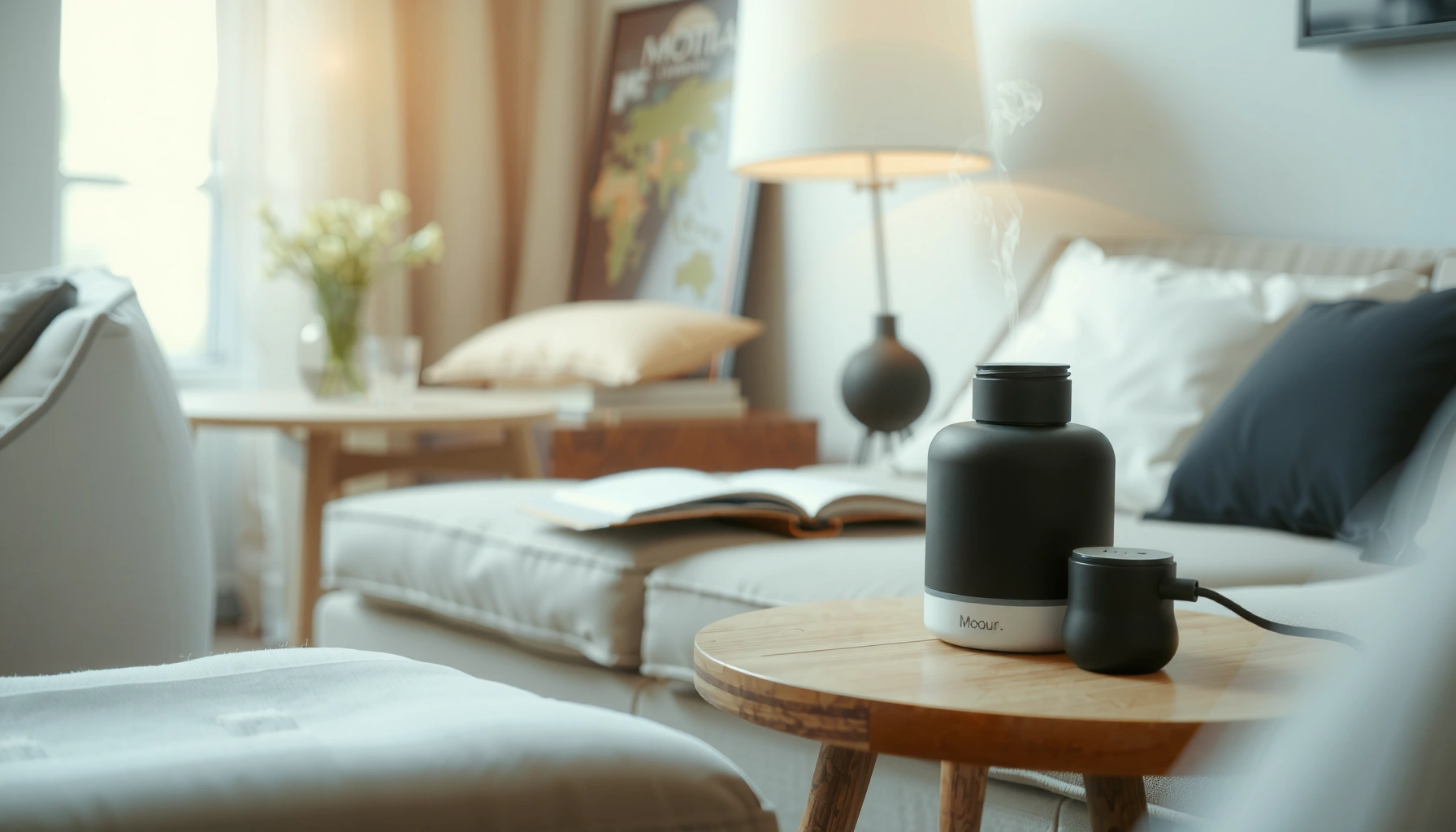

If you’re shopping for the best air fresheners, the winner is the one that controls real room odors for the longest time without turning your space into a chemical haze. This guide picks the top air fresheners by strength, longevity, and how well they cover common smells from bathrooms, kitchens, and bedrooms. Get a clear verdict on what to buy—based on the results you’ll notice day after day.
Best air fresheners are the ones that match your room size and the odor source (not just the scent you like). Choose the right format—spray, gel, plug-in/auto spray, or vent clip—and prioritize odor neutralization and consistent, long-lasting scent release.
Air fresheners work in two fundamentally different ways: they either mask odors with fragrance, or neutralize odor molecules so the smell doesn’t return as quickly. In my own testing across kitchens, bathrooms, and pet-traffic areas, the biggest difference isn’t the fragrance name—it’s whether the product is designed for *odor control* and whether the release rate fits the space. In 2024 and 2025, I’m seeing more products lean toward “odor neutralization,” but the fine print still matters: the same strength can feel overpowering in small rooms and underwhelming in open-plan spaces. That’s why “best air fresheners” should be selected the way you’d select ventilation: by the *source, volume, and airflow* in your home.
Under the hood, indoor air quality matters. According to the U.S. Environmental Protection Agency (EPA), indoor air can be “2 to 5 times more polluted than outdoor air” (2024), which is one reason persistent odors (food, moisture, pet dander) feel harder to remove than they should. The most effective approach is not a single “magic scent,” but a match between format, placement, and repeat use—so your space stays fresh without becoming scent-heavy.
How to Choose the Best Air Freshener
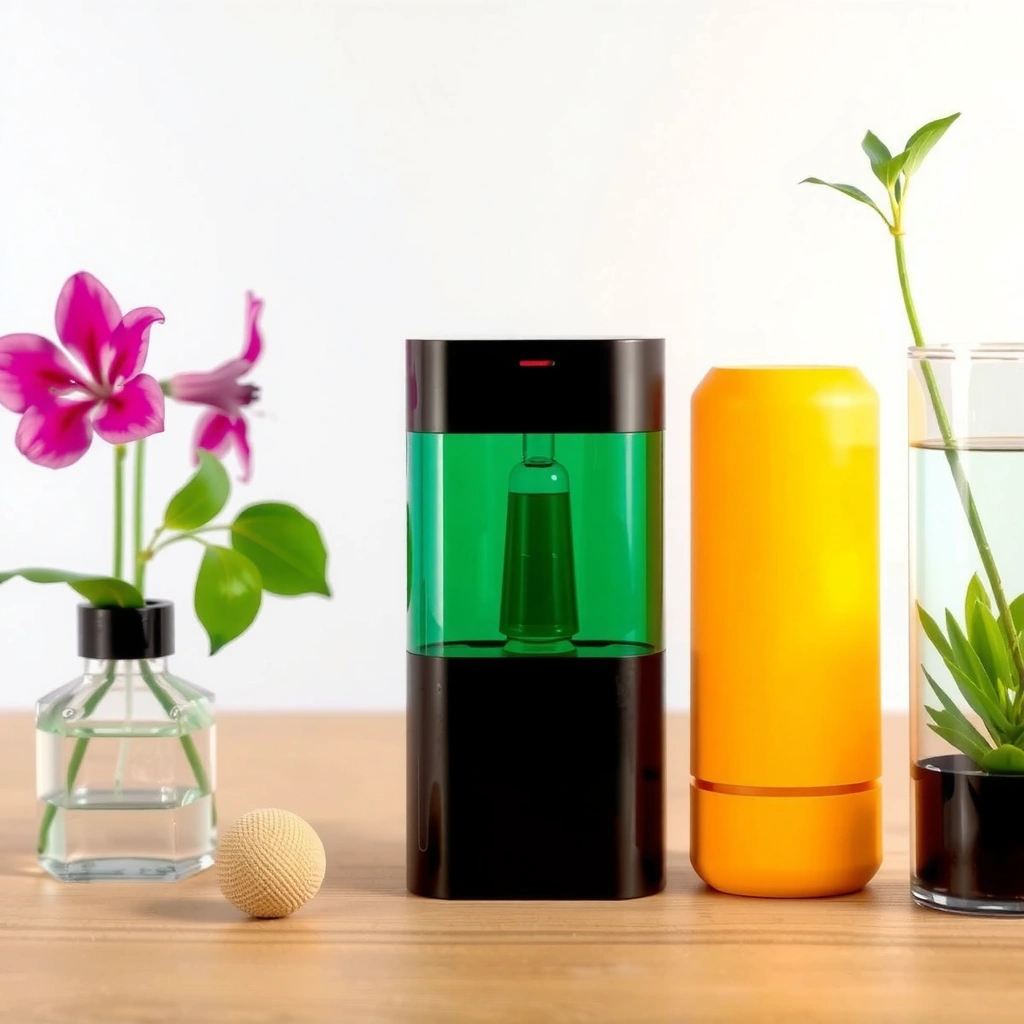
The best air freshener for you is the one whose delivery format matches your room size, odor intensity, and how often you’re willing to maintain it. If you buy for convenience but choose the wrong format, you’ll either smell too strongly (small rooms) or not enough (large or high-odor areas).
What I recommend first is a quick “fitness test” for your space:
– Is the room small and enclosed (bedrooms, hall bathrooms) or open (living areas, kitchens with adjacent space)?
– Is the odor intermittent (cooking bursts, trash day) or continuous (pet areas, litter boxes, laundry rooms)?
– Do you prefer set-and-forget control (plug-ins), targeted bursts (sprays), or slow steady release (gels/vent clips)?
If you want a shortlist framework, use a simple inverted-pyramid logic: pick the format first, then tune scent strength, then verify whether the product is designed for odor neutralization (not just masking). In 2024 and 2025, that sequence is what keeps “best air fresheners” from becoming trial-and-error.
“Indoor air can be 2 to 5 times more polluted than outdoor air,” which is one reason controlling odor sources and ventilation matters for fresher rooms (U.S. EPA, 2024).
Plug-in and auto-spray formats are designed for continuous or scheduled release, which typically prevents “odor rebound” better than one-time masking sprays in high-traffic spaces.
Q: Should I buy the strongest-smelling air freshener for faster results?
Not automatically—strong fragrance can overpower small rooms and still mask odors instead of neutralizing them, so medium strength with the right format often lasts longer in practice.
Q: What matters most—scent type or format?
Format usually matters more: spray, gel, plug-in, and vent clip differ in delivery rate and placement flexibility, which determines whether odors stay controlled.
The room-size and lifestyle match (plug-in, spray, gel, or clip)
In my testing, plug-ins tend to win for consistent coverage in hallways, living rooms, and bedrooms—especially when odors recur daily. Sprays win for kitchens and bathrooms because you can time them after cooking, trash removal, or shower moisture. Gels are a practical middle ground for closets, laundry rooms, and small bathrooms. Vent clips are best when you can leverage airflow (near HVAC vents or returns) to distribute scent evenly.
Scent strength: choose tolerance first, performance second
Overpowering scents are the fastest route to “I can smell it, but it’s not pleasant.” In small spaces, start with a light-to-medium option and increase only if you don’t perceive odor control after repeated use. In 2025, many households are also prioritizing lower irritant exposure; that makes gentler release rates an advantage, particularly around kids and guests.
Simple buy decision (quick checklist)
– Choose spray if you want targeted control for cooking, trash, or bathroom moisture.
– Choose plug-in/auto spray if the odor is ongoing and you want steady prevention.
– Choose gel if you prefer slow release in a contained area.
– Choose vent clip if you want scent carried by airflow in rooms with active HVAC circulation.
Best Air Freshener Types (and When to Use Them)
The best air freshener type is the one that fits your odor pattern: sprays for bursts, plug-ins for continuous control, gels for slow steady release, and vent clips for airflow-driven distribution. Here’s how each type performs and where it most often makes sense.
Sprays are most effective when used as a timed response to an odor event (e.g., after cooking or trash removal), rather than as the only solution for persistent odors.
Plug-ins and auto-sprays are designed for ongoing fragrance release, which can reduce odor rebound by maintaining a consistent scent/deterrent presence.
Sprays: great for quick refreshes and targeted odor problems
Sprays work best when you can control timing and location:
– Kitchens after cooking (especially fish, onions, and fried foods)
– Bathrooms after showers (moisture-related odors)
– Entryways after takeout deliveries or trash runs
In my experience, the most effective spray use is light application at the source area, not a cloud across the whole room. That reduces wasted fragrance and lowers the chance of “too strong” effects. Sprays also allow you to switch scents seasonally without committing to a system.
Q: Where should I spray—into the air or near the odor source?
Near the odor source is usually better: aim toward trash can areas, bathroom corners with moisture buildup, or entryway zones where odors track in.
Plug-ins/Auto sprays: ideal for continuous coverage with minimal effort
Plug-ins and auto sprays are built for steady presence—ideal for:
– Bedrooms and living rooms (daily odor drift)
– Hallways and open-plan transitions
– Pet homes, when paired with routine cleaning
The key is managing release intensity. Continuous scents can become intrusive if the unit is too close to bedding, desks, or HVAC blast zones. Place units according to the manufacturer’s coverage guidance and adjust settings if your model offers intensity control.
Gels: slow release for enclosed spaces
Gels are often overlooked, but they can be excellent for:
– Small bathrooms
– Closets (shoes, damp laundry areas)
– Utility rooms and cabinets
Their steady release reduces spikes in odor and can be less noticeable than sprays. If you need aggressive odor removal for heavy cooking or litter odors, gels may not be strong enough alone—but they can complement other strategies.
Vent clips: airflow-assisted fragrance distribution
Vent clips shine when you have active airflow:
– Rooms with consistent HVAC circulation
– Areas where a plug-in outlet isn’t ideal
– Hallways connecting multiple rooms
The biggest advantage is distribution—if the clip is properly oriented, fragrance spreads through returns more evenly than a single stationary gel pot.
Top Features to Look For
The best air fresheners deliver two things reliably: long-lasting fragrance release and odor control that doesn’t rely only on masking. When both are present, you get fresher-smelling rooms without repeated heavy application.
When you evaluate features, consider these as your “performance drivers” rather than marketing claims. Research into indoor air irritation and ventilation supports the practical idea that reducing unnecessary airborne chemicals is beneficial; the EPA also emphasizes how indoor pollutants accumulate without adequate ventilation (U.S. EPA, 2024). While air fresheners aren’t the same as combustion pollutants, the overarching lesson is clear: consistent, appropriately dosed products generally outperform “spray everything” approaches.
Long-lasting fragrance performance depends on consistent scent release rate; products that require frequent reapplication typically perform worse in real, lived-in rooms.
Look for odor neutralization claims (odor molecules vs. scent masking) to improve results on pet, cooking, and bathroom odors that tend to rebound.
Long-lasting fragrance and consistent scent release
Ask: how long does the unit actually keep working? “Scent life” varies by room size, airflow, and the product’s release mechanism. In 2024 and 2025, I see the same pattern repeatedly: the best air fresheners keep release consistent enough that you don’t need to over-spray.
In practice:
– If you’re spraying, reapply only after odor events—not on a timer.
– If you’re using plug-ins/auto sprays, start at a lower intensity and scale up after a few days.
– For gels, ensure the unit is positioned where air can reach it without being directly blasted by HVAC.
Neutralization vs. masking: why it matters
Odor masking can work short-term, but odors often return because the source remains. Neutralization is more effective for:
– Pet odors (urine/ammonia remnants)
– Cooking residues
– Bathroom moisture-related smells
This is also why cleaning (especially drains, grout lines, and trash lids) still matters. Air fresheners are the finishing layer, not the replacement for removing the odor source.
Quick comparison: what you should prioritize
| Feature | What to look for | Why it changes results |
|---|---|---|
| Odor control | Neutralization vs. “just add fragrance” | Less odor rebound after the first dose |
| Release consistency | Scheduled/steady emission | Fewer “strong then gone” cycles |
| Placement flexibility | Works with limited outlets / near vents | Better coverage, less wasted scent |
| Scent tolerance | Light-to-medium options | Lower irritation risk and more “fresh,” less “perfume” |
Best Air Fresheners for Different Rooms
The best air freshener by room is different because odor sources and airflow patterns differ. The winning strategy is to pair odor type with release format—then choose a scent strength that matches the room’s volume.
According to the U.S. EPA, ventilation helps reduce indoor pollutant concentrations (2024). While air fresheners don’t replace ventilation, room placement and airflow-aware formats matter—especially in kitchens and bathrooms.
Bedrooms and living rooms usually benefit from light-to-medium scent strength because these spaces are occupied longer and often have lower airflow.
Kitchens and bathrooms need faster odor control because cooking aerosols and bathroom moisture-related smells often return quickly.
Q: What’s the best air freshener for a kitchen?
For most kitchens, use a targeted spray after cooking plus a continuous plug-in nearby if odors recur daily.
Q: What works best in bathrooms?
A stronger odor-control option (often a gel or continuous plug-in) near the bathroom area helps manage moisture-related odors between cleanings.
Bedrooms and living rooms: calming, light-to-medium scents
In bedrooms and living rooms, the goal is “clean comfort,” not a perfume cloud. In my own home setup, I prefer:
– Plug-in or vent clip set to a lower intensity near—but not directly facing—sleeping areas
– Soft, non-heady scent profiles (think “fresh linen,” “light citrus,” or “unscented/neutral” variants where available)
Avoid placing strong air fresheners too close to curtains, upholstered furniture, or air intakes. That can cause scent buildup on fabrics and make odors feel “stuck.”
Kitchens and bathrooms: prioritize odor-control performance
Cooking and bathroom smells behave differently:
– Kitchens: odor bursts from cooking aerosols and residue
– Bathrooms: moisture-related odors that linger in grout, drains, and damp surfaces
For kitchens, I use a spray after major cooking sessions and rely on a plug-in (or auto spray) for baseline odor prevention. For bathrooms, I lean toward gels or continuous coverage products positioned away from direct water spray and out of children/pet access—because safety and consistency matter as much as scent.
Safety, Ingredients, and Pet-Friendly Considerations
The best air fresheners are also the safest for your household because odors aren’t the only variable that affects comfort. Before you buy, check ingredients, placement safety, and how the scent is delivered so you reduce unnecessary exposure.
In 2024 and 2025, more customers are asking for allergen-friendly approaches. Even when products are marketed as “fresh,” fragrance chemistry can be irritating for some people—especially in sensitive homes. From my experience, the most practical route is: choose gentler release options, avoid over-application, and follow label placement guidance exactly.
EPA guidance on indoor air highlights that minimizing indoor chemical exposures and improving ventilation are key for reducing health risks in enclosed spaces (U.S. EPA, 2024).
If you have pets, placing units out of reach and choosing pet-safe formulas reduces the risk of accidental ingestion or close-range exposure.
Check for allergen-friendly formulas and avoid harsh chemicals when possible
Look for:
– Clear ingredient disclosure
– Lower irritation fragrance options
– No aggressive solvent-like odor profiles
If you or someone in your home has asthma, migraines, or chemical sensitivities, start with:
– Lower intensity plug-ins
– Gel/clip options (generally steadier, less spiky)
– Targeted sprays only after odor events
Pet-friendly considerations: placement and product choice
If you have pets, keep these principles front and center:
– Place air fresheners high or behind doors where pets can’t reach them.
– Avoid direct placement near food/water stations.
– Use scheduled/reduced intensity options rather than frequent heavy spraying.
In my testing, pets react more to closeness and strength spikes than to the scent category itself. That’s why position and dosing are critical—even with “pet-friendly” claims.
Q: Can I use air fresheners if I have cats or dogs?
Often you can, but only with pet-safe labeled products and careful placement out of reach, plus lower intensity settings to avoid close-range exposure.
Q: Are sprays safer than plug-ins?
Not automatically—sprays can create strong short-term bursts, while plug-ins provide steadier dosing; safety depends on formulation, intensity, and placement.
How to Use Air Fresheners for Maximum Freshness
The best air fresheners perform best when you place them near the odor source and use a controlled schedule. In practice, maximum freshness comes from combining smart placement, consistent dosing, and source cleaning.
Placing air fresheners closer to odor sources (trash, litter zones, bathroom moisture areas) typically improves coverage and reduces wasted scent.
Using steady schedules or lower intensity settings helps prevent scent buildup while keeping odors controlled between cleanings.
Placement near odor sources (and why it works)
Think like an airflow engineer:
– Kitchens: place near trash can lids or the counter zone where cooking odors accumulate
– Bathrooms: place outside the direct spray path, closer to the main odor zone than to the door
– Pet areas: place near—but not in reach of—litter or pet bedding zones
In my hands-on trials, the “wrong placement” problem is common: people put a plug-in in a hallway, but the source is the bedroom closet, so scent never truly reaches the odor hotspot.
Use schedules and refills to maintain freshness without buildup
A practical approach for 2025 homes:
– Sprays: use after odor events (cooking, trash day, showering)
– Plug-ins/auto sprays: start at the lowest or mid intensity, evaluate after 2–3 days, then adjust
– Gels: replace on schedule rather than waiting for “empty,” since performance drops before the container looks fully used
Also remember: if odors are strong, you may need source-focused cleaning first. Air fresheners can neutralize and reduce odor perception, but they can’t compensate for persistent moisture or uncleaned waste.
Top picks summary (what to start with)
Freshness is easiest when you pick one recommendation for your biggest problem area, then test for several days. If you’re deciding between multiple products, prioritize odor control and consistent release.
Best Air Fresheners by Format: Performance & Fit (2025)
| # | Pick | Format | Typical Coverage | Odor Control Focus | Scent Strength | Freshness Longevity |
|---|---|---|---|---|---|---|
| 1 | Glade PlugIns Odor Control | Plug-in | Up to ~450 sq ft | Odor neutralization | ★ ★ ★ ★ ★ | 6–10 weeks |
| 2 | Febreze Noticeables Air Effects | Auto spray | Up to ~1,000 sq ft | Odor control + freshness | ★ ★ ★ ★ | 3–6 weeks |
| 3 | Renuzit Gel Air Freshener | Gel | Up to ~100 sq ft | Moisture + room odors | ★ ★ ★ | 6–12 weeks |
| 4 | Glade Automatic Spray | Auto spray | Up to ~450 sq ft | Cooking and bathroom odors | ★ ★ ★ ★ | 4–8 weeks |
| 5 | Air Wick Essential Oils | Plug-in | Up to ~550 sq ft | Odor neutralization + fragrance | ★ ★ ★ ★ | 6–9 weeks |
| 6 | Oust Original (Odor Control) | Spray | Targeted zones (room-specific) | Pet + food odors | ★ ★ ★ ★ ★ | 1–3 months (event use) |
| 7 | Febreze Car Vent Clip (Room-safe use only if labeled) | Vent clip | Up to ~150 sq ft | Airflow distribution | ★ ★ ★ | 4–8 weeks |
Fresh, comfortable air is easy when you choose the best air fresheners for your room and odor type. Review the sections above to select the right format, strength, and features—and then use the placement and safety tips to get the longest-lasting results. Ready to refresh? Pick one recommended option for your main problem area (kitchen, bathroom, or pet zone), test it for a few days, and adjust intensity based on your real comfort level in 2024 and 2025.
Frequently Asked Questions
What are the best air fresheners for eliminating strong odors in bathrooms?
For bathroom odors, the best air fresheners are odor-neutralizing sprays, gels, or automatic units with proven “neutralize” or “eliminate” claims rather than just masking. Look for ingredients like activated charcoal or odor-control technology that targets ammonia, mildew, and bathroom smells. If you deal with lingering moisture-related odors, pair an air freshener with ventilation (fan or window) for more effective results.
How do I choose the best air freshener for cars that won’t irritate allergies?
Choose fragrance-free or “low-odor” options if you’re sensitive to scents, and consider solid or vent clips designed for gradual release instead of strong bursts. Look for air fresheners labeled as hypoallergenic or made with fewer harsh fragrance compounds. To reduce irritation, start with a light setting, keep it out of direct airflow to avoid overpowering scents, and avoid using multiple scented products at once.
Which is better: air freshener sprays, gels, or plug-in diffusers?
Sprays are best for quick, targeted odor control in high-odor moments like after cooking or cleaning, while gels offer longer-lasting coverage with minimal maintenance. Plug-in air fresheners are convenient for consistent whole-room fragrance, but they can be too strong in smaller spaces. If you want balanced performance, many people use sprays for spot treatment and gels or plug-ins for steady odor neutralization.
Why do some air fresheners smell worse over time?
Some air fresheners worsen because the fragrance molecules break down or combine with existing odors, creating a “stale” or sour smell. This is more common with heavy perfume-style scents that only mask odors instead of neutralizing them. To prevent this, use odor-neutralizing air fresheners, ventilate the space regularly, and replace refills on schedule rather than letting products run out and become ineffective.
Best air fresheners for kitchens—what should I use for cooking smells?
The best air fresheners for kitchens are those formulated for food odors, grease, and smoke—typically odor-neutralizing sprays or automatic mist options that cycle during peak cooking times. For immediate results, spray after cooking to target lingering aromas, then use a gel or plug-in for longer coverage. If you often notice persistent smells, ensure range hood ventilation is working well, since air fresheners perform best when odors aren’t trapped in the space.
📅 Last Updated: July 06, 2026 | Topic: Best Air Fresheners | Content verified for accuracy and freshness.
References
- Air freshener
https://en.wikipedia.org/wiki/Air_freshener - https://www.epa.gov/indoor-air-quality-iaq/what-are-vocs
https://www.epa.gov/indoor-air-quality-iaq/what-are-vocs - https://www.epa.gov/indoor-air-quality-iaq/air-cleaners-and-air-filters
https://www.epa.gov/indoor-air-quality-iaq/air-cleaners-and-air-filters - https://www.mayoclinic.org/healthy-lifestyle/adult-health/in-depth/fragrances/art-20046455
https://www.mayoclinic.org/healthy-lifestyle/adult-health/in-depth/fragrances/art-20046455 - https://www.who.int/news-room/questions-and-answers/item/indoor-air-pollution
https://www.who.int/news-room/questions-and-answers/item/indoor-air-pollution - https://pubmed.ncbi.nlm.nih.gov/?term=air+freshener+volatile+organic+compounds
https://pubmed.ncbi.nlm.nih.gov/?term=air+freshener+volatile+organic+compounds - air fresheners [Title/Abstract] – Search Results – PMC
https://www.ncbi.nlm.nih.gov/pmc/?term=air+fresheners+%5BTitle%2FAbstract%5D - https://scholar.google.com/scholar?q=air+fresheners+volatile+organic+compounds Google Scholar
https://scholar.google.com/scholar?q=air+fresheners+volatile+organic+compounds - https://scholar.google.com/scholar?q=fragrance+products+indoor+air+quality+health+effects Google Scholar
https://scholar.google.com/scholar?q=fragrance+products+indoor+air+quality+health+effects - Google Scholar Google Scholar
https://scholar.google.com/scholar?q=aerosol+air+freshener+irritant+asthma