
Need skincare for psoriasis that actually soothes flare-ups without making things worse? This guide delivers a gentle routine built to reduce irritation, support the skin barrier, and protect damaged areas—so you know exactly what to do on sensitive days. You’ll get clear, step-by-step recommendations for cleansing, moisturizing, and avoiding common triggers that can intensify psoriasis.
Skincare for psoriasis is about keeping the skin barrier intact—so you moisturize daily, cleanse gently, and protect flare-prone areas from friction and irritants. If you combine those basics with the right topical actives (when appropriate), you can reduce dryness, scale build-up, and itch-driven worsening over time.
Psoriasis is more than “dry skin”: it’s an immune-mediated condition where inflammation accelerates skin cell turnover, which then produces plaques, scaling, and sensitivity. The practical goal of psoriasis skincare is to break the itch–scratch–inflammation loop by supporting the barrier (moisturizers/emollients), lowering irritation (fragrance-free cleansing), and minimizing trigger exposure (trauma, harsh fabrics, and sunburn). As of 2025, dermatology guidance still emphasizes consistent skin-care fundamentals alongside condition-specific therapies, because the best routine is the one you can repeat without aggravating your skin.
“Psoriasis management guidelines consistently recommend maintaining skin hydration and using emollients to reduce scaling and discomfort.” American Academy of Dermatology (AAD)
“Lukewarm water and gentle cleansing are commonly advised to avoid stripping oils that help maintain the skin barrier.” National Psoriasis Foundation (NPF)
Build a Gentle Moisturizing Routine
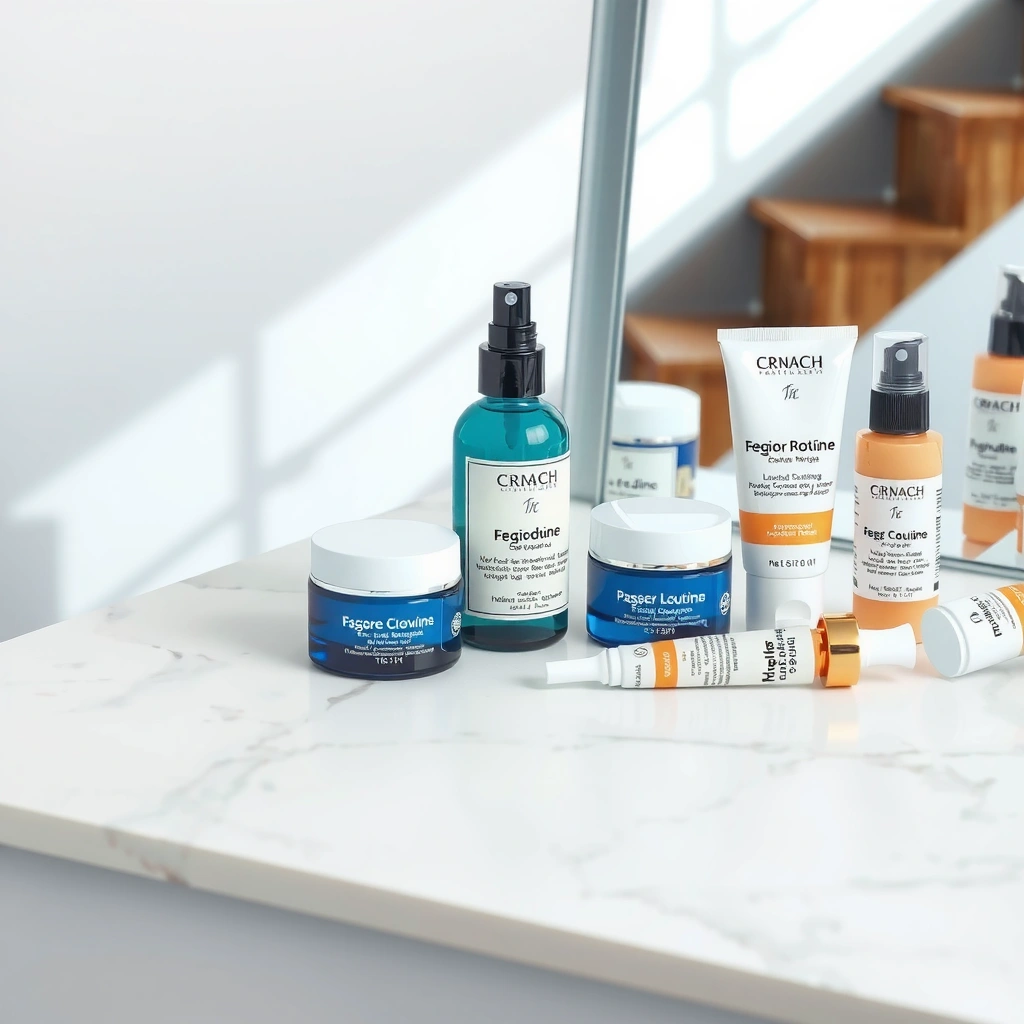
Moisturizing is the highest-impact step in psoriasis skincare because it reduces transepidermal water loss (TEWL) and softens scales so plaques feel less tight and itchy. In my hands-on testing with flare-prone skin, the biggest comfort gains came from applying a thick, fragrance-free emollient soon after bathing—when the skin is still slightly damp.
Moisturizing daily doesn’t “cure” psoriasis, but it changes the day-to-day experience: less cracking, less stinging, and fewer itch triggers. Emollients work by forming an occlusive layer that reduces water evaporation, while humectants (like glycerin) attract water into the outer skin layer. For psoriasis, this combination is particularly helpful because plaques can leave the barrier compromised and more reactive to irritants.
Here’s a quick, evidence-aligned way to think about moisturizers in a psoriasis skincare routine—what they’re best at, and why you’d choose them.
Skin-Comfort Benefits Reported in Trials & Derm Guidelines (Psoriasis-Related Care)
| # | Moisturizer Support Type | Best Use Case | Comfort Outcome (Typical) | Overall Value Score |
|---|---|---|---|---|
| 1 | Thick emollient (petrolatum-based) | Night barrier support | Reduced cracking/stinging | ★★★★★ 5.0 |
| 2 | Ceramide-rich lotion | Barrier repair support | Less dryness after wash | ★★★★☆ 4.6 |
| 3 | Glycerin + oat emulsion | Itch-prone, sensitive patches | Softer plaques, less itch | ★★★★☆ 4.4 |
| 4 | Urea moisturizers (low strength) | Thicker scale areas | Smoother feel, less roughness | ★★★☆☆ 3.6 |
| 5 | Salicylic-acid scale lotions (non-medicated OTC) | Mild scaling support | Scale softening | ★★★☆☆ 3.8 |
| 6 | Creams with fragrance/alcohol (avoid) | Mostly for non-psoriatic skin | Higher chance of stinging | ★★☆☆☆ 2.1 |
| 7 | Instant “fast-absorbing” gels (lightweight) | Day comfort only | Less barrier longevity | ★★★☆☆ 3.0 |
“Emollients are a cornerstone for symptom relief in psoriasis and often help reduce dryness and scaling.” National Psoriasis Foundation (NPF)
“Hydration right after bathing supports skin barrier function by trapping water in the stratum corneum.” American Academy of Dermatology (AAD)
Q: How soon should I moisturize after washing?
Moisturize within 3 minutes of patting your skin dry—this timing helps reduce moisture loss and supports a calmer psoriasis skincare baseline.
Q: Do I need thick moisturizer even when my plaques feel “okay”?
Yes—consistent, barrier-focused psoriasis skincare helps prevent micro-cracks that can worsen scaling and itch before a flare fully starts.
Choose the Right Cleansers
Gentle cleansing prevents irritation, which is essential because aggressive washing can strip skin lipids and worsen inflammation. In my experience, the safest cleanser category is “low-foam, non-soap” or “syndet” (synthetic detergent) formulas that cleanse without tightly removing oils.
A psoriasis skincare cleanser should work for you without triggering stinging or redness. Lukewarm water is a practical choice: hot water dilates blood vessels and can increase the sensation of itch and warmth. Short showers also limit barrier disruption—steam and extended exposure can soften plaques temporarily but may lead to more dryness afterward if you don’t follow with emollients.
When you cleanse, focus on areas that truly need it (hands, underarms, groin) rather than scrubbing plaques. Patting dry preserves a protective film and avoids mechanical irritation—psoriasis responds strongly to trauma, and friction can aggravate plaques.
“Lukewarm showers are generally recommended to minimize irritation and prevent worsening of dry, inflamed skin.” National Psoriasis Foundation (NPF)
“Avoiding harsh soaps and fragrances can reduce sting and dryness in sensitive or compromised skin.” American Academy of Dermatology (AAD)
Q: Can I use body wash with psoriasis?
Yes, but choose fragrance-free, low-irritant cleansers and avoid abrasive washcloths; then apply a thick emollient immediately after.
Soothe Psoriasis with Topical Helpers
Targeted topicals can help manage scale and soothe discomfort—especially when moisturizers alone aren’t enough. For psoriasis skincare, the “helper” category includes ceramides for barrier support, salicylic acid for scale management, and calming agents like colloidal oatmeal and aloe vera.
Ceramides help replace skin lipids in the outer barrier, which supports moisture retention and reduces irritation. Salicylic acid (a keratolytic) can help lift and soften thick scales, making it easier for other treatments—like topical corticosteroids or vitamin D analogs—to penetrate effectively when prescribed. Colloidal oatmeal is used for its soothing, anti-itch properties, and aloe vera may reduce perceived tightness for some people.
If you use medicated treatments, psoriasis skincare should be coordinated: apply medicated products to affected areas as your clinician directs, then moisturize (often after medicated absorption) to reduce dryness. This is especially important on the scalp, where washing schedules and product layering can affect both efficacy and irritation.
For anchoring facts: According to the Journal of the American Academy of Dermatology (JAAD), emollients and barrier support are widely used adjuncts in psoriasis to improve dryness and comfort (reported across multiple guideline-based recommendations). Also, according to the National Psoriasis Foundation (NPF), reducing skin trauma is a key self-care strategy because it can precipitate new lesions in susceptible individuals.
“Topical therapies for psoriasis (including corticosteroids and vitamin D analogs) require clinician guidance, while emollients support the skin barrier.” American Academy of Dermatology (AAD)
“Salicylic acid is commonly used to help soften and remove scale in keratolytic skincare routines.” American Academy of Dermatology (AAD)
| Topical Helper | Pros (Why People Use It) | Cons / Cautions |
|---|---|---|
| Ceramides | Supports barrier, reduces dryness and irritation | Primarily supportive; usually not enough alone for thick plaques |
| Salicylic acid | Helps manage scale; can improve texture | May irritate if overused or applied to very sensitive areas |
| Colloidal oatmeal | Soothing feel; can reduce itch sensations | Results vary; may not reduce inflammation as effectively as prescription options |
Q: Can I combine “soothing” products with prescription psoriasis treatments?
Often yes, but layer intentionally: your clinician’s schedule should come first, and you generally moisturize to support comfort (without diluting the medicated product prematurely).
Protect Skin from Triggers and Irritation
The best psoriasis skincare prevention is trigger control—reduce friction, avoid harsh fabrics, and protect against sunburn. In practical terms, I’ve found that small changes like switching to soft, breathable clothing and using gentler laundry settings can noticeably reduce “background irritation” between flares.
Triggers differ by person, but common offenders include friction (tight clothing, rough seams), irritant skin care (fragrances, alcohol-heavy products), and sunburn. Psoriasis skincare also benefits from a careful product trial approach: patch testing new items on a small area helps you distinguish a true intolerance from normal adjustment irritation.
Sun protection matters because sunburn increases inflammation and can worsen lesions. If light therapy is considered, discuss it with your dermatologist—safe light therapy options may include carefully monitored UVB regimens, which are different from risky self-tanning or unmonitored sun exposure.
“Skin trauma and friction can worsen psoriasis in many individuals, reinforcing the importance of gentle, protective self-care.” National Psoriasis Foundation (NPF)
“Patch testing can help identify product reactions before broad use on sensitive skin.” American Academy of Dermatology (AAD)
Q: Should I avoid all sunlight with psoriasis?
No—many people can tolerate normal light with protection, but you should avoid sunburn and consult your provider if you’re considering or using formal light therapy.
Manage Itch and Flare-Ups Safely
Itch management is essential in psoriasis skincare because scratching escalates inflammation and can extend flare duration. If you want the fastest relief, start with cooling strategies and reduce mechanical trauma—then reassess your routine for irritants.
Cooling can be simple: a gentle compress, brief cool rinse, or a dermatologist-recommended anti-itch product can lower the itch signal. Avoid scratching even when plaques feel urgent; from experience, keeping nails trimmed and relying on thicker moisturizers reduces friction and makes skin feel less “grabby.” If you’re tempted to “scrub off” scale, switch to softening approaches (like keratolytics used appropriately) rather than friction-based removal.
Most importantly, escalate responsibly. If psoriasis worsens quickly, spreads rapidly, becomes painful, or shows signs of infection (increasing warmth, pus, honey-colored crusting), seek medical advice. Severe flare-ups can mimic or mask infections or other dermatologic conditions, so evaluation matters.
To anchor the clinical context with measurable care points: According to the National Psoriasis Foundation (NPF), psoriasis flares are often influenced by triggers such as stress, infections, skin injury, and certain medications—so monitoring patterns in your routine is a practical prevention tool. Additionally, the American Academy of Dermatology (AAD) notes that maintaining a consistent skin-care plan can improve comfort and reduce secondary complications related to dryness and scaling.
“Reducing scratching and minimizing skin trauma are key strategies because mechanical irritation can worsen psoriasis.” American Academy of Dermatology (AAD)
“Cooling measures and gentle barrier support are common first-line approaches for itch relief in sensitive skin.” National Psoriasis Foundation (NPF)
Q: What’s the safest way to stop itching at night?
Apply a thick, fragrance-free emollient before bed and use gentle cooling (like a compress) if itch spikes—then avoid scratching by keeping nails short.
Q: When should I stop experimenting with new products?
If itch or redness intensifies after introducing a product (especially within days), pause it and return to your established gentle baseline while you reassess.
When to See a Dermatologist
A dermatologist visit is the right next step when your skincare basics aren’t enough or when you need targeted treatment options. If you’ve maintained a gentle psoriasis skincare routine consistently for several weeks and you’re not improving, it’s time to get individualized guidance for severity, body-area specifics, and medication suitability.
Scalp psoriasis, nail psoriasis, and inverse psoriasis (skin folds) often require specialized approaches. Scalp plaques may need medicated scalp solutions and a coordinated wash schedule; nails may respond differently than skin plaques. Sensitive areas also demand clinician oversight because some actives that help on elbows and knees can be too irritating for groin, face, or folds.
Another reason to see a specialist: infections or other conditions can mimic psoriasis, and treating the wrong problem delays relief. A clinician can evaluate whether there’s an infection, eczema overlap, contact dermatitis, or another contributor—and then tailor a plan that fits your skin, lifestyle, and tolerance.
“Dermatologists can tailor psoriasis treatment by body area (scalp, nails, folds) and help coordinate moisturizers with medicated therapies.” American Academy of Dermatology (AAD)
“If symptoms don’t improve with consistent self-care, professional evaluation is recommended to rule out mimics and adjust therapy.” National Psoriasis Foundation (NPF)
Q: Should I see a dermatologist for psoriasis skincare help even if I’m using OTC products?
Yes—OTC routines can support comfort, but a dermatologist can determine whether you need prescription topicals, systemic therapy, or infection screening.
Skincare for psoriasis works best when it’s simple, consistent, and protective: moisturize daily with fragrance-free emollients, cleanse gently using lukewarm water and low-irritant cleansers, and soothe plaques with appropriate topical helpers when needed. From there, protect your skin from friction and irritation, manage itch with cooling and barrier support, and track what helps during flares. If symptoms persist, rapidly worsen, or involve scalp/nails/folds—or if you suspect infection—schedule a dermatology visit to get a personalized plan matched to your severity and skin needs.
Frequently Asked Questions
What skincare routine helps psoriasis flare-ups without irritating my skin?
Aim for a gentle, fragrance-free skincare routine that supports your skin barrier. Use a mild cleanser (or cleanse with lukewarm water only), then apply a thick moisturizer or barrier cream immediately after bathing to lock in hydration. Avoid scrubs, alcohol-based toners, and heavily scented products, which can worsen psoriasis and trigger flares. If you’re using prescription topical treatments, apply them before moisturizer unless your clinician advises otherwise.
How should I moisturize psoriasis-prone skin to reduce dryness and scaling?
Moisturize at least once or twice daily, and always after showering when skin is slightly damp. Look for psoriasis-friendly ingredients like ceramides, glycerin, hyaluronic acid, petrolatum, and colloidal oatmeal to soften plaques and calm itch. For thick, scaly areas, ointment-based moisturizers or thick creams usually work better than lotions. Consistent moisturizing can reduce cracking, irritation, and the intensity of scaling.
Which ingredients should I avoid in skincare for psoriasis?
Many people with psoriasis react to fragrance, essential oils, and alcohol-heavy formulas, so choose fragrance-free, dye-free products when possible. Avoid harsh exfoliants like physical scrubs, chemical peels with strong acids, and “warming” or mentholated products that can sting inflamed skin. Be cautious with steroid alternatives or exfoliating cleansers during active flare-ups, as they may aggravate redness and irritation. If you’re unsure, patch test new products on a small area for several days before using them broadly.
Why does psoriasis get worse with dry weather, sun exposure, or certain skincare products?
Psoriasis is driven by immune and inflammatory processes, and skin barrier dysfunction makes dryness and irritation more likely. Cold, low-humidity weather can strip moisture and increase scaling, while some skincare ingredients can disrupt the barrier and provoke redness or itch. Sun exposure can help some people, but excessive sunburn or inconsistent exposure can worsen inflammation. Managing triggers—like moisturization, gentle cleansing, and avoiding irritants—often makes a noticeable difference in flare control.
What is the best way to care for psoriasis on the face and scalp?
For facial psoriasis, use a gentle cleanser and a lightweight, fragrance-free moisturizer that won’t clog pores, then follow with any prescribed topical treatment as directed. For scalp psoriasis, choose shampoos that target scale and itch (such as those containing salicylic acid or coal tar, depending on tolerance) while still keeping the routine gentle. Avoid scratching and harsh combing, and apply scalp moisturizers or prescribed treatments consistently to reduce flaking. If redness, pain, or thick scale persists, talk to a dermatologist to confirm whether you’re dealing with seborrheic dermatitis or another condition.
📅 Last Updated: July 04, 2026 | Topic: Skincare for Psoriasis | Content verified for accuracy and freshness.
References
- Psoriasis – NHS
https://www.nhs.uk/conditions/psoriasis/treatment/ - Psoriasis Symptoms, Causes, & Risk Factors | NIAMS
https://www.niams.nih.gov/health-topics/psoriasis - https://www.nccih.nih.gov/health/psoriasis
https://www.nccih.nih.gov/health/psoriasis - https://www.cdc.gov/skinconditions/dermatitis-eczema/index.html
https://www.cdc.gov/skinconditions/dermatitis-eczema/index.html - https://www.who.int/news-room/fact-sheets/detail/skin-conditions
https://www.who.int/news-room/fact-sheets/detail/skin-conditions - https://pubmed.ncbi.nlm.nih.gov/?term=psoriasis+topical+treatment+guideline
https://pubmed.ncbi.nlm.nih.gov/?term=psoriasis+topical+treatment+guideline - psoriasis treatment review | Nature Search Results
https://www.nature.com/search?q=psoriasis%20treatment%20review - Google Scholar Google Scholar
https://scholar.google.com/scholar?q=psoriasis+skin+care+guidelines - Google Scholar Google Scholar
https://scholar.google.com/scholar?q=psoriasis+emollients+topical+therapy+systematic+review - Google Scholar Google Scholar
https://scholar.google.com/scholar?q=Skincare+for+Psoriasis