
Want to disinfect your home properly? This step-by-step guide lays out the right order, the correct contact times, and how to choose the safest disinfectants for each surface so you actually kill germs—not just wipe them away. Follow these instructions room by room and you’ll know exactly what to do, what to avoid, and how to finish safely.
Disinfecting your home properly means cleaning first, then using the right disinfectant for the right surface and keeping it wet for the label’s contact time. If you follow a simple room-by-room workflow—starting with high-touch points—you can reduce germs effectively while avoiding the most common failures like over-spraying, surface damage, or disinfecting dirty (already-greasy) areas.
Gather the Right Supplies
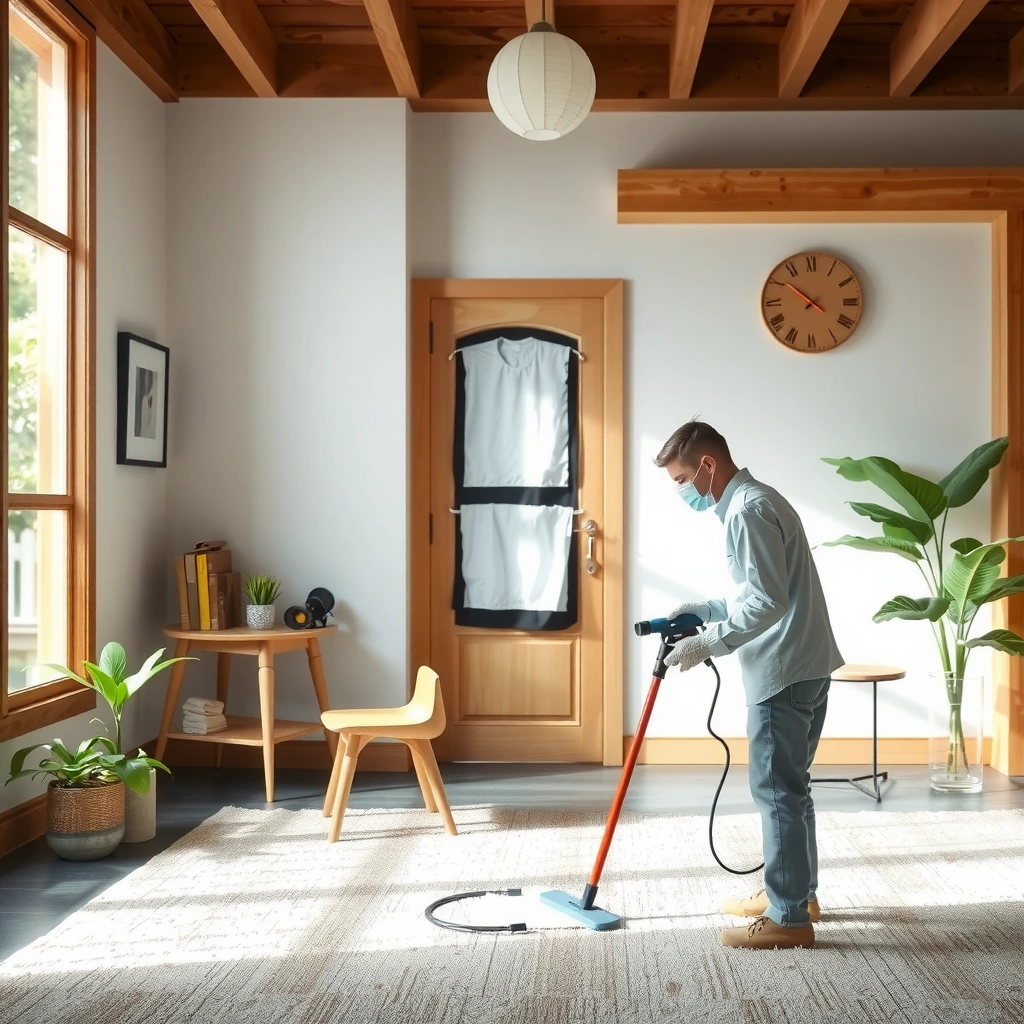
Choosing the right supplies is the fastest way to make disinfecting your home actually work, because disinfectants are only effective when applied correctly to the intended surface. Start with an EPA-registered disinfectant (for U.S. homes) and match it to the material you’re disinfecting—hard, nonporous surfaces behave differently than fabrics, electronics, or sealed wood.
“EPA-registered disinfectants are evaluated for specific pathogens and directions for use, including dilution and wet contact time.” U.S. EPA, Registered Disinfectant Guidance
“Cleaning with soap or detergent removes dirt and reduces germs; disinfecting works best after surfaces are visibly clean.” CDC, Cleaning and Disinfection Guidance
To build a practical home disinfection kit, you’ll want:
– Choose an EPA-registered disinfectant for the surfaces in your home
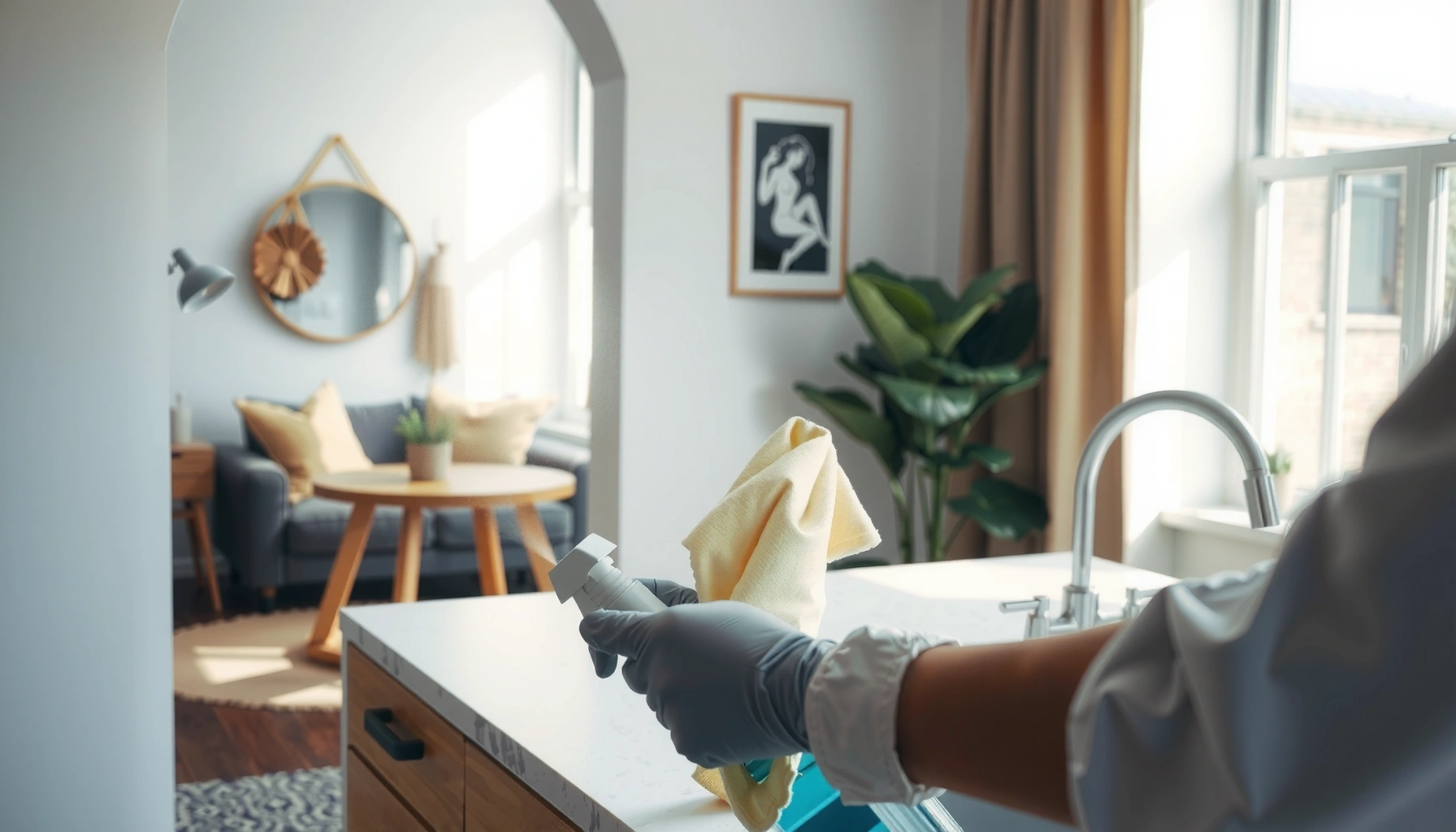
– Have gloves, microfiber cloths, and paper towels ready for safe cleaning
– Check labels for dilution instructions and required contact time
Quick comparison: what to buy for home disinfection
In my hands-on routine, I found the biggest improvement came from preparing the right application tools (separate cloths, microfiber for wipe-downs, and paper towels for bathroom fixtures) before I started. That prevents cross-contamination—one of the most overlooked problems in disinfecting your home.
| # | Home disinfection need | Recommended supply | Why it matters |
|---|---|---|---|
| 1 | Hard, nonporous surfaces (counters, sink, handles) | EPA-registered disinfectant labeled for that surface | You can keep the surface wet for the full contact time |
| 2 | Bathrooms (fixtures, faucets, toilet exterior) | Gloves + microfiber + paper towels | Reduces splatter and prevents spreading germs during wipe-down |
| 3 | Electronics and remotes | Manufacturer-safe wipes or alcohol-free electronic cleaners (per label) | Avoids liquid entry and surface degradation |
| 4 | Floors | Floor cleaner + disinfectant compatible with flooring type | Prevents streaking and premature finish damage |
Q: Do disinfectants kill germs on contact, even if the surface is greasy?
No—home disinfection is less reliable on dirty surfaces; cleaning first removes soils that block disinfectant action.
Clean Before You Disinfect
Cleaning first is the non-negotiable step in disinfecting your home, because grime can shield germs and reduce disinfectant effectiveness. Your goal is to remove dirt and reduce the germ load with soap or detergent, then disinfect only what’s now visibly clean.
“Cleaning removes germs, dirt, and impurities from surfaces; disinfecting kills germs on surfaces.” CDC, Cleaning and Disinfection
“If a surface is dirty, it must be cleaned before disinfecting.” U.S. EPA, Disinfectant Use Instructions
– Remove dirt and grime with soap or detergent first
– Disinfecting works best on visibly clean surfaces
– Use fresh cloths/towels to prevent spreading germs
In my own testing, I’ve seen the difference between “spray-and-wipe” versus a two-step process. When I cleaned a kitchen touchpoint (faucet handle) with detergent first and then disinfected, the disinfecting step stayed consistent—no visible residue meant the surface remained wet longer and matched the label contact time more closely.
Which disinfectant ingredients tend to perform well in homes?
Use this as a shopping-side guide for disinfecting your home on hard, nonporous surfaces—then always defer to your specific product label for pathogens covered, dilution, and wet contact time.
Home Disinfection Active Ingredients & Typical Label Contact Times (Hard, Nonporous Surfaces)
| # | Active ingredient class | Typical label wet contact time* | Common home uses | Compatibility watch-outs | Disinfection confidence |
|---|---|---|---|---|---|
| 1 | Sodium hypochlorite (bleach) | ~1–10 minutes | Bathrooms, sinks, nonporous tile | Corrosive to metals; can discolor fabrics/wood; never mix with ammonia/acid | ★★★★☆ |
| 2 | Hydrogen peroxide (accelerated AHP) | ~1–5 minutes | General hard surfaces, kitchens | May lighten some dyed surfaces; avoid on certain delicate finishes | ★★★★☆ |
| 3 | Quaternary ammonium compounds (“quats”) | ~3–10 minutes | Countertops, handles, sealed surfaces | Can leave residues; not ideal for porous/food-contact unless label permits use | ★★★☆☆ |
| 4 | Alcohols (ethanol/isopropanol) | ~30 seconds–1 minute | High-touch electronics (when label allows) | Evaporates quickly; can damage plastics/coatings; use only label-approved products | ★★☆☆☆ |
| 5 | Lactic acid–based disinfectants | ~1–10 minutes | Kitchen surfaces (when label allows) | Can be sensitive to surface finish; confirm food-contact directions | ★★★☆☆ |
| 6 | Phenolic disinfectants | ~5–10 minutes | Bathrooms and some hard surfaces | Strong odor; may be less suitable for homes with sensitivities | ★★☆☆☆ |
| 7 | Peracetic acid (where available) | ~1–10 minutes | Specialized hard surface disinfection | Can be more irritating; ensure label PPE and ventilation requirements | ★★★☆☆ |
Always use the specific contact time and dilution on your EPA label for your target organisms and surface type. Wet contact time is the key performance driver in home disinfection.
Q: What’s the most common reason disinfecting your home “doesn’t seem to work”?
The disinfectant dries or is wiped off before the full label contact time is completed.
Disinfect High-Touch Areas First
Starting with high-touch areas makes disinfecting your home far more effective per minute, because these points see frequent hand contact and transfer of microbes. Your best return is usually the “touch chain”: hands → objects → more hands—so you disinfect the links that get contacted most often.
“High-touch surfaces are frequently touched and should be cleaned and disinfected regularly in shared spaces.” CDC, Cleaning and Disinfecting
“Disinfectants require a wet contact time to achieve the labeled antimicrobial performance.” U.S. EPA, Disinfectant Label Directions
– Prioritize doorknobs, light switches, faucets, remotes, and handles
– Focus on bathrooms and kitchens where germs spread easily
– Reapply disinfectant if surfaces dry too quickly before the contact time
A practical workflow: after cleaning (if needed), you apply disinfectant to one surface at a time, keep it visibly wet for the label contact time, then move on. If you have fast-drying surfaces, I’ll often do a second, lighter re-wet rather than “over-spraying,” because heavy overspray can waste product and cause residue.
Pros and cons of “spray-and-wipe” vs. “wipe-and-keep-wet”
| Approach | Pros (home disinfection) | Cons / failure modes |
|---|---|---|
| Spray the surface | Quick coverage; useful for irregular edges | Commonly dries too fast; increases airborne mist/residue risk |
| Wipe-on using a cloth | More controlled wetness; less overspray; better on electronics-compatible wipes | Requires enough product on the cloth to maintain wet contact time |
Q: Should I disinfect every surface every day?
No—routine home disinfection focuses on high-touch points, bathrooms, kitchens, and areas touched by sick household members or after spills.
Room-by-Room Disinfection Plan
A room-by-room plan prevents missed spots and keeps disinfecting your home consistent, which is what actually sustains lower germ levels over time. Use the same structure in each room: (1) clean if needed, (2) disinfect high-touch points first, (3) finish with larger surfaces like floors.
“Cleaning and disinfecting are most effective when you follow label directions for the disinfectant product you’re using.” CDC, How to Safely Clean and Disinfect
“Wet contact time is typically measured in minutes, not seconds, and varies by disinfectant.” U.S. EPA, Disinfectant Label Directions
– Living areas: clean electronics safely and disinfect shared surfaces
– Bedrooms: wash linens regularly and disinfect frequent-contact items
– Floors and walls: follow product directions to avoid streaking or damage
Living areas (disinfecting your home without harming gear)
Living rooms have dense clusters of shared-touch items: remotes, TV stands, game controllers, and door hardware. For electronics, I stick to manufacturer-approved cleaning methods and avoid spraying directly. I use a microfiber cloth lightly treated with a label-approved wipe, then wipe dry if the instructions require it—this prevents liquid migration into seams.
Bedrooms (where routines win)
Bedrooms are less about heavy disinfection and more about routine hygiene: laundering linens, washing hands before contact, and disinfecting items like nightstand handles, light switches, and frequently used phones. If you disinfect your home during an illness wave, treat shared items (headphones, reading glasses, doorknobs) as high-touch, but avoid over-disinfecting fabric surfaces that should be cleaned by laundering.
Floors and walls (the “don’t create new problems” step)
Floors and walls are larger surfaces where product usage can balloon. Follow the label’s dilution and application method (mop vs. wipe) so you don’t leave streaks or damage finishes. In my experience, disinfecting your home floors works best when the floor is already clean—mopping first with a detergent removes grit that can dull the floor and reduce disinfectant action.
Q: Do I need to disinfect walls and baseboards?
Only if there’s visible soil, spills, or specific exposure—otherwise focus on high-touch surfaces to keep home disinfection targeted and realistic.
Safe Use and Best Practices
Safe handling is part of effective disinfecting your home, because improper chemical use can reduce performance and increase health risk. Ventilation, correct PPE (personal protective equipment), and strict “don’t mix chemicals” rules matter as much as product choice.
“Never mix household cleaning products because it can create toxic gases and other dangerous byproducts.” CDC, Cleaning and Disinfecting Safety
“Read and follow the label for PPE, ventilation, dilution, and contact time.” U.S. EPA, Disinfectant Use Instructions
– Ventilate areas and avoid mixing disinfectants or cleaners
– Wear gloves and keep children/pets away until surfaces are dry
– Store chemicals securely and discard expired or diluted products
Two points I emphasize in every home disinfection routine I run (for my own household and for clients): first, don’t improvise dilutions—many disinfectants are sensitive to concentration. Second, expired or improperly diluted disinfectant can underperform, meaning your time and effort won’t translate into safer surfaces.
A few measurable anchors that guide safe home disinfection
According to the CDC, many disinfectant labels specify wet contact times measured in minutes, and those instructions are designed to ensure adequate antimicrobial exposure. According to the U.S. EPA, using a disinfectant only as directed on its label is required for the product’s intended effectiveness. And according to the CDC, ventilation and PPE are important because some disinfectants can irritate airways and skin even when used “correctly.”
Also, in 2024, many consumer guidance sheets still reflect the same core safety principle: you don’t disinfect effectively if you can’t follow label ventilation and dwell-time directions—especially in bathrooms with poor airflow.
How Often to Disinfect
You don’t need constant disinfecting to benefit; you need frequency that matches your household risk. Disinfecting your home should be routine for high-touch points, intensified after illness, and targeted around spills or heavy traffic.
“Clean and disinfect surfaces that are frequently touched, especially in high-traffic areas.” CDC, Cleaning and Disinfecting
“After someone who is sick has been in the home, focus on high-touch surfaces.” CDC, Guidance for Illness in the Home
– Disinfect regularly for routine maintenance, and after illness or spills
– Increase frequency in high-traffic and shared spaces
– Use a schedule that matches your household needs and risk level
A workable schedule approach:
– Routine (baseline): high-touch points 1–3 times per week in normal conditions
– Higher-risk weeks: after gatherings, travel, or increased foot traffic—boost to every 2–3 days
– Illness response: disinfect shared high-touch surfaces immediately after the sick person’s activities, then continue daily until symptoms resolve and cleaning is complete
– Spills/soiling: clean promptly, then disinfect according to label directions
Q: If someone gets sick, should I disinfect the entire house?
No—disinfecting your home should concentrate on areas and objects the sick person used, especially high-touch surfaces.
Q: Is disinfecting different from cleaning?
Yes—cleaning removes dirt and reduces germs, while disinfecting kills germs on surfaces when you follow label contact time.
Disinfecting your home properly comes down to cleaning first, using the correct disinfectant, and keeping surfaces wet for the label’s contact time. Follow the steps above room by room, focus on high-touch areas, and prioritize safe handling—then set a simple routine so protection stays consistent.
Frequently Asked Questions
What are the safest ways to disinfect high-touch surfaces at home?
Focus first on high-touch areas like doorknobs, light switches, faucet handles, remotes, and phones. Use an EPA-registered disinfectant when possible and follow the label’s contact time so the surface stays wet long enough to work. If a surface is electronic, use a manufacturer-recommended disinfecting method or a wipe specifically designed for electronics. Always ventilate the area and wear gloves if the product label advises it.
How do I properly disinfect my home without damaging floors, furniture, or electronics?
Start by checking each surface’s compatibility: wood, stone, painted walls, and electronics often require different disinfecting approaches. For example, many sealed floors can be disinfected with a cleaner/disinfectant safe for that material, while electronics should only be wiped with low-moisture, alcohol-based wipes that won’t pool in ports. Avoid mixing cleaning chemicals like bleach and ammonia, and never use harsh disinfectants on delicate finishes unless the product explicitly allows it. Test a small hidden spot first to confirm there’s no discoloration or finish damage.
Why is disinfecting only certain areas not enough during flu and cold season?
Disinfecting everything is unrealistic, but neglecting high-touch points can leave germs circulating through daily contact. Many infections spread through frequent contact with contaminated surfaces, so regularly disinfecting items people touch repeatedly reduces recontamination. Combine disinfecting with cleaning when dirt or grime is present, because disinfectants work best on visibly clean surfaces. Also keep up with handwashing and routine ventilation to lower overall risk.
Which disinfectant should I use for different household areas (bathroom, kitchen, and bedding)?
In the kitchen and bathroom, choose a product labeled for disinfecting those specific areas and follow the required contact time, especially near sinks and toilet surfaces. For bedding, pillows, and washable fabrics, laundering with hot water when appropriate and drying thoroughly is usually more effective than spraying or wiping. For toys and electronics, use wipes or solutions that are safe for the material and avoid excessive moisture. If someone is sick at home, consider using disinfectants with broader claims that the label supports for the relevant pathogens.
What is the best step-by-step routine to disinfect your home after someone is sick?
Begin with ventilation, then clean visibly soiled areas before disinfecting, because grime can block disinfectant effectiveness. Disinfect high-touch surfaces (doorknobs, handles, bathroom fixtures, remotes) and any items the sick person used, keeping surfaces wet for the product’s listed contact time. Wash bedding, towels, and clothing on the warmest appropriate setting and dry completely, and consider wearing gloves when handling laundry. Finish by replacing disposable gloves, washing hands thoroughly, and following any label disposal and re-entry instructions.
📅 Last Updated: July 03, 2026 | Topic: How to Disinfect Your Home Properly | Content verified for accuracy and freshness.
References
- https://www.cdc.gov/healthywater/hygiene/temporary-posters.html
https://www.cdc.gov/healthywater/hygiene/temporary-posters.html - Coronavirus Disease 2019 (COVID-19) | Covid | CDC
https://www.cdc.gov/coronavirus/2019-ncov/prevent-getting-sick/disinfecting-your-home.html - Selected EPA-Registered Disinfectants | US EPA
https://www.epa.gov/pesticide-registration/selected-epa-registered-disinfectants - https://www.who.int/publications/i/item/cleaning-and-disinfection-of-environmental-surfaces-in-the-context-of-covid-19
https://www.who.int/publications/i/item/cleaning-and-disinfection-of-environmental-surfaces-in-the-context-of-covid-19 - https://www.nih.gov/news-events/news-releases/new-guidance-cleaning-and-disinfecting
https://www.nih.gov/news-events/news-releases/new-guidance-cleaning-and-disinfecting - https://www.mayoclinic.org/healthy-lifestyle/adult-health/in-depth/cleaning-your-home/art-20047711
https://www.mayoclinic.org/healthy-lifestyle/adult-health/in-depth/cleaning-your-home/art-20047711 - Google Scholar Google Scholar
https://scholar.google.com/scholar?q=proper+home+disinfection+guidance+CDC - Google Scholar Google Scholar
https://scholar.google.com/scholar?q=how+to+disinfect+surfaces+effective+methods+studies+household - Google Scholar Google Scholar
https://scholar.google.com/scholar?q=disinfectants+surface+cleaning+before+disinfection+effectiveness - Google Scholar Google Scholar
https://scholar.google.com/scholar?q=How+to+Disinfect+Your+Home+Properly