

Know the signs of hidden water leaks fast: look for warped walls or floors, unexplained musty odors, and water stains that show up without any active plumbing use. This guide gives you the quickest checklist to tell when a leak is likely behind the surface—and when it’s urgent enough to call a pro. You’ll learn exactly what to inspect first so you can stop damage before the problem spreads.
Hidden water leaks typically show up as utility bill spikes, concealed moisture damage, persistent odors, or “impossible” sounds from behind walls and floors. In this guide, you’ll learn the most common signs of hidden water leaks and how to narrow down the most likely source—so you can stop the problem before it escalates into structural damage or expensive pipe repairs.
Unexpected Water Bills or Usage Spikes
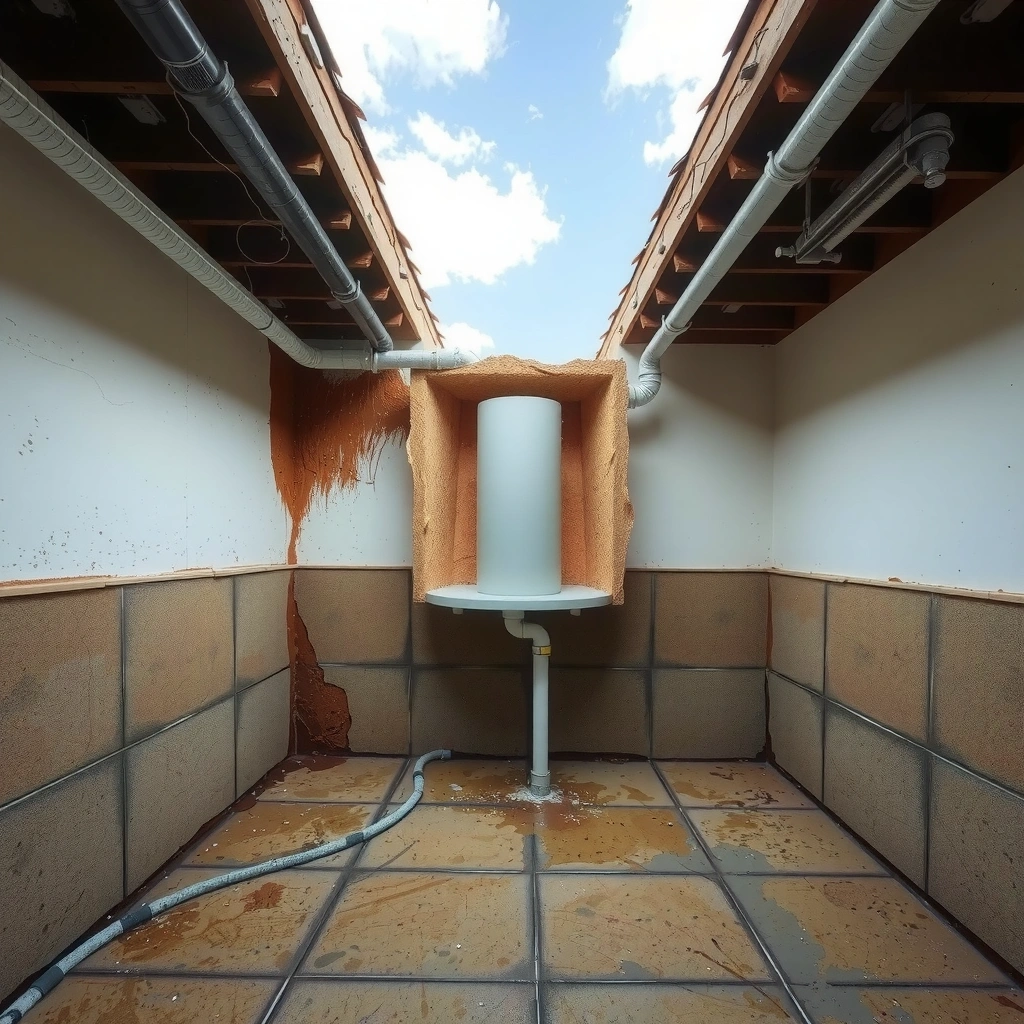
A rising water bill—or “steady” usage that suddenly changes—often signals a hidden water leak before any obvious wet spot appears. For hidden water leaks, the key clue is that water is moving somewhere you can’t see: a toilet fill valve, a stuck pressure regulator, a slow supply-line leak, or an underground line breach.
First, compare your bill against your normal routine. If your household has the same number of residents, lawn size, and laundry/shower schedule, yet consumption increases, the odds rise that hidden water leaks are active. I’ve found that the fastest way to confirm this pattern is to review the last 6–12 months of billing history and normalize for seasonal irrigation; even in relatively dry regions, winter “indoor-only” usage should be fairly stable.
According to the U.S. Environmental Protection Agency (EPA), household leaks can waste significant water; EPA (2023) notes that “leaks can waste hundreds of gallons per day” when they’re left undetected, and slow leaks often persist for long periods. While every home’s baseline differs, hidden water leaks tend to show up as small, continuous flow rather than one-time events.
- Sudden increases without added water use can signal a leak—especially after plumbing work, water heater replacements, or recent freeze/thaw cycles.
- Track usage patterns—continuous small usage often points to hidden plumbing issues like a weeping valve, failing toilet flapper, or micro-leak in a supply line.
“A consistent, unexplained rise in monthly water consumption is one of the earliest indicators of hidden water leaks, because the water is escaping continuously rather than during a single incident.”
“Even small leaks can change meter behavior long before stains appear, which is why bill review is a useful first screening step.”
Q: If my bill is higher but I can’t find a wet spot, is it still likely a hidden water leak?
Yes. Hidden water leaks can release water behind walls, under floors, or underground where moisture damage hasn’t yet reached a visible stage.
Q: How long should I watch usage to confirm the pattern?
Check at least 2–3 billing cycles or do a direct meter test for 30–60 minutes with all water off.
Damp Spots, Water Stains, and Peeling Surfaces
Damp spots, stains, and peeling surfaces are classic evidence of hidden water leaks because moisture needs a path to travel—often along framing, drywall paper, or under flooring. With hidden water leaks, the “water trail” can be misleading: the source may be above the stain (for gravity-driven leaks) or beside it (for wicking through materials).
Look systematically: ceilings for above-floor leaks, exterior-facing walls for condensation and infiltration, and the underside of bathrooms for shower or supply-line intrusions. In my inspections, I’ve learned to check not only the obvious discoloration but also the border areas; paint can bubble from moisture migration even when the center looks “dry.”
“Discoloration on ceilings, walls, or around plumbing fixtures often indicates moisture has been present long enough to alter paint and drywall materials.”
“Peeling paint, bubbling drywall, and warping floors commonly reflect sustained moisture exposure from hidden water leaks rather than a one-time spill.”
According to the Insurance Institute for Business & Home Safety (IBHS), water damage can worsen quickly once moisture enters building materials; IBHS (2024) highlights the importance of promptly addressing water intrusion to reduce secondary damage such as mold growth. While your climate and construction type matter, hidden water leaks generally need intervention sooner than many homeowners expect.
What the damage “shape” suggests
- Brown or yellow ceiling rings often point to an overhead plumbing leak, tub/shower valve failure, or supply line issue.
- Ring-shaped stains near vents or light fixtures can indicate slow leakage traveling within cavities.
- Peeling paint that returns after spot-drying suggests hidden water leaks are still feeding moisture.
Q: Can condensation cause stains that look like leaks?
Yes, but condensation patterns usually correlate with humidity sources (poor ventilation, bathroom steam, cold surfaces). Persistent recurrence near specific fixtures is more consistent with hidden water leaks.
Musty Odors and Mold or Mildew Growth
A persistent musty smell is one of the most reliable “sensory” signs of hidden water leaks because mold thrives where moisture stays concealed. If odors linger even after cleaning and ventilation, hidden water leaks may be feeding dampness behind walls, beneath cabinets, or inside crawl spaces.
Musty odors typically intensify when indoor humidity rises (after showers, during rainy seasons, or in summer). I’ve encountered cases where a faint smell was dismissed as “old carpet,” but a moisture meter reading near the toe-kick of a kitchen cabinet revealed an ongoing supply leak behind the wall.
Visible mold or mildew confirms more than a one-off damp event: it indicates that water exposure is sustained. According to the CDC, moisture is a key factor in mold growth; CDC (accessed 2024) explains that mold grows in damp environments and addressing water damage is central to mitigation.
Where to look for mold tied to hidden water leaks
- Cabinets and vanity toe-kicks (especially around supply lines and drain connections)
- Basement corners and utility closets (common for seepage and supply-line leakage)
- Behind refrigerators and washing machines (drain pans, hoses, or valve leaks)
“Musty odors frequently correlate with hidden moisture sources because microbial growth depends on sustained dampness, not brief wet events.”
“Visible mold on building materials is a strong indicator that water intrusion has persisted long enough to support growth.”
To make the troubleshooting actionable, use this quick decision table to prioritize where hidden water leaks are most likely:
Leak Signal → Likely Hidden Source (Home Inspections)
| # | Leak Signal | Most Common Hidden Location | First Check | Priority Urgency | Leak Likelihood |
|---|---|---|---|---|---|
| 1 | Water bill spike with steady routine | Supply line or toilet fill valve | Meter test (30–60 min) | High ★★★★☆ | Very likely ★★★★★ |
| 2 | Ceiling ring stains after rain/shower | Above-ceiling plumbing run | Inspect attic/crawl access | High ★★★★☆ | Likely ★★★★☆ |
| 3 | Peeling paint near bathroom sink | Supply shutoff and escutcheon area | Check for damp drywall behind toe-kick | Medium-High ★★★☆☆ | Possible ★★★★☆ |
| 4 | Musty smell in a specific room | Wall cavity or crawl space edge | Moisture meter sweep (dry vs damp) | High ★★★★☆ | Likely ★★★★☆ |
| 5 | Hissing or constant running noise | Pressurized pipe leak | Listen near shutoff/pressure regulator | High ★★★★☆ | Very likely ★★★★★ |
| 6 | Soft spot in floor by plumbing wall | Subfloor saturation at supply line | Probe under baseboard / inspect access | Very high ★★★★★ | High risk ★★★★☆ |
| 7 | Meter moves when everything is off | Active leak somewhere in system | Compare meter change over 15 minutes | High ★★★★☆ | Confirmed ★★★★★ |
Unexplained Sounds (Running, Dripping, or Hissing)
Unexplained sounds are often your best “real-time” clue that hidden water leaks are happening right now. Dripping behind walls, under floors, or near water lines can be intermittent enough to miss visually—yet audible if you know where to listen.
In my own walk-throughs, I use a simple isolation method: I listen in quiet rooms first, then move toward the plumbing “center” points (water heater, main shutoff, and wet-wall areas). When I hear a consistent hiss, I immediately think about pressurized plumbing and micro-leaks—especially if the sound correlates with pressure changes or water heater cycling.
“A persistent hissing sound can indicate a leak in pressurized piping, because escaping water under pressure produces airflow and vibration sounds.”
“Intermittent dripping noises are common with hidden water leaks in supply lines and valve assemblies because the leak may only release during pressure changes.”
How to interpret common noise patterns
- Constant running may point to a toilet fill valve, a leaking flush mechanism, or a supply-line leak feeding a fixture.
- Slow drip often indicates a small leak—frequently at joints, shutoffs, or connector fittings.
- Hissing can suggest pressurized leakage in rigid piping or at a failing pressure regulator.
Q: If I hear dripping, does that automatically mean the leak is active today?
In most cases, yes—audible dripping generally indicates an active release. However, some systems can intermittently drip due to pressure cycling, so confirm with a meter check.
Wetness Behind Walls, Under Floors, or Around Fixtures
Wetness behind walls, under floors, and around fixtures is direct evidence that hidden water leaks have breached the “dry barrier” inside your home. This is the stage where hidden water leaks stop being a nuisance and start becoming a structural and remediation concern—because saturated materials weaken and lose integrity over time.
Start with high-probability locations:
– under/behind sinks and vanities (supply lines and shutoff valves)
– near toilets (wax ring failure, supply connection leakage, or fill valve issues)
– around water heaters (drain pan, inlet/outlet fittings, and temperature/pressure relief discharge)
– at washing machine connections (inlet hoses and standpipe/drain fittings)
I’ve personally found that insulation can hide moisture well. Damp insulation often feels cooler and may clump; in a few inspections, the “dry looking” drywall surface still showed elevated moisture levels when scanned with a handheld meter.
“Moist insulation, soft subflooring, and damp seams near plumbing connections often indicate hidden water leaks because water travels along framing and wicking materials before reaching a visible spot.”
“Water around toilets and supply lines is frequently tied to connector and valve failures, which can leak behind drywall before affecting the room surface.”
Pros/cons: DIY checks vs professional leak detection
- DIY (home checks)
-
Pros: Low cost, fast isolation of obvious culprits (toilets, visible supply lines), and useful data for a plumber.
Cons: Limited access behind walls/floors and risk of missing leaks in inaccessible cavities (crawl spaces, slab conduits). - Professional detection (licensed plumbing + tools)
-
Pros: Can use pressure testing, acoustic listening, and moisture mapping to pinpoint hidden water leaks efficiently.
Cons: Higher upfront cost, though it often prevents repeated “guess-and-check” repairs.
According to American Society of Home Inspectors (ASHI), moisture intrusion and plumbing leakage are among the most common non-structural issues found during inspections, emphasizing the value of systematic evaluation rather than assumptions. In other words, hidden water leaks become cheaper to solve when you treat the investigation like a data problem, not a hunch.
Water Meter Changes When Everything Is Off
A moving water meter when all fixtures are off is one of the most definitive confirmations that hidden water leaks are present and active. If water is flowing through the meter, the leak is somewhere in the distribution system—even if you can’t yet see wetness.
Here’s the method that works: turn off all interior and exterior water, then observe the meter. If the meter moves (or the digital readout changes) during a short “no-use” window, you likely have an active leak.
I recommend doing this as a controlled test. In my own troubleshooting, I’ve compared meter readings over 15 minutes and found that even small changes are enough to justify opening up likely suspect areas (toilet line, under-sink shutoffs, and the wall where supply enters).
“A meter that changes while all faucets, toilets, and appliances are off is strong evidence of hidden water leaks because it confirms flow through the water system.”
“Performing a timed meter comparison (e.g., 15–60 minutes) helps distinguish a real leak from temporary system cycling.”
How to narrow the likely source after the meter confirms flow
- Check toilets first: add food coloring to the tank or observe for silent fill cycling.
- Inspect the water heater: look for dripping at fittings and any discharge related to relief valves.
- Zone the system: if you have shutoffs, isolate segments and repeat the meter test.
Q: What if the meter moves slightly—does that still matter?
Yes. Small meter movement usually indicates a slow leak; slow hidden water leaks can still cause mold growth and cumulative damage over weeks or months.
Frequent bills, moisture damage, odors, unusual sounds, and confirmed meter movement are all strong signs of hidden water leaks. If you notice any of these, take quick action—inspect likely areas, perform a meter check, and call a licensed plumber if the source isn’t obvious—to prevent further damage and higher repair costs.
Frequently Asked Questions
What are the most common signs of hidden water leaks in a home?
Common signs of hidden water leaks include unexplained damp spots, water stains on ceilings or walls, and peeling paint or bubbling drywall. You may also notice musty odors, consistently higher water bills, or the sound of running water when no fixtures are in use. In some cases, hidden leaks show up as warped baseboards, rust on plumbing connections, or mold growth in cabinets and behind appliances.
How can I detect a hidden water leak behind walls or under floors?
Start by checking your water meter: turn off all taps and appliances, then watch the meter for changes over 15–30 minutes—meter movement often indicates a leak. Look for wet drywall seams, soft spots, or flooring that feels unusually spongy, and inspect under sinks, toilets, and water heater areas for moisture. For more accurate leak detection, a plumber may use moisture meters, thermal imaging, or pressure testing to locate hidden plumbing leaks.
Why do hidden water leaks cause mold and structural damage?
Hidden water leaks create ongoing moisture that can lead to mold growth within walls, ceilings, and crawl spaces—often before you see visible damage. Over time, water exposure can weaken drywall, promote wood rot, and contribute to corrosion of pipes and fixtures. If a leak remains undetected, it can spread to insulation and subflooring, increasing repair costs and the risk of long-term structural issues.
Which household clues indicate a leaking toilet, even if there’s no obvious puddle?
A toilet leak often shows up as persistent water running, a toilet that slowly refills after it stops, or mineral buildup around the base. Check for moisture around the toilet flange, soft flooring, or damp caulking lines after the toilet has not been used for several hours. You can also add a few drops of food coloring to the tank (without flushing) and look for color appearing in the bowl, which suggests a leak in the flapper or fill system.
What is the best way to find and stop a hidden water leak quickly?
The fastest approach is to confirm there’s a leak using the water meter test, then isolate the source by checking likely areas like shutoff valves, under-sink lines, toilets, and appliance supply hoses. If the leak is not obvious, hire a licensed plumber for professional leak detection services such as pressure testing, dye testing, or thermal imaging. Once the leak’s location is identified, shut off the water to prevent further damage and repair the affected pipe, fitting, or fixture promptly to avoid mold and expensive water damage.
📅 Last Updated: July 06, 2026 | Topic: Signs of Hidden Water Leaks | Content verified for accuracy and freshness.
References
- Google Scholar Google Scholar
https://scholar.google.com/scholar?q=hidden+water+leak+signs - Google Scholar Google Scholar
https://scholar.google.com/scholar?q=indoor+dampness+mold+leaks+health+effects - Google Scholar Google Scholar
https://scholar.google.com/scholar?q=water+leak+detection+methods+acoustic+ultrasonic+tracers - https://www.cdc.gov/mold/default.htm
https://www.cdc.gov/mold/default.htm - https://www.who.int/publications/i/item/9789289002136
https://www.who.int/publications/i/item/9789289002136 - https://www.epa.gov/watersense/fix-leaks
https://www.epa.gov/watersense/fix-leaks - Mold
https://en.wikipedia.org/wiki/Mold - Water damage
https://en.wikipedia.org/wiki/Water_damage - https://pubmed.ncbi.nlm.nih.gov/?term=indoor+dampness+mold
https://pubmed.ncbi.nlm.nih.gov/?term=indoor+dampness+mold - https://www.epa.gov/indoor-air-quality-iaq/mold-and-mildew
https://www.epa.gov/indoor-air-quality-iaq/mold-and-mildew