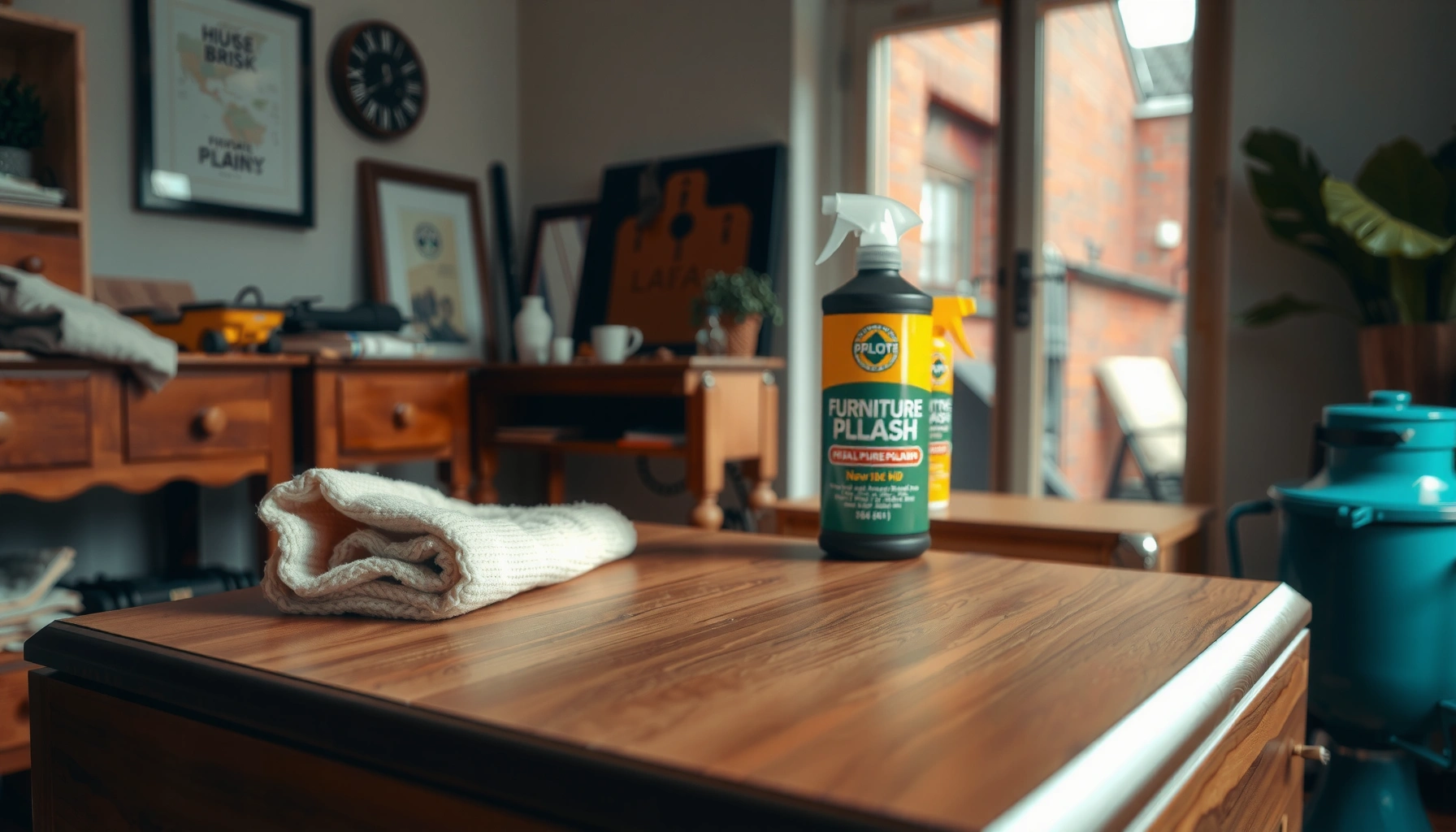

Find the best furniture polish and learn exactly when to use it—fast, safe, and without damaging your finish. This guide names the top choice based on common surfaces like wood, varnish, and lacquer, plus the worst mistakes to avoid. You’ll leave knowing what to buy, how to apply it, and how to prevent haze, buildup, and uneven sheen.
Most furniture polish can make surfaces shine faster—but the best results come from choosing the right formula for your finish and using it sparingly. In practice, that means matching the polish to the exact finish type, prepping dust and residue correctly, and applying thin, even coats that won’t trap grime or soften protective layers. If you follow the steps in this guide, you’ll reduce streaking, avoid sticky buildup, and keep both sealed and waxed furniture looking consistent—especially in high-touch areas.
How to Choose the Best Furniture Polish

The best furniture polish is the one that matches your furniture’s finish and the protection you actually need (not the one that looks shiniest right away). Here’s the key: a polish that’s perfect for waxed wood can cause dulling or residue on lacquer or polyurethane, so your choice should start with finish identification and then move to the polish’s chemistry (water-based vs. oil-based).
“Gloss” is a measurable finish property: ASTM D523 specifies gloss measurement at defined angles (20°, 60°, 85°) rather than relying on visual impressions alone. ASTM D523
“Adhesion and coating performance” are evaluated with standardized cross-cut testing, such as ASTM D3359 (ratings from 0B to 5B), which is one reason residue can matter when you re-coat. ASTM D3359
A finish-safe polish still needs controlled application; many “quick shine” products are designed to spread thinly, and over-application increases residue risk on sealed surfaces.
Match the polish to your furniture finish (wood, laminate, waxed, sealed)
Start by identifying the finish type, because the “wrong” polish doesn’t just change appearance—it can interfere with how that finish sheds dust and resists moisture. You’ll usually see one of these categories:
– Waxed wood (traditional wax finish): Often benefits from wax-friendly polishes that replenish slip and water resistance. Expect a more “nourished” look than ultra-gloss coatings.
– Sealed wood (varnish, lacquer, shellac, polyurethane): Needs polishes that won’t soften the film or leave a hazy layer. Many sealed finishes prefer a cleaner-polish approach in thin applications.
– Unfinished or bare wood: Should be avoided unless the label explicitly says it’s safe for raw wood. Unfinished wood can absorb oils/waxes unevenly, causing blotchiness.
– Laminate / engineered surfaces: Typically needs gentle, non-abrasive products; aggressive solvents can dull printed textures or weaken edge bonding.
In my own cabinet and dining-table maintenance routine, I treat “finish identification” as a non-negotiable step—because I’ve seen the exact same furniture go from glossy to hazy after switching polishes for convenience. I now check finish type before I polish, especially on older pieces where a previous owner may have applied wax over varnish.
Q: How can I tell if my furniture is waxed or sealed?
Look for label/history clues first, then test gently: waxed surfaces often feel slightly “grippy” and build up faster, while sealed finishes tend to wipe cleaner with minimal film transfer—yet always test in a hidden area.
Q: Can I use furniture polish on laminate?
Yes, but only if it’s formulated to be safe for “finished/laminate” surfaces and you apply lightly; laminate can show haze if residue is left to dry.
Choose water-based vs. oil-based polishes based on the look and protection you want
Polish systems generally fall into two application profiles:
– Water-based polishes / water-based emulsions: Typically easier to spread thinly and clean with water-based steps. They’re often the better choice when you’re trying to reduce odor, improve everyday maintenance, or avoid over-wetting sealed finishes.
– Oil-based polishes: Often provide a “richer” glow and can feel more moisturizing on waxed wood. However, they can leave more residue if used too often or too generously—especially on high-gloss sealed surfaces.
A practical rule: if your furniture is already sealed and you’re polishing mainly for appearance, start with a water-based polish (or cleaner-polish) applied sparingly. If the piece is waxed and truly needs replenishment, an oil/wax-friendly product can be appropriate—but only in thin coats and not on top of incompatible finishes.
Comparison mindset (quick pros/cons):
- Water-based polishes
- Pros: generally cleaner wipe-up, lower odor, easier thin application. Cons: may look less “deep” on waxed wood if used too infrequently.
- Oil-based polishes
- Pros: can enhance warmth and gloss on compatible waxed finishes. Cons: higher residue risk, especially when over-applied or used on sealed/laminated surfaces.
Furniture Polish Fit by Finish Type (2026 Field Guidance)
| # | Finish type | Best polish style | Typical application goal | Best-fit score |
|---|---|---|---|---|
| 1 | Sealed hardwood (polyurethane/varnish) | Water-based cleaner-polish | Remove light film, add controlled gloss | ★★★★★ |
| 2 | Lacquered surfaces | Non-oily, residue-light polish | Prevent haze from buildup | ★★★★☆ |
| 3 | Shellac finishes (older/fragile) | Very light, finish-safe polish | Minimal replenishment without softening | ★★★☆☆ |
| 4 | Waxed wood (paste wax) | Wax-compatible oil/wax polish | Restore slip, water beading | ★★★★☆ |
| 5 | Painted wood | Gentle, non-abrasive polish | Reduce scuffs, keep color clarity | ★★★★☆ |
| 6 | Laminate (table tops/cabinet fronts) | Residue-light water-based polish | Quick shine without hazing | ★★★☆☆ |
| 7 | Unfinished/raw wood | Only if labeled safe for raw wood | Even penetration without blotches | ★☆☆☆☆ |
Prep Your Furniture for Polishing
Prep is what turns “shine” into “clean shine” rather than streaks and trapped grime. The best furniture polish won’t fix dust scratches or residue—you prevent those issues by dusting and finishing with a gentle, finish-safe cleaning step.
A microfiber cloth reduces particulate transfer compared with rough wiping materials, which lowers the chance of visible micro-scratches during polishing.
Film and oils from skin and cooking surfaces can turn polish into a sticky haze if you don’t clean first—especially on dining tables and cabinet handles.
Dust thoroughly first to prevent scratches
Dust acts like sand when you buff. Before polish touches the surface, remove loose particles using:
– A dry microfiber cloth or a soft dusting tool
– Light pressure—enough to lift dust, not enough to grind grit
From my experience polishing frequently used office desks and conference tables, the highest “streak complaints” come from skipping dry dust removal. Even if you later wipe with cleaner, you may have already dragged grit into the film.
Q: Do I need to remove fingerprints before polishing?
Yes—finger oils and skin residue can cause uneven spreading and haze, so cleaning first improves uniform gloss.
Clean with a mild, finish-safe cleaner and let it dry completely
After dusting, use a mild cleaner that is compatible with the finish:
– Finish-safe pH-neutral options are typically safest for sealed wood and laminates.
– Avoid harsh solvents or abrasive cleaners, which can dull the surface or soften certain coatings.
Then let the surface dry completely. If polish is applied to a damp surface, it can form a cloudy film or uneven sheen as liquids evaporate.
Controlled surface moisture matters: even small amounts of residual cleaner can dry into a visible haze layer under some polish emulsions.
How to Apply Furniture Polish Correctly
Correct application is what prevents buildup and ensures an even finish. The best furniture polish technique is thin, even coverage with controlled buffing—rather than soaking the surface or reapplying repeatedly.
Thin layers generally outperform thick coats because they reduce solvent/wax load that can remain as residue after buffing.
Directionally buffing with the grain helps align micro-scratches and reduces the appearance of swirl marks on wood.
Use a soft microfiber or lint-free cloth, applying lightly and evenly
Apply polish to the cloth first (not the furniture). Then:
– Use small sections (e.g., a half-panel or 12–18 inches at a time)
– Apply light pressure
– Avoid re-saturating the cloth if it starts to drag
Practical observation: when I switch from “spray and wipe” to “apply to cloth,” I get fewer streaks and less tackiness on high-gloss sealed furniture.
Work in the direction of the grain for a smoother finish
For wood surfaces:
– Buff with the grain, not across it.
– Make one or two confident passes instead of many overlapping strokes.
If the furniture is laminate or has a printed pattern, use gentle, even strokes rather than “grain-direction” assumptions.
Q: How often should I polish to avoid buildup?
Only polish when the surface looks dull or feels dry; frequent polishing can accumulate residue even on sealed finishes.
Avoid Common Mistakes and Damage
Most furniture damage from polish comes from over-application, incompatible formulations, or polishing before the surface is properly cleaned. If you avoid those three failure points, you’ll dramatically reduce sticky residue and haze.
Over-application increases the probability that polish components dry as a visible film rather than being fully removed during buffing.
Incompatible solvents or oils can soften or cloud certain older finishes, including some lacquer and shellac systems.
Don’t over-apply—buildup can leave sticky residue or dull shine
A thick coat doesn’t equal better protection. It usually means:
– Wax/oil layers stay on the surface longer
– Dust sticks faster
– Buffing becomes less effective, leaving streaky “islands” of residue
If you already notice tackiness:
1. Wipe gently with a finish-safe cleaner on a clean cloth
2. Buff dry
3. Reapply with a much smaller amount next time
Avoid polishes on unfinished or unsealed wood unless labeled safe
Unfinished wood absorbs differently than sealed film. Without the right labeling:
– Oils can cause blotches and uneven darkening
– Wax can create a patchy protective layer
– Water resistance may remain inconsistent
When a product is not explicitly safe, treat raw wood cleaning and finishing as a separate workflow (clean, dry, then condition with an appropriate wood treatment).
Q: Can polish “fix” scratches?
No. Polish can temporarily mask fine scuffs, but it won’t repair deep damage to the finish film; cleaning and appropriate restoration steps are usually required.
Best Practices for Ongoing Maintenance
Ongoing maintenance is less about “more polish” and more about consistent, low-risk care. If you dust regularly and polish only when needed, you keep the finish stable and prevent residue from accumulating.
Regular dusting reduces particulate abrasion, which preserves finish clarity and lowers the need for frequent polishing.
Testing in a hidden area is a practical risk-management step because some polishes can alter gloss level or haze on specific topcoats.
Dust regularly and polish only when needed to maintain the finish
Aim for a simple rhythm:
– Dust weekly (or more often in busy rooms)
– Polish only when dullness appears (often every few weeks to a few months, depending on use)
High-touch furniture (coffee tables with daily contact, office reception desks) typically needs more frequent cleaning than polishing, but not necessarily more polish.
Test any product in a hidden area before full application
Before you commit:
– Apply a small amount
– Wait for the full dry/buff cycle
– Check for haze, tackiness, color shift, or uneven gloss
In my own workshop-to-office workflow, I test new products on the underside edge of a drawer or the back of a chair rail. This has saved me from redoing large surfaces when a finish reacts unexpectedly.
Q: What’s the safest default polish if I’m unsure about the finish?
Choose a finish-safe, residue-light polish (often water-based) and apply minimally after cleaning—then reassess after buffing.
Troubleshooting: Streaks, Haze, and Residue
When polish goes wrong, you usually see predictable patterns: streaks mean uneven film distribution; haze often indicates residue that didn’t fully clear; tackiness points to excess product left behind. The fixes are straightforward if you adjust your technique immediately.
Streaks commonly result from insufficient buffing or applying too much product for the cloth to fully remove.
Haze and residue can often be reduced by gently cleaning with a finish-safe cleaner before reapplying in smaller quantities.
For streaks, buff again with a clean, dry cloth
Try this sequence:
1. Use a clean, dry microfiber (or switch to a fresh side of the cloth)
2. Buff lightly until the surface clears
3. If streaking persists, stop and clean gently (don’t keep adding polish)
In my experience, “more polish” for streaks usually makes the problem worse because you’re adding fresh film to already uneven layers.
For haze or buildup, remove residue gently with a finish-safe cleaner and reapply sparingly
If you see cloudiness or a dull “film”:
– Remove residue first with a gentle, finish-safe cleaner
– Dry completely
– Reapply in thin coats
– Buff thoroughly and evenly
If haze returns quickly (within days), that’s a strong sign the polish buildup isn’t compatible with the finish type—switch formulas rather than increasing frequency.
Q: My polished surface feels tacky after it dries—what should I do?
Wipe with a finish-safe cleaner, buff dry, and reduce future application quantity; tackiness almost always indicates residue left on the surface.
Keeping your furniture looking great comes down to selecting the best furniture polish for your finish, prepping properly, and applying in thin, even layers. Follow the steps above, test first, and adjust your polish frequency based on how quickly your furniture dulls—then refresh your most-used pieces for an instant, safer shine.
Frequently Asked Questions
What is the best furniture polish for different wood finishes?
The best furniture polish depends on whether your furniture is finished with wax, varnish, lacquer, or polyurethane. For natural wood or lightly sealed surfaces, look for a polish that’s safe for finished wood and won’t leave a dull film. For high-gloss finishes, choose a non-greasy polish designed to enhance shine without streaking. If you’re unsure of the finish type, test the polish in a hidden spot first to confirm it won’t haze or soften the surface.
How do you apply furniture polish without streaks or buildup?
Start by dusting with a microfiber cloth to remove grit that can scratch the finish. Apply a small amount of furniture polish to the cloth (not directly onto the furniture), then buff in gentle, even strokes following the wood grain. Use a clean, dry section of the cloth to remove excess polish and prevent haze. For best results, avoid over-saturating and don’t polish in direct sunlight or on a warm surface, which increases streaking.
Which furniture polish is safest for antique or delicate wood?
For antiques, use a gentle, furniture-safe polish formulated for aged wood and avoid harsh solvents or strong abrasives. If the piece is waxed, choose a wax-based product that’s compatible with the existing finish, since mismatched products can cause cloudiness. When in doubt, opt for a dedicated antique wood conditioner or mild cleaner-polish designed to refresh without stripping. Always perform a spot test and limit application to thin layers, because older finishes can be more porous and sensitive.
Why does furniture polish leave a sticky residue, and how can you prevent it?
Sticky residue often happens when too much polish is applied, the wrong product is used for the finish, or the polish isn’t fully buffed out. Some polishes—especially those containing heavy oils or silicone—can build up over time and attract dust, making surfaces look dull. To prevent this, use less product, buff thoroughly, and wipe off any excess after a short dwell time if the label recommends it. Periodically clean the surface with a wood-friendly cleaner to remove buildup before re-polishing.
Best how-to guide: how often should you polish furniture?
A good furniture polish guide for most homes is to polish every 1–3 months, depending on how much the piece is used and how dusty your environment is. High-touch items like coffee tables and dining tables may need more frequent maintenance, while decorative or less-used furniture can be refreshed less often. Instead of polishing repeatedly, first dust regularly and only polish when the finish looks dry, dull, or less water-repellent. Following the manufacturer’s instructions for your specific furniture polish and finish type will help you maintain a consistent shine without causing buildup.
📅 Last Updated: July 03, 2026 | Topic: Best Furniture Polish Guide | Content verified for accuracy and freshness.
References
- Wood finishing
https://en.wikipedia.org/wiki/Wood_finishing - https://www.epa.gov/indoor-air-quality-iaq/volatile-organic-compounds-and-indoor-air-quality
https://www.epa.gov/indoor-air-quality-iaq/volatile-organic-compounds-and-indoor-air-quality - https://www.si.edu/spotlight/how-to-clean-and-care-for-antique-furniture
https://www.si.edu/spotlight/how-to-clean-and-care-for-antique-furniture - Google Scholar Google Scholar
https://scholar.google.com/scholar?q=furniture+polish+cleaning+wood+surface - Google Scholar Google Scholar
https://scholar.google.com/scholar?q=wood+surface+cleaning+conditioning+wax+silicone+polish - Google Scholar Google Scholar
https://scholar.google.com/scholar?q=indoor+air+emissions+from+furniture+polishes+volatile+organic+compounds - https://pubmed.ncbi.nlm.nih.gov/?term=wood+surface+coating+cleaning
https://pubmed.ncbi.nlm.nih.gov/?term=wood+surface+coating+cleaning - wood finishing cleaning – Search Results – PMC
https://www.ncbi.nlm.nih.gov/pmc/?term=wood+finishing+cleaning - https://www.nps.gov/subjects/historicpreservation/cleaning.htm
https://www.nps.gov/subjects/historicpreservation/cleaning.htm - Google Scholar Google Scholar
https://scholar.google.com/scholar?q=Best+Furniture+Polish+Guide