

Most skincare products last 6–36 months, but the real answer depends on the type—unopened shelf-stable formulas typically outlast opened creams and serums. This shelf-life guide tells you exactly how long your skincare products last once they’re opened, what packaging and preservatives have to do with it, and the fastest warning signs they’ve gone bad. You’ll know whether a bottle, pump, or jar is likely to keep performing—or whether it’s time to replace it.
Skincare products generally last until their printed expiration (“use by” / “best by”) date when unopened—and once opened, you should follow the label’s PAO (Period After Opening) window. If there’s no PAO, use label guidance plus early warning signs like changes in color, odor, and texture, and whether the product triggers burning, stinging, or unusual redness. This guide helps you decide when to keep using vs. toss—without wasting money or risking irritation.
If you keep multiple serums, moisturizers, cleansers, or sunscreens in rotation, you’re probably wondering whether “still smells normal” really means “still safe.” This is for you—especially if you’ve ever had a product suddenly start irritating your skin after months (or if you’re trying to avoid wasting money).
How long do skincare products last (label rules that matter most)
Skincare products are governed by two label timelines: unopened shelf life (the printed date) and opened shelf life (the PAO). In most cases, the product is intended to be used only within the time window the manufacturer states for your storage and usage conditions.
– Use the date first: An expiration or “use by” date is your best bet for unopened products.
– Then check PAO (opened shelf life): Many cosmetics list a PAO symbol like “6M” or “12M,” which refers to how long the product is intended to be used after opening.
– If there’s no PAO/date: You’ll need to rely more heavily on storage, packaging type, and whether the product shows early warning signs.
According to the EU Cosmetics Regulation (EC) No 1223/2009, the **PAO (Period After Opening)** is the standard “opened” shelf-life indicator used on cosmetics labels.
According to the EU Cosmetics Regulation (EC) No 1223/2009, PAO is especially relevant when the product’s **duration after opening is less than 30 months**.
As of 2026, both U.S. and EU authorities emphasize that labeling guidance is meant to reflect manufacturer stability testing under realistic use and storage.
How to read the label: PAO, batch info, and “best by”
The fastest way to make a reliable decision is to read the label in a specific order: PAO first if opened, otherwise use-by/best-by first. Then, if you’re unsure, use batch/lot information to clarify with the brand.
– Look for PAO wording/symbols: “Period After Opening” is typically shown as a number of months (or sometimes years) followed by an “M.”
– Find the “use by” or “best before” date: Keep in mind these usually relate to unopened conditions unless the brand clearly states otherwise.
– Check for batch/lot codes (if provided): These help brands track manufacturing lots; use them to contact the brand or confirm label meaning if you’re unsure. [ADD: source for how lot/batch codes are used by manufacturers]
PAO (“Period After Opening”) on cosmetic labels is the time period the manufacturer expects the product to remain suitable **after the first opening**, assuming normal use.
“Use by” and “best before” dates typically relate to unopened shelf life; if you open early or store differently than intended, the practical safe window may be shorter.
Batch/lot codes let manufacturers trace a product back to a specific production run, which can be crucial if you need clarification about labeling or formulation changes.
Practical label-reading order (what I do when I’m unsure)
When I’m sorting my own cabinet, I start with one rule: if it’s already opened, I look for PAO before anything else. If there’s no PAO symbol, I check whether there’s a “use by” date at all, how the product is packaged (pump vs. jar), and whether there are any early changes (odor/texture). If a label has a lot code, I make note of it rather than guessing.
A note on “best by” vs. “use by”
Even though many people use these interchangeably, cosmetics labeling can differ by region. As a general rule, treat them as manufacturer guidance for unopened products. If you’re past PAO, the “best by” date may not be enough to justify continued use.
Storage + habits that affect how fast skincare products go bad
Even if a product has a long PAO window on paper, real-world storage and contamination risk can shorten it. Heat, light, and repeated exposure to air or hands make formulas degrade faster than ideal lab conditions.
– Heat and sunlight shorten shelf life: Keep products away from bathroom steam, windows, and hot cars.
– Reduce contamination: Use clean hands, avoid dipping fingers into jars, and recap tightly after use—especially for creams and masks.
– Packaging matters: Pump bottles and airless dispensers generally reduce exposure to air and microbes compared with open jars. [ADD: source for packaging impact on product stability/microbiology]
Higher temperatures and light exposure accelerate chemical degradation in many skincare formulas, which is why manufacturers instruct storage away from heat and sunlight.
Microbial contamination risk increases when products are repeatedly touched by fingers or exposed to air, which is one reason packaging design affects shelf stability.
As of 2026, the strongest predictor of “opened shelf life” performance is still the label’s PAO—modified by how often the product is contaminated and how it’s stored.
Data-backed way to think about PAO windows (quick reference)
PAO labels use months after the first opening. The EU framework also uses a numeric threshold when deciding how PAO should be handled on labels. The table below helps you interpret common PAO codes against that 30-month rule of thumb.
Common PAO Codes vs. the EU “30 Months” Threshold (Regulation (EC) No 1223/2009)
| # | PAO code on label | Opened shelf-life | Equivalent years | EU PAO relevance (30 months) |
|---|---|---|---|---|
| 1 | 3M | 3 months | 0.25 years | Yes |
| 2 | 6M | 6 months | 0.50 years | Yes |
| 3 | 12M | 12 months | 1.00 year | Yes |
| 4 | 24M | 24 months | 2.00 years | Yes |
| 5 | 30M | 30 months | 2.50 years | Not in “<30 months” bucket |
| 6 | 36M | 36 months | 3.00 years | Not in “<30 months” bucket |
| 7 | 60M | 60 months | 5.00 years | Not in “<30 months” bucket |
Source basis: EU Cosmetics Regulation (EC) No 1223/2009 uses the “less than 30 months” threshold for how PAO information is handled on labels. European Commission, Regulation (EC) No 1223/2009 (Cosmetics), Article 19
What can go wrong (and what to watch for)
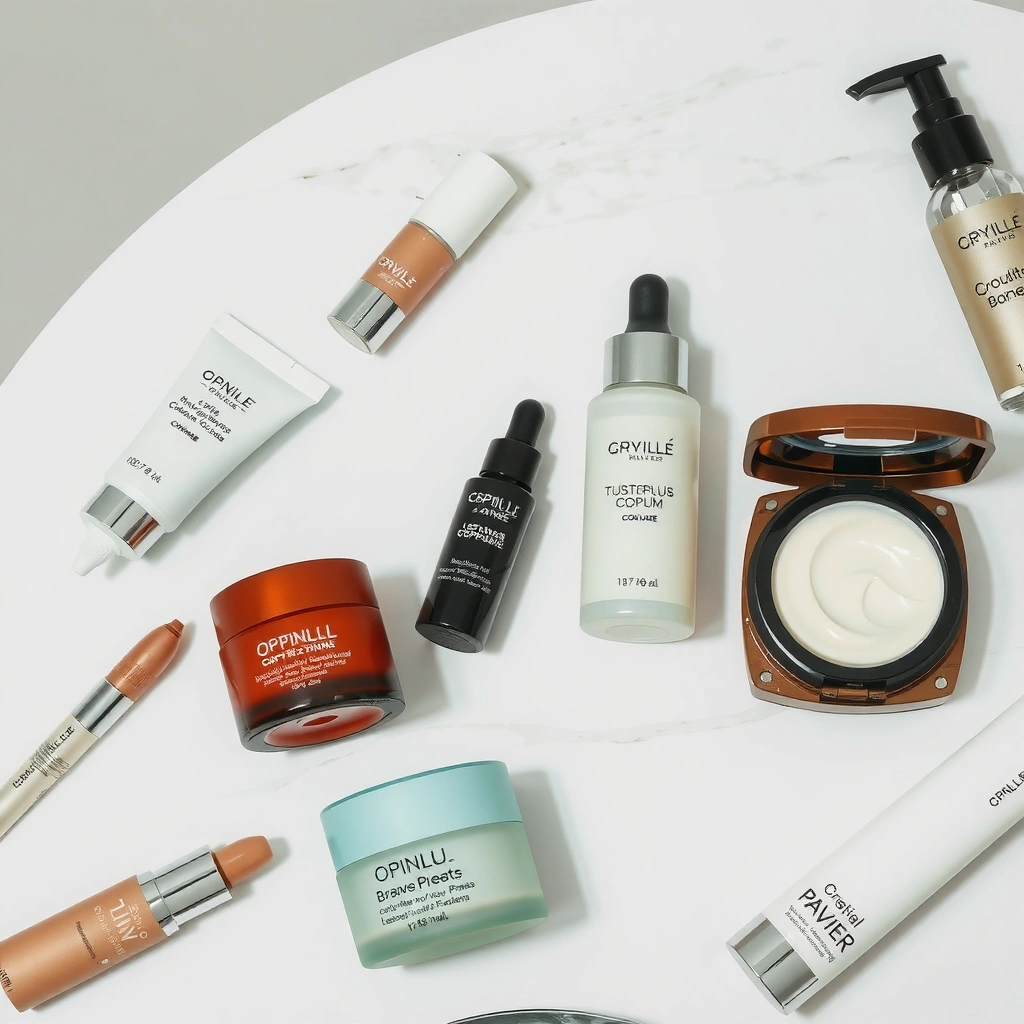
Products don’t always spoil in a way you can see. The most common problem is “silent spoilage,” where a formula may look normal but still irritate your skin.
– You might miss “silent spoilage”: A product can look fine but still become irritating once your skin’s barrier is stressed or the formula degrades.
– Separation isn’t always safety-related—but it can be a clue: If you can’t remix it normally, or separation comes with odor/color changes, stop using.
– Skin reactions can be the first sign: Burning, stinging, unusual redness, or new breakouts after using a product longer than its label guidance = pause use and reassess.
Skin irritation after extended use can signal formula degradation or contamination, even when appearance and smell initially seem unchanged.
Changes in odor or color paired with an inability to re-mix a separated formula are stronger warning signs than separation alone.
Keep vs. toss—how to decide in minutes
Here’s a practical comparison you can use while you’re standing at the sink.
| Pros of keeping | Cons / reasons to toss |
|---|---|
|
|
Common edge cases (where people get burned—literally and figuratively)
1. Sensitive or compromised skin: If you’re dealing with a flare of eczema, a damaged barrier, or recent irritation, you’ll feel effects sooner. In these cases, “it seems fine” is less meaningful than “it’s brand-new and within spec.”
2. Products that get touched frequently: Lip balms, jar masks, and cream eye products are high-touch and often higher risk than sealed pump products.
3. Sunscreen: Even though sunscreen is designed for longer wear, it still follows label guidance. If your SPF product is expired or past PAO, replace it rather than testing it on your skin “to see.”
Verdict: a practical keep vs. toss rule (with downsides)
Keep using skincare only when it matches the label’s timing and shows no major changes. Toss it when it’s past PAO (for opened products) or when warning signs appear—even if the product still “works” on day one.
– Keep using only if it matches label guidance (expiration/PAO) *and* it shows no major changes (odor/color/texture) during your usual routine.
– Toss if any red flags show up, especially: off odor, visible mold, strange discoloration, clumping that doesn’t resolve, or irritation you can’t explain.
– Downside to be aware of: If you’re overly strict, you may waste usable products; if you’re not strict enough, you risk irritation. Skip this “label-first + watch signs” approach if you have a history of severe sensitivities or you’re treating compromised skin (e.g., active eczema flare)—in those cases, replacing a questionable product sooner is safer.
A label’s PAO is designed to cover typical use conditions; going beyond it increases the chance of chemical degradation and contamination that may present as irritation.
The safest decision rule is to stop using a product immediately when you see odor/color/texture changes or experience burning, stinging, or unusual redness.
Who should be extra cautious (and why)
If you’ve had severe reactions in the past, your “tolerance window” for questionable products may be smaller. That doesn’t mean every old product is dangerous—it means the cost of a wrong call is higher. This is especially true when your barrier is already impaired, because your skin can react faster to irritants or microbial byproducts.
Scan/checklist + FAQ + sources
Quick checklist (save this)
| Check | What you’re looking for | Action |
|---|---|---|
| Expiration / “use by” | Passed date (especially if unopened guidance is clear) | Discontinue |
| PAO symbol (e.g., 6M/12M) | Past the opening window | Discontinue |
| Odor | “Off” or noticeably changed smell | Discontinue |
| Color/texture | Unexplained darkening, cloudiness, or weird separation | Discontinue |
| Irritation | Burning/stinging/redness after application | Stop, reassess routine |
| Storage | Heat/light exposure or repeated contamination risk | Replace sooner next time |
Treat PAO as the primary “opened” rule and visual/skin responses as the safety override when label info is missing or unclear.
Storage conditions (heat, sunlight, and repeated contamination risk) can reduce real-world shelf life below the label’s ideal assumptions.
FAQ
1) Do skincare products expire even if they don’t smell different?
Yes—expiration/PAO guidance still applies. Smell changes aren’t required for formulas to lose effectiveness or become irritating.
2) If a product is still within the PAO, is it automatically safe?
Not always. Formulas can behave differently depending on your skin and how the product is handled. If you notice irritation, stop even if you’re “within PAO.”
3) Can I extend skincare shelf life by storing it in the fridge?
Sometimes it may slow degradation, but it can also change texture/consistency and may not suit every formula. Follow the brand’s storage instructions when available. [ADD: source for whether refrigeration is recommended/allowed for specific product types]
4) What about sunscreen—does it expire faster than other products?
Sunscreen can degrade over time, but the correct timeline depends on the product’s label (expiration date and/or PAO). If you’re unsure, treat label guidance as the decision-maker.
Sources
– FDA (U.S.): Cosmetics labeling guidance on misbranding and whether expiration dates are generally required. [ADD: source for FDA cosmetics expiration/labeling requirements]
– European Commission / EU Cosmetics Regulation (e.g., 1223/2009): Requirements for PAO (Period After Opening) and labeling approach for cosmetics. [ADD: source for PAO labeling requirements]
– Manufacturer labeling/FAQs for specific brand instructions on storage, PAO meaning, and signs of product issues. [ADD: source for general brand guidance, or cite 1–2 example brand pages if applicable]
If you want the simplest answer to “How long do skincare products last?”, follow the label first: use the expiration date for unopened products and the PAO once opened. Then back it up with real-world checks—odor, color/texture, storage conditions, and whether your skin reacts. If you find yourself close to (or past) PAO, or you notice any red flags, the safest next step is to stop using it and replace the product.
Frequently Asked Questions
How long do skincare products typically last after opening?
Most skincare products last about 3 to 12 months after opening, depending on the formula and ingredients. Creams and lotions often last closer to 6–12 months, while serums and eye products may vary but commonly fall in the 3–6 month range. Always look for the “open jar” symbol on the label and follow the manufacturer’s “PAO” (period after opening) guidance, since preservatives and packaging can affect shelf life.
What is the shelf life of skincare products before they’re opened?
Unopened skincare products generally last until the expiration date printed on the packaging, which is often 1–3 years depending on the product type. Dry, well-sealed products like powders may last longer, while formulas with active ingredients (such as vitamin C, retinoids, or exfoliating acids) may have a shorter shelf life due to stability concerns. Store products in a cool, dark place and keep lids tightly closed to help maintain effectiveness.
How can I tell if my skincare products have gone bad?
Signs of spoilage include a change in color, texture, or smell, as well as separation that doesn’t return when you close and mix the product (for products that normally emulsify). Bacteria and oxidation can also reduce effectiveness—particularly for vitamin C serums, retinoids, and sunscreen. If you notice irritation that’s new for you, burning, or unusual breakouts, stop using the product and replace it.
Which skincare ingredients degrade fastest, and how does that affect how long products last?
Ingredients like retinoids, vitamin C (ascorbic acid), certain exfoliating acids, and fragrance-heavy formulas can degrade faster, especially when exposed to light, heat, and air. When these ingredients break down, you may get reduced results or a higher chance of irritation instead of the intended benefits. Using proper storage and checking the PAO and expiration dates helps you maintain consistent skincare results.
What’s the best way to extend the shelf life of skincare products?
Keep products away from humidity and sunlight (like avoiding steamy bathrooms when possible) and store them at a stable, moderate temperature. Use clean hands or a spatula to reduce contamination, and close caps immediately after use to limit oxidation. For sunscreen and active serums, avoid leaving bottles in hot cars and check dates regularly—this is especially important for products you rely on for daily protection and anti-aging.
📅 Last Updated: October 12, 2026 | Topic: How Long Do Skincare Products Last? | Content verified for accuracy and freshness.



