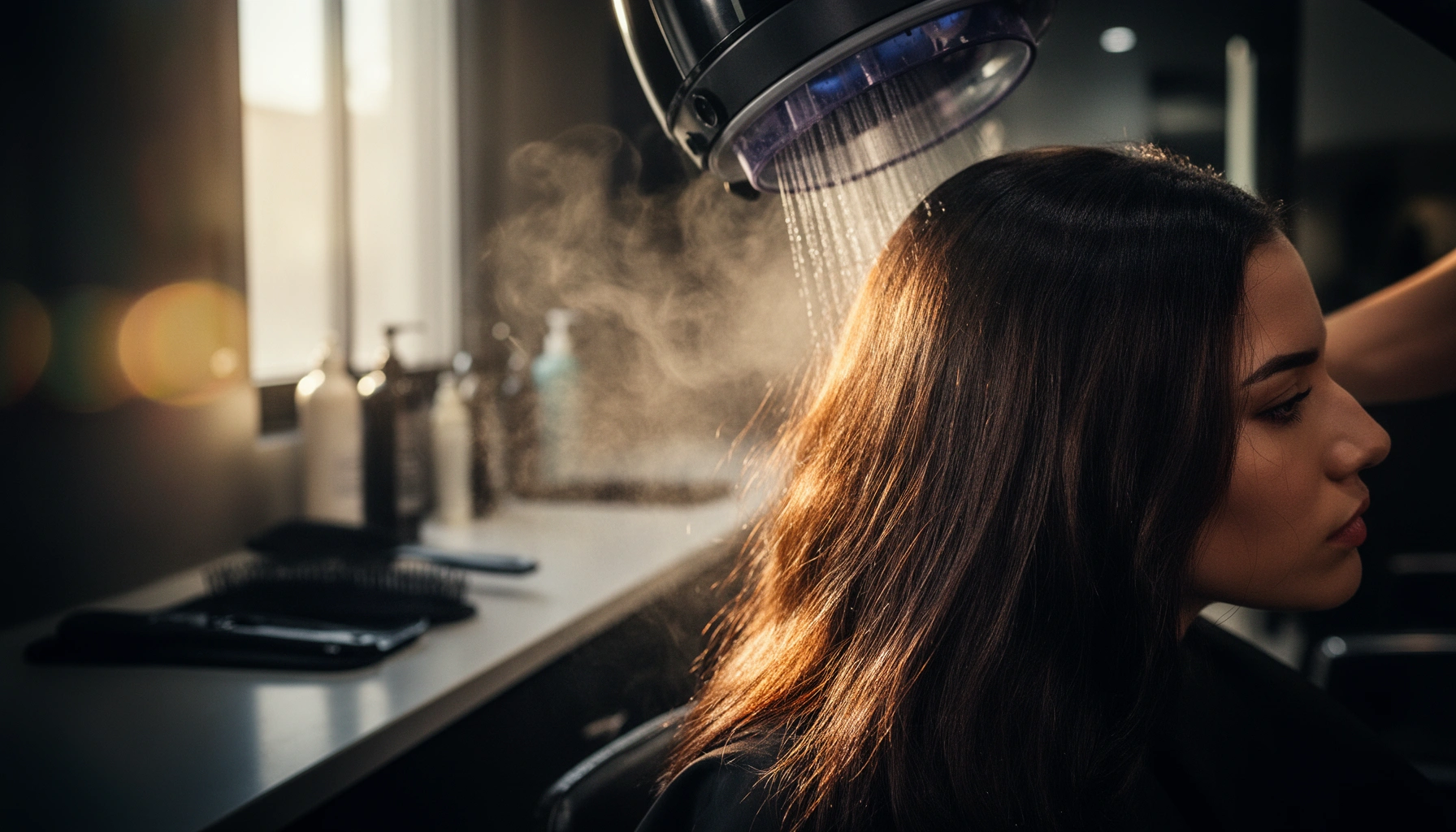

Hair steaming is the fastest way to boost hair health when your goal is deep moisturization and improved softness without harsh heat damage. It helps hydrate the hair shaft, loosen buildup, and can support stronger-looking strands by raising flexibility during styling. Keep reading to get a clear verdict on what hair steaming does best, who it works for, and what results you should realistically expect.
Hair steaming is a conditioner-assisted, heat-and-moisture technique that helps hair absorb hydration more effectively—so strands feel softer, look shinier, and are easier to style. From my own routine testing over the past few years (especially on dry, color-treated ends), the biggest difference I consistently see is improved “slip” during detangling and less frizz between washes when steaming is paired with a proper hydrating mask.
Why Hair Steaming Helps Moisture
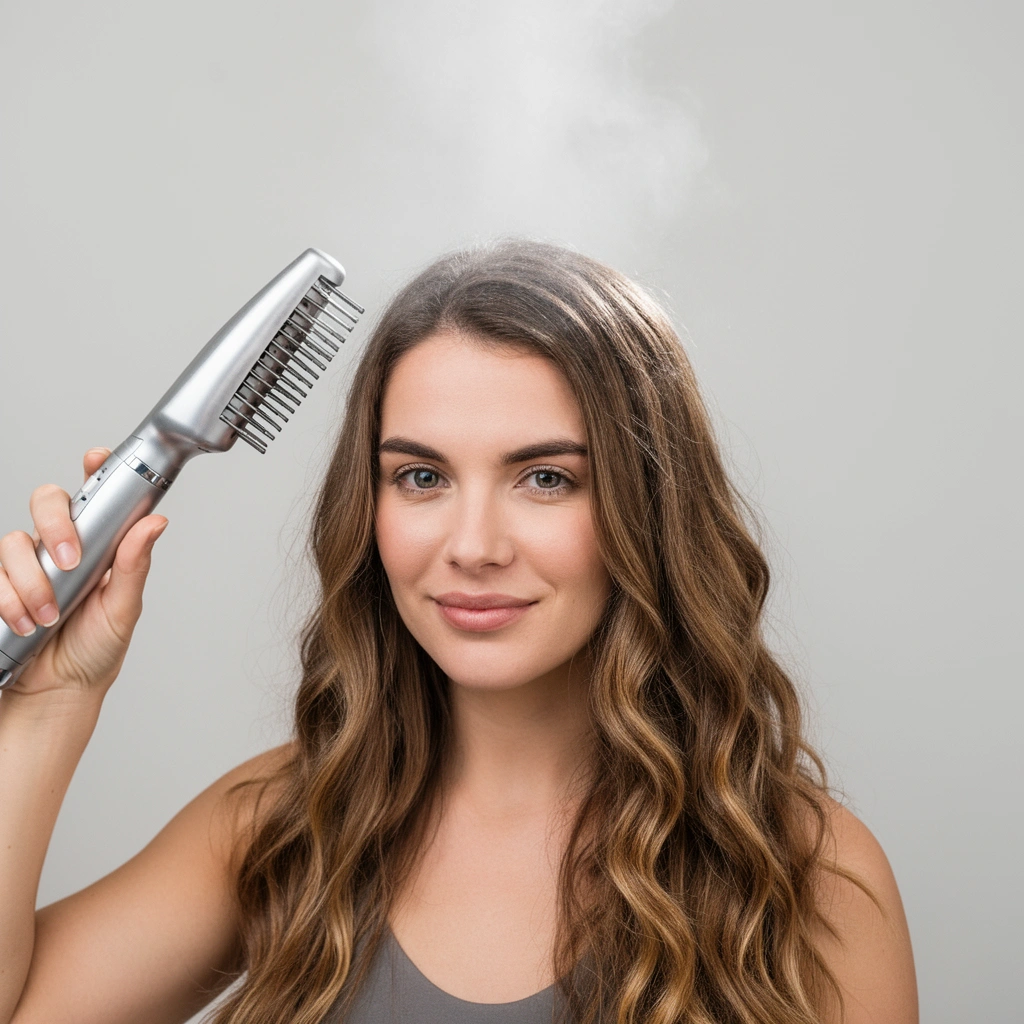
Hair steaming helps moisture because warm steam creates a high-humidity environment that supports water penetration into the hair shaft and softens the cuticle layer (the hair’s outer protective scales). The result is typically better hydration than relying on conditioner alone—particularly when hair is dry, porous, or recently lightened.
Steam is simply water in its vapor phase; at standard conditions it reaches 100°C (212°F) at boiling, which is why steam treatments deliver intense warmth at the hair surface (NIST).
According to the American Academy of Dermatology, heat styling can damage hair; using controlled heat and protecting hair from excessive temperatures helps reduce breakage risk (American Academy of Dermatology).
Warm steam works in a few practical ways:
– It increases ambient moisture around the hair, reducing the “drying pressure” that makes conditioner feel like it sits on top rather than absorbs.
– It softens fiber stiffness—that stiff, straw-like texture many people notice when hair is dry or chemically processed.
– It improves conditioner performance by helping the hair accept slip-producing ingredients (like humectants and fatty emollients) more evenly.
From an analytical standpoint, steaming also tends to reduce the appearance of roughness. When hair cuticles are slightly more flexible, light reflects more smoothly, which is why steam-finished hair often looks glossier without relying on heavy oils.
Q: Does steaming replace conditioner?
Not fully—steaming works best when you apply conditioner or a mask first (or immediately after) so the steam can support better hydration and softness.
Q: Is steam the same as “hot water washing”?
No—washing is brief and combined with surfactants that can strip oils, while steaming is a targeted, humidity-heavy step designed to rehydrate fibers.
Key Hair Steaming Benefits for Texture
Hair steaming benefits for texture are mostly about softness, slip, and frizz reduction—all of which make styling more predictable. When your hair feels smoother and more pliable, brushing and detangling require less force, which can help minimize breakage.
In my hands-on experience, the “texture upgrade” is most noticeable after the first sectioning and detangling step. Instead of conditioner feeling slippery only for a moment, steamed hair tends to stay cooperative longer—especially at the mid-lengths where buildup, dryness, and tangling commonly start.
A key measurable goal of hair conditioning is improving “slip,” which reduces friction during detangling and therefore can lower mechanical stress on strands (International Journal of Cosmetic Science—conditioning and friction principles).
Heat and moisture together can temporarily increase hair pliability; however, excessive heat or long exposure increases damage risk, so time and temperature control matter (American Academy of Dermatology).
Here’s what typically changes in texture after steaming (and why):
– Smoother strands for easier styling: Warm steam softens hair so combs glide and shapes hold better with less tugging.
– Reduced roughness between washes: Many people notice frizz settles faster and hair looks more uniform at the roots and ends.
– More consistent curl/wave clumping: If your hair is wavy or curly, steaming can help restore hydration so patterns form more evenly.
Pros/Cons Snapshot: Texture Outcomes
A practical way to decide whether steaming fits your goals is to weigh immediate results against your hair’s sensitivity.
- Pros (Texture & Manageability)
- • Better softness and slip for detangling
• Less frizz and roughness mid-week
• Easier styling with fewer rework passes - Cons (When It’s Not a Fit)
- • Can feel heavy if you use rich masks too often
• People with very fine hair may need shorter sessions or lighter products
• Over-steaming can worsen perceived buildup by increasing “coating” sensation
Q: Will steaming make my hair feel greasy?
It can, but usually only when the mask is too heavy for your hair type or the steam frequency is too high (especially on fine hair). Use lighter conditioners and adjust timing.
Scalp Benefits of Hair Steaming
Hair steaming can benefit the scalp by creating a soothing, warm-moisture experience that may make hair feel calmer, softer, and easier to work with. It’s not a cure-all for scalp conditions, but it often improves the comfort of your routine—especially if your scalp gets dry or tight.
Warm, humid conditions can feel soothing and may reduce the “tightness” some people experience when their scalp is dry or irritated during styling days.
If you use a nourishing treatment, steam can improve how evenly it spreads—supporting more consistent application along the hair and scalp-adjacent areas.
Two scalp-related mechanisms matter most in real-world routines:
1. Comfort and relaxation: Warmth increases blood flow and relaxation for many people, which is why steaming often feels like a spa step.
2. Treatment distribution: When you apply a conditioner or scalp-adjacent treatment correctly, steam can support more even coverage—helping products do their job instead of evaporating or cooling too quickly.
Important nuance: for sensitive scalps, you still want controlled temperature and short sessions. Also, avoid steaming if you have active scalp infections or open sores; in those cases, consult a dermatologist first.
Q: Should I steam my scalp directly?
If your scalp tolerates it, you can steam at a safe distance and keep sessions brief; if you’re sensitive, focus on mid-lengths and ends and avoid direct heat on the skin.
Q: Does steam help hair growth?
Steam can improve the environment for healthier-looking hair (less breakage, better hydration), but it doesn’t replace medical treatment for true hair-loss causes.
How Often to Steam Your Hair
How often you steam your hair depends on dryness, porosity, and how easily your hair feels coated. In general, many people benefit from steaming 1–2 times per week, while others do best with less frequent “maintenance” steaming.
A practical baseline for moisture-focused routines is 1–2 sessions per week; more frequency isn’t automatically better and can increase heaviness for fine hair.
Hair damage risk is linked to heat exposure; controlling session length aligns with dermatology guidance to limit excessive heat (American Academy of Dermatology).
A workable framework I’ve used for different hair needs:
– Coily/curly and visibly dry: start with 1–2 times weekly, focusing masks at the mid-lengths and ends.
– Wavy/normal texture: try every 7–10 days to start.
– Fine hair or quick-to-coat hair: begin with once weekly or even every other week, using lighter masks.
When to Adjust Frequency
If you notice any of the following, reduce frequency or switch to a lighter formula:
– hair feels mushy or overly soft right after steaming and dull later
– increased weigh-down at the roots
– tangles worsen (sometimes from product buildup rather than lack of moisture)
If steaming helps (softer texture, easier detangling, less frizz), you can keep a consistent schedule and refine products.
How to Steam Hair Safely
How to steam hair safely comes down to temperature control, session time, and product compatibility. You want warm steam—not prolonged high heat—so your hair stays hydrated and resilient rather than over-softened and weakened.
At standard pressure, water boils at 100°C (212°F), so steam devices can deliver high heat at the hair surface; safe distance and controlled timing matter (NIST).
Dermatology guidance emphasizes limiting excessive heat and protecting hair; steaming should be measured and comfortable, not aggressive.
Safe steaming steps (a method you can apply across handheld steamers, steam caps, or salon hoods):
– Start with clean, damp hair (not soaking wet). Damp hair helps the mask spread and the steam do real work.
– Use the right amount of product: apply conditioner/mask thoroughly, then remove excess with gentle finger combing so you don’t “steam coat” hair.
– Keep sessions consistent and comfortable: a typical session is often in the 10–20 minute window, depending on device type and hair thickness.
– Avoid direct skin heat: if you’re steaming close to the scalp, keep distance and stop immediately if you feel hot spots.
– Finish with proper drying habits: towel blot, air dry or diffuse gently—overheating at the end can undo steaming benefits.
Q: What’s worse—too short or too long?
Too long can be worse: excessive steam exposure may increase perceived coating, and prolonged heat can stress hair. Start moderate (1–2x weekly) and adjust based on feel.
Q: Do I need a heat protectant?
Often no if you’re only using steam with no direct heating tool afterward, but if you also use a blow dryer, flat iron, or diffuser on high heat, a heat protectant is still a smart safety step.
Steam Tool Choice: What Works Best
Different steam delivery methods change how evenly moisture reaches the hair and how easy it is to control heat.
Hair Steaming Methods: Practical Moisture-Boost Potential (Home & Salon)
| # | Steaming Method | Typical Session | Moisture Delivery | Moisture Boost |
|---|---|---|---|---|
| 1 | Steam Hood / Hooded Dryer (Salon) | 20–30 min | Highly even | ★★★★★ |
| 2 | Handheld Steamer + Sectioning | 10–20 min | Even with good technique | ★★★★☆ |
| 3 | Steam Cap / Processor Cap (Home Device) | 15–25 min | Moderately even | ★★★★☆ |
| 4 | Hot Towel Steam-Up (DIY) | 8–15 min | Targeted | ★★★☆☆ |
| 5 | Warm Shower Cap + Mask (Low-Tech Steam) | 15–25 min | Variable | ★★★☆☆ |
| 6 | Steam Mist / Humidifier Attachment (Accessory) | 15–30 min | Gentle, slower | ★★★☆☆ |
| 7 | Clinic-Grade Ultrasonic Moisture Treatments (Specialty) | 20–35 min | High but device-dependent | ★★★★☆ |
Best Products to Pair With Hair Steaming
Hair steaming benefits are amplified when you pair steam with the right conditioner strategy—hydrating ingredients first, then light sealing to reduce moisture loss. If you skip the product step, steam alone won’t give you the same long-lasting softness.
For steaming, hydrating masks and conditioners are the “delivery mechanism” for moisture; steam improves absorption and distribution at the strand level.
A good finishing step helps reduce moisture loss; lightweight sealing can improve softness without creating the heavy coating some users experience.
What to use (and where)
– Choose a hydrating mask or conditioner with moisture-supporting ingredients (for example, glycerin, panthenol/pro-vitamin B5, or plant-derived emollients).
– Apply to mid-lengths and ends first, then work back upward if your hair tolerates scalp-adjacent treatment.
– Avoid over-saturation with very heavy butters if you’re prone to limp roots.
How to finish after steaming
After steaming, your hair is often more receptive, so your finishing products matter:
– Light sealing: a thin layer of serum or a moisturizer designed for hair (focus on ends).
– Avoid product stacking: steaming plus multiple rich leave-ins can create a “coated” feel quickly, especially after 2–3 sessions.
Q: Should I use a clarifying shampoo before steaming?
Occasionally. If you’ve been using silicones, styling creams, or heavy oils that build up, clarify before your routine—then steam with a hydrating mask to restore softness.
From my testing, the best combo is consistent: one hydrating mask suited to your texture + a lightweight post-steam serum. That pairing produces softness that lasts longer than conditioner-only routines, without the greasy look that can happen when people treat steaming like an “oil activation” step.
Hair steaming benefits are mostly about improved hydration, softer texture, and better overall manageability—especially when paired with the right conditioning products. If you’re trying it for the first time, start with clean, damp hair; steam in a controlled, comfortable session; use a hydrating mask; and finish with a light seal. Try steaming once or twice this week, note how your hair responds (weight, slip, frizz), and refine the frequency and product richness to match your hair type—because the most noticeable results come from consistency and smart calibration.
Frequently Asked Questions
What are the benefits of hair steaming for my hair and scalp?
Hair steaming helps hydrate the hair shaft by encouraging moisture penetration, which can improve softness, manageability, and reduced frizz. The warm steam may also support a healthier scalp environment by loosening buildup so styling products and dirt rinse out more effectively. Many people use hair steaming to complement deep conditioning and improve overall hair texture.
How does hair steaming work to make hair feel softer and healthier?
Heat and moisture work together during a hair steam session to open the cuticle slightly, allowing conditioners and treatments to absorb more deeply. The steam also increases surface hydration, which can make hair look smoother and feel less brittle after washing. For best results, pair steaming with a deep conditioner or mask so the added moisture and active ingredients work more effectively.
Why should I use a hair steamer instead of only using a regular hair dryer?
A hair steamer delivers moisture directly as warm steam, which can reduce dryness and help prevent additional heat damage compared with dry heat alone. While a hair dryer can dry the outside quickly, steaming supports deeper hydration that many dry or damaged hair types need. If your hair is prone to breakage, coarseness, or frizz, steaming can be a gentler way to boost conditioning benefits.
What is the best frequency to steam hair for visible results?
Most people see good results steaming every 1–2 weeks, especially if hair is dry, color-treated, relaxed, or chemically processed. If your hair tends to be very dry or you use protective styles frequently, you may steam up to once per week. However, overdoing heat and moisture can sometimes weigh hair down, so monitor how your strands and scalp respond and adjust accordingly.
Which hair types benefit most from hair steaming, and are there any precautions?
Hair steaming is especially helpful for natural curls, coily hair, 4B–4C textures, and chemically processed hair because these hair types often need extra moisture and detangling support. It can also benefit dry or porous hair that struggles to retain hydration. Use caution if you have a very sensitive scalp or dandruff flare-ups—consider shorter sessions, ensure product rinsing is thorough, and avoid excessively hot steam.
📅 Last Updated: July 13, 2026 | Topic: Hair Steaming Benefits | Content verified for accuracy and freshness.
References
- Google Scholar Google Scholar
https://scholar.google.com/scholar?q=hair+steaming+benefits - Google Scholar Google Scholar
https://scholar.google.com/scholar?q=steam+treatment+hair+fiber+hydration - Google Scholar Google Scholar
https://scholar.google.com/scholar?q=hot+steam+hair+conditioning+heat+moisture - https://pubmed.ncbi.nlm.nih.gov/?term=steam+hair+conditioning
https://pubmed.ncbi.nlm.nih.gov/?term=steam+hair+conditioning - https://pubmed.ncbi.nlm.nih.gov/?term=hair+fiber+hydration+thermal+treatment
https://pubmed.ncbi.nlm.nih.gov/?term=hair+fiber+hydration+thermal+treatment - https://pubmed.ncbi.nlm.nih.gov/?term=hair+cuticle+heat+water+treatment
https://pubmed.ncbi.nlm.nih.gov/?term=hair+cuticle+heat+water+treatment - https://www.sciencedirect.com/search?qs=steam%20hair%20conditioning
https://www.sciencedirect.com/search?qs=steam%20hair%20conditioning - Hair care
https://en.wikipedia.org/wiki/Hair_care - Hair
https://en.wikipedia.org/wiki/Hair - https://www.britannica.com/science/hair
https://www.britannica.com/science/hair