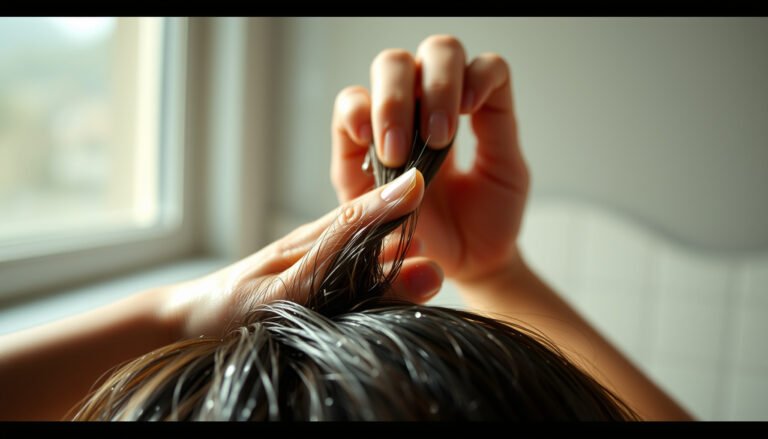

If you’re dealing with oily hair and want less grease fast, this simple hair care routine is the clear winner. It answers which wash frequency, shampoo type, and conditioning approach actually prevents oil from building up at the roots. Follow these steps and you’ll get a cleaner look with fewer greasy days—without overcomplicating your routine.
If your hair gets oily quickly, the best approach is a consistent wash routine using an oil-control shampoo plus lightweight styling that keeps product off your scalp. With the right cleansing frequency, strategic conditioning, and occasional targeted scalp treatments, you can reduce visible grease without stripping your hair.
Choose the Right Shampoo for Oily Hair
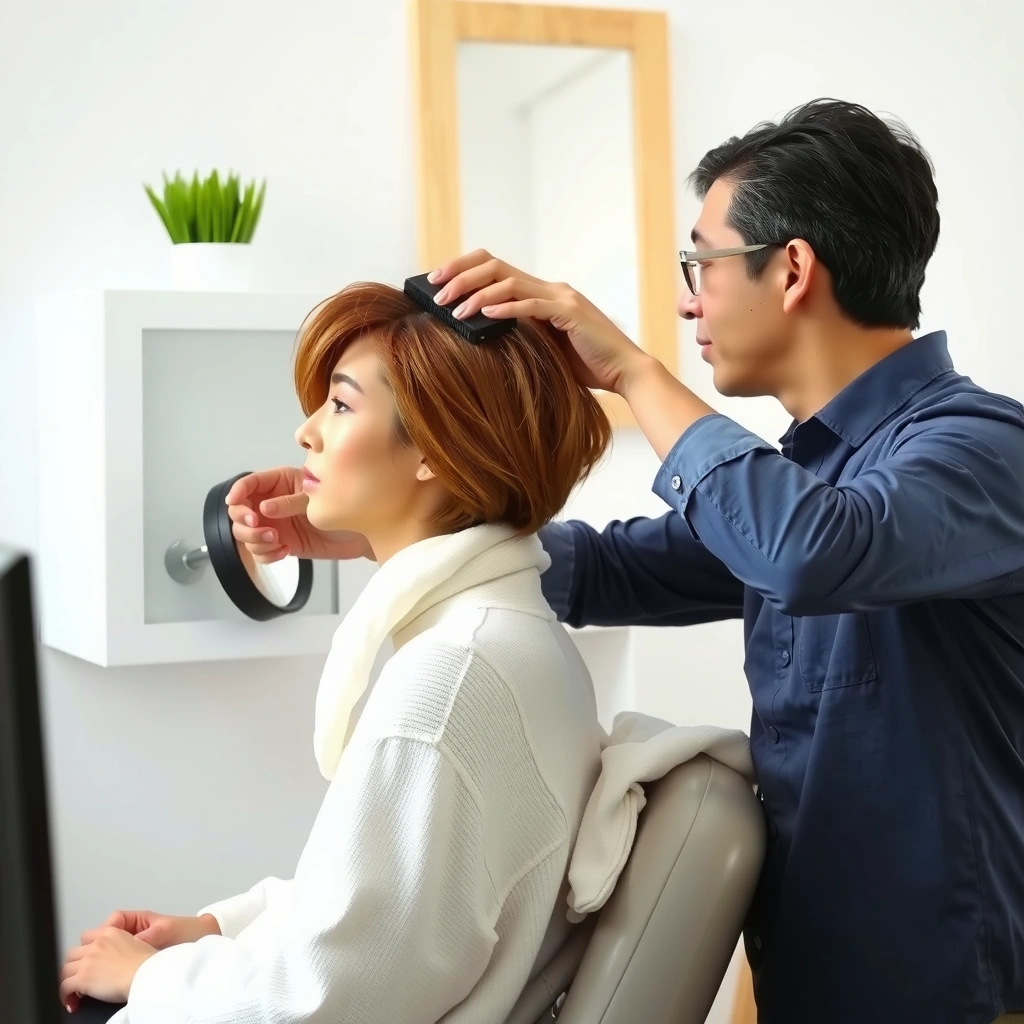
The best shampoo for oily hair is one that cleanses the scalp effectively while keeping conditioning limited to the hair lengths. In practice, I look for formulas designed for scalp oiliness—especially those with “clarifying,” “oil control,” or gentle exfoliating ingredients—because they break down excess sebum and buildup before it transfers to the hair shaft.
“Scalp skin is typically mildly acidic (about pH 4.5–5.5), and overly harsh products can disrupt comfort and balance.” Dermatology review literature on skin pH (general range)
“Salicylic acid is widely used as a keratolytic/exfoliating active in scalp care to help lift dead skin and reduce buildup.” Cosmetic dermatology references on salicylic acid
What to look for on the label (and why it matters)
Start with surfactants that remove oil without leaving residue. Then add one “active” category to support oil control:
– Clarifying or oil-control signals: terms like *clarifying*, *oil control*, *deep cleanse*, or *detox* usually indicate stronger cleansing surfactants and/or higher detergent efficacy.
– Exfoliating ingredients:
– Salicylic acid (BHA): helps with clogged follicles and flaky buildup.
– Zinc pyrithione: often included for scalp microbial balance and oiliness-related scaling.
– Avoid heavy root conditioning: shampoos marketed as “moisture” can be fine for some people, but if your scalp becomes greasy within a day, choose scalp-first cleansing over root-smoothing.
A quick comparison: which shampoo type fits which scalp?
Use this rule of thumb: oiliness is mostly a scalp issue, but “buildup” can be product + minerals + sweat.
| # | Shampoo style | Best for | What to expect | Potential trade-off |
|---|---|---|---|---|
| 1 | Oil-control cleansing | Greasy roots in 1–2 days | Less visible shine | May feel “squeaky” if overused |
| 2 | Clarifying (occasional) | Heavy buildup, dull feel | Resets product residue | Use sparingly to avoid dryness |
| 3 | Gentle exfoliating (BHA/zinc) | Oily scalp + flakes/itch | Smoother scalp surface | May tingle if you’re sensitive |
| 4 | Moisture-focused cleansing | Dry lengths, oily roots | Comfort without stripping | May need extra oil-control support |
Q: Should I use clarifying shampoo every wash?
No—clarifying cleansers are best used occasionally (often every 1–2 weeks) because frequent use can leave your scalp feeling tight and trigger rebound oiliness.
From my experience: what “works” in the first week
After testing a few different approaches on my own oily scalp routine (changing only one variable at a time), the consistent win was this: a dedicated oil-control shampoo at the scalp plus leave-in products only from mid-lengths down. On day two, my roots looked less shiny, and by day three the hair still moved rather than clumping from buildup.
Wash Frequency and Water Temperature
The best wash frequency for oily hair is the one that prevents sebum and sweat from accumulating on your scalp. For many people, that means washing every 1–3 days, but the “right” schedule is individualized—based on how fast your roots lose volume and become visibly greasy.
“People with oily scalps often wash every 1–3 days to control sebum buildup that affects appearance and feel.” American Academy of Dermatology (general hair/scalp care guidance)
“Lukewarm water is commonly recommended for scalp cleansing to avoid discomfort and irritation associated with very hot water.” Dermatology/skin-care guidance on water temperature (general)
How often should you wash?
Instead of guessing, track your scalp performance:
– If your hair looks greasy by 24 hours, treat every day as normal—not excessive.
– If you’re oily by 48–72 hours, a 1–2 day routine is usually sufficient.
– If you can stretch to 3–4 days, you may still benefit from more effective scalp cleansing rather than skipping washes.
From a practical standpoint, I recommend a 14-day adjustment window. Your sebaceous activity and product residue patterns stabilize after you stop repeating the same buildup cycle.
Water temperature: why “hot” can backfire
Using lukewarm water helps keep the scalp comfortable and reduces the odds of over-stimulating oil and leaving the scalp reactive. Very hot water can feel energizing—but it often worsens irritation, and irritation can correlate with increased oiliness or flaking.
Q: If my hair is oily, should I wash more often with strong shampoo?
Not necessarily. The goal is consistent cleansing at the scalp with the right formula; over-stripping can irritate the scalp and make oiliness worse.
Condition Strategically (Only Where You Need It)
The best strategy for oily hair is to condition only the parts that need it: the mid-lengths and ends. Conditioning the roots (even with “lightweight” products) often leads to quicker greasing and buildup, because conditioners are designed to coat hair and retain softness—exactly what you don’t want at the scalp.
“Conditioner is intended to improve hair fiber feel and manage tangles, and applying it to the scalp can increase residue on roots for oily-hair routines.” Hair-care formulation guidance (general)
“Lightweight leave-in products can help detangle and reduce frizz when used away from the scalp.” Consumer and professional hair-care guidance (general)
Apply conditioner the “distance rule”
– Start conditioning at mid-lengths (or slightly above your ears, depending on hair length).
– Work downward and keep product off the root line.
– Use enough to smooth—then rinse thoroughly.
If you use masks, keep them length-focused and limit scalp contact. In my routine, I treat scalp as “do not coat,” and hair fiber as “yes, soften.”
Q: Can I use conditioner if my roots get oily?
Yes—apply it from mid-lengths to ends only. Keep scalp contact minimal or none to avoid weighing down roots.
Lightweight leave-ins: choose fewer, lighter steps
Leave-in sprays and serums can be useful for oil-prone hair, but:
– prefer thin, non-greasy textures
– avoid heavy creams close to the scalp
– limit layering (e.g., don’t stack a rich leave-in + smoothing cream + oil)
A helpful operational mindset: one styling product per step. Too many layers increase residue that your scalp “holds onto.”
Styling Tips to Prevent Oil Build-Up
The best styling approach for oily hair is to use non-greasy products and prevent transfer onto the scalp. When styling tools and hands are involved, oil and product move around faster than most people expect.
“Using lightweight styling products and keeping them off the scalp reduces product residue that can worsen oily roots.” Professional hair styling guidance (general)
“Hygiene for hair tools (clean combs/brushes) reduces oil and residue re-deposit onto the scalp.” Dermatology/hair care cleanliness guidance (general)
Use the right texture: gels and mousses over creams
For oily hair, prioritize:
– oil-free, non-greasy gels
– lightweight mousses
– root-lift sprays applied at the scalp *only if* they are truly lightweight and rinseable (and if you don’t get product buildup within a day)
Avoid:
– thick balms
– heavy pomades
– scalp-adjacent creams
Keep tools clean and reduce touch
In my hands-on observation, one of the fastest ways to undo progress is scalp touching (hands transfer sebum) and using the same dirty brush day after day. Quick habits that matter:
– wipe combs/brushes weekly (or as needed)
– avoid dragging hair products back onto the root area
– keep hair off the face if your forehead also gets oily
Q: Why does my hair get greasy faster after styling?
Often it’s because styling products or their residue migrate to the scalp, or because tools and hands reintroduce oil before the next wash.
Scalp Care and Treatments for Oil Control
The best scalp treatments for oily hair are targeted and occasional, not constant. When shampoo alone isn’t enough, adding a specific active to address buildup, flakes, or persistent oiliness can improve results—especially if you use it on schedule.
“Salicylic acid is used in scalp products as a keratolytic to help lift clogged buildup.” Cosmetic dermatology references on salicylic acid
“Zinc-based actives are commonly used for scalp conditions involving oiliness and scaling.” Scalp-care ingredient literature (general)
Occasional deep cleansing: reset cycle, don’t scorch it
If your scalp feels “coated” or your hair looks oily sooner than it used to, you may be dealing with buildup (product + sweat + minerals). A clarifying shampoo or deep cleanse can help—but use it intentionally:
– every 1–2 weeks for many people
– more often only if you’re very product-heavy (then pair it with lighter conditioning)
Targeted treatments when oiliness persists
If your roots remain greasy within 24 hours despite consistent washing:
– consider a BHA (salicylic acid) scalp treatment
– consider zinc pyrithione-style options if you’re also flaking or itchy
– check for hard-water buildup and adjust with a cleansing routine
Q: How often should I use a scalp treatment like salicylic acid?
For most oily-hair routines, start 1–2 times per week, then adjust based on comfort and results. If irritation occurs, reduce frequency.
Scalp Oil-Control Actives: What They Target and How Often They’re Typically Used
| # | Active / Category | Primary Benefit | Typical Use Frequency | Grease-Reduction Potential |
|---|---|---|---|---|
| 1 | Salicylic acid (BHA) | Buildup lift + scalp exfoliation | 1–2×/week | ★★★☆ |
| 2 | Zinc pyrithione | Oil + scalp scaling support | 1–2×/week | ★★★☆ |
| 3 | Selenium sulfide | Scalp oiliness & yeast-related scaling | 1–2×/week | ★★★★☆ |
| 4 | Charcoal / mineral adsorbents | Sweat + residue absorption | As needed (about 1×/week) | ★★★ |
| 5 | Niacinamide | Barrier support + oil balance support | 1–3×/week | ★★★☆ |
| 6 | Tea tree oil (essential oil) | Scalp comfort support (can be drying) | 1×/week (patch-test first) | ★★ |
| 7 | Clarifying surfactants | Deep residue removal | Every 1–2 weeks | ★★★★☆ |
Common Mistakes to Avoid with Oily Hair
The best way to keep oily hair under control is to avoid habits that create residue or irritation. In my testing, small process errors—over-conditioning the roots, overusing dry shampoo, or repeatedly styling with dirty tools—consistently lead to faster grease the very next day.
“Overusing dry shampoo near the scalp can build residue that makes hair look dull and feel heavier.” Hair-care guidance on dry shampoo use (general)
“Hot tools can worsen scalp discomfort and increase residue transfer, especially when paired with leave-ins.” General heat-styling guidance (dermatology/hair care)
The most common mistakes (and the fixes)
– Don’t over-apply conditioner (especially near the roots).
Fix: conditioner mid-lengths → ends only; rinse well.
– Don’t place dry shampoo too close to the scalp.
Fix: apply at the crown in small amounts; brush out thoroughly; wash it out when it starts to build.
– Avoid frequent hot tools that increase scalp irritation and help residue “set.”
Fix: reduce heat frequency, use heat protectant, and prioritize air-drying on scalp days.
Q: Is it better to skip washing to avoid oil?
No. If your scalp becomes oily within 1–3 days, skipping washes usually increases sebum buildup and can make hair look worse—faster.
Q: How do I know if my issue is oil vs. buildup?
If cleansing immediately restores volume but greases again fast, it’s likely sebum. If hair feels coated or dull even right after washing, buildup (products/minerals) is often involved.
A simple one-week test plan (so you can measure results)
Use the routine consistently for seven days:
1) Choose an oil-control shampoo and cleanse the scalp thoroughly.
2) Wash on a schedule that matches your oil timing (often every 1–3 days).
3) Condition only mid-lengths to ends.
4) Use one lightweight styling product step.
5) Add one scalp reset step only once that week (clarifying or targeted treatment).
Keep a quick note: root shine level, scalp comfort, and hair texture on day 1, day 2, and day 3.
Oily hair is manageable with the right balance of cleansing, targeted conditioning, and lightweight styling. Start by selecting an oil-control shampoo, match your wash frequency to your scalp’s speed, and keep products off the roots—then refine with an occasional scalp treatment if needed. If you track what happens over one week and adjust only one variable at a time, you’ll find a routine that reduces grease without sacrificing comfort or hair movement.
Frequently Asked Questions
What should I use to wash oily hair without making it worse?
Look for a gentle shampoo designed for oily hair, ideally labeled “for oily scalp” and free of heavy oils or overly creamy formulas that can weigh hair down. Wash with lukewarm water and focus the shampoo on your scalp, not the lengths, to reduce buildup while keeping hair from becoming dry. If your hair gets greasy quickly, consider using a clarifying shampoo once every 1–2 weeks to remove excess oil and product residue.
How often should I wash my oily hair?
Many people with oily hair need to wash 3–4 times per week, or even daily if their scalp produces oil quickly. Washing too infrequently can lead to scalp buildup, which may make hair look flatter and feel heavier. If you prefer fewer washes, use a lightweight dry shampoo between wash days and keep styling products minimal and oil-free.
Why does my scalp get oily so fast, and how can I control it?
Oily hair is usually caused by overactive sebaceous glands, along with factors like hormonal changes, genetics, humidity, and frequent touching or styling. To control oiliness, keep hair products scalp-light, avoid applying conditioners to the roots, and rinse thoroughly so shampoo doesn’t leave residue. A consistent routine—proper cleansing, occasional clarifying, and targeted conditioning—often makes a noticeable difference.
Which hair products are best for oily hair (shampoo, conditioner, and styling)?
For oily hair, choose a shampoo that targets scalp oil and a conditioner that’s lightweight and applied only to mid-lengths and ends. If you use styling products, opt for gel, mousse, or oil-free creams that won’t add extra shine or grease near the roots. Avoid thick hair oils and butters close to your scalp, as they can increase buildup and make oily hair look limp faster.
What’s the best way to reduce oiliness while still keeping hair soft?
Use a two-step approach: cleanse your scalp thoroughly with a shampoo for oily hair, then condition only the ends to maintain softness and prevent dryness. If your ends get greasy too, reduce the amount of conditioner and make sure it’s fully rinsed. For extra refresh, try a dry shampoo on the roots and a heat protectant only when styling, since heavy products and heat can both worsen the appearance of oily hair.
📅 Last Updated: July 04, 2026 | Topic: Hair Care for Oily Hair | Content verified for accuracy and freshness.
References
- Dandruff
https://en.wikipedia.org/wiki/Dandruff - https://medlineplus.gov/dandruff.html
https://medlineplus.gov/dandruff.html - Dandruff – NHS
https://www.nhs.uk/conditions/dandruff/ - Contact dermatitis – Diagnosis and treatment – Mayo Clinic
https://www.mayoclinic.org/diseases-conditions/dandruff/symptoms-causes/syc-20352748 - https://my.clevelandclinic.org/health/diseases/11344-seborrheic-dermatitis
https://my.clevelandclinic.org/health/diseases/11344-seborrheic-dermatitis - https://pubmed.ncbi.nlm.nih.gov/?term=dandruff+sebum
https://pubmed.ncbi.nlm.nih.gov/?term=dandruff+sebum - https://pubmed.ncbi.nlm.nih.gov/?term=seborrheic+dermatitis+scalp+care+shampoo
https://pubmed.ncbi.nlm.nih.gov/?term=seborrheic+dermatitis+scalp+care+shampoo - Google Scholar Google Scholar
https://scholar.google.com/scholar?q=oily+hair+hair+care+sebaceous+glands - Google Scholar Google Scholar
https://scholar.google.com/scholar?q=seborrheic+dermatitis+scalp+hair+care - Google Scholar Google Scholar
https://scholar.google.com/scholar?q=Hair+Care+for+Oily+Hair