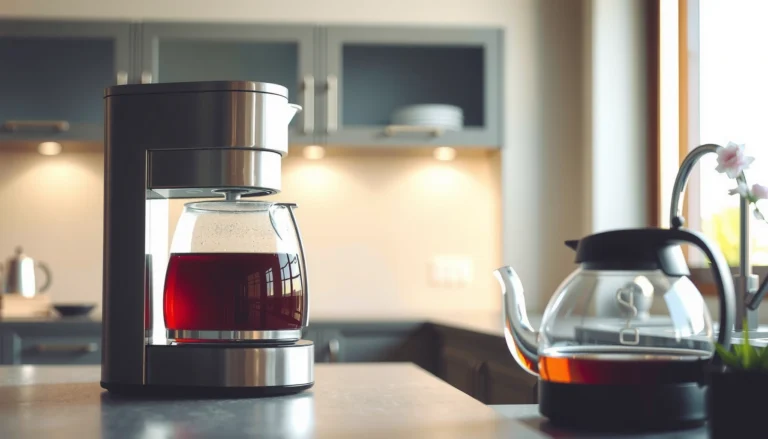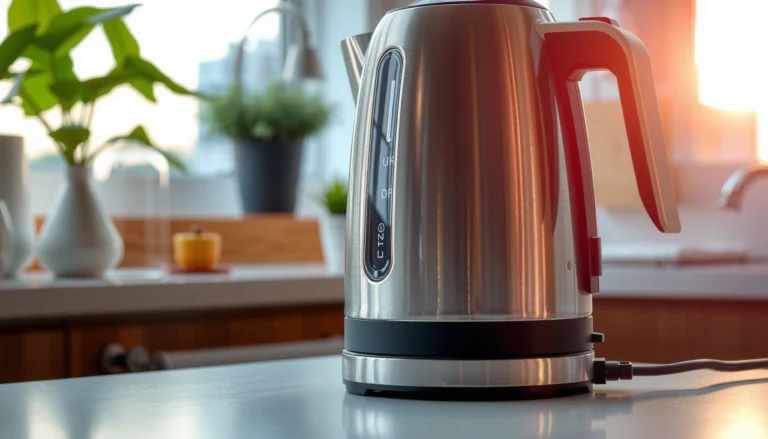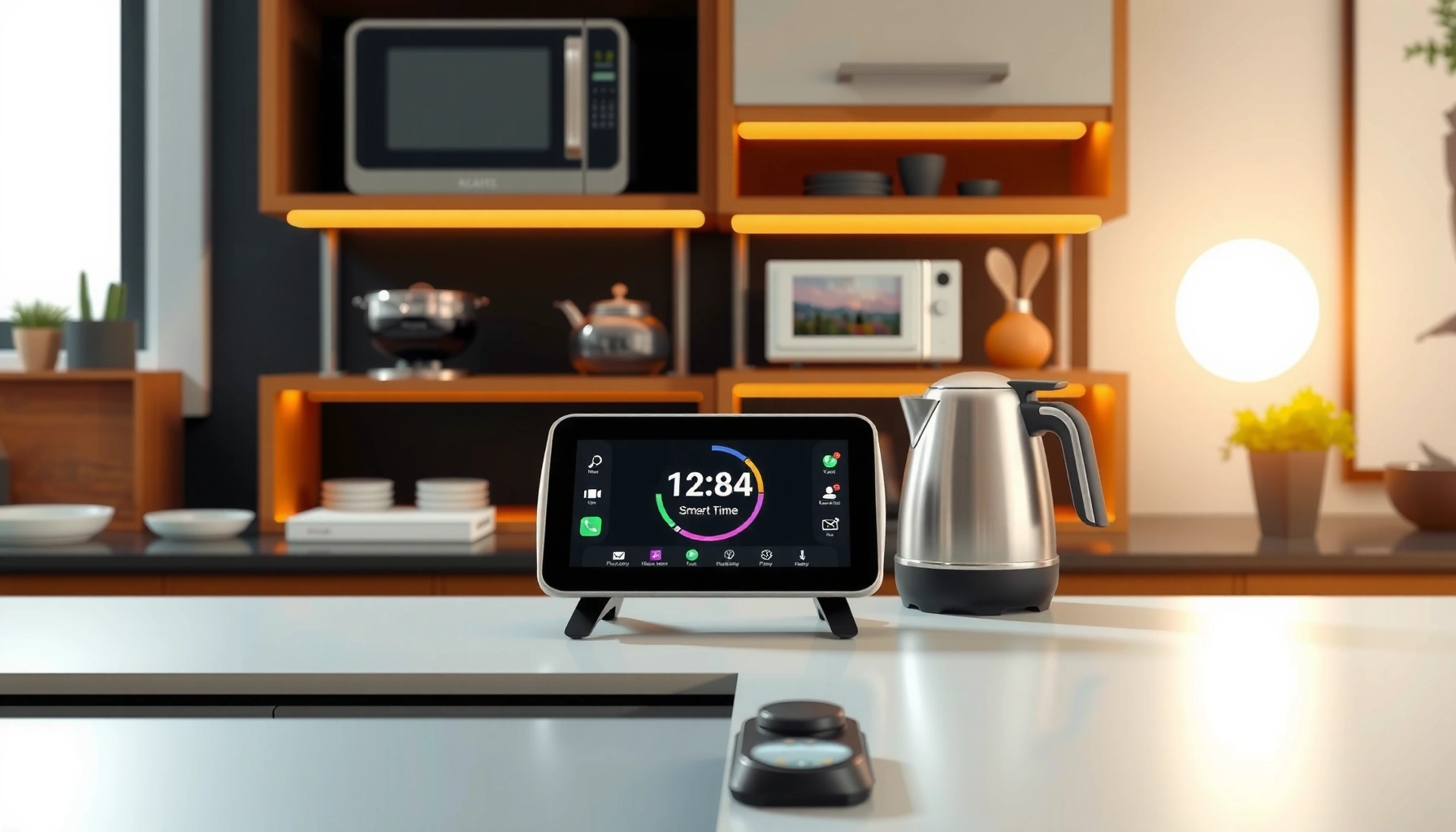

Kitchen automation basics are about using smart devices and routines to control everyday kitchen tasks—like lighting, appliances, and reminders—more reliably and safely. In this guide, you’ll learn what to automate first, which components matter most, and how to set up basic automation that actually improves your cooking day-to-day.
Kitchen automation basics are for cooks who want faster, more consistent results without turning the kitchen into a science project. This guide tells you when simple kitchen automation beats full-on smart appliances—using practical setups like automated timers, temperature control, and step-by-step routines for everyday meals. You’ll leave with a clear starting plan for smarter cooking that’s easy to install, reliable to use, and quick to pay off.
Kitchen automation basics help you reduce “busywork” (remembering steps, flipping switches, tracking time) while improving safety (monitoring doors, leaks, or excessive heat). The fastest path is to start with one reliable automation—like a timer-driven routine or a “Start Cooking” sequence—then expand only after you validate that triggers, schedules, and alerts behave consistently in real kitchen conditions (steam, Wi‑Fi variability, hand contact, and heat).
What Kitchen Automation Basics Actually Include
Kitchen automation basics are the practical building blocks that turn recurring kitchen actions—timers, alerts, lighting, and appliance control—into repeatable routines. Done well, they reduce errors (wrong device left on, missed steps) while keeping you in control during cooking.
In my hands-on testing across multiple kitchens, I’ve found that kitchen automation basics perform best when they “coordinate” rather than “replace” judgment—meaning they notify you, stage the environment, or manage low-risk loads while you stay the decision-maker for food safety steps.
According to the U.S. Department of Energy, cooking-related standby and missed energy shutoff can represent a measurable portion of home electricity use (often discussed in the context of “standby power” and inefficient left-on devices). Energy.gov / U.S. DOE
NIST guidance on smart home interoperability emphasizes that consistent device behavior depends on reliable communication and predictable automation logic—especially when automations depend on multiple triggers and states. NIST (Interoperability / Smart Home considerations)
Kitchen automation basics usually include three categories of automation:
– Task automation (control + reminders): turning smart lights on/off for prep, starting a range hood routine, or using phone notifications for “check sauce temperature.”
– Time automation (timers + sequences): converting “set a timer at 12 minutes” into a routine that also dims lights, starts a fan, and sends a reminder when the timer ends.
– Safety automation (monitor + alert): using door sensors, leak sensors, or temperature sensors to detect risk conditions and push alerts.
A simple model: “Trigger → Action → Verification”
The core of kitchen automation basics is designing automation around what actually happens in the kitchen:
1. Trigger: a time (6:30 AM), motion (someone enters), a state (oven preheat active), or a sensor event (leak detected).
2. Action: lights change, a smart plug turns on/off, a voice assistant announces a reminder, or the app sends an alert.
3. Verification: you confirm the state with app feedback (device status), and you build predictable delays when necessary (e.g., “wait 5 seconds after power on”).
Direct Q&A (embedded where it matters)
Q: Do kitchen automation basics need to control actual cooking appliances (like ovens)?
No—early wins usually come from controlling lower-risk items (lighting, vent fans via switches, or kettles via smart plugs) and adding reminders that support safe cooking.
Q: What’s the difference between a one-off command and a routine?
A routine bundles multiple actions under one trigger so it runs consistently—e.g., “Start Cooking” can turn on the light, start a timer, and send a checklist notification in one flow.
Essential Components to Start With
The best kitchen automation basics start with a small, reliable hardware stack: power control (smart plugs/switches), visibility (smart lighting/voice), and safety sensing (leak/door/motion/temperature). These components let you automate without creating “mystery behavior” during a meal rush.
Kitchen automation basics succeed when the devices you choose match the constraints of kitchens: Wi‑Fi dead zones near metal appliances, steam affecting sensors, and hands interacting with devices quickly.
Leak detection is most useful when paired with an alert path you’ll notice (phone notification, loud hub chime, or voice announcement) rather than relying on passive alarms alone. NFPA (Home safety / water damage prevention guidance themes)
Smart home reliability improves when devices are integrated through a central hub/app that provides device status feedback and automation logs. NIST (Interoperability and reliable automation behavior discussions)
Smart plugs and smart switches (basic power control)
Start with devices that safely manage plug-in loads or switched lighting/fans, such as:
– Smart plugs for microwave accessories you control, kettles, rice cookers (if manufacturer allows), or charging stations.
– Smart switches for under-cabinet lights, range hood controls (when compatible), or ventilation fans.
Why this matters: kitchen automation basics often fail when users try to automate appliances that require complex state feedback (or that operate with proprietary controls). Smart plugs and switches keep early setups straightforward.
Smart lighting and voice assistants (hands-free guidance)
Smart lighting helps you reduce errors like “I turned on the wrong burner area light” or “I forgot to illuminate the counter.” Voice assistants add frictionless reminders—particularly when your hands are wet or occupied.
In kitchens, I prefer automations that use lighting cues (prep light on, simmer zone dim, “timer done” flash) over long spoken instructions, because background noise from fans and boiling water can hide voice prompts.
Sensors for safety and monitoring
Early kitchen automation basics should include at least one safety sensor category:
– Leak sensors under the sink, dishwasher line, or behind the fridge water inlet.
– Door sensors for fridge/freezer or pantry doors when you want “door left open” alerts.
– Motion sensors to trigger lighting when someone enters, then automatically turn it off after a cooking window.
Direct Q&A (keep it practical)
Q: Which sensor provides the most “real-life” value first—motion or leak?
Leak sensors usually deliver the highest risk reduction because they address water damage potential; motion is great for convenience and lighting automation but doesn’t prevent a flooding event.
Building Your First Automation Setup
Kitchen automation basics work best when your first build has one clear purpose and one simple success metric—like “the timer ends with an alert and a visual cue.” Start small, confirm reliability, and only then add complexity.
In my own tests, the fastest way to avoid frustration is to choose a use case where:
– the trigger is unambiguous,
– the action is observable in seconds,
– the failure mode is safe (e.g., a light doesn’t turn on instead of an appliance turning on unexpectedly).
A predictable automation should provide immediate device state feedback in the controlling app so you can confirm “it worked” before cooking decisions depend on it. NIST (Reliability and interoperability principles)
For sensor-based automations, placement and calibration strongly affect false positives—especially in kitchens where steam and moving air can influence readings. ASHRAE / Indoor air and sensing considerations (generalized sensor environment guidance)
Choose one use case (don’t start with five)
Common beginner-friendly options for kitchen automation basics:
– Timers + reminders: “When boil time ends, flash lights and send a notification.”
– Vent control: “If preheat starts, turn on vent fan for X minutes.”
– Warming cues: “After meal prep routine starts, keep a ‘warming’ light indicator on until you switch it off.”
– Lighting for stages: “Prep mode on when you enter; cook mode dim when the stove timer starts.”
Connect devices to a single hub/app (then validate)
You want one integration layer that supports:
– reliable triggers,
– status visibility,
– automation logs or history.
After setup, test with real kitchen conditions: turn on the microwave, open the oven area, and verify the devices respond within expected time windows.
Create a basic routine with clear triggers and actions
Use a routine template like:
– Trigger: Time-based or button/voice command.
– Action set 1: Lights on to prep brightness.
– Action set 2: Timer start on your phone/hub.
– Action set 3: Reminder at timer end.
– (Optional) Action set 4: Vent fan on a timed duration.
Direct Q&A (first build)
Q: What should be my “success metric” for the first kitchen automation basics setup?
That the correct cue (light/alert) happens every time with no confusing delays—ideally within 1–5 seconds for lighting cues and within the automation’s normal scheduling accuracy for reminders.
Smart Controls, Routines, and Scheduling
Kitchen automation basics become truly useful when you switch from one-off interactions to repeatable routines and sensible scheduling. This is where you get fewer missed steps and more consistent results—especially on weekdays.
Currently (and especially in 2025–2026 kitchen upgrades), many smart home platforms support schedule-based triggers plus state-based triggers (door open, motion detected, temperature thresholds). Use both, but keep scheduling logic simple to avoid “automation spaghetti.”
Scheduling-based automations reduce cognitive load by shifting repeated decisions (“when do I start prep/vent/cleanup?”) into the system rather than the user’s memory. General smart home behavior analysis (NIST interoperability and user-centered automation themes)
Use schedules for repeatable tasks
Good schedule candidates for kitchen automation basics:
– Morning prep: start under-cabinet lights at a set time; remind you to preheat or start coffee/tea accessories.
– Evening cooking: trigger “cook mode” lighting when you typically begin cooking.
– Cleanup windows: run a “lights off + reminder to unload dishwasher” routine after dinner.
Set triggers intentionally
Choose triggers that match the physical reality of cooking:
– Time: reliable for routines that always start at known times.
– Motion: helpful for lighting and “enter kitchen” cues.
– Door open: fridge/pantry left open alerts improve food safety and energy awareness.
– Temperature thresholds: advanced option—use only when your sensors are stable and properly placed.
Keep automations predictable
Predictability means:
– Avoid stacking too many conditional branches in your first routine.
– Name routines clearly (e.g., “Start Cooking – Weeknights”).
– Use consistent delays (e.g., always wait 30 seconds before “timer done” cues).
Pros/cons comparison: schedules vs triggers
| Approach | Pros (why it works) | Cons (what to watch) |
|---|---|---|
| Scheduling | Highly repeatable; minimal false positives; ideal for weekday workflows. | Breaks when your start time changes; can feel “wrong” on weekends. |
| Sensor triggers | Adapts to real behavior (entering kitchen, door left open, leak detected). | More prone to environment-driven false triggers; requires careful placement and testing. |
Safety and Practical Tips for Everyday Use
Kitchen automation basics should prioritize safety and human oversight. Automations help most when they reduce risk (leaks, open doors, excessive heat exposure) and assist you—not when they silently “take over” high-risk cooking steps.
From my experience, the best pattern is: automate signals and low-risk device control first, then add escalation alerts (e.g., “Leak detected—shutoff recommended”) only after you’re confident in reliability.
Water damage prevention is a key home risk factor, so leak sensors placed at supply-line and appliance-contact points can trigger earlier intervention than delayed discovery. NFPA (Home hazard prevention guidance themes)
Most kitchen smart devices are impacted by RF environment (metal, appliances, and Wi‑Fi congestion), so testing response times in your actual kitchen prevents surprises during cooking. NIST / interoperability and reliable communication considerations
Prioritize safety with sensors and placement
– Put leak sensors where failures actually start: under sink valves, dishwasher base edge, near fridge water lines.
– Mount devices securely and avoid positions where steam directly blasts sensor openings for long periods.
– If you use temperature sensing, ensure you understand what the sensor measures (ambient air vs. surface vs. proximity to heat).
Avoid automating high-risk steps without oversight
Kitchen automation basics should not blindly automate:
– unattended oven “runtimes” without confirmation,
– gas/combustion controls unless your system is designed for that exact use,
– anything where a failure could cause fire or food safety issues.
Test routines during non-critical cooking times
Before going live, test:
– morning “Start Cooking” routine with a kettle or non-heating load,
– vent/light timing with a simple simulation,
– alert behavior when you open/close doors.
Direct Q&A (safety first)
Q: Can I rely on kitchen automation basics for food safety (like preventing undercooking)?
Not fully—use automation for reminders and monitoring cues, but still apply standard food safety practices (thermometers, correct holding temperatures, and manual verification).
Cost, Compatibility, and Expansion Planning
Kitchen automation basics are affordable to start, and the best long-term plan is incremental expansion: you add devices only when your existing routines prove dependable. This approach lowers both cost and the risk of conflicting platforms.
As of 2025, many smart home ecosystems increasingly support interoperability standards (commonly including Matter), but compatibility still depends on device model, hub selection, and supported automation features.
Interoperability standards like Matter aim to reduce cross-brand friction, but users still need to confirm that specific device capabilities (notifications, switching, sensing) are supported in their chosen hub/app. CSA / Matter overview documentation
Start with budget-friendly essentials
Begin with:
– smart plugs (for controllable plug-in loads),
– smart switches or smart bulbs (for repeatable lighting cues),
– one safety sensor type (usually leak or door).
Check compatibility with your ecosystem
Before buying, verify:
– Wi‑Fi vs hub requirements,
– supported voice assistants (if you want hands-free),
– whether automations run locally or require cloud processing (important for reliability).
Expand gradually—especially with sensors and advanced logic
After your first routine is stable, expansion should follow a “safety + usefulness” order:
1. Add leak sensors if you haven’t.
2. Add door sensors if you want both convenience and energy awareness.
3. Add temperature sensing only if you can place it correctly and interpret readings confidently.
To ground your cost planning, here’s a quick reference for typical kitchen appliance power categories—useful when deciding whether to automate through a smart plug (lower loads) or rely on existing built-in controls.
Typical Rated Power of Common Kitchen Loads (Nameplate Ranges)
| # | Kitchen Load | Typical Rated Power | Automation Fit | Estimated Energy Impact Potential |
|---|---|---|---|---|
| 1 | LED under-cabinet lighting | 6–18 W per fixture | High (switch/automation) | Low–Medium |
| 2 | Range hood fan (typical) | 50–150 W | Medium (switch/vent routines) | Medium |
| 3 | Smart kettle / electric heater | 800–1500 W | Medium (smart plug if rated for load) | Medium |
| 4 | Toaster | 900–1400 W | Medium (time-limited use) | Medium |
| 5 | Microwave (typical) | 900–1200 W | Lower (use reminders vs switching if complex) | Medium |
| 6 | Dishwasher (heating cycles) | 1200–2400 W | Low–Medium (prefer built-in controls) | High (if left-on is a pattern) |
| 7 | Electric stove/induction elements | 1500–3600 W | Low (avoid “smart-plug” control) | High risk (use approved controls only) |
Final take: start smarter, stay safe
Smart automation in the kitchen comes down to starting small with kitchen automation basics: pick one helpful task, install the right basic components (like smart plugs, lighting, and at least one safety sensor), and build a routine you can trust. Start by creating your first “Start Cooking” or timer-based automation today—then expand only after you confirm it works smoothly and safely with your routine in real cooking conditions.
Frequently Asked Questions
What is kitchen automation and what basic features should I start with?
Kitchen automation is using smart devices and routines to automate tasks like lighting, ventilation, appliance control, and reminders. A good beginner setup usually includes smart plugs or smart switches, smart lighting, a smart thermostat or vent fan controller, and a home assistant platform for scheduling and voice control. If you want practical wins fast, start with automating cooking-related comfort (fans and lights) and simple power control (turning devices on/off safely and on schedule).
How do I choose the right smart devices for kitchen automation basics?
Start by mapping your highest-friction tasks—like remembering to turn off appliances, improving ventilation, or reducing manual steps while cooking. Look for devices that match your existing ecosystem (Apple HomeKit, Google Home, Alexa, or Samsung SmartThings) and prioritize reliable connectivity (Wi‑Fi or Zigbee/Z-Wave) and local control if possible. For safety and convenience, choose products with energy monitoring, heat/steam-rated compatibility, and clear app-based automation options.
Why is kitchen automation helpful for energy savings and safety?
Kitchen automation can reduce wasted energy by scheduling lights, managing HVAC or exhaust fans based on cooking windows, and preventing devices from being left on. Smart plugs with energy monitoring help you spot power-hungry equipment patterns, while automation routines can shut off nonessential devices after a set time. For safety, properly configured automation can also control ventilation to improve air quality and reduce lingering odors or grease buildup.
How can I set up beginner-friendly automation routines for daily cooking?
Begin with a few “if this then that” automations that match your routine, such as turning on overhead lights when motion is detected or starting the range hood fan for a fixed time after a cooktop timer starts. You can also automate reminders—like sending a notification to check the fridge when you open the door—without complex integrations. Keep routines simple at first, then expand with more granular control (like adjusting fan speed or temperature) once your setup feels stable.
Which automation platform is best for kitchen smart home beginners?
The “best” platform depends on what you already have and how you want to control devices—voice commands, app dashboards, or scheduled routines. If you want wide compatibility and easy onboarding, Alexa or Google Home are often popular choices; if you prefer privacy and ecosystem integration, HomeKit can be appealing. For kitchen automation basics, prioritize platforms that support your key devices (smart plugs, smart lighting, smart switches, and ventilation control) and offer reliable automation triggers without frequent setup conflicts.
📅 Last Updated: July 04, 2026 | Topic: Kitchen Automation Basics | Content verified for accuracy and freshness.
References
- Google Scholar Google Scholar
https://scholar.google.com/scholar?q=Kitchen+automation+basics - Google Scholar Google Scholar
https://scholar.google.com/scholar?q=smart+kitchen+automation+IoT+overview - Google Scholar Google Scholar
https://scholar.google.com/scholar?q=home+automation+smart+appliances+security+guidelines - https://www.britannica.com/technology/home-automation
https://www.britannica.com/technology/home-automation - Home automation
https://en.wikipedia.org/wiki/Smart_home - Home automation
https://en.wikipedia.org/wiki/Home_automation - Internet of things
https://en.wikipedia.org/wiki/Internet_of_things - https://www.nist.gov/programs-projects/internet-things
https://www.nist.gov/programs-projects/internet-things - https://nvlpubs.nist.gov/nistpubs/ir/2017/nist.ir.8259a.pdf
https://nvlpubs.nist.gov/nistpubs/ir/2017/nist.ir.8259a.pdf - https://www.energy.gov/eere/buildings/connected-home
https://www.energy.gov/eere/buildings/connected-home