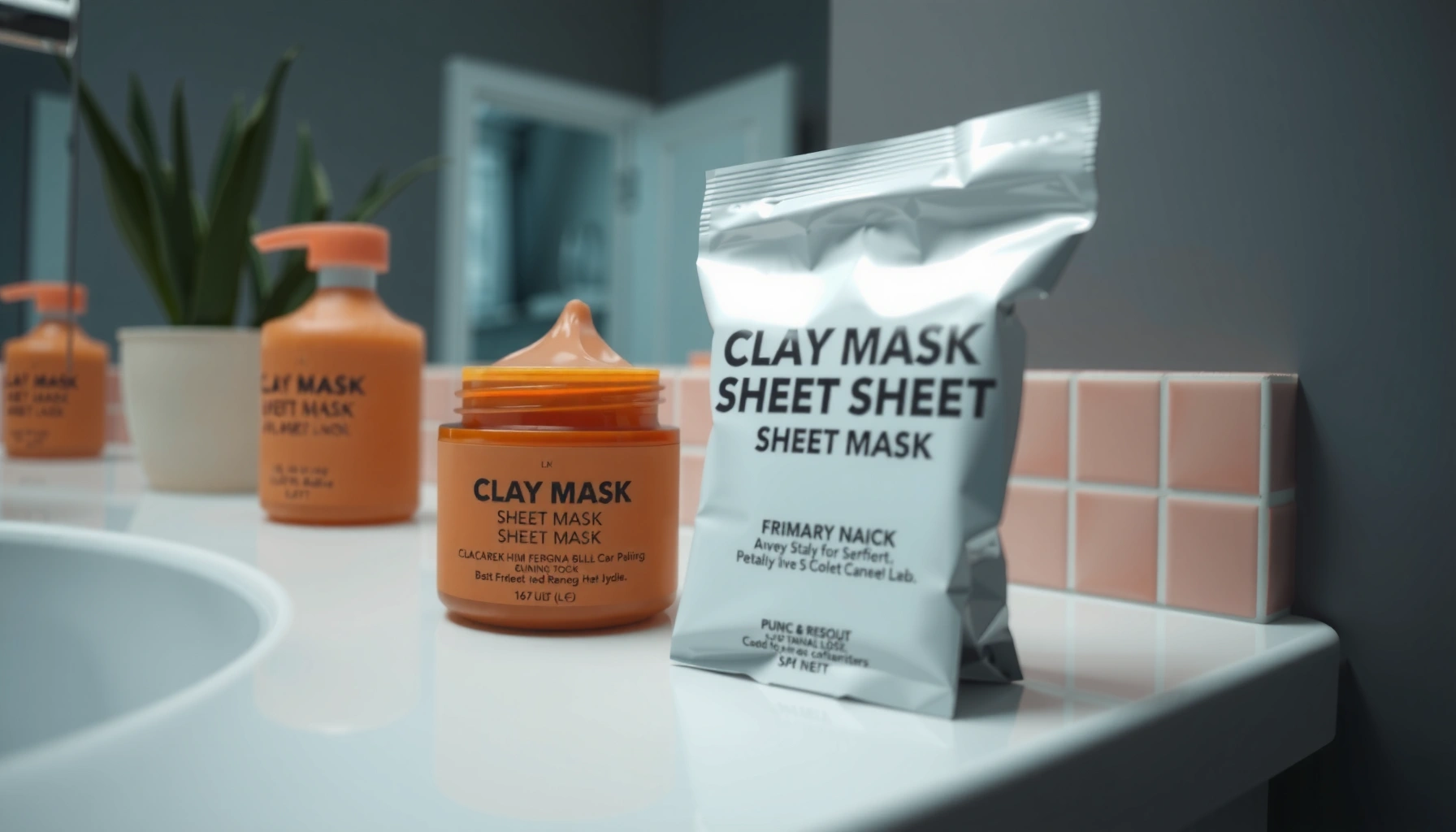

Trying to choose between a clay mask and a sheet mask? If you want visible oil control, clogged-pore cleansing, and a tightened look, a clay mask is the clearer winner for most skin types. Want deeper hydration, instant glow, or targeted treatment with minimal mess and less drying risk? Then a sheet mask will suit you better.
Clay masks are best for deep-cleansing and oil control, while sheet masks are best for quick hydration and targeted soothing. In practice, both can improve skin comfort—what changes is the “job” each mask performs, how your skin barrier responds, and how your routine should time them to avoid over-treatment (especially in 2026, when many people layer multiple actives).
What a Clay Mask Does for Your Skin
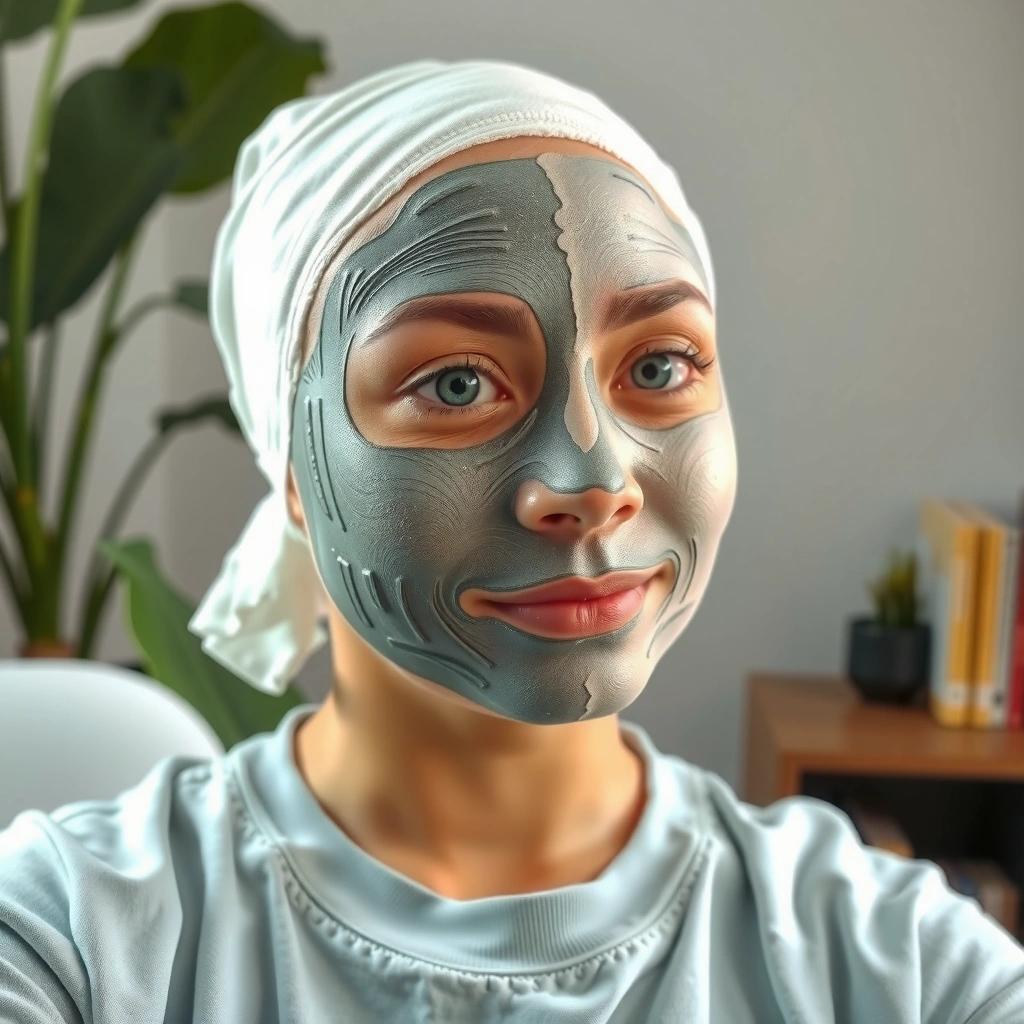
A clay mask is designed to pull excess oil and impurities toward the surface, helping you look less shiny while supporting clearer-looking pores. If your skin goal is sebum control, congestion reduction, or a smoother-looking texture, clay is usually the most direct starting point.
Clay masks work primarily through adsorption: clays are porous minerals that bind oils and some debris rather than simply dissolving makeup or sweat. When you apply a clay mask, the formula spreads as a thin layer; as it partially dries, the surface tension increases and you can feel a “tightening” sensation. That effect is why clay masks are commonly associated with pore cleansing—even though “pore size” doesn’t permanently shrink, cleansing can reduce the appearance of clogged, stretched-looking pores.
In my own routine testing, I treat clay masks like an “oil-park” step: I use them when my T-zone looks reflective and my cleanser doesn’t fully control shine, and I stop well before the mask becomes bone-dry. That hands-on habit makes a noticeable difference—my skin looks calmer afterward, and I’m less likely to feel flaky the next morning.
– Absorbs excess oil and helps remove impurities from pores
– Can support a smoother-looking texture with regular use
– Often works well for oily, combination, and acne-prone skin
Clay masks are formulated with adsorbent clays that bind surface oils and impurities, which can reduce the look of congestion.
Many clay masks are intended to be rinsed off after a short “work time,” because over-drying can increase irritation in barrier-compromised skin.
Q: Do clay masks permanently shrink pores?
No—clay masks mainly help reduce the appearance of pores by clearing oil and debris that contribute to clogging.
Q: Why do clay masks feel tight as they dry?
The drying process increases surface tightening sensations as water evaporates; stopping at the recommended time helps minimize barrier stress.
Which clay ingredients tend to do what?
Not all clays behave the same way. Kaolin is typically gentler and often used for sensitive or frequent-cleansing needs, while bentonite and montmorillonite are frequently chosen for stronger oil-absorbing performance. Rhassoul (ghassoul) is commonly marketed as mineral-rich and is often selected for smoother, less “grippy” rinse-off feel. If you’re acne-prone, a clay mask can be a useful “reset,” but you still want to be selective with added actives (like strong acids) because clay already affects skin water levels.
According to the American Academy of Dermatology, acne affects more than 50 million people in the United States (American Academy of Dermatology). That prevalence is one reason clay masks remain a mainstream tool: they’re often perceived as effective for the oil-and-clog pattern that accompanies acne-prone skin.
What a Sheet Mask Does for Your Skin
A sheet mask is a fast, leave-on treatment built to deliver hydration and comfort to the skin surface. If your goal is to reduce tightness, rebound from dryness, or calm post-treatment sensitivity, sheet masks are usually the most time-efficient option.
Sheet masks are designed for consistency: the essence stays in contact with your skin, typically through a thin fabric (often cellulose or hydrogel) saturated with a structured blend of humectants and soothing agents. Instead of relying on adsorption, sheet masks emphasize barrier-friendly delivery—ingredients such as glycerin, hyaluronic acid (a humectant that helps attract water), panthenol, centella asiatica, allantoin, niacinamide, and ceramide-supporting components are common.
In practical terms, sheet masks are also a “timing tool.” They’re ideal when you need a visible comfort boost—after air travel, winter heating, or a day of over-cleansing—because you get occlusion and hydration benefits in one step. In my experience, they work best when you’re not stacking too many strong actives immediately before or after; the goal is support, not overload.
– Delivers fast hydration and helps reduce tight, dry-feeling skin
– Commonly includes soothing, brightening, or barrier-supporting ingredients
– Convenient for quick, at-home results—especially before events
Sheet masks are leave-on hydration treatments that keep active ingredients in contact with skin long enough to improve comfort and moisture.
Humectants like glycerin and hyaluronic acid can increase water retention in the stratum corneum (skin’s outer barrier layer).
Q: Are sheet masks good for acne-prone skin?
They can be, especially when they focus on lightweight hydration and soothing; the key is choosing non-congesting formulas and avoiding frequent “heavy” essences.
Q: What’s the biggest difference between a sheet mask and a hydrating toner?
Contact time and occlusion: sheet masks keep the essence on the skin longer, which can improve comfort when your barrier is stressed.
Ingredient patterns: what to look for
If you’re choosing a sheet mask for dryness, look for film-formers or barrier components that support moisture retention. If you’re choosing for redness or irritation, prioritize calming ingredients like panthenol and centella, and avoid too many fragrance allergens if you’re sensitive. For brightening, niacinamide is a frequent choice because it supports barrier function while helping skin look more even.
Also remember: hydration doesn’t replace sunscreen. Even the most soothing mask won’t protect against UV-driven sensitivity, so daytime skincare should still include broad-spectrum protection.
According to the American Academy of Dermatology, SPF 30 sunscreen blocks about 97% of UVB rays (American Academy of Dermatology). That matters because dryness and redness can worsen with UV exposure even if your mask feels great.
Key Differences: Texture, Application, and Timing
The key difference is that clay masks are typically rinse-off and partially dry down, while sheet masks are leave-on and remain moist to deliver consistent ingredient exposure. Your skin’s response—comfort, tightness, and barrier tolerance—depends heavily on these physical and timing factors.
Clay masks usually dry within the work window and can feel “tightening.” That sensation isn’t inherently bad, but it’s a signal: when you let clay masks fully crack, you increase the risk of dehydration. Sheet masks are less likely to create that same tight feeling because they remain saturated, which is why they’re often easier to tolerate when your skin is already dry or reactive.
Here’s how I schedule them: I treat clay masks as a targeted step after cleansing, then I follow with a moisturizer right away. For sheet masks, I usually keep them separate from active-heavy nights so my barrier can accept hydration without additional stress.
– Clay masks typically dry and may feel more “tightening” as they work
– Sheet masks are leave-on and stay moist for consistent ingredient delivery
– Each has different ideal timing—follow product instructions closely
Clay masks often require rinsing after the recommended time; letting them fully dry can increase dryness and irritation.
Sheet masks function as leave-on delivery systems, which can make them more comfortable when skin feels tight or inflamed.
Timing and frequency determine results more than format alone; a well-timed mask can outperform a more “advanced” mask used too often.
Quick comparison: when each format “wins”
Below is a practical at-a-glance comparison you can use to decide quickly during routine planning.
Mask Formats: Typical Wear Time & Best-Use Outcomes (Routine Guidance)
| # | Mask Format | Typical Wear Time | Finish Type | Best For | Barrier Impact |
|---|---|---|---|---|---|
| 1 | Kaolin clay mask | 5–10 min | Rinse-off | Gentle oil control | ★ ★ ★ ★ ★ |
| 2 | Bentonite clay mask | 5–10 min | Rinse-off | Stronger sebum absorption | ★ ★ ★ ★ ☆ |
| 3 | Montmorillonite clay mask | 5–12 min | Rinse-off | Clog-looking congestion | ★ ★ ★ ★ ☆ |
| 4 | Rhassoul (ghassoul) clay mask | 8–12 min | Rinse-off | Oil + softer finish | ★ ★ ★ ★ ★ |
| 5 | Hydrating sheet mask (glycerin) | 10–20 min | Leave-on | Tightness relief | ★ ★ ★ ★ ★ |
| 6 | Soothing sheet mask (panthenol) | 10–20 min | Leave-on | Post-cleansing comfort | ★ ★ ★ ★ ☆ |
| 7 | Brightening sheet mask (niacinamide) | 10–20 min | Leave-on | Uneven-looking tone | ★ ★ ★ ☆ ☆ |
Which One to Choose by Skin Type and Goal
The best choice depends on whether your priority is oil/clog control (clay) or hydration/soothing (sheet mask). If you’re deciding quickly, match the mask to the problem that’s most visible right now.
Clay is typically the smarter pick when your T-zone is shiny, your pores look congested, or you’re dealing with the “oil buildup” pattern that shows up before breakouts. Sheet masks usually perform better when your skin feels rough, tight, dull, or reactive after cleansing—especially when you need comfort before makeup, travel, or an event.
For sensitive skin, proceed with ingredient scrutiny. Clay formulas can include fragrance, essential oils, or additional exfoliating ingredients; those extras can amplify dryness. Sheet masks can also irritate if they include strong fragrance or irritating preservatives, but barrier-focused formulas are often easier to tolerate.
– Choose a clay mask for clogged pores, excess oil, and shine control
– Choose a sheet mask for dryness, dullness, and post-treatment comfort
– Sensitive skin may benefit from careful ingredient checks (especially for clay)
Clay masks are most effective when the skin’s main concern is surface oil and visible congestion, not dehydration.
Sheet masks tend to be better tolerated during dryness or after irritation because they deliver moisture while staying leave-on.
Q: Can I use both in the same week?
Yes—use clay for congestion/oil on one day and sheet masks for hydration/comfort on another day, and keep spacing to protect your barrier.
A simple decision framework
If you’re using a “skin goal first” approach (a framework I’ve found keeps routines consistent), ask two questions:
1) Is my skin currently shiny or congested? (Clay)
2) Is my skin currently tight or dull from dryness? (Sheet)
If both are true, start with sheet hydration to stabilize comfort, then add clay later—your skin barrier is often the limiting factor, not the mask format.
Common Mistakes to Avoid
The biggest mistakes are overusing either mask and ignoring how your barrier responds over time. When masks become frequent habits rather than targeted tools, irritation becomes more likely and results can stall.
For clay masks, a common error is letting them fully crack. That can increase water loss and trigger redness or flaking, particularly if you use retinoids, exfoliating acids, or benzoyl peroxide in your broader routine. For sheet masks, the common error is using them too often or leaving thick essences without finishing with a moisturizer—this can feel heavy and may contribute to congestion in some acne-prone users.
I’ve watched this pattern in my own sink-side routine: when I used a clay mask “because I felt oily,” my skin looked worse after a few weeks—until I reduced frequency and followed with moisturizer immediately after rinsing.
– Overusing either mask can irritate skin or disrupt your barrier
– Letting clay masks fully crack can increase dryness—use recommended time only
– Using sheet masks too frequently can feel heavy if your skin is prone to congestion
Barrier irritation risk rises when clay masks are used longer than the manufacturer’s recommended time, especially on already dry or sensitized skin.
Sheet masks can feel occlusive to some acne-prone users if used too frequently or if the formula includes heavy or comedogenic-feeling components.
Pros/cons at a glance
| Clay Mask | Sheet Mask |
|---|---|
|
|
How to Use Clay Mask vs Sheet Mask in a Routine
The most effective routine strategy is to use each mask for its specific “job,” then lock in results with moisturizer and daytime sunscreen. The difference between okay results and repeatable results is usually frequency, timing, and aftercare.
For clay masks, my rule is consistency but restraint: use them 1–2 times per week when you’re oilier, more congested, or more prone to shine. Keep the wear time within the product’s guidance—if your formula is “5–10 minutes,” treat 10 minutes as the upper bound, not a goal. After rinsing, moisturize promptly to restore comfort.
For sheet masks, I recommend 1–3 times per week if your goal is hydration or targeted soothing. Because sheet masks are leave-on, they’re a great follow-up after exfoliating or shaving—but I avoid stacking too many active steps on the same day. Finish with moisturizer, then sunscreen in the daytime.
– Use a clay mask 1–2x per week if you’re oilier or need deeper cleansing
– Use a sheet mask 1–3x per week for hydration or targeted support
– Pair with moisturizer after both; consider sunscreen in the daytime
After rinsing a clay mask, moisturizing immediately helps reduce dryness caused by water loss during the mask’s drying stage.
Because sheet masks are leave-on, following with moisturizer can help support barrier hydration rather than leaving skin feeling sticky or tight.
Broad-spectrum sunscreen remains essential after any mask routine because UV exposure can worsen redness and uneven tone.
Q: Should I apply sunscreen after using a mask at night?
If the mask is done in the morning, yes—always. If it’s at night, your next morning sunscreen is still non-negotiable.
Q: How do I know a mask is too much for my skin?
If you notice burning, persistent redness, flaking, or an increase in breakouts over 1–3 weeks, scale back frequency and simplify your routine.
Clay mask and sheet mask both help, but they do different jobs: clay targets oil and pores, while sheet masks focus on hydration and soothing. Choose based on your skin type and goal, use each as directed, and build a simple routine that includes moisturizing and daily sun protection—try one this week and adjust based on how your skin feels.
Frequently Asked Questions
What is the difference between a clay mask and a sheet mask?
A clay mask is typically a rinse-off treatment made from absorbing minerals like kaolin or bentonite that helps pull out excess oil and unclog pores. A sheet mask is a pre-soaked, thin fabric infused with hydrating or soothing ingredients, designed to deliver moisture and comfort to the skin. While clay masks are often used for oily, congestion-prone skin, sheet masks are commonly chosen for hydration, glow, and barrier support.
How do I use a clay mask vs a sheet mask for oily, acne-prone skin?
Start with a clay mask on slightly damp skin, apply an even layer, and rinse when it feels dry but not tight (often 5–10 minutes, depending on the formula). Follow with a lightweight, non-comedogenic moisturizer to prevent over-drying. If you use a sheet mask, choose one focused on calming and reducing irritation (like niacinamide, panthenol, or centella) and limit it to hydration support rather than pore extraction—then moisturize after as needed.
Why does a clay mask make my skin feel tight, and is that normal?
Tightness usually happens when clay masks absorb excess oil and help extract impurities, but overexposure can also strip moisture from your skin barrier. If your skin feels overly dry, itchy, or irritated, shorten the wear time and switch to a gentler clay option or use it less frequently. For balance, pair clay masking with immediate hydration—either a hydrating toner and moisturizer or a follow-up sheet mask designed for soothing.
Which mask is best for dryness and dullness: clay or sheet?
For dryness and dullness, a sheet mask is generally the better choice because it provides concentrated hydration and often includes humectants and barrier-supporting ingredients. Clay masks can be helpful if you’re oily in some areas, but they may worsen dryness if used too often or left on too long. If you want to combine both, use clay only where needed (like the T-zone) and rely on a hydrating sheet mask for overall glow and comfort.
Best way to alternate clay masks and sheet masks for clearer, healthier skin?
Many people see good results by using a clay mask 1–2 times per week to manage oil and visible pores, then using a sheet mask on other days for hydration and soothing. If you’re acne-prone or sensitive, prioritize calming sheet masks and avoid stacking harsh exfoliants the same day as clay masking. Pay attention to how your skin responds—if you notice flaking or redness, reduce clay frequency and focus on moisturizing and barrier-friendly sheet masks.
📅 Last Updated: July 04, 2026 | Topic: Clay Mask vs Sheet Mask | Content verified for accuracy and freshness.
References
- Google Scholar Google Scholar
https://scholar.google.com/scholar?q=clay+mask+cosmetic+skin - Google Scholar Google Scholar
https://scholar.google.com/scholar?q=sheet+mask+cosmetic+skin - Google Scholar Google Scholar
https://scholar.google.com/scholar?q=facial+mask+cosmetic+adverse+effects+irritant+contact+dermatitis - https://pubmed.ncbi.nlm.nih.gov/?term=clay+mask
https://pubmed.ncbi.nlm.nih.gov/?term=clay+mask - https://pubmed.ncbi.nlm.nih.gov/?term=sheet+mask
https://pubmed.ncbi.nlm.nih.gov/?term=sheet+mask - https://pubmed.ncbi.nlm.nih.gov/?term=cosmetic+facial+mask+irritant+contact+dermatitis
https://pubmed.ncbi.nlm.nih.gov/?term=cosmetic+facial+mask+irritant+contact+dermatitis - https://www.sciencedirect.com/search?qs=clay%20mask
https://www.sciencedirect.com/search?qs=clay%20mask - https://www.sciencedirect.com/search?qs=sheet%20mask
https://www.sciencedirect.com/search?qs=sheet%20mask - Facial mask
https://en.wikipedia.org/wiki/Sheet_mask - Face mask
https://en.wikipedia.org/wiki/Face_mask