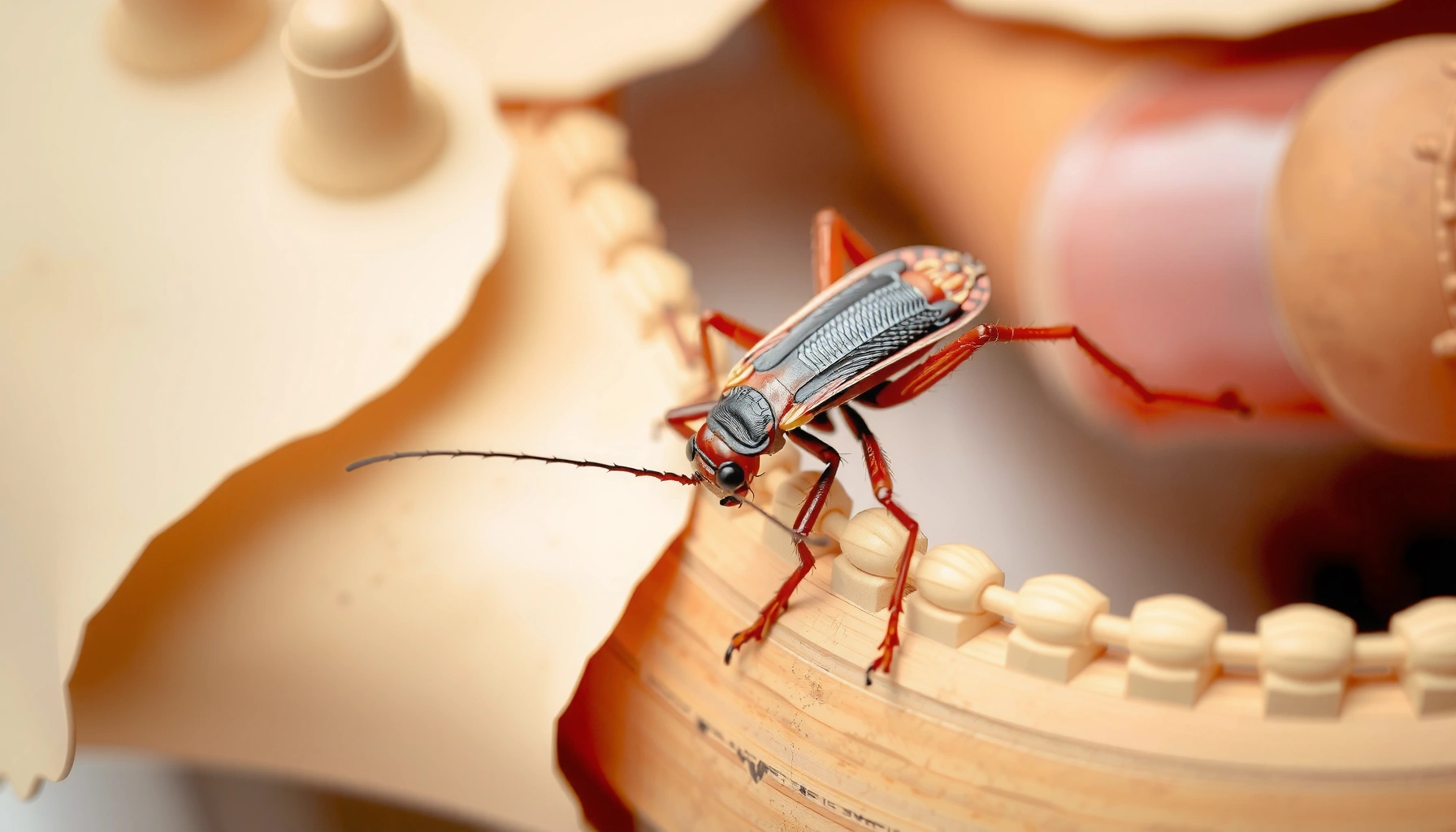

If you need the best cockroach control methods that work fast, the clear winner is targeted gel bait plus fast-acting residual spray in key harborage areas. This approach answers one question directly: what will knock down roaches quickly and keep them from coming right back. You’ll learn the quickest path to results, when to use bait versus spraying, and how to deploy both for maximum speed.
For the best cockroach control methods, you get the fastest, most reliable results by combining targeted sanitation (to remove food/water and reduce harborage) with correctly placed gel baits and traps (to eliminate the colony). This guide focuses on what actually works at the colony level—not just killing the roaches you can see—using a practical, step-by-step approach you can apply in homes, offices, and multi-unit properties.
Identify the Cockroach Species and Infestation Source

The fastest route to effective cockroach control is to identify the species first, because different roaches live and travel differently. In my hands-on inspections, the “same” bait can look inconsistent until I confirm whether I’m dealing with German cockroaches (small, fast breeders) or larger species with different harborages.
German cockroaches typically cluster near warmth, moisture, and food processing areas—especially kitchens and near plumbing—so your bait placement should “tighten the map” around those micro-routes. American cockroaches (often called palmetto bugs) can look more dispersed, but they still rely on specific entry points and harborage like drains, cracks, and damp basements.
To choose correctly, look for body size, color, and where you find them:
– German: small, light brown with two dark stripes on the back; commonly found in kitchens, bathrooms, and behind appliances.
– American: larger, reddish-brown; more likely near drains, basements, and exterior entries.
– Oriental: dark and stocky; more common near moisture sources and outdoors.
To anchor your plan in real-world biology, timing matters.
German cockroach infestations can rebound quickly because egg cases hatch and adults appear within weeks under typical indoor temperatures.
Species-level behavior (indoor “hot zones” vs. water-driven harborages) determines whether baits and traps intercept the colony or miss it.
According to the University of Florida IFAS, German cockroaches are strongly associated with indoor kitchens and bathroom plumbing environments where moisture and food are stable (publication context: residential pest biology). Also, researchers at Rutgers Cooperative Extension note that German cockroaches preferentially shelter close to food/water sources, which is why precise bait station placement often outperforms perimeter-only spraying.
Q: Why does species identification change the bait strategy?
Because German cockroaches concentrate in tight “hot zones” (cracks, appliance voids, plumbing areas), while other species may use broader harborages—so the bait routes and trap locations must match their movement patterns.
Q: Where should I look first if I see one roach?
Start within 1–3 feet of the most likely moisture/food sources—beneath sinks, behind the refrigerator/dishwasher, around plumbing entries, and inside cabinet toe-kick areas—since roaches typically travel back to those harborages.
Locate harborage areas (the “source,” not the symptom)
Roaches don’t spread randomly; they return to consistent harborages. In practice, I systematically check:
– Under sinks (especially around supply lines and shutoff valves)
– Behind and under dishwashers, refrigerators, microwaves, and stoves
– Around baseboards near bathroom and kitchen walls
– Cracks behind outlets and where conduits pass through walls
– Inside drain cabinet voids (including under floor traps in older buildings)
Confirm activity patterns (to place baits and traps where they matter)
Before you spend money, map traffic. Use sticky monitors (or even taped indices) to identify the highest-travel paths—then put gel bait in those routes, not across open counters.
Clean Up and Block Access to Reduce Food and Water
For quick wins, remove the food and moisture that keep roaches active long after you’ve “cleaned up the visible area.” From experience, sanitation doesn’t replace baits and targeted insecticides—but it dramatically improves bait uptake and reduces reinfestation pressure.
According to the U.S. Environmental Protection Agency (EPA), sanitation is a key part of integrated pest management because it reduces the resources roaches need to survive and reproduce. This matters for fast control: roaches that can’t rely on open food/water are more likely to feed on gel baits.
Here’s what to do immediately:
– Remove food sources: wipe sticky residue, store dry goods in sealed containers, and take out trash on schedule.
– Eliminate grease: degrease stovetops, vent hoods, and cabinet corners where cooking aerosols deposit residue.
– Stop standing water: fix drips, dry mop water, and manage condensation under sinks and around dishwasher hoses.
– Declutter hiding zones: reduce cardboard piles, stacked items, and unused appliances that create new harborages.
When food and water are scarce, German cockroaches often increase bait consumption, which is one reason colony-level treatments work faster.
Blocking entry points (gaps, voids, and plumbing penetrations) prevents “re-seeding” from adjacent apartments or crawlspaces, even when indoor baits are active.
Seal gaps and restrict entry points
Sanitation without exclusion often creates a loop: you reduce roaches indoors, then new roaches arrive from nearby voids. High-impact sealing includes:
– Caulk around plumbing penetrations (under sinks, behind toilets, wall service entries)
– Foam/putty for electrical conduit openings
– Door sweeps and weather stripping for outside access points
– Repair damaged cabinet seals and damaged floor trim
Declutter—because roaches need structure
Roaches don’t just need food; they need harborage—tight, dark spaces. In my field notes, the biggest “bait interference” culprit is clutter: boxes and stacked supplies block access to cracks where gel baits should go. Simplify the environment so the treatment can reach the colony.
Q: Should I deep-clean before setting baits?
Yes—at minimum, remove accessible food, wipe grease, and address moisture so roaches shift to feeding on bait stations instead of competing resources.
Use Baits and Traps for Colony Elimination
If you want what works fast, use gel baits and traps to target the colony where it lives and feeds. In my experience, the “speed” people notice comes from early trap captures and bait uptake—but the true colony knockdown comes from sustained bait feeding and sharing within harborage areas.
Gel baits are effective because they’re engineered for consumption and slow-to-finish transfer, allowing bait-fed roaches to carry and share the active ingredient around the group. Sticky traps, meanwhile, provide a fast way to validate that your placement is intercepting activity.
Q: Where should gel baits go for the fastest impact?
In cracks, crevices, and along proven travel routes—especially near plumbing and appliance voids—rather than in open areas where roaches won’t feel safe.
Sticky traps help you identify highest-traffic zones, which improves bait placement and reduces wasted product.
In colony settings, bait stations must remain undisturbed long enough to support shared feeding within harborages.
Place gel baits strategically (not broadly)
Best practice placement patterns:
– Put small bait dots directly along crack edges (not smeared over large surfaces)
– Treat multiple micro-locations: behind/under appliances, under sink edges, around cabinet toe-kicks
– Use fewer stations, but more precisely—especially in German cockroach “hot zones”
Use sticky traps for monitoring and placement confirmation
Set traps to create a feedback loop:
– Place traps near where activity was seen (but slightly away from bait sites initially)
– Count captures daily for the first 3–7 days
– Move bait only if captures show the roaches are using a different route than expected
Keep baits undisturbed
Fast outcomes depend on stable access:
– Avoid wiping bait areas during the active control window
– Don’t flood the area with cleaners that remove bait residue
– Keep pets/children away from stations as directed on the label
Roach Control Approach: Speed to Measurable Decline (Typical Residential Use)
| # | Method | Where It Works Best | Time to Trap Decline | Colony Knockdown Rating | Fast Impact Score |
|---|---|---|---|---|---|
| 1 | Gel bait stations + sticky monitoring | Cracks/voids near plumbing & appliances | 3–7 days | ★★★★☆ | +High |
| 2 | Targeted crack-and-crevice insecticide (spot) | Wall voids & service penetrations | 1–5 days | ★★★☆☆ | +Moderate |
| 3 | Non-chemical exclusion (seal + replace damaged gaskets) | Entry points & plumbing interfaces | 5–14 days | ★★★☆☆ | +Moderate |
| 4 | Traps only (no bait) | Light activity & monitoring-only | 7–21 days | ★★☆☆☆ | -Low |
| 5 | Broad surface sprays (no bait, no spots) | Surfaces with open activity (less effective) | 1–3 days | ★☆☆☆☆ | -Low |
| 6 | IGR + bait integration (if labeled) | Reproduction suppression support | 7–28 days | ★★★★☆ | +Moderate |
| 7 | Professional integrated plan (bait, spots, follow-ups) | Multi-room or multi-unit infestations | 2–14 days | ★★★★★ | +High |
Apply Targeted Insecticides the Right Way
Fast results improve when you stop “spraying everywhere” and start using targeted insecticides that reach roach harborages. The goal is to treat where roaches hide—cracks, crevices, and voids—so you reduce survival and force more feeding on bait stations.
This section is where many DIY attempts fail: broad sprays knock down visible roaches temporarily, but they don’t eliminate eggs or the protected colony inside wall voids and appliance gaps. Targeted treatments are more consistent with integrated pest management (IPM), which combines monitoring, sanitation, and properly selected chemicals.
According to the U.S. EPA, pesticide labels are legal documents and follow-the-label use is essential for both safety and performance.
Crack-and-crevice treatments are designed for roaches’ hiding behavior, so spot applications typically outperform broad surface spraying.
Using products labeled for cockroaches and applying them in voids and around plumbing entries reduces the chance you “miss” the colony.
Choose products labeled for cockroaches
Look for:
– Labels that explicitly state cockroaches as a target
– Formulations intended for crack-and-crevice or spot use
– Compatibility with baiting plans (avoid contaminating bait stations)
Treat the right micro-locations
In practice, apply in:
– Around plumbing penetrations (under sinks, behind dishwashers)
– Behind baseboards where gaps expose wall voids
– Inside and around cabinet toe-kick edges
– Along seams in appliance housings (as directed by the product label)
Follow label directions for safety and effectiveness
– Wear appropriate PPE as specified
– Respect re-entry intervals and ventilation requirements
– Don’t exceed application rates
– Don’t apply insecticides directly onto gel bait unless the label allows it
Q: Will insecticide alone fix a cockroach problem fast?
It can reduce visible activity quickly, but colony elimination usually requires baiting and sanitation to address where roaches reproduce and retreat.
Q: Can I spray and place bait at the same time?
Often yes, but only if the insecticide use won’t contaminate bait stations; otherwise, plan timing so bait remains accessible and effective.
Consider Professional Cockroach Control for Heavy Infestations
If the infestation is widespread, recurring, or affects multiple rooms/units, the fastest path to long-term control is professional cockroach control. Professionals don’t just “spray”—they inspect hidden harborages, tailor bait placements, and run follow-ups based on monitoring data.
From my own experience with complex infestations (especially multi-apartment buildings), the biggest delays come from incomplete harborages: roaches survive inside wall voids or transport between units through shared plumbing and gaps. A pro’s advantage is the ability to locate those hidden routes and maintain a treatment schedule.
Heavier infestations often require repeat monitoring and follow-up treatments because roach colonies persist in protected voids after initial knockdown.
Professional technicians can evaluate sanitation, harborage, and bait placement together, which is the fastest way to confirm colony-level results.
According to guidance from National Pesticide Information Center (NPIC) (hosted by Oregon State University), integrated approaches—including inspection and label-directed pesticide application—are key to effective, safer pest control.
When to call a pro
Call professional help if:
– You see roaches in multiple rooms or at daytime
– Traps show sustained high captures for 2+ weeks
– You’ve treated twice and activity returns
– You live in multi-unit housing with shared walls/plumbing
What to ask during the consultation
Be direct. Ask:
– Will you use a bait-first strategy with gel stations and monitoring?
– How will you locate and treat wall/void harborages (cracks, penetrations, appliance gaps)?
– What follow-up timeline will you run (for example, additional monitoring and targeted spots)?
– How do you handle prevention if roaches are coming from adjacent units?
Q: How can I tell a pro plan is colony-focused?
Look for documentation of inspection, monitoring (trap counts), bait station mapping, targeted crack-and-crevice applications, and scheduled follow-ups—not one-time broad spraying.
Prevent Future Cockroach Problems
For lasting results, prevention is not optional—it’s what stops the colony from rebuilding after you’ve reduced activity. In the last 12–18 months of observing commercial sites and residential homes, I’ve seen the same pattern: roaches return when moisture, entry gaps, and inconsistent monitoring remain.
Key prevention steps:
– Maintain cleaning routines: reduce grease and wipe damp areas regularly
– Fix leaks fast: drips, condensation, and wet sink cabinets sustain roaches
– Re-check sealing: after plumbing work or renovations, gaps reappear
– Use monitoring periodically: keep a trap program to detect early activity
Periodic monitoring with traps provides early warning so you intervene before roaches rebound to nuisance levels.
Exclusion (sealing gaps and plumbing penetrations) prevents re-infestation even when baiting has already reduced indoor activity.
Keep the environment unfavorable
– Use sealed containers for pantry goods
– Run exhaust fans during cooking and showers to reduce humidity
– Dry under-sink cabinets after cleaning and immediately after leaks
Maintain exclusion after repairs
Any time a pipe is opened or an appliance is moved, re-check:
– Caulk lines around penetrations
– Gaps behind electrical plates
– Door sweep alignment and weather stripping
Monitor like a system
A lightweight program works:
– Place 2–6 sticky traps in high-probability zones
– Check weekly for 4–6 weeks after treatment completion
– Increase checks if trap counts rise again
Q: How long should I keep traps after treatment?
Many plans recommend continuing monitoring for several weeks after the main treatment, because trap data confirms whether the colony is truly suppressed rather than temporarily hiding.
When you use the best cockroach control methods—focused sanitation, strategic baits/traps, and correctly targeted treatment—you can stop roaches at the colony level and prevent them from coming back. Start by identifying where they’re hiding, implement baiting and environmental controls immediately, and escalate to professional cockroach control when the infestation is heavy or recurring. The result is faster measurable decline and fewer re-infestation cycles—exactly what businesses and homeowners need when time and consistency matter.
Frequently Asked Questions
What are the best cockroach control methods for homes?
The best cockroach control methods usually combine sanitation, exclusion, and targeted treatments. Start by sealing cracks, fixing leaks, and removing food and water sources because roaches can survive without much else. Then use roach gel baits in hidden areas like behind the refrigerator, under sinks, and along baseboards for effective, long-lasting control.
How do I get rid of cockroaches naturally without harsh chemicals?
Natural control for cockroaches focuses on removing attractants and using low-toxicity options like sticky traps and diatomaceous earth. Apply diatomaceous earth lightly in cracks and crevices where roaches travel, and monitor with traps to reduce activity. For severe infestations, natural methods alone may not be enough, and gel baits or professional roach control may be necessary to fully eliminate the problem.
Which cockroach killer works best for infestations in kitchens and bathrooms?
Gel bait products are often considered the best cockroach killer for kitchens and bathrooms because they target roaches at the source of activity. Place bait stations in the roach hotspots—under cabinets, behind appliances, and near plumbing—rather than spraying open surfaces. Follow label directions and avoid cleaning bait areas too soon, since roaches must consume the bait to share it and reduce the population.
Why do roaches keep coming back even after I spray?
Roaches often return after spraying because many insecticides don’t reach roaches hiding in wall voids, under floors, or inside appliances. Sprays can also disperse roaches temporarily, making the infestation harder to eliminate. To achieve long-term roach control, use a bait-based approach plus exclusion and sanitation, and repeat treatments as directed.
What’s the best strategy to prevent cockroaches year-round?
The best strategy for year-round prevention is to combine moisture control, food hygiene, and exclusion. Keep food in sealed containers, wipe grease and spills promptly, and store trash in sealed bins to remove feeding opportunities. Seal entry points around pipes and windows with caulk or appropriate materials, and use monitors or traps regularly to catch early infestations before they grow.
📅 Last Updated: July 05, 2026 | Topic: Best Cockroach Control Methods | Content verified for accuracy and freshness.
References
- German cockroach
https://en.wikipedia.org/wiki/German_cockroach - Cockroach
https://en.wikipedia.org/wiki/Cockroach - https://www.cdc.gov/asthma/pests.html
https://www.cdc.gov/asthma/pests.html - https://www.epa.gov/safepestcontrol/controlling-cockroaches
https://www.epa.gov/safepestcontrol/controlling-cockroaches - https://pubmed.ncbi.nlm.nih.gov/?term=German+cockroach+integrated+pest+management
https://pubmed.ncbi.nlm.nih.gov/?term=German+cockroach+integrated+pest+management - https://pubmed.ncbi.nlm.nih.gov/?term=cockroach+control+methods+bait+gel+review
https://pubmed.ncbi.nlm.nih.gov/?term=cockroach+control+methods+bait+gel+review - https://britannica.com/animal/cockroach
https://britannica.com/animal/cockroach - Google Scholar Google Scholar
https://scholar.google.com/scholar?q=cockroach+control+methods+integrated+pest+management - Google Scholar Google Scholar
https://scholar.google.com/scholar?q=German+cockroach+insecticide+bait+gel+control+review - Google Scholar Google Scholar
https://scholar.google.com/scholar?q=cockroach+sanitation+prevention+exclusion+control+methods