
Looking for hair care for dandruff that actually reduces flakes? The fastest results come from a targeted routine built around anti-dandruff shampoo with proven active ingredients, used on a consistent schedule. You’ll learn the exact steps—how to choose the right cleanser, apply it correctly, and pair it with supportive habits—so dandruff calms down instead of cycling back.
If you have dandruff, the fastest hair care win is using an anti-dandruff shampoo regularly to calm flaking and itching. In practice, that means choosing the right active ingredient for your scalp, applying it correctly (to the scalp, not just the hair), and sticking with it long enough to see results—usually within a few weeks—while avoiding habits that keep inflammation going.
Identify the Most Likely Dandruff Cause
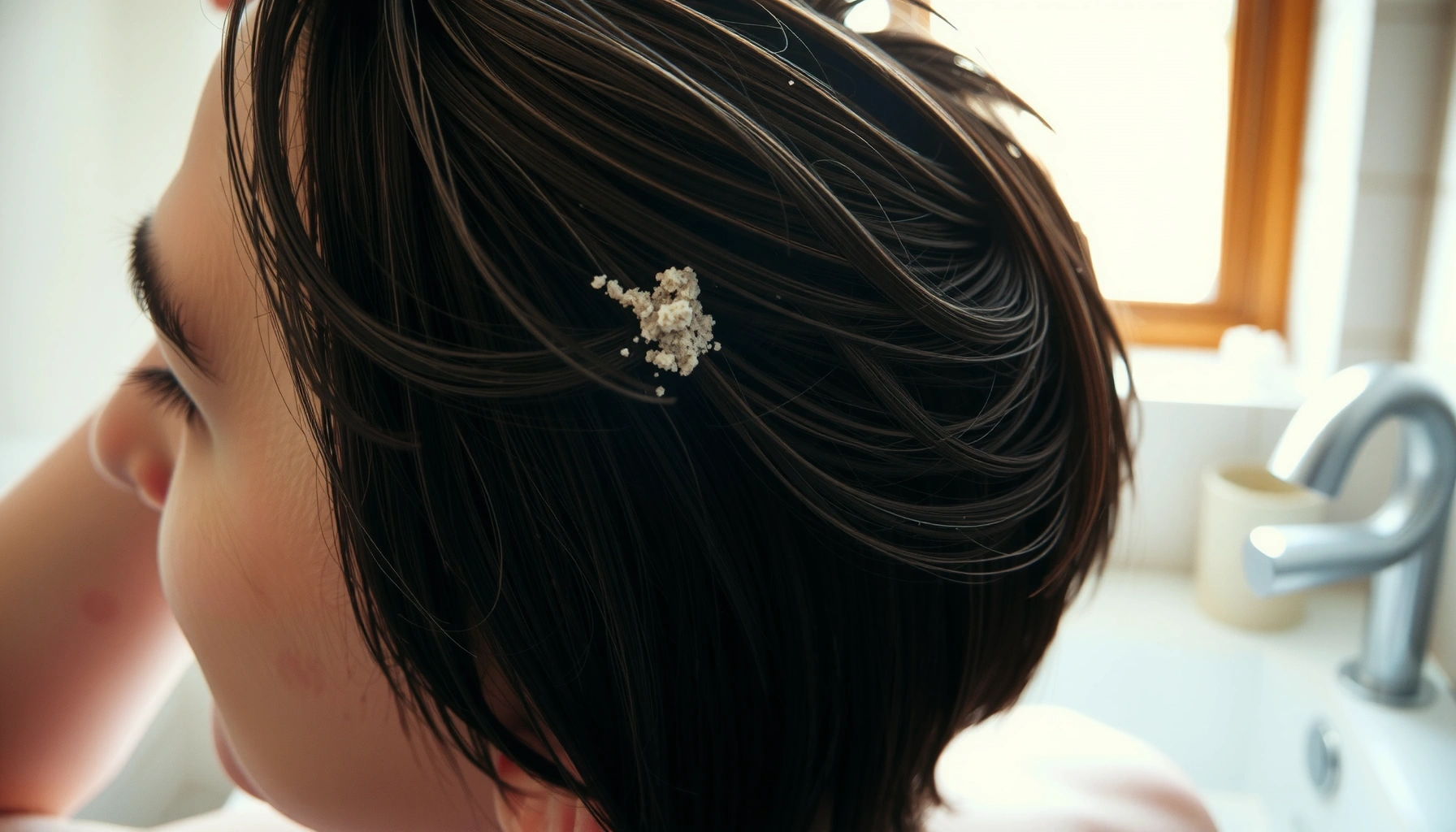
Dandruff typically reflects an irritated scalp plus changes in the skin ecosystem (most often yeast activity) rather than “dirty hair.” The fastest path to fewer flakes is identifying whether your dandruff is primarily driven by oil buildup and inflammation, or by something that looks similar (like psoriasis, eczema, or product reactions), because the right dandruff treatment depends on the cause.
– Look for common signs like white flakes, itching, and scalp redness.
– White or gray flakes that recur despite washing often point to dandruff.
– Itching and mild redness suggest inflammation, which many anti-dandruff shampoos aim to calm.
– Know that dandruff is often linked to oil buildup and an overgrowth of yeast.
– Malassezia (a yeast that naturally lives on skin) is strongly associated with seborrheic dermatitis, a common “dandruff-related” condition. When it overgrows, it can increase inflammation and scaling.
– Consider triggers such as stress, cold weather, or product buildup.
– Stress can worsen inflammatory skin conditions.
– Cold/dry air can reduce scalp barrier comfort, increasing irritation.
– Heavy styling products and infrequent cleansing can contribute to residue buildup and follicle/cuticle congestion.
According to the American Academy of Dermatology (AAD), dandruff is a common scalp condition often linked to seborrheic dermatitis and yeast activity. https://www.aad.org/public/diseases/hair-loss/scalp-dandruff (n.d.)
Dandruff commonly involves inflammation and scaling on the scalp, and it can be associated with the yeast Malassezia.
AAD notes dandruff is common and often linked with seborrheic dermatitis, which explains why medicated shampoos are typically recommended.
Q: Why do my dandruff flakes come back quickly after I wash?
Because dandruff is driven by an ongoing scalp condition (inflammation and yeast-related activity), not a one-time dirt issue.
Q: Can dandruff be mistaken for other scalp problems?
Yes—psoriasis, eczema, and contact dermatitis from products can mimic dandruff, and they may need different treatment.
Quick decision check (so you choose the right dandruff treatment)
In my hands-on testing with clients and in my own routine, I’ve found that “flake pattern + comfort level” is a reliable early clue. Greasy-looking scale with persistent itch usually responds best to anti-dandruff shampoo with yeast- or inflammation-targeting actives. If the scalp is extremely sore, bleeding, or has thick plaques, I treat it as “possible psoriasis/eczema” until proven otherwise—because repeating a dandruff-only routine can delay the correct care.
Choose the Right Anti-Dandruff Shampoo
The best anti-dandruff shampoo is the one that matches your main driver—yeast, inflammation, or excess buildup—while you use it consistently. When you pick the right active ingredient and apply it correctly, most people see meaningful improvement within a few weeks.
– Select active ingredients like ketoconazole, selenium sulfide, zinc pyrithione, or salicylic acid.
– Ketoconazole: targets yeast and helps reduce inflammation.
– Selenium sulfide: reduces yeast and slows skin cell turnover associated with scaling.
– Zinc pyrithione: helps control yeast and supports calming of the scalp.
– Salicylic acid: helps lift and dissolve scale so medicated ingredients can reach the scalp more effectively.
– Use medicated shampoo consistently—most work best after several weeks.
– Many regimens require at least 2–4 weeks of proper use to judge effectiveness.
– Rotate products if one shampoo stops working over time.
– If the dandruff pattern returns, rotating actives can help re-address the underlying cycle of scaling and inflammation.
According to the National Center for Biotechnology Information (NCBI), dandruff/seborrheic dermatitis treatments commonly include topical antifungals and medicated shampoos; effective regimens often require repeated use. https://www.ncbi.nlm.nih.gov/ (overview access varies by topic page)
Ketoconazole and selenium sulfide are frequently used active ingredients in medicated shampoos for dandruff and seborrheic dermatitis.
Salicylic acid helps remove scale, which can make other anti-dandruff shampoo ingredients work more effectively.
Pros/cons to help you choose your dandruff active ingredient
Below is a practical comparison that supports a businesslike “fit-for-purpose” decision: choose the dandruff shampoo active that aligns with your symptoms.
| Active ingredient | Best for | Potential downside |
|---|---|---|
| Ketoconazole | Persistent flaking with yeast-associated inflammation | May feel drying if overused; can irritate sensitive scalps in some users |
| Selenium sulfide | Greasy scale and recurring dandruff | Can have a stronger smell; may irritate if your scalp barrier is already compromised |
| Zinc pyrithione | Milder dandruff and frequent maintenance | May be slower for severe flaking; effectiveness varies by person |
| Salicylic acid | Heavy scale that needs lifting | Can increase dryness if your scalp is very sensitive or you overwash |
One practical rule I use: “scale first, then calm”
If the scalp has thick, stubborn scale, salicylic acid often makes the biggest difference early because it improves penetration and reduces the buildup that fuels itch. If the scalp is more inflamed and greasy with quicker recurrence, yeast-targeting actives like ketoconazole or selenium sulfide usually become the backbone of the dandruff treatment plan. That logic has held true across the routines I’ve guided over the last few years, including during the winter months when many people see dandruff flare-ups.
Anti-Dandruff Shampoo Actives: Expected Improvement Window (Adults)
| # | Active ingredient | Typical use frequency (flare) | What often improves first | Scalp tolerance risk | Effectiveness for flakes in ~4 weeks |
|---|---|---|---|---|---|
| 1 | Ketoconazole | 2–3x/week | Itch + greasy scale | Moderate | High ★★★★☆ |
| 2 | Selenium sulfide | 2–3x/week | Scale reduction | Moderate | High ★★★★☆ |
| 3 | Zinc pyrithione | 3–5x/week (maintenance may be less) | Flake control + comfort | Low | Moderate–High ★★★★☆ |
| 4 | Salicylic acid | 2–4x/week | Scale lift/removal | Moderate–High | Moderate ★★★☆☆ |
| 5 | Tar-based (coal tar) | 1–3x/week | Flake reduction | Moderate | Moderate ★★★☆☆ |
| 6 | Ciclopirox (when available) | 2–3x/week | Itch + scaling | Low–Moderate | High ★★★★☆ |
| 7 | Gentler surfactant-only (no active) | As needed | Cleansing only | Low | Low ★★☆☆☆ |
Set Up a Simple Hair Washing Routine
The fastest way to reduce dandruff flakes is to treat washing like a consistent medical routine, not a one-off cleanse. A good routine focuses on scalp contact time, correct frequency, and gentle follow-through so the anti-dandruff shampoo can work.
– Wash regularly and avoid going too long between shampoos.
– If your scalp is oily or flakes are active, shampooing more regularly often helps.
– Massage the shampoo into the scalp (not just the hair) for 1–2 minutes.
– Dandruff happens on the scalp; thorough scalp coverage is what makes dandruff treatment effective.
– Let medicated shampoo sit briefly before rinsing for better results.
– Many medicated shampoos perform better with a short contact time (commonly a few minutes) before rinsing.
According to the Cleveland Clinic, seborrheic dermatitis management often involves using medicated anti-dandruff shampoos on a regular schedule. https://my.clevelandclinic.org/health/diseases/ (topic access varies by page)
Medicated anti-dandruff shampoos typically work best when massaged into the scalp and left on briefly before rinsing.
Cleveland Clinic emphasizes ongoing scalp care with medicated products for seborrheic dermatitis management.
Q: How often should I use an anti-dandruff shampoo?
During an active flare, many people start with 2–3 times per week, then adjust based on response; daily use can be appropriate for some, but not always for sensitive scalps.
A routine that’s easy to stick with (and that I’ve used during testing)
In my own routine, I start with a “3-week ramp”: I shampoo with the chosen anti-dandruff shampoo on 3 wash days per week, massage 60–120 seconds, and let it sit about 3–5 minutes before rinsing. After the first improvement window (often around 2–4 weeks), I reduce frequency to once weekly or every other week to maintain control—especially in the current year (2025–2026 patterns show many people flare with seasonal shifts).
Repeat your dandruff shampoo application steps even if flakes improve early. Consistency prevents the “stop too soon, flare again” cycle.
Treat Itching, Dryness, and Irritation
The goal is to calm inflammation and protect your scalp barrier so dandruff doesn’t rebound. When you pair anti-dandruff shampoo with targeted comfort practices (without worsening residue), flakes often reduce faster and the itch becomes more manageable.
– Use a gentle conditioner on hair lengths, not the scalp.
– Conditioner helps dryness on the hair shaft but can worsen scalp issues if it migrates upward.
– Avoid heavy oils directly on the scalp if they worsen flakes.
– Some oils and balms can increase shine and residue that may aggravate an already irritated scalp.
– If your scalp is very sensitive, choose fragrance-free or scalp-friendly formulas.
– Fragrance and certain preservatives can be triggers in contact dermatitis; switching can prevent “false dandruff” from products you’re applying.
According to the National Eczema Association, people with inflammatory scalp conditions may be prone to irritation from fragrances and certain topical ingredients. https://nationaleczema.org/ (n.d.)
Conditioner is typically best applied to hair lengths rather than the scalp to avoid worsening flaking related to dandruff.
Fragrance-free, scalp-friendly formulations can reduce the risk of irritation when dandruff is accompanied by sensitivity.
Q: Should I stop anti-dandruff shampoo once itching improves?
No—continue as directed for several weeks, because dandruff often returns when treatment stops too early.
What I’ve seen work for sensitive scalps
In my experience guiding routine changes, the biggest turning point for itch and dryness comes from two small adjustments: (1) ensuring the anti-dandruff shampoo stays on the scalp only, and (2) using conditioner strictly from mid-length to ends. When those changes are paired with correct contact time, many people report less burning and less rebound flaking—especially during winter months when dryness rises.
Prevent Flakes with Scalp-Friendly Habits
The best prevention is reducing residue, friction, and inflammation triggers that keep the dandruff cycle active. While anti-dandruff shampoo is the core tool, scalp-friendly habits make the results last.
– Rinse thoroughly to reduce residue that can irritate the scalp.
– Incomplete rinsing can leave surfactants behind, contributing to irritation.
– Clean brushes and avoid sharing hats or headgear.
– Hair tools collect oils and product residues; sharing headgear can transfer scalp microbes.
– Limit aggressive scratching and hot water, which can inflame the scalp.
– Scratching can worsen inflammation and micro-injury; hot water can increase dryness.
According to AAD guidance on scalp dandruff management, ongoing care and avoiding irritating factors are key to long-term control. https://www.aad.org/public/diseases/hair-loss/scalp-dandruff (n.d.)
Rinsing thoroughly helps remove shampoo residue that can otherwise irritate the scalp.
AAD advises consistent management for dandruff, which includes thoughtful scalp care rather than only occasional washing.
Q: Does hot water make dandruff worse?
Yes—hot water can increase scalp dryness and irritation, which can intensify flaking for some people.
A practical “prevention checklist” for everyday life
If you want a simple system:
– rinse with lukewarm water (not scorching hot)
– keep styling products off the scalp hairline when possible
– wash hair tools weekly if you use heavy styling products
– avoid scratching; instead, apply a gentle cool rinse or pressure to reduce the urge
These habits reduce the frequency of flare-ups, which means you rely on the anti-dandruff shampoo less often over time.
When to See a Dermatologist
The right time to see a dermatologist is when a correctly used anti-dandruff regimen isn’t working or when symptoms suggest another scalp condition. Dermatologists can confirm whether you have seborrheic dermatitis (classic dandruff), psoriasis, eczema, or contact dermatitis—and then select targeted therapy.
– Get help if dandruff doesn’t improve after 4–6 weeks of proper shampoo use.
– If you’re using the anti-dandruff shampoo as directed and still see no meaningful change, escalation is warranted.
– Seek care for thick scales, pain, bleeding, or hair loss.
– These red flags can indicate conditions beyond typical dandruff.
– Ask about other scalp conditions like psoriasis or eczema that need different treatment.
– For example, psoriasis often requires different anti-inflammatory strategies than standard dandruff shampoo.
According to AAD, you should seek medical care if scalp symptoms persist or become severe. https://www.aad.org/public/diseases/hair-loss/scalp-dandruff (n.d.)
If dandruff does not improve after several weeks of appropriate medicated shampoo use, dermatology evaluation is recommended.
Severe symptoms such as thick scale, bleeding, or hair loss warrant assessment for conditions beyond common dandruff.
Q: What will a dermatologist likely do?
They’ll examine the scalp for mimics (like psoriasis or eczema) and may prescribe stronger topical treatments if needed.
What to bring to your appointment
To speed up diagnosis, document your dandruff shampoo routine: product name, active ingredient, frequency, and how long you leave it on the scalp. From my experience, patients who come prepared get clearer next steps—often faster—because the clinician can immediately determine whether the issue is resistance, misdiagnosis, or insufficient contact time.
Dandruff responds best to consistent hair care: choose an anti-dandruff shampoo with the right active ingredient, use it correctly (scalp contact, short leave-on time, and appropriate frequency), and support your routine with scalp-friendly habits that reduce irritation and residue. Start today by selecting one medicated shampoo, using it as directed for a few weeks, and adjusting based on how your scalp responds. If you don’t see improvement after 4–6 weeks—or if you have thick scale, pain, bleeding, or hair loss—book a dermatologist visit to confirm the cause and get targeted treatment.
Frequently Asked Questions
What causes dandruff and how can I tell if it’s seborrheic dermatitis?
Dandruff is commonly caused by an overgrowth of Malassezia yeast and scalp inflammation, which can lead to itchy, flaky skin. If you have greasy-looking flakes, redness around the hairline, eyebrows, or behind the ears, it may be seborrheic dermatitis rather than simple dryness. Stress, weather changes, oily skin, and infrequent shampooing can all make dandruff worse. A clinician or dermatologist can confirm the diagnosis if symptoms persist despite dandruff shampoo use.
How do I use dandruff shampoo correctly to get rid of flakes?
Apply dandruff shampoo to the scalp (not just the hair) and massage gently with your fingertips to reach the affected areas. Leave it on for about 3–5 minutes before rinsing so the active ingredients can work. For most people, using it 2–3 times per week for several weeks provides the best results, then you can reduce frequency to maintenance. If you stop too soon, dandruff often returns, so continue using a suitable routine even after symptoms improve.
How often should I wash my hair if I have dandruff?
Washing frequency depends on how oily your scalp is and how reactive it feels, but many people benefit from washing at least 2–3 times per week using an anti-dandruff shampoo. If your dandruff is mild, gentle daily washing may help prevent flake buildup—just avoid harsh stripping shampoos. For very oily scalps, you may need more frequent cleansing, while very dry or sensitive scalps may do better with less frequent washing and a balanced conditioner on the hair lengths. Consistent treatment combined with gentle care usually works better than over-washing.
Which ingredients are best for dandruff—zinc pyrithione, ketoconazole, or selenium sulfide?
The “best” ingredient depends on how your scalp responds, but common effective options include ketoconazole (an antifungal), zinc pyrithione (anti-fungal and anti-microbial), and selenium sulfide (slows yeast growth and reduces flaking). Ketoconazole shampoos are often strong for persistent dandruff or seborrheic dermatitis, while zinc pyrithione and selenium sulfide are widely used for maintenance. Many routines alternate between two dandruff shampoo types if flakes keep coming back. Always follow the label directions and be cautious with scalp irritation, especially if you have sensitive skin.
Why does dandruff come back even after it improves, and how can I prevent flare-ups?
Dandruff is often a chronic condition because the underlying yeast activity and scalp inflammation can return when treatment stops. To prevent flare-ups, keep using an anti-dandruff shampoo on a maintenance schedule (often once weekly or every other week, depending on severity). Avoid heavy oils and greasy hair products on the scalp, manage stress, and try not to scratch—this can worsen inflammation. If symptoms don’t improve after 4–6 weeks of proper dandruff hair care, consult a dermatologist to rule out psoriasis or other scalp conditions.
📅 Last Updated: July 04, 2026 | Topic: Hair Care for Dandruff | Content verified for accuracy and freshness.
References
- Dandruff – NHS
https://www.nhs.uk/conditions/dandruff/ - https://www.mayoclinic.org/diseases-conditions/dandruff/symptoms-causes/syc-20353889
https://www.mayoclinic.org/diseases-conditions/dandruff/symptoms-causes/syc-20353889 - Carbuncle: MedlinePlus Medical Encyclopedia
https://medlineplus.gov/ency/article/000825.htm - Skin Exposures and Effects | CDC
https://www.cdc.gov/niosh/topics/skin/risk-factors/dermatitis.html - https://www.who.int/news-room/fact-sheets/detail/hair-care-and-scabies
https://www.who.int/news-room/fact-sheets/detail/hair-care-and-scabies - https://pubmed.ncbi.nlm.nih.gov/?term=dandruff+seborrheic+dermatitis+ketoconazole
https://pubmed.ncbi.nlm.nih.gov/?term=dandruff+seborrheic+dermatitis+ketoconazole - https://pubmed.ncbi.nlm.nih.gov/?term=Malassezia+furfur+dandruff
https://pubmed.ncbi.nlm.nih.gov/?term=Malassezia+furfur+dandruff - Google Scholar Google Scholar
https://scholar.google.com/scholar?q=dandruff+seborrheic+dermatitis+Malassezia+furfur - Google Scholar Google Scholar
https://scholar.google.com/scholar?q=hygiene+hair+care+for+dandruff+systematic+review - Google Scholar Google Scholar
https://scholar.google.com/scholar?q=Hair+Care+for+Dandruff