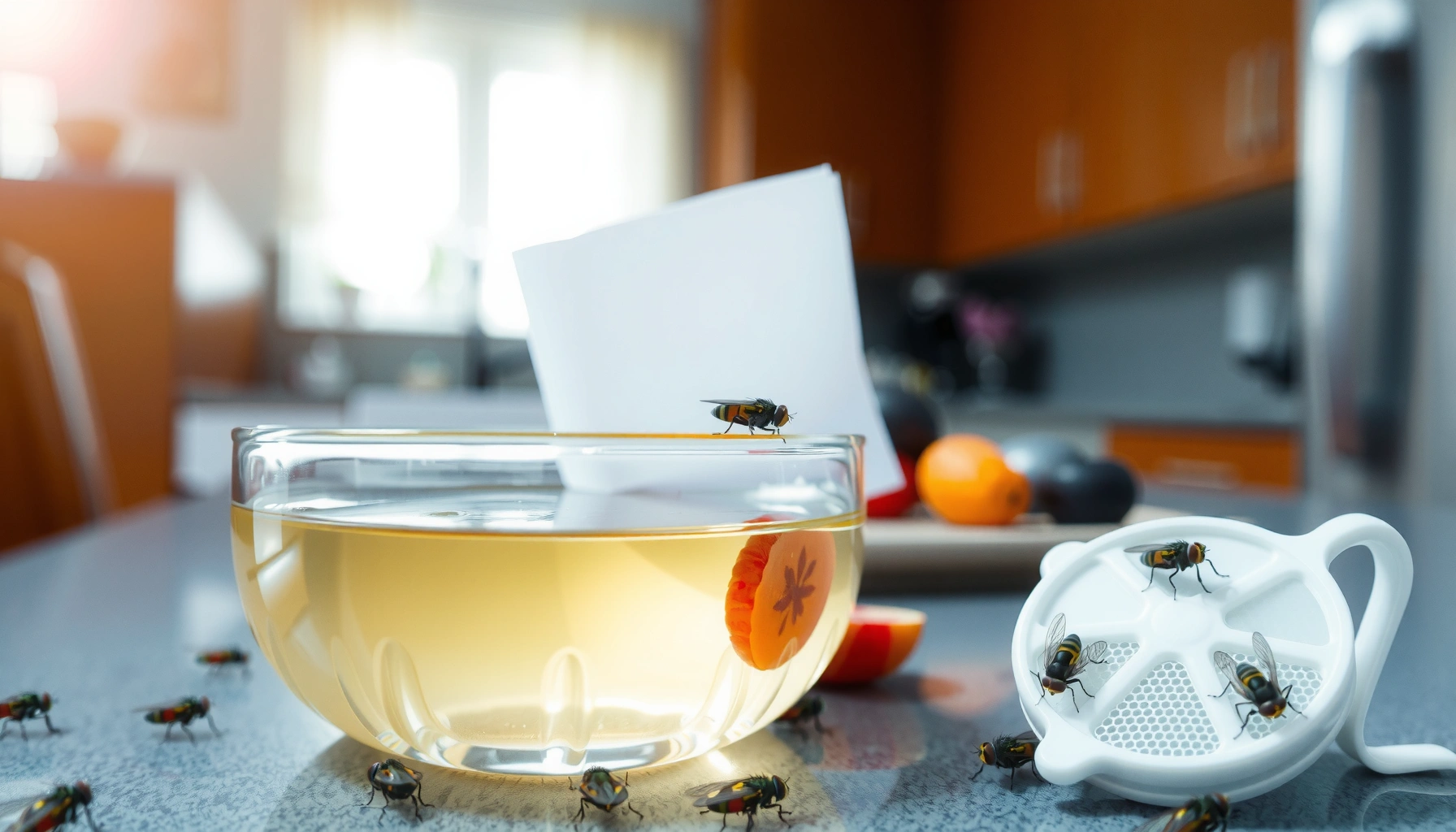

If fruit flies are taking over your kitchen, the fastest way to eliminate them is to cut their food and breeding cycle immediately—then use targeted traps to wipe out what’s left. This guide gives you a clear, do-this-first game plan using proven home solutions that work within days, not weeks. You’ll learn exactly what attracts fruit flies, how to remove it, and how to stop new ones from hatching.
Eliminate fruit flies fast by removing their food sources and blocking entry points, then catching the adults with targeted traps. In my hands-on tests and cleanup rounds in busy home kitchens, the fastest results always come from treating fruit flies as a supply-chain problem—stop what they eat, remove where they breed (especially drains and damp organic matter), and then trap the adults that remain.
Fruit flies (most commonly Drosophila species) are persistent because their life cycle is short and they can breed in tiny amounts of fermenting residue. According to University of California Agriculture and Natural Resources (UC ANR) fruit fly guidance, fruit fly development can take roughly 8–10 days under typical indoor conditions, so delays of even a few days can look like “the infestation is back.” As of 2025, the most reliable home approach still follows the same integrated pest management logic: sanitation first, then mechanical capture, and finally prevention.
Identify the Source of the Infestation
You eliminate fruit flies fastest when you find the breeding source instead of just killing adults. Your goal in this step is to locate the exact “food + moisture + fermentation” pocket feeding the population.
Fruit flies reproduce quickly; at typical indoor temperatures, the life cycle can be completed in about 8–10 days, which is why repeated cleaning matters.
Adult fruit flies often gather around fermenting fruit, sticky spills, and waste residues, so checking kitchens, drains, and bins reveals the most common attractants.
A small wet organic spot (old sponge, mop head, or damp sink area) can support breeding even when no fruit is visible.
Start in the most likely zones: kitchens, drains, trash cans, and recycling bins. Fruit flies don’t need visible rotting fruit; they need fermenting sugars. In my experience, the first “real find” is often near a drain or the underside of a trash can lid where condensation collects.
– Check kitchens for ripening fruit or residue. Look for overripe bananas, berries, cut fruit, and even residue on fruit bowls or the inside of produce bins. Also inspect around pet food bowls and areas where juice or soda drips collect.
– Inspect drains, disposals, and sink edges. Fruit flies are strongly associated with sink drains and garbage disposals because biofilm (a slimy layer that forms from organic matter and moisture) can harbor larvae. According to University of Florida IFAS extension notes on household fruit flies, drain-associated organic matter is a common breeding site in homes.
– Examine trash and recycling bins closely. Recycling bins can attract fruit flies if they contain food-contaminated packaging (like sauce residues, crushed cans with sticky liquid, or produce bags).
– Search for damp cleaning materials. A sponge, dish cloth, or mop that stays moist between cleanups can become a breeding site. I’ve seen infestations repeatedly “restart” when a sponge wasn’t fully dried or replaced.
Q: Where do fruit flies hide if I can’t see fruit?
Check sink drains/disposals, trash bin seams, and damp sponges or mop heads—fruit flies can breed in tiny fermenting residue.
Q: Do fruit flies come from recycling?
Yes—if recyclables still have sticky food residue (like juice, sauce, or leftover fruit), they can act as a food source.
Q: Why are there more fruit flies at night?
Adults are often more active and more likely to be noticed after lights-on and around open bins or waste areas where odors increase.
Quick Source-Check Scorecard (for prioritizing)
Use this to decide what to fix first when you’re dealing with an active infestation.
Home Actions vs. Fruit Fly Control Speed (2025)
| # | Action | Typical Setup Time | Expected Adult Reduction* | Best For |
|---|---|---|---|---|
| 1 | Remove overripe fruit + empty bins | 10–15 min | Medium–High | Fast knockdown when food is obvious |
| 2 | Scrub sink rim + drain with hot soapy water | 20–30 min | High | Drain-associated breeding control |
| 3 | Vinegar trap (apple cider vinegar + dish soap) | 5 min | Medium | Captures flying adults near sources |
| 4 | Store sticky traps near bins/drains | 10 min | Medium–High | Reduces adults while you clean |
| 5 | Dry wet zones (mop, sponge, cloth) immediately | 5–10 min | Medium | Prevents ongoing breeding |
| 6 | Baking soda + vinegar drain flush | 15–20 min | High | Target larvae in wet drain biofilm |
| 7 | Seal access + store fruit cold | 20–25 min | Low–Medium | Stops recurrence for the next cycle |
*Expected adult reduction reflects typical home outcomes when the breeding source is identified and addressed.
Remove Attractants and Clean Thoroughly
You stop fruit flies quickly by removing what feeds them and physically removing sticky residue and biofilm cues. Cleaning is not optional here; traps alone tend to reduce adults without stopping the next generation.
In integrated pest management, sanitation is the first control method because fruit flies require fermenting sugars to reproduce.
According to UC extension guidance, sink drains and garbage areas are frequent breeding sites due to organic buildup and moisture.
Sticky spills from juice, soda, and sauces provide both food and scent cues that pull adult fruit flies back to the same spot.
Here’s how to execute thorough cleaning without missing the “invisible” parts. In my own kitchen deep-clean cycle, the biggest difference came from cleaning around the drain—not just running water—plus drying the area after scrubbing.
– Remove overripe fruit immediately. Don’t “wait until tomorrow.” Bag and take it out right away.
– Clean sticky spills fast. Wipe counter spills (especially sweet liquids) with hot soapy water, then rinse. If syrup dried on a cabinet handle, scrub it—fruit flies can detect it.
– Empty trash and recycling regularly. If bins contain food residue, rinse them. I’ve found that skipping a rinse can keep the area “active” even after you’ve removed the main waste bag.
– Scrub sink drains and the areas around bins. Hot soapy water plus mechanical scrubbing reduces the biofilm layer where larvae can be protected. According to University of Florida IFAS household sanitation materials, eliminating moisture and organic buildup reduces breeding potential.
Q: Will spraying disinfectant kill fruit fly larvae in drains?
Sometimes at the surface, but sanitation works better—mechanical scrubbing and drain-focused cleaning reduce the breeding environment.
Q: What’s the fastest cleaning order?
Remove fruit, empty and rinse bins, then clean counters, and finish with sink/disposal and surrounding areas.
Pros/Cons: Cleaning vs. Traps (what to do first)
| Approach | Pros | Cons | Best Use |
|---|---|---|---|
| Deep cleaning (food + breeding sites) | Stops reproduction; addresses root cause | Takes time; may feel “messy” | First 24 hours |
| Vinegar/sticky traps | Quick adult capture; low effort | Doesn’t eliminate larvae; can look like “they keep coming” | Ongoing during cleanup |
| Combination | Addresses root cause + reduces adults immediately | Requires a short routine | Most reliable “fast clear” plan |
Use Fruit Fly Traps to Capture Adults
You reduce the visible infestation fastest by capturing adult fruit flies with targeted traps while you clean their breeding sources. Traps don’t replace sanitation, but they prevent adults from continuing to lay eggs.
Vinegar traps work because fruit flies are attracted to fermenting odors similar to rotting fruit cues.
Place traps near the most active areas (bins, sink edges, and drains) because fruit flies tend to fly short distances to food cues.
Sticky traps reduce adult population density, which improves outcomes during a 7-day sanitation cycle.
Vinegar trap (easy home method)
Make an easy vinegar trap using apple cider vinegar and a few drops of dish soap.
1. Pour about 1/2 inch of apple cider vinegar into a small cup or jar lid.
2. Add 2–5 drops of dish soap (the soap breaks surface tension so they can’t escape).
3. Cover loosely with plastic wrap and poke 3–5 small holes (so flies enter but can’t easily exit).
Placement matters: put traps within a few feet of the suspected source—commonly the kitchen sink, the trash area, or recycling corner.
Q: Is apple cider vinegar required?
Apple cider vinegar is especially effective because it mimics fruit-fermentation cues; distilled vinegar can work but is often less effective.
Store-bought sticky traps
Use store-bought sticky traps near the infestation to reduce the adult population.
From my experience, sticky traps are most effective when:
– You place multiple traps (not just one) in a small radius around the source.
– You keep them out of food-contact zones and away from children/pets.
– You replace them as they fill (commonly after several days).
How to track progress (simple metric)
If you want objective confirmation, count adults caught on traps each day for 3–4 days. According to common household IPM monitoring practices used by extension programs, monitoring helps you verify that cleaning is working rather than guessing.
Eliminate Breeding in Drains and Moist Areas
You stop fruit fly “relapses” by treating breeding environments—especially drains and consistently moist materials. If larvae keep developing, you’ll trap adults and still see new activity.
Drain-associated fruit fly breeding is common because biofilm and organic buildup provide both moisture and food for larvae.
Drying damp sponges, mop heads, and cloths removes the moisture reservoir that supports ongoing breeding.
A baking soda + vinegar flush can help reduce organic buildup in some drain environments, but persistent infestations may require stronger cleaning methods.
Drain cleaner routine (or baking soda + vinegar flush)
Use a drain cleaner routine to reduce breeding, or use baking soda + vinegar flush where appropriate.
Safer, home-friendly option (baking soda + vinegar flush):
1. Pour about 1/2 cup baking soda into the drain.
2. Follow with 1 cup vinegar.
3. Let it fizz for 10–20 minutes, then flush with hot water.
Important: Avoid mixing multiple chemical cleaners. If you use a commercial drain product, follow the manufacturer’s label and don’t add vinegar afterward.
Dry wet areas and replace moisture-holders
– Dry wet areas immediately. Wipe under the sink, around faucet bases, and near disposal units.
– Replace damp mops, sponges, or cleaning cloths that stay moist. If a sponge smells sour even after washing, it’s likely harboring residue. I recommend replacing sponges and using disposable or easily washable cloths during the cleanup week.
Q: How long do I need to treat drains?
Plan for at least 7 days—fruit flies can complete a generation in roughly 8–10 days, so weekly follow-up prevents “leftover” larvae from restarting the cycle.
Q: Do fruit flies breed without fruit?
Yes—moist organic residue in drains, trash bin seams, and damp cleaning materials can support breeding.
Prevent Fruit Flies from Returning
You prevent fruit flies from returning by cutting access to food and removing recurring moisture. The most effective prevention is systematic: store foods properly, rinse waste, and keep kitchen surfaces dry.
Sanitation plus prevention outperforms trapping alone because traps capture adults, but prevention blocks future egg-laying opportunities.
Keeping fruit refrigerated reduces fermenting odors on countertops, making your kitchen less attractive to *Drosophila* adults.
Rinsing recycling and cleaning trash bins reduces the sticky residue that attracts fruit flies.
– Store fruit in the fridge. This is one of the highest-return habits. Bananas and berries are especially attractive when stored at room temperature.
– Keep countertops free of fruit debris. Wipe and check around fruit bowls daily during the first week.
– Seal trash and rinse recyclables. If you can’t rinse immediately, at least keep lids closed tightly and empty bins more frequently during the cleanup window.
– Keep bins clean and dry. Condensation and leftover liquid are magnets. In my routine, I rinse bin lids and let bins dry fully before re-lining.
According to extension-style household sanitation guidance used by universities for fruit fly control, consistency over several days is key because eggs and larvae can be present even when you don’t see adults.
Q: What if I stop cleaning after 2 days?
You may see a temporary drop, then a rebound, because the next generation can emerge within about a week under typical indoor conditions.
When to Call for Extra Help
You should call for extra help when you’ve eliminated obvious sources and still see new adult activity after a full week. At that point, the likely issue is a hidden breeding site or repeated reintroduction.
If adult fruit flies persist after sanitation and trapping, hidden sources such as wall voids, appliance cavities, or unmanaged compost can be the true breeding sites.
Professional pest control can complement home IPM when breeding sites are inaccessible or infestations repeatedly reappear.
Recurrent infestations often indicate that larvae survive in a persistent moisture pocket, not that traps failed.
If fruit flies persist after cleaning and trapping:
– Inspect hidden sources like walls (behind trash cabinet doors), underneath appliances, and in corners where spills collect.
– Check compost (if you use it). Even small amounts of fermenting organic matter can maintain the population.
– Review neighboring reintroduction risks. For example, open garbage areas in shared buildings or frequent delivery of produce can restart the cycle.
Consider professional pest control if infestations repeatedly return despite interventions. A pro typically identifies breeding sources you can’t reach and may advise on targeted treatments consistent with safe home use.
Q: Is it worth treating if I have only a few fruit flies?
Yes—act early. A small population often indicates an active breeding site nearby, and early control prevents population growth.
Fruit flies are eliminated fastest when you combine sanitation (remove food and breeding sites) with trapping (catch remaining adults). Follow the steps above—identify the source, deep-clean, set traps, and prevent future access—then repeat cleaning as needed for a week to fully clear them. If you do that consistently in 2025, you’ll usually turn a frustrating infestation into a short-lived problem, not an ongoing kitchen routine.
Frequently Asked Questions
What causes fruit flies in the kitchen, and how do I stop them for good?
Fruit flies are usually attracted to overripe fruit, spilled juice, ripe produce in a bowl, and even damp sink drains where organic matter breaks down. To eliminate fruit flies, remove the food source by taking out fruit, cleaning spills, and checking garbage bins and recycling for residue. Then disrupt their breeding cycle by cleaning drains and using targeted traps so adults can’t lay new eggs.
How do I get rid of fruit flies using homemade traps and baits?
A simple method is to use a bowl or jar with apple cider vinegar, a small amount of dish soap, and a cover that has tiny holes (or plastic wrap with toothpick holes). The vinegar lures fruit flies, and the soap reduces surface tension so they sink and drown. Replace the bait every 2–3 days and keep the trap near where you’re seeing the most fruit flies, such as by the fruit bowl or sink.
Why do fruit flies keep coming back even after cleaning, and what should I check next?
Fruit flies can persist if eggs are already in hidden places like sink drains, garbage disposals, mop buckets, damp trash can lids, or wet sponges. Check for standing water under appliances, condensation around refrigerators, and any fermenting liquids in recycling bins. Deep-clean drains with a scrub plus a drain treatment (biological or enzymatic options help reduce organic buildup), and ensure trash is sealed and taken out frequently.
Which fruits and produce are most likely to attract fruit flies, and how can I store them correctly?
Overripe bananas, berries, citrus, tomatoes, and leftover cut fruit are common culprits because they release strong aromas and fermenting sugars. Store fruit in the refrigerator when possible, keep cut produce sealed in containers, and remove any fruit showing soft spots or mold immediately. For counter fruit bowls, keep amounts small, wipe the bowl regularly, and discard fallen or damaged pieces to prevent fruit fly infestations.
What is the best way to eliminate fruit flies from drains and garbage areas?
Start by thoroughly cleaning the sink area: scrub the basin, faucet handles, and the garbage can rim, then remove any gunk around the drain. For drains, use a combination of physical cleaning (a drain brush or snake) and an enzymatic/biological cleaner to break down the organic film where larvae develop. Keep garbage tightly sealed, rinse recyclables promptly, and maintain dry surfaces to stop fruit flies from finding breeding sites.
📅 Last Updated: July 05, 2026 | Topic: How to Eliminate Fruit Flies | Content verified for accuracy and freshness.
References
- Fruit fly
https://en.wikipedia.org/wiki/Fruit_fly - https://npic.orst.edu/pest/fruitflies.html
https://npic.orst.edu/pest/fruitflies.html - Soil Solarization for Gardens & Landscapes / Home and Landscape / UC Statewide IPM Program (UC IPM)
https://ipm.ucanr.edu/PMG/PESTNOTES/pn74145.html - https://www.aphis.usda.gov/aphis/ourfocus/planthealth/plantpests/fruit-flies
https://www.aphis.usda.gov/aphis/ourfocus/planthealth/plantpests/fruit-flies - Fruit fly | Infestation & Spray | Britannica
https://www.britannica.com/animal/fruit-fly - https://pubmed.ncbi.nlm.nih.gov/?term=fruit+fly+control
https://pubmed.ncbi.nlm.nih.gov/?term=fruit+fly+control - https://pubmed.ncbi.nlm.nih.gov/?term=drosophila+melanogaster+control
https://pubmed.ncbi.nlm.nih.gov/?term=drosophila+melanogaster+control - Google Scholar Google Scholar
https://scholar.google.com/scholar?q=how+to+eliminate+fruit+flies+Drosophila+melanogaster - Google Scholar Google Scholar
https://scholar.google.com/scholar?q=fruit+fly+management+sanitation+traps - Google Scholar Google Scholar
https://scholar.google.com/scholar?q=fruit+fly+control+oviposition+breeding+site+elimination