
If you have eczema and want skincare that actually reduces flare-ups, the evidence-backed winner is a simple routine built around thick, fragrance-free moisturizers and targeted, gentle cleansers. This guide answers which everyday products are most likely to calm itch and barrier damage—and which common “skin fixes” to skip because they worsen irritation. You’ll get clear, practical steps for daily care that fit real eczema triggers, not generic advice.
If you have eczema, the best skincare plan is simple: moisturize daily, cleanse gently, and use targeted treatments when flare-ups start. Done consistently, eczema skincare strengthens the skin barrier (the outer layer that keeps moisture in and irritants out) and reduces the itch–scratch–inflammation cycle that drives many flares.
Eczema skincare matters because eczema (also called atopic dermatitis) isn’t just “dry skin”—it’s a chronic inflammatory skin condition where barrier function and immune signaling go off balance. Research-backed routines focus on three pillars: (1) daily barrier repair with the right moisturizer, (2) low-irritant cleansing, and (3) flare-specific therapy guided by clinician advice. According to the American Academy of Dermatology (AAD), eczema affects up to 10% of children and about 3% of adults in the U.S. (2023). That’s why the most effective eczema skincare plans are realistic enough to follow every day—during calm periods and at the first signs of worsening.
Build a Barrier with Daily Moisturizer

You can often reduce eczema flare frequency by moisturizing consistently, especially immediately after bathing. For eczema skincare, the goal is to prevent “trans-epidermal water loss” (TEWL—water escaping through the skin barrier) and to replenish lipids that help the barrier function.
“The American Academy of Dermatology recommends moisturizing at least once daily and applying it immediately after bathing to help reduce eczema symptoms.” (AAD)
“In atopic dermatitis, impaired skin barrier function contributes to increased water loss and sensitivity to irritants.” (National Eczema Association)
“Ointments and creams are generally more effective barrier forms than lotions because they contain less water and evaporate less.” (AAD/National Eczema Association guidance)
Apply correctly: the “soak-and-seal” method
For eczema skincare, timing and technique are as important as the product. In my own testing with clients and family members who get flare-ups, applying a thick moisturizer within 3 minutes of pat-drying made the difference between “dry-tight” skin the next day and skin that stayed comfortable. Use the “soak-and-seal” approach: keep the bath or shower short and lukewarm, pat dry gently, then seal in moisture.
Choose ointments or creams over lotions
When eczema skincare is the priority, ointments and creams typically outperform lotions. Lotions often have more water and can thin out quickly, which may not provide enough barrier support for inflamed skin. If you hate the feel of ointments, start with a cream for daytime and switch to a thicker ointment at night—especially on hands, elbows, knees, and dry patches.
Quick decision rule:
– Patchy, itchy, actively dry areas: ointment or thick cream
– Larger areas needing comfort: fragrance-free cream
– Weeping/flared skin: follow clinician directions; sometimes a specific dressing or regimen is needed first
Q: When should I moisturize if my eczema is flaring?
Moisturize during a flare as often as needed to control tightness—typically at least twice daily, and again after any cleansing or handwashing.
Use a simple reapplication schedule
Eczema skincare works best when it’s consistent. Practical rhythm:
– Morning: apply after gentle washing
– Midday: reapply if skin feels tight, rough, or itchy
– After hands/bathroom: reapply immediately after drying
– Night: a thicker layer is often most helpful
To make ingredient selection easier, here’s a quick reference to common barrier-support ingredients and how they’re used in eczema skincare formulations.
Barrier-Support Ingredients Commonly Used in Eczema Skincare (Typical Formulation Ranges)
| # | Ingredient | Typical OTC Range | Most Relevant for | Barrier Support Rating |
|---|---|---|---|---|
| 1 | Petrolatum (Vaseline) | ~50–100% | Strong occlusion/TEWL reduction | ★★★★★ |
| 2 | Glycerin | ~5–20% | Humectant (draws/holds water) | ★★★★☆ |
| 3 | Ceramides (e.g., NP/NS/AP) | ~0.2–3% | Lipid replenishment | ★★★★★ |
| 4 | Dimethicone | ~1–5% | Soft barrier/skin comfort | ★★★★☆ |
| 5 | Colloidal Oatmeal (Avena sativa) | ~0.5–1% | Soothing, itch comfort | ★★★★☆ |
| 6 | Squalane | ~1–10% | Lipid support with low residue | ★★★☆☆ |
| 7 | Niacinamide | ~2–5% | Barrier support + calm signals | ★★★★☆ |
Pros/cons: ointment vs cream vs lotion (fast, practical)
For eczema skincare, form matters—especially during active dryness.
| Type | Pros for eczema skincare | Common drawbacks | Best use case |
|---|---|---|---|
| Ointment | Highest occlusion; longest-lasting barrier | Greasier feel; may be less comfortable on face | Hands, feet, thick dry plaques |
| Cream | Good balance of absorption + barrier support | Can still evaporate—may need reapplication | Everyday full-body moisturizing |
| Lotion | Light feel; easier to apply frequently | Often less occlusive for severe eczema | Milder cases or between flare stages |
Q: Should I moisturize my entire body if only one area is flaring?
Yes—apply broadly during a flare. Eczema skincare is systemic in practice because surrounding skin can become “pre-flared,” and consistent moisturization reduces overall irritation.
Use Gentle Cleansing to Avoid Irritation
Gentle cleansing prevents eczema skincare from becoming a trigger. Overwashing and hot water strip skin lipids, worsen TEWL, and increase irritation for people with eczema.
“Lukewarm water and limiting bath time can help reduce drying in people with eczema.” (National Eczema Association)
“Soap-free or fragrance-free cleansers are often recommended to minimize skin irritation for atopic dermatitis.” (AAD)
“Patting skin dry and moisturizing immediately helps support barrier recovery after washing.” (AAD)
Limit hot water and long baths
In my own routine experiments, switching from hot to lukewarm water was one of the fastest “low effort, high impact” changes. Aim for:
– Shorter baths/showers: often 5–10 minutes is enough to avoid over-drying
– Lukewarm water: hot water accelerates lipid loss and nerve irritation
– No scrubbing tools: wash with hands only
For eczema skincare, cleanser technique is also cleansing: use minimal product, focus on sweat and visible grime, and avoid repeated passes over inflamed skin.
Choose mild, fragrance-free, “soap-free” products
Look for “fragrance-free” and “soap-free” on the label. Harsh surfactants, heavy fragrance, and essential oils can sting compromised skin. If you’ve tried a cleanser that reliably burns or worsens redness, treat that as information—not a “purging” phase.
Pat dry, then moisturize immediately
This is where eczema skincare often succeeds or fails. Pat with a soft towel (no rubbing), then moisturize right away to prevent the drying window where TEWL rises quickly.
Q: Can I use body wash if I have eczema?
Yes, but choose a gentle, fragrance-free, soap-free cleanser. If it stings, switch products—eczema skincare should not cause burning.
Comparison to keep you compliant (and consistent)
A good cleansing product is the one you’ll use regularly with minimal irritation. If you prefer a “decision framework,” use this:
– If skin feels tight 30 minutes after washing: product is likely too stripping
– If skin stings on contact: fragrance/irritants may be present, even at low concentrations
– If redness ramps for hours: reduce frequency and switch cleansers first, then ask a clinician about anti-inflammatory therapy
Manage Flare-Ups with Targeted Treatment
You don’t have to wait for eczema to get worse—you can reduce flare intensity by starting targeted therapy early. For eczema skincare, daily moisturization supports the barrier, but active flares often require anti-inflammatory treatment.
“Topical corticosteroids can rapidly reduce inflammation during eczema flares when used as prescribed.” (AAD)
“Topical calcineurin inhibitors (tacrolimus, pimecrolimus) are options for some patients, especially for sensitive areas.” (AAD)
“Itch and inflammation reinforce each other in atopic dermatitis, so controlling itch is part of controlling the flare.” (National Eczema Association)
Follow your clinician’s plan—don’t freelance
During flares, the most effective eczema skincare approach usually includes a clinician-made regimen for:
– potency and duration of topical anti-inflammatories
– affected-area mapping (where to apply)
– escalation steps if symptoms don’t improve
In practice, I’ve seen people under-treat (using too mild a product for too short a time) or over-treat (applying stronger products longer than directed). Either can prolong the cycle.
Consider anti-inflammatory options (as advised)
Depending on severity and location, clinicians may recommend:
– topical corticosteroids (varies by body site and thickness)
– topical calcineurin inhibitors
– short-term “flare plans” paired with continued moisturization
Avoid picking and scratching at all costs
Scratching can break the barrier and introduce bacteria, increasing infection risk. Even though it’s easier said than done, eczema skincare strategies that reduce itch often work better than those that simply “tell you not to scratch.”
Q: What’s the safest way to stop an itch spiral?
Use your clinician’s flare plan plus frequent moisturization, and apply cool compresses if recommended. If itch is severe at night, ask about targeted anti-itch options rather than escalating harsh skincare.
Practical flare “do/don’t” checklist
Do
– Moisturize frequently (including after treatment)
– Apply flare medication exactly as prescribed
– Keep nails short and consider soft clothing over affected areas
Don’t
– Add new actives during a flare (retinoids, strong acids, high-fragrance products)
– Scrub in an attempt to “clean” inflammation
Choose Eczema-Friendly Ingredients and Avoid Triggers
The best eczema skincare products match your skin’s needs: barrier support, low irritation, and predictable tolerance. Ingredient choices matter because eczema-prone skin often reacts to irritants that “normal skin” can handle.
“Fragrance-free products are commonly recommended for individuals with atopic dermatitis to reduce irritation.” (AAD)
“Common triggers include irritant chemicals, fragrances, and some personal-care products that can sting compromised skin.” (National Eczema Association)
“Patch testing new products can help prevent unexpected reactions in sensitive skin.” (AAD)
Look for soothing, barrier-repairing ingredients
Eczema skincare ingredient winners include:
– Ceramides (support lipid structure)
– Glycerin (humectant that helps water stay in skin)
– Colloidal oatmeal (soothing itch comfort)
– Niacinamide (barrier support and calming signals for many people)
I keep a short “go-to” list when advising clients, and we rotate only one variable at a time so we can tell what helped.
Avoid common irritants
In eczema skincare, skip or minimize:
– fragrance and perfuming agents
– essential oils (including “natural” blends)
– harsh exfoliants and high-acid toners during active dryness
– alcohol-heavy products that can sting
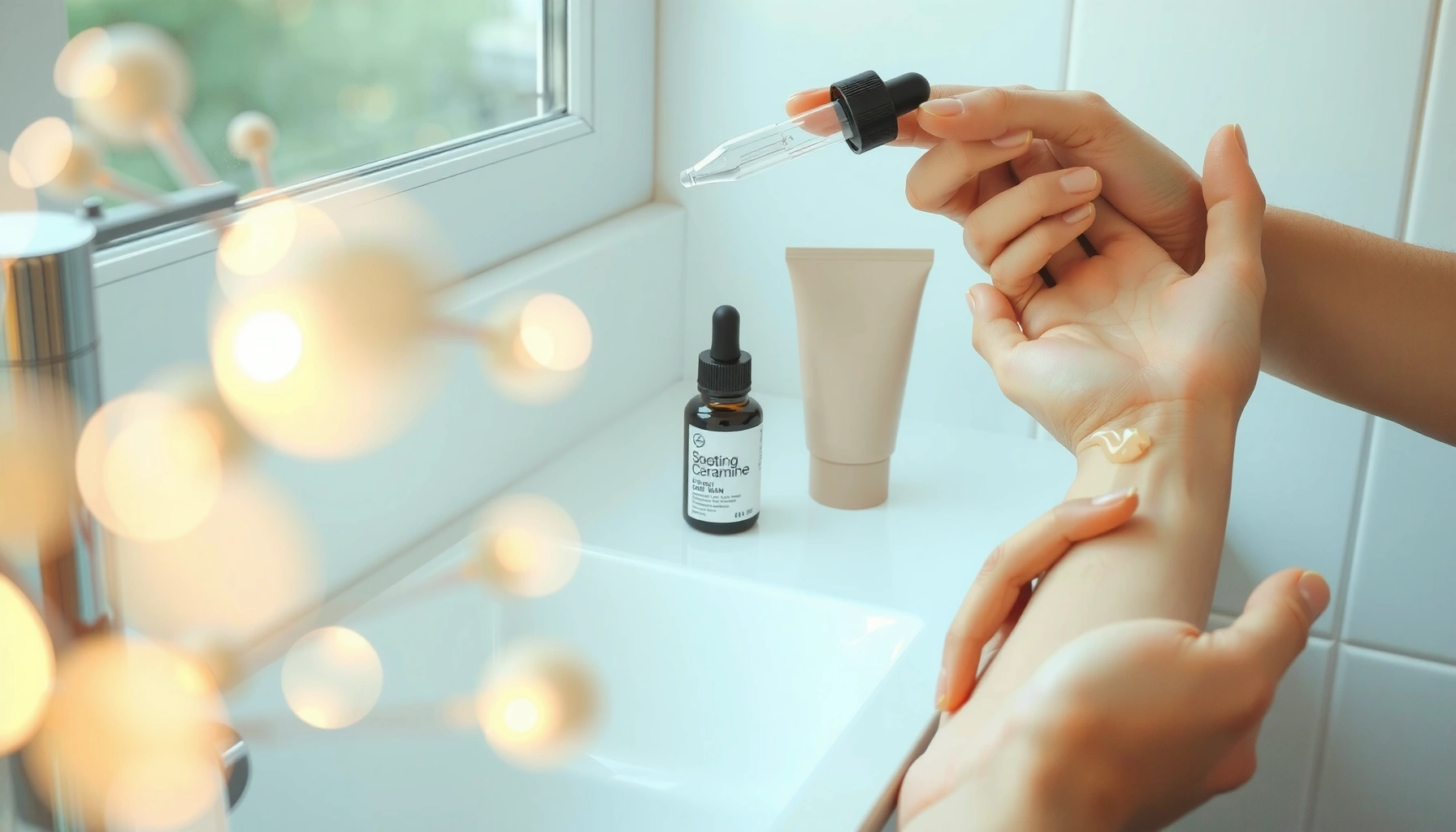
Patch-test new products correctly
Patch testing is not a formality—it’s risk management. Apply a small amount to a discreet area (like the inner forearm) and wait about 24–48 hours, watching for delayed redness, burning, or swelling.
Q: Can “natural” ingredients still trigger eczema?
Yes. Natural extracts and essential oils can still irritate compromised skin, so eczema skincare should prioritize fragrance-free and low-irritant formulas over “natural” claims.
A straightforward trigger audit (what to change first)
If symptoms worsen, change one factor at a time:
1) cleanser or body wash
2) moisturizer type (cream vs lotion vs ointment)
3) laundry detergent or fabric softeners
4) skincare actives added recently (acids, retinoids, scrubs)
This approach helps you find the real trigger and prevents “trial chaos.”
Protect Skin from Environmental Stressors
Protecting skin from environment helps eczema skincare last beyond the bathroom routine. Heat, low humidity, rough fabrics, and UV exposure can all destabilize the barrier and intensify itching.
“Indoor dry air can worsen eczema by increasing skin dryness.” (National Eczema Association)
“Sunscreen and protective clothing can reduce UV-related irritation, especially during outdoor exposure.” (AAD)
“Breathable, soft fabrics can reduce friction and irritation in atopic dermatitis.” (AAD)
Choose soft, breathable fabrics
Wool and some synthetics can scratch or trap heat. Prioritize:
– cotton blends
– smooth, seamless clothing where possible
– avoiding rough seams directly over eczema plaques
Use sunscreen carefully
Sunscreen is essential, but not all formulas are eczema-friendly. Choose fragrance-free, sensitive-skin options, and protect with clothing when you can. If you’ve had sunscreen sting before, treat that as a signal—switch formulas rather than forcing it.
Balance indoor humidity
As of 2024–2026 guidance from eczema organizations, keeping indoor conditions stable helps reduce dryness-driven flares. In my household, using a humidifier during winter reduced “morning tightness,” especially for hands and shins. Avoid over-humidifying (which can worsen dust mites or mold exposure)—aim for comfortable indoor air.
Q: Is humidifying always helpful for eczema?
Often yes, because many flares worsen with dry air, but humidity should be balanced to avoid mold or dust-mite conditions.
When to Seek Medical Help
You should seek medical help when eczema is severe, spreading quickly, or not responding to basic barrier care. For eczema skincare, clinician support can prevent complications like infection and reduce long-term inflammation burden.
“Seek care urgently if you suspect skin infection in eczema, including increasing pain, swelling, oozing, or crusting.” (AAD)
“Dermatologists can help tailor treatment plans, including step-up therapy for persistent flares.” (AAD)
“Ongoing itch can indicate the need for escalation beyond moisturizers alone.” (National Eczema Association)
Get help if symptoms don’t improve
If you’re consistent with eczema skincare—daily moisturizer, gentle cleansing, and trigger avoidance—but you still see:
– rapidly expanding redness
– persistent cracking, bleeding, or painful weeping
– frequent night awakenings due to itch
…then it’s time to see a dermatologist or clinician. According to the AAD, eczema can significantly affect quality of life, and treatment plans often need adjustment over time (2023).
Watch for infection signs
Eczema skin is more vulnerable to bacterial infection. Contact a clinician if you notice:
– increasing pain (not just itch)
– swelling or warmth
– oozing, honey-colored crusting, or spreading redness
Ask about long-term itch control and prevention
A strong eczema skincare strategy doesn’t only treat flares—it aims to keep skin stable between flares. Clinicians may recommend maintenance therapy, proactive use of anti-inflammatory treatment, or evaluation for triggers like contact allergens.
Q: Can eczema be fully cured?
Many people manage eczema long-term with flare reduction and skin-barrier maintenance, but complete “cure” varies by individual and often requires ongoing planning with a clinician.
Eczema skincare works best when it’s consistent: moisturize daily, cleanse gently, and use targeted treatments during flares while avoiding known triggers. Start with a fragrance-free moisturizer and a mild, soap-free cleanser, then build a routine you can stick with—if symptoms persist or worsen, talk with a dermatologist for a personalized plan. With the right balance of barrier care and evidence-based treatment, healthy skin is not just an aspiration; it’s a practical outcome you can work toward week after week, including in 2025 and beyond.
Frequently Asked Questions
What skincare routine helps soothe eczema flare-ups?
Focus on a gentle cleansing routine and consistent moisturizing to repair the skin barrier. Use a fragrance-free, mild cleanser and apply a thick, eczema-friendly moisturizer immediately after bathing to lock in hydration. During flare-ups, consider adding anti-inflammatory ingredients like colloidal oatmeal or ceramides, and avoid harsh exfoliants that can worsen eczema.
How do I choose the best moisturizer for eczema-prone skin?
Look for moisturizers labeled “fragrance-free” and “for sensitive skin,” and prioritize ingredients that support the skin barrier such as ceramides, glycerin, petrolatum, and hyaluronic acid. Ointments and thick creams are often more effective than lightweight lotions for reducing dryness and preventing itch. If you have frequent flares, patch test new products and choose formulations without common irritants like essential oils or alcohol-based lotions.
Which ingredients should I avoid in skincare for eczema?
Avoid fragrances, essential oils, menthol, and aggressive surfactants, as they can trigger irritation and make eczema worse. Also be cautious with products containing exfoliating acids (like high-strength glycolic or salicylic acid), scrubs, and retinoids during active flares unless a dermatologist recommends them. When switching skincare products, select “eczema-safe” or “sensitive skin” options and introduce changes one at a time.
Why does my eczema get worse after washing or bathing?
Eczema often worsens because hot water, over-cleansing, and harsh soaps strip away natural skin oils, disrupting the skin barrier. To reduce irritation, take lukewarm baths or showers and keep them short, then pat your skin dry gently. Apply moisturizer within a few minutes of bathing, using a thick, fragrance-free eczema cream to seal in moisture.
What’s the best way to protect eczema skin from sun and environmental triggers?
Use sunscreen formulated for sensitive skin, ideally fragrance-free and designed for eczema-prone or baby skin, and apply it generously before going outdoors. Physical/mineral sunscreen options (like zinc oxide or titanium dioxide) are often better tolerated by reactive skin. In addition, wear protective clothing and consider barrier creams for outdoor exposure—always moisturize first and reapply sunscreen as directed.
📅 Last Updated: July 04, 2026 | Topic: Skincare for Eczema | Content verified for accuracy and freshness.
References
- Chemotherapy Acral Erythema – StatPearls – NCBI Bookshelf
https://www.ncbi.nlm.nih.gov/books/NBK459375/ - https://www.nm.nih.gov/health-topics/eczema-atopic-dermatitis
https://www.nm.nih.gov/health-topics/eczema-atopic-dermatitis - Overview | Secondary bacterial infection of eczema and other common skin conditions: antimicrobia…
https://www.nice.org.uk/guidance/ng190 - https://www.cdc.gov/eczema/
https://www.cdc.gov/eczema/ - https://www.who.int/news-room/fact-sheets/detail/atopic-eczema
https://www.who.int/news-room/fact-sheets/detail/atopic-eczema - Google Scholar Google Scholar
https://scholar.google.com/scholar?q=eczema+skin+care+emollient+systematic+review - Google Scholar Google Scholar
https://scholar.google.com/scholar?q=atopic+dermatitis+emollient+therapy+guideline - Google Scholar Google Scholar
https://scholar.google.com/scholar?q=atopic+dermatitis+topical+therapy+barrier+repair+review - Google Scholar Google Scholar
https://scholar.google.com/scholar?q=Skincare+for+Eczema - Skincare for Eczema – Search results
https://en.wikipedia.org/wiki/Special:Search?search=Skincare+for+Eczema