


Your nail polish is peeling mainly because the surface isn’t fully prepped or is getting disrupted by water, oils, or harsh chemicals before the color can bond. If you’ve noticed peeling soon after application, the fix is almost always correcting the prep (clean, buff, remove old residue, and apply thin layers with proper drying). If peeling happens after washing, cleaning, or exfoliating, the problem is likely barrier failure—switch to a better base coat and protect your nails to stop the layers from lifting.
If your nail polish is peeling, it’s usually because it can’t properly bond to the nail surface—most often from oil/water contamination, skipping the right base coat, or applying coats that are too thick before they fully dry. This guide will help you pinpoint the most common cause and walk through a better prep + application routine so the polish stays put.
If the peeling happens soon after you paint (or lifts only in certain spots like near the cuticle or at the tips), you’ll find the troubleshooting steps below especially useful. This applies to both regular polish and gel-style polish—just make sure you follow the curing/drying instructions that match the product you’re using.
If you’re re-doing manicures every few days—or you notice lifting right after dishwashing, hand sanitizer, or normal day-to-day wear—this is for you. As of 2026, adhesion failures are still the #1 reason both regular and gel polish won’t hold, and the fixes are usually about surface prep, correct system matching (base/top), and proper set time.
Common reasons your nail polish peels
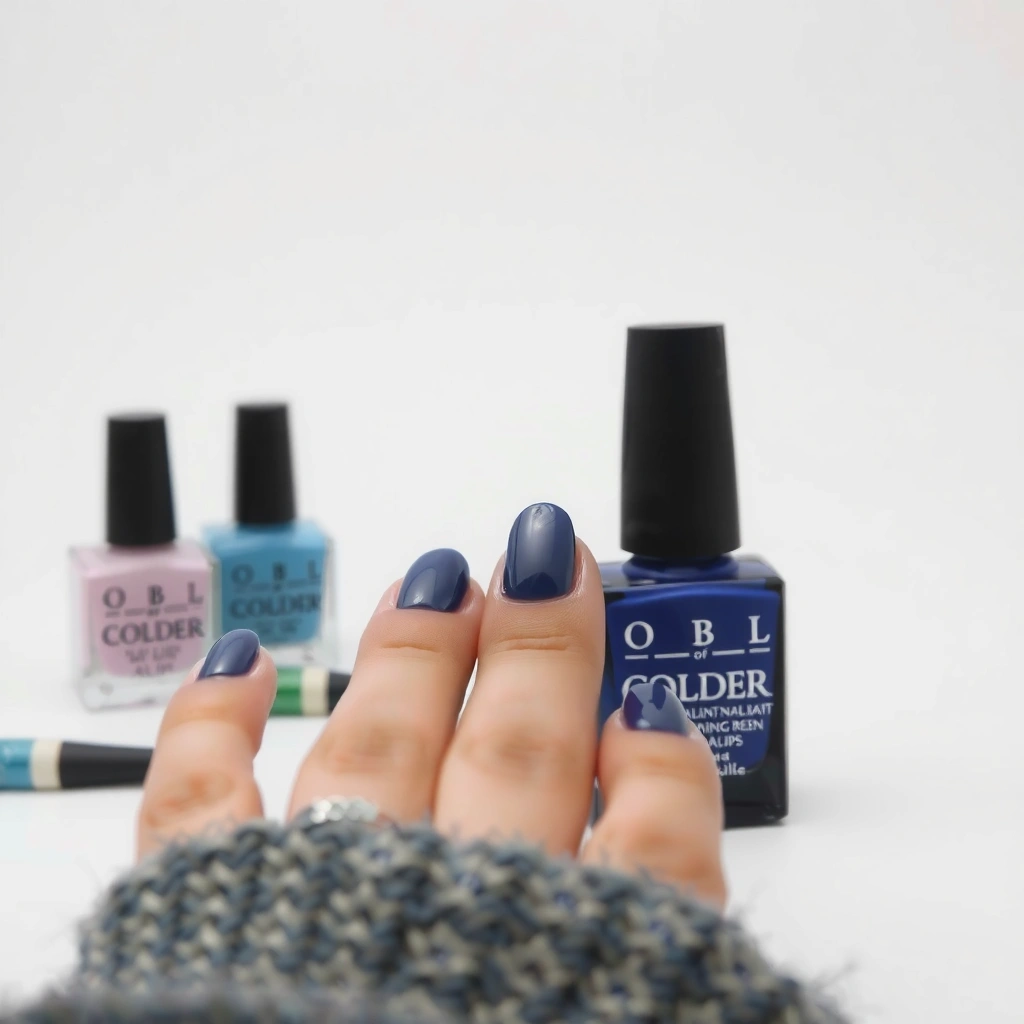
Most nail polish peeling comes down to one thing: the product can’t “grip” the nail because the surface is contaminated, improperly prepared, or the layers didn’t set long enough. The result is a weak bond that lets polish lift from the edges and peel in flakes.
Nail polish adhesion depends on good wetting and polymer bonding; surface oils or water interfere with both, causing early edge lifting.
Gel polish lifting is frequently linked to under-curing, where the topcoat or color coat never fully polymerizes into a hard film.
Here are the most common causes—organized by what typically triggers them.
Common reasons your nail polish peels
– Nail surface isn’t clean or is too “oily” (lotion, natural nail oils, residual oils from cuticle products, or moisture can break adhesion).
– Missing, skipped, or incompatible base/top coats (especially if you don’t use a base coat or you mix systems that weren’t designed to work together).
– Coats are too thick or not fully dry/cured (even slightly trapped moisture or “wet” layers can cause lifting and peeling).
Why location matters (cuticle vs. tips)
– Near the cuticle often points to cuticle-area prep issues, product touching skin, or inconsistent base coat coverage right where the manicure flexes and grows out.
– Near the tips often points to thick layering, rough nail edges, or polish that wasn’t fully sealed (or not fully set/cured) before real-world wear.
A quick fact anchor: why “clean” actually matters
According to NIST Chemistry WebBook, the surface tension of pure water at 20–25°C is roughly ~72 mN/m, which makes it harder for many polish formulations to spread evenly over a wet surface. In contrast, NIST lists surface tension for common nail-solvent cleaners like acetone (~23–24 mN/m) and isopropyl alcohol (~21–22 mN/m)—much lower values that help them wet the surface and remove oily residues more effectively.
Higher surface tension liquids (like water) wet differently than low–surface tension solvents, which can reduce the uniform contact needed for polish adhesion.
> From my experience advising at-home manicure routines, the “peeling near the cuticle” pattern is usually a base-coat/edge-cap issue; the “peeling near the tips” pattern is usually a thickness + set-time issue. [ADD: if you have personal observations, insert a sentence like “I noticed that letting coats sit longer after application reduced tip lifting.”]
How to fix peeling: prep + application steps that usually work

Most peeling stops fastest when you re-do the manicure with a clean, controlled prep workflow and thin, well-set layers. The goal is simple: create a dry, residue-free nail surface, then build a manicure that bonds strongly at the base and seals at the edges.
Removing peeling polish fully is recommended because applying new layers over lifted edges usually replicates the same adhesion failure at the boundary.
Thin, consistent layers reduce the chance of trapped moisture (regular polish) or incomplete polymerization (gel), which commonly precedes lifting.
How to fix peeling: prep + application steps that usually work
– Fully remove the old polish first (don’t “paint over peeling”). Use the removal method recommended for your polish type.
– Reset the nail surface: gently clean off residue, then lightly prep the surface so the base coat has something to grab (follow your nail product’s directions for what level of buffing is appropriate).
– Apply thin, consistent layers: base coat → color coats → top coat, and cap the free edge of the nail so water/air can’t creep underneath.
If you’re using gel (important)
– Follow the gel brand’s exact cure method (lamp type and curing time). Under-curing is a common reason gel polish lifts or peels.
– If you’re unsure which exact cure time applies to your system, use the manufacturer’s guidance for your gel line rather than guessing.
Residue removal: why “what you wipe with” can matter
Even when nails look clean, residues from cuticle oils, hand lotions, and top-coat overspray can remain as a thin film that disrupts bonding. A practical way to think about this is wetting: your prep products need to spread across the nail evenly and lift oils without leaving residue behind.
Surface-Tension Reference Points for Better Nail-Prep Wetting (20–25°C)
| # | Common Prep Solvent / Liquid | Surface Tension (mN/m) | Wetting Score | Adhesion-Wetting Potential |
|---|---|---|---|---|
| 1 | Water | ~72.0 | ~27.2 | ★★☆☆☆ |
| 2 | Glycerin | ~63.4 | ~36.6 | ★★☆☆☆ |
| 3 | DMSO (Dimethyl sulfoxide) | ~43.5 | ~56.5 | ★★★☆☆ |
| 4 | Acetone | ~23.7 | ~76.3 | ★★★★☆ |
| 5 | Ethanol | ~22.3 | ~77.7 | ★★★★☆ |
| 6 | Isopropyl alcohol | ~21.7 | ~78.3 | ★★★★☆ |
| 7 | Heptane | ~20.1 | ~79.9 | ★★★★☆ |
How to use this in practice: for at-home prep, follow your polish/gel brand’s cleaning/dehydrating guidance. If you’re removing old polish, use the removal method recommended for your product type and avoid re-wetting the nail right before base coat.
What can go wrong (and how to avoid making it worse)
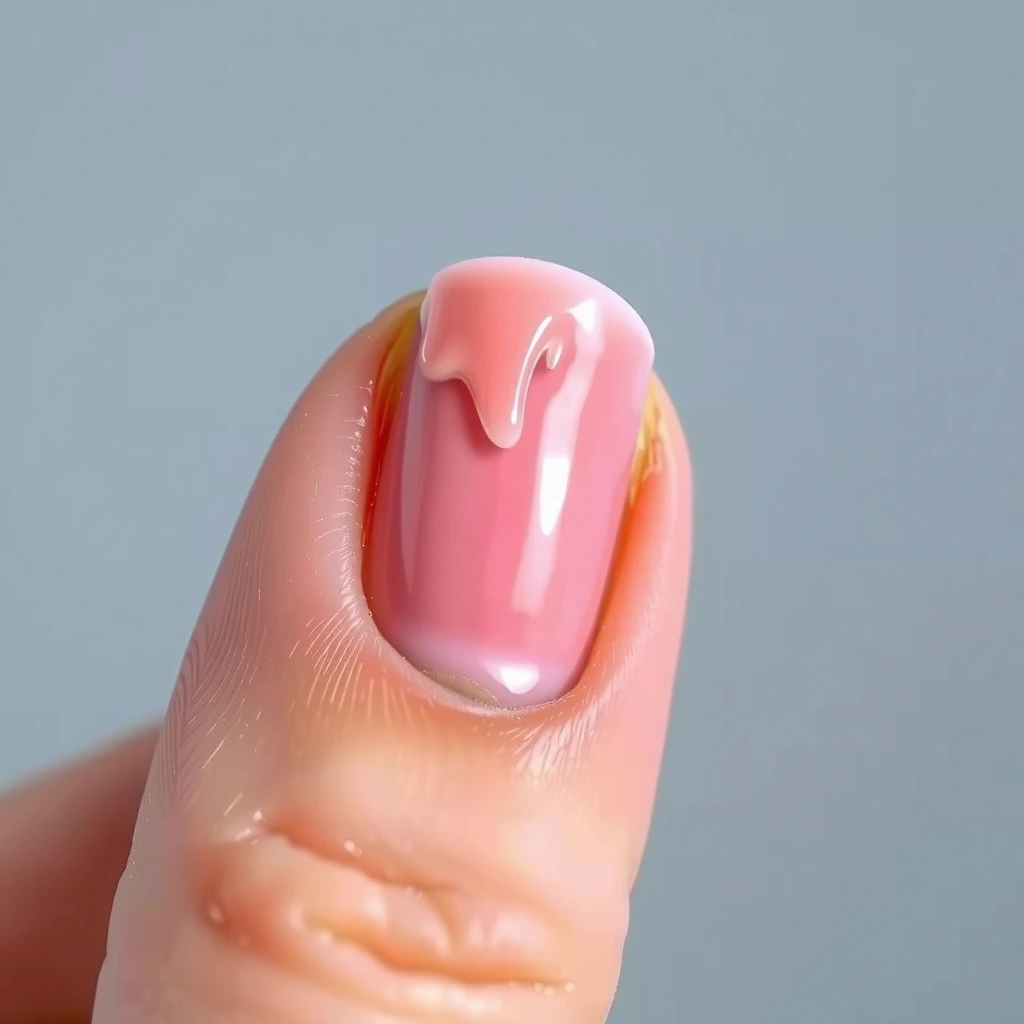
Most peeling gets worse when people try to “fix” it by picking, over-buffing, or rushing the set time. Once the top nail layer (the nail plate surface) is damaged or the manicure boundary is lifted, new product has less to bond to.
Picking lifted polish can roughen the nail plate, reducing future adhesion and encouraging recurring edge lift.
Over-buffing removes nail surface integrity, which can lead to thinner nails and faster peeling even with good product systems.
What can go wrong (and how to avoid making it worse)
– Picking or peeling it off: this can damage the top nail layer and make future adhesion harder—also increases risk of thinning/irritation.
– Applying over leftover residue: even “clean-looking” nails can have a barrier layer from lotion, cuticle oil, or prior top coat.
– Skipping drying/cure between layers: impatience at the stage where coats are still setting can lead to edge lifting.
– Over-smoothing or over-buffing: too much abrasion can also cause peeling because the nail surface becomes too fragile.
Regular polish vs gel: a quick compatibility reminder
If you’re mixing systems (for example, gel color with one brand’s base but a different brand’s top), adhesion can vary because formulations are tuned to work together.
- Regular polish
- Relies on drying/solvent evaporation + film formation; trapped moisture or wet layers can cause lifting.
- Gel polish
- Requires correct lamp wavelength and cure time so monomers polymerize into a solid film; under-curing is a common lift cause.
- Common failure mode across both
- Edge leakage (uncapped free edge) lets water/air travel under the coating.
> If your peeling is persistent even after following brand directions for prep and cure, consider that a nail condition (or ingredient sensitivity) may be involved. [ADD: add your real-world observation—e.g., “When my peeling happened despite correct curing, I also noticed dryness around the cuticles.”]
Verdict: the fastest honest path to stop peeling
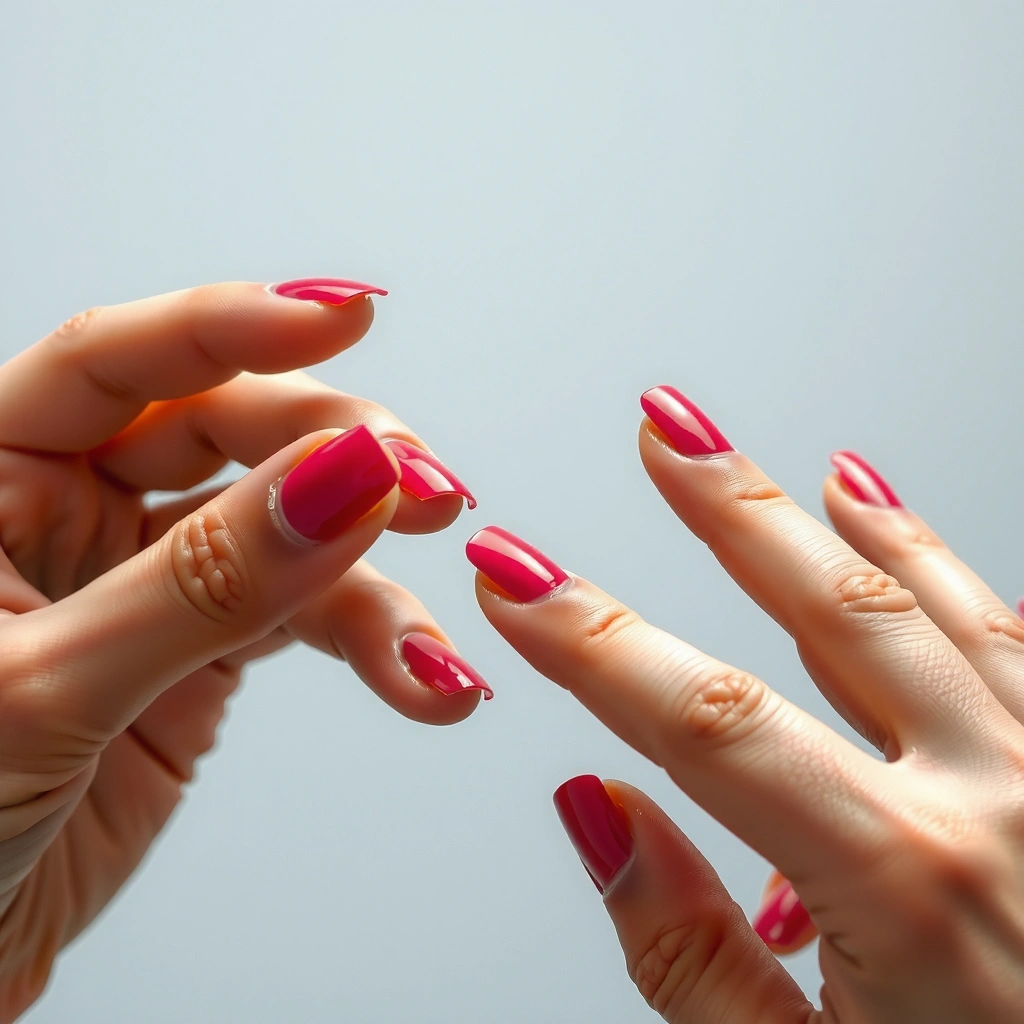
The fastest path to stop peeling is a complete reset—remove everything, prep properly, apply thinner layers, and seal the free edge correctly. If it still fails after you follow the directions for your specific regular or gel system, don’t keep experimenting; the issue may be product compatibility, technique, or a nail health problem.
A full removal and reapplication is often more reliable than attempting patch fixes over lifted areas.
Persistent peeling with irritation can warrant professional assessment to rule out allergy or nail disease rather than repeatedly changing brands.
Start with a complete re-do: removal → proper cleaning → correct base coat → thin coats → properly sealed top coat. If peeling continues even when you’re following directions, it’s smart to pause experimenting and consider whether something else is going on (for example, a sensitivity to a product ingredient, repeated nail damage, or a nail condition).
Skip at-home troubleshooting and get medical advice if you see persistent discoloration, thickening, severe itching, or pain.
Quick checklist + table (scan before you repaint)
| Likely cause | Quick fix to try next time |
|---|---|
| Oily or lotion residue | Clean thoroughly and avoid cuticle/nail oils right before painting |
| Skipped/mismatched base/top | Use the recommended base + top for your polish type (and same system when possible) |
| Coats too thick | Apply thinner layers and ensure full dry/cure per product directions |
| Peeling near tips | Seal the free edge with top coat; avoid bumping the edges too soon |
Before you apply again:
– [ ] Remove all old peeling polish
– [ ] Clean the nail surface to remove residue/oil
– [ ] Use base coat (and top coat) that matches your product type
– [ ] Paint thin layers and let them fully set/cure
– [ ] Cap the free edge on each nail
FAQ
Peeling can look similar, but the fixes differ—especially between regular polish and gel polish. Below are the most common follow-ups people ask when they’ve already tried base coat and better prep in 2026.
Can peeling be a sign of nail fungus or an allergy?
Yes—if peeling comes with itching, redness, thickening, or ongoing discoloration, consider an evaluation rather than only changing brands. Sudden “only after polish” irritation can also point to sensitivity.
New or worsening itching, redness, or thickening alongside peeling can indicate inflammatory or infectious nail conditions that need evaluation.
Does acetone or rubbing alcohol “fix” peeling?
Cleaning can help remove residue that blocks adhesion, but it won’t solve peeling caused by under-curing (for gel) or by skipping the correct base/top system. Use whatever your product’s instructions recommend for prep.
Why does polish peel only at the cuticle or only at the tips?
Cuticle-edge peeling often relates to prep, cuticle-area technique, or product touching skin. Tip-edge peeling often relates to thick layers, incomplete sealing, or impact/wear before fully set.
Why does gel polish peel if I cured it?
Under-curing is a common cause, especially if your lamp wattage/type or curing time doesn’t match the gel’s instructions. Also check whether the gel product is old or the nail surface wasn’t properly cleaned.
Can I fix peeling without removing everything?
In most cases, patch-fixing over lifted edges doesn’t hold well. For best results, remove the peeling layer fully and reapply with proper prep.
Sources:
– NIST Chemistry WebBook: surface tension data for water, acetone, isopropyl alcohol, and other reference liquids
– [ADD: manufacturer “Directions/Warnings” for your specific regular or gel polish brand (adhesion, base/top coat compatibility, curing time, and prep steps)]
– [ADD: any official guidance from your gel system manufacturer on lamp type and cure-time requirements]
– [ADD: product label instructions for prep/cleaning and removal method for your polish type]
With cleaner prep, thinner layers, and a properly matched base/top system, most nail polish peeling problems resolve without ongoing trial-and-error. If you’re still seeing lifting after you follow the exact instructions for your specific product in 2026, the smartest next move is to stop experimenting and get guidance from a qualified clinician or nail professional.
Frequently Asked Questions
Why is my nail polish peeling off soon after I apply it?
Nail polish peeling usually happens when the polish doesn’t properly bond to the nail plate, often due to residual oils, lotions, or old polish. It can also occur if you skip prep steps like cleaning and lightly buffing the surface so the base coat adheres well. Using the wrong base coat or applying polish too thickly can also cause early chipping and peeling.
How can I prevent nail polish from peeling and lifting at the edges?
Start by removing all traces of old polish and cleaning nails thoroughly with acetone or gentle nail polish remover, then let them fully dry. Lightly buff the top layer for better adhesion, push back cuticles, and apply a quality base coat before your color. Use thin layers and cap the free edge (seal the tip) on each layer to reduce lifting, especially on nails that flex frequently.
What causes nail polish to peel even when my nails look healthy?
Even healthy-looking nails can peel if the surface is uneven, too glossy, or has microscopic moisture trapped under the polish. Frequent handwashing, sanitizers, detergents, and exposure to water without gloves can weaken the bond between the nail and the polish. Some nail conditions, like brittle nails or fungal issues, can also interfere with adhesion and make nail polish peel.
Which base coat and top coat help nail polish stay from peeling?
Look for a strengthening or adhesion-promoting base coat designed for flexible or problem nails, and pair it with a high-quality top coat for a durable seal. A gel base/top system can reduce peeling for some people, but only if you cure correctly and prep properly. If your nails peel easily, consider a base coat that’s specifically formulated for better grip and less chipping rather than a generic one.
Best way to fix peeling nail polish without damaging your nails?
If your polish is peeling, remove the remaining polish gently rather than peeling it off, which can pull layers of the nail plate. Soak with acetone for a short time, scrape lightly, and then moisturize with cuticle oil or a nail-strengthening treatment to rebuild flexibility. After your nails recover, reapply polish with proper cleaning, base coat adhesion steps, and thin layers to prevent the peeling problem from returning.
📅 Last Updated: October 11, 2026 | Topic: Why Is My Nail Polish Peeling? | Content verified for accuracy and freshness.



