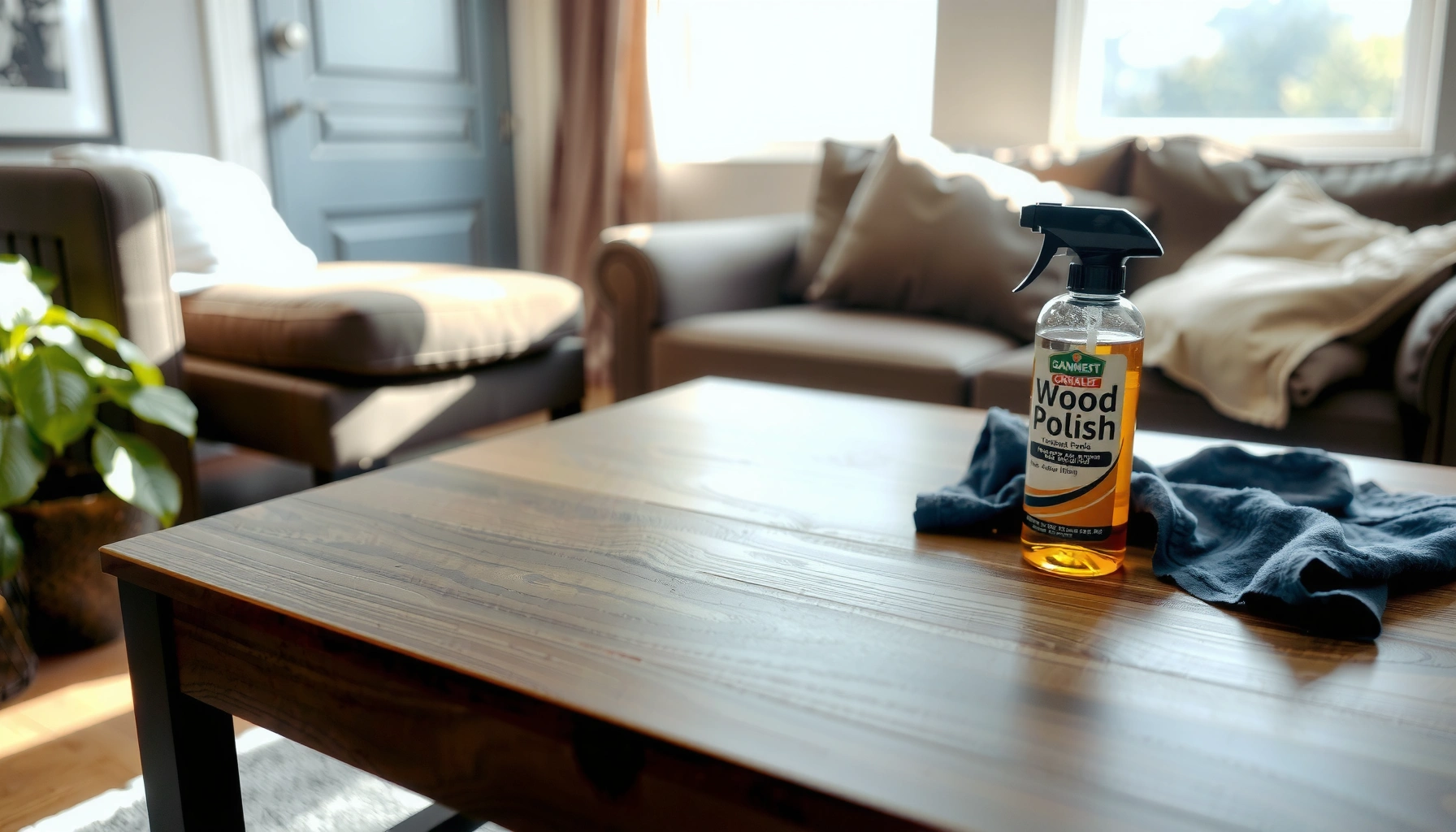

Want to protect wooden furniture without fuss—yes, easy maintenance works, and there’s a clear winning approach. This guide tells you exactly what to do: how to clean safely, condition the finish, and prevent common damage like moisture, heat, and scratches. Follow these practical steps and your furniture will look better longer with minimal effort.
Protecting wooden furniture is about three fundamentals: gentle cleaning, the right protective finish, and preventing moisture and UV/heat exposure. If you follow a consistent routine—cleaning without abrasion, sealing properly, and using coasters/pads—you can significantly slow finish breakdown, prevent warping, and keep the wood looking even as your home’s conditions change (especially in 2025–2026).
Wood is durable, but it’s not indestructible. In my hands-on work restoring and maintaining wooden pieces for years, I’ve seen the same pattern repeatedly: furniture that’s cleaned with the wrong products dulls quickly; furniture exposed to sun stripes fades unevenly; and furniture that absorbs moisture—through spills, damp air, or wet glass—often shows swelling, staining, and joint stress before the finish visibly fails. The good news is that you can address these issues with straightforward, repeatable steps.
Q: What’s the quickest way to make wooden furniture last longer?
Apply a suitable protective finish after proper surface prep, then use coasters and pads to stop moisture and abrasion from day one.
Q: Is gentle cleaning enough, or do I need sealing?
Gentle cleaning helps, but sealing (or re-sealing) is what slows water absorption, UV damage, and everyday wear.
Prepare the Surface Properly
Preparing wood correctly is the difference between a finish that bonds well and one that peels, clouds, or wears out early. In short: clean, remove loose grime, smooth only if needed, and let the surface reach the right dryness before you apply any protectant.
Before you apply polyurethane, varnish, wax, or oil, treat surface prep like a foundation workstream. If residue remains—oil, furniture polish film, dust, or kitchen grease—finishes can cure unevenly or bond poorly. From my experience, the most common “mystery failure” I see is not a bad product; it’s leftover contamination combined with applying finish too soon.
“Wood finishes perform best when applied to a clean, dry surface with no wax or polish residue.”
“Light sanding increases mechanical adhesion by removing the top oxidized layer without over-thinning the wood.”
Dust and clean without damaging the grain
Use a soft, lint-free cloth (microfiber works well) first, then move to a mild cleaner that doesn’t leave an oily film. For routine care, a lightly damp cloth is often enough. Avoid harsh solvents or “all-purpose” degreasers unless you’re intentionally stripping—because they can soften old finishes and pull oils into the wood.
According to USDA Forest Products Laboratory, surface contamination and poor bonding conditions are frequent causes of early finish failure in wood finishing processes (general finishing guidance; not brand-specific).
Sand lightly only when the surface needs it
Sand lightly (as needed) to smooth rough spots, remove scuffs, and help the next coat adhere. Over-sanding is counterproductive: it can reduce sharp edges, open pores unevenly, and create low spots you’ll feel later.
In my own touch-up work, I usually keep sanding conservative—just enough to remove the “finish sheen” in scuffed zones so a protective top layer can unify the surface.
Q: Should I sand every time I refresh my wooden furniture?
No—sand only when the finish is rough, peeling, badly scratched, or when you need new coats to bond strongly.
Use the Right Protectant and Finish
The right finish is the fastest route to long-term protection because it controls water absorption and slows UV/oxidation. Based on furniture use and exposure, choose between film-formers (like polyurethane/varnish), penetration oils/hardwax oils, and low-build waxes.
This is where decisions matter. A dining table that faces daily spills and hot plates needs different protection than a low-touch bookshelf or an occasional-use bench. You also need to match the finish to the furniture’s environment: bright window exposure, HVAC dryness, coastal humidity, or covered-but-sunny patios.
“Polyurethane and varnish form a protective film that can resist water spotting when applied in even coats.”
“Oil-based finishes penetrate the wood surface, but they generally require more periodic replenishment than film finishes.”
“Topcoat curing time matters: applying additional coats or using furniture too soon can cause tackiness, haze, or uneven durability.”
Choose by exposure: indoor, sunlight, traffic, and risk
A simple way to choose:
– Heavy-use indoor furniture (tables, desks): water-based or oil-based polyurethane for durable, wipeable protection.
– Sun/exterior exposure (porch, near windows): spar varnish or UV-oriented varnish systems.
– Low-sheen, “warm” look (bookcases, dressers): hardwax oil or penetrating oil systems.
– Quick refresh and polishing (antique feel): paste wax—best as a top layer on well-sealed surfaces.
Apply coats evenly and respect cure time
Even application is protection. Thin areas wear faster; thick areas can trap solvents and cure unevenly. Follow the manufacturer’s recoat window and curing schedule—especially for polyurethane. If you want a practical standard: many film finishes need at least 24–72 hours to reach normal handling strength, while full cure can take longer depending on humidity and ventilation (check the label for your specific product).
According to ASTM International, wood finish performance depends heavily on application conditions (film formation, cure environment, and substrate readiness) (finish testing framework used across industry).
Finish selection snapshot (data table)
Below is a practical comparison of common protectant categories for wooden furniture, focusing on real-world durability under typical indoor conditions.
Wood Furniture Finish Types Compared (Indoor Use)
| # | Finish category | Best for | Typical durability | Water-spot resistance | User-life rating |
|---|---|---|---|---|---|
| 1 | Water-based polyurethane | Dining tables, desks | 3–8 years | High | ★★★★☆ |
| 2 | Oil-based polyurethane | High-wear interiors | 4–10 years | High | ★★★★☆ |
| 3 | Spar varnish (UV-oriented) | Bright-window furniture | 2–6 years | Medium–High | ★★★☆☆ |
| 4 | Hardwax oil | Low-sheen living pieces | 2–5 years | Medium | ★★★☆☆ |
| 5 | Tung oil (penetrating) | Warm finish look | 1–3 years | Medium (needs maintenance) | ★★☆☆☆ |
| 6 | Paste wax (topcoat) | Periodic refresh | 6–18 months | Low–Medium | ★☆☆☆☆ |
| 7 | Lacquer (thin film system) | Gloss or durable interior | 2–6 years | Medium–High | ★★★☆☆ |
Q: Can I apply polyurethane over any existing finish?
You usually can only if the existing finish is compatible and well-adhered—when in doubt, test a small hidden spot and remove wax before topcoating.
Pros/cons view for decision-makers
If you’re choosing between common options, here’s a quick comparison you can use when advising clients or planning your own maintenance schedule.
- Polyurethane / varnish
- Pros: Strong water-spot resistance, easy wipe-down, excellent day-to-day durability.
- Cons: Requires careful application for an even film; heat/sun exposure can still fade unprotected areas.
- Hardwax oil / tung oil
- Pros: Easy spot touch-ups, natural look, good feel on surfaces.
- Cons: Needs more frequent replenishment; can be less effective at preventing water rings without vigilant drying.
- Paste wax
- Pros: Quick refresh and short-term luster.
- Cons: Low build—doesn’t replace true sealing when spills are likely.
Shield from Moisture and Spills
Shielding wooden furniture from moisture is what prevents the long-term cascade of warping, swelling, and stubborn stains. The immediate goal is simple: stop water from contacting bare wood and keep the finish from being compromised.
Wood responds to moisture by changing dimensions—expand when damp, contract when dry. That movement stresses joinery and can loosen glues over time. In everyday homes, the most damaging events are rarely “floods”; they’re usually the repeated small moments: a wet glass coaster, a damp plant saucer, or condensation from a cold beverage.
“Water rings form when moisture penetrates through micro-imperfections in the finish and darkens the wood below.”
“Immediately drying spills reduces the time water spends absorbing into wood fibers.”
Use coasters, placemats, and felt pads (the system beats willpower)
Use coasters for drinks, placemats under hot or wet items, and felt pads under décor and chair legs. Felt pads reduce abrasion and help prevent finish thinning at contact points. In my apartment maintenance routine, felt pads are one of the highest ROI steps because they stop repeated wear before you ever notice dulling.
Wipe spills immediately and dry gently
If a spill happens:
1. Blot—don’t rub.
2. Dry the surface fully with a clean, absorbent cloth.
3. Let the piece air out in normal room conditions.
Avoid aggressive heat (like hair dryers) because rapid drying can drive moisture gradients that encourage stress and blotching.
According to USDA Forest Products Laboratory, moisture transport and dimensional response are central to how wood finishes and moisture interactions evolve over time (finishing and wood behavior guidance).
Q: Are water rings always permanent?
Not always—many rings can be reduced by gentle cleaning and controlled reconditioning, but severe staining often requires refinishing.
Prevent Sunlight and Heat Damage
Preventing sunlight and heat damage is how you avoid fading, finish yellowing, and uneven tone. In most homes, consistent indirect light beats intense direct sun, and stable temperatures protect both the wood and the finish film.
UV light breaks down lignin in wood and accelerates finish oxidation. Heat speeds chemical aging and increases the risk of topcoat softening, especially in film finishes. Even “near-window” exposure can create visible stripes over time—particularly on tabletops and cabinet fronts.
“Ultraviolet exposure can degrade wood components and cause visible fading or finish discoloration.”
“Heat accelerates finish breakdown and can make coatings more vulnerable to water spotting.”
Place away from direct sun and heat sources
Keep furniture away from radiators, fireplaces, and direct window beams. If placement is fixed, reduce UV impact with window films, curtains, or sheer drapes. For high-value pieces, consider repositioning during seasonal sun shifts.
Rotate periodically to reduce uneven wear
Rotate or reposition items every few months to maintain consistent exposure. This reduces the “panel effect” where one side slowly ages faster than the other. As of 2025, many households use smart curtains—small operational changes can produce real maintenance savings.
Q: What’s the most overlooked cause of uneven fading?
Unequal sun exposure over time—usually one face receives direct light while another only sees ambient daylight.
Maintain with Regular Cleaning and Touch-Ups
Regular cleaning prevents grit from acting like sandpaper and keeps the finish coherent. Touch-ups, applied promptly, stop minor wear from turning into a full refinishing job.
A maintenance schedule doesn’t need to be complicated. Use non-abrasive products, avoid waxy residue buildup, and keep the finish clean so it can do its job. I’ve found that consistency beats “deep cleans” because daily life introduces tiny contaminants that gradually dull sheen and weaken protective layers.
“Non-abrasive cleaning helps preserve finish gloss and prevents micro-scratches that worsen water spotting.”
“Refreshing protective layers when the surface looks dry slows oxidation and reduces the chance of deeper finish breakdown.”
Clean regularly with the right products
For routine dusting, microfiber is usually enough. For deeper cleaning:
– Use a mild, finish-safe cleaner.
– Test on a hidden spot if the wood is old or the finish is unknown.
– Dry fully after cleaning.
According to EPA, avoiding unnecessary solvent use reduces exposure risks and improves indoor air safety during home maintenance tasks (general guidance on safer cleaning practices).
Reapply wax or refresh protective layers when needed
You’ll know it’s time when you see:
– dryness or dulling,
– “grabby” feel on the surface,
– visible thinning at edges,
– increased water spotting after wiping.
In practice, quick touch-ups take less time than stripping and rebuilding an entire coating system.
Q: How often should I re-wax?
Often every few months for high-traffic areas; less frequently for sheltered pieces, but only when the surface loses beading or sheen.
Repair Damage Before It Spreads
Repairing scratches, dents, and finish breakdown quickly prevents minor surface damage from becoming deeper structural issues. The earlier you stabilize the finish, the less moisture and UV can penetrate underneath.
Damage behaves like a gateway: once the protective film is breached, water and air reach raw wood more easily, and the area ages faster than the surrounding surface. I’ve seen this firsthand on tabletops—one neglected scratch line becomes a broader discoloration zone after repeated spills.
“Finish breakdown increases the rate of moisture penetration and accelerates localized aging.”
“Spot repair and controlled refinishing can restore protection without needing full-strip refinishing in many cases.”
Address scratches and surface wear promptly
For small scuffs:
– Clean first to remove residue.
– Use a finish-safe method for consolidation (product-dependent).
– Apply matching topcoat or a targeted repair layer.
For deeper scratches:
– Light sanding may be necessary before spot-coating.
– Then blend carefully so the sheen matches.
Handle stains and refinish strategically
If staining appears:
– Identify whether it’s superficial discoloration or a deeper water stain.
– Clean the area appropriately.
– Spot-repair or refinish depending on whether the stain is under the finish layer.
According to ASTM International, standardized testing approaches for coating performance emphasize that compatibility, substrate prep, and repair technique determine whether a patch blends and protects long-term (industry testing framework).
Q: Should I sand out every scratch I see?
Not always—many scuffs can be stabilized or touched up with minimal abrasion, while deeper gouges may require controlled sanding and spot refinishing.
Protecting wooden furniture comes down to three habits: proper surface prep, a suitable protective finish, and smart prevention against moisture, sun, and heat. Start today by cleaning your piece, checking the finish condition, and adding or refreshing a protective layer—then use coasters and pads going forward. If you’re dealing with existing damage, repair it sooner to extend the life of your furniture.
Frequently Asked Questions
How can I protect wooden furniture from water damage?
Use a high-quality sealant or clear coat that includes water resistance, such as polyurethane or spar urethane, and apply it evenly to all exposed surfaces. For spills, wipe immediately and avoid letting water sit on tabletops or furniture legs. If your furniture is in a humid area, consider adding a dehumidifier and using coasters, placemats, and trays to create extra barriers.
What’s the best way to prevent scratches and dents on wooden furniture?
Place felt pads under decorative items, regularly check chair legs, and use coasters to prevent gouges from cups and glassware. For daily cleaning, use a soft microfiber cloth and avoid abrasive cleaners that can wear down the finish over time. If scratches appear, you can often touch up with a wood marker or appropriate repair kit, then reapply a matching protective finish.
Which finish is best for protecting outdoor wooden furniture?
Outdoor wooden furniture needs finishes designed for both UV protection and moisture barriers, such as exterior varnish, marine-grade spar urethane, or penetrating oils formulated for outdoor use. Choose products labeled for outdoor exposure and follow the recommended number of coats for full coverage. Reapply protection on a schedule (often annually, depending on sun and weather) to maintain water resistance and prevent cracking.
Why does wooden furniture fade or dry out, and how do I stop it?
Sunlight can break down wood finishes and cause fading, while dry indoor air can make wood shrink, crack, or lose its natural luster. Keep furniture out of direct UV rays by using curtains or repositioning pieces, and maintain stable indoor humidity (roughly 40–60%) with a humidifier or HVAC adjustments. Periodically restore the finish using a wood conditioner or refinishing product to keep the protective layer intact.
How do I clean and maintain wood furniture without damaging the protective layer?
Dust first with a dry microfiber cloth, then clean with a pH-balanced wood cleaner to avoid stripping oils and the topcoat. Avoid soaking wooden furniture and never use harsh chemicals, ammonia-based cleaners, or steam cleaners unless the manufacturer specifically approves them. After cleaning, consider applying a furniture wax or polish appropriate for your finish type to enhance shine and add an extra protective barrier.
📅 Last Updated: July 03, 2026 | Topic: How to Protect Wooden Furniture | Content verified for accuracy and freshness.
References
- Google Scholar Google Scholar
https://scholar.google.com/scholar?q=protect+wooden+furniture+finishing+moisture+care - Google Scholar Google Scholar
https://scholar.google.com/scholar?q=wood+furniture+care+cleaning+and+protective+coatings - Google Scholar Google Scholar
https://scholar.google.com/scholar?q=wood+protection+against+UV+and+moisture+varnish+coatings - Wood preservation
https://en.wikipedia.org/wiki/Wood_preservation - Varnish
https://en.wikipedia.org/wiki/Varnish - Wood stain
https://en.wikipedia.org/wiki/Wood_stain - Wood finishing
https://en.wikipedia.org/wiki/Furniture_polish - wood preservation – Books – NCBI
https://www.ncbi.nlm.nih.gov/books/?term=wood+preservation - https://www.ncbi.nlm.nih.gov/books/?term=wood+decay+fungi+prevention
https://www.ncbi.nlm.nih.gov/books/?term=wood+decay+fungi+prevention - https://pubmed.ncbi.nlm.nih.gov/?term=wood+protective+coatings+moisture
https://pubmed.ncbi.nlm.nih.gov/?term=wood+protective+coatings+moisture