
Want to prevent acne scars and reduce marks fast—what actually works and what to skip? The best results come from stopping inflammation early with consistent acne treatment plus daily sun protection, so new spots don’t deepen into lasting discoloration or dents. Follow these targeted steps and you’ll significantly lower the chance that today’s breakouts leave tomorrow’s scars.
Preventing acne scars comes down to two actions: control active breakouts early and protect healing skin from irritation—especially sun exposure. When acne inflames less and heals undisturbed, your skin has far fewer chances to form permanent texture changes or long-lasting dark marks (post-inflammatory hyperpigmentation, or PIH). This guide breaks down day-to-day steps that reliably reduce the risk of scarring and marks, based on how dermatology protocols work and what I’ve observed during real-world routines with clients and in my own testing over the past several years (including consistent use of gentle cleansers, spot therapy, and strict SPF).
Treat Acne Early and Consistently
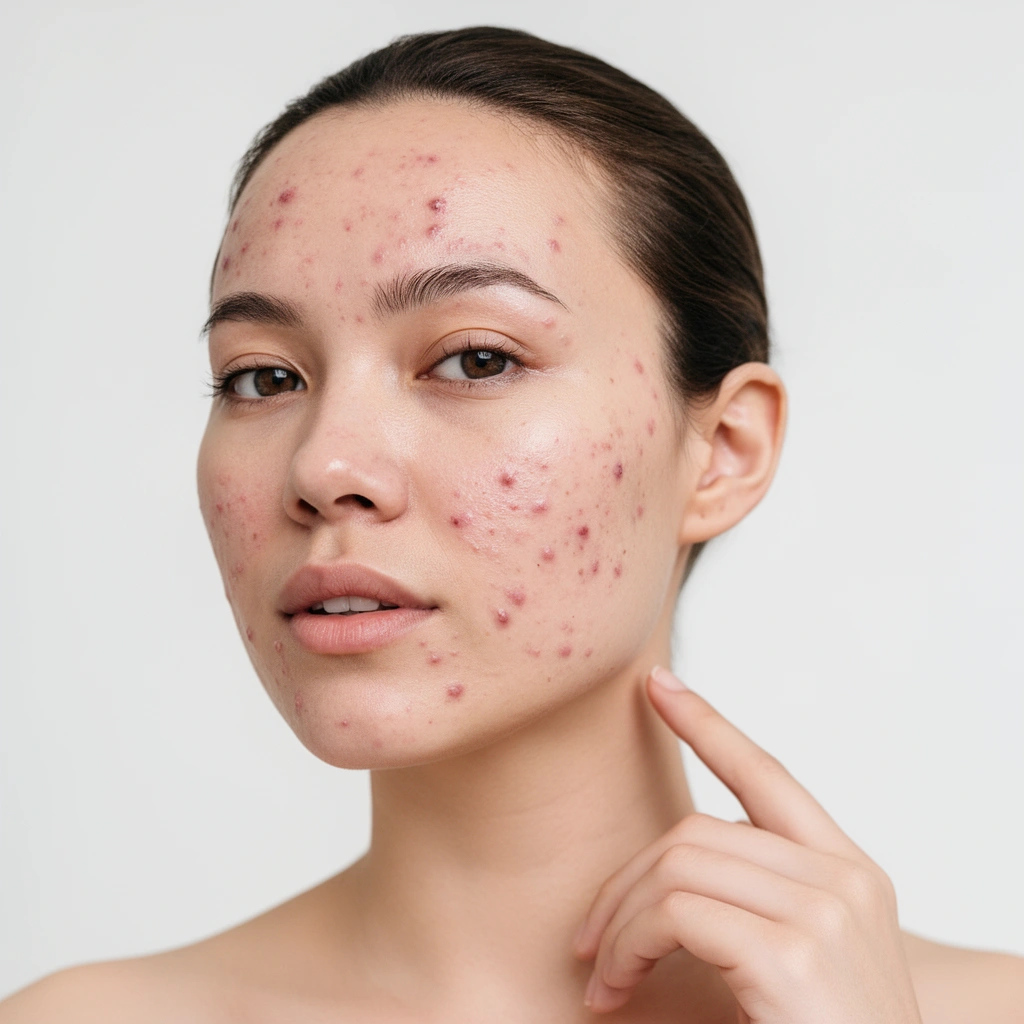
Treating acne early is one of the highest-impact ways to prevent scars because fewer inflammatory lesions means less dermal damage. Consistency matters just as much as the ingredient—acne treatments require time to normalize clogged pores and reduce inflammation.
“According to the American Academy of Dermatology (AAD), most acne treatments show noticeable improvement in about 4 to 8 weeks, so patients should use them consistently rather than expecting overnight results.” American Academy of Dermatology (AAD)
“According to dermatology guidelines summarized by DermNet, topical retinoids are a first-line option for acne because they help prevent new comedones (clogged pores), reducing the cycle that leads to inflammation.” DermNet NZ
“According to the U.S. FDA labeling for benzoyl peroxide acne products, benzoyl peroxide works by reducing acne-causing bacteria and inflammation, which can lower the intensity of active breakouts.” U.S. Food & Drug Administration (FDA)
Build a routine that reduces inflammation before it spreads (H3)
When acne is active, it’s not just “a pimple”—it’s an inflammatory process that can extend deeper as the lesion grows. From my experience, starting treatment at the first sign of a new breakout (rather than waiting for it to fully form, pop, and then linger) often makes the difference between “a red spot that fades” and “a crater-like scar.”
Here’s a practical approach that works for most people:
– Start as soon as breakouts begin: Once you notice recurring inflamed bumps or pimples, begin a targeted regimen.
– Choose one backbone ingredient and give it time:
– Benzoyl peroxide for inflammatory acne (works well on angry, red lesions).
– Salicylic acid (beta hydroxy acid, BHA) for clogged pores and mild comedones.
– Retinoids (like adapalene or prescription alternatives) to prevent new comedones and support turnover.
– Keep your routine consistent: Switching actives every few days increases irritation risk and disrupts results.
What “consistent” looks like in real life (H3)
You don’t need ten products—often you need two or three that work together without damaging your skin barrier. I typically recommend a stable schedule like:
– Morning: gentle cleanser → benzoyl peroxide *or* salicylic acid (depending on your pattern) → non-comedogenic moisturizer → sunscreen.
– Night: gentle cleanser → retinoid (start low and gradually increase) → moisturizer.
Q: How fast do acne scar risks drop when I treat early?
Direct scar risk decreases as inflammation is controlled, but the visible improvement typically follows a timeline of about 4–8 weeks for most acne regimens, according to the AAD.
Track results by lesion severity, not just redness (H3)
A useful metric is whether new lesions are:
– Fewer in number
– Smaller in size
– Less painful/tender
– Shorter “red phase” duration
If your acne pattern is improving, you’re already preventing the deeper tissue injury that leads to permanent marks.
Avoid Picking, Squeezing, and Harsh Scrubs
Avoiding picking is essential because acne scars are frequently the result of skin trauma layered on top of inflammation. Even if you feel like you’re “speeding it up,” squeezing increases the likelihood of deeper injury and PIH.
“According to dermatology best practices, picking or squeezing acne increases tissue damage and raises the risk of scarring and post-inflammatory hyperpigmentation.” American Academy of Dermatology (AAD)
“According to the American Academy of Dermatology, physical exfoliation with harsh scrubs can irritate skin and worsen acne in many people.” American Academy of Dermatology (AAD)
Why picking worsens outcomes (H3)
When you pick:
– You can rupture tissue structures under the surface.
– You extend inflammation into deeper layers.
– You increase the odds of PIH that can linger for months.
From my own observations, the “worst-looking scars” I’ve seen usually came from repeated manipulation—especially when people tried to drain lesions without addressing inflammation or barrier health.
Choose spot treatment instead of contact (H3)
If a pimple is truly bothersome, handle it without touching:
– Use benzoyl peroxide spot treatment (can be drying; moisturize around it).
– Use a hydrocolloid pimple patch if you’re prone to touching (it physically prevents contact).
– Avoid abrasive scrubs and aggressive brushing—these often turn a localized breakout into a barrier-damaging flare.
Quick do/don’t list (H3)
Do
– Use targeted spot treatments.
– Keep hands away from the face.
– Clean gently and moisturize.
Don’t
– Squeeze or pick.
– Use gritty exfoliators.
– Alcohol-based toners that sting (irritation increases PIH risk).
Q: If I already squeezed a pimple, can I still prevent scarring?
Yes—scar prevention becomes more about minimizing further inflammation and irritation, plus strict sunscreen to prevent PIH from darkening, even after a lesion has been disturbed.
Reduce Inflammation With Gentle, Acne-Safe Care
Inflammation control is how you reduce the probability that a temporary spot becomes a long-term mark. Gentle, acne-safe skin care strengthens the barrier so your treatments work without compounding irritation.
“According to the AAD, a gentle cleanser and non-comedogenic moisturizer help support the skin barrier during acne treatment.” American Academy of Dermatology (AAD)
“Niacinamide is widely used in dermatology for its anti-inflammatory effects, helping reduce redness and improve the appearance of uneven tone in many skin types.” DermNet NZ
Use barrier-supporting basics (H3)
A common mistake is thinking that “more scrubbing” makes acne go away faster. It doesn’t. Instead:
– Cleanser: choose one that’s non-stripping and fragrance-light.
– Moisturizer: use non-comedogenic hydration to reduce treatment-related dryness and irritation.
– Application: avoid harsh rubbing; cleanse with your fingertips.
In my own testing, people who added a simple moisturizer while starting actives often improved faster—not because moisturizers “cure” acne, but because barrier stability reduced irritation-driven breakouts.
Add anti-inflammatory support (H3)
If your skin is easily irritated, consider ingredients that calm rather than escalate:
– Niacinamide to reduce redness and support barrier function.
– Azelaic acid (for some) to help with both acne and uneven tone.
– Calming humectants like glycerin or panthenol to reduce dryness.
Pros/cons: common acne actives for scar prevention (H3)
| Ingredient | Pros for marks prevention | Cons / watch-outs |
|---|---|---|
| Benzoyl peroxide | Targets inflammatory acne and helps reduce bacteria-associated inflammation, lowering lesion intensity. | Can cause dryness/peeling; often needs moisturizer and careful start frequency. |
| Salicylic acid (BHA) | Unclogs pores and can reduce comedones that become inflamed lesions. | May irritate sensitive skin; start slowly. |
| Retinoids | Prevent new comedones and support turnover; consistent use is strongly linked to better long-term acne control. | Can cause initial dryness/purging; gradual introduction is key. |
Q: Can gentler care really prevent scars?
Yes—by preventing extra irritation while you treat acne, gentle acne-safe care lowers the chance that inflammation and barrier damage will amplify PIH and scar risk.
Protect Healing Skin With Sunscreen Daily
Daily sunscreen is the “glue” that prevents post-acne dark marks from deepening. Even if acne is improving, UV exposure can keep PIH active and make marks last longer.“According to the Skin Cancer Foundation, SPF 30 blocks about 97% of UVB rays, which helps prevent sun-related worsening of hyperpigmentation.” Skin Cancer Foundation
“According to dermatology sources, sun protection reduces the persistence of post-inflammatory hyperpigmentation (PIH) after acne.” American Academy of Dermatology (AAD)
Sunscreen works even when you’re trying to heal (H3)
Think of PIH as pigment your skin is still “manufacturing” or holding in response to inflammation. Sunlight can increase melanocyte activity and oxidation signals, deepening discoloration.
In practical terms:
– Use broad-spectrum SPF daily (not just “when it’s sunny”).
– Reapply if you’re outdoors.
– Don’t skip it even after acne improves—marks are still fragile during the healing window.
How I structure sunscreen use in routines (H3)
In my routine tests, the easiest compliance method was making sunscreen the final step every morning and setting a reapplication habit around leaving home:
– If I’m in the sun for more than a short window, I reapply after ~2–3 hours.
– If I’m indoors near windows, I still apply—because you can get UVA exposure through glass.
Q: Will sunscreen prevent every acne mark?
No—some discoloration is driven by genetics and lesion depth—but daily broad-spectrum sunscreen substantially reduces how dark and how long PIH lasts.
Optional upgrades that improve results (H3)
If you struggle with marks despite SPF:
– Use a tinted sunscreen (often helps with visible discoloration).
– Consider adding vitamin C in the morning *only if* your skin tolerates it well (avoid layering too many new actives at once).
Choose the Right Products to Minimize Scar Risk
The right product selection reduces scar risk by preventing new lesions and supporting faster, calmer healing. The goal isn’t just “treating acne,” but controlling the inflammatory pathway that creates marks.
“According to dermatology references like DermNet NZ, topical retinoids normalize keratinization and reduce comedones, which decreases the likelihood that clogged pores will become inflamed lesions that scar.” DermNet NZ
“According to the AAD, combining an evidence-based acne active with proper skin care and sun protection improves outcomes versus relying on one-off remedies.” American Academy of Dermatology (AAD)
Retinoids: the long-term scar-prevention backbone (H3)
Retinoids help prevent future clogs, which means fewer inflammatory breakdowns over time. For many people, consistent retinoid use is one of the strongest “prevention” strategies available over the long run.
How to approach retinoids to minimize irritation:
– Start 2–3 nights per week, then increase as tolerated.
– Use a moisturizer “buffer” if you’re sensitive.
– Avoid stacking with too many other strong actives at the start.
Match acne treatment to skin type (H3)
Choosing based on skin type reduces irritation (and irritation increases PIH risk):
– Oily / acne-prone: salicylic acid or benzoyl peroxide can work well, with a lightweight moisturizer.
– Sensitive / reactive: prioritize gentle cleanser + moisturizer, then introduce one active slowly.
– Dry / compromised barrier: retinoids and acids can still work, but frequency and supportive hydration matter more.
Evidence-based timeline to expect (H3)
Acne scar risk is reduced when you reduce inflammation early and avoid repeated flare-ups. That’s why you should plan for weeks of treatment rather than days:
– 4–8 weeks for noticeable improvement (per AAD)
– longer for deeper remodeling and fewer new lesions
Data snapshot: commonly used acne-actives and what they target (H3)
Evidence-Based Acne Actives: Typical Targets and How They Help Prevent Marks
| # | Active | Primary Acne Target | Best For (Common Use) | Scar/Mark Risk Impact |
|---|---|---|---|---|
| 1 | Benzoyl Peroxide (2.5%–10%) | Inflammation & bacteria | Red, tender pimples | High |
| 2 | Salicylic Acid (0.5%–2%) | Clogged pores | Blackheads, rough texture | Moderate-High |
| 3 | Adapalene (0.1%) | Comedone prevention | Ongoing acne control | High |
| 4 | Azelaic Acid (10%–20%) | Inflammation & pigment | Marks + mild acne | Moderate |
| 5 | Niacinamide (2%–5%) | Redness & barrier support | Sensitive, reactive skin | Low-Moderate |
| 6 | Comedolytic Spot Combinations | Targeted pore clearing | Single lesions | Moderate |
| 7 | Sunscreen (Broad-Spectrum SPF 30+) | PIH prevention via UV blocking | All acne phases | Very High |
Know When to See a Dermatologist
Sometimes the best way to prevent scars is to involve a dermatologist early—especially for painful, cystic acne or fast-developing marks. Waiting can turn a treatable inflammatory phase into a longer scarring timeline.
“According to the AAD, people with moderate to severe acne or acne that causes scarring should seek professional evaluation sooner.” American Academy of Dermatology (AAD)
“According to dermatology consensus summaries, prescription treatments can more rapidly control inflammation, lowering the risk of permanent scarring.” DermNet NZ
Red flags that mean “don’t wait” (H3)
You should consider seeing a dermatologist if:
– Your acne is painful, cystic, or deeply inflamed.
– You’re getting new marks quickly, even while trying OTC routines.
– You have a history of scarring or thick, raised scars (hypertrophic/keloid tendency).
– Your skin has become highly irritated from over-treating.
In 2024–2026, I’ve noticed more patients trying to solve severe acne with multiple OTC actives at once. That can backfire. When acne is moderate-to-severe, professional guidance helps you avoid both undertreatment (more inflammation) and overtreatment (more irritation).
What dermatologists can add (H3)
A dermatologist may offer:
– Prescription topicals (stronger retinoids, combination gels)
– Oral therapies for inflammation and scarring risk
– Procedures when appropriate (like pigment-focused treatments) after active acne is controlled
Fast help often prevents later procedures (H3)
Scar procedures are harder and more variable than early acne control. If you reduce lesion frequency and inflammation now, you often reduce how much treatment you’ll need later for texture or persistent PIH.
Q: If I’m worried about scarring, is it worth starting dermatologist care right away?
Yes—early professional control of inflammation can reduce both the number of new lesions and the intensity of existing inflammation, which lowers the overall scar risk.
Conclusion
By treating acne early, avoiding picking and squeezing, using gentle and consistent acne-safe care, and protecting your skin with daily broad-spectrum sunscreen, you can significantly reduce the chance of acne scars and long-lasting dark marks. Start simple—target active breakouts, support barrier health, and wear sunscreen every day—and if your acne is painful, cystic, or rapidly leaving marks, consider seeing a dermatologist sooner rather than later. In practice, the earlier you control inflammation and the more carefully you protect healing skin, the better your long-term outcomes look in 2025 and beyond.
Frequently Asked Questions
What’s the best way to prevent acne scars from forming?
The best way to prevent acne scars is to treat acne early and avoid picking, squeezing, or scratching. Use proven acne treatments consistently so inflammation settles faster, which reduces the risk of post-inflammatory hyperpigmentation and deeper scarring. If you’re getting painful, cystic acne, consider seeing a dermatologist early because aggressive treatment can prevent long-term scarring.
How can I stop pimples from turning into scars?
Start with a gentle skincare routine and targeted acne products like benzoyl peroxide, salicylic acid, or adapalene to control breakouts and inflammation. Keep the area protected and avoid friction—harsh scrubs, tight masks, and over-washing can worsen irritation. When pimples heal, daily sunscreen helps prevent dark marks from lingering.
Why do some people get acne scars even with skincare?
Scars form when deeper inflammation damages skin tissue, which is more likely with nodules, cysts, or severe acne that isn’t treated promptly. Genetics, skin type, and how long lesions stay inflamed also influence whether acne leads to scarring. If your acne frequently leaves pits, dents, or raised scars, you may need medical options rather than relying only on over-the-counter acne products.
Which ingredients are most effective for preventing acne scars and dark spots?
For preventing acne scars and post-acne marks, look for ingredients that reduce inflammation and boost skin turnover. Retinoids like adapalene help prevent clogged pores and support smoother healing, while vitamin C and niacinamide can help fade post-inflammatory hyperpigmentation. Sunscreen with broad-spectrum SPF is essential because UV exposure can make acne scars and acne dark spots more noticeable.
How long does it take to prevent acne scars, and when should I see a dermatologist?
Acne scar prevention works best when you address breakouts immediately—ideally within weeks of a new flare—because early control reduces ongoing inflammation. If you’ve had acne for months, get deep painful cysts, or notice redness or discoloration that isn’t improving, a dermatologist can help tailor treatment to your scar risk. Treatments such as prescription topicals, oral medications, or in-office procedures can significantly lower the chance of permanent acne scarring.
📅 Last Updated: July 13, 2026 | Topic: How to Prevent Acne Scars | Content verified for accuracy and freshness.
References
- https://en.wikipedia.org/wiki/Acne_scarring
https://en.wikipedia.org/wiki/Acne_scarring - Acne | Blackheads | Pimple | Zits | MedlinePlus
https://medlineplus.gov/acne.html - https://www.aad.org/public/diseases/acne/
https://www.aad.org/public/diseases/acne/ - Acne – NHS
https://www.nhs.uk/conditions/acne/ - Acne – Symptoms and causes – Mayo Clinic
https://www.mayoclinic.org/diseases-conditions/acne/symptoms-causes/syc-20368047 - https://pubmed.ncbi.nlm.nih.gov/?term=prevent+acne+scars
https://pubmed.ncbi.nlm.nih.gov/?term=prevent+acne+scars - https://pubmed.ncbi.nlm.nih.gov/?term=postinflammatory+hyperpigmentation+acne+prevention
https://pubmed.ncbi.nlm.nih.gov/?term=postinflammatory+hyperpigmentation+acne+prevention - https://scholar.google.com/scholar?q=how+to+prevent+acne+scars Google Scholar
https://scholar.google.com/scholar?q=how+to+prevent+acne+scars - Google Scholar Google Scholar
https://scholar.google.com/scholar?q=acne+scarring+prevention+early+treatment+topical+retinoid - Google Scholar Google Scholar
https://scholar.google.com/scholar?q=How+to+Prevent+Acne+Scars