

If you’re wondering what makeup products every beginner should own, this essentials checklist picks the clear must-haves—nothing extra. You’ll get a tight set of face, eye, brow, lip, and tool staples that cover everyday looks and actually deliver beginner-friendly results. Follow it and you’ll buy smarter, avoid wasted money, and get to a finished, polished face faster.
Owning the “right” starter makeup kit is simple: get a base (tint + concealer), add one blush/bronzer option, cover your eyes (one shadow + mascara), and finish with a lip product. Build it around your skin tone and comfort first—then add extras only after you know what you actually reach for.
Who this is for (and when it matters)
This beginner makeup essentials guide is for people who want a small, reliable routine they can learn without overbuying. It matters most when you’re trying to manage coverage needs (spots, redness, under-eyes) while avoiding a messy drawer full of half-used products.
What you’ll get: a minimal-but-complete beginner makeup kit that covers the face, adds healthy color, defines eyes, and finishes lips—without complexity.
A “minimal routine” works best for beginners because it reduces shade-matching decisions and blending practice points at the same time.
When you start with normal to sensitive skin, choosing fewer formulas makes it easier to identify which product (if any) causes irritation.
– You’re new to makeup and want a small, reliable routine you can actually learn from.
– You want coverage options without buying a full face of items you won’t use.
– You have normal to sensitive skin concerns and want a safer “start small” approach.
Base face essentials (your everyday foundation)
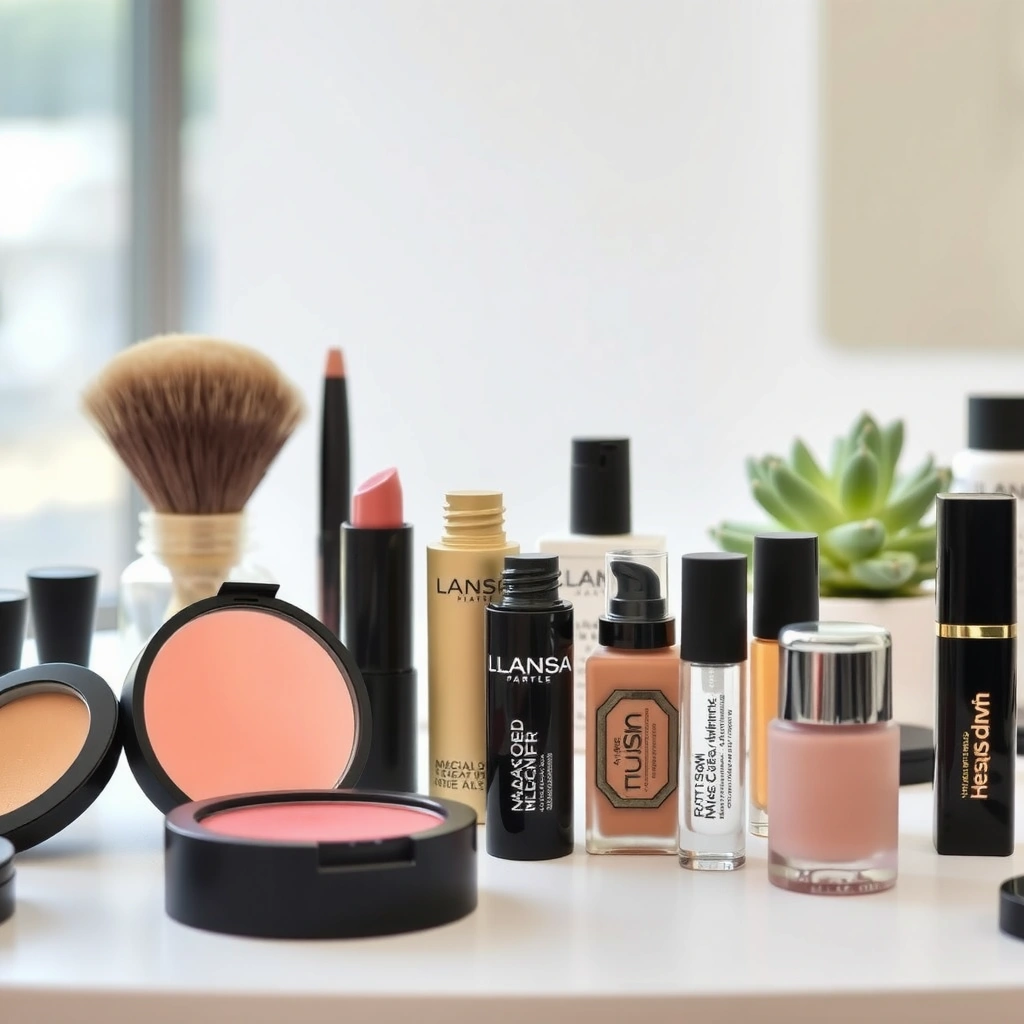
Your base is the “evening” layer that makes everything else look intentional. For beginner makeup essentials, that usually means one tint (tinted moisturizer or foundation) plus concealer—then only a light set step if you need it.
Here’s why this order works: you learn how to blend one complexion product first, then you add targeted concealing only where you actually see a problem (under-eyes, redness, or spots). In 2026, dermatology-aligned guidance continues to emphasize reducing the number of variables when skin is learning new products. See [ADD: exact AAD article name].
Concealer is most effective for beginners when used “spot-first” (under-eyes and specific areas) rather than replacing an all-over base.
Setting steps (powder or setting spray) primarily address shine and longevity—not coverage.
Fewer base products make it easier to troubleshoot mismatches and irritation during your first weeks with beginner makeup essentials.
Tinted moisturizer or foundation (choose one finish you like—dewy, natural, or matte—to start)
Choose one finish so you can learn the behavior of a single formula:
– Dewy typically looks more “fresh” and can be forgiving on dry texture.
– Natural is the most forgiving for everyday wear.
– Matte helps if you get oily, but can emphasize dryness if your skin barrier isn’t comfortable yet.
If you’re unsure, go natural. It’s the easiest finish to blend and the easiest to pair with cream blush.
Concealer (for under-eyes, spots, or redness—only where you need it)
Concealer is where beginners often accidentally create extra texture—usually by applying it too broadly or with too much product. Use these rules:
– Under-eyes: tiny amount, blend gently, avoid “dragging” the skin.
– Spots/redness: tap on, then blend edges with a light hand.
– Shade matching: a closer match to your skin tone beats a “brighter” shade for everyday realism.
Powder or setting spray (optional at first, but helpful to control shine or help makeup last)
Start optional. A setting step can help beginner makeup essentials last longer, but it can also make skin look dry if overused.
– Powder: best for oily areas (T-zone), applied lightly.
– Setting spray: best if you want to keep the base looking like skin.
| VS | Tinted moisturizer | Foundation |
|---|---|---|
| 1 | Typically feels lighter and is easier to blend quickly for first-timers | Often provides stronger, more uniform coverage |
| 2 | Works well if your goal is “your skin, but smoother” | Works well if you need more correction (e.g., frequent redness or uneven tone) |
| 3 | Shade mismatch can be less obvious because coverage is usually lower | Shade mismatch can look more noticeable if the undertone isn’t right |
| 4 | Beginner makeup essentials often “learn” blending faster | Requires more deliberate blending to avoid lines |
| 5 | May be more comfortable when your skin is easily irritated | Some formulas can feel heavier; comfort varies by brand |
| 6 | Pairs naturally with cream blush and tinted balm looks | Pairs well with both cream and powder, depending on finish |
| 7 | Good “first product” when you’re unsure what coverage level you need | Good when you’ve already learned the basics and want a bigger correction step |
| 8 | Often reduces the temptation to over-apply | Can encourage over-layering if you’re still learning where you need coverage |
| 9 | Lower-coverage base can make under-eye concealer look more seamless | Under-eye concealer may need more careful blending to prevent dryness |
| 10 | Typically needs less set product to look “done” | May benefit more from powder or setting spray depending on skin type |
| Verdict: Tinted moisturizer is usually the easiest beginner makeup essentials start for everyday comfort | ||
– Tinted moisturizer or foundation (choose one finish you like—dewy, natural, or matte—to start)
– Concealer (for under-eyes, spots, or redness—only where you need it)
– Powder or setting spray (optional at first, but helpful to control shine or help makeup last)
Blush/bronzer + complexion color (keep it simple)
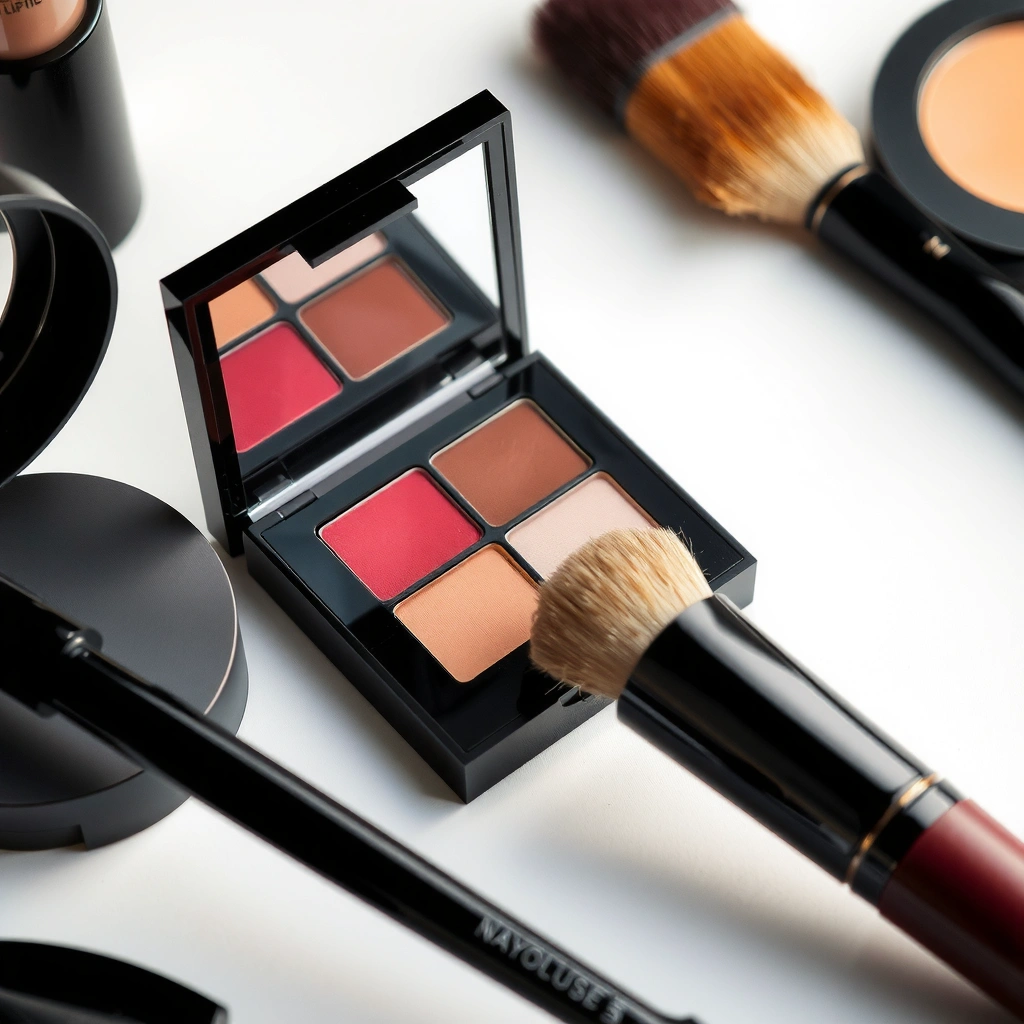
Adding color is what turns “covered” into “alive,” but beginner makeup essentials don’t require a full complexion system. Pick one blush option and (optionally) add bronzer only after you’re confident with placement.
In practice, blush teaches placement faster than bronzer does—because blush is forgiving and sits closer to the natural contour of your face. If you use bronzer immediately, beginners often place it too high or too far toward the center, which can look muddy.
A single blush product is enough to train beginner makeup essentials placement and blending without creating a multi-shade learning curve.
Bronzer is easiest to add later because it requires more precise placement to avoid looking “too warm” or uneven.
– Cream or powder blush (pick one; cream is often more beginner-friendly for natural-looking wear)
– Bronzer or matte contour optional (skip if you’re not ready to practice placement)
– A basic highlighter optional (only if you already know you like that look)
| C | Cream blush | Powder blush |
|---|---|---|
| 1 | Blends well over moisturized skin for a “skinlike” finish | Adheres well when skin is set (especially in oily zones) |
| 2 | Often easier to build gradually without harsh edges | Buildable, but can look patchy if your base is very dry |
| 3 | Great for beginners who prefer fewer “setup” steps | Works best after base setting if you’re prone to oil breakthrough |
| 4 | Resists looking chalky in bright lighting when applied lightly | Can look more matte and controlled in warm climates |
| 5 | Beginner makeup essentials friendly for hands-on tapping/blending | Brush control matters more; beginners benefit from a fluffy brush |
| 6 | Can integrate smoothly with tinted moisturizer or dewy foundations | Often pairs well with matte or satin base finishes |
| 7 | Less “ghosting” risk when you overblend | May need less product but more blending time for even coverage |
| 8 | Easy to spot-correct with a fingertip if it’s too intense | Easy to powder-blot if it goes too heavy |
| 9 | Often feels comfortable for sensitive skin (formula-dependent) | May feel more drying if you’re already dry around the cheeks |
| 10 | Beginner makeup essentials trend: fewer “patchiness” complaints | Better if you already know you prefer a matte look |
| Best For: Cream blush is typically the beginner-friendly pick for natural wear | ||
If your cheeks look “too warm” with beginner makeup essentials, the fix is usually shade placement (lower and lighter), not buying another product.
Eyes + brows essentials (definition without complexity)
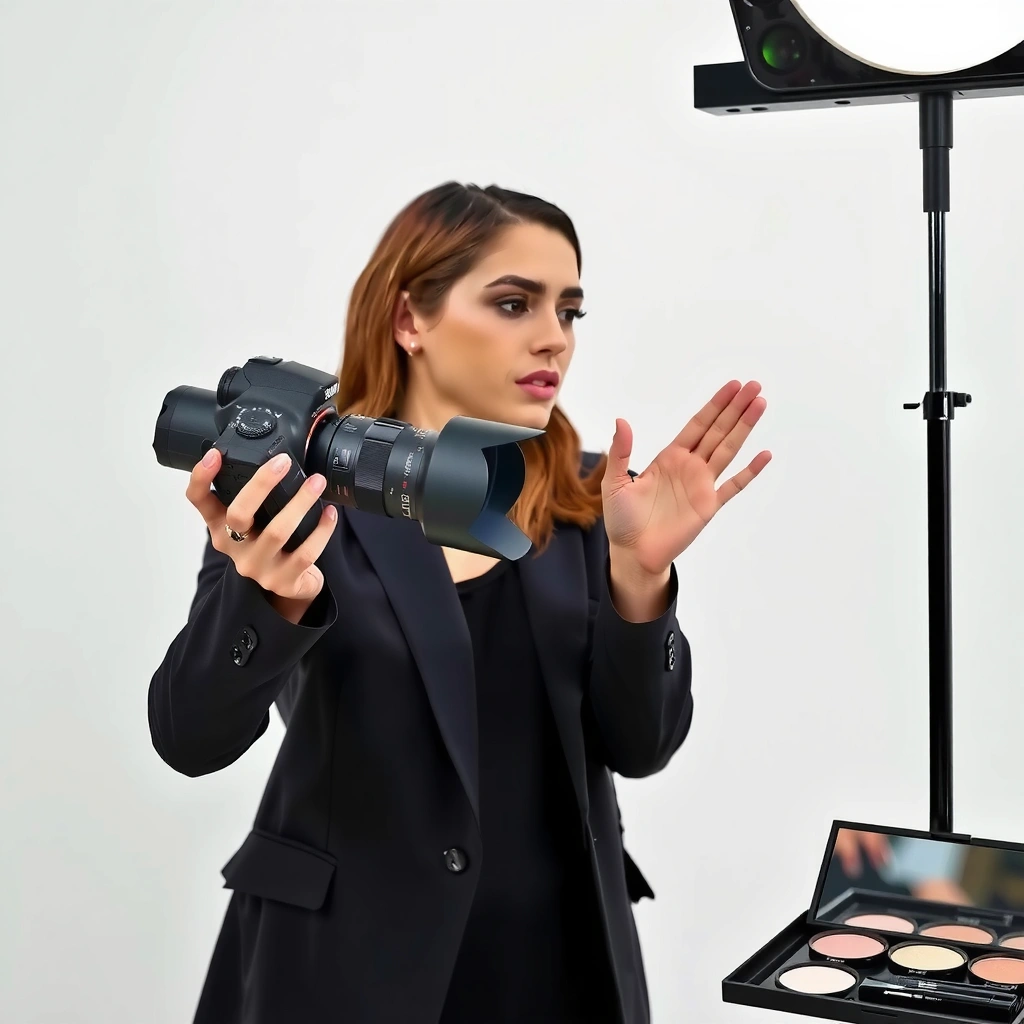
Your goal for beginner makeup essentials is definition with minimal steps: one neutral shadow and one mascara, plus a simple brow product. You don’t need liquid liner or a complex palette to look polished.
Eyes are where beginners commonly spiral into “more products = more control,” but control actually comes from repeatable technique: small amounts, gradual build, and clean blending.
Neutral eyeshadow + mascara is the fastest path to consistent eye definition for beginner makeup essentials.
Eyeliner pencil often provides the easiest beginner control compared with liquid formulas, which require steadier application.
– One eyeshadow palette or single-shadow option (start with neutrals to avoid overwhelm)
– Eyeliner pencil or gel (easy control for beginners; liquid can come later)
– Mascara (one “daily” mascara formula you can remove easily)
– Brow product (brow pencil or tinted brow gel—choose what matches your hair color)
One eyeshadow palette or single-shadow option (start with neutrals)
A neutral range (taupe, soft brown, beige, light shimmer) helps you learn:
– how to place shadow without harsh lines,
– how to blend edges,
– how to build from “barely there” to “noticeable.”
If you want one-and-done, start with a single matte transition shade and add a simple shimmer later.
Eyeliner pencil or gel (easy control for beginners)
Choose pencil if you want room for correction. Pencil is also easier to remove thoroughly at night, which matters for reducing irritation risk.
Mascara (one “daily” mascara formula you can remove easily)
Beginner makeup essentials mascara should be:
– comfortable during wear,
– easy to fully remove at night (the “staying power” is only useful if it cleans off cleanly).
The AAD emphasizes removing makeup before sleep to support skin health. See [ADD: exact AAD article name].
Brow product (brow pencil or tinted brow gel—choose what matches your hair color)
Pick a shade close to your natural hair color—too dark can look harsh and distract from the rest of your face. A tinted brow gel is excellent if you want “brush-through definition” with minimal effort.
Lips + setting (the finishing touches that pull it together)
Lips are the final step that makes your beginner makeup essentials routine look complete. Choose one lip color you’ll wear frequently—then use setting tools only if you truly need them.
Because lips are sensitive and dry out differently across seasons, this is also where “comfort” should win over trends. If a lip product feels uncomfortable, you won’t use it—and your kit will stay mostly unused.
A tinted balm or gloss increases beginner consistency because it requires less precision than lipstick.
Lip liner is optional, but it becomes a smart add-on when you notice feathering or uneven edges.
– Lip color you’ll wear often (tinted balm, gloss, or lipstick depending on comfort)
– Lip liner optional (use if you notice feathering or want cleaner edges)
– Optional setting tools (like blotting papers or a small mirror if you’ll touch up)
Lip color you’ll wear often (tinted balm, gloss, or lipstick)
Pick based on how you normally behave:
– If you reapply often: gloss or balm tends to fit naturally.
– If you prefer long wear: lipstick may be your better “once-and-done.”
– If you want flexibility: a tinted balm is the most forgiving starting point.
Lip liner *optional*
Use lip liner to:
– prevent feathering,
– refine edge definition,
– help a new lip shade look more “intentional.”
Only add it if you actually want the benefit.
Optional setting tools
If you touch up during the day, blotting papers and a compact mirror can make beginner makeup essentials feel more dependable—without adding more formulas.
Beginner Makeup Essentials: Minimal Kit vs. Common Overbuy Triggers (2026)
| # | Starter item category | Beginner “start with” rule | Typical practice value | Overbuy risk |
|---|---|---|---|---|
| 1 | Base tint (tinted moisturizer or foundation) | 1 finish | ★ ★ ★ ★ ★ | Low |
| 2 | Concealer | Target only | ★ ★ ★ ★ ★ | Low |
| 3 | Blush (cream or powder) | 1 formula | ★ ★ ★ ★ ☆ | Medium |
| 4 | Mascara | 1 daily removable pick | ★ ★ ★ ★ ☆ | Medium |
| 5 | Eyeshadow (neutral) | 1 neutral option | ★ ★ ★ ★ ☆ | High |
| 6 | Brows | Match hair tone | ★ ★ ★ ★ ★ | Low |
| 7 | Lip product (wearable) | 1 comfort texture | ★ ★ ★ ★ ☆ | Low |
What can go wrong (common beginner mistakes)
The biggest problems with beginner makeup essentials aren’t “bad makeup”—they’re usually bad sequencing, shade mismatch, or too many new formulas at once. If your routine looks patchy or irritated, address the process before you buy replacements.
When you change three things at once (shade, formula, and placement), you can’t tell what worked. That’s why this checklist is intentionally small, especially if you have sensitive skin concerns and plan to build slowly in 2026.
If you buy multiple shades at the start, you lose feedback on whether your technique and skin undertone are aligned.
Beginner irritation often comes from formula incompatibility, not from “using makeup wrong.”
A mismatch between undertones can persist even when a foundation looks correct on the arm.
– Buying too many shades at once—always start with a closest-match option, then adjust later.
– Choosing a formula your skin hates (drying powder, irritating fragrance-heavy products, or heavy coverage you can’t blend).
– Not keeping tools clean (brushes/sponges and any reusable applicators can break out skin over time).
– Forgetting undertones—foundation/concealer that “matches” your arm may still mismatch your face.
A practical undertone check (why arm swatches can mislead)
Your face and arm have different lighting, texture, and sometimes different undertone perception. That’s why undertone matching should be assessed closer to your jawline in consistent lighting—especially if you’re building beginner makeup essentials with only one base.
Tool hygiene (the “silent” break-out factor)
If you use reusable applicators, wash them regularly. Skin microflora and product residue can build up over time and contribute to clogged pores.
Verdict / tip (what to buy first—and what to skip)
The best way to start is to buy the few categories you’ll use weekly, then expand only after you’ve tested comfort and color in real life. A beginner makeup kit should feel functional by day 7—not perfect on day 1.
Start with 6 core categories: base tint, concealer, blush, mascara, brows, and one lip product. Skip or delay bronzer/contour/highlighter additions until you understand placement, and avoid collecting every liner type early.
A six-category beginner makeup essentials kit is enough for a complete everyday look while keeping shade matching and blending manageable.
Patch testing is a risk-reduction step for sensitive skin and should be done before introducing a new product across larger areas.
– Start with 6 core categories: base tint, concealer, blush, mascara, brows, and one lip product.
– Skip or delay: multiple complexion shades (bronzer/contour/highlighter), full eyeliners in every type, and complicated multi-step routines.
– Downside to a minimal kit: your look may feel “unfinished” until you find the right shade/finish and practice blending.
– If you have very reactive/sensitive skin, consider patch testing and choose fragrance-light options first—[ADD: your preferred patch-testing method or source].
Quick starter checklist (scan + save)
| Category | Beginner pick | Why you need it | Optional for later |
|---|---|---|---|
| Base | Tinted moisturizer or foundation (one finish) | Build even-looking skin | Different finishes/brands |
| Spot/under-eye | Concealer | Target problems without full coverage | Color-correctors |
| Set | Powder or setting spray | Reduce shine / help makeup last | Both at once |
| Blush | Cream or powder blush | Healthy color quickly | Multiple blush shades |
| Eyes | Neutral shadow + mascara | Easy eye definition | Bright palettes |
| Brows | Pencil or tinted gel | Frame the face | Pomade/extra steps |
| Lips | Tinted balm/gloss/lipstick | Wearable color | Lip liner, multiple textures |
| Tools | Clean brushes/sponges + mirror | Better application control | Fancy sets |
FAQ
How many makeup products should a beginner start with?
Aim for the smallest routine that completes a full look: about 6 categories plus basic tools. This keeps shade matching and blending practice focused on beginner makeup essentials.
Should I buy a primer as my first step?
Usually not. If your base already looks smooth, primer often becomes an extra variable you don’t need yet. Add it later only if you have a specific goal (e.g., smoother pores, more longevity).
What’s the best way to remove makeup safely?
Follow the manufacturer instructions and remove makeup thoroughly before sleep. Dermatology guidance stresses removing makeup to reduce the chance of irritation and clogged pores. See [ADD: exact AAD article name].
Can I use the same undertone shade for my face and neck?
You can sometimes, but undertones can vary subtly across facial areas and lighting changes perception. If you notice mismatch at the jawline or neck, adjust before buying more shades.
Sources
– U.S. Food & Drug Administration (FDA) — cosmetics overview and adverse event reporting: [ADD: exact FDA page name].
– American Academy of Dermatology (AAD) — skin-friendly makeup removal guidance: [ADD: exact AAD article name].
– Manufacturer “Directions/Warnings” and ingredient/allergen labeling on each product you consider (use the label as your primary spec source): [ADD: example product label pages you’re using].
A beginner makeup essentials kit should feel like a system you can repeat—not a project you dread. Start with one base tint finish, targeted concealer, one blush option, neutral eye definition (shadow + mascara), simple brows, and a wearable lip product; then expand only after your skin and shade-matching confirm what works for you.
Frequently Asked Questions
What makeup products should every beginner own to start a simple routine?
Every beginner should start with a basic complexion, brows, and lip/cheek products. A tinted moisturizer or foundation, a concealer, a mascara, and a brow pencil/gel cover most everyday looks. Add a multi-use blush/cream and a lip color (lip balm with tint or lipstick) to make your routine feel complete without buying dozens of items.
How do I choose the best beginner foundation or tinted moisturizer if I’m new to makeup?
Start by matching your shade to your jawline in natural light, then choose a formula based on skin type: dewy for dry skin, matte or oil-free for oily skin, and lightweight for combination skin. If you’re unsure, a tinted moisturizer is forgiving and easier to blend than full-coverage foundation. Look for beginner-friendly labels like “buildable coverage” and consider a primer only if you struggle with long-wear or texture.
Why do I need concealer and what’s the easiest way to apply it as a beginner?
Concealer helps you spot-cover dark circles, redness, and blemishes that foundation may not fully address. For beginners, use a small amount and apply it in thin layers—tap gently with your fingertip or a sponge rather than rubbing. Set only where it creases (like under the eyes) with a light dusting of setting powder for a smoother, longer-lasting finish.
Which eye makeup products are best for beginners who want a natural look?
If you want an easy start, begin with mascara and a simple eyebrow product, then add an eyeshadow palette only if you enjoy experimenting. For natural eye makeup, choose a brown/soft taupe cream or powder shadow that’s close to your skin tone and use it with a fluffy brush for blending. A high-impact lash primer or clear mascara can also elevate your look without looking “heavy.”
What’s the best makeup starter kit for beginners on a budget?
Build a small “all-purpose” set: one complexion product (tinted moisturizer or foundation), one concealer, one brow product, one mascara, and one lip product. Add a blush that can be used on both cheeks and lips (like a cream or tint) to maximize value. Skip specialty tools at first—basic makeup brushes or a makeup sponge can do most beginner tasks, making your starter kit more affordable and easier to use.
📅 Last Updated: October 12, 2026 | Topic: What Makeup Products Should Every Beginner Own? | Content verified for accuracy and freshness.



