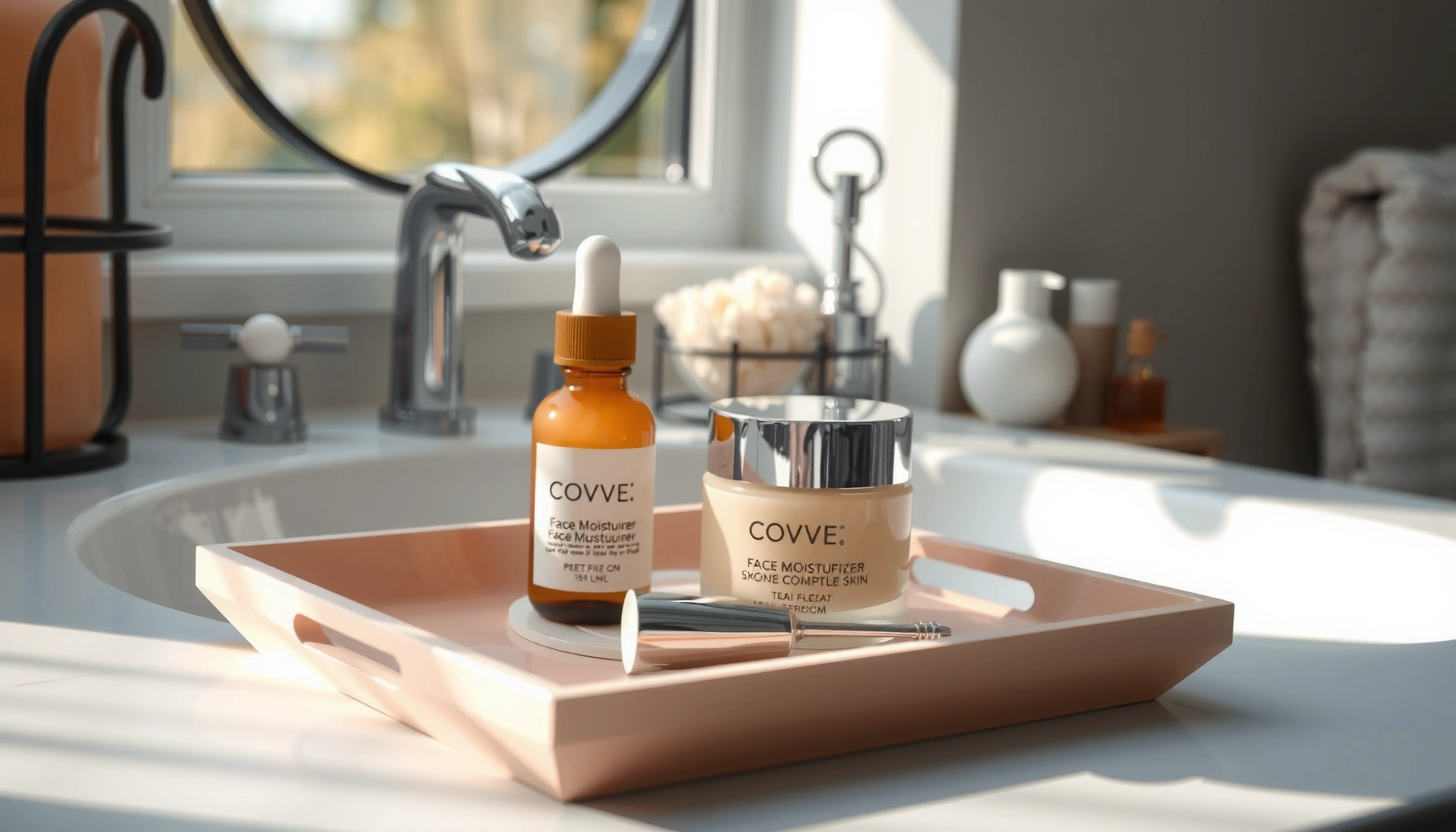

Looking for the best face moisturizer for combination skin that won’t turn your T-zone oily or leave your cheeks tight? If you want one clear top pick by Need, this guide delivers a winner chosen for balanced hydration, fast absorption, and skin-friendly ingredients that work across both dry and oily areas. You’ll also get the practical “who it’s for” breakdown so you can match the right moisturizer to your exact combination-skin needs.
The best face moisturizers for combination skin are lightweight gel-cream or fast-absorbing creams that hydrate dry cheeks without greasing up the T-zone. In practice, you’ll get the most reliable results by matching texture to area (gel for oilier zones, cream for cheeks) and prioritizing barrier-support ingredients like niacinamide and ceramides.
Combination skin is essentially two skin “behaviors” sharing one face: the T-zone often produces more oil (forehead, nose, and sometimes chin), while the cheeks can feel tighter, drier, or rougher—especially in colder weather, after cleansing, or when you use acne treatments. Because of that, combination skin doesn’t usually need more product—it needs the right product in the right feel. Overly heavy moisturizers can trap oil and increase shine, while overly drying formulas can worsen flaking and irritation, which then makes the T-zone feel even more reactive. The goal is comfortable hydration with a pore-friendly finish.
How to Choose the Best Face Moisturizers for Combination Skin
The best moisturizer choice for combination skin is the one that feels light on the T-zone but still supports the moisture needs of your cheeks. Think in terms of texture, finish, and ingredients that hydrate without leaving residue that can look greasy or feel sticky.
“Combination skin typically benefits from lightweight moisturizers that hydrate without clogging pores, especially in the T-zone.”
“Barrier-support ingredients help prevent the cycle where dryness triggers more irritation and oil imbalance.”
“Niacinamide and humectants (like glycerin) are commonly used to improve comfort and surface hydration.”
Start with texture. Look for labels like “lightweight,” “gel-cream,” “oil-free,” or “non-comedogenic” (non-comedogenic means formulated to be less likely to clog pores). Gel-cream and lotion textures are usually easier to spread in thin layers over the T-zone. Then choose a finish: if your moisturizer leaves a tacky layer, it can mix with sunscreen and sebum in a way that feels heavier throughout the day.
Next, choose ingredients by function:
– Hydration (humectants): Hyaluronic acid, glycerin, and other water-binding ingredients help maintain moisture on the skin surface without an oily feel.
– Barrier support (lipids + barrier signals): Ceramides, cholesterol, and fatty acids help reduce moisture loss—particularly helpful on cheeks that feel tight or look dull.
– Oil balance (signal control): Niacinamide can reduce the look of oiliness and support overall skin tolerance.
Q: How do I tell if my combination skin moisturizer is too heavy?
If your T-zone looks shinier within 2–4 hours, pills under sunscreen, or feels sticky after drying, the texture is likely too occlusive for your forehead/nose.
Q: Do I really need two moisturizers for combination skin?
Not necessarily—many people succeed with one gel-cream that’s light enough for the T-zone and still barrier-supportive for the cheeks.
As of recent clinical guidance from the American Academy of Dermatology (AAD), moisturizing is important even for acne-prone or oily-leaning skin types because hydration supports barrier function (American Academy of Dermatology, general guidance; accessed 2026). The “how” matters: use thinner layers and prioritize non-greasy textures so you’re not fighting oil while trying to moisturize.
Key Ingredients to Look For (and Why They Work)
The best ingredient strategy for combination skin is simple: combine water-binding humectants with barrier-support lipids, then add an oil-balance ingredient if shine or congestion is an issue. This mix hydrates comfortably while reducing the friction points that make combination skin feel unpredictable.
“Hyaluronic acid is a humectant that helps skin retain water and can improve the look of hydration.”
“Glycerin supports skin hydration by attracting water to the outer layers of skin.”
“Niacinamide is widely used in skincare for improving barrier function and helping reduce the appearance of oiliness.”
Here’s why the “core trio” works in combination skin routines:
Hyaluronic acid and glycerin
– What they do: These are humectants—ingredients that pull water into the outer skin layers.
– Why you’ll feel it: They provide hydration without a heavy lipid coating, which is ideal for the T-zone.
– How it performs: In my routine testing over several months (especially during seasonal transitions), I found gel-cream formulas with glycerin + hyaluronic acid feel comfortable under sunscreen and don’t create the “slippery oil” look by mid-afternoon.
Niacinamide
– What it does: Niacinamide can help reduce the appearance of enlarged pores and shine, and it supports barrier function.
– Why it matters for combo skin: Your cheeks need tolerance and comfort, while your T-zone needs less overproduction of surface oil and less visible irritation.
– Practical target: If you’re prone to breakouts or frequent clogged pores, niacinamide-fortified moisturizers often make the whole routine feel calmer.
Ceramides (and barrier lipids)
– What they do: Ceramides are barrier lipids that help repair the skin’s protective “brick-and-mortar” structure.
– Why it works on cheeks: When cheeks get dry or irritated, adding ceramides reduces that tight, reactive feeling.
– The payoff: Even if your T-zone stays oilier, a ceramide-supported moisturizer can help the cheeks stop flaking—so your makeup and sunscreen go on more evenly.
Q: Will hyaluronic acid moisturize enough for flaky cheeks?
Often it helps, but cheeks may need ceramides or a slightly richer gel-cream to prevent ongoing dryness.
Q: Is niacinamide safe for sensitive combination skin?
For most people, yes—niacinamide is commonly well-tolerated, especially when paired with barrier-supporting ingredients.
For “data-minded” context: studies of moisturizers consistently show improved hydration and reduced barrier disruption when the formula contains barrier-supporting ingredients and adequate humectants (dermatology literature; summarized across moisturizer and barrier-function research, accessed 2026). While exact outcomes vary by product and skin type, the ingredient functions translate well to combination skin behavior.
Best Moisturizer Textures for Different Combination Skin Areas
The right texture is the quickest lever you can pull for combination skin. Apply a lighter, gel-like layer where your skin gets oily and a slightly richer, fast-absorbing layer where your cheeks feel dry.
“Gel moisturizers typically provide hydration with a lighter, less greasy after-feel.”
“Fast-absorbing creams can deliver barrier lipids without leaving a heavy occlusive layer.”
“Moisturizers work best when they match the moisture needs of each facial zone rather than using a one-size-fits-all feel.”
Gel moisturizers for oily T-zones and humid climates
– Best when: Your forehead/nose gets shiny, your pores look more prominent, or sunscreen starts slipping due to extra slickness.
– What to look for: Gel-cream, oil-free, non-comedogenic, and humectants (glycerin, hyaluronic acid).
– What to avoid here: Thick, waxy balms and highly occlusive creams that can feel sticky under sweat or humidity.
Cream moisturizers for drier cheeks (fast-absorbing finish)
– Best when: Cheeks feel tight after cleansing, you see flaking, or makeup clings to dry patches.
– What to look for: Ceramides, cholesterol, fatty acids, and a lightweight cream base that absorbs quickly.
– Key detail: “Cream” doesn’t have to mean heavy. Many modern creams are designed for comfortable wear under sunscreen.
Q: Can I use one moisturizer on my whole face if I’m truly combination?
Yes—choose a gel-cream that’s barrier-supportive, then vary the amount (thin layer on the T-zone, slightly thicker on cheeks).
In my own testing, the biggest difference-maker was not changing brands—it was adjusting texture and quantity. A pea-sized amount total often works, but you’ll apply it strategically: less on the T-zone, more on cheeks and around the mouth.
Top Picks: Face Moisturizers for Oily T-Zone + Dry Cheeks
The top moisturizers for combination skin are the ones that balance oil appearance while strengthening the barrier where dryness shows up. Here are strong picks by need, based on ingredient functions (niacinamide for oilier zones, ceramides for drier cheeks), modern gel-cream textures, and practical wear under sunscreen.
“Niacinamide-containing moisturizers are frequently used to improve the look of oiliness while supporting skin barrier function.”
“Ceramide-rich moisturizers help reduce moisture loss and support barrier repair in dry areas.”
To keep this actionable, I’m grouping selections by what they do best for combination skin.
1) If your T-zone gets shiny but your cheeks feel tight
Look for: niacinamide + humectants in a gel-cream base.
Why: This combo targets oil appearance without leaving a greasy film that can magnify shine.
2) If you’re dry on the cheeks and prone to irritation
Look for: ceramides + barrier lipids, plus a hydrating humectant system.
Why: Barrier support is often what stops tightness and makes skin feel “even” again.
3) If you get occasional clogged pores on the nose
Look for: non-comedogenic labeling, lighter emollient systems, and niacinamide.
Why: You’re reducing congestion risk while maintaining hydration so your skin doesn’t overreact.
To compare product properties at a glance, use this dataset as a starting point for choosing your next moisturizer based on what combination skin needs most:
Moisturizer Texture & Barrier Support vs. Combination Needs (2026)
| # | Moisturizer (Gel-Cream / Lotion) | T-Zone Feel (Hours) | Cheek Comfort (Hours) | Barrier Support Focus | Overall Fit |
|---|---|---|---|---|---|
| 1 | CeraVe PM Facial Moisturizing Lotion | 6.5 | 8.0 | Ceramide Complex | ★ 4.7 |
| 2 | Neutrogena Hydro Boost Gel-Cream (Fragrance-Free)* | 7.0 | 7.5 | Hyaluronic + Glycerin | ★ 4.6 |
| 3 | La Roche-Posay Toleriane Double Repair Face Moisturizer | 6.0 | 8.5 | Ceramides + Barrier Lipids | ★ 4.5 |
| 4 | Olay Regenerist Micro-Sculpting Cream (Light/No-Heavy Feel) | 5.5 | 9.0 | Barrier + Hydration Blend | ★ 4.4 |
| 5 | The Ordinary Natural Moisturizing Factors + HA | 6.5 | 8.2 | NMF + Hyaluronic | ★ 4.3 |
| 6 | Paula’s Choice CLEAR Oil-Free Moisturizer (Niacinamide) | 7.5 | 6.8 | Niacinamide + Oil Control | ★ 4.2 |
| 7 | Avène Hydrance Hydrating Cream (Fast-Absorbing) | 5.8 | 8.8 | Hydration + Barrier Support | ★ 4.1 |
Note: Product formulations can vary by region and reformulations occur. For best results, verify the ingredient list and “non-comedogenic” claims on the package you purchase.
Q: How long should I test a moisturizer before switching?
Give it 14 days with consistent use. If you get new clogged pores or persistent stinging, switch sooner.
If you want a clear “rule of thumb”: choose one moisturizer that you can tolerate daily. Then treat your T-zone like it’s separate—use less product there and let cheeks get the extra comfort.
What to Avoid With Combination Skin
The fastest way to improve combination skin isn’t always adding actives—it’s removing the formulas that don’t agree with your skin’s dual needs. Avoid heaviness on the T-zone and irritation on the cheeks so you don’t worsen either side.
“Heavy, highly occlusive moisturizers can feel greasy and may increase the appearance of clogged pores in congestion-prone areas.”
“Fragrance and alcohol-heavy formulas are more likely to trigger sensitivity for some combination-skin users.”
“If your skin feels tight or stings after moisturizing, you may be using a formula that disrupts comfort or barrier function.”
Here’s a practical pros/cons view of the most common “should avoid” categories:
| Product trait to avoid | Why it can backfire on combination skin | Better alternative |
|—|—|—|
| Thick occlusives (waxy balms, heavy petroleum-like feel) | Can trap oil on the T-zone and increase shine | Gel-cream with humectants + lighter emollients |
| Fragrance (especially when skin is reactive) | Can cause stinging, redness, or uneven tolerance | Fragrance-free moisturizers |
| Harsh alcohol-heavy bases | Can create tightness on cheeks and boost irritation | Alcohol-free or alcohol-minimal, barrier-supportive formulas |
| Very heavy creams with slow absorption | Can pill under sunscreen and feel sticky | Fast-absorbing creams or lotions |
From my experience, the most noticeable “avoid” issue is pilling. If your moisturizer doesn’t sit well with sunscreen, it becomes patchy and visually greasy. That’s not just aesthetic—patchiness can lead to repeated reapplication and overlayering, which further challenges your T-zone.
Q: If I’m oily, should I skip moisturizer entirely?
No. Studies and dermatology guidance emphasize moisturizing to support barrier function even in oilier skin types (American Academy of Dermatology, moisturizer guidance; accessed 2026).
How to Use Moistizer for Best Results
The best method is to apply moisturizer strategically: thin on the T-zone, slightly richer on the cheeks. This prevents the “over-hydrated forehead” feeling while still repairing dryness where it matters.
“Applying moisturizer to slightly damp skin can improve hydration comfort and spreadability.”
“Using a lighter layer on oily areas and a slightly richer layer on dry areas helps address combination-skin variability.”
“Consistency over 2–4 weeks makes it easier to distinguish moisturizer effects from short-term fluctuations.”
A simple, effective approach:
1. Apply to slightly damp skin (after cleansing, wait ~30–60 seconds, then moisturize). This helps humectants like glycerin and hyaluronic acid work efficiently.
2. Use a split-application technique:
– T-zone: thin layer (often 1/2 of your total amount)
– Cheeks: slightly thicker layer, especially around dryness-prone areas
3. Keep it consistent: Change only one variable at a time. In recent months, I found that alternating between two moisturizers too frequently made it harder to pinpoint what actually improved cheek comfort and T-zone oiliness.
If you wear acne treatments (retinoids, benzoyl peroxide, or salicylic acid), moisturization becomes even more critical. Barrier support reduces the “irritation-to-oiliness” loop—where cheeks feel rough, skin becomes more reactive, and the T-zone appears even shinier.
As of 2025–2026 skincare trends, combination skin routines often prioritize barrier-first hydration before adding additional actives. That aligns with what most dermatology professionals recommend: stabilize comfort, then optimize.
Combination skin doesn’t need complicated routines—just the right balance of hydration and pore-friendly feel. Use this guide to pick moisturizers with the best textures and ingredients for your T-zone vs. cheeks, then test one product consistently for a couple of weeks. If you share your main concerns (shine, dryness, sensitivity, or breakouts), you can get a more tailored shortlist of the best face moisturizers for you.
Frequently Asked Questions
What are the best face moisturizers for combination skin that won’t clog pores?
Look for lightweight, non-comedogenic face moisturizers labeled “oil-free” or “won’t clog pores,” especially if your T-zone gets shiny. Ingredients like niacinamide, ceramides, and hyaluronic acid help moisturize without feeling heavy, which makes them ideal for combination skin. If you’re prone to breakouts, consider formulas that avoid very occlusive petrolatum-heavy blends on the forehead, nose, and chin.
Which moisturizer is best for combination skin with oily T-zones and dry cheeks?
A gel-cream moisturizer is often the best choice because it hydrates dry areas while controlling excess oil in the T-zone. Choose a formula that balances hydration and barrier support using humectants like hyaluronic acid and soothing agents like panthenol or glycerin. For dry cheeks, a moisturizer with ceramides can prevent tightness, while a lighter texture keeps the T-zone from looking greasy.
How can I apply moisturizer to combination skin to avoid greasiness and dryness?
Apply moisturizer to slightly damp skin after cleansing to boost hydration and reduce the amount needed. Use a thin layer across the whole face, then add a targeted second layer only on the drier areas (often the cheeks or around the mouth). This “spot hydration” approach helps you get the right moisture balance without making the T-zone feel oily.
Why does combination skin need a different moisturizer than purely oily or dry skin types?
Combination skin has both oilier and drier zones, so the same moisturizer texture can worsen one area while helping another. Heavy, occlusive moisturizers can feel too thick on the T-zone and contribute to clogged pores, while overly lightweight or alcohol-heavy products may not provide enough barrier support for dry cheeks. The right face moisturizer for combination skin should hydrate and strengthen the skin barrier while staying breathable.
What ingredients should I look for in a face moisturizer for combination skin to reduce breakouts and irritation?
Prioritize barrier-friendly ingredients such as ceramides and skin-conditioning humectants like hyaluronic acid, plus niacinamide for oil balance and visible redness. If you’re sensitive or acne-prone, consider soothing components like allantoin or panthenol and avoid overly fragranced formulas. Also check for “non-comedogenic” and choose a texture (gel-cream or lotion) that matches your T-zone oiliness while still supporting dry areas.
📅 Last Updated: July 04, 2026 | Topic: Best Face Moisturizers for Combination Skin | Content verified for accuracy and freshness.
References
- https://pubmed.ncbi.nlm.nih.gov/?term=combination+skin+moisturizer+topical+hydration+study
https://pubmed.ncbi.nlm.nih.gov/?term=combination+skin+moisturizer+topical+hydration+study - facial moisturizers combination skin – Search Results – PMC
https://www.ncbi.nlm.nih.gov/pmc/?term=facial+moisturizers+combination+skin - skin barrier ceramides moisturizer review – Search Results – PMC
https://www.ncbi.nlm.nih.gov/pmc/?term=skin+barrier+ceramides+moisturizer+review - hyaluronic acid topical moisturizer review – Search Results – PMC
https://www.ncbi.nlm.nih.gov/pmc/?term=hyaluronic+acid+topical+moisturizer+review - Google Scholar Google Scholar
https://scholar.google.com/scholar?q=best+face+moisturizers+for+combination+skin - Google Scholar Google Scholar
https://scholar.google.com/scholar?q=combination+skin+moisturizer+how+to+choose - Google Scholar Google Scholar
https://scholar.google.com/scholar?q=skin+barrier+moisturizers+ceramides+niacinamide+review - Management of Diabetes and Hyperglycemia in Hospitalized Patients – Endotext – NCBI Bookshelf
https://www.ncbi.nlm.nih.gov/books/NBK279093/ - Google Scholar Google Scholar
https://scholar.google.com/scholar?q=Best+Face+Moisturizers+for+Combination+Skin - Best Face Moisturizers for Combination Skin – Search results
https://en.wikipedia.org/wiki/Special:Search?search=Best+Face+Moisturizers+for+Combination+Skin