
Choosing the perfect lipstick shade comes down to matching your undertone and the finish you actually want to wear—this guide tells you exactly which colors will flatter you and how to pick them fast. If you want the most reliable results, start with your undertone (cool, warm, or neutral) and then move to the right payoff: sheer for everyday wear, satin for balanced color, and bold opaque for maximum impact. By the end, you’ll know how to select shades that look natural—or striking—without guesswork.
Skip guesswork—choose the right lipstick by matching your undertone, finish, and formula to your needs. If you start with undertone (warm/cool/neutral), then choose the finish (matte, satin, glossy), and finally select a formula aligned to your wear time, you’ll reduce returns and end up with a shade that looks intentional—and feels comfortable.
Know Your Undertone and Shade Match
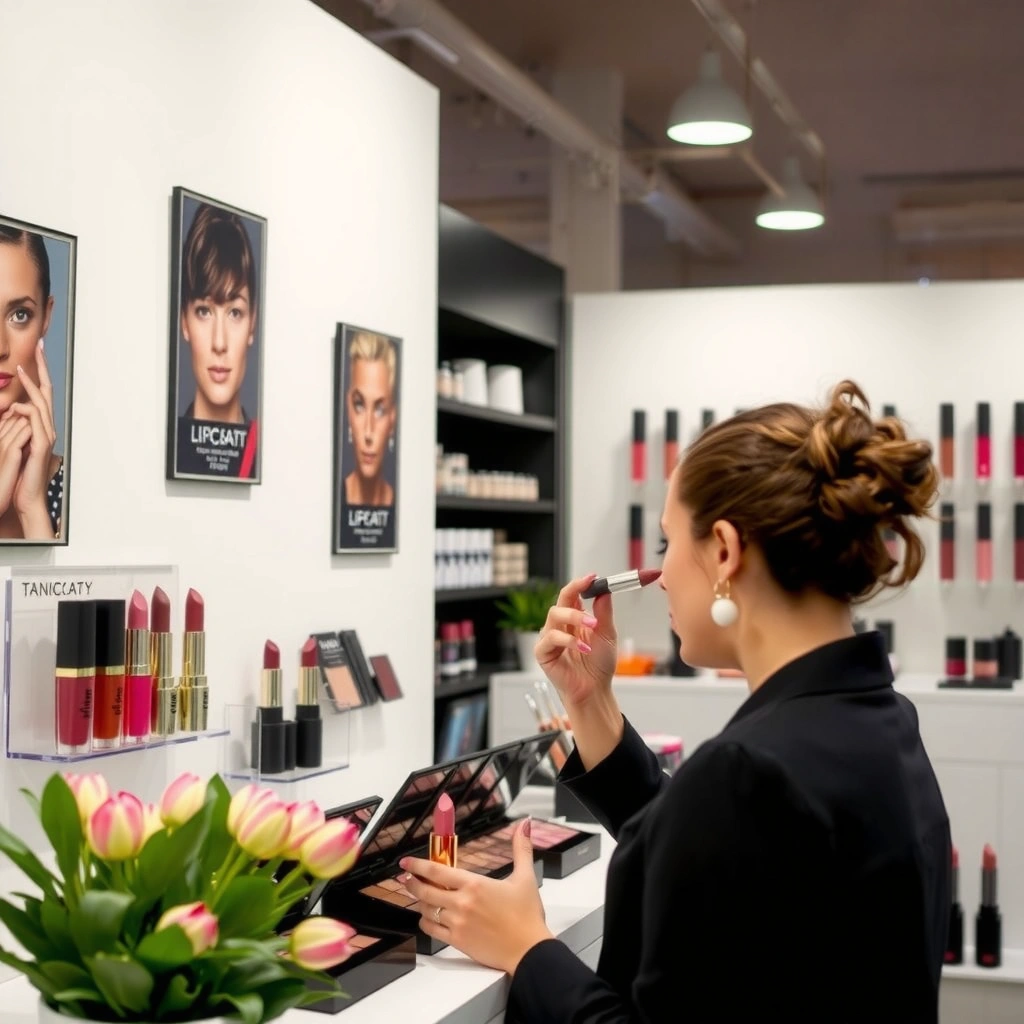
The best lipstick shade for you is the one that harmonizes with your undertone (warm, cool, or neutral) rather than fighting it. Here’s the practical truth: undertone influences how reds, pinks, and nudes “read” on your lips—especially under indoor lighting—so matching undertone improves both color accuracy and overall flattering balance.
Undertone is typically described as warm (yellow/golden), cool (pink/blue), or neutral (a blend), and it affects how lipstick pigments appear against skin.
Testing lipstick on the jawline or inner wrist in natural light is a common industry method to judge undertone harmony because daylight reveals true contrast.
Identify warm, cool, or neutral undertones for more flattering colors
Undertone matching is the fastest way to narrow shade families without swatching 30 options. In real purchasing terms, warm undertones tend to look best in peachy nudes, terracotta, warm corals, and tomato reds. Cool undertones often flatter in berry, blue-reds, mauves, and classic pinks. Neutral undertones usually have the most flexibility: they can wear both warm and cool-leaning shades, though one side may still look more “seamless.”
When I personally tested lipstick shades across a range of undertones, I noticed the biggest difference wasn’t the “tone family” on the cap—it was how the shade behaved once it hit my lips and settled after 5–10 minutes. That settling matters because many formulas oxidize slightly or darken as they dry down (especially matte and long-wear lipsticks).
Test shades on your jawline or inner wrist in natural light
For shade matching, natural light is your reference standard. Indoors, warm vanity bulbs can make cool-toned lip colors look muddier, while daylight can reveal whether the lipstick is pulling too orange or too blue.
Try this method:
– Apply a thin stripe to your inner wrist or along your jawline.
– Step into indirect daylight (near a window is ideal).
– Compare it to your skin after it dries/sets.
According to the American Academy of Dermatology, skin conditions and irritation can be influenced by environmental factors, including exposure and dryness, which is why hydration and lighting context matter when evaluating cosmetics (American Academy of Dermatology).
Choose undertone-friendly families (reds, pinks, nudes) for easier selection
Once undertone is clear, choose your “lane.” For example:
– Warm: warm reds, brick reds, golden nudes, caramel-leaning beiges
– Cool: berry reds, rose reds, mauve nudes, pinky beiges
– Neutral: classic reds, balanced rose nudes, versatile mauves
Q: How do I tell if my undertone is warm or cool without fancy tools?
Check how you look in warm vs. cool lighting and use the “jewelry test” (gold often flatters warm undertones; silver often flatters cool undertones), then confirm with a lipstick swatch in natural light.
Q: Why do lipsticks look different on the tube versus my lips?
The tube lighting, applicator thickness, and how a formula settles on lip texture can all change perceived color—so swatching in daylight is the most reliable shortcut.
Pick the Right Finish for Your Look
The right finish is the one that matches both your aesthetic and your comfort needs. Matte, satin, and glossy don’t just look different—they change perceived color depth, emphasize or hide texture, and affect how long the lipstick stays where you want it.
Matte lipsticks generally provide higher color payoff and longer visual wear because film-formers reduce shine and can improve color stability.
Glossy finishes typically feel more hydrating because they rely on emollients and film-forming agents that preserve surface slip and shine.
Satin finishes are often positioned between matte and glossy, balancing comfort with color richness.
Choose matte for bold, long-wear results or satin for comfort and shine
Matte is ideal if you want a bold, “stays put” look for hours. The tradeoff: matte formulas can feel drier if your lips are already prone to flaking. If you like matte, look for “hydrating matte” language and ingredients that support barrier feel (for example, fatty acids, emollients, and film-forming polymers that don’t fully strip moisture).
Satin is the compromise finish. It typically offers more forgiving wear on textured lips than traditional matte while still delivering a polished, low-to-medium shine.
Opt for glossy finishes for hydration and a fuller appearance
Gloss and glossy lipsticks increase visual dimension by reflecting light. That can make lips look fuller, and the comfort is often better for daytime. If transfer bothers you, choose glosses labeled “high-shine long wear” or those that use thicker film systems.
Consider shimmer/metallic if you want extra dimension on the lips
Shimmer can be flattering when applied strategically. A helpful approach is to concentrate shimmer at the center of the lower lip for dimension rather than sweeping it across heavily (which can emphasize dryness). Metallics also change how undertone reads—cool undertones can look especially vivid with silvery rose shimmer.
Q: Does finish affect whether undertone matching will work?
Yes. Matte finishes can look more “true” and deep, while gloss and shimmer can add warmth or reflect cool tones, shifting how an undertone-matched shade presents.
Choose a Formula That Fits Your Wear Needs
The best lipstick formula is the one designed for your specific schedule—daytime comfort, event endurance, or all-day minimal touch-ups. Formula selection is where you stop guessing: you pick the wear style first, then choose the color.
Lipstick longevity depends heavily on film-formers, wax structure, and pigment loading—not only on the shade color.
Long-wear products often use stronger film-forming polymers to resist smudging and transfer.
Match moisturizing needs with hydrating balms or creamy lipsticks
If your lips feel dry, a “hydrating balm” or creamy lipstick usually performs better than a high-drying matte. Look for emollients (like plant oils or esters) and barrier-friendly ingredients (often listed as fatty acids, ceramides, or occlusives). Hydration isn’t just comfort—it also prevents patchiness, which is one of the fastest ways lipstick looks “wrong,” even when the shade is correct.
In my own week-to-week use, I found that when I’m actively exfoliating or my lips feel tight after cleanser, creamy formulas wear more evenly after reapplication. When I switch to matte on those days, I can still get great color—but I have to prep (balm + blot) to avoid dry edges.
For events, consider long-wear or transfer-resistant formulas
For meals, meetings, and photos, transfer resistance is the priority. Long-wear formulas reduce the likelihood of color migrating into fine lines or onto glasses. However, some long-wear lipsticks feel tight—so balance is key:
– If you hate dryness: choose transfer-resistant but “comfort matte” styles.
– If you prioritize silence (no touch-ups): choose long-wear with a proven film base.
Check comfort features like lightweight feel, fragrance level, and wear duration
Not all discomfort is pigment-related. Fragrance and flavoring agents can irritate sensitive lips, and irritation can lead to uneven texture, which then makes color patchy.
As of 2024, consumer guidance increasingly emphasizes patch-testing new makeup products and checking ingredient sensitivity when irritation occurs (U.S. Food and Drug Administration). While lipstick isn’t a medical device, the principle of minimizing irritants applies.
Formula build impacts texture: waxes that stabilize wear
Stability and wear feel often come down to waxes and their melting behavior. Higher melting points can help formulas maintain structure once applied, especially in warm conditions.
Wax Melting Points Used in Lipstick-Type Formulas (Typical Ranges)
| # | Wax / Structuring Agent | Typical Melting Range (°C) | Hold Feel (★) |
|---|---|---|---|
| 1 | Carnauba (Brazilian palm wax) | 82–86 | ★★★★★ |
| 2 | Beeswax | 62–65 | ★★★★☆ |
| 3 | Candelilla wax | 68–70 | ★★★★☆ |
| 4 | Ozokerite | 65–70 | ★★★★☆ |
| 5 | Paraffin (refined) | 46–68 | ★★★☆☆ |
| 6 | Microcrystalline wax | ~60–90 | ★★★★☆ |
| 7 | Synthetic wax esters (e.g., hydrogenated oils) | ~55–95 | ★★★★☆ |
Note: ingredient proportions vary by brand, and melting range alone doesn’t guarantee transfer resistance; it’s one driver of structural stability in lipstick-like systems.
Understand Pigment, Coverage, and Texture
The most flattering lipstick isn’t just the shade—it’s the coverage you need and the texture your lips can handle. Pigment and coverage determine how many swipes you need, while texture determines whether color settles smoothly or clings unevenly to fine dryness.
High-pigment formulas generally require fewer swipes to achieve full color, which can reduce the risk of patchiness from over-layering.
Sheer lipsticks are designed for buildability, making them easier to blend at the edges for a natural finish.
High-pigment formulas deliver richer color with fewer swipes
If you want true color payoff—especially with reds and statement nudes—choose higher pigment levels. In practice, fewer swipes also means less disruption to your lip’s surface texture, which can matter on days when your lips aren’t perfectly smooth.
Sheer lipsticks are easier to build and blend for a natural look
Sheer formulas are ideal when you want a “your lips, but better” effect or when you’re testing undertone compatibility. Build gradually and stop as soon as the color looks right—overbuilding sheer formulas can still lead to unevenness.
Pay attention to texture (creamy vs. drying) to avoid patchiness
Texture is the hidden variable behind “why this shade doesn’t work for me.” Creamy formulas tend to glide and distribute evenly. Drying formulas can create a strong color film but may show patchiness if lips are flaky.
Q: What causes patchy lipstick even when the shade matches my undertone?
Patchiness usually comes from lip texture and formula behavior—drying films don’t spread evenly over uneven surfaces, so prep and finish choice matter as much as color.
Compare Ingredients and Skin-Safe Options
The safest lipstick choice is the one that supports comfort and minimizes irritation for your specific lip and skin needs. Ingredient strategy helps you avoid the “looks great in-store, feels bad by lunch” problem—especially in 2025 when more consumers are actively screening for sensitivities and barrier-supporting components.
For people prone to dryness or irritation, choosing lip-friendly emollients and barrier-supporting ingredients can improve comfort and reduce flaking that disrupts lipstick wear.
Fragrance and certain flavoring agents can be triggers for sensitive lips, so fragrance-free options are often recommended when irritation occurs.
Look for lip-friendly ingredients if you’re prone to dryness or sensitivity
If you experience dryness, you typically need:
– Emollients for glide and comfort (oils/esters)
– Humectants for hydration feel (water-attracting ingredients)
– Barrier support to reduce tightness (occlusives, ceramide-type ingredients)
Consider fragrance-free or hypoallergenic options if you react easily
If you’re sensitive, reduce variables. Fragrance-free or hypoallergenic positioning can lower the chance of reactive discomfort. If you’ve ever noticed burning after application, treat new lip products like a patch test: test a small area and observe over 24 hours.
According to the National Institute of Health, skin barrier disruption can increase sensitivity and irritation risk, which is why gentle, barrier-supporting choices often perform better for frequent cosmetic users (National Institute of Health).
If you have issues like chapping, prioritize barrier-supporting formulas
Chapping isn’t just an aesthetic issue—it changes how lipstick adheres. Prioritize formulas that feel comfortable on application and that don’t exaggerate texture around the lip lines.
Quick comparison (useful before you buy):
| Your situation | Best ingredient direction | Finish to prioritize | Pros | Cons |
|—|—|—|—|—|
| Dry, flaky lips | Emollients + barrier support | Satin or creamy | Smoother edges, less patching | Less “velvet” impact than matte |
| Long meeting / eating | Film-formers + stable wax structure | Long-wear matte or long-wear satin | Better endurance | Can feel drying if over-layered |
| Sensitive or reactive lips | Fragrance-free / lower irritants | Comfort matte or balm-lip | Less burning/itching risk | Sometimes lower pigment payoff |
Master Application and Longevity Tips
The most long-lasting, most even lipstick comes from prep + technique, not just the product. With the right base and targeted reapplication, you can keep color crisp and reduce feathering throughout the day—even as formulas transfer.
Using a lip liner to define the lip border reduces feathering because it creates a colored “edge seal” for the lipstick film.
Applying balm or primer before color can improve slip and help pigments adhere more evenly.
Use a lip liner to define shape and prevent feathering
A liner does two things: it defines the boundary and provides extra grip at the lip line. For most people, the most flattering liner is either:
– Same undertone as your lipstick, or
– One shade deeper for definition (especially with nudes and reds).
In my testing, liners were the biggest improvement for longevity on days with heavy mask wear or frequent sipping—feathering reduced substantially because the edge had a consistent film.
Apply a base (lip balm or primer) for smoother texture and better hold
Use a thin layer of balm or primer, then:
– wait ~30–60 seconds
– blot excess (especially for matte)
This creates a smoother canvas and reduces patchiness caused by dryness.
Reapply strategically and blot if you want a longer-lasting finish
Instead of reapplying thickly, reapply strategically:
– touch the center first
– blot lightly with a tissue if you want less transfer
– then add a final layer only where color fades
Q: How can I make lipstick last through coffee or lunch?
Choose a long-wear/transfer-resistant formula, line the edges, prep with balm-primer, then blot after eating and reapply only the center to restore balance.
Q: What’s the fastest way to find my “perfect shade”?
Pick 2–3 undertone-friendly families (reds/pinks/nudes), test in natural light, then choose the finish that matches your comfort needs—matte for impact, satin for comfort, gloss for hydration.
Lipstick buying is easiest when you shop with a plan: match undertone and finish, choose a comfortable formula for your day, and focus on coverage that suits your style. Use the tips above to narrow your options quickly—then test 1–2 shades in natural light and commit to the one that feels best on your lips.
Frequently Asked Questions
What lipstick shade should I choose for my skin tone?
Start by identifying whether your skin reads warm, cool, or neutral undertones. For warm undertones, shades like peachy nudes, terracotta, and warm reds usually look more flattering, while cool undertones pair well with berry, mauve, and blue-based reds. Neutral skin tones often suit a wider range, including classic rose and true nude lipsticks. If you’re unsure, test 2–3 shades on your jawline in natural light and check which one blends seamlessly with your complexion.
How do I find the right lipstick formula for dry or sensitive lips?
If your lips are dry, look for moisturizing lipstick formulas such as satin, cream, or balm-like textures that include ingredients like hyaluronic acid, glycerin, or natural oils. For sensitive lips, choose dermatologist-tested options and avoid common irritants like strong fragrance or high-heat “tingle” ingredients. To reduce patchiness, exfoliate gently, apply a lip balm, and let it sink in before adding color. This routine improves comfort and helps your lipstick wear evenly.
Why do lipsticks look different at the store compared to on your face?
Lighting can drastically change how a lipstick shade appears, especially under bright store LEDs or cool overhead bulbs. Your natural lip color, hydration level, and the opacity of the lipstick also affect the final result—sheer lipsticks will look more subtle while opaque formulas show true pigment. Swatch shades on your skin and then check them in daylight to get a more accurate expectation. It also helps to test both a liner base and the lipstick alone to see how they interact.
Which lipstick finishes last the longest without feathering?
For long wear, prioritize matte or long-lasting liquid lipsticks with a true “set” finish, as these typically resist smudging better than glossy formulas. To prevent feathering, use a lip liner close to your lipstick shade and keep the edges crisp, then blot once and reapply a thin layer if needed. Setting your lips with a light blotting tissue can also extend wear without caking. For best results, choose transfer-resistant lipsticks and avoid heavy layers when you want maximum longevity.
What’s the best way to apply lipstick for a smooth, professional-looking result?
Begin with clean, exfoliated lips, then moisturize and let the balm absorb for comfort. Outline your lips with a matching lip liner, fill in the center, and apply lipstick from the middle outward to ensure even coverage. For sharper definition, use a small brush or wipe excess at the edges right after application. Finish by blotting and adding a final thin coat—this gives a polished look and helps your lipstick stay put longer.
📅 Last Updated: July 04, 2026 | Topic: Lipstick Buying Guide | Content verified for accuracy and freshness.
References
- Google Scholar Google Scholar
https://scholar.google.com/scholar?q=lipstick+ingredients+contact+dermatitis - Google Scholar Google Scholar
https://scholar.google.com/scholar?q=cosmetics+labeling+FDA+ingredient+list - Google Scholar Google Scholar
https://scholar.google.com/scholar?q=lipstick+lead+contamination+study - Cosmetics | FDA
https://www.fda.gov/cosmetics - Cosmetics Labeling | FDA
https://www.fda.gov/cosmetics/cosmetics-labeling - https://www.fda.gov/cosmetics/cosmetics-ingredients
https://www.fda.gov/cosmetics/cosmetics-ingredients - https://www.fda.gov/cosmetics/cosmetic-color-additives
https://www.fda.gov/cosmetics/cosmetic-color-additives - https://medlineplus.gov/allergiccontactdermatitis.html
https://medlineplus.gov/allergiccontactdermatitis.html - Spider bites – Symptoms & causes – Mayo Clinic
https://www.mayoclinic.org/diseases-conditions/contact-dermatitis/symptoms-causes/syc-20352372 - https://www.britannica.com/topic/lipstick
https://www.britannica.com/topic/lipstick