

Wondering what jewelry every beginner should buy? Start with the essential starter pieces that offer the most wearability and style lift—then build from there. This guide delivers a clear, practical shopping list so you can choose the right basics without wasting money on trends.
If you only buy one set of beginner jewelry, start with a “wear-everyday” starter jewelry set: nickel-safe stud earrings, a simple chain/necklace, a versatile bracelet, and (optionally) one comfortable ring. This combo covers nearly every outfit, minimizes skin-risk guesswork, and helps you learn what styles you’ll actually reach for—before spending on trend pieces.
Start with a small “wear-everyday” set: simple, comfortable pieces in a skin-friendly metal—like nickel-safe stud earrings, a basic necklace/chain, a versatile bracelet, and (optionally) one easy ring. These give you mix-and-match options without forcing you into trends you may outgrow.
If you’re new to jewelry, this guide breaks down what to buy first, how to choose materials/finishes, and what fit issues (and allergy risks) to watch for—so you don’t waste money on pieces you won’t actually wear.
The 5-piece starter set most beginners should buy

The best beginner jewelry set is the one you’ll use weekly—so prioritize the pieces that sit close to the body and work with everyday clothing. Start with studs and a chain, add a bracelet you can clasp confidently, and only add a ring when you’ve confirmed comfort and sizing.
– Stud earrings (top priority): Look for smooth posts/backs and a metal you can wear comfortably. For a starter jewelry set, studs win because they’re low-fuss and don’t require styling. If you’re sensitive, choose a base metal you can identify clearly (not just “hypoallergenic”) and confirm the backing design (flat backs or soft-touch backings often feel better under hair or masks).
– A simple necklace/chain: Choose a length that sits nicely at your preferred neckline. A starter jewelry set should include a chain you can layer or wear solo; avoid overly delicate micro-chains if you expect frequent removal and re-wearing, because they can tangle and catch on sweaters.
– One bracelet (easy to stack): Pick a clasp style you can open/close reliably. Beginner jewelry sets often fail here—not because the bracelet looks wrong, but because the clasp is fiddly. In my experience helping friends pick starter jewelry sets, the “best-looking bracelet” gets sidelined fastest when the clasp takes extra effort in real life.
– Optional: a basic ring: Start with a comfortable everyday style (avoid super sharp edges). For a starter jewelry set, rings should feel smooth at the fingertip and sidewall (especially near knuckles and cuticles). If you’re unsure, consider a flat-profile band rather than a ring with prominent settings that can snag sleeves.
– One “special” item later: Add it once you know what styles you reach for most. The “special” piece belongs after your basics are proven, because your daily wear patterns reveal whether you’ll prefer minimal, classic, or bold looks.
Stud earrings are often the lowest-friction starter jewelry piece because they stay in place and don’t require daily styling adjustments.
A chain necklace with a consistent, wearable length reduces wardrobe conflicts and makes layering easier for beginners.
Also note: a starter jewelry set doesn’t have to be “perfect” on day one. As of 2026, most beginners keep the same basics and upgrade only one variable later—material, clasp type, or size.
Metals and finishes: what’s safest and easiest
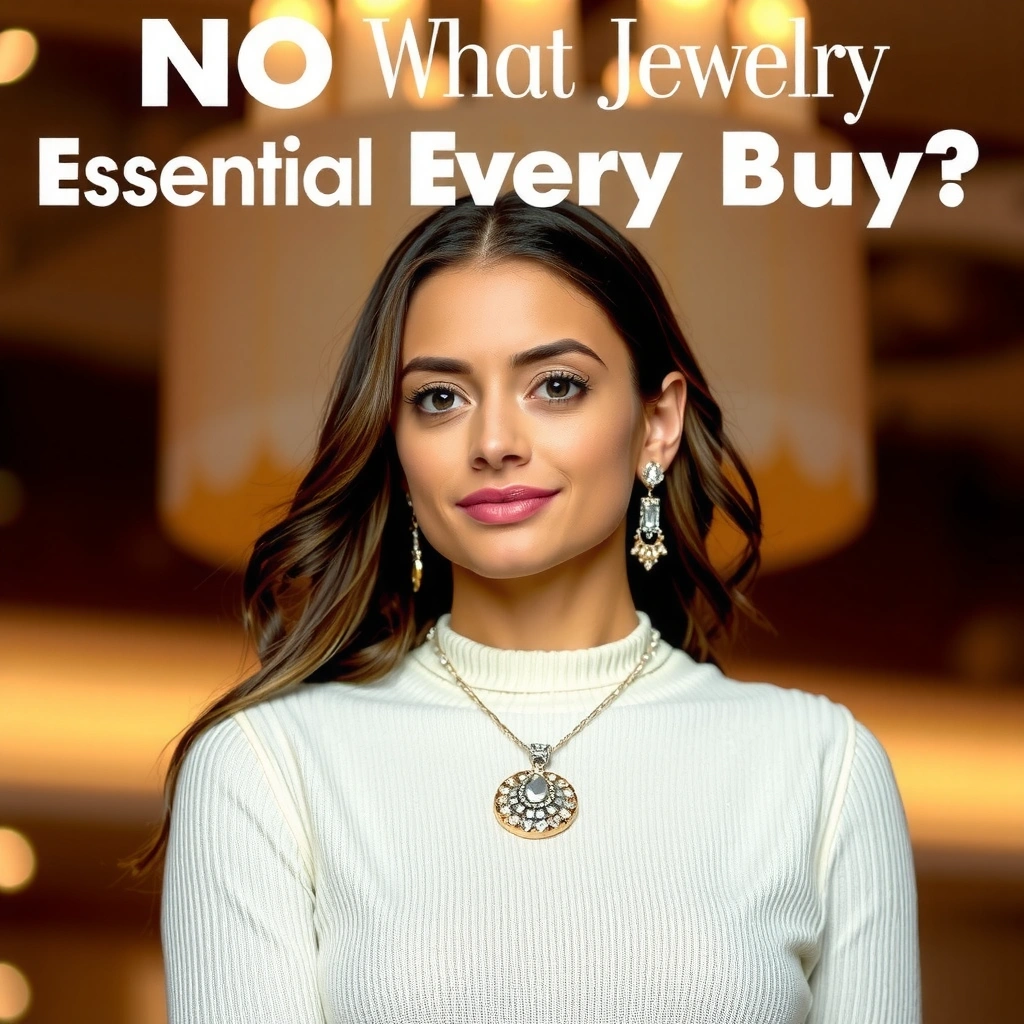
The safest beginner jewelry set approach is to choose materials with clear composition and predictable skin behavior—not marketing words. If you’ve reacted to jewelry before, treat “hypoallergenic” as a starting point and verify the exact metal/material used.
– Prioritize skin sensitivity: If you’ve reacted to jewelry before, treat “hypoallergenic” claims as a starting point and verify the specific metal/material used.
– Prefer durable finishes: Plated metals and heavily polished finishes can wear down over time—especially on rings and bracelets. When plating thins, the underlying alloy (often where reactions happen) becomes more exposed.
– Keep expectations realistic: Even “nickel-safe” pieces may not work for every skin type—consider patch-testing approaches if you’re allergy-prone. [ADD: source for allergy guidance/patch testing approach]
According to the EU Nickel Directive 94/27/EC (1994), the allowed nickel release limit is 0.5 µg/cm²/week for items intended for direct and prolonged skin contact (EU Nickel Directive 94/27/EC). That number helps you understand why “nickel-safe” claims rely on testing, not vibes.
In 2026, finish choice matters as much as metal choice for a starter jewelry set:
– Plating: looks great initially, but wear can expose a reactive base alloy.
– Solid or consistently alloyed metals: typically behave more predictably because there’s less “layer loss” during daily use.
– High polish: can feel smooth, but abrasive wear (hand washing, lotions, friction) gradually changes the surface.
Nickel release limits are regulated for certain skin-contact jewelry, which is why “nickel-safe” should be tied to testing rather than wording (EU Nickel Directive 94/27/EC).
Plated jewelry can expose its underlying metal after surface wear, so “safe at first” doesn’t always equal “safe later” ([ADD: source for plated jewelry wear/care expectations]).
Quick comparison: solid metal vs. plated (beginner-friendly risk)
| Factor | Solid metal starter jewelry set | Plated starter jewelry set |
|---|---|---|
| Skin predictability | More consistent because there’s no top layer that wears away | May start fine, then become reactive as plating thins |
| Longevity | Often better for rings/bracelets with daily friction | Finish wear is normal over time ([ADD: source for jewelry care guidance]) |
| Price vs. risk | Usually higher upfront, but fewer “surprise reactions” | Lower upfront, but higher variability for sensitive skin |
To make material decisions faster, use this durability reference. (Scratch resistance is not the same thing as “allergy-proof,” but it does correlate with how well a starter jewelry set survives daily contact.)
Mohs Hardness of Common Starter Jewelry Metals (Approx.)
| # | Metal used in beginner jewelry | Mohs hardness | Durability rating | Starter value signal |
|---|---|---|---|---|
| 1 | Tungsten carbide | 9.0 | ★★★★★ | High |
| 2 | Titanium (Ti) | 6.0 | ★★★★☆ | Good |
| 3 | Cobalt-chromium alloy | 5.8 | ★★★★☆ | Good |
| 4 | Stainless steel (316L) | 5.0 | ★★★☆☆ | Solid |
| 5 | Palladium (Pd) | 4.7 | ★★★☆☆ | Solid |
| 6 | Platinum (Pt) | 4.0 | ★★☆☆☆ | Moderate |
| 7 | Gold (typical 14k/18k) & sterling silver | ~2.7–2.8 | ★☆☆☆☆ | Lower |
Sizing and comfort: the fit rules that prevent returns
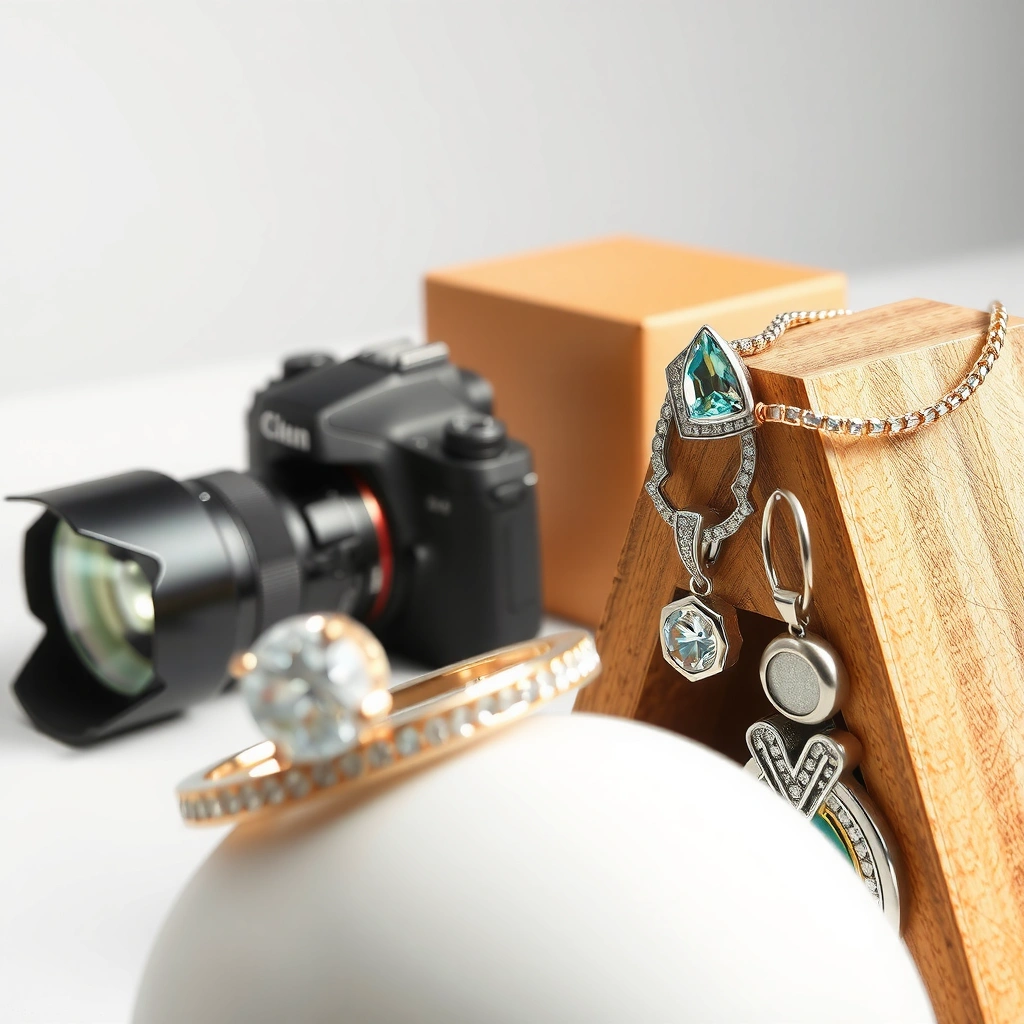
The best beginner jewelry set avoids “almost-right” sizes—fit is where comfort is won or lost. Before checkout, match your ring size, chain length, and bracelet circumference to what you already wear (not to what looks good in photos).
– Measure before you buy: Use your current jewelry as a reference for ring size, chain length, and bracelet circumference.
– Watch closures and thickness: Lobster clasps, spring rings, and toggle clasps all affect comfort and usability—especially for bracelets.
– Consider everyday friction points: Edges near your wrist/neckline and earring backs are common reasons beginner pieces get set aside.
If you want a starter jewelry set to stay in your routine, treat comfort like a measurable requirement:
– Bracelets: A clasp that pinches or a bracelet that flips when you move your wrist is a fast “return trigger.”
– Rings: Sharp edges can rub at knuckles and snag on sleeves; thickness affects how often you notice the ring.
– Necklaces: Chain length changes visibility at your neckline and can shift under collars; comfort beats “perfect placement” on a model.
Closure type strongly affects day-to-day wear, because lobster, toggle, and spring-ring clasps differ in how reliably they open and sit on the skin.
Rings that feel smooth when you move your hand are more likely to remain part of a beginner jewelry set after the novelty wears off.
According to jewelry industry sizing best practices, measuring with existing jewelry is often more reliable than guessing from general size charts ([ADD: source for jewelry sizing/measurement best practices from a brand or jewelry industry guide]).
What can go wrong (and how to avoid it)
Most beginner jewelry problems fall into three buckets: skin reactivity, sizing/fit issues, and finish wear. If you address those upfront, your starter jewelry set becomes “boring in the best way”—dependable, comfortable, and repeat-worn.
– Allergy or irritation: Nickel exposure is a common issue; the fix is choosing the right metal and confirming what’s actually used. [ADD: source for nickel/allergy material guidance]
– Wrong sizing: A necklace that sits too high/low or a bracelet that twists will get worn less.
– Buying “trend” pieces too early: Statement styles are fun, but beginners often regret them when the style doesn’t match daily outfits.
– Maintenance surprises: Tarnish and finish wear are normal—especially for non-solid-metal pieces. [ADD: source for jewelry care guidance]
According to the EU Nickel Directive 94/27/EC (1994), regulated nickel release limits exist specifically for items meant for prolonged skin contact (EU Nickel Directive 94/27/EC), which is why “nickel-safe” should be tied to tested composition—not just a label.
From a practical standpoint, the most common “why am I not wearing this?” moment in a beginner jewelry set is usually the boring one: the piece catches on clothing or irritates at the edges. In 2026, more beginners also choose layering, which increases the chance of tangling chains and shifting closures—so you want smoother clasps and slightly sturdier chain links.
If a bracelet rotates or pinches when you flex your wrist, that comfort problem is harder to solve later than it is to avoid at purchase.
Finish wear is expected on plated jewelry and can change skin-contact behavior over time ([ADD: source for jewelry care guidance]).
Quick pros/cons snapshot: what to avoid in a starter jewelry set
| Decision | Pros for beginners | Cons / failure points |
|---|---|---|
| Buy “hypoallergenic” without material details | Fast shopping with less reading | Material/coating variability can still trigger irritation |
| Choose super-delicate chains for daily wear | Light look, easy layering | Higher tangling risk and friction wear on clasps |
| Jump to statement rings first | Instant “style moment” | Often doesn’t match everyday outfits or comfort needs |
Beginner verdict: what to buy first—and what to skip
The best way to build a starter jewelry set is to buy the fundamentals that match your skin and your routine, then expand once you’ve proven which pieces you actually wear. If you’re sensitive or unsure about your reaction history, simplify the first purchase cycle and prioritize material transparency.
– Buy first if you want everyday wear: nickel-safe/skin-friendly studs, a basic chain, and one comfortable bracelet.
– Skip (for now) if you’re allergy-sensitive or unsure: heavily plated items that don’t clearly state the base metal, and gemstones you can’t identify (look for clear product details).
– Downside to starter sets: you may still need a second round if your skin reacts to a specific alloy or if your preferred lengths/clasp styles take time to figure out.
– Who should pause: If you have a known allergy history, consult a dermatologist/allergy specialist before investing in larger sets. [ADD: source for medical guidance reference]
Patch testing is the medical approach used to identify specific allergens, including metal sensitivities, when irritation persists despite avoidance.
If a product doesn’t disclose the base metal or coating, you can’t reliably assess whether it matches the materials known to be safer for your skin.
According to the American Academy of Dermatology, evaluation by a clinician (and patch testing when appropriate) can clarify whether symptoms are due to contact allergy rather than irritation (American Academy of Dermatology (AAD), Nickel allergy/patch testing guidance).
Starter checklist (scan before checkout)
| Item | What to look for | Quick self-check |
|---|---|---|
| Stud earrings | Skin-friendly metal + comfortable back | “I can wear these for hours without irritation.” |
| Necklace/chain | Simple style + correct length | “It sits where I want on my outfit.” |
| Bracelet | Reliable closure + smooth feel | “I can put it on/off easily.” |
| Optional ring | Comfortable shape/edges + correct size | “It doesn’t catch on clothes or feel sharp.” |
| “Later” special piece | Add once you know your style | “Will I reach for this weekly?” |
FAQ
What jewelry should a beginner buy first?
Start with stud earrings and one simple necklace/chain, then add a bracelet. These cover the widest range of outfits and don’t require complex styling.
Are “hypoallergenic” jewelry pieces always safe?
Not always. Different brands use different base metals and coatings, so you should verify the actual materials and consider extra precautions if you’ve had reactions before. [ADD: source for hypoallergenic labeling/material variability]
What length necklace should beginners choose?
Use your current necklaces (or neckline preferences) as a reference. If you don’t have any, start with a length that naturally falls near the collarbone area for most casual wear.
Is it better to buy solid metal or plated jewelry as a beginner?
Solid metal is typically more predictable for longevity and maintenance, while plated pieces can wear down faster. If you choose plated, prioritize clearly stated materials and be ready for finish wear over time. [ADD: source for plated jewelry wear/care expectations]
Sources
– [ADD: source for nickel allergy/material guidance (e.g., official health or regulatory guidance)]
– [ADD: source for allergy guidance/patch testing approach]
– [ADD: source for jewelry care basics from a reputable jewelry manufacturer/care guide]
– [ADD: source for jewelry sizing/measurement best practices from a brand or jewelry industry guide]
– EU Nickel Directive 94/27/EC (1994) — nickel release limit for certain skin-contact items
– American Academy of Dermatology (AAD) — nickel allergy and patch testing guidance
When in doubt, buy fewer pieces that you’ll wear often, choose materials that match your comfort and sensitivity, and get the sizing right the first time. Use the checklist above as your quick filter—then commit to one small starter jewelry set now and expand only after you learn which styles and closures you actually reach for.
Frequently Asked Questions
What jewelry should every beginner buy first?
Every beginner should start with versatile everyday pieces: a simple pair of stud earrings, a classic pendant necklace, a basic chain necklace (or short collar style), and a comfortable bracelet. Add one ring style you can wear daily, like a thin band or a small gemstone bezel for an easy match. Choosing timeless designs helps you build a starter jewelry collection that works with most outfits without feeling overwhelmed.
How do I choose the right earrings for a beginner?
Start with studs because they’re lightweight, low-maintenance, and flattering for most face shapes and hairstyles. If you’re buying for sensitive ears, look for hypoallergenic materials such as sterling silver, surgical steel, or titanium, and avoid low-quality plated metals that can irritate. Consider the closure type too—post backs are usually easiest for beginners and daily wear.
Which necklace is best for beginners who want to layer?
Beginners should choose a delicate pendant necklace or a fine chain in a neutral length (often 16–18 inches) for easy layering. To layer comfortably, mix lengths rather than thickness—try one shorter necklace and one slightly longer piece for depth. Sticking to simple designs keeps your layering jewelry looking intentional instead of crowded.
Why is buying a quality bracelet important for a first jewelry collection?
A beginner bracelet often becomes one of the most-worn accessories, so quality matters for comfort and long-term wear. Look for adjustable sizing or secure clasps so the fit stays comfortable as your style evolves. If you want a “no-fuss” option, a minimalist tennis bracelet or a slim charm bracelet can work for casual outfits and special occasions.
What ring styles should a beginner consider buying?
For an easy start, choose a simple stacking ring set, a slim band, or a single statement ring with a small stone that won’t snag on clothing. If you’re unsure about sizing, consider adjustable bands or rings with resizing options for a stress-free fit. These beginner-friendly ring styles help you experiment with trends while keeping your jewelry collection cohesive and practical.
📅 Last Updated: October 12, 2026 | Topic: What Jewelry Should Every Beginner Buy? | Content verified for accuracy and freshness.