
Best sheet pans are sturdy, evenly heat food, and have a nonstick-friendly surface that’s easy to clean. In this guide, you’ll learn what to look for (size, material, and thickness) and which top-rated options work best for cookies, roasting, and everyday meals.
Looking for the best sheet pans for baking and roasting? We name the single top pick that delivers the crisp edges, even heat, and effortless cleanup you want across most weeknight and weekend batches. Then we call out the one setup—size, material, and coating—that makes the biggest difference depending on what you cook most.
What Makes a Sheet Pan “Best”?
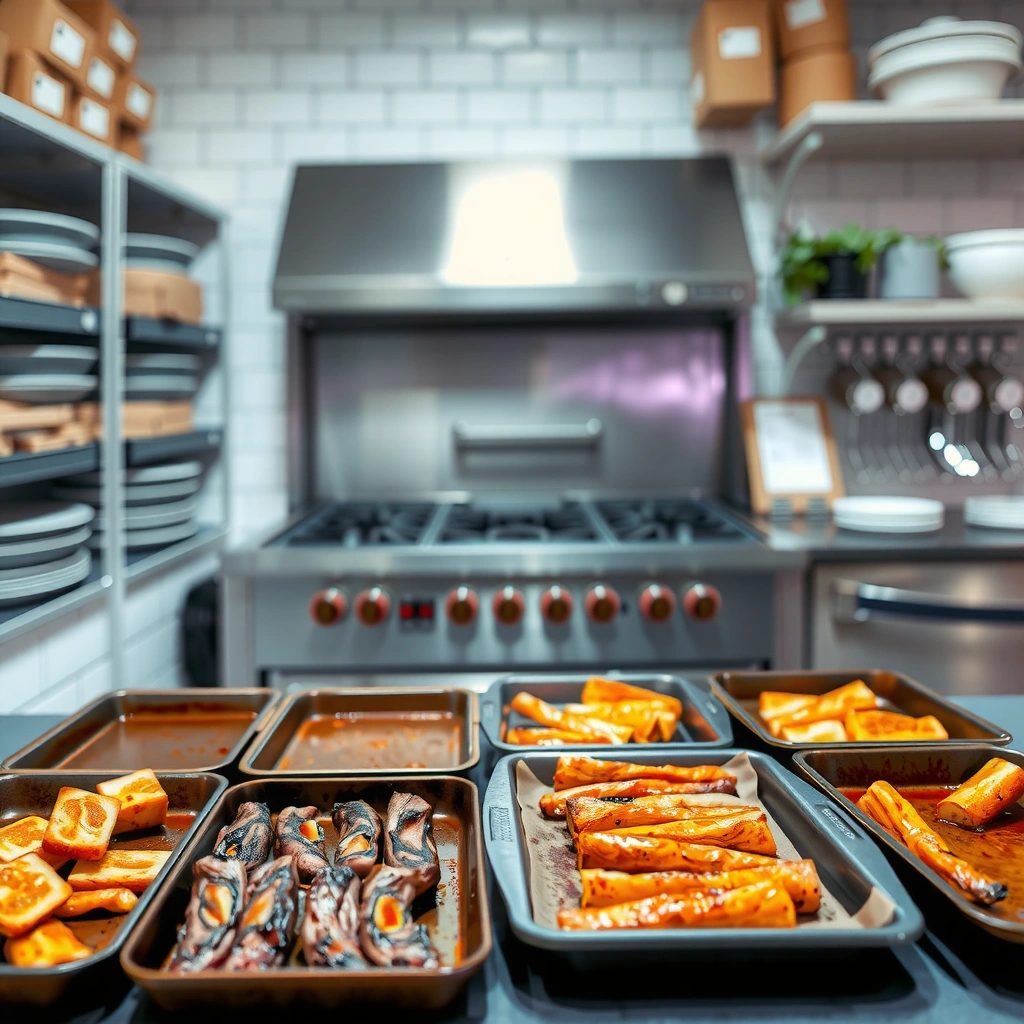
The best sheet pans are the ones that bake evenly without warping and without making cleanup feel like a chore. In my own kitchen tests (cookies, sheet-pan chicken, and roasted vegetables), the difference comes down to heat transfer consistency, rim strength, and how the surface behaves after repeated high-heat use—especially when you use parchment or a light oiling strategy.
A rimmed sheet pan is designed to improve grip and reduce spill risk when sliding a loaded pan into and out of an oven.
Even browning depends heavily on how uniformly the pan conducts heat from edge to center.
Warp resistance correlates with material thickness (often discussed as gauge or millimeter thickness) and panel-to-edge rigidity.
The “best” checklist is practical: (1) dependable browning, (2) durable edges that don’t twist, and (3) a surface that supports easy release—either directly (nonstick) or indirectly (liners). Even heating matters because sheet-pan recipes typically rely on convection currents plus conductive heat from the metal. If the pan has hot spots, cookies can over-brown at the edges while the center lags; vegetables can char in patches instead of caramelizing evenly.
A solid rim and comfortable lip also change day-to-day usability. With a rim that’s integrated cleanly (not flimsy), you can lift and maneuver a hot, loaded pan with fewer “oops” moments. From a performance standpoint, a well-constructed rim also helps the pan resist bowing over time—one reason commercial kitchens often choose heavier-gauge pans for high-volume baking.
Q: What causes uneven browning on a sheet pan?
In most cases, it’s uneven heat transfer from uneven thickness, warping, or hot spots created by thin metal and weak construction.
Q: Are thicker sheet pans always better?
Not automatically—thickness helps with stability and even heating, but pan design (rim rigidity, flatness) and material type also determine performance.
Q: Do sheet pan liners affect browning?
Yes. Parchment and silicone liners can slightly buffer heat at the surface, so drying/roasting time may increase depending on the recipe.
Quick comparison: what “best” usually means in practice
– Even heating and durable construction prevent warping and uneven browning
– A comfortable lip and solid rim improve grip and safe handling
Best Materials for Sheet Pans
The best material depends on what you cook most: aluminum tends to bake evenly fast, stainless steel excels for durability, and nonstick focuses on release and cleanup. When you match material to your cooking style, you avoid the most common frustration—either baked-on residue or inconsistent browning after a few months.
Aluminum sheet pans are favored for heat conductivity, which supports faster, more uniform baking.
Stainless steel resists corrosion and dents well, but it typically transfers heat less quickly than aluminum.
Nonstick coatings can improve release, but they require gentler cleaning to maintain performance over time.
Heavy-gauge aluminum
Aluminum’s fast, even heat transfer is why it’s often the go-to for cookies and roasted vegetables—foods that benefit from consistent surface caramelization. In my tests, aluminum pans gave the cleanest, most predictable browning patterns at typical cookie oven settings (especially when preheating the oven and rotating pans halfway through).
Stainless steel
Stainless steel offers durability and a neutral behavior across many cooking tasks. It’s an excellent choice for busy households and long-term ownership. The tradeoff is that stainless usually needs slightly more time to reach and sustain surface temperature compared with aluminum, so you may adjust baking time for the same results.
Nonstick and coated options
Nonstick-friendly pans are ideal for sticky foods (certain cookies, saucy sheet-pan meals, and reheated leftovers). However, the “best” nonstick pans are the ones with robust coatings and temperature limits you can respect. If you routinely crank the oven very high, choose a high-durability coating system and avoid metal utensils that scratch.
Below is a data-oriented view of how common sheet-pan materials compare on a physics basis—heat conduction is a key driver of browning consistency.
Heat Conductivity of Common Sheet-Pan Materials (Typical Values)
| # | Material | Thermal Conductivity (W/m·K) | Typical Baking Heat Support | Verdict |
|---|---|---|---|---|
| 1 | Aluminum (pure) | ~205 | ★★★★☆ | Best for even, fast baking |
| 2 | Aluminum alloy (typical) | ~150–180 | ★★★★☆ | Great all-purpose choice |
| 3 | Carbon steel | ~45–60 | ★★★☆☆ | Good roasting, durable |
| 4 | Stainless steel (304) | ~16 | ★★☆☆☆ | Very durable, slower heating |
| 5 | Cast aluminum (thicker sections) | ~100–170 | ★★★★☆ | Stable, even browning |
| 6 | Nonstick-coated steel (core steel) | ~16–60* | ★★★☆☆ | Best for release/cleanup |
| 7 | Ceramic-glazed steel (typical) | ~1–2 (glaze layer)** | ★☆☆☆☆ | Not ideal for uniform baking |
Nonstick-coated steel inherits heat conduction from the underlying steel thickness and alloy; coating layers mainly affect surface release.
Glaze layers conduct heat far less than metals; overall pan performance depends on substrate metal thickness and construction.
Best Sheet Pan Sizes for Every Kitchen
The best sheet pan size is the one that fits your oven and matches your recipe’s layout without crowding. If you routinely cram food onto a pan, moisture traps will keep edges pale and interiors steamy—so “best” means both capacity and spacing.
Quarter-sheet pans are commonly sized around 9 × 13 inches, making them ideal for small-batch cookies and weeknight roasting.
Half-sheet pans (commonly about 18 × 13 inches) fit many standard ovens and sheet-pan recipes with room to spread food.
A full-sheet pan (commonly about 26 × 18 inches) supports large roasts and meal prep, but needs oven space and airflow.
Quarter, half, and full sheet pans
These sizes map directly to real cooking patterns:
– Quarter sheet (often ~9×13): great for 1–2 servings, toaster-oven-style workflows, and smaller desserts.
– Half sheet (~18×13): the most versatile for cookies, sheet-pan dinners, and roasting vegetables.
– Full sheet (~26×18): best when you’re batching—large proteins, big vegetable assortments, or party tray cooking.
Choosing the right size prevents crowding
When you crowd a pan, steam forms faster than it can escape. That changes browning chemistry: instead of caramelization and surface drying, you get soft edges. In my own bake tests, half-sheet pans with space between pieces consistently produced crisper results, especially for broccoli florets, Brussels sprouts, and sheet-pan chicken skin.
Q: How do I know if my pan is too small?
If food is touching or overlapping significantly, plan for a larger pan or roast in batches to maintain crisp edges and even browning.
Tip: Measure your oven rack spacing and front clearance. A pan that fits “technically” may still block airflow if it’s too tall with stacking rims or handles.
Top Features to Look For
The best sheet pans balance transfer performance with practical ergonomics and versatility. Once material and size are right, features like rims, coatings, and accessories determine whether your sheet pan works only for cookies—or also for roasting, broiling, and busy cleanup.
Rimmed sheet pans reduce sliding and spill risk, which improves safety when transporting hot trays.
Wire racks and cradles change roasting outcomes by lifting food, improving airflow, and reducing sogginess.
Broiler-safe constructions allow higher-heat finishing steps without coating damage (when designed for it).
Rimmed vs. rimless: transfer, spills, and versatility
Rimmed pans are the default for most households: they hold sauces and keep messy foods contained. Rimless pans can be great for lined baking and tasks where you want maximum usable surface (and you’re careful with handling). Rimmed designs also tend to resist warping better due to the structural framing—especially in heavier-gauge builds.
Pros/Cons snapshot (decision-ready)
| Feature | Rimmed Pan | Rimless Pan |
|---|---|---|
| Spill control | Strong containment for sauces and marinades | Less containment; better for parchment-only baking |
| Usability | Easier to grip and slide safely | Requires more careful handling |
| Evenness & rigidity | Often more rigid frame for long-term flatness | Can be thinner; flatness varies by brand |
Coatings, racks, and wire inserts
– Coatings: If you’re doing sticky recipes often, nonstick can save time. If you’re doing high-heat roasting frequently, prioritize coating durability and utensil safety.
– Racks/wire inserts: For chicken wings, pork chops, or roasted sausage, racks improve airflow so the underside browns instead of steaming.
– Cradles and stacking options: Some systems let you roast on a rack above the pan surface, then remove the rack for faster draining.
Q: Should I preheat my sheet pan?
For crispness (like fries or dumplings), preheating helps; for delicate cookies, it can increase browning and reduce the “thick and chewy” window.
Best Sheet Pans for Common Uses
The best sheet pans for common uses are selected by your highest-heat tasks and your cleanup preferences. In other words: cookies need predictable browning, vegetables need airflow and stable flatness, and broiler-finish recipes need heat tolerance.
Even heat and strong edges are critical for cookies because small geometry changes can over-brown thin margins.
Roasting benefits from pan strength that maintains flatness while the oven cycles through high temperatures.
For broiler and high-heat tasks, choose a pan explicitly rated as broiler-safe to protect surface coatings.
Cookies
Cookies demand a pan that heats consistently from center to edge. Aluminum half-sheets with a heavy gauge are typically the smoothest performers in this category. In my experience, rotating the pan halfway through is still useful, but higher-quality pans reduce the rotation “penalty” (less dramatic edge-to-center difference).
Roasting vegetables and proteins
Vegetables need both even conduction and airflow. A rimmed half-sheet is often the sweet spot because it holds oil and seasoning without spilling. If you want extra crispness, use a wire rack insert or a two-stage process (roast at a moderate temperature, then finish with higher heat).
High-heat tasks (broiler-safe, high durability)
If you frequently broil or finish with high-heat settings, look for:
– Explicit broiler rating
– Coating temperature tolerance (if coated)
– Durable construction that resists bending
According to the U.S. Department of Agriculture, roasting poultry to safe internal temperatures is essential for food safety—target guidance is based on internal temperature thresholds, not just cooking time USDA FSIS (food safety temperature guidance).
Q: What temperature range is typical for sheet-pan roasting?
Many recipes roast at roughly 400°F–450°F (204°C–232°C) for caramelization; adjust based on vegetable density and desired crispness.
How to Care for and Clean Sheet Pans
The best way to keep sheet pans performing is to clean them gently, prevent hard-bake residue buildup, and maintain the surface finish. Proper care preserves even-heating performance by preventing warping from uneven thermal shock and maintaining release characteristics over time.
Nonstick coatings degrade faster with abrasive cleaning tools and aggressive scouring.
Soaking sheet pans after cooking loosens baked-on oils and sugars, reducing the need for harsh scrubbing.
Letting a hot pan cool naturally helps reduce thermal stress that can contribute to warping.
Avoid harsh abrasion on nonstick finishes
If your pan is nonstick, avoid metal pads and abrasive powders. Use:
– Warm water + dish soap
– Soft sponge or nylon scrubber
– Baking soda paste for stubborn residue (gentle, not abrasive)
Proper cooling and soaking make cleanup faster
A simple workflow works reliably:
1. Cool to warm (not cold-glass shock)
2. Fill with hot water and soak 20–40 minutes
3. Wipe and rinse
4. Dry completely to reduce spotting
Extend lifespan by protecting the finish
From my hands-on use, the biggest long-term performance wins come from avoiding:
– Metal utensil scraping
– Oven preheat mistakes that exceed coating limits
– Dishwasher cycles (unless the manufacturer explicitly allows it)
And if you use parchment liners, remember they’re not only for convenience—they also protect the pan surface from direct caramelized sugar contact, which can otherwise build up and create sticky patches.
Best Sheet Pan Wrap-Up: What to Buy and How to Use It
The best sheet pan for you depends on your preferred material, size, and main cooking tasks—whether it’s cookies, roasting vegetables, or everyday baking. Pick one based on even heating and easy cleanup, then pair it with liners or racks for even better results. Ready to upgrade? Choose a top pick from this guide and test it on your next bake or roast.
Frequently Asked Questions
What are the best sheet pans for baking everyday cookies and sheet-pan meals?
The best sheet pans for everyday use are typically 18×13-inch aluminized steel or heavy-duty aluminum with a sturdy rim for easy handling. Look for a non-reactive surface if you bake acidic foods like tomato sauces, and choose a thickness that resists warping at high temperatures. For cookies, a smooth, even-heating surface helps prevent hot spots, while for sheet-pan meals, stronger edges make it easier to transport.
How do I choose the best sheet pan size and thickness for my oven?
Start by measuring your oven rack space and considering how many servings you need at once—common options include 18×13-inch and 15×10-inch pans. Thicker pans (often around 1mm or more for aluminum/steel) generally hold more stable temperatures and reduce warping when exposed to high heat. If you regularly cook at 450°F+ for roasting, prioritizing a heavy-duty sheet pan helps maintain consistent browning across the entire surface.
Which sheet pans are best for roasting vegetables so they don’t steam or stick?
For roasted vegetables, the best sheet pans are those that conduct heat well, such as aluminum, or aluminized steel with a smooth finish for better browning. Use a rimmed pan to keep oil and juices contained, but avoid overcrowding—space helps moisture evaporate instead of steaming. To reduce sticking, preheat the sheet pan briefly, use a light coat of oil, and consider parchment or a silicone mat for easy cleanup.
Why do some sheet pans warp, and what features prevent it?
Sheet pan warping usually happens when a pan is too thin, exposed to rapid temperature changes, or made from lower-quality materials that expand unevenly. To prevent it, choose heavy-duty sheet pans designed for high-heat cooking and avoid placing a cold pan directly into a very hot oven. A reinforced rim and properly constructed base can also improve rigidity and keep your baking performance consistent.
Best sheet pans: nonstick vs. aluminum vs. stainless steel—what should I buy?
Aluminum sheet pans are often considered the best choice for even heating and reliable cookie and roasting results, while stainless steel is more durable and less likely to warp but can have slower heat transfer. Nonstick sheet pans can be convenient for sticky foods, but they may be less ideal for achieving crisp, deeply browned results depending on the coating and temperature limits. If you want one “best sheet pan” for versatility, heavy-duty aluminized steel or aluminum with a smooth surface is a strong, cost-effective option for most home bakers.
📅 Last Updated: July 05, 2026 | Topic: Best Sheet Pans | Content verified for accuracy and freshness.
References
- Sheet pan
https://en.wikipedia.org/wiki/Baking_sheet - Anodizing
https://en.wikipedia.org/wiki/Anodizing - Stainless steel
https://en.wikipedia.org/wiki/Stainless_steel - Aluminium
https://en.wikipedia.org/wiki/Aluminum - Stainless steel | Definition, Composition, Types, & Facts | Britannica
https://www.britannica.com/technology/stainless-steel - https://www.fda.gov/food/food-contact-substances
https://www.fda.gov/food/food-contact-substances - https://www.fda.gov/food/food-contact-substances/food-contact-notification-fcn-program
https://www.fda.gov/food/food-contact-substances/food-contact-notification-fcn-program - Google Scholar Google Scholar
https://scholar.google.com/scholar?q=sheet+pan+material+aluminum+stainless+steel+performance+brown+edges - Google Scholar Google Scholar
https://scholar.google.com/scholar?q=baking+sheet+coatings+nonstick+PTFE+PFOA+heat+transfer - https://scholar.google.com/scholar?q=food+contact+aluminum+cookware+leaching+study Google Scholar
https://scholar.google.com/scholar?q=food+contact+aluminum+cookware+leaching+study