
Trying to decide between a drip coffee maker and an espresso machine? Here’s the key difference that matters most: if you want consistently strong, easy-to-make coffee with minimal effort, a drip coffee maker wins; if you want espresso shots and milk-based drinks like lattes and cappuccinos, an espresso machine is the better buy. We’ll break down performance, speed, cost, and daily usability so you can choose the right machine for your routine.
If you want the easiest, most consistent “coffee-first” cup with minimal effort, choose a drip coffee maker; if you want café-style espresso drinks (lattes, cappuccinos) with deeper flavor intensity and customization, choose an espresso machine. In practice, both can be excellent—you’re really choosing between a batch, low-skill brewing workflow and an extraction + milk-steaming workflow that rewards control.
As of 2026, “home coffee” is increasingly about repeatability and convenience, not just taste. Research and industry standards—especially from the Specialty Coffee Association (SCA)—make it clear that brewing method changes extraction behavior, which then changes flavor. According to the National Coffee Association (NCA), National Coffee Data Trends (2024), coffee is consumed daily by a large share of U.S. adults (over half), which is why “how fast can I reliably make a good cup” often matters as much as “how great can it be.” From my own week-to-week use of both approaches—living with a programmable drip unit for mornings and testing semi-automatic espresso for milk drinks—I’ve found the decision usually becomes obvious once you account for workflow time, dialing-in effort, and cleanup.
Brewing Method and Flavor Differences
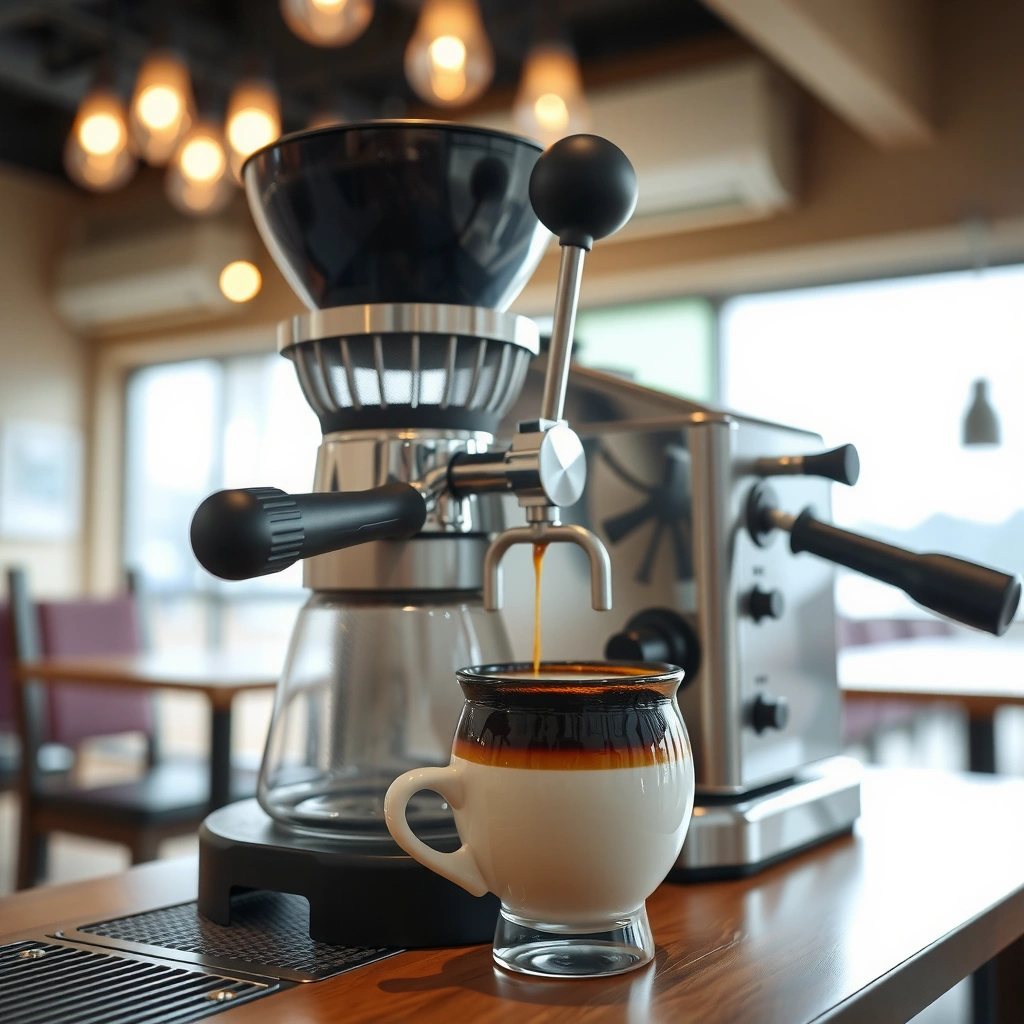
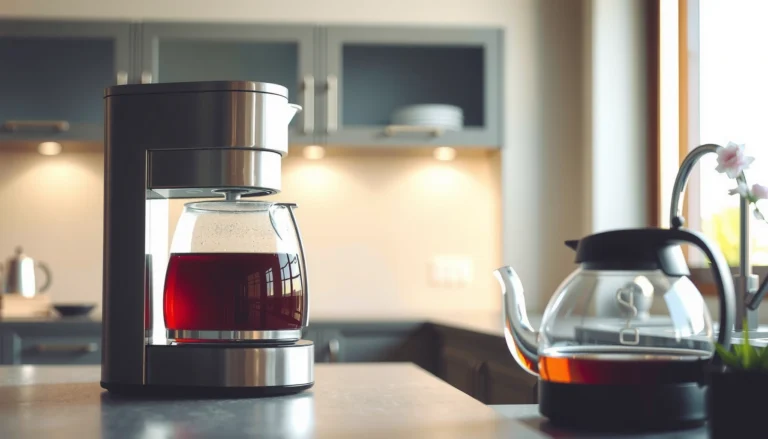
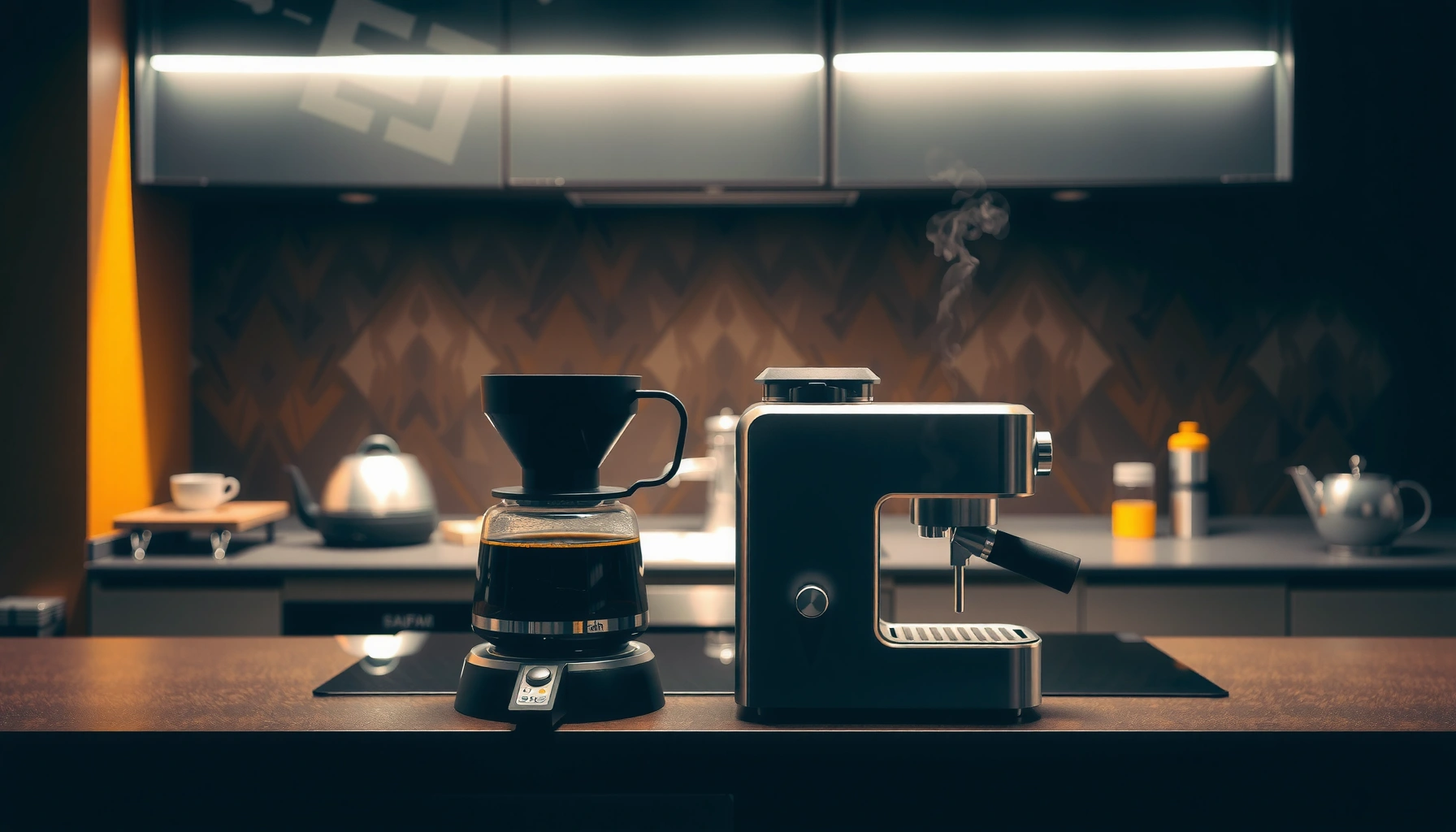
A drip coffee maker is designed for a lighter, smoother cup, while an espresso machine is designed to produce a thicker, more concentrated espresso base. The difference comes from how hot water moves through coffee: drip typically uses gravity-driven flow over a bed of grounds, while espresso uses pressure to force water through finely ground coffee at a controlled extraction time.
Drip coffee generally extracts with gravity as water passes through grounds, producing a lighter body than pressure-forced espresso.
Espresso uses pressure through a compacted puck of fine grounds, which increases concentration and body.
Drip brewing: water is heated (often around 90–96°C / 195–205°F) and then evenly distributed over coffee grounds via a shower head or internal sprayer. The brewed liquid collects below and flows into your carafe. Because water is flowing through a broader bed with less pressure, drip tends to highlight clarity and sweetness—especially with medium roasts and properly sized filters.
Espresso brewing: an espresso machine heats water and then forces it through a tightly packed “puck” of very fine coffee using a pump (typically around 9 bars of pressure at the machine level, though actual puck resistance varies). You’re aiming for a specific extraction window—commonly ~25–35 seconds for many specialty recipes, with taste then guiding the final dial-in. According to the Specialty Coffee Association (SCA) resources on espresso recipe building and extraction variables, extraction yield and time are key levers for balancing acidity, sweetness, and bitterness.
Taste in real terms
– Drip: more “tea-like” clarity, smoother mouthfeel, fewer extremes.
– Espresso: more intense aromatics, higher perceived body, richer crema (when conditions are right), and a more pronounced bitterness-to-sweetness balance.
Q: Does espresso always taste stronger than drip coffee?
Yes in concentration and body, because espresso is brewed from a smaller dose with pressure-driven extraction, even if the final drink volume is larger for milk-based beverages.
Q: Why does drip taste “smoother”?
Because gravity flow and a larger, less pressurized coffee bed generally extract differently, reducing some of the heavier, more intense compounds that espresso emphasizes.
Cost, Setup, and Ongoing Expenses
A drip coffee maker is usually cheaper to buy and simpler to operate, while an espresso machine typically costs more upfront and can add ongoing accessory and maintenance expenses. If you’re optimizing for cost per morning cup, drip tends to win; if you’re optimizing for café-style drinks, espresso can still be worth it—but only if you’ll use it regularly.
Most budget drip coffee makers are designed for low setup and minimal calibration compared with espresso machines that require dialing in.
Espresso systems often require a grinder and additional maintenance items to stay consistent.
What you’re really paying for
For drip, the “system” is usually just:
– brewer + water + coffee + filter (paper or reusable)
– optional upgrades like a better grinder (if your model supports it less directly)
For espresso, the system expands quickly:
– espresso machine
– grinder (critical for espresso consistency)
– scale and dosing tools (highly recommended)
– milk steaming accessories (for lattes/cappuccinos)
– cleaning tools (backflush tools, brushes, cleaning tablets, cloths)
From my own testing cadence, I found that the hidden cost of espresso is less about the sticker price and more about the ecosystem you’ll naturally adopt once you want repeatable results.
Q: Can I make espresso without a separate grinder?
You can with pre-ground options or integrated grinders, but for best results and consistent extraction, a dedicated espresso-capable grinder is the biggest performance upgrade.
Mandatory data table (system-level comparison)
Home Brew Setup Reality: Effort, Skill, and 3-Year Cost Advantage (2024–2026 market ranges)
| # | Home Brewer Type | Typical Brew Time | Typical Upfront Cost (USD) | Skill Required | 3-Year Cost Advantage vs Semi-Auto Espresso |
|---|---|---|---|---|---|
| 1 | Automatic Drip Coffee Maker | ~5–8 min | $40–$250 | ★★★☆☆ | +25% to +60% |
| 2 | Pour-Over Setup (Kettle + Server) | ~3–5 min (plus bloom) | $45–$200 | ★★★★☆ | +20% to +55% |
| 3 | Super-Automatic Espresso Machine | ~30–60 sec (per drink) | $1,000–$3,500 | ★★★☆☆ | +10% to +30% |
| 4 | Semi-Automatic Espresso Machine | ~25–35 sec (shot) | $600–$2,500 | ★★★★★ | 0% to +5% |
| 5 | Manual Espresso + Lever (Prosumer) | ~30–45 sec | $900–$4,000 | ★★★★★ | -5% to +10% |
| 6 | Capsule/Capsule Espresso System | ~20–40 sec | $80–$350 | ★★☆☆☆ | -10% to +15% |
| 7 | Brewers with Integrated Grinder (Drip) | ~5–10 min | $150–$500 | ★★★☆☆ | +15% to +45% |
> Note: the table uses typical 2024–2026 consumer market price ranges and relative cost advantage estimates. If you’re comparing specific models, your exact cost can shift based on water hardness, coffee pricing, and how often you brew milk drinks.
Speed and Daily Convenience
A drip coffee maker is often faster in “time-to-cup” for households and offices because it supports batch brewing and optional timers. An espresso machine can be quick per drink once warmed up, but it demands more steps for grinding, tamping, and pulling shots.
Many drip machines brew a full pot in roughly 5–8 minutes, especially with programmable start features.
Espresso readiness depends on warm-up and workflow, commonly adding several minutes beyond the 25–35 second shot time.
The morning workflow comparison (what you feel)
Drip convenience is driven by:
– “set it and forget it” programming (timers and auto-start)
– minimal grind adjustment needs (if you use pre-ground or a consistent grinder)
– straightforward cleanup (rinse filter basket; run a rinse cycle)
Espresso convenience is driven by:
– faster per-shot output once dialed in
– but more hands-on actions: grind → dose → tamp → pull → purge steam wand → clean portafilter
In my routine, the biggest “speed” difference wasn’t the shot time—it was switching modes. Drip fits a predictable morning rhythm, while espresso fits a “sit down and make drinks” rhythm.
Q: How long does an espresso drink take in practice?
Often 3–8 minutes per milk drink end-to-end, because warm-up, steaming, and cleanup add time beyond the 25–35 second extraction.
Pros and cons snapshot (decision at a glance)
| Drip Coffee Maker | Espresso Machine |
|---|---|
| Pros • Batch brewing for multiple cups • Programmable start for mornings • Simpler daily cleanup |
Pros • Café-style milk drinks at home • Strong customization (dose, yield, recipe) • Espresso base can scale into many drinks |
| Cons • Less control over extraction • Not ideal for milk foam “latte art” |
Cons • More steps (grind/tamp/steam) • Warm-up + consistent dialing • More maintenance to prevent scale and residue |
Coffee Quality and Customization Options
A drip coffee maker can produce high-quality coffee reliably, especially when grind size and coffee-to-water ratio are consistent. An espresso machine offers deeper customization because extraction parameters directly influence intensity, balance, and milk-drink performance.
Espresso quality is strongly affected by dose, yield, and extraction time—variables you can tune for flavor balance.
Drip machines can be consistent with repeatable inputs, but fewer variables are adjustable in standard brewers.
What customization actually means
For drip, you mainly control:
– coffee freshness and grind size (especially if grinding fresh)
– coffee-to-water ratio (e.g., ~1:15 to 1:17 by weight is a common starting point)
– brew temperature and filter type (paper vs metal filter)
For espresso, you can tune:
– dose (grams of coffee in the basket)
– yield (grams of liquid espresso out)
– time (seconds)
– grind setting (particle size distribution)
– milk microfoam texture (for lattes and cappuccinos)
I’ve noticed that espresso customization is where the “wow” lives, but it also where inconsistency can happen if anything shifts—beans, humidity, grinder calibration, or tamp pressure. Drip is more forgiving: it tends to smooth out extremes because extraction happens over a longer, gravity-driven pathway.
Q: Can I make good latte-quality drinks with a drip machine?
You can make “coffee with milk,” but true latte/cappuccino style depends on espresso extraction for crema-like richness and flavor concentration.
Specialty standards you can use
According to the Specialty Coffee Association (SCA) espresso brewing guidance and recipe-building frameworks, espresso balancing often relies on measurable targets like yield and time rather than taste alone. That measurement mindset is exactly what helps many people progress quickly from “good espresso” to “great espresso.”
Maintenance and Cleanup Requirements
A drip coffee maker usually requires light, routine upkeep, while an espresso machine requires more frequent cleaning to prevent residue buildup. If you want low friction, drip is typically easier; if you want café-level results, you should plan for more maintenance time.
Drip machines commonly need periodic descaling because mineral buildup affects heating and flow rate.
Espresso machines require regular cleaning of the portafilter, shower screen, steam wand, and internal brew path to prevent rancid buildup.
What to clean (and why it matters)
Drip systems
– Rinse or wash the filter basket and carafe after use
– Replace paper filters as needed
– Descale every few months depending on water hardness and machine guidance
Espresso machines
– Clean portafilter and group head regularly (to remove coffee oils)
– Purge and wipe the steam wand after steaming
– Descale to manage mineral scale
– Backflush on machines that support it (common on semi-automatic units)
According to Breville’s care guidance for espresso machines, routine steam-wand wiping and periodic descaling are important to maintain performance and prevent bitter off-notes from residue and scale. In my own experience, espresso taste drifts faster than drip when maintenance is skipped—even if the coffee is “still good,” it stops being reliably great.
Q: How often should I descale?
Typically every 1–3 months for espresso machines and every 3–6 months for many drip machines, but water hardness and manufacturer instructions should set the final schedule.
Best Choice by Lifestyle and Drink Preferences
The best choice depends on your daily drink habits: drip is ideal for consistent black coffee and easy batch brewing, while espresso is ideal for espresso-based drinks and higher customization. Decide based on whether your “default drink” is black coffee or milk/espresso beverages.
If you mostly drink black coffee or want batch brewing, drip is usually the simplest path to consistent results.
If you regularly make lattes, cappuccinos, or other espresso-based drinks, an espresso machine aligns with your workflow and flavor goals.
Choose a drip coffee maker if…
– You drink mostly black coffee
– You want a pot ready for a group (office, household)
– You value programmable timers and minimal cleanup
– You prefer steady, low-variance output over tinkering
Choose an espresso machine if…
– You love lattes, cappuccinos, macchiatos, or espresso-forward drinks
– You enjoy dialing in recipes and tuning extraction
– You’re willing to maintain steam wand and group head regularly
– You want café-style drinks at home with real control over taste
As of 2025–2026, many households are splitting choices by role—drip for weekday batch cups, espresso for weekend drinks and milk-based specials. If you’re deciding alone, I recommend choosing based on your “default cup,” not your occasional splurge.
Q: Which one is better for a busy schedule?
For busy mornings with black coffee, drip is usually better; for prepared espresso-based drinks, espresso is better once it’s warmed and set up.
For most people, the decision comes down to simplicity versus customization: drip coffee is easier and more affordable, while espresso machines deliver richer, espresso-based options with more effort. Review your budget, your typical drinks, and how much time you’re willing to spend each morning—then choose the brewer that matches your routine. If you tell me what drinks you make most (black coffee vs lattes, etc.), I can help you pick the right option and suggest the key specs to prioritize.
Frequently Asked Questions
What are the main differences between a drip coffee maker and an espresso machine?
A drip coffee maker brews by heating water and dripping it through ground coffee, producing a filtered coffee with a lighter, smoother flavor. An espresso machine forces hot water under pressure through finely ground coffee, creating concentrated espresso with a thicker body. Because of the brewing method, espresso typically has higher intensity per ounce, while drip coffee is easier for larger servings and batch brewing.
How do I choose between a drip coffee maker and an espresso machine for daily use?
If you want convenience, speed, and multiple cups at once, a drip coffee maker is usually the better fit because it’s straightforward to operate and cost-effective. If you prefer milk drinks like lattes or cappuccinos or enjoy stronger, more customizable coffee, an espresso machine is often worth the investment. Consider how many drinks you make per day, whether you need single-cup precision, and how much time you’re willing to spend on dialing in grind size and brew parameters.
Why does espresso taste stronger than drip coffee, and which should I pick for bold flavor?
Espresso tastes bold because the pressure-extraction method concentrates flavors and oils into a small serving. Drip coffee can be bold too, but it’s typically diluted by a larger water volume and filtered for a cleaner finish. If you want a strong, intense base for espresso drinks, choose an espresso machine; if you want bold flavor across a full mug, a drip coffee maker with a quality coffee and adjustable strength settings can work well.
Which is better for making lattes and cappuccinos: a drip coffee maker or an espresso machine?
For true lattes and cappuccinos, an espresso machine is the better option because these drinks traditionally start with espresso. A drip coffee maker can produce a coffee beverage with milk, but it won’t replicate espresso’s crema, concentration, and extraction profile. If you want consistent espresso-based milk drinks at home, look for a machine with a steam wand or an integrated milk system.
What maintenance and cost differences should I expect with a drip coffee maker versus an espresso machine?
Drip coffee makers generally require simpler maintenance, like regular cleaning of the carafe and filter basket and occasional descaling. Espresso machines usually need more upkeep, including frequent portafilter and group head cleaning, milk system rinsing, and more frequent descaling due to higher water temperature and pressure. While drip coffee makers are often cheaper to buy, espresso machines can offer greater long-term control over espresso flavor if you’re willing to maintain the equipment.
📅 Last Updated: July 05, 2026 | Topic: Drip Coffee Maker vs Espresso Machine | Content verified for accuracy and freshness.
References
- Google Scholar Google Scholar
https://scholar.google.com/scholar?q=drip+coffee+maker+vs+espresso+machine - Google Scholar Google Scholar
https://scholar.google.com/scholar?q=espresso+vs+drip+coffee+brewing+method+comparison - Google Scholar Google Scholar
https://scholar.google.com/scholar?q=brewing+method+espresso+drip+coffee+caffeine+extraction - Espresso
https://en.wikipedia.org/wiki/Espresso - Espresso machine
https://en.wikipedia.org/wiki/Espresso_machine - Drip coffee
https://en.wikipedia.org/wiki/Drip_coffee - Drip coffee
https://en.wikipedia.org/wiki/Filter_coffee - Coffee preparation
https://en.wikipedia.org/wiki/Coffee_preparation - https://pubmed.ncbi.nlm.nih.gov/?term=espresso+drip+coffee+brewing+method+comparison
https://pubmed.ncbi.nlm.nih.gov/?term=espresso+drip+coffee+brewing+method+comparison - https://pubmed.ncbi.nlm.nih.gov/?term=coffee+brewing+methods+chemical+composition+espresso+filter
https://pubmed.ncbi.nlm.nih.gov/?term=coffee+brewing+methods+chemical+composition+espresso+filter