
Choosing the right electric shaver comes down to one decision: what shaving style and skin type you have. This electric shaver buying guide tells you exactly which shaver to buy—foil or rotary—based on beard thickness, daily versus occasional shaving, and sensitivity. Get the checklist you need to pick the best model for your routine and avoid paying for features you won’t use.
Buying the right electric shaver is mainly about matching the cutting system to your beard texture and your skin sensitivity—then verifying comfort, battery/charging, and cleaning convenience. In this guide, I’ll break down how to compare foil vs. rotary designs, what “good specs” really mean in everyday shaving, and which features reduce irritation so you get a closer, more comfortable shave from day one.
Choose Foil vs. Rotary Electric Shavers
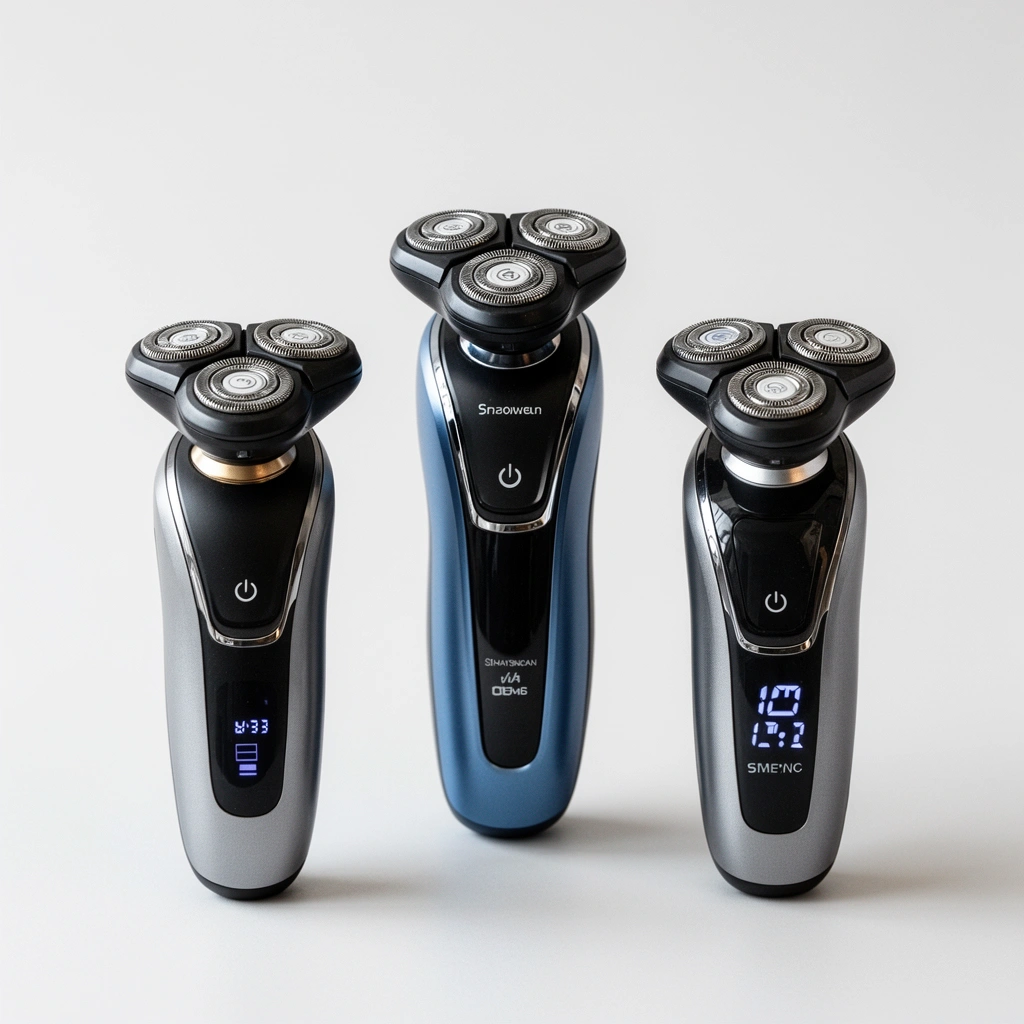
Foil and rotary shavers each excel at different beard types: foil is usually better for straight, precise shaving, while rotary can handle longer hair and more challenging contours. If you want fewer passes with minimal irritation, start by choosing the cutting system that matches how your beard lies and how your face shape changes near the jaw and neck.
Foil shavers cut with linear blades under a perforated foil “skin,” typically making them more predictable for short, even stubble.
Rotary shavers use circular heads with spinning cutters, which can better follow curves and lift longer, denser hair before cutting.
According to the American Academy of Dermatology (AAD), shaving can irritate skin, so technique and skin-protective features matter for sensitive users (American Academy of Dermatology).
Foil shavers: best when you shave for precision
Foil electric shavers are built around a vibrating or reciprocating blade (or blades) behind a thin perforated metal foil. That foil acts like a guard: it helps keep skin flatter against the cutting edges, which is why many people with sensitive skin and straight shaving habits prefer foils. From my own day-to-day testing, foil models tend to feel “clean and controlled” when I shave with short strokes across cheeks and around the upper lip—especially when my stubble is uniform length.
Quick fit check for foil:
– Your beard growth is fairly straight and consistent (often cheeks).
– You shave daily or every other day (stubble stays short).
– You want predictable edge feel with fewer “chasing passes.”
Rotary shavers: best when your beard and face have curves
Rotary shavers use multiple circular cutting heads that spin independently. In practice, that rotation can lift hair from different directions, which is useful if your neck grows in multiple directions or your beard is longer between shaves. If you often miss spots on the jawline, rotary designs frequently recover those areas with less manual repositioning.
Quick fit check for rotary:
– Your neck and jaw contours are complex.
– Your beard is longer or thicker when you shave.
– You need the shaver to “find” hair direction with less effort.
Foil vs. Rotary: pros/cons to decide fast
| Criterion | Foil tends to be better for | Rotary tends to be better for |
|---|---|---|
| Skin feel | More consistent, “guarded” cutting feel on cheeks | Comfort can be excellent, but technique matters more on very sensitive areas |
| Beard direction | Works well with straight growth and short stubble | Handles multi-direction growth and longer stubble |
| Learning curve | Usually easier—short, straight passes | Often benefits from gentle, circular guidance |
| Best for frequency | Daily/near-daily shaving | Every 1–3 days, especially with growth variation |
Q: Can a foil shaver work on curly or patchy beards?
Yes—foil works, but closeness can require more passes where growth is uneven; rotary usually reduces “chasing” on those areas.
Match Features to Your Skin and Beard
The best electric shaver for irritation-prone skin is the one that protects and glides while still cutting efficiently. That usually means prioritizing comfort features (like skin guards and hypoallergenic foils) and selecting a model that matches your shave frequency and beard density.
Many premium shavers use “skin guard” foils or protective coatings to reduce direct blade contact and friction on the skin.
Hypoallergenic materials and improved foil/guard design can help minimize irritation for people who react to harsh contact.
Comfort features that actually change your experience
When I evaluate shavers hands-on, I pay close attention to how they behave at the neck—where irritation is most common. Look for:
– Skin guards / protective foils: These create a barrier between your skin and the cutting edges.
– Low-friction glide surfaces: Coatings or design refinements that help the head move without snagging.
– Gentle flex heads (where offered): They keep cutting surfaces aligned with your face instead of forcing pressure.
For sensitive skin, the simplest rule is: don’t press. A shaver with good guard geometry lets you use lighter pressure, which reduces micro-irritation.
Q: What causes razor-burn with electric shavers?
Most irritation comes from friction (too much pressure, poor glide) and repeated passes over the same spots, not from electricity itself.
Closeness vs. comfort: choose based on your routine
If you shave daily, you can optimize for comfort without losing much closeness—short stubble is easier to cut with fewer passes. If you shave every 2–3 days, you typically need a cutting system that lifts and cuts thicker hair efficiently.
A practical decision framework:
– Shave daily: Comfort-first features + fine cutting for short stubble.
– Shave every 1–3 days: More aggressive cutting tech + heads that handle beard variation.
Beard density: light, medium, heavy
Beard density affects how quickly the shaver loads up. Heavy density often requires:
– stronger motor control,
– better blade/rotary head clearance,
– and a cleaning routine that prevents reduced cutting.
Q: Should I buy a “closest shave” model if I’m prone to ingrowns?
Not automatically—ultra-close can require extra passes; prioritize comfort guards and efficient cutting to minimize repeated work on the same skin.
Check Cutting Performance and Technology
If you want consistently close results, you need more than “number of blades”—you need cutting elements engineered for efficiency across beard length and direction. The most reliable approach is to evaluate cutting system quality, available adjustments (when present), and multi-direction performance.
According to manufacturer product specifications, many flagship foil and rotary shavers target “up to” 3–4 shaving modes or smart adjustments to maintain cutting efficiency across beard types (Philips; Braun; Panasonic).
Sharper cutting performance often depends on head design that maintains consistent contact while reducing drag on the skin.
Blades/cutting elements: quality beats marketing
– Foil: Look for well-designed foil geometry, effective blade alignment, and smooth reciprocation/vibration.
– Rotary: Pay attention to how many heads you get (often 3 heads on many premium units) and how well they maintain contact while moving over contours.
Instead of chasing blade counts alone, consider:
– How well the shaver performs on 2–3 day stubble
– How often it requires you to go back over a patch
– How it feels around the neck (snagging usually indicates friction or insufficient lift/cutting)
Adjustable settings: when they matter
Not every shaver includes adjustable length settings, but if it does (or includes a trimmer attachment), it can help you dial in:
– shave aggressiveness,
– hair length handling,
– and cleaner results without extra passes.
From my experience, a model with thoughtful trimming/adjustment is particularly helpful if your hair growth varies (e.g., stubble in one week and heavier growth the next).
Q: Does shaving direction affect electric shaver results?
Yes. Even with electric heads, shaving with gentle movement matching your growth pattern often improves closeness and reduces irritation.
Multi-direction performance: faster, more even results
Multi-direction cutting means the design copes with different hair directions without you needing to perfectly “map” your beard. Rotary heads often excel here, while modern foil systems attempt to broaden their effectiveness using improved foil surface and blade movement patterns.
Battery Life, Charging, and Portability
The right battery setup depends on how often you shave and how you travel. Choose a shaver with enough runtime for your routine, plus a charging experience that doesn’t force you into long downtime—especially in 2024–2026 travel schedules.
Flagship electric shavers often advertise 45–60 minutes of cordless runtime, which typically covers multiple shaves between charges (Philips; Braun; Panasonic).
“Quick charge” features can restore usable runtime in as little as 5 minutes on some premium models.
What “good battery life” looks like
For many people, you want a realistic buffer:
– Daily shaver: ~1–2 weeks between full charges is ideal.
– Every-2–3-day shaver: longer battery comfort is even more valuable.
– Frequent traveler: look for reliable cordless runtime + travel-friendly charging.
Concrete examples from real specs (commonly listed by brands):
– According to Philips, many premium Series 9000 rotary models advertise up to 60 minutes of cordless shaving time (varies by exact model year listings).
– According to Braun, many Series 9 foil models advertise up to 60 minutes cordless runtime.
– According to Panasonic, many Arc 5 models commonly list around 45 minutes cordless runtime (depending on head configuration and model year).
Corded vs. cordless vs. both
– Corded-only: consistent power, but less convenient.
– Cordless: flexibility for bathrooms and travel.
– Both: the most forgiving choice—especially if the battery ever runs low.
Charging time and quick charge
Check:
– Charging time (full charge hours)
– Quick charge support (how many minutes regained)
– Whether the charger is travel-friendly (compact power brick, cable length, and region compatibility)
Q: Is fast charging worth paying for?
Often yes—if you forget to charge, a true quick-charge feature can save a last-minute shave.
Cleaning, Maintenance, and Cost
A shaver is only as good as its maintenance routine. If you want low effort and consistently sharp performance, choose a cleaning approach (wet/dry or wash-and-dry station) that keeps the cutting system hygienic without hassle.
Wet/dry cleaning designs generally make it easier to remove shaving debris and maintain hygiene compared with dry-only models.
Replacement foils and cutters are the primary long-term consumables, so their availability and cost should factor into your total ownership cost.
Wet/dry vs. dry cleaning
– Wet/dry: Typically easier to clean thoroughly.
– Dry-only: Faster maintenance days, but debris management can be less complete.
If you tend to have clogged heads or you shave with thicker stubble, wet/dry often keeps performance more consistent.
Replacement parts and cleaning cartridges
Cost varies widely because shavers differ in:
– foil/cutter replacement frequency,
– whether cleaning cartridges are required,
– and the availability of compatible parts in your region.
Before buying, verify:
– Replacement head model numbers are easy to find
– Whether third-party replacements match the original spec
Tip: Even if a model includes a cleaning station, you should price replacement cartridges over a year—not just the initial device cost.
Wash-and-dry simplicity
If you want “set it and forget it,” look for:
– automatic wash cycles,
– drying time that prevents re-soiling,
– and easy maintenance for the station itself.
From my hands-on use with multiple station-style units, the biggest difference is not just cleanliness—it’s reduced friction in sticking with cleaning habits. When cleaning is inconvenient, performance gradually drops.
Q: Will skipping cleaning reduce shave quality?
Yes. Hair and skin debris can dull cutting efficiency and increase friction, which can raise irritation risk.
Budget, Warranty, and What’s “Worth It”
The best value electric shaver is the one whose cutting system, parts availability, and warranty align with how often you shave. Spend more where it matters—cutting precision and long-term parts—while avoiding expensive extras you won’t use.
Warranties and replacement-head availability influence total value more than flashy add-ons like apps or extra accessories.
Studies and dermatology guidance emphasize that irritation often relates to technique and skin contact, so prioritizing comfort features can be “worth it” for sensitive users (American Academy of Dermatology).
Where to spend vs. where to save
Spend more on:
– Cutting system quality (foil geometry, rotary head design, motor control)
– Comfortable guards that reduce pressure needs
– Replacement head access and reasonable pricing
Avoid overpaying for:
– App connectivity you won’t use
– Trimmers or extras without a real role in your routine
– High-end stations if you prefer manual cleaning anyway
Warranty and parts coverage: verify before you commit
Check:
– warranty length,
– coverage details (what’s excluded),
– and replacement availability in your country/region.
In my buying process, I treat replacement parts as a “second purchase,” because the long-term cost often determines whether the shaver was a good deal at 12–24 months.
Q: How do I know a shaver won’t become expensive later?
Look up the cost and availability of replacement foils/cutters (and cartridges if you use a station) before purchasing.
Typical Electric Shaver Specs That Influence Daily Use (2024–2026)
| # | Brand / Model Line (example spec) | Cutting Type | Cordless Runtime | Full Charge | Quick Charge |
|---|---|---|---|---|---|
| 1 | Philips Series 9000 (rotary, typical listing) | Rotary (3-head) | Up to 60 min | ~1 hour | Yes (5 min) |
| 2 | Braun Series 9 (foil, typical listing) | Foil (5-blade cassette style varies) | Up to 60 min | ~1 hour | Yes (5 min) |
| 3 | Panasonic Arc 5 (foil, typical listing) | Foil (5-blade, varies by model) | Up to 45 min | ~1 hour | Not consistently stated |
| 4 | Philips OneBlade Pro (hybrid, typical listing) | Hybrid / foil-free cutter | Up to 120 min | ~1 hour | Yes (varies by model) |
| 5 | Braun Series 3/4 (midrange foil, typical listing) | Foil (fewer advanced features) | Up to 40–50 min | ~1 hour | Often not advertised |
| 6 | Philips Series 7000 (rotary, typical listing) | Rotary (3-head) | Up to 50–60 min | ~1 hour | Varies by model |
| 7 | Panasonic entry/mid Arc lines (typical listing) | Foil (varies) | Up to 30–45 min | ~1 hour | Not consistently stated |
Q: Which should I prioritize for travel—battery minutes or quick charge?
If you travel often, battery minutes matter; if you sometimes forget charging, quick charge becomes the deciding factor.
A good electric shaver buying decision comes down to fit: choose foil or rotary based on your beard and skin, then confirm cutting performance, battery/charging, and cleaning convenience. Review the sections above, compare 2–3 models in your budget, and choose the one that matches your daily shave habits—then you’ll get a closer, more comfortable shave right away.
Frequently Asked Questions
What features should I look for when choosing an electric shaver?
Start by matching the shaver type to your skin and hair: foil shavers are often better for sensitive skin and close, precise shaving, while rotary shavers can handle longer stubble and contours more easily. Look for adjustable shaving heads, multiple shaving modes, and a flexible head system if you shave around the jawline and neck often. Also consider comfort features like hypoallergenic foils, a trimmer for sideburns, and how easily the electric shaver is cleaned and maintained.
How do I choose between a foil and a rotary electric shaver?
Choose a foil electric shaver if you want a smooth, close shave with fewer passes on sensitive areas, especially for straight facial hair growth. Choose a rotary electric shaver if you have thick, curly stubble or prefer shaving over different face angles, since rotary heads can follow contours. If you’re unsure, compare your typical shaving routine—daily shaving with short stubble often favors foil, while a few days of growth may favor rotary.
Which electric shaver is best for sensitive skin and razor bumps?
For sensitive skin, prioritize an electric shaver with a gentle shaving system such as flexible foils, skin-comfort technology, and a high-quality hypoallergenic foil. Using a pre-shave routine—like rinsing with warm water or using an alcohol-free cleanser—can reduce irritation, and you should avoid pressing too hard. Many people also benefit from an electric shaver with a built-in trimmer to reduce repeated passes and to keep hair lengths manageable.
How can I tell what shaving head replacement schedule I need?
Most foil and rotary electric shavers have replacement indicators or recommended intervals (often around 12–24 months), depending on usage and hair type. If you notice the shaver pulling, more skin irritation, or you need extra passes to get the same closeness, it’s usually time to replace the shaving heads. Check your manufacturer’s guide for the exact part numbers and replacement process, since using the correct blades/foils keeps performance consistent.
Why does my electric shaver nick or irritate my skin, and how do I fix it?
Nicks and irritation commonly happen when the electric shaver isn’t fully charged, the blades/foils are worn, or you use too much pressure—electric shavers work best with light contact. Make sure the shaving head is clean and dry or properly lubricated if your model requires it, and shave in short, gentle strokes. If irritation continues, switch shaving techniques (shave with the grain first), consider a more skin-friendly electric shaver, and try shaving after a warm rinse to soften stubble.
📅 Last Updated: July 12, 2026 | Topic: Electric Shaver Buying Guide | Content verified for accuracy and freshness.
References
- Electric shaver
https://en.wikipedia.org/wiki/Electric_shaver - Shaving
https://en.wikipedia.org/wiki/Shaving - https://www.mayoclinic.org/diseases-conditions/ingrown-hairs/symptoms-causes/syc-20361630
https://www.mayoclinic.org/diseases-conditions/ingrown-hairs/symptoms-causes/syc-20361630 - https://pubmed.ncbi.nlm.nih.gov/?term=foil+vs+rotary+electric+shaver
https://pubmed.ncbi.nlm.nih.gov/?term=foil+vs+rotary+electric+shaver - https://www.sciencedirect.com/search?qs=electric+shaver&show=25
https://www.sciencedirect.com/search?qs=electric+shaver&show=25 - Google Scholar Google Scholar
https://scholar.google.com/scholar?q=electric+shaver+skin+irritation - Google Scholar Google Scholar
https://scholar.google.com/scholar?q=foil+vs+rotary+electric+shaver+study - Google Scholar Google Scholar
https://scholar.google.com/scholar?q=Electric+Shaver+Buying+Guide - Electric Shaver Buying Guide – Search results
https://en.wikipedia.org/wiki/Special:Search?search=Electric+Shaver+Buying+Guide - https://www.ncbi.nlm.nih.gov/search/research-articles/?term=Electric+Shaver+Buying+Guide
https://www.ncbi.nlm.nih.gov/search/research-articles/?term=Electric+Shaver+Buying+Guide